Photo credit: wisnupriyono/Shutterstock.com
We may earn revenue from products featured on this page through affiliate links.
Your first cold shot is the only shot that really counts in hunting season, and it’s the one most people don’t train for. Everybody loves talking about groups, and they’ll burn a whole box making a tight cluster on paper, then go home feeling dialed. But the first cold shot isn’t a group. It’s one trigger press on a clean barrel, with a rifle that’s been sitting, with your body not warmed up, with different light, different temperature, and different nerves. That single shot tells you more about your real zero than any “three-shot group” ever will, because it exposes what changes when the rifle and the shooter aren’t already in a rhythm.
A cold shot can reveal true zero shift, but it can also reveal something more uncomfortable: the shooter doesn’t break the first shot the same way they break the fifth. A lot of people settle in after a few rounds. They relax, they find their natural point of aim, and they stop fighting the rifle. That’s great for range groups, but it’s not how hunting usually works. In the field, you don’t get a warm-up string. You get one chance, and your first shot has to land where you think it will. That’s why experienced hunters and serious shooters pay attention to cold shots, not just averages.
A cold shot exposes whether your “zero” is real or just a range routine
The first thing a cold shot tells you is whether your rifle is actually zeroed the way you think it is, under the conditions you’re likely to shoot in. If your cold shot lands consistently off from your group center, that’s not “a flier.” That’s a pattern. It might be a true cold-bore shift, or it might be something in your process that changes once the rifle warms. Either way, it’s important because the field shot is usually cold. Some rifles and loads show a small, repeatable shift between cold bore and warm bore, and if you ignore that, you’re ignoring the exact shot you’re going to take at an animal.
This is also where people accidentally lie to themselves with zero confirmation. They’ll shoot two or three rounds, adjust, shoot again, and by the time they stop, the barrel and the shooter are “online.” Then they call that the zero. But the first shot of the day didn’t get that benefit. If you want your zero to mean something, you need to track where that first shot lands across multiple days, not just inside one range session. That’s how you learn whether your rifle’s first shot is faithful or whether it has a predictable quirk you need to account for.
Your cold shot can reveal scope mounting and torque problems early
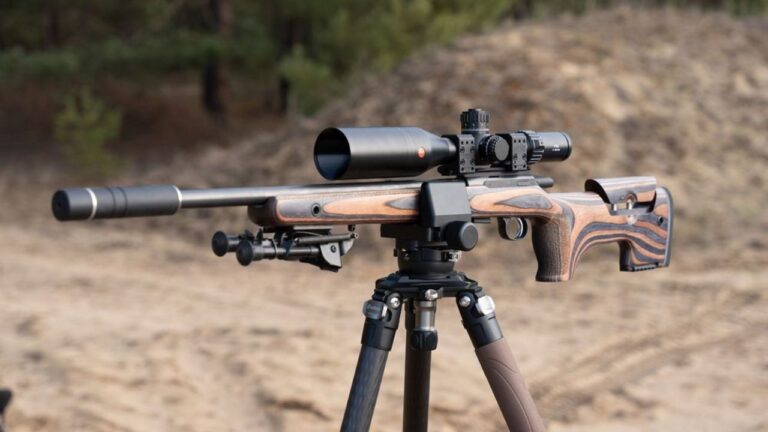
If your cold shot is wandering unpredictably day to day, and your groups are inconsistent in ways that don’t match your normal ability, that’s when you start looking at the rifle setup instead of blaming weather or “bad ammo.” Loose rings, loose bases, inconsistent torque, or a scope that’s creeping can show up as a moving first-shot impact, especially if the rifle sits between sessions and the hardware settles. A lot of people don’t check their mounts until something goes wrong, and the cold shot is often the first clue that something is loosening, shifting, or changing under recoil.
This is one of those places where the boring maintenance wins. A torque wrench and a simple habit of checking ring and base screws saves people a lot of confusion. If you’re trying to keep things simple, a basic tool like the Wheeler FAT Wrench from Bass Pro Shops is an easy way to stop guessing and start knowing your mounts are tightened consistently. That’s not a sexy purchase, but it’s the kind of thing that prevents a hunting trip from turning into a “why is my rifle off?” meltdown when you’re far from home.
Temperature and ammo can move your first shot more than you think
Cold shots aren’t just about the barrel being cold. They’re about the whole system being in a different state. Temperature affects metal, lubrication, and ammo pressure. Some powders are more temperature sensitive than others, and a load that prints one way on a warm fall afternoon can print differently on a freezing morning. That doesn’t mean your rifle is broken. It means your assumptions are incomplete. The reason cold-shot tracking matters is because it forces you to confront these shifts before you’re staring at an animal in bad light trying to decide whether to hold a little high.
This is also where people get fooled by “ballistics charts” and internet advice. Charts don’t know what your rifle does on the first shot. They don’t know your specific lot of ammo, your real muzzle velocity in cold air, or how your optic behaves when everything is stiff. You don’t need to become a scientist about it, but you do need to be realistic. If you hunt in big temperature swings, it’s smart to confirm zero in conditions that resemble your season, even if that means a quick trip on a cold morning instead of always shooting at lunch when it feels nice.
The cold shot tells you a lot about you, not just the rifle
This is the part most people avoid talking about. A lot of “cold shot issues” are shooter issues. The first shot of the day comes with more tension. You’re thinking more. You’re trying harder. You might not be settled behind the rifle the same way you are after you’ve fired a few rounds and found your groove. That can change your point of impact. If your first shot is consistently off in the same direction, you might be muscling the rifle, loading the bipod differently, gripping the stock harder, or rushing the trigger because you’re not warmed up.
A good way to separate rifle behavior from shooter behavior is to make your cold-shot process repeatable. Same rest, same position, same cheek weld, same pressure, same breathing, same trigger press. Don’t chase the shot. Just record it. Over a few sessions, patterns show up. If the pattern is consistent, you can account for it. If it’s random, you need to tighten the process. The cold shot is brutally honest because it doesn’t let you “settle in.” It shows you what your real first shot looks like, and that’s valuable information if you’re willing to accept it.
How to use cold-shot data without turning it into overthinking
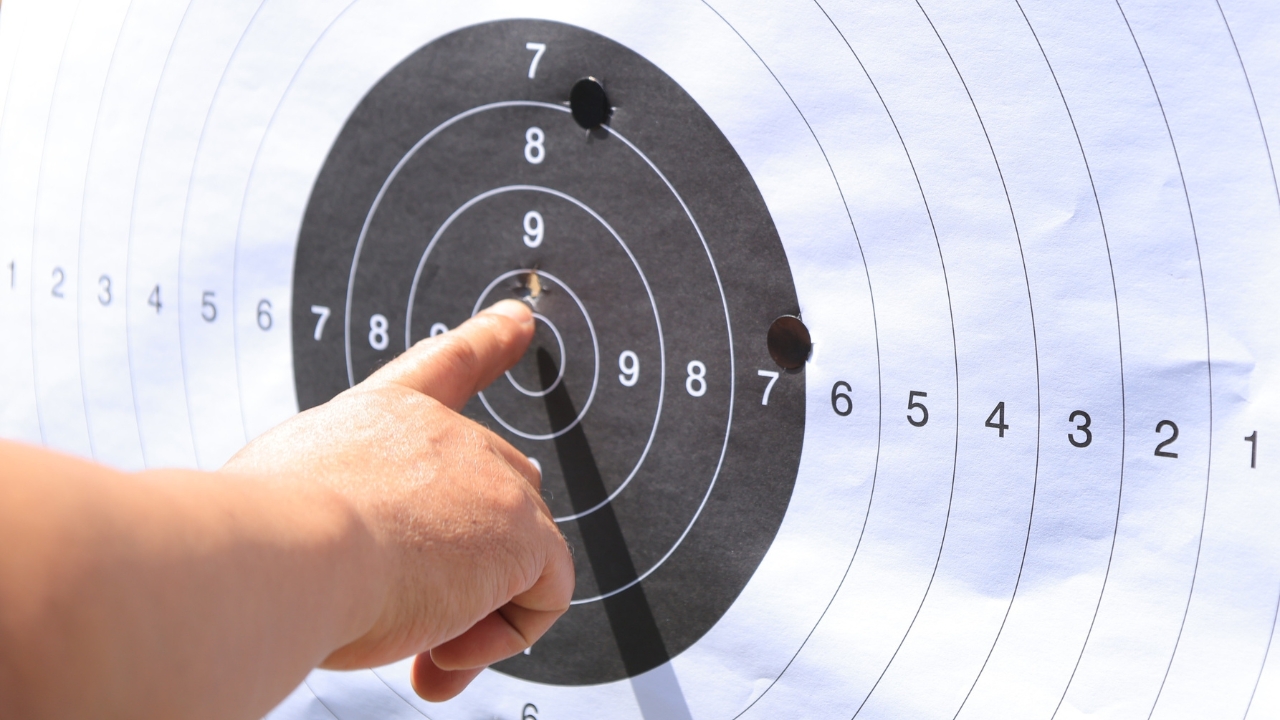
The goal isn’t to obsess over one hole in paper. The goal is to collect enough first-shot data to understand what’s normal for your rifle and for you. That means taking one cold shot at the start of a few different sessions and recording where it lands relative to your point of aim. If those cold shots cluster consistently a half-inch high, or an inch left, that tells you something. If they land randomly, that tells you something too. The mistake people make is firing a cold shot, seeing it’s off, and immediately adjusting their scope. That’s how you chase your tail all season.
If you want your zero to mean something in the field, treat the cold shot like its own data point and value it more than the warm group. Your warm group still matters for confirming mechanical consistency, but your cold shot tells you whether your first trigger press will land where you believe it will when it’s time to make a clean kill. That’s the shot you’re actually buying confidence for.
A simple standard that works for most hunters
A practical standard is this: if your cold shot lands inside the vital zone at the distances you realistically shoot, you’re in good shape, even if it’s not perfectly centered. Perfection is a range goal. Hunting is a results goal. But if your cold shot is consistently outside where you’d want it to be, or it’s inconsistent across days, you don’t ignore that. You fix the setup, fix the process, or adjust your zero strategy so the first shot lands where you need it. That’s how experienced hunters think about zero. They don’t chase bragging groups. They chase predictable first-shot performance, because that’s what actually matters when the rifle comes off the sling and you’ve only got one clean window.
Like The Avid Outdoorsman’s content? Subscribe to our newsletter so you never miss an article.
Here’s more from us: