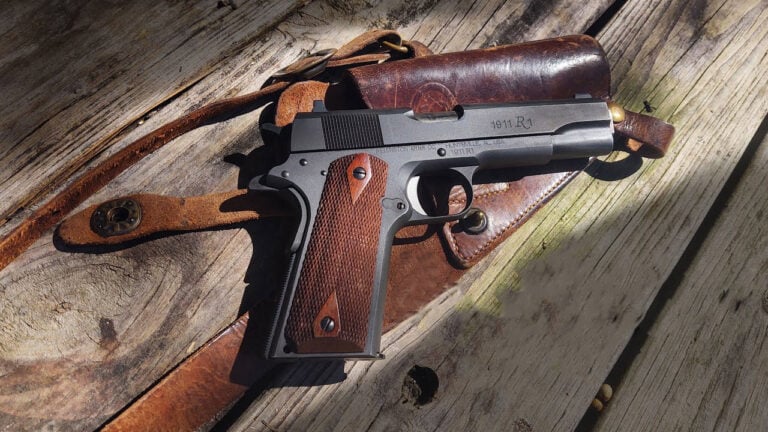
Photo credit: Hammer Striker/YouTube
I told myself I was being smart when I bought the cheap pistol. At the time, it felt responsible. I wasn’t trying to impress anybody, and I wasn’t looking for a safe queen or a range toy with a bragging-rights price tag. I wanted a handgun that would let me get in the game without spending more than I thought I had to spend. A lot of gun buyers talk themselves into that same decision. You look at the case, compare price tags, and convince yourself that if it goes bang, that ought to be enough. What I learned is that “good enough” can get expensive in a hurry when the gun starts costing you time, confidence, ammo, and eventually another purchase you should have made the first time.
That lesson didn’t hit me all at once. It came in stages, which is probably why so many shooters make the same mistake. The cheap pistol didn’t fail in some dramatic movie-scene way the second I opened the box. It worked just well enough to keep me hoping I’d made the right call. That’s how bad purchases hang around. They don’t always collapse immediately. Sometimes they stay just functional enough that you keep pouring money into magazines, holsters, extra range trips, replacement parts, and excuses. Looking back, I can see that I wasn’t saving money at all. I was delaying the real purchase while spending extra on the one I should have skipped.
The low price felt like a win until I started shooting it seriously
At the counter, the cheap pistol had a lot going for it on paper. The capacity was fine, the size looked right, and the price gap between it and the better-known models was big enough to get my attention. I told myself I could use the savings for ammo, maybe a holster, maybe some extra magazines. That kind of math feels sensible in the moment, especially if you’re trying to be disciplined about gear spending. The problem is that a pistol is not a place where the sticker price tells the full story. What matters is how the gun feels after a few hundred rounds, how it tracks in recoil, how reliable it stays when it gets dirty, and whether it gives you enough confidence that you stop thinking about the gun and start focusing on your shooting.
The first range trip didn’t completely expose it, but it planted doubt. The recoil impulse was harsher than I expected for a gun in that size class, the trigger had a rough break that made good shots feel less repeatable, and the reset was vague enough that I kept second-guessing where it was. I could still hit with it, but I had to work harder than I should have. That matters more than a lot of people admit. A carry pistol or general-use handgun doesn’t need to be fancy, but it does need to be predictable. If every magazine leaves you fighting the gun instead of building consistency, that lower price starts looking a lot less impressive.
Reliability problems don’t have to be constant to become expensive
The real trouble started when the gun proved unreliable in the most frustrating possible way: not constantly, but often enough to make me stop trusting it. If a pistol is a complete disaster from round one, at least the decision is easy. You know you got a lemon or a bad design, and you move on. Mine wasn’t like that. It had scattered failures that were easy to blame on ammo, on magazines, on break-in, or on me. That is exactly the kind of problem that keeps shooters trapped. You keep telling yourself one more box, one more cleaning, one more tweak, and it’ll smooth out. Meanwhile, you’re burning range time trying to diagnose a gun that should have simply been doing its job.
That kind of uncertainty gets expensive faster than people think. I bought different defensive loads to “test what it liked.” I bought extra magazines because I figured maybe one of the originals was the issue. I spent more on ammo than the original difference between that pistol and a better one would have been. I also spent time trying to build confidence in something that had already shown me it didn’t deserve it. That’s the part people overlook when they talk about saving money on firearms. A cheap pistol that runs poorly is not budget-friendly. It’s a money leak with a slide on top.
The support gear around a bad gun adds to the waste
One of the most annoying parts of buying the wrong pistol is how quickly the supporting gear turns into part of the loss. Once I bought that handgun, I started buying everything around it like I was committed for the long haul. I picked up a holster, extra mags, mag carriers, and a few odds and ends that seemed reasonable at the time. None of those purchases felt huge on their own, but they stacked up fast. The gun was supposed to be the affordable option, yet before long I had built a whole little ecosystem around a pistol I was already starting to doubt. That’s where the phrase “paying twice” really started to make sense.
When I eventually replaced that pistol, most of that gear became dead weight. Some of it couldn’t transfer at all because the fit was model-specific. Some of it technically could be resold, but not for enough to matter. That’s the thing about bargain firearm decisions: the waste isn’t limited to the gun. It spreads. A bad pistol choice drags other bad spending behind it, because once you try to make that gun part of your routine, everything attached to it starts costing money too. The original price tag no longer tells the truth about what that choice actually cost.
Confidence is worth more than people realize in a handgun
The biggest thing I lost with that cheap pistol wasn’t money. It was confidence, and that matters more than a lot of people give it credit for. When you pick up a handgun that fits your hand, cycles reliably, has a trigger you can read, and prints where you expect, your attention goes where it belongs. You think about sight picture, pace, movement, and fundamentals. With a pistol you don’t trust, part of your brain is always stuck on the gun itself. Is it going to feed? Is that weird feel in the trigger normal? Was that flyer me or the pistol again? That kind of second-guessing can quietly poison your progress.
Once I finally bought a better pistol, the difference was obvious within the first session. My groups settled down, my cadence improved, and the gun stopped feeling like a problem I had to manage. It just worked. That experience bothered me a little, because it proved what I had been trying not to admit. I had spent a long time blaming technique, break-in, and minor quirks for issues that really came back to the gun. A solid pistol doesn’t magically make somebody a great shooter, but it does remove the kind of friction that keeps a shooter from improving with confidence.
Cheap guns can work, but cheap decisions usually don’t
To be clear, this is not me claiming that every lower-priced handgun is junk. There are affordable pistols that run well and have earned their reputation honestly. The mistake I made was not simply buying an inexpensive gun. The mistake was buying based on price first and then trying to justify the purchase after the fact. I paid more attention to what I was saving at the counter than to what I might be giving up over time in shootability, reliability, support, and long-term satisfaction. That’s not a gun problem as much as it is a buying problem, and I think a lot of shooters know exactly what that looks like because they’ve done the same thing with optics, boots, knives, packs, and a hundred other pieces of gear.
If I had to do it again, I’d spend more time shooting or at least handling the better options first, reading less into the sale tag, and thinking harder about intended use. If it’s a pistol I’m going to train with, carry, or lean on in any serious role, I want proven reliability and a track record that exists for a reason. I don’t need the most expensive gun in the case, but I do need one I can trust without talking myself into it. Buying the cheap pistol first taught me that the lower price can be the most expensive part of the whole transaction when it pushes the real purchase down the road and drains money on the way there.
Like The Avid Outdoorsman’s content? Subscribe to our newsletter so you never miss an article.
Here’s more from us: