
Photo credit: Buckeye Ballistics/YouTube
There’s a time and place for cheap guns and range toys. But when it’s your life, your livestock, or your family on the line, not every firearm is up to the job. Some guns look the part but fall apart under pressure. Others are plagued with feeding issues, sketchy triggers, or flat-out bad design. If you’re prepping, protecting, or depending on your gear to work no matter what—these are the ones you’d be better off leaving behind.
Hi-Point Pistols

Hi-Points are known for one thing: being cheap. And while they can technically go bang, reliability is hit or miss. The bulky design makes them hard to carry, and their magazines often fail to feed smoothly.
You might get one to run fine for a while, but when the stakes are high, that’s not good enough. For self-defense or serious use, you don’t want to be wondering if your pistol will jam on round two.
Remington 597

The Remington 597 .22 LR had potential, but its legacy is mostly frustration. Magazines are finicky, bolts stick, and feeding issues are common—especially with older models.
In a small-game or survival situation, you need consistency. And the 597 just doesn’t deliver it. Plenty of folks have tried to make theirs work, but you’re often better off going with a Ruger 10/22 or Marlin Model 60.
KelTec Sub-2000

The folding design of the Sub-2000 is clever, but the execution doesn’t always hold up under real use. The plastic feels cheap, the sights are rough, and reliability can be questionable depending on mag choice.
When everything’s running right, it’s decent. But that’s a big “if” when you’re counting on it. Ergonomics are also awkward for extended use, and the charging handle location makes maintenance a hassle.
Taurus PT22

This little .22 pistol is often picked as a pocket carry or backup option, but it’s earned a reputation for light primer strikes and inconsistent feeding. The tip-up barrel is a neat idea, but that doesn’t make up for poor reliability.
Small calibers demand solid function if you’re going to trust them, and the PT22 just doesn’t meet the mark. You don’t want to be fiddling with a jammed slide in a tense moment.
Winchester 1400

The Winchester 1400 is an old semi-auto shotgun that looks solid on paper, but it’s got a long history of cycling issues and weak parts. They’re notorious for wearing out extractors and gas system components.
Even if you find one that runs okay, the chances of it going down when you need it most are high. Replacement parts can be hard to source too. If you’re looking for a reliable semi-auto shotgun, you’ve got better options out there.
Jimenez Arms Pistols (Formerly Bryco)

These pistols have been called “Saturday night specials” for a reason. Made from cheap materials with sloppy tolerances, they’ve got a long track record of malfunctions, breakages, and poor accuracy.
They might be tempting because of the price tag, but when things get serious, they’re not worth the risk. There are far better used options out there for a few bucks more that won’t fall apart on you.
Remington R51

The original R51 release was a mess. Poor machining, hard-to-rack slides, and major reliability problems led to a recall soon after launch. Even the revised Gen 2 didn’t regain much trust.
It’s got a unique action, but that novelty doesn’t translate to dependability. In critical situations, you want a handgun that’s already been proven—this one never really earned its keep.
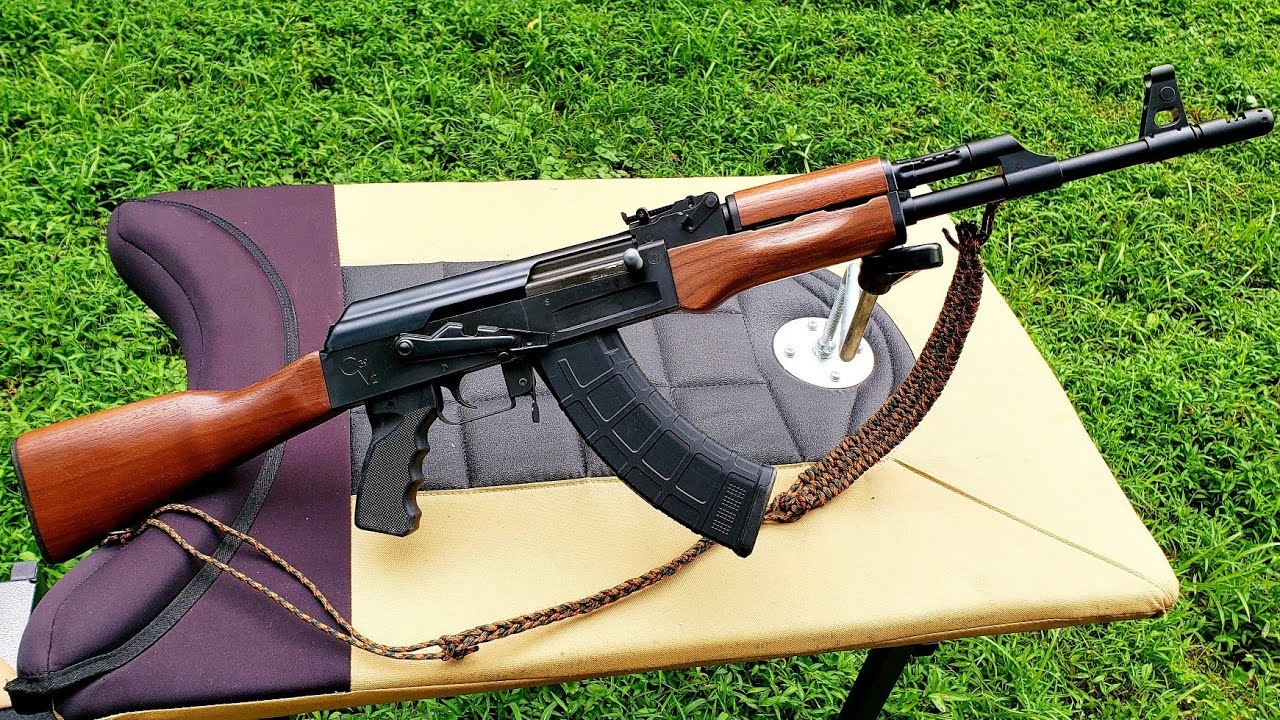
Century Arms C39v2

This American-made AK-style rifle sounded good in theory but suffered from a few serious flaws—mainly soft metal. The bolt and trunnion wear down fast, especially under higher round counts.
Some early adopters had rifles basically go out of spec before they hit 1,000 rounds. That’s not what you want in a rifle you’re relying on for hard use. Stick with imports or trusted AK builders if you want something you can count on.
Chiappa M1-22

Chiappa’s M1-22 tries to bring the M1 Carbine look to the .22LR market, but it falls short on performance. Feeding issues, cheap parts, and poor accuracy are common complaints.
It’s fine for plinking if that’s all you expect, but you shouldn’t trust it for any kind of serious small game or defensive use. There are better .22 options with tighter tolerances and fewer headaches.
Cobra Derringers
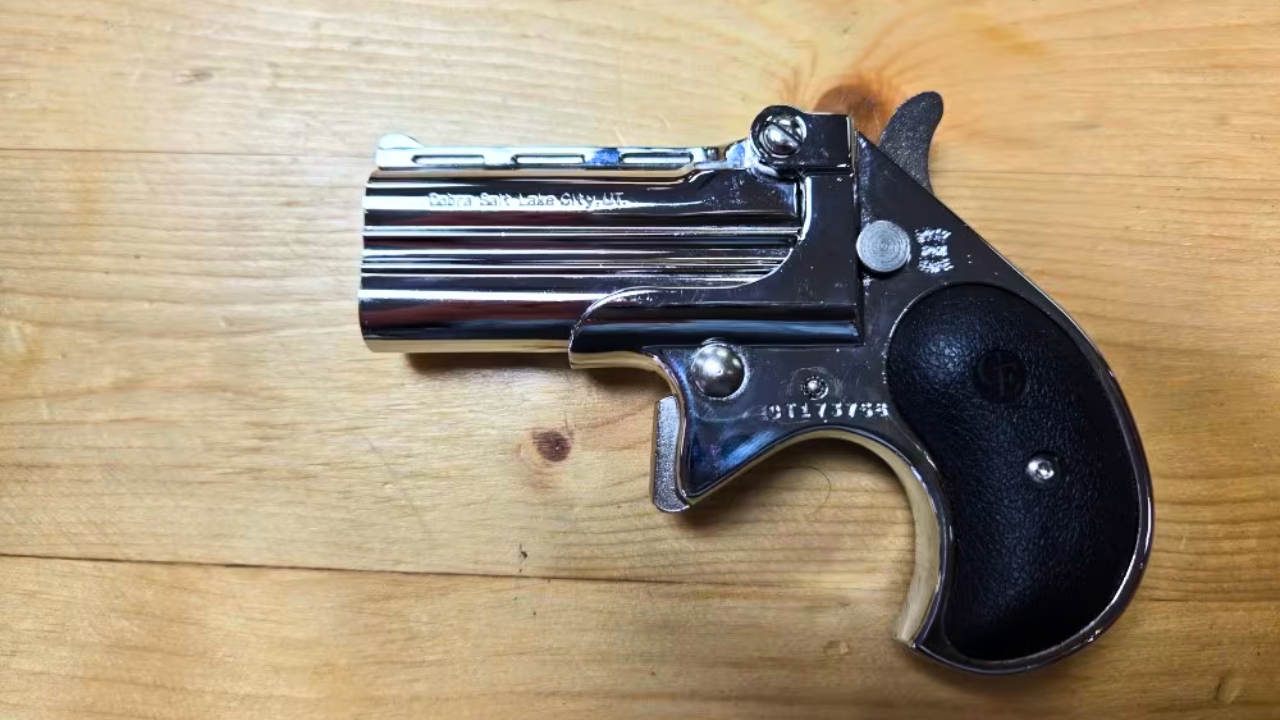
They look old-school and compact, but Cobra derringers are often unreliable, hard to shoot, and built with questionable quality control. Misfires and mechanical failures aren’t rare.
They’re slow to reload and awkward to aim. In a self-defense scenario, they give you two shots—if they fire—and then you’re fumbling. For pocket carry or backup, there are plenty of better, safer choices.
*This article was developed with AI-powered tools and has been carefully reviewed by our editors.


