Photo credit: TheHumbleMarksman/YouTube
There is a difference between buying an expensive gun because you truly appreciate it and buying one because you want the reaction that comes with owning it. Most shooters know that difference when they see it. One buyer lights up because the gun fits their hand, fills a real role, or connects to years of experience. The other buyer wants the name, the price tag, the bragging rights, and the little pause that happens when somebody else says, “Man, that thing must have cost a fortune.”
That second kind of purchase happens more than people admit. Some expensive guns are excellent. Some absolutely earn their price. But there is a whole category of firearms people buy mainly because they want to look serious, refined, tactical, or collector-savvy in front of someone else. The gun becomes a status symbol first and a shooting tool second. Here are 15 expensive guns people often buy to impress other people more than themselves.
Desert Eagle Mark XIX

The Desert Eagle is probably the easiest gun in the world to buy for reaction value. It is huge, famous, expensive enough to sound impressive, and instantly recognizable even to people who do not know much about firearms. Owning one feels like owning a prop from gun culture itself, and that is exactly why people keep buying them.
The problem is that most owners are not really buying it because it fits their shooting life. They are buying the image. It is heavy, expensive to feed, awkward in any practical sense, and more likely to get passed around at the range than shot hard over time. That does not stop people from chasing one. The point was often the attention, not the long-term enjoyment.
Cabot 1911

Cabot pistols are beautifully made, and there is no point pretending otherwise. The machining is impressive, the presentation is polished, and the whole brand is built around the idea that you are buying something beyond an ordinary 1911. That exclusivity is exactly what draws certain buyers in. They want something that signals taste, money, and a level of appreciation that sounds deeper than average.
But a lot of those purchases are not really about the shooting experience. They are about owning a conversation piece with a premium aura. At a certain price point, you are not just buying performance anymore. You are buying the right to say you own a Cabot. For some people, that matters more than whether they would honestly rather spend the day shooting a far less expensive 1911 they do not feel nervous about scratching.
Nighthawk Custom 1911

Nighthawk makes serious pistols, and plenty of them are excellent. Still, some buyers do not end up in that market because they outshot everything else. They end up there because a custom 1911 from a respected shop has become one of the cleanest ways to signal that you are not a “regular gun guy.” It says you have moved into a higher bracket of ownership.
That is where the line gets blurry. There are absolutely shooters who buy a Nighthawk for themselves and use it hard. There are also plenty who buy one because the name carries weight at the counter and online. The pistol becomes proof of status before it becomes a tool. When that happens, the owner is often chasing the impression it makes more than the experience it delivers.
Wilson Combat EDC X9

The EDC X9 is another pistol that can be genuinely excellent while still attracting buyers for all the wrong reasons. It carries the Wilson Combat name, looks refined, and sits in a price range where people start expecting admiration to come bundled with the gun. For a certain kind of owner, that is part of the point.
A lot of buyers do not really need what makes it special. They want to own something premium enough that other shooters notice. That can turn an outstanding pistol into a luxury badge more than a working sidearm. Once that happens, it is not really about whether the gun fits the buyer’s skill or needs. It is about being seen as the kind of person who owns one.
Korth revolvers
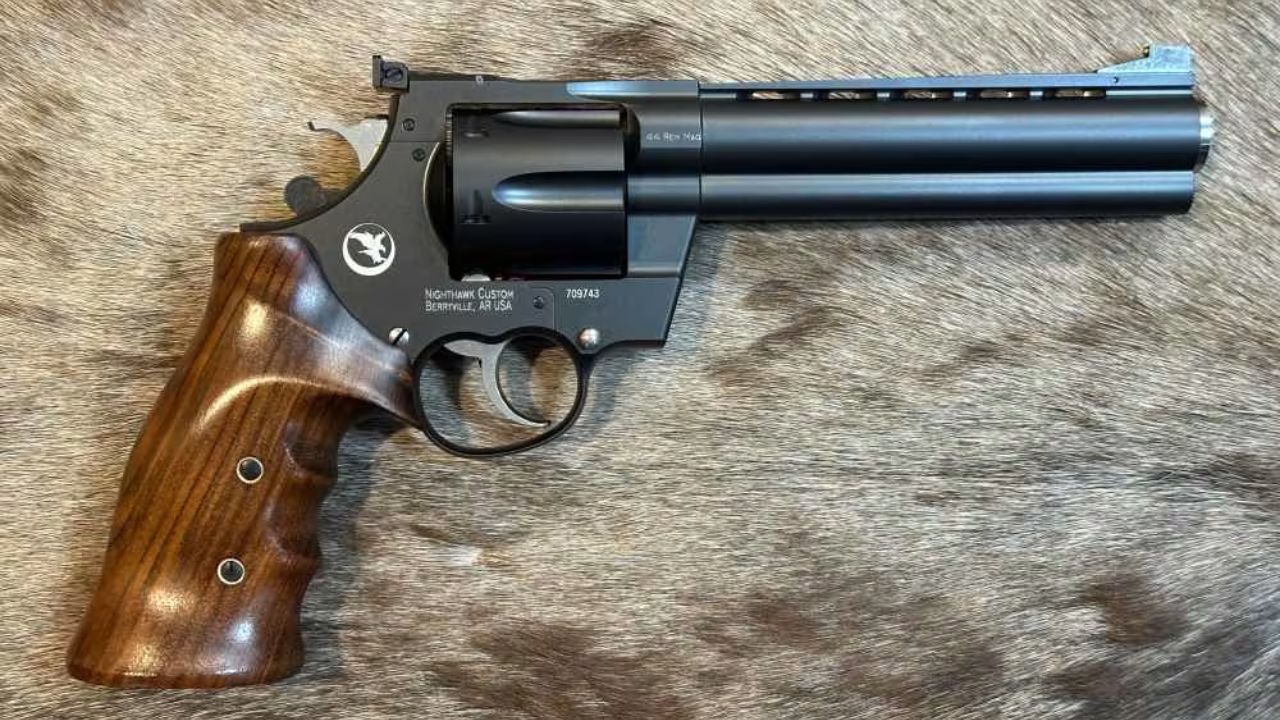
Korth revolvers are the kind of guns people bring up when they want to sound like they have graduated beyond Colt and Smith & Wesson. They are expensive, beautifully finished, mechanically interesting, and almost built to trigger the question, “How much did that thing cost?” That alone explains a lot of the demand.
There are real enthusiasts who appreciate them for what they are. There are also buyers who want a revolver that feels more like jewelry than a shooter. With Korth, that line gets crossed often. The gun becomes less about whether the owner truly loves revolvers and more about whether the owner wants to own the revolver that sounds more exclusive than everyone else’s.
Manurhin MR73
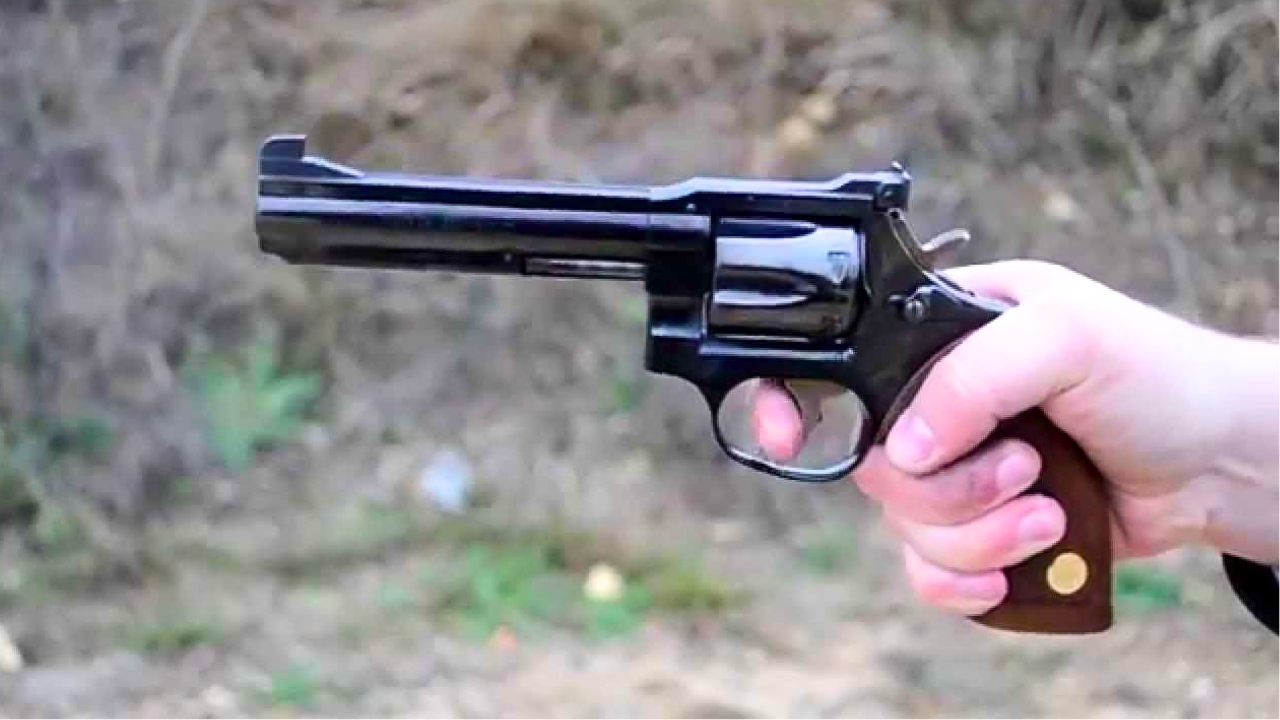
The MR73 has a deep reputation, and it earned that honestly. The trouble starts when people buy one mostly because the legend around it sounds impressive. They want the French special-unit story, the precision-machined mystique, and the feeling that they own something only “serious” shooters understand. That allure is powerful.
For some owners, the MR73 becomes less of a revolver they genuinely connect with and more of a reputation trophy. It is the revolver equivalent of buying a very expensive watch because you want people to ask about it. Once the legend starts doing more work than the ownership experience, the purchase is no longer really about the gun itself. It is about what the gun says to other people.
STI/Staccato race-style pistols bought by casual shooters

Staccato makes very capable pistols, but there is no question that some people buy them because they have become the premium flex choice in the duty-cool and range-cool crowd. The look, the price, the hype, and the aura around double-stack 1911-style pistols make them attractive to buyers who want to seem like they have elite taste and serious standards.
That is not always backed by serious use. A lot of owners are not competition shooters, not high-round-count students, and not people who truly need what a pistol like that can offer. They want the upscale tactical image. They want other shooters to notice the brand. In those cases, the gun is doing social work before it ever does shooting work.
Atlas Gunworks pistols
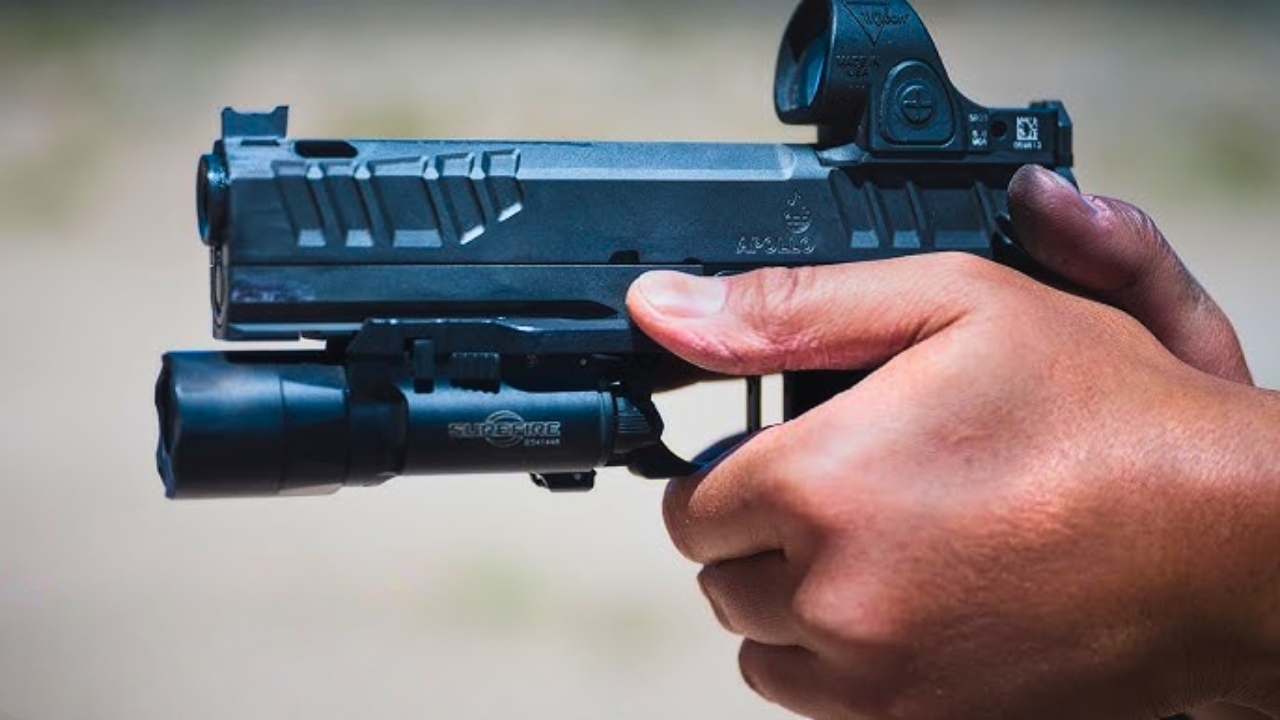
Atlas sits in a part of the handgun market where the pistol is almost guaranteed to be impressive. The trouble is that impressive quality also attracts buyers who want impressive optics. These are high-dollar pistols that say something before the first shot is fired, and that makes them magnets for status-minded purchases.
Some Atlas owners absolutely shoot the wheels off them. Others buy them because they want the most expensive answer in the room. For those buyers, the pistol becomes an easy way to signal money and taste under the cover of “performance.” It is still bragging rights. It just comes wrapped in better machining and more sophisticated language.
KAC SR-15
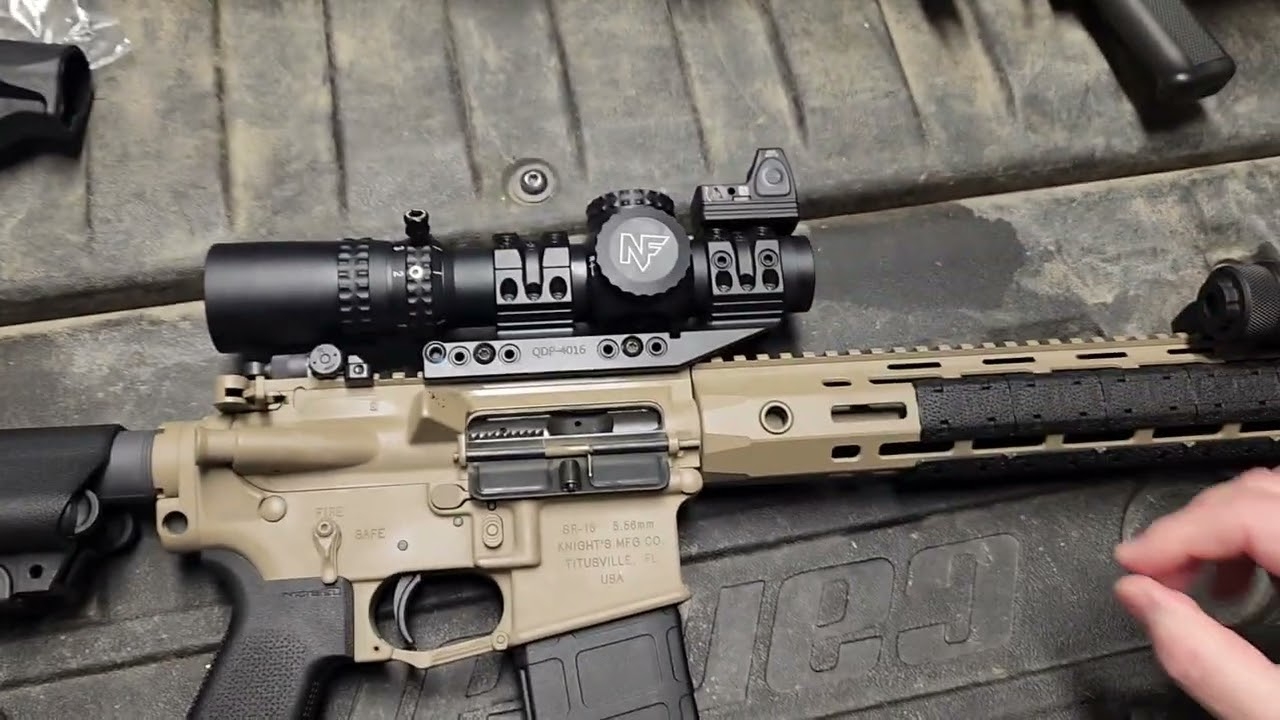
The SR-15 is a strong rifle, but it is also one of the clearest examples of a gun people buy because the name has become social currency. In certain circles, owning Knights Armament says more than owning a really solid AR from a less prestigious maker. Buyers know that, and a lot of them are counting on it.
That is when the rifle stops being about what the owner truly values in a shooting tool. It starts being about owning the rifle that gets respect online and at the range without much explanation. Some shooters genuinely want an SR-15 for all the right reasons. Plenty of others want the logo and the reaction. Those are not the same thing.
HK Mark 23

The Mark 23 is one of those pistols that people love owning because it sounds like a serious man’s handgun. It is large, famous, linked to special operations lore, and expensive enough to feel important. A lot of buyers chase one because it projects toughness and credibility in a way few pistols can.
Then they realize it is a massive handgun that makes far more sense as a symbol than as a practical pistol for most normal owners. That does not stop the buying. The image is too strong. Many people buy a Mark 23 because they want to own the legend and let other people know they own the legend. Their own actual shooting habits come second.
Benelli M4 with every premium add-on imaginable
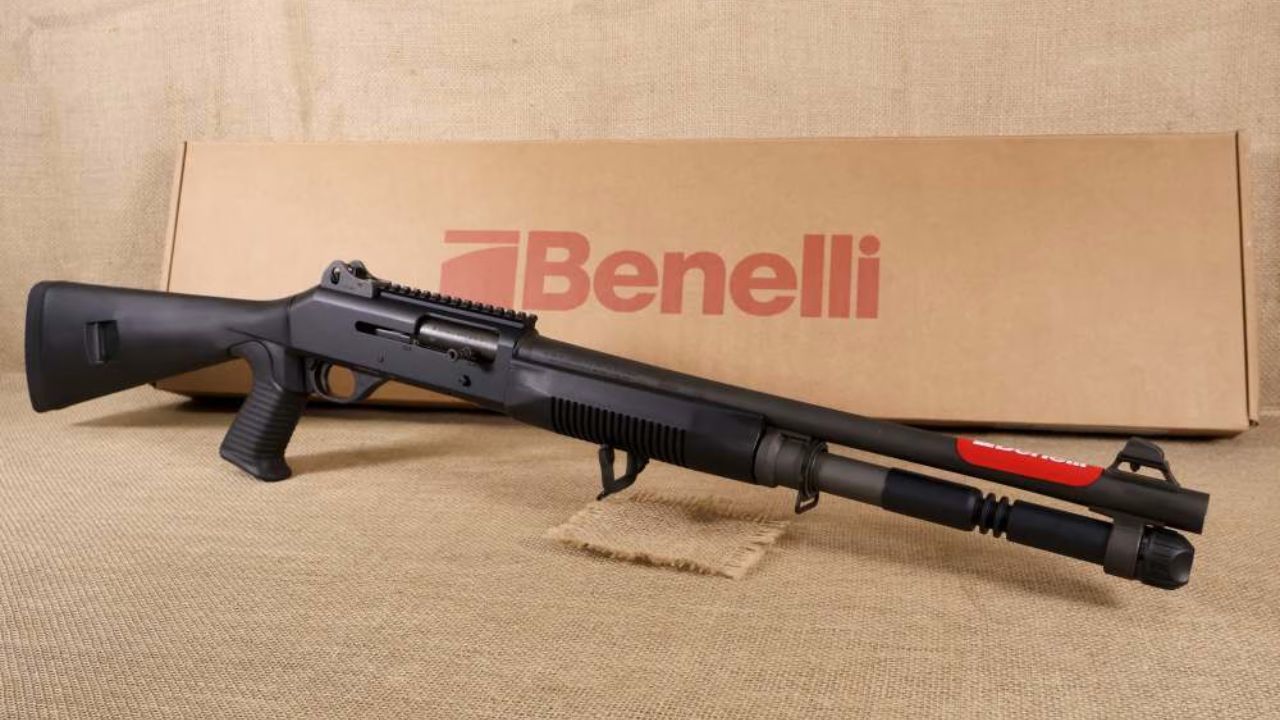
The Benelli M4 is a real fighting shotgun with a genuine reputation, but some owners turn it into an accessory-driven trophy. The shotgun itself is already expensive, then comes the optics, the mount, the side saddle, the light, the stock swap, the upgraded controls, and the whole “built not bought” attitude that usually means “bought very expensively.”
That kind of purchase can drift away from honest use pretty quickly. Instead of building a shotgun for themselves, some buyers build one to impress other gun people with how serious it looks. The gun becomes a performance costume. It might still work well, but the main purpose quietly shifts toward being admired rather than relied on.
Barrett M82A1

The Barrett is one of the loudest examples of this whole category because the rifle practically announces itself. It is huge, expensive, instantly recognizable, and almost impossible to own quietly. Buyers do not stumble into a Barrett because it makes simple practical sense for their life. They buy it because it is the rifle everybody recognizes as the big expensive rifle.
That is not a criticism of the platform itself. It is a criticism of why most civilians chase one. A Barrett often becomes the ultimate range-lane flex, the firearm equivalent of parking something outrageous in the driveway. The owner may enjoy it, but a lot of that enjoyment comes from the reaction it gets, not from the role it fills.
Korth NXR / premium tactical revolvers
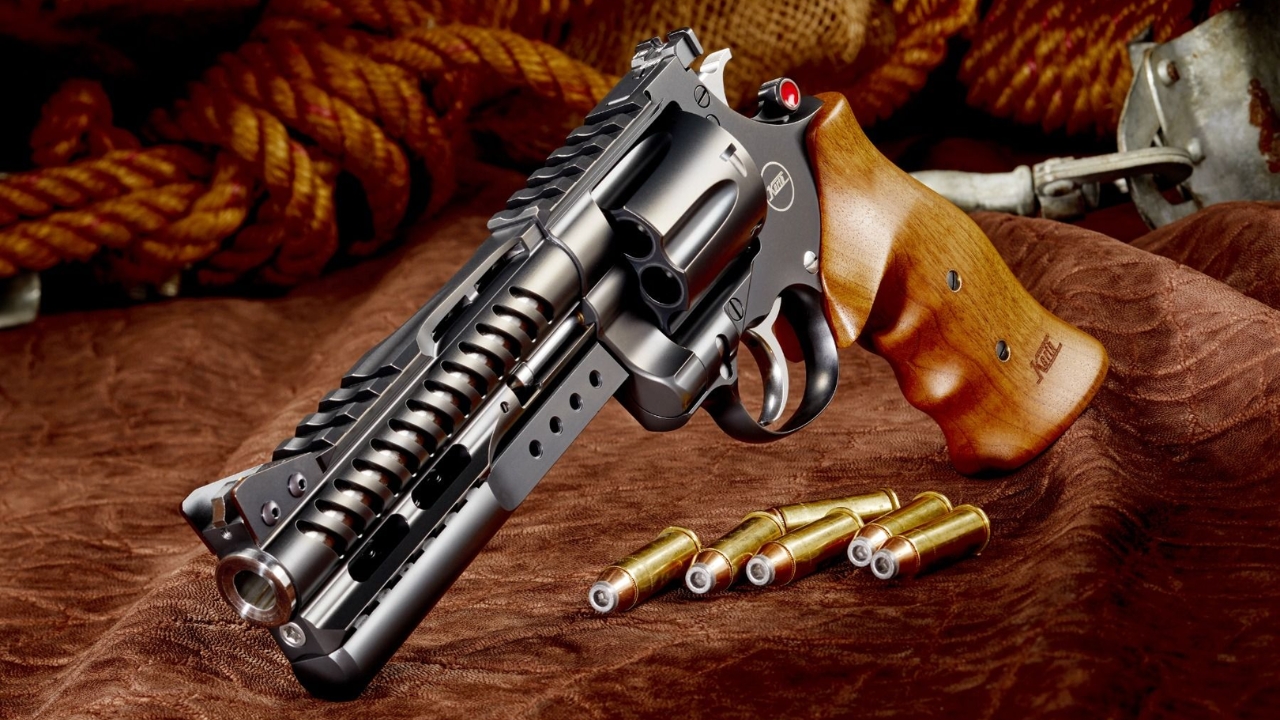
Premium tactical revolvers from brands like Korth pull in a very specific buyer: the shooter who wants a revolver that costs enough to prove they are not buying one for normal reasons. The tactical styling helps, but the real draw is often the price and exclusivity. It is a luxury item pretending to be rugged.
That is why so many of these guns feel bought for audience value. A person who truly loves revolvers does not need to spend that much to be happy with one. But if the goal is to own the revolver that other people notice first, then suddenly the price makes emotional sense. It is not self-satisfaction driving the purchase. It is social performance.
Holland & Holland or similar ultra-premium sporting guns

In the shotgun world, this is where the whole idea gets dressed up in tradition and class. Ultra-premium English doubles can be masterpieces, and some buyers absolutely appreciate them deeply. But there are also plenty of wealthy owners who buy them because they want the room to know they own something rare, refined, and terrifyingly expensive.
At that point, the gun is doing the work of a luxury watch or classic car. It is a signifier. It may shoot beautifully, but the ownership is often more about status than about what the owner genuinely wants from a sporting gun. It becomes about being seen as the kind of person who owns one, not about whether the owner would choose it if nobody ever found out.
Salient Arms builds
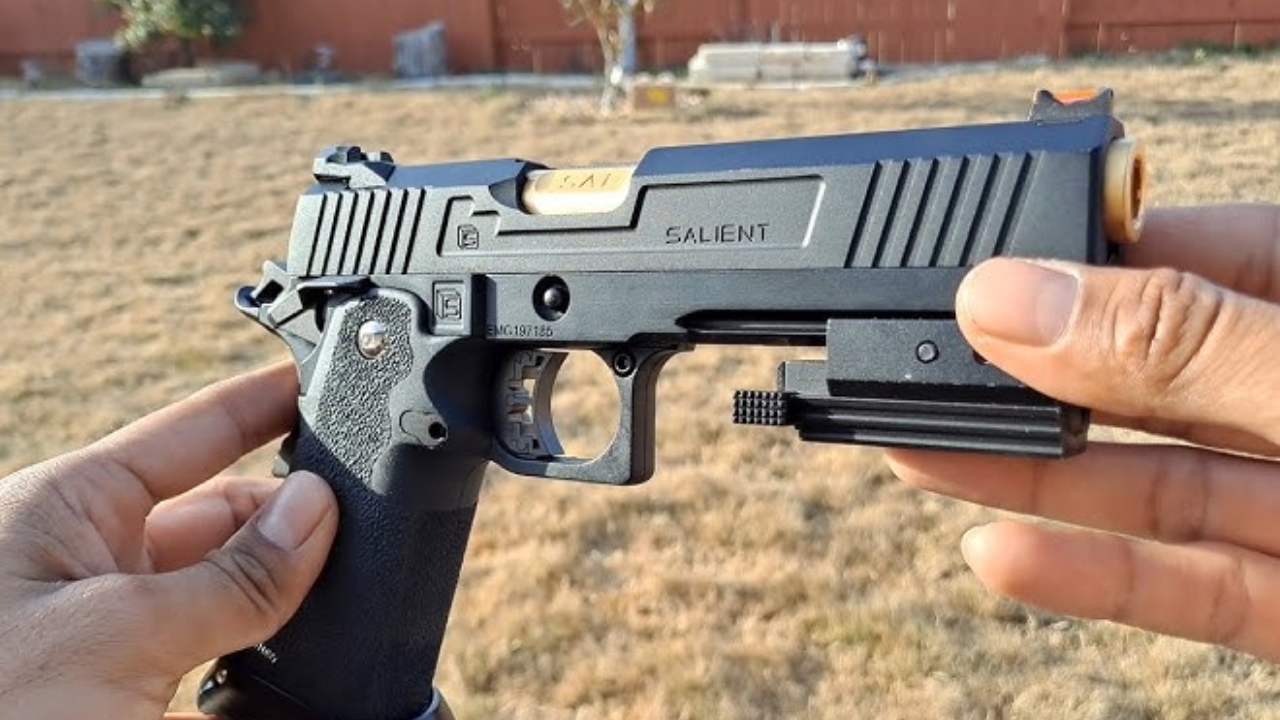
Salient became a name people chased because the guns looked like premium custom-shop versions of things everybody already knew. They were stylized, expensive, instantly recognizable, and designed to stand apart visually. That is a strong recipe for attracting buyers who want to look like they have elevated taste without having to explain it much.
For some owners, that was always the point. The gun had to look expensive, feel elite, and get reactions. Whether it actually gave them anything meaningful beyond that often mattered less. Salient-style builds are classic examples of firearms that blur the line between custom performance and pure image purchase.
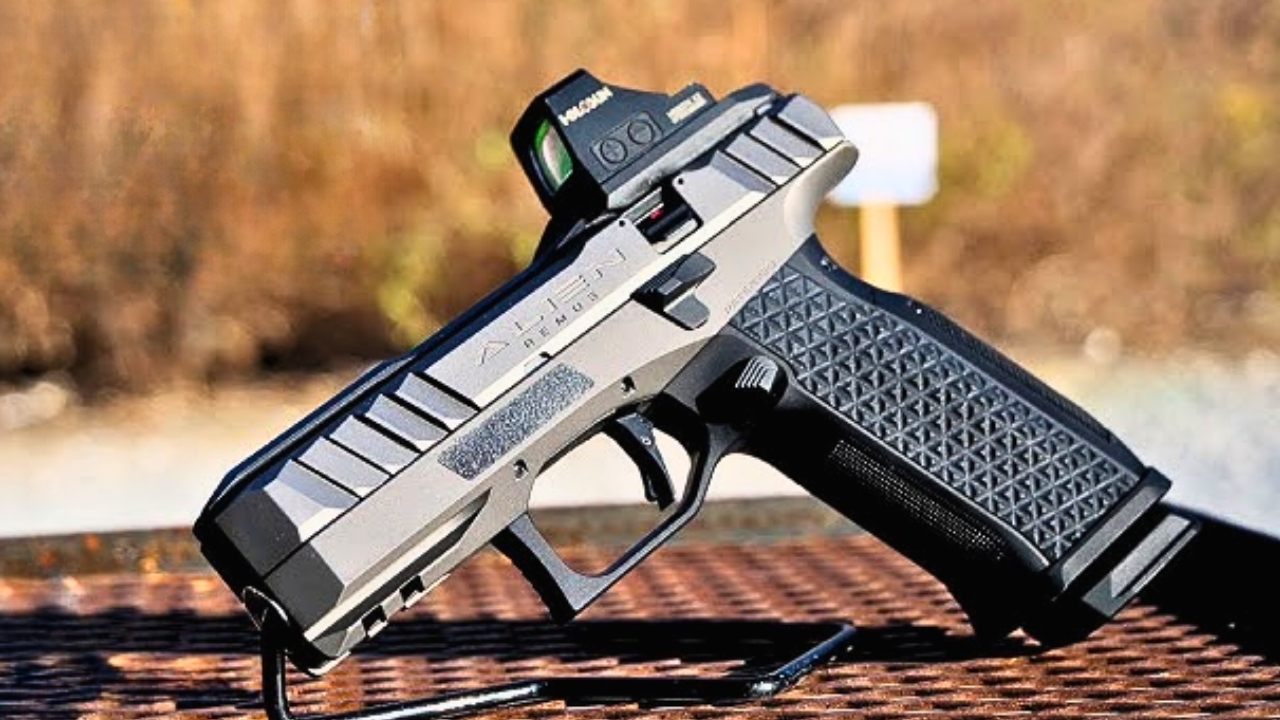
Laugo Alien

The Alien is a fascinating pistol, and it really does offer something different. That said, it also attracts a ton of buyer energy from people who want the most unusual premium handgun in the room. It looks futuristic, costs real money, and makes the owner seem like somebody who lives well beyond ordinary pistol choices.
That kind of purchase can be sincere, but it can also be performative in a hurry. A lot of buyers do not really want a better fit for their real-world shooting. They want the gun that stops conversations and starts questions. When that is the driving force, the pistol is not being bought to satisfy the owner privately. It is being bought to impress an audience.
Like The Avid Outdoorsman’s content? Subscribe to our newsletter so you never miss an article.
Here’s more from us: