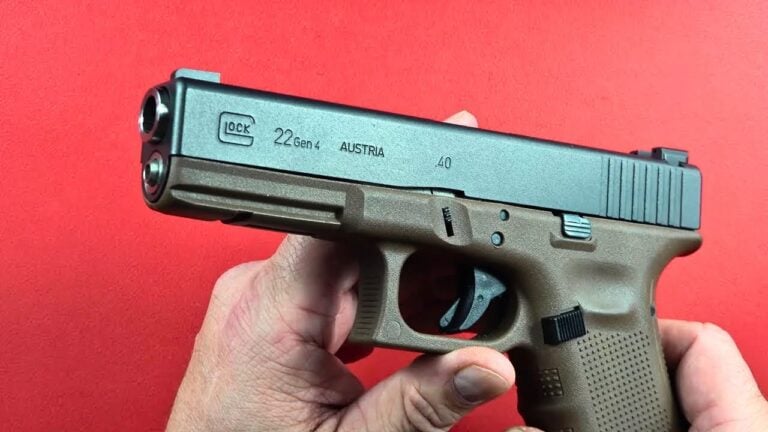
Photo credit: Buffman – R.A.N.G.E./YouTube
Some handgun cartridges get written off because they are old, unpopular, expensive, or tied to guns that fell out of fashion. Others developed reputations based on weak factory loads, poor early firearms, or comparisons that were never especially fair. Once a caliber gets labeled as underpowered, obsolete, or pointless, that reputation can hang around long after the cartridge itself has proven otherwise.
A good cartridge does not have to dominate police contracts or fill every gun-store shelf to make sense. Plenty of these rounds still offer useful combinations of recoil, penetration, capacity, hunting performance, or shootability that are easy to overlook. Some are niche cartridges, and a few absolutely require the right gun or load to shine. Still, these 20 handgun calibers deserve more credit than they usually get.
.327 Federal Magnum

The .327 Federal Magnum is one of the most underrated revolver cartridges because many shooters see the small bullet diameter and assume it belongs in the same category as older mild .32 loads. That misses the point completely. The .327 operates at much higher pressure and can produce impressive velocity from relatively compact revolvers.
It also gives you a useful capacity advantage. Many small-frame revolvers can hold six rounds of .327 where a comparable .357 Magnum might hold five. Recoil is still substantial with full-power loads, but it is generally easier to manage than heavy .357. On top of that, .327 revolvers can usually fire several shorter .32-caliber cartridges. That makes the platform far more versatile than its modest popularity suggests.
.41 Magnum
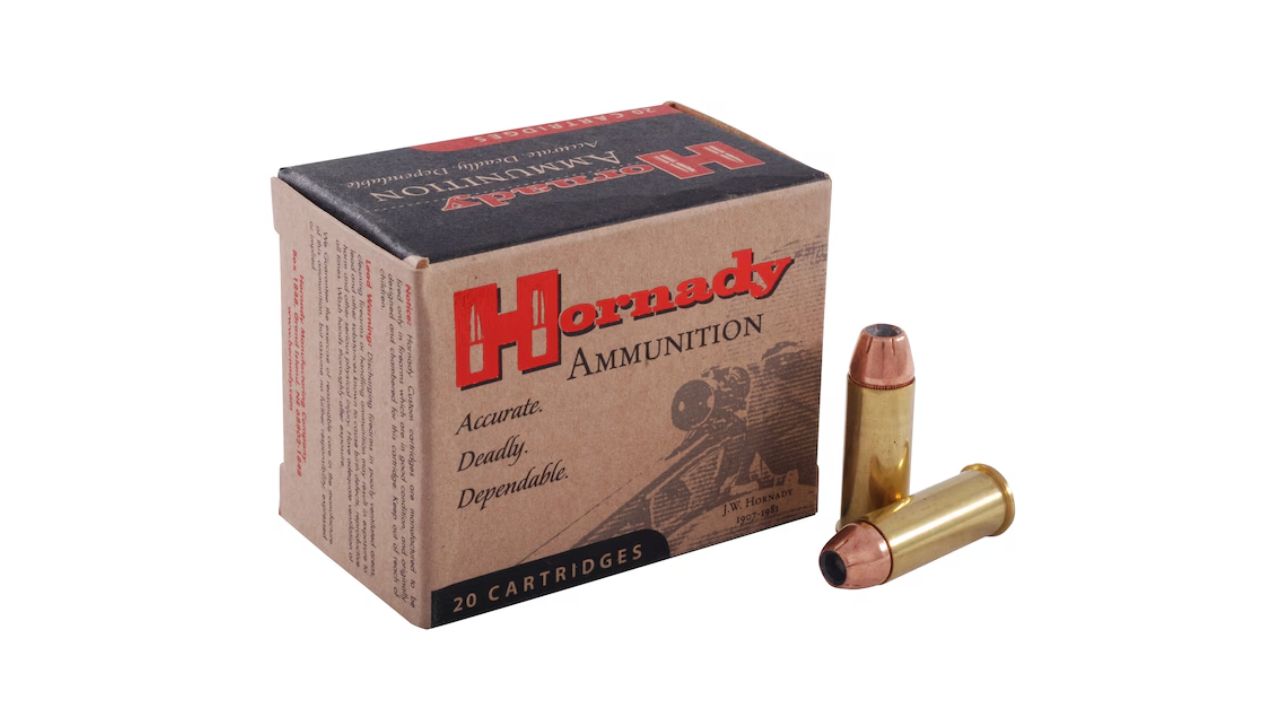
The .41 Magnum has spent most of its life stuck between .357 and .44 Magnum, and that middle position has hurt its reputation more than its actual performance. It is often treated like a cartridge nobody needs because the surrounding options are more famous.
In reality, the .41 is a legitimate hunting round with excellent penetration and enough power for deer, hogs, and black bear at sensible handgun ranges. It can also be easier to control than full-power .44 Magnum, especially in comparable revolvers. The market never gave it the attention it deserved, but that does not make it ineffective. For shooters who want serious revolver performance without jumping all the way to the largest traditional magnums, the .41 still makes a lot of sense.
.32 ACP
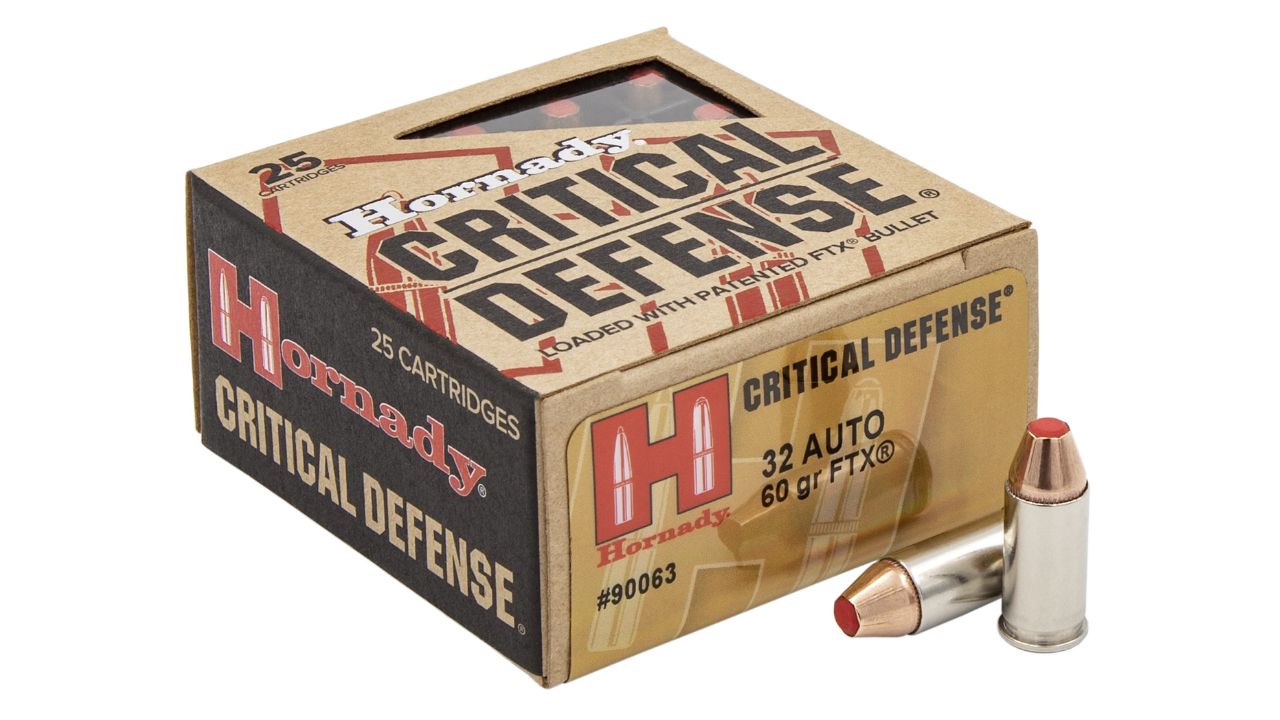
The .32 ACP gets dismissed because it looks weak beside .380 ACP and 9mm. That comparison is fair on raw energy, but it ignores why the cartridge remains useful. Recoil is very mild, compact pistols chambered for it can be easy to shoot, and accurate follow-up shots are far easier than with some tiny 9mms.
The cartridge also has a long history in well-made European pistols, and plenty of those guns remain excellent shooters. In a larger compact pistol, .32 ACP can be exceptionally pleasant for people who struggle with recoil or stiff slides. It is not a powerhouse, and nobody should pretend otherwise. But as a low-recoil defensive or recreational cartridge, it is far more practical than its reputation suggests.
.380 ACP

The .380 ACP gets criticized from both directions. 9mm shooters call it weak, while pocket-pistol owners sometimes treat it like it should perform beyond its limits. The truth sits in the middle.
Modern .380 pistols have become easier to shoot, and defensive ammunition has improved enough that the cartridge can be a reasonable carry option when size, recoil, or hand strength matter. The biggest mistake is assuming every .380 has to be a tiny, unpleasant pocket gun. Put the cartridge in something like a larger compact and it becomes remarkably soft-shooting. It is not 9mm, but it does not have to be. Its strength is making a defensive centerfire pistol easier for more people to carry and control.
.357 SIG
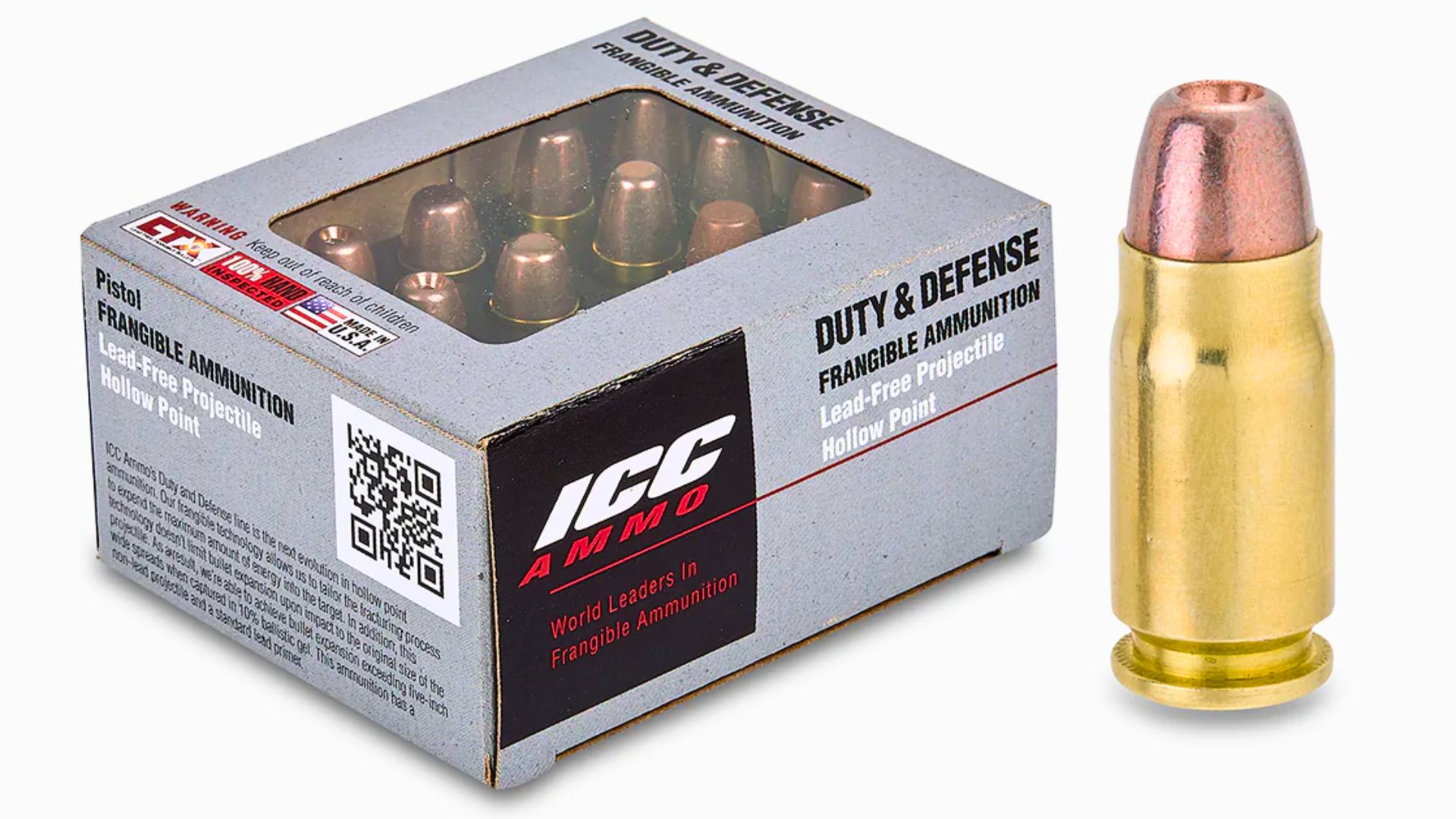
The .357 SIG has a reputation for being loud, expensive, and unnecessary now that modern 9mm ammunition is so good. Those criticisms are not completely wrong, but they can obscure what the cartridge does extremely well.
It delivers high velocity from a service-size semiautomatic pistol and has historically performed well through barriers. The bottleneck case also tends to feed very reliably. Recoil and muzzle blast are greater than 9mm, but the performance jump is real, especially with lighter bullets. It may no longer make sense as a broad law-enforcement standard, but that does not mean the cartridge suddenly stopped being capable. For shooters who value speed and barrier performance, it remains far better than the market currently treats it.
.38 Super

The .38 Super is often viewed as a competition relic, but it is much more capable than that label suggests. It can push 9mm-diameter bullets faster than standard 9mm while still fitting into platforms such as the 1911 with useful capacity.
That extra velocity gives the cartridge real defensive and sporting capability. It also tends to shoot flat and can be extremely accurate in properly fitted pistols. The problem is ammunition cost and a much smaller ecosystem than 9mm, not ballistic weakness. If factory support were stronger, more shooters would probably realize just how useful the cartridge can be. It is one of those rounds that survives quietly because the people who actually use it tend to understand what it offers.
.44 Special
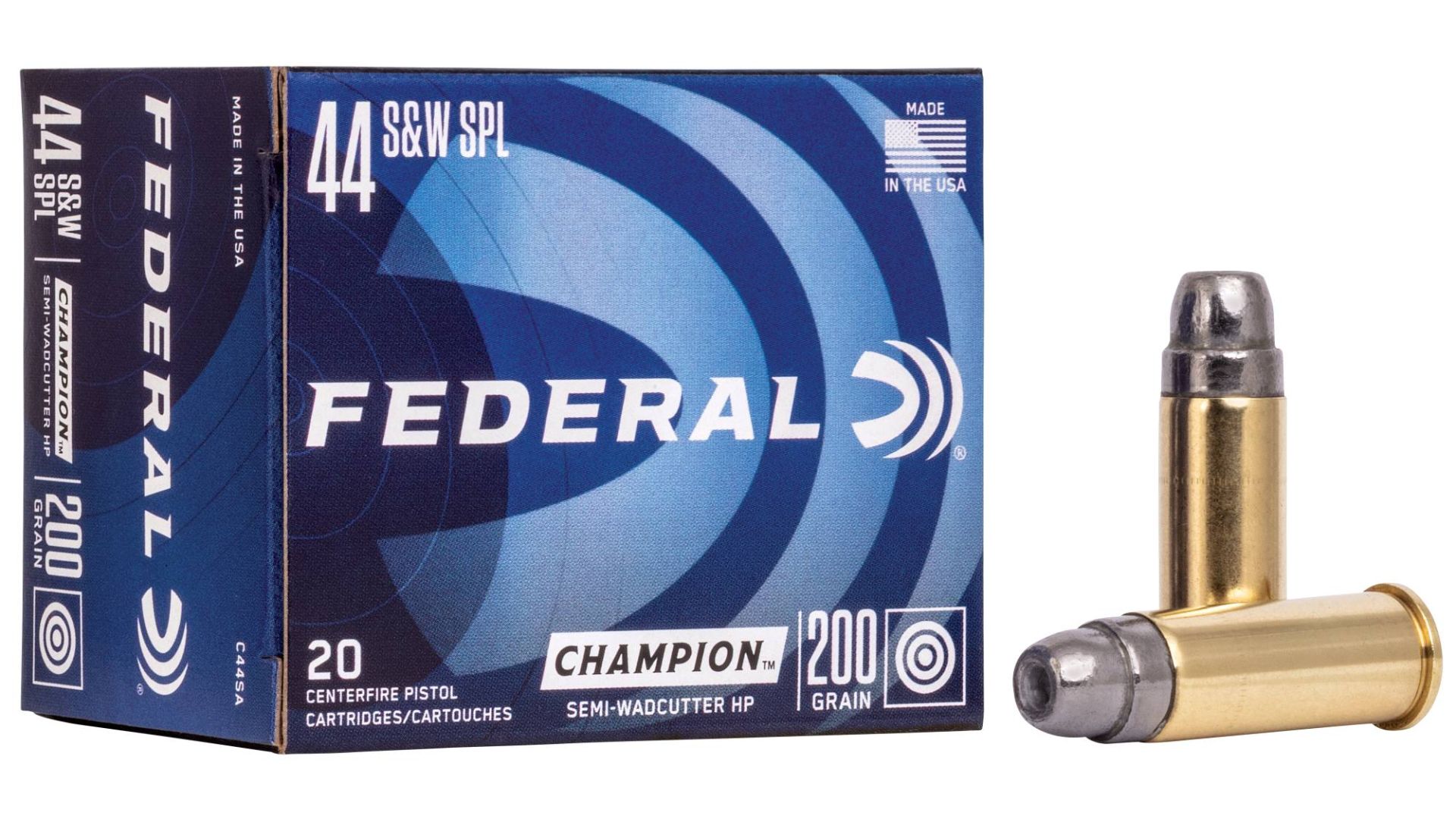
The .44 Special gets overshadowed so badly by .44 Magnum that many shooters think of it as nothing more than reduced-power practice ammunition. That is selling it short.
In a good revolver, .44 Special can be extremely accurate, pleasant to shoot, and effective with properly designed defensive or field loads. The large bullet diameter gives it useful terminal performance without the violent recoil and blast of Magnum ammunition. It is especially appealing in medium-size revolvers where a full-power .44 Magnum would be unpleasant. The cartridge does not need to be pushed hard to be useful. Its reputation suffers mainly because its more famous descendant gets all the attention.
.45 Colt

The .45 Colt has a strange reputation because weak cowboy-action loads are so common. That leads some shooters to assume the cartridge itself is outdated and mild.
In strong modern revolvers, it is capable of far more. Heavy loads can produce serious hunting performance and deep penetration, putting the cartridge into territory that has little in common with low-pressure target ammunition. Even standard loads remain comfortable and effective for many uses. The important issue is matching ammunition to the firearm, because older revolvers cannot handle the same pressures as modern heavy-duty guns. In the right platform, the .45 Colt is far more capable than its soft-shooting image suggests.
10mm Auto

The 10mm has actually recovered much of its reputation, but plenty of shooters still think of it as either an uncontrollable monster or an overhyped .40 S&W. Both views miss the middle.
Full-power 10mm delivers a meaningful increase in velocity and energy over typical service cartridges while still functioning in a practical semiautomatic pistol. That makes it useful for hunting, backcountry carry, and defensive use where deeper penetration matters. At the same time, modern pistols and sensible ammunition make it much easier to shoot than the old horror stories suggest. The biggest trick is recognizing that not all 10mm loads are equal. The cartridge’s full potential only shows up with ammunition actually loaded to take advantage of it.
.40 S&W

The .40 S&W has been beaten up so badly by the modern return to 9mm that some shooters talk about it as if it suddenly became ineffective. It did not. It still offers heavier bullets and more energy than typical 9mm loads while fitting into relatively compact service pistols.
The downsides are real: more recoil, less capacity, and usually higher ammunition cost. But those are tradeoffs, not proof the cartridge is bad. In a full-size pistol designed to handle .40 well, the round is still accurate, controllable, and fully capable for defensive use. Used .40 pistols can also be remarkably cheap now, which makes the caliber more attractive than its popularity suggests.
.45 ACP

The .45 ACP is sometimes dismissed as outdated because modern 9mm offers more capacity, less recoil, and excellent terminal performance. That has pushed the old cartridge out of many institutional roles.
Still, .45 ACP remains extremely useful in the right pistol. It runs well at relatively low pressure, suppresses beautifully, and offers heavy bullets with a long history of dependable performance. In full-size pistols, recoil is more of a push than a snap, which some shooters actually prefer. It may no longer be the default service cartridge, but the idea that it has become irrelevant is exaggerated. The .45 still does several things extremely well.
.22 WMR
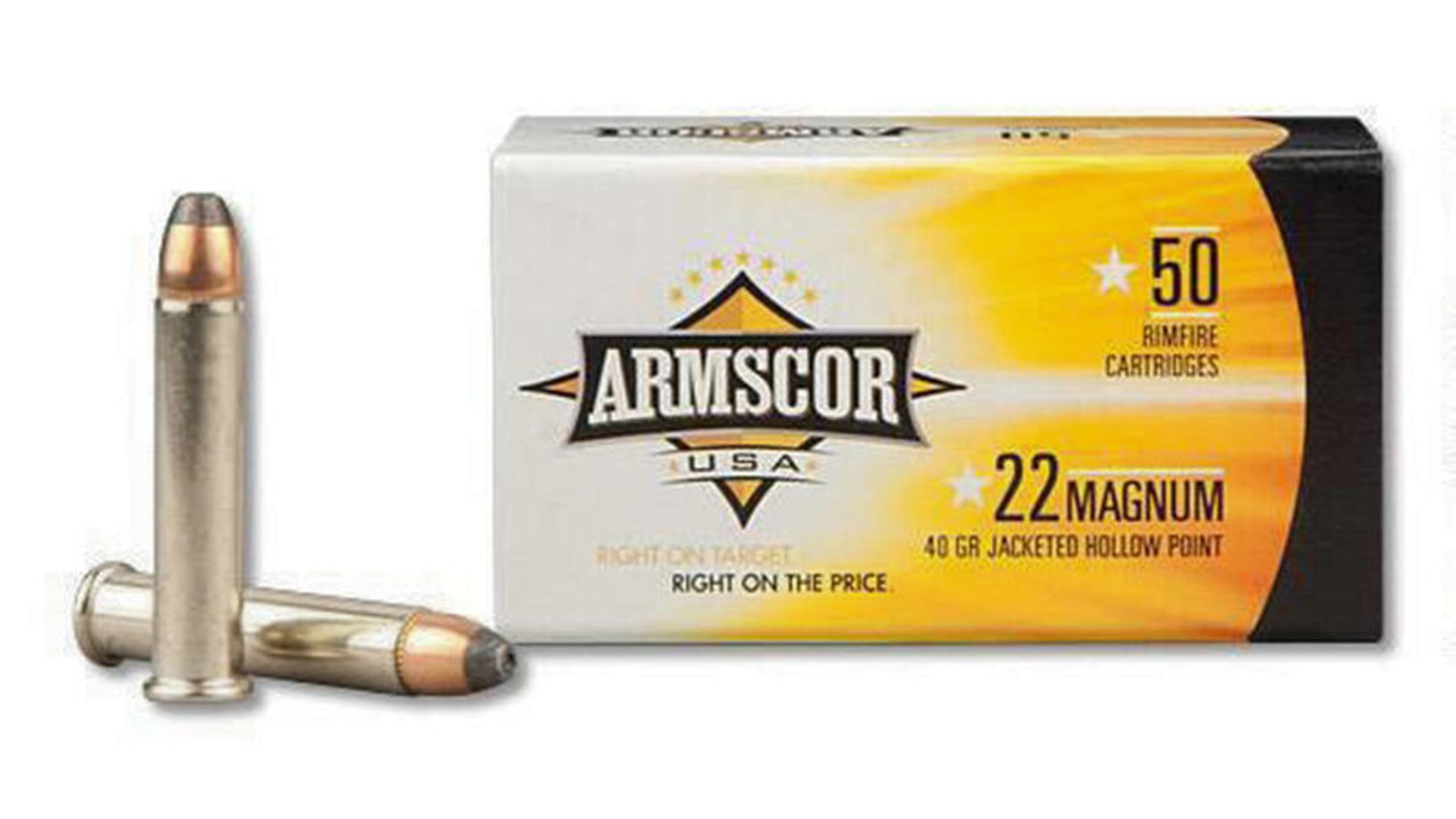
The .22 Magnum is often dismissed as a rifle cartridge awkwardly stuffed into handguns. That criticism makes sense with very short barrels, but longer handgun barrels can extract surprisingly useful performance.
The cartridge produces very little recoil, and modern semi-automatic pistols have increased capacity far beyond what traditional rimfire revolvers offered. That makes .22 WMR interesting for small-game use, training, and shooters who need very mild recoil. Rimfire ignition will never have the same reputation as centerfire for defensive use, but the cartridge itself has more capability than many people give it credit for, especially once barrel length increases.
5.7x28mm
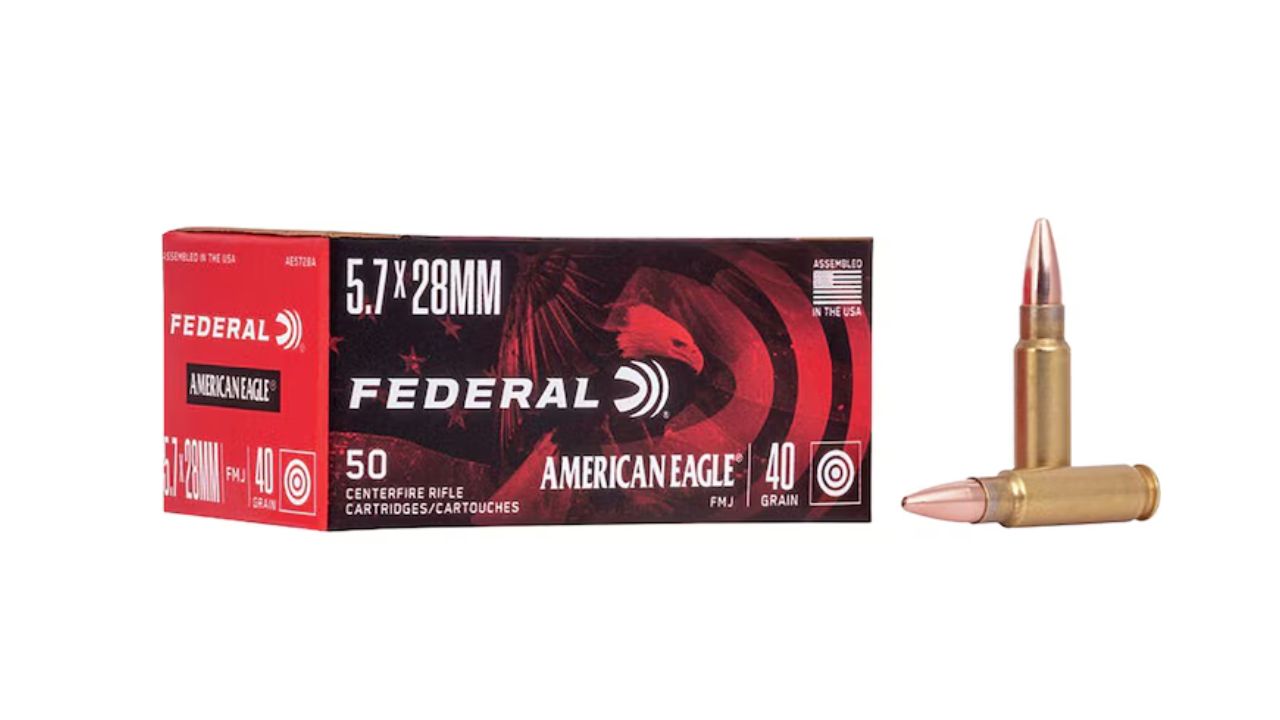
The 5.7 gets dismissed because of its small bullet and because people compare it directly with larger handgun rounds by bullet diameter alone. That ignores what the cartridge is built around: velocity, low recoil, and capacity.
In full-size pistols, 5.7 is remarkably easy to control. The flat trajectory also makes it much easier to use at longer handgun distances than most traditional service cartridges. It is not a big-bore hunting round, but it is not trying to be. The appeal is putting fast, lightweight bullets on target quickly and accurately while carrying a lot of ammunition. Whether that niche matters to you is one thing. Pretending the cartridge has no real capability is another.
.454 Casull
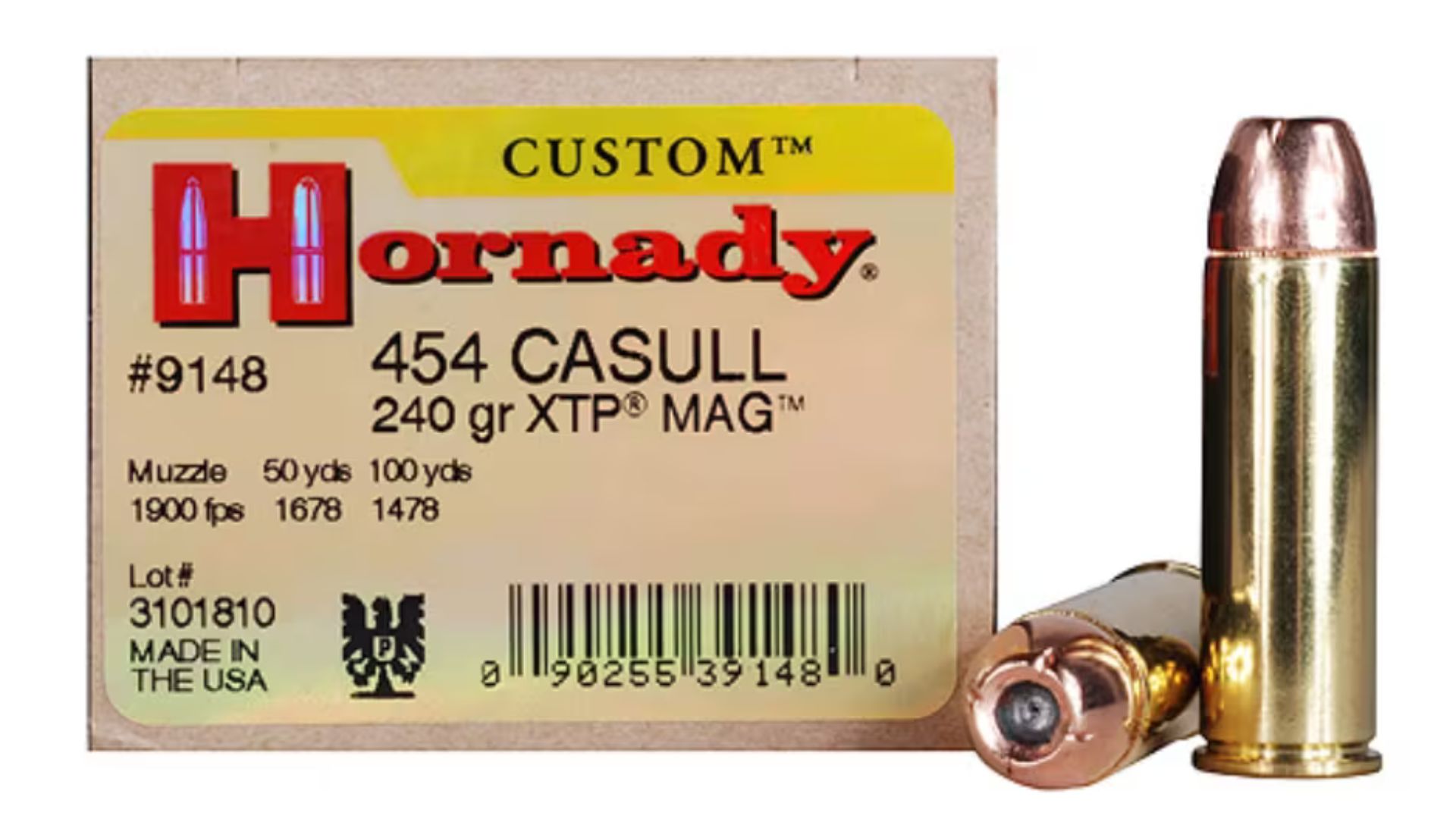
The .454 Casull sometimes gets treated as a novelty because of the recoil and enormous revolvers commonly associated with it. That can make it easy to overlook how effective the cartridge is in serious handgun hunting.
Heavy bullets driven at high velocity give it deep penetration and enough power for large game. It also offers the flexibility of firing .45 Colt in many revolvers, giving owners a much softer practice option. The recoil is significant, and nobody should pretend it is easy to master. Still, the Casull is a legitimate field cartridge with decades of proven performance. Its reputation as an excessive hand cannon hides how practical it can be for the right hunter.
.480 Ruger

The .480 Ruger often gets dismissed because it is less powerful than .454 Casull or .500 S&W, but that is actually part of what makes it appealing. The cartridge pushes very heavy, large-diameter bullets without chasing extreme velocity.
That produces deep penetration and serious hunting performance with recoil that, while still substantial, can be more manageable than the biggest magnums. The .480 was never marketed as aggressively as its competitors, which hurt adoption. For hunters who care more about usable big-bore performance than bragging rights, it is one of the most sensible large revolver cartridges ever developed.
.38 Special

The .38 Special gets underestimated because so much of its reputation is tied to mild target ammunition and small snub-nose revolvers. In a full-size revolver with good ammunition, it is a much more capable cartridge.
It is also exceptionally pleasant to shoot, which makes it useful for training and for shooters who dislike heavy recoil. Proper defensive loads can perform well, especially from longer barrels, and the cartridge remains accurate and easy to manage. The fact that .357 Magnum revolvers can fire it only adds to its usefulness. It may not be flashy, but the .38 Special is still one of the most practical revolver rounds around.
.357 Magnum

The .357 Magnum certainly has a strong reputation, but modern shooters sometimes reduce it to an outdated revolver cartridge because semi-automatic pistols dominate defensive use.
That ignores how versatile the round remains. In short barrels it works as a defensive cartridge, while longer barrels can push it into legitimate hunting territory. The same revolver can also fire .38 Special, giving the shooter a huge range of recoil and power levels. Few handgun cartridges span that much territory while remaining widely available. It may be old, but its usefulness has aged extremely well.
.45 GAP

The .45 GAP has a terrible market reputation, and commercially that reputation is deserved. It failed to become a lasting mainstream cartridge. Ballistically, though, it is more competent than most shooters give it credit for.
The cartridge was designed to provide .45-caliber performance in a shorter package, and it largely succeeded at that. The problem was never that it could not work. The problem was that the market did not need another .45-caliber cartridge badly enough to support it once law-enforcement demand disappeared. If you already own a reliable pistol chambered for it and can keep ammunition on hand, the GAP is not nearly as useless as its commercial failure makes it seem.
.32 H&R Magnum

The .32 H&R Magnum gets overshadowed by .327 Federal Magnum, but that does not make it pointless. In fact, its lower pressure and milder recoil can be exactly what some shooters want.
It offers more performance than the older .32 revolver cartridges while remaining extremely pleasant in medium-size guns. For small game, target shooting, and low-recoil carry setups, it can be a very comfortable choice. Handloaders also appreciate the flexibility it offers. The arrival of .327 did not erase what the H&R does well. It simply created a more powerful option above it.
.30 Super Carry

The .30 Super Carry has developed a reputation as a commercial disappointment, and there is some truth to that. It never gained the pistol support many expected, and 9mm remains overwhelmingly dominant.
The cartridge itself is more impressive than the sales numbers. It gives you slightly greater capacity in a similarly sized handgun while producing defensive performance much closer to 9mm than to .380. Recoil is manageable, and the concept is technically sound. The problem is convincing buyers to support another ammunition ecosystem for a relatively small practical gain. Commercially, it may struggle. Ballistically, it deserves more respect than the market has given it.
Like The Avid Outdoorsman’s content? Subscribe to our newsletter so you never miss an article.
Here’s more from us: