
Photo credit: Lucky Gunner Ammo/YouTube
Handgun cartridges rarely disappear overnight. More often, they lose ground slowly as police departments change calibers, manufacturers stop chambering new pistols for them, and buyers move toward cartridges that are cheaper, easier to find, or better supported. A round can remain perfectly capable while becoming less attractive simply because the market around it has changed.
That is what happened to many of these calibers. Some were once major law-enforcement rounds. Others had strong hunting, competition, or concealed-carry followings before newer designs took their place. A few still have dedicated enthusiasts and may never vanish completely. The bigger point is that they no longer hold the position they once did. These 20 handgun calibers have all lost enough momentum that buying into them today feels very different than it did during their peak.
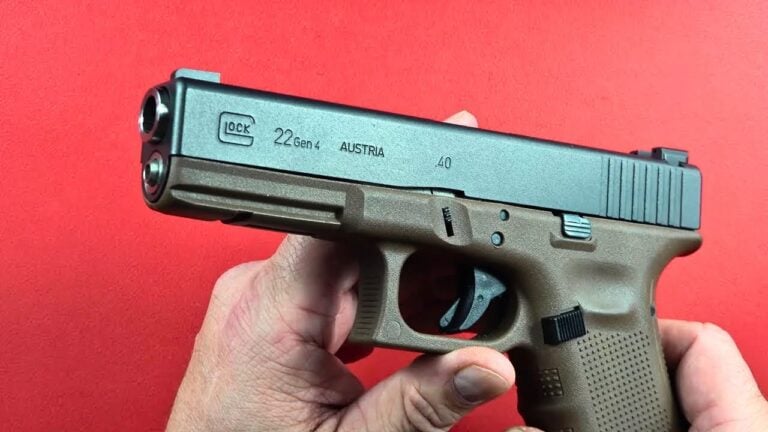
.40 S&W
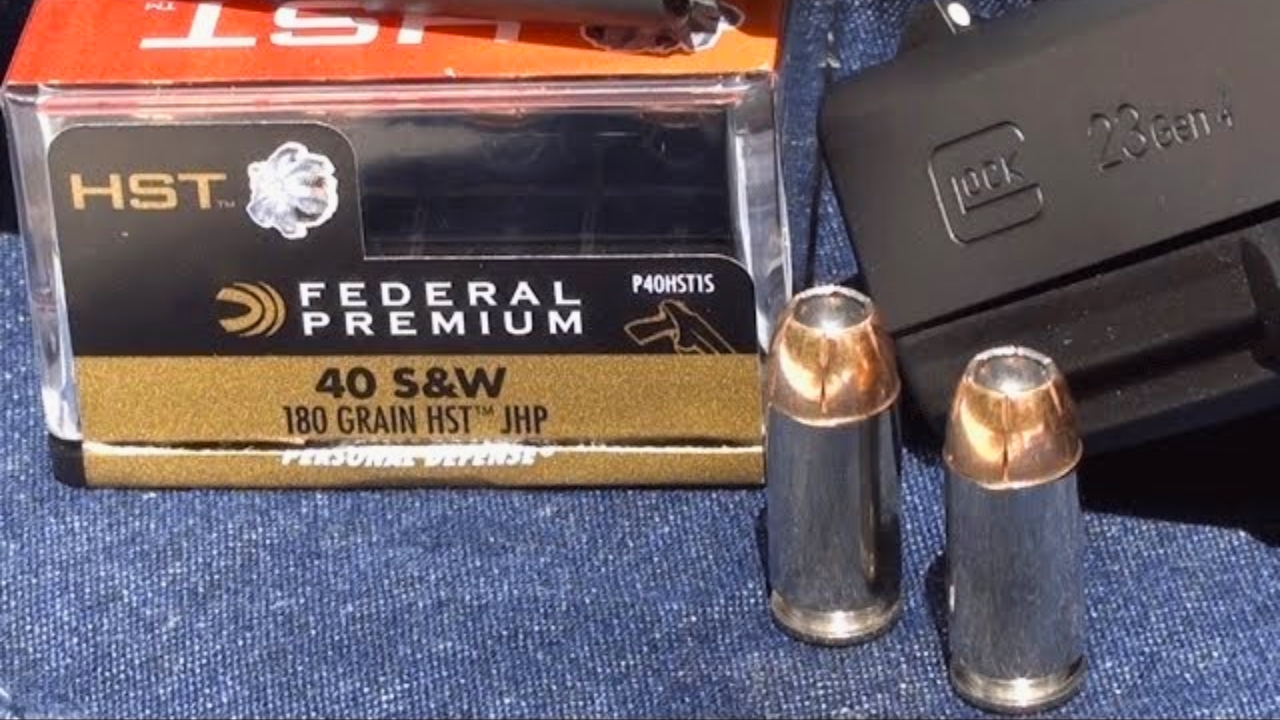
The .40 S&W may be the clearest example of a major handgun caliber falling out of favor without actually becoming obsolete. For years, it dominated American law-enforcement holsters and offered what many agencies saw as the ideal compromise between 9mm capacity and .45 ACP bullet weight.
That changed as modern 9mm defensive ammunition improved and agencies prioritized lower recoil, higher qualification scores, greater capacity, and cheaper training ammunition. Once law enforcement moved back toward 9mm, civilian demand followed. There are still millions of .40-caliber pistols in circulation, and ammunition remains easy enough to find, but the cartridge no longer drives new handgun development. Ironically, that decline has made used .40 pistols some of the best values on the market.
.357 SIG

The .357 SIG once looked like a serious contender for long-term law-enforcement dominance. It offered high velocity, excellent feeding characteristics, and strong barrier performance in pistols only slightly different from .40 S&W models.
Its downfall was largely practical. The cartridge produced more blast, cost more to train with, and offered less capacity than 9mm without enough real-world advantage to justify those penalties for most agencies. As departments moved toward 9mm, the institutional demand that sustained .357 SIG collapsed. It still performs exactly as intended, and enthusiasts who like fast defensive cartridges remain loyal to it. New pistols and broad factory support, however, are nowhere near where they were during its peak.
.45 GAP
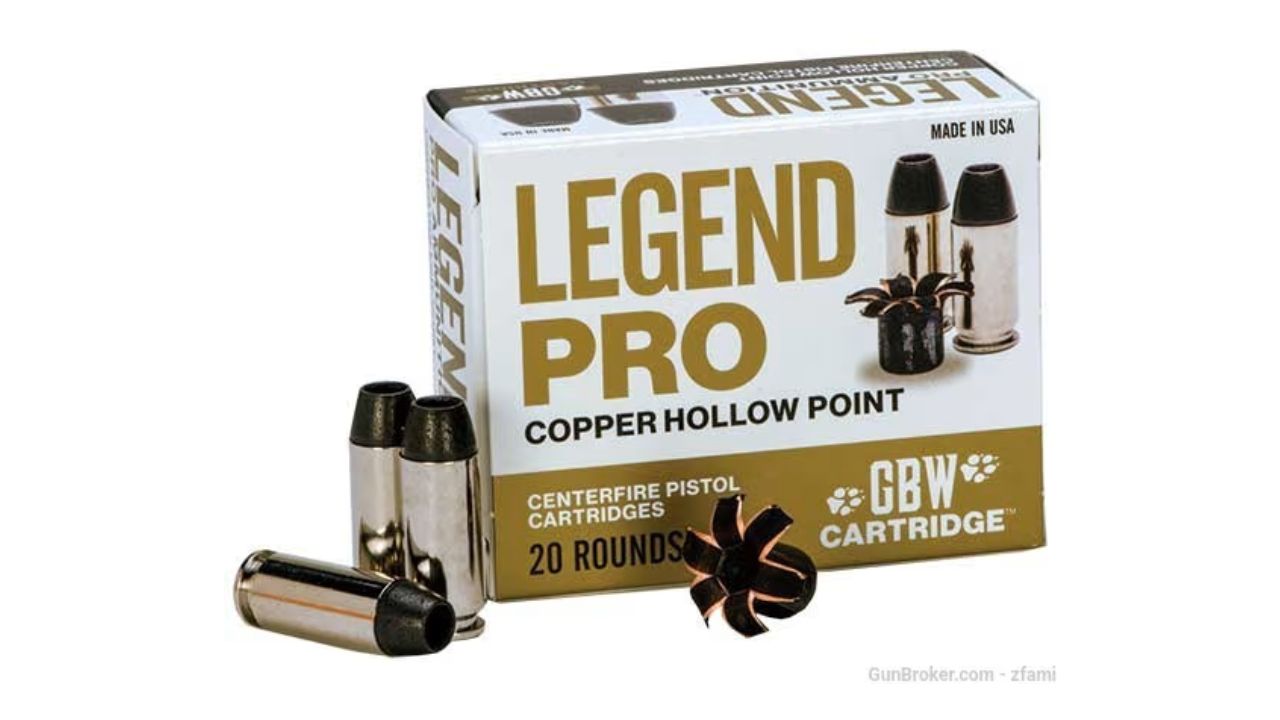
The .45 GAP had a legitimate goal: provide .45-caliber performance in a shorter cartridge that could fit into smaller grip frames. Glock supported it heavily, and several law-enforcement agencies adopted it.
The market eventually decided that the problem did not need a separate cartridge. Pistol design improved enough that .45 ACP could fit into manageable frames, while 9mm continued getting better as a defensive round. Once agency adoption faded, the GAP had very little civilian momentum left. Ammunition is still produced, and owners of Glock 37, 38, and 39 pistols can keep them running, but it has become a specialty caliber rather than a mainstream defensive choice.
.41 Magnum

The .41 Magnum was supposed to occupy the sweet spot between .357 Magnum and .44 Magnum. It offered more bullet weight and energy than .357 while producing less recoil than many full-power .44 loads.
That middle position never translated into broad popularity. Most revolver buyers simply chose one end or the other. The .357 offered easier shooting and cheaper ammunition, while the .44 Magnum had much stronger name recognition among hunters. The .41 still has excellent field performance and a loyal following, but new revolvers are relatively uncommon and ammunition selection is thin. It is one of those cartridges that enthusiasts still respect even though the wider market moved on decades ago.
.32 H&R Magnum

The .32 H&R Magnum gave small-frame revolvers a useful increase in performance over older .32 cartridges without approaching .357 Magnum recoil. It was mild, accurate, and capable of handling small-game and defensive roles well.
The arrival of .327 Federal Magnum changed its position almost immediately. A .327 revolver can fire .32 H&R ammunition, while also offering considerably more performance when desired. That made the older cartridge much less attractive as a dedicated chambering. It survives partly because so many older revolvers still use it and because some shooters prefer its softer recoil. As a new-gun choice, though, it has largely been displaced by its own descendant.
.44 Special

The .44 Special is still one of the most pleasant large-bore revolver cartridges to shoot. It is accurate, relatively mild, and capable of excellent defensive performance without producing the recoil of .44 Magnum.
Its problem is that .44 Magnum revolvers can already fire it. That compatibility means most buyers choose the Magnum chambering and keep the option of shooting both. Dedicated .44 Special revolvers still exist, but they are niche products compared with what they once were. The cartridge remains respected among revolver enthusiasts and handloaders, but broad retail demand has steadily declined. It survives because it works, not because the market is still expanding around it.
.32 ACP
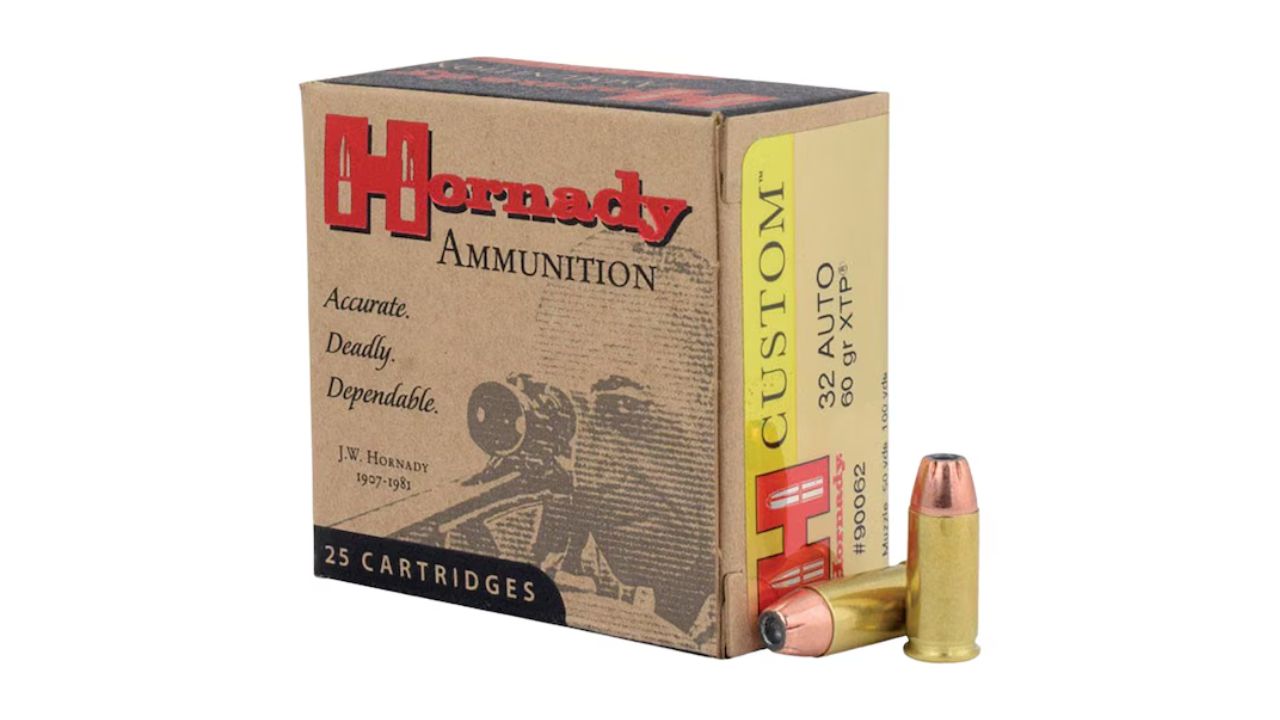
The .32 ACP once powered an enormous number of pocket pistols and service handguns throughout Europe. It offered low recoil, compact dimensions, and reliable operation in guns that could be carried very easily.
Modern micro-pistol design hurt it badly. Shooters can now buy tiny .380 ACP and 9mm pistols that are barely larger while delivering much more power. That erased much of the .32’s original size advantage. The cartridge still has a place for recoil-sensitive shooters and owners of classic Walther, Beretta, Colt, and FN pistols, but few manufacturers treat it as a major modern defensive chambering. Its future increasingly looks tied to legacy guns and specialty carry pistols.
.25 ACP

The .25 ACP has lost even more ground than .32 ACP. It once made sense because manufacturers could build extremely small centerfire pistols that offered more reliable ignition than tiny rimfires.
Today, a shooter can carry a small .380 or micro 9mm with vastly better terminal performance. That makes the .25’s low energy very difficult to defend unless absolute minimum size is the only priority. Very few new pistols are chambered for it, and ammunition is expensive relative to what it delivers. The cartridge will remain around because countless old pocket pistols still exist, but its days as a serious new defensive option are effectively over.
.38 S&W

The .38 S&W was once a major revolver cartridge used by military, police, and civilian shooters across multiple countries. It was perfectly adequate for the low-pressure revolvers of its era.
The .38 Special eventually overshadowed it almost completely. The newer cartridge offered more performance, more flexibility, and much broader revolver support. Today, .38 S&W production exists primarily to keep older guns shootable. Walk into a normal gun shop and you may not see a single box. It has not disappeared, but it has moved from a standard revolver cartridge to a legacy round maintained for historical firearms.
.32 S&W Long
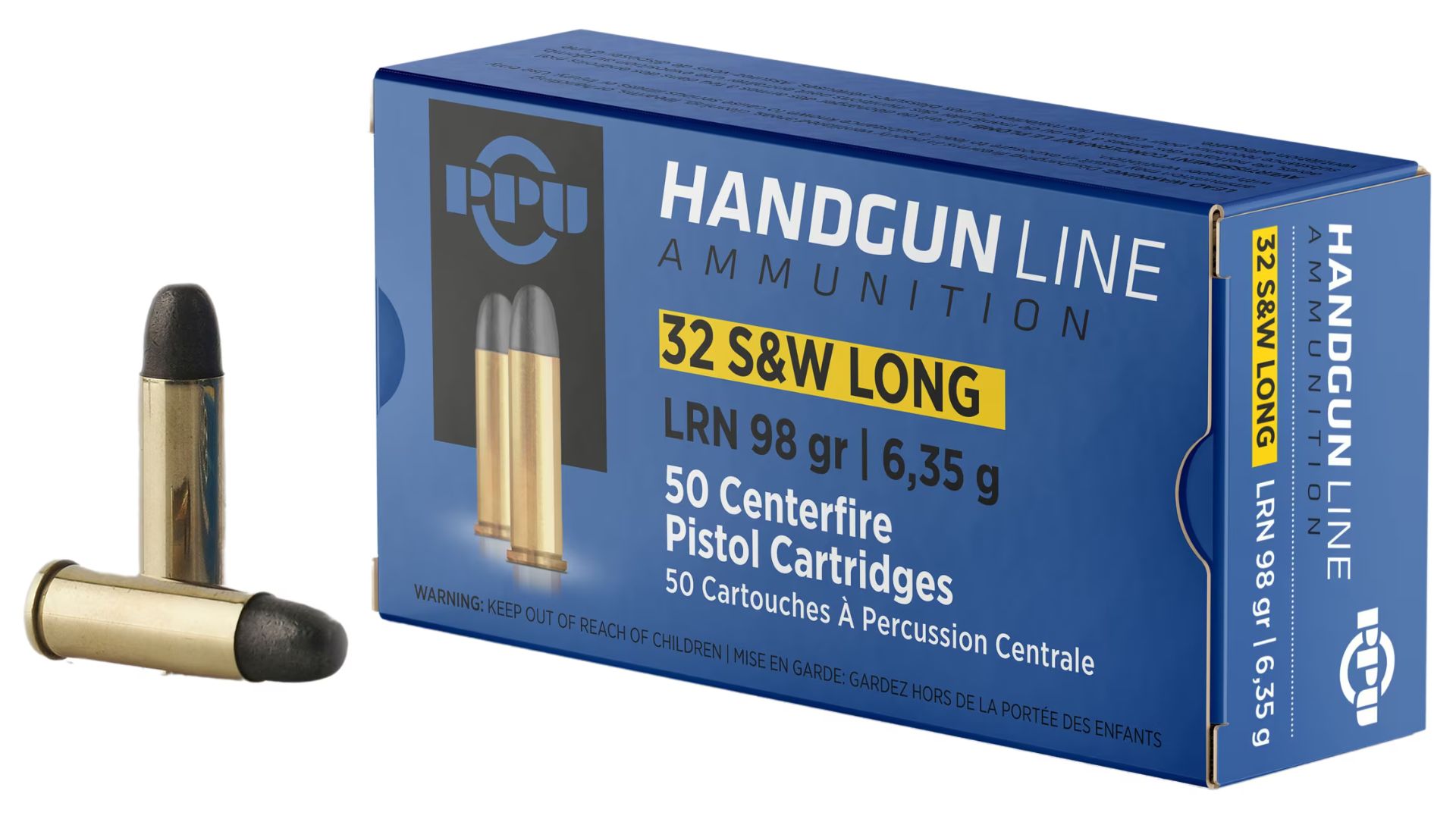
The .32 S&W Long remains respected in precision target shooting because it is accurate and exceptionally mild. Outside that niche, its market presence has declined significantly.
Modern revolver buyers generally move toward .327 Federal Magnum or .38 Special, while casual target shooters often use .22 LR because it is cheaper. That leaves the .32 Long squeezed between a more powerful revolver cartridge and a much cheaper practice round. It still performs beautifully in the jobs it was designed for, but those jobs are increasingly specialized. Most gun shops have little reason to stock more than an occasional box.
9x18mm Makarov
The 9×18 Makarov enjoyed a strong American run when inexpensive Eastern European surplus pistols and cheap ammunition flooded the market. Owning a Makarov, CZ 82, or P-64 once made tremendous sense for shooters on a budget.
The surplus pipeline dried up, ammunition prices climbed, and new pistol development never followed. That turned the cartridge from an inexpensive working round into something primarily supported by Cold War-era handguns. It remains perfectly functional, but there is little reason for a new shooter to choose it over 9mm or .380 ACP. The cartridge has not failed ballistically. The economic conditions that made it popular simply disappeared.
7.62x25mm Tokarev

The Tokarev cartridge followed a similar path. Cheap surplus ammunition and inexpensive pistols once made it one of the most entertaining bargains in handgun shooting.
Its high velocity and flat trajectory are still impressive, but the surplus era is mostly gone. Commercial ammunition costs much more, new pistols are rare, and shooters now have other high-velocity options with better support. The 7.62 Tokarev remains historically interesting and fun to shoot, but its market is increasingly made up of collectors and enthusiasts maintaining older pistols. It no longer has the budget appeal that once brought it into so many American gun safes.
.38 Super

The .38 Super remains alive in competition and among certain 1911 enthusiasts, but it has lost much of the broader defensive relevance it once had. The cartridge can push 9mm-diameter bullets at impressive velocity and offers excellent capacity in the right platform.
The problem is that 9mm has become so good and so cheap that most shooters see little reason to accept the higher cost and smaller ecosystem. Meanwhile, 10mm offers a clearer performance jump for people wanting more power. The Super still has a devoted niche and may never disappear, but it has become much more specialized than it once was. Outside competition and enthusiast circles, most handgun buyers barely encounter it.
.45 Auto Rim
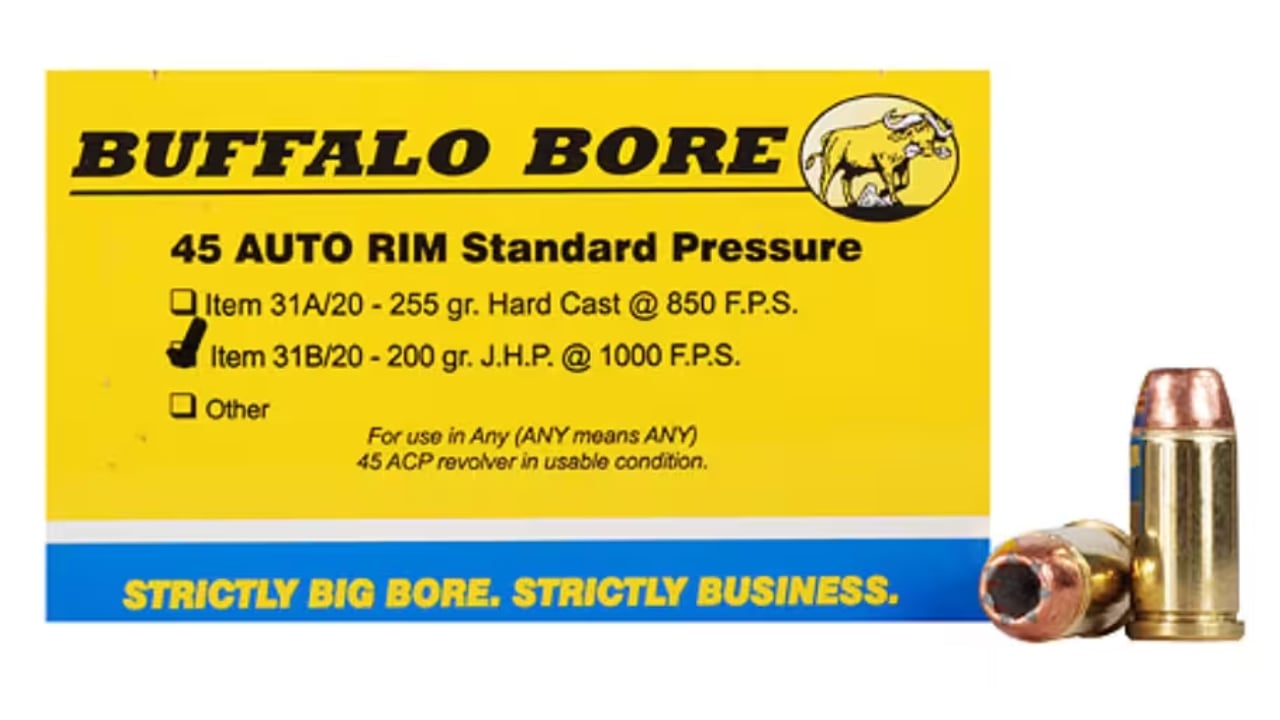
The .45 Auto Rim was a clever answer to a specific problem: allowing revolvers chambered for .45 ACP to extract cartridges without moon clips.
That problem matters far less today. Moon clips are common, inexpensive, and familiar, while .45 Colt already covers the role of a traditional rimmed .45-caliber revolver cartridge. Auto Rim ammunition still exists for shooters who appreciate old Model 1917-style revolvers, but very few new handgun designs depend on it. Its usefulness remains intact. The market that once justified widespread availability does not.
.38 ACP
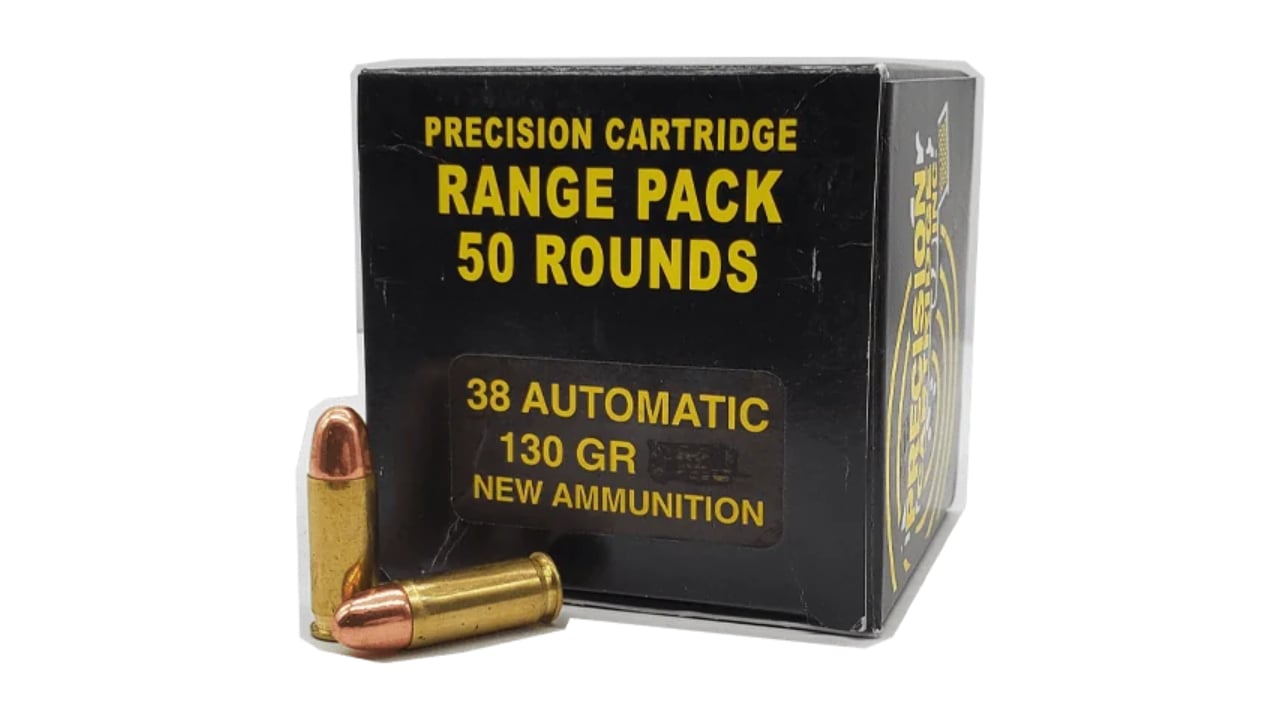
The .38 ACP has effectively become a historical cartridge. It helped lead to the much hotter .38 Super, but its lower pressure and nearly identical dimensions create more confusion than practical advantage today.
Modern shooters have almost no reason to choose it unless they own an early Colt or another period-correct pistol. Ammunition companies still support those guns in limited quantities, but retail availability is extremely poor. The cartridge did not fall out of favor because it stopped working. It was simply superseded by newer rounds that did the same job better while using similar platforms.
.30 Luger
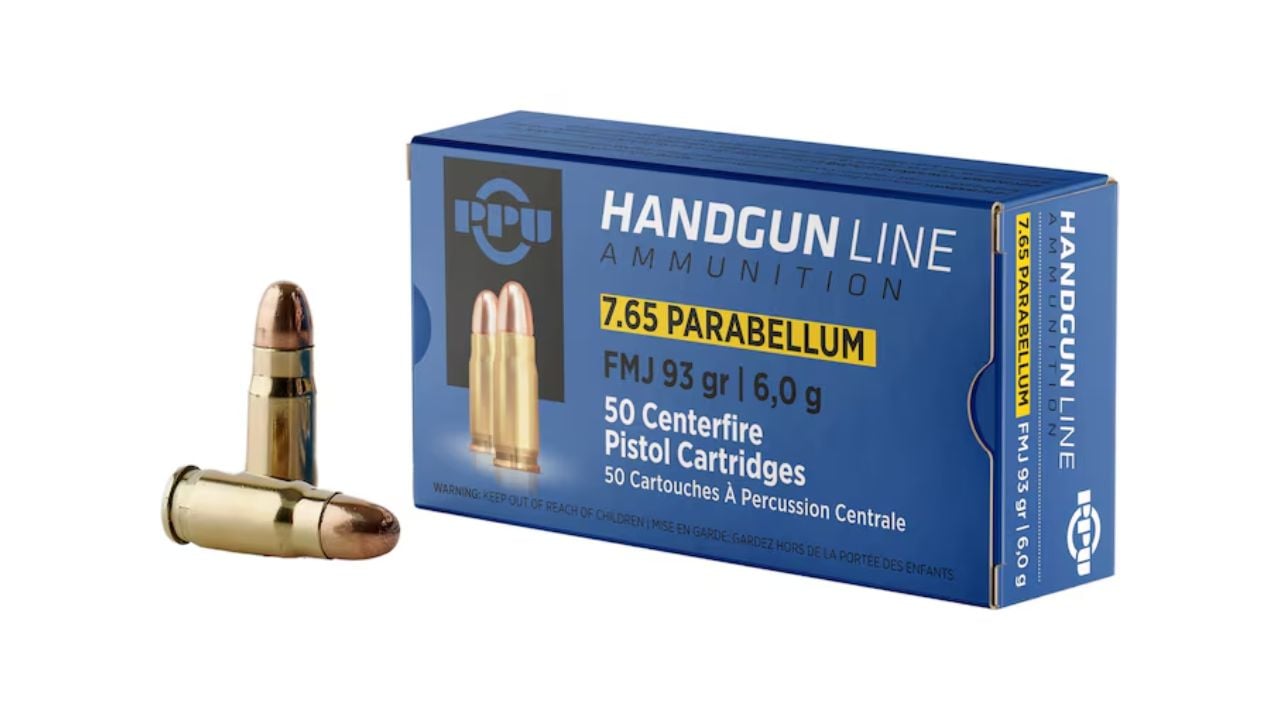
The .30 Luger has a fascinating history, but modern handgun buyers have virtually no reason to choose it over 9mm. It uses a smaller bullet, generally offers less terminal performance, and costs more to shoot.
Its remaining value is almost entirely tied to collectible pistols and historical authenticity. A period Luger or Swiss pistol in the original chambering is interesting precisely because it represents an earlier stage of handgun development. As a modern defensive cartridge, though, the .30 Luger has been left behind. It survives because collectors want to shoot the guns, not because manufacturers see a growing market.
.44 Russian

The .44 Russian was once a highly respected revolver cartridge and helped lead directly to the development of .44 Special and eventually .44 Magnum.
That lineage also made it redundant. Modern .44 Magnum revolvers can already fire .44 Special, which covers the mild-shooting role without requiring an even shorter cartridge. Today, .44 Russian ammunition is mostly associated with historical revolvers, cowboy-action shooting, and specialty enthusiasts. It remains accurate and pleasant, but it no longer has a broad practical niche. Its descendants simply became more useful.
.455 Webley
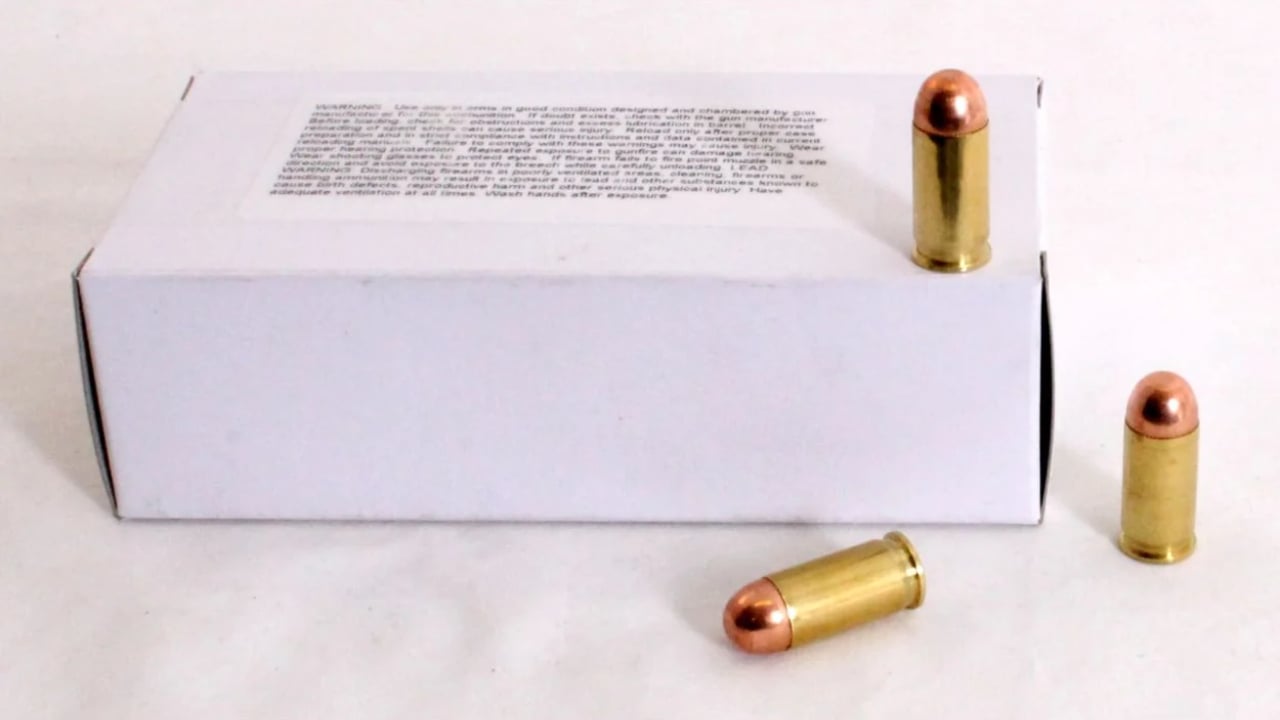
The .455 Webley was once a major British service cartridge and served through decades of military use. Its large, slow-moving bullet made sense for the revolvers and metallurgy of its era.
Modern handgun design passed it by. There are no meaningful current service or defensive platforms being developed around .455 Webley, and ammunition production exists mainly for historical guns. The cartridge still works exactly as it did a century ago, but the market has moved toward smaller, higher-capacity semiautomatics and more powerful modern revolver rounds. It is now a collector’s cartridge rather than a mainstream one.
.480 Ruger

The .480 Ruger is a serious hunting cartridge with a very sensible concept. It launches heavy, large-diameter bullets with excellent penetration while generally producing less violent recoil than some of the more extreme magnums.
The problem is that the hunting-revolver market is already small, and .44 Magnum, .454 Casull, .460 S&W, and .500 S&W command more attention. The .480 has never built enough momentum to break out of that niche. New revolvers appear occasionally, but ammunition selection remains limited and local availability is poor. It may actually be one of the better-balanced big-bore rounds, but the market rarely rewards balance as strongly as name recognition.
.30 Super Carry

The .30 Super Carry is much newer than the other cartridges here, but it has already struggled to hold the momentum it had at launch. The concept was clever: use a smaller-diameter cartridge to increase capacity while delivering defensive performance closer to 9mm than .380 ACP.
The difficulty is convincing shooters to abandon 9mm, which remains cheap, common, and extremely well supported. The practical capacity advantage was not large enough for many buyers to justify another caliber. Fewer pistol choices and thinner ammunition availability only made the problem worse. The cartridge is not dead, but it has clearly fallen out of the initial spotlight. Unless more manufacturers commit to it, it risks becoming a niche solution rather than the major carry option supporters hoped for.
Like The Avid Outdoorsman’s content? Subscribe to our newsletter so you never miss an article.
Here’s more from us: