Photo credit: Pauline Perkins/YouTube
Some pistols look expensive the second you pick them up. Deep bluing, polished stainless steel, fancy grips, and intricate machining give the game away immediately. Others look like something you would expect to find buried in the bottom of a used case for a couple hundred bucks. Plain finishes, tiny sights, boxy slides, stamped parts, and dated polymer can make a surprisingly valuable handgun look almost disposable.
That is where the used market gets interesting. Scarcity, discontinued production, collector demand, unusual engineering, and nostalgia can push an otherwise plain-looking pistol far above what an uninformed buyer expects. Some of these guns were inexpensive working pistols originally. Others were premium firearms that simply never looked the part. Either way, these 20 can make you do a double take when you see what clean examples actually bring.
Heckler & Koch P7

The P7 does not look like a luxury pistol. It is small, slab-sided, and visually simple enough that someone unfamiliar with the design might assume it is just another old European police gun. The squeeze-cocking front strap looks strange rather than expensive, and the compact dimensions do not scream collector piece.
Then you start looking at what clean examples bring. The P7’s unusual gas-delayed action, fixed barrel, excellent accuracy, and discontinued production have turned it into one of the most desirable modern service pistols. Original boxes, accessories, and better-condition examples command serious premiums. The design is expensive to reproduce, which helps explain why nobody simply brought the concept back cheaply. It may look like a plain little black pistol, but the market treats it more like a mechanical collectible.
Glock 17 Gen 1

An early Glock 17 may be one of the least visually impressive collectible pistols around. The frame looks primitive compared with later generations, the texture is basic, and the entire gun resembles a utilitarian tool rather than something intended for a display case.
That is exactly why original Gen 1 examples have become so interesting. They represent the beginning of the pistol design that reshaped the modern handgun market. Early examples with original magazines, box, paperwork, and correct components can bring far more than someone expects from what appears to be an old police-style polymer pistol. Later Glocks are everywhere, which makes the earliest guns stand out even more. The value is not in polished metal or fancy grips. It is in historical importance and originality.
SIG Sauer P239
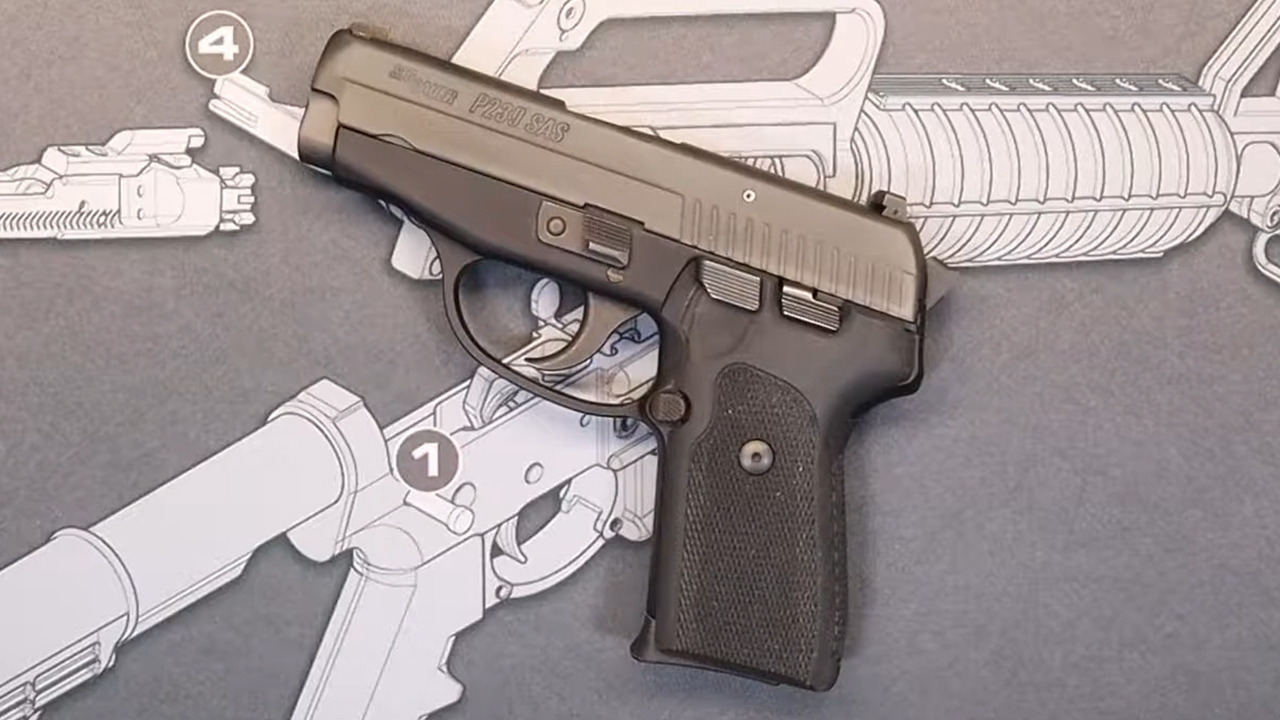
The P239 looks almost painfully ordinary today. It is a slim, single-stack DA/SA pistol with a fairly plain slide, simple controls, and none of the high-capacity or optics-ready features modern buyers expect.
Used prices tell a different story. SIG discontinued the model, and shooters who appreciated the compact metal-framed format quickly realized there was no direct replacement. That drove clean examples, especially desirable chamberings and configurations, upward. The gun is also exceptionally well made for its size, with the solid feel older SIG pistols are known for. What looks like a dated compact can sell for money that puts it uncomfortably close to much newer premium pistols. Scarcity and nostalgia did more for the P239 than another generation of upgrades ever could.
Smith & Wesson 3913

The 3913 looks like the definition of a plain 1990s carry pistol. It has a single-stack magazine, compact stainless slide, aluminum frame, and the kind of squared-off styling that disappeared once polymer compacts took over.
That understated appearance hides how desirable the model has become. The 3913 was thin, reliable, easy to carry, and built during Smith & Wesson’s excellent third-generation semiautomatic era. Clean examples have become harder to find because so many were carried heavily. Shooters who grew up with them also now have the money to buy the pistols they remember wanting. A little used 9mm that once seemed completely ordinary can now cost far more than a brand-new polymer carry gun.
Walther P5
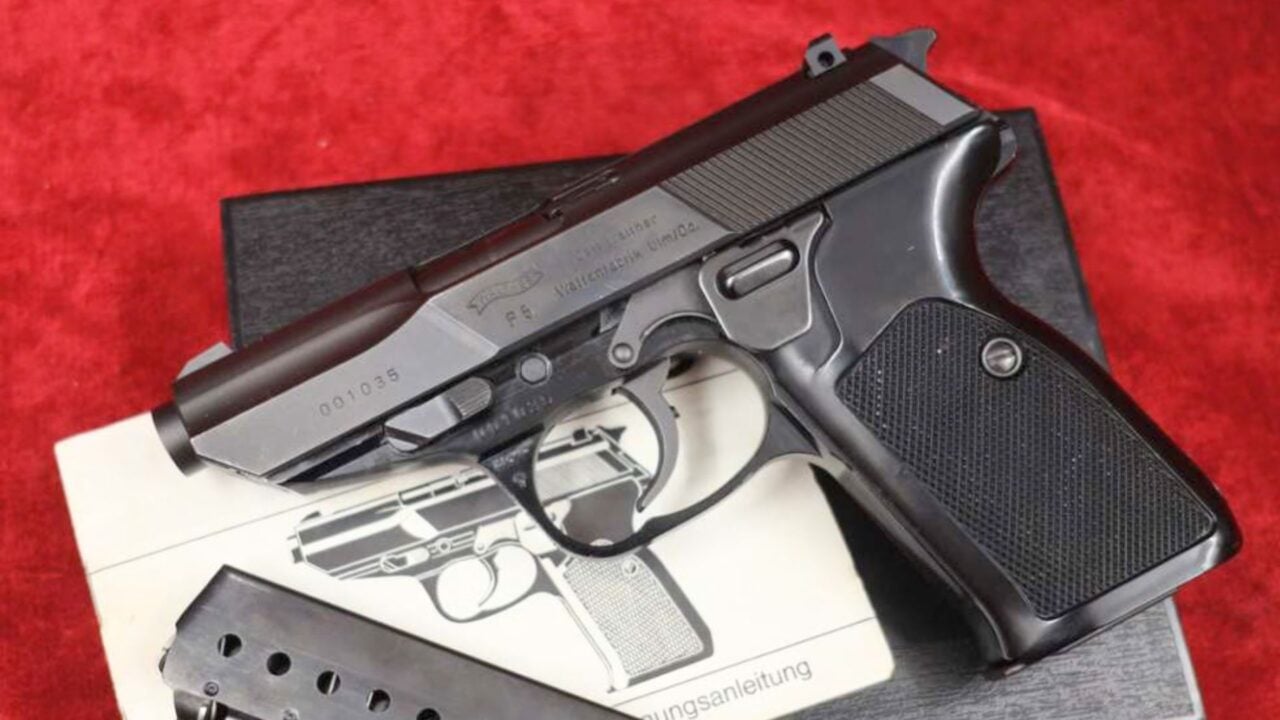
The P5 is another pistol that can look surprisingly mundane until you understand what it is. Its profile is compact and somewhat blocky, and the single-stack magazine immediately dates the design.
Mechanically, though, it is closely related to Walther’s famous postwar service-pistol development and features an unusual left-side ejection system. It was produced in relatively limited numbers compared with more common European service pistols, and American-market examples are not something you stumble across every day. That scarcity has pushed prices well beyond what the pistol’s plain appearance suggests. The P5 is a perfect example of an old service gun becoming valuable because collectors finally realized how few clean examples were available.
Steyr GB
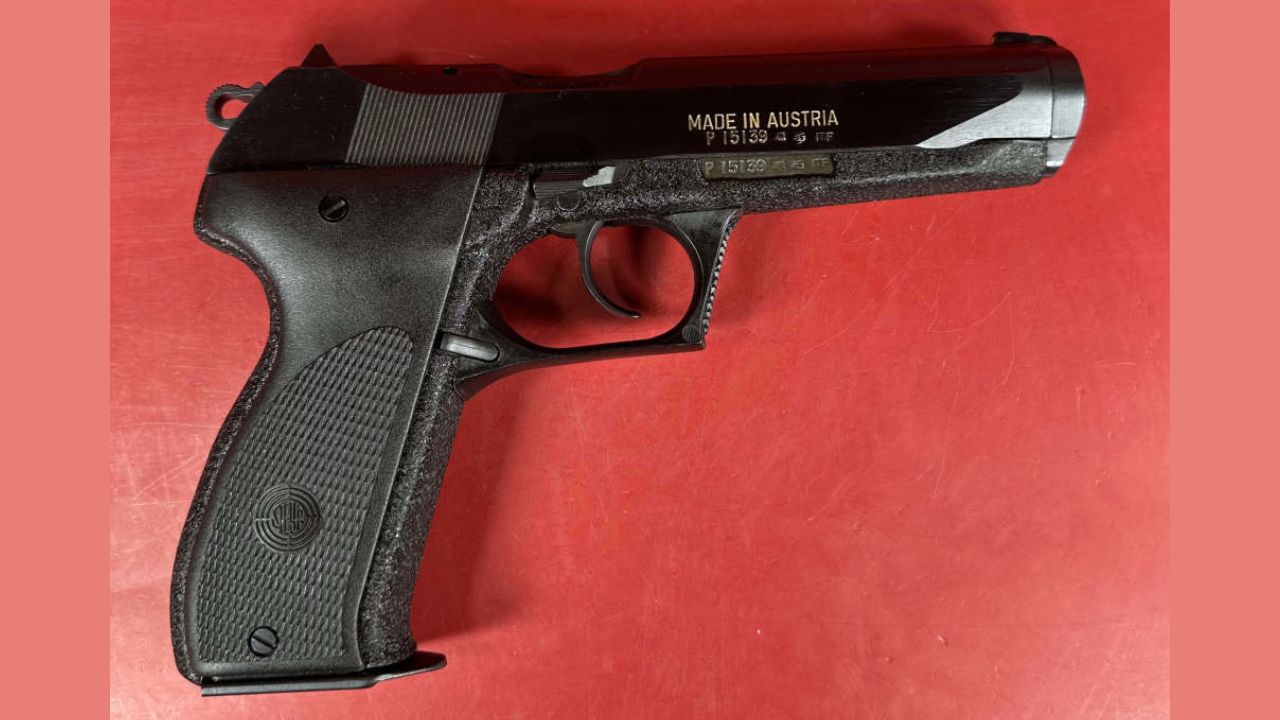
The Steyr GB looks like a prop pistol from a low-budget 1980s action movie. It is large, oddly proportioned, and visually dominated by a huge trigger guard and long slide. Nothing about it immediately suggests premium collector value.
Its unusual gas-delayed operating system and limited production changed that. The GB was mechanically ambitious, competed unsuccessfully for military and police contracts, and disappeared without ever becoming common. That makes surviving examples fascinating to collectors interested in unusual Cold War-era service pistols. The fact that replacement parts and magazines are not exactly plentiful only increases the importance of complete examples. What looks like an oversized bargain-bin semiautomatic can bring surprisingly serious money.
Detonics CombatMaster
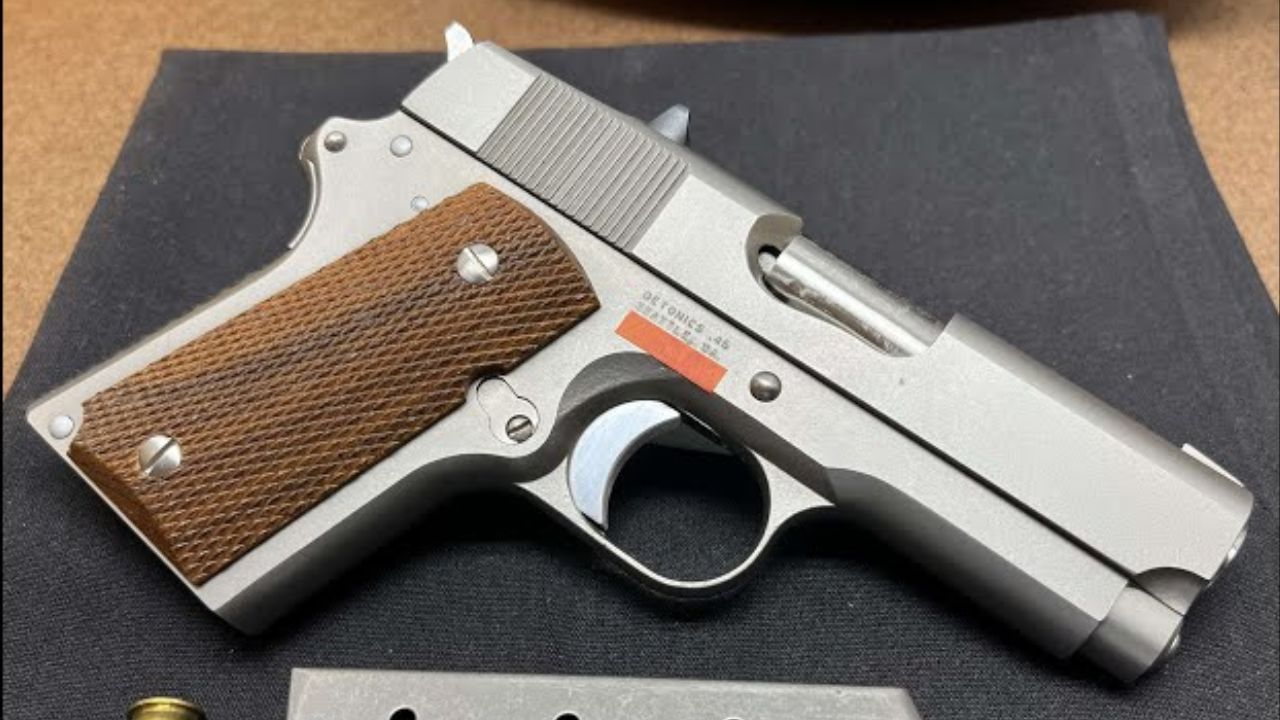
The CombatMaster looks like someone took a full-size 1911 and chopped off everything that seemed unnecessary. The short slide, abbreviated grip, exposed hammer, and compact proportions can look almost homemade to someone seeing one for the first time.
That unusual appearance is part of the appeal. Detonics was one of the early companies to seriously pursue the compact fighting-1911 concept, long before today’s carry-sized 1911s and 2011s became common. Original Seattle-era guns are particularly desirable, and collectors pay attention to production details that casual buyers may completely miss. A small stainless pistol that looks like an old gunsmith project can command far more money than its size and finish suggest.
Colt Mustang Pocketlite

The Mustang Pocketlite is tiny, simple, and visually similar to countless inexpensive pocket pistols. The small frame and basic controls do not immediately tell you that collectors can become surprisingly competitive over clean older examples.
Colt’s name carries weight, but discontinued production and the appeal of the miniature 1911-style layout matter too. Original Pocketlites in excellent condition, particularly desirable finishes and earlier production, can sell for much more than modern polymer .380s that are objectively more capable. That is the odd part of the market. Nobody is paying extra because the Mustang holds more ammunition or shoots flatter. They are paying because it is a compact Colt with a specific period look that is no longer being made in the same form.
Seecamp LWS 32

The Seecamp LWS 32 looks almost toy-like. It is tiny, stainless, has minimal sights on many versions, and can disappear inside a closed hand. Someone unfamiliar with the brand could easily assume it is a cheap pocket pistol.
The manufacturing tells a different story. Seecamp built these guns with tight tolerances and a very specific purpose: maximum concealability in the smallest practical centerfire package. For years, demand far exceeded supply, and waiting lists helped build the pistol’s reputation. Early examples and especially desirable variants can still command prices that surprise anyone judging the gun purely by appearance. It looks simple because almost everything unnecessary was removed, not because it was cheaply made.
AMT Backup

The AMT Backup has all the visual signs of an inexpensive old pocket pistol. It is compact, blocky, stainless, and has an industrial finish that can make it look more like a machine-shop experiment than a collectible handgun.
Certain versions have become surprisingly desirable, particularly clean examples in uncommon chamberings. AMT was willing to build small pistols around cartridges other manufacturers rarely attempted in that size, which gave the line a strange place in handgun history. Reliability reputation varies by model and era, but collectors are not necessarily buying these purely as defensive tools anymore. The oddity factor, discontinued production, and shrinking supply of untouched examples can push prices far beyond what the appearance suggests.
COP .357 Derringer
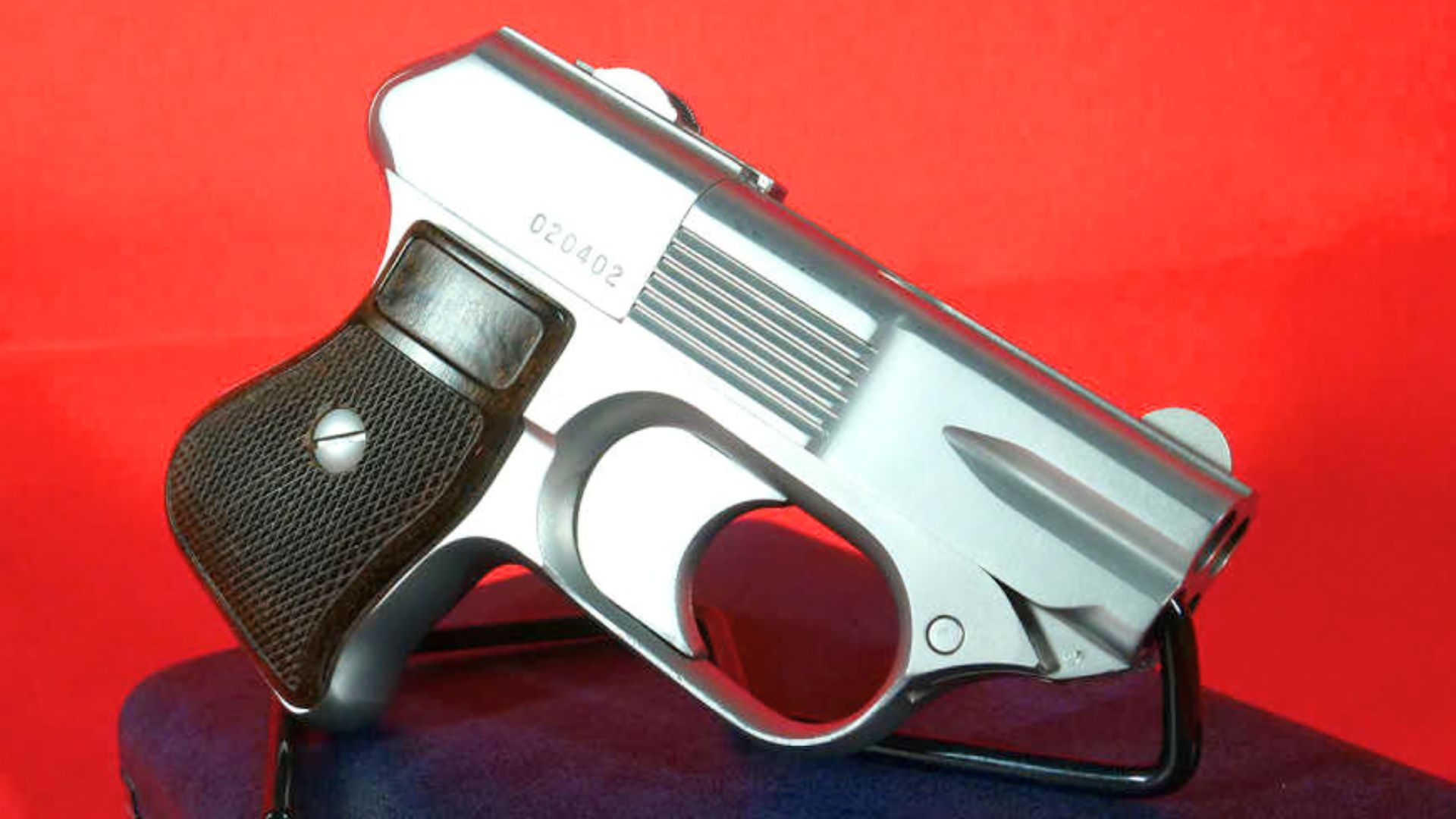
The COP .357 looks like a chunky four-barreled novelty pistol, and in many ways that is exactly what it is. The stainless body is thick, the trigger is heavy, and the entire gun looks more like something from a movie prop department than a refined defensive handgun.
Scarcity has changed how people view it. The unusual four-barrel rotating firing system and unmistakable profile made it famous enough to develop a following after production ended. Clean examples often attract collectors who want something mechanically different rather than necessarily practical. That can push prices well beyond what a heavy, low-capacity derringer would seem to deserve. It is one of the clearest examples of weird design becoming an asset once the market realizes no more are being made.
Whitney Wolverine
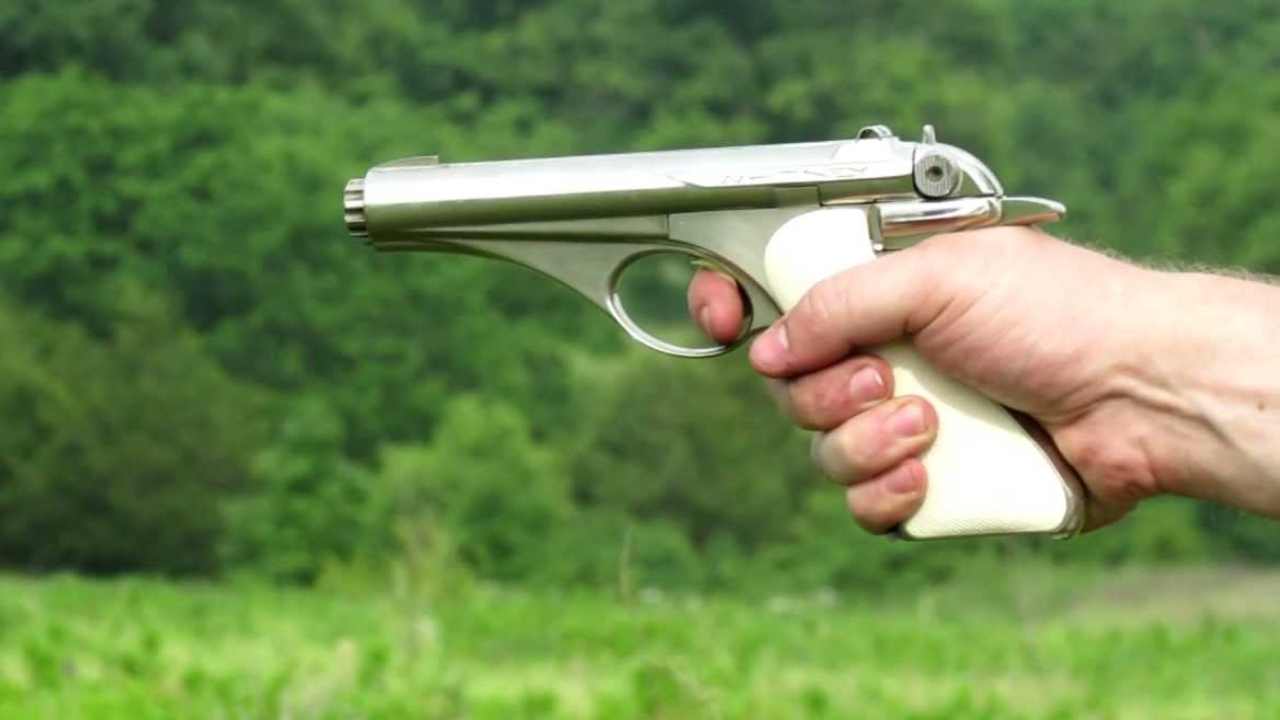
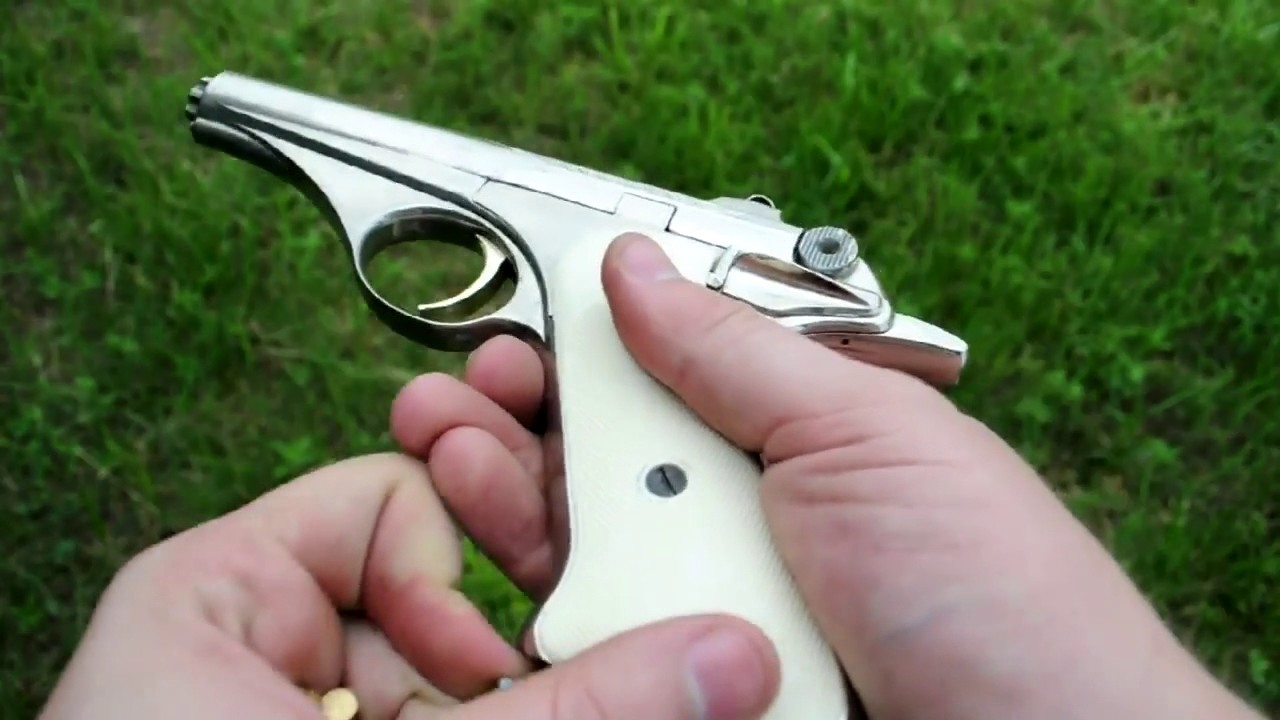
The Whitney Wolverine looks like it should have been sold next to inexpensive recreational .22s. The aluminum construction, space-age profile, and light weight can make it feel almost too playful to be valuable.
Original Wolverines have become highly collectible because the design is so unmistakable and production was relatively limited. The pistol was also mechanically interesting and came from a period when manufacturers were experimenting much more aggressively with styling. Reproductions later appeared, but original examples retain the stronger collector appeal. This is the kind of handgun that could look cheap to someone who has never seen one before, yet immediately catches the attention of knowledgeable rimfire collectors.
S&W Model 422

The Model 422 looks like a budget .22 because that is largely how many people remember it. The frame is slim, the finish is utilitarian, and the low barrel placement gives it an odd appearance next to more traditional target pistols.
That low barrel is actually part of what makes the design interesting. The recoil spring sits above the barrel, producing a low bore axis and a very distinctive internal layout. Smith & Wesson eventually discontinued the series, and clean examples have become increasingly sought after by shooters who remember how pleasant they were. They are not ultra-expensive collectibles, but prices can still surprise anyone expecting an old plain-looking .22 to cost almost nothing.
Beretta 81 Cheetah
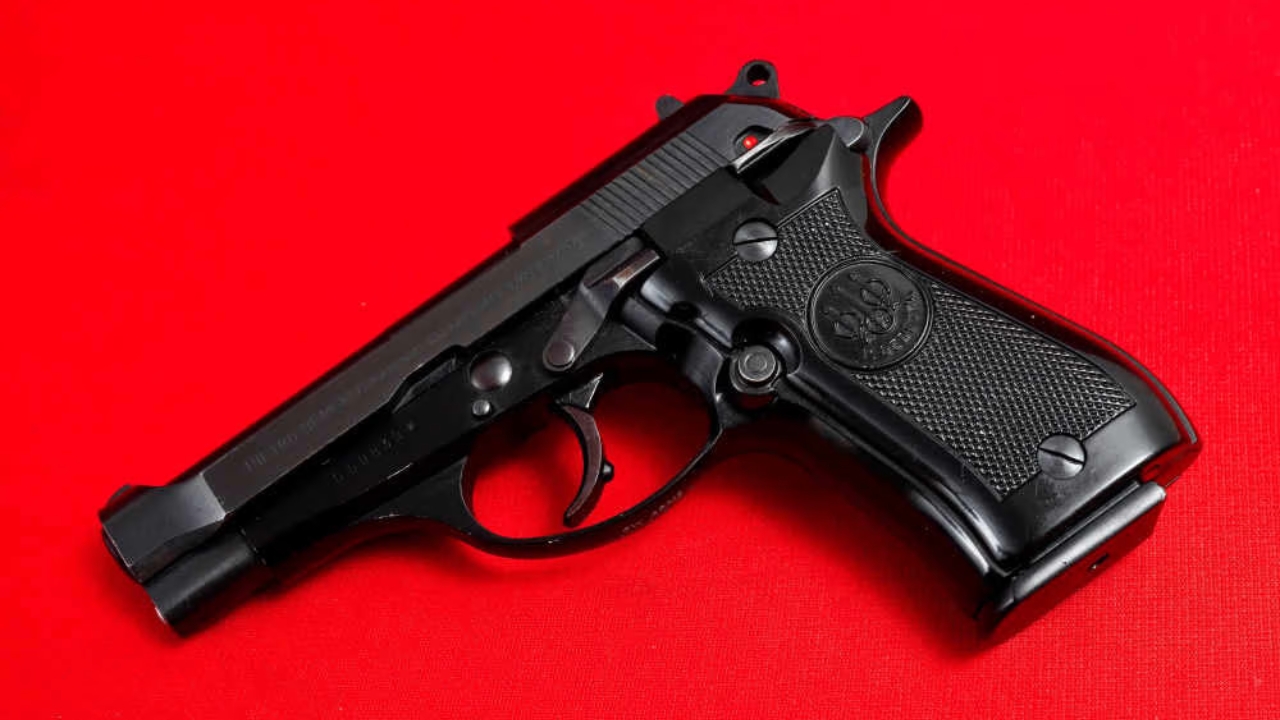
The Beretta 81 looks like a small, slightly dated service pistol. Its alloy frame, exposed barrel, and compact proportions do not immediately suggest anything rare or valuable, especially after years when surplus examples appeared at attractive prices.
That perception changed as the supply dried up. Shooters discovered that the little Cheetahs were beautifully made, extremely pleasant to shoot, and far more refined than most modern compact pistols. Clean examples, particularly attractive finishes and less-common variants, now bring significantly stronger money than they did during the surplus years. The gun did not suddenly get better. Buyers simply realized the cheap imports were not going to last forever.
Star PD
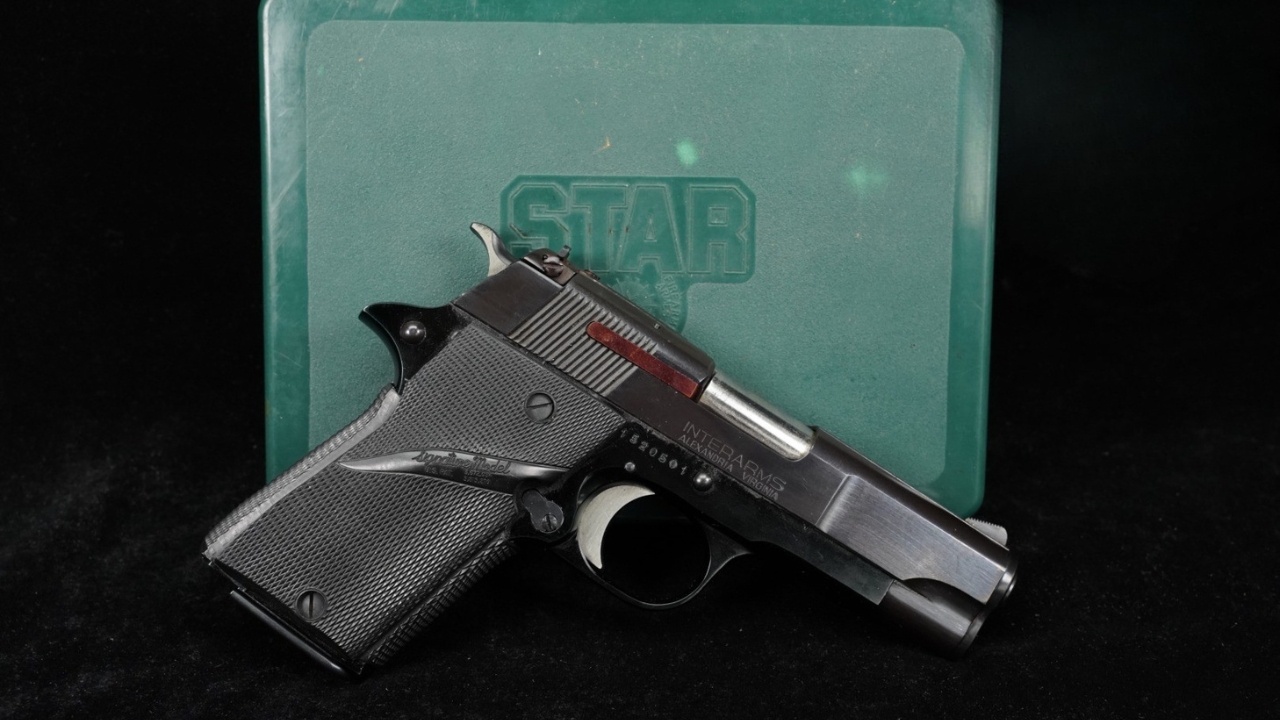
The Star PD looks like a rough, shortened 1911 from an era when compact .45s were still experimental. Its aluminum frame, basic sights, and abbreviated dimensions can make it seem crude compared with today’s polished carry pistols.
Historically, though, it was important because it delivered .45 ACP in a package far lighter and smaller than most competing pistols of its time. Production ended decades ago, and good examples are becoming scarcer because these guns were often carried and shot hard. Collectors and enthusiasts now appreciate the PD as an early compact big-bore semiautomatic rather than just an old Spanish pistol. That shift in perception has helped clean examples command much more attention than their appearance would predict.
ASP 9mm
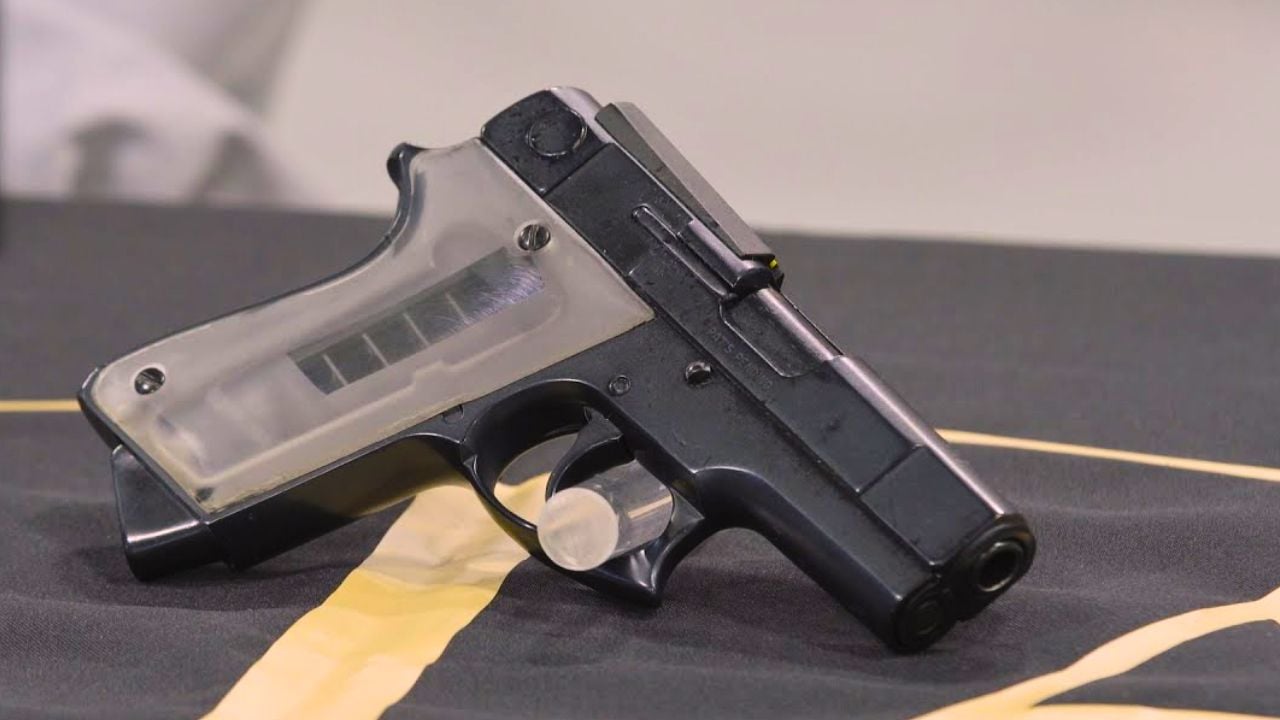
The ASP may look like a modified Smith & Wesson pistol because that is exactly where it started. The chopped slide, transparent grips, heavily altered sights, and compact proportions can give it the appearance of a strange custom job.
The difference is that genuine ASP pistols represent one of the earliest serious attempts at a purpose-built concealed-carry semiautomatic. They were extensively modified from Smith & Wesson Model 39 pistols and produced in small numbers. Authentic examples are consequently much more valuable than a casual observer might assume. What looks like an old chopped carry gun can actually be a significant piece of defensive-pistol history.
Colt 1903 Pocket Hammerless

The 1903 Pocket Hammerless is elegant in its own way, but a worn example can look almost plain enough to be mistaken for an inexpensive antique. The sights are tiny, controls are minimal, and the profile is remarkably simple.
Collectors know better. Condition, finish, factory grips, markings, and historical variations can change value dramatically. The pistol was also carried by military officers, law-enforcement figures, and civilians for decades, giving it a cultural history much broader than its modest dimensions suggest. Even relatively ordinary examples can cost far more than a modern pocket pistol, while exceptional ones climb significantly higher. Its appearance is understated because early 20th-century carry guns were designed that way.
Browning BDA .380

The BDA .380 looks like an ordinary old compact semiautomatic, and its styling can be confusing because it shares visual and mechanical relationships with Beretta’s compact pistols while wearing Browning markings.
That combination is exactly why collectors pay attention. The pistols were well made, smooth shooting, and produced during an era when compact metal-framed .380s were built with far more machining than most current pocket guns. Clean examples with original boxes and magazines can bring prices that look strange beside modern .380s with higher capacity and optics cuts. The BDA is not valuable because it outperforms them. It is valuable because nobody is building quite the same pistol anymore.
S&W Model 52
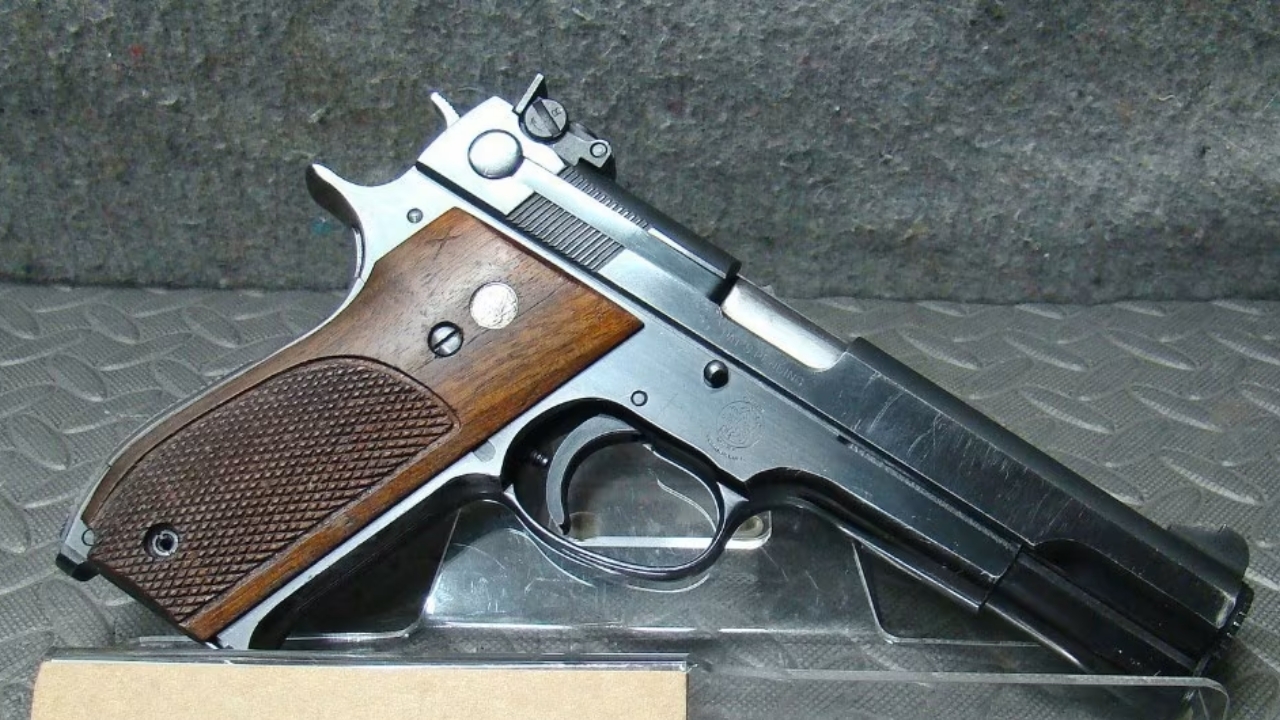
The Model 52 can look like a slightly stretched old Smith & Wesson service pistol to someone unfamiliar with bullseye shooting. The plain blued finish and single-stack profile do not immediately communicate what the gun was designed to do.
It was a dedicated target pistol built around .38 Special wadcutter ammunition, and the accuracy and trigger quality are far removed from ordinary service guns. Production ended long ago, and serious target shooters still understand what these pistols are capable of. That has kept clean examples valuable. A Model 52 sitting beside an ordinary third-generation Smith may not look dramatically more expensive, but once you know the machining and purpose behind it, the market price makes considerably more sense.
HK VP70Z
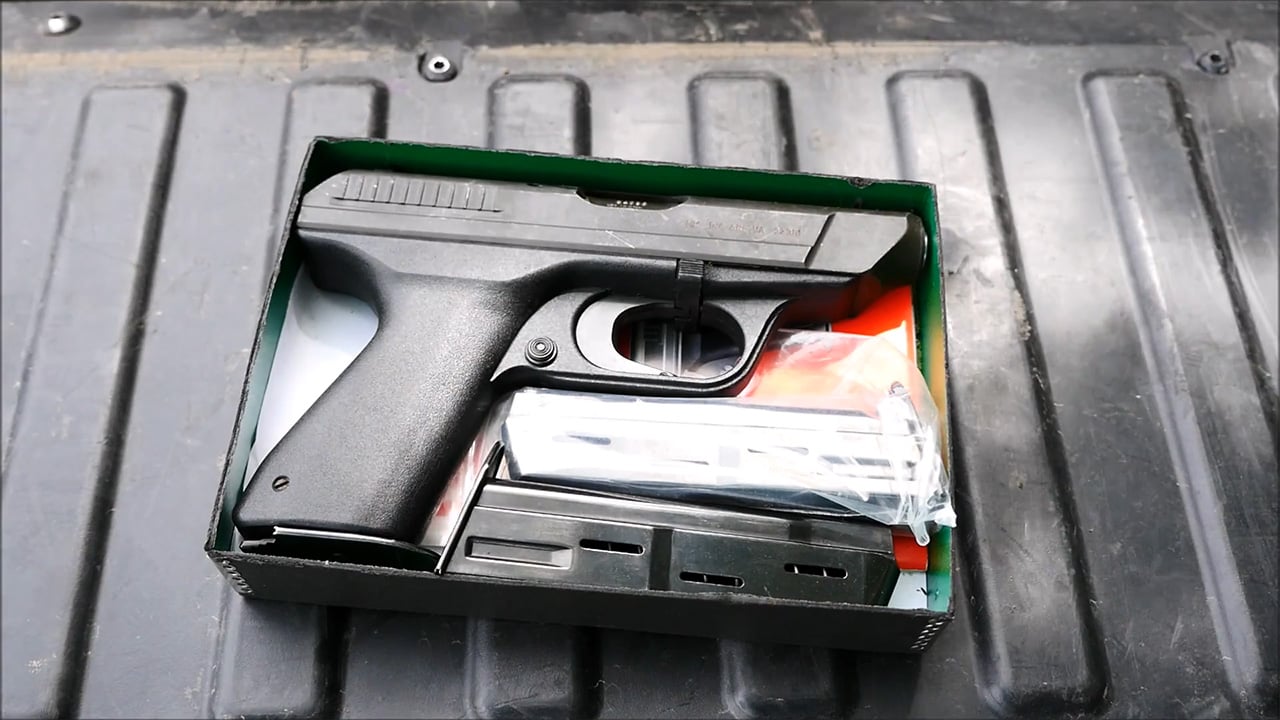
The VP70Z looks cheap because much of its design philosophy was aggressively utilitarian. The polymer frame predates Glock, the styling is slab-sided and awkward, and the trigger has a reputation for being extraordinarily heavy.
That same weirdness has made it collectible. The VP70 was historically significant as one of the earliest production pistols to use a polymer frame, and its futuristic Cold War appearance is unlike almost anything else. Civilian VP70Z examples are no longer common, and clean guns with original accessories attract buyers interested in important early polymer designs. It may look like a crude ancestor of the modern striker pistol, but historical importance can be worth a lot more than refinement.
Like The Avid Outdoorsman’s content? Subscribe to our newsletter so you never miss an article.
Here’s more from us: