Photo credit: BERETTA9mmUSA/YouTube
The .40 S&W is nowhere near as dominant as it was during the height of law-enforcement adoption, but writing it off completely does not make much sense. Millions of good pistols were built around the cartridge, ammunition is still readily obtainable, and the decline in institutional demand has created one of the more interesting used-handgun markets around. Police trade-ins in particular can put extremely durable pistols into your hands for surprisingly little money.
The trick is choosing a pistol that actually handles .40 well. The cartridge has a sharper recoil impulse than 9mm, and lightweight or poorly sprung guns can make that difference unpleasantly obvious. The best .40s either have enough size and weight to settle the cartridge down or were engineered specifically around its pressure and recoil. These 20 still make sense whether you want a current-production defensive pistol, a cheap used duty gun, or simply one of the better examples from the caliber’s peak years.
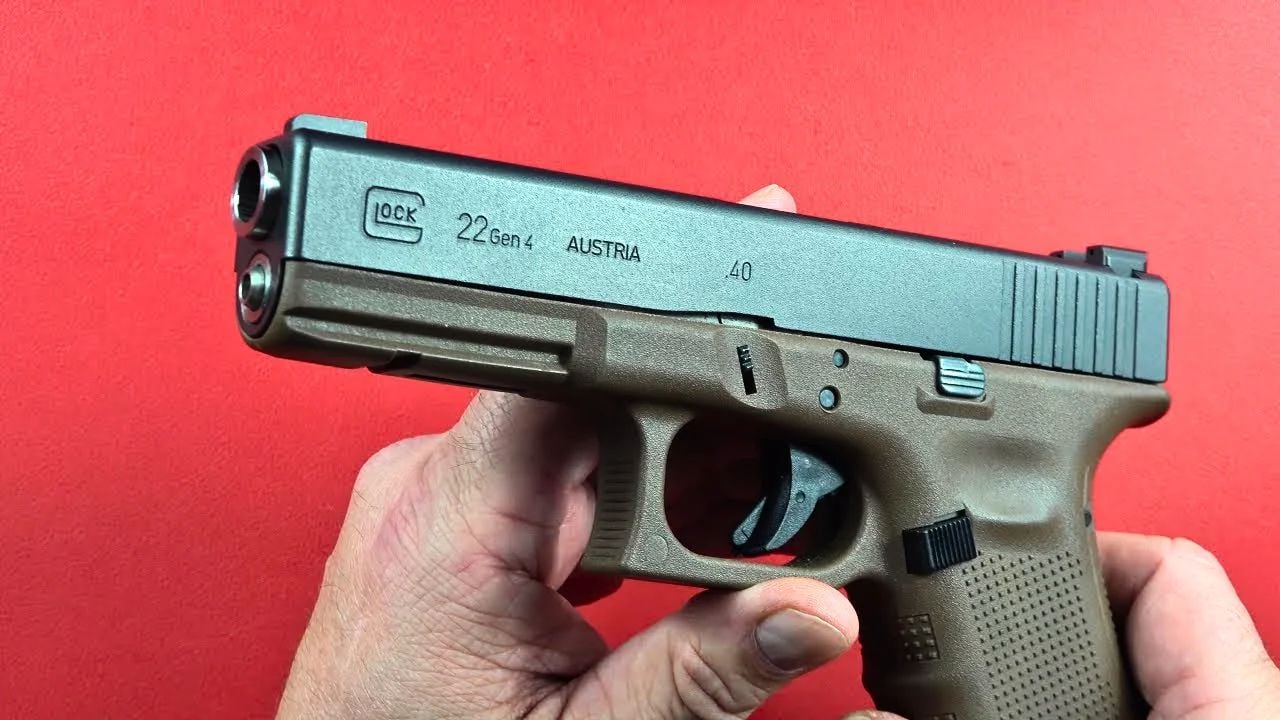
Glock 22 Gen5 MOS

If you want a brand-new .40 S&W without buying into an abandoned platform, the Glock 22 Gen5 MOS may be the safest choice. Glock did more than simply rechamber the Gen5 9mm. The .40-caliber Gen5 guns received additional slide mass and recoil-system changes intended to better control the cartridge, and the full-size G22 gives that system plenty of room to work.
You also get a 15-round standard magazine and a 4.49-inch barrel, making this a proper duty-size .40 rather than a compact pistol being asked to handle a relatively energetic cartridge. The MOS configuration adds straightforward red-dot capability. It is not exciting in the way a rare metal-framed pistol is, but that is part of its appeal. Magazines, holsters, sights, and replacement parts are easy to source, and Glock is still actively supporting the model. For someone deliberately choosing .40 in 2026, the G22 Gen5 MOS is hard to argue against.
Glock 23 Gen5 MOS
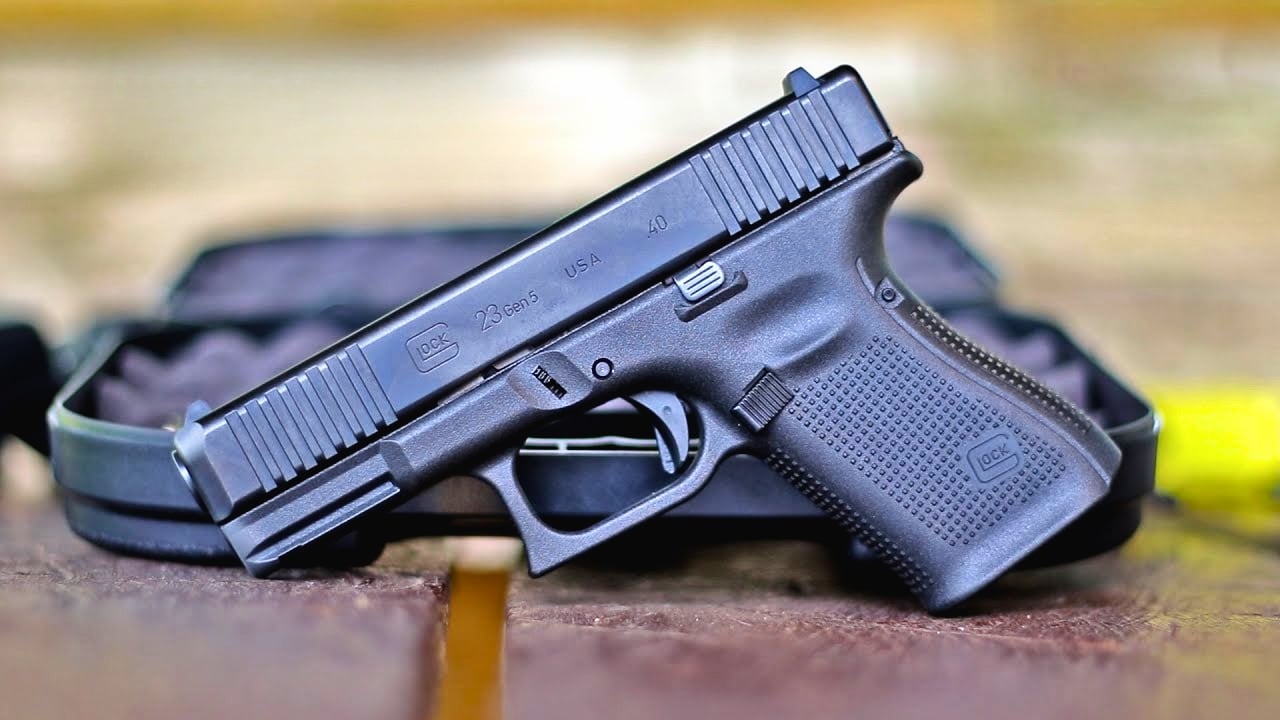
The G23 Gen5 MOS may actually be the more versatile Glock .40 because it shrinks the package into roughly Glock 19 territory while keeping a useful 13-round standard capacity. It is large enough to get a full grip on but short enough for concealed carry without requiring unusually loose clothing.
The important Gen5 change is again the heavier .40-caliber slide and revised recoil setup. Older G23s could feel surprisingly sharp compared with their 9mm counterparts, especially during longer range sessions. The newer gun handles the cartridge more gracefully without becoming excessively bulky. Add the MOS system and you have one of the few modern compact .40 pistols that still feels like the manufacturer is actively developing it rather than merely keeping an old SKU alive. If you want one .40 to carry, practice with, and keep around the house, the G23 is arguably the sweet spot.
Smith & Wesson M&P40 M2.0 Full Size
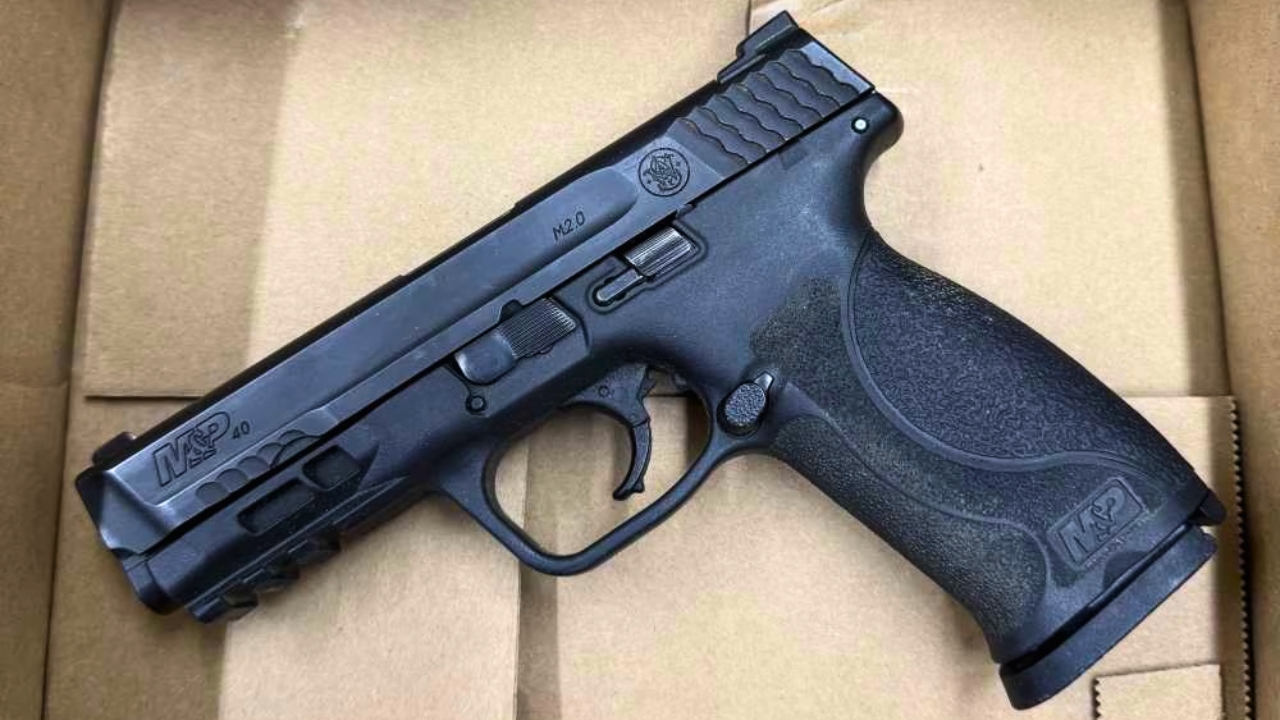
The M&P platform spent years riding in law-enforcement holsters, and .40 S&W was an enormous part of that history. The full-size M&P40 is consequently one of the more natural homes for the cartridge. The grip shape distributes recoil well, the aggressive M2.0 texture gives your support hand something to work with, and the full-length frame keeps the gun controllable.
It also makes enormous sense on the used market. Departments that moved back to 9mm released large numbers of M&P40 pistols, sometimes at prices dramatically below equivalent 9mm guns. That can turn an unfashionable caliber into a bargain rather than a liability. You are still getting a durable service pistol with inexpensive magazines and broad holster support. For a range gun, home-defense pistol, or inexpensive full-size defensive handgun, a clean M&P40 can be one of the smartest ways to take advantage of .40’s fall from popularity.
Smith & Wesson M&P40 M2.0 Compact
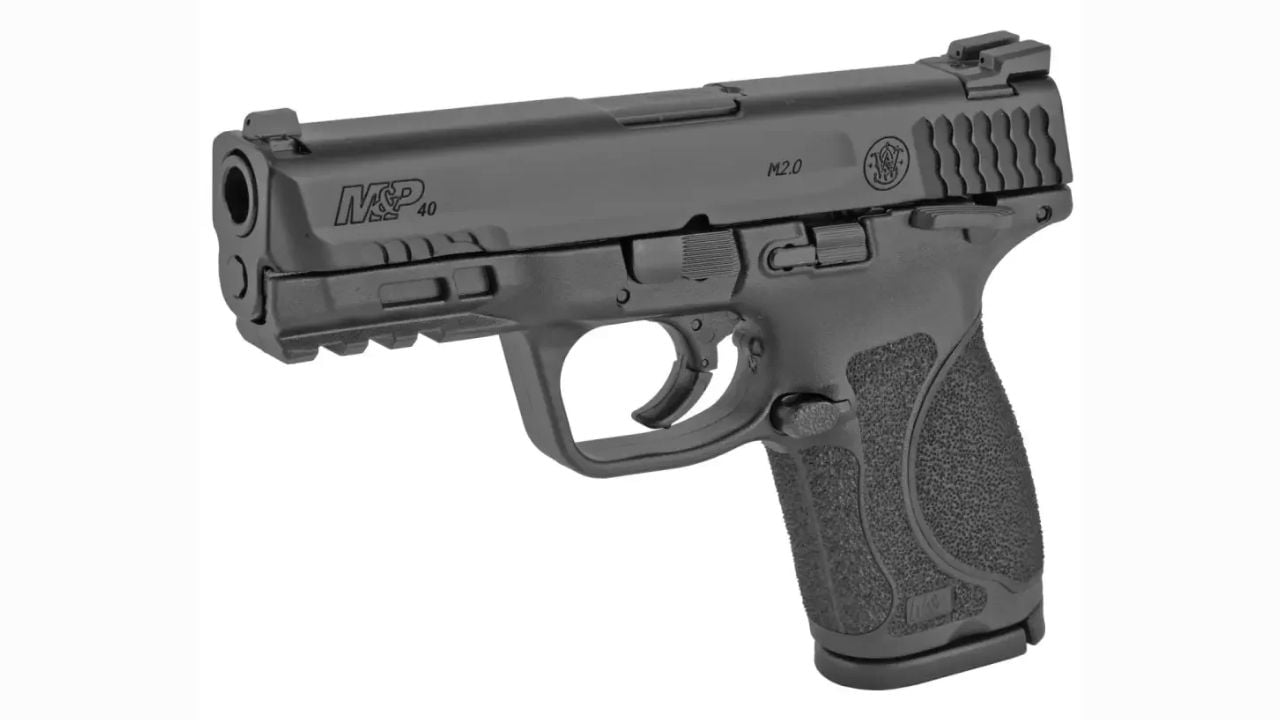
The Compact makes the same basic argument in a more carry-friendly package. It gives you enough grip and slide length to control .40 without making the pistol feel unnecessarily large, and Smith & Wesson’s grip texture becomes especially valuable with the sharper recoil impulse.
This is the kind of pistol that makes more sense as a used purchase than many brand-new budget handguns. You can sometimes get a former duty or privately owned M&P40 for modest money and end up with a pistol designed around serious service use. The compact dimensions also give it more flexibility than the full-size model. You can carry it, use it for home defense, or leave it as a range gun. The caliber may have lost market share, but the M&P40 Compact itself did not suddenly become a bad pistol.
HK USP40

The USP40 deserves special respect because .40 S&W was not an afterthought in the design. HK developed the USP during the exact period when .40 was becoming a major service cartridge, and the pistol’s large slide, substantial frame, and recoil system handle it extremely well.
That gives the USP40 a different character from pistols that started as 9mms and were later adapted upward. Recoil feels controlled rather than abusive, and the pistol has the durability reputation to match. The DA/SA trigger feels dated beside modern tuned pistols, and the grip is large, but those are manageable compromises. Used USP40s can also cost considerably less than equivalent 9mm examples because demand favors the smaller cartridge. If you want a .40 that feels like it was actually built around .40, this is one of the strongest choices ever made.
HK P2000 .40 S&W
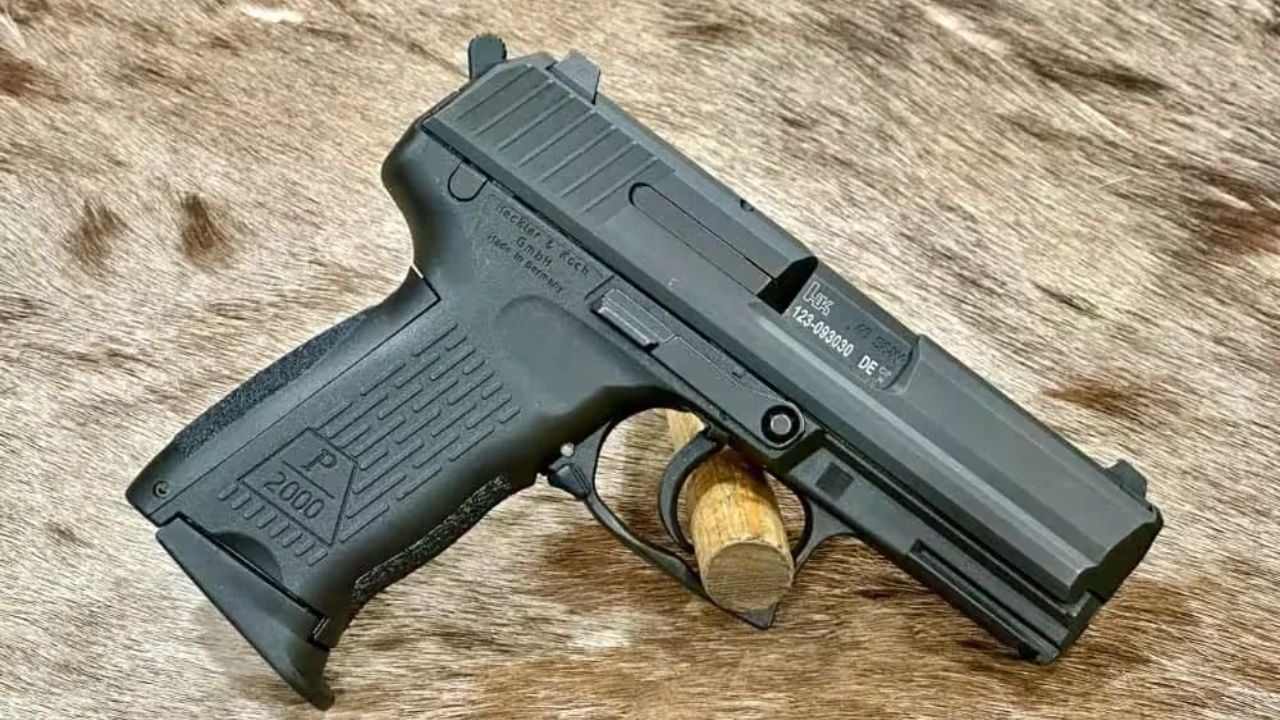
The P2000 is one of the most underrated HK pistols and makes particular sense in .40. It is compact enough for carry but has enough grip and slide mass to keep the cartridge manageable. Depending on configuration, you can also get the traditional DA/SA system or HK’s LEM trigger.
Ergonomically, it sits between the blockier USP Compact and the later P30. The replaceable backstraps help, and the pistol feels extremely solid without becoming huge. Used .40-caliber P2000s can also be substantially cheaper than 9mm examples, which changes the value equation dramatically. You may be buying into an older caliber, but you are getting an exceptionally durable European service pistol for money that can overlap with ordinary polymer striker guns. That is exactly the kind of .40 purchase that still makes sense.
HK P30 .40 S&W
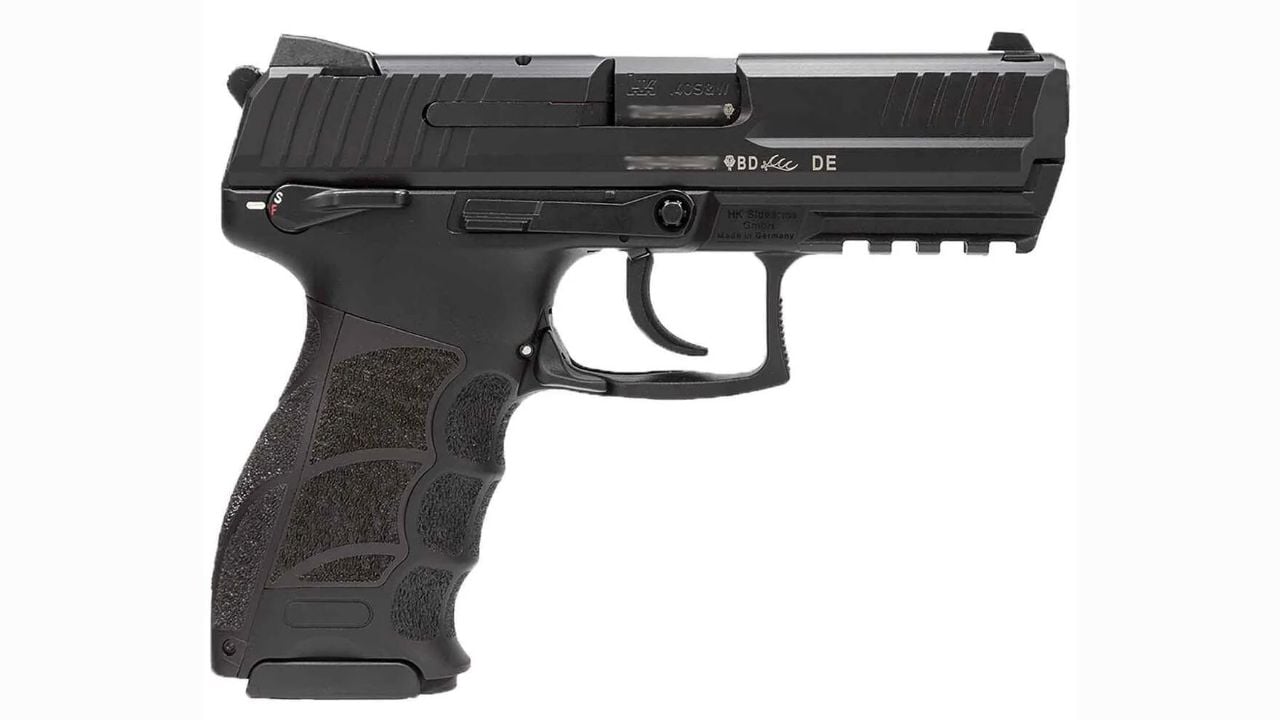
The P30 is one of the easiest .40 pistols to control because the grip can be fitted unusually well to individual hands. Interchangeable side panels and backstraps let you build a grip that actually fills your palm and gives the support hand good contact.
That matters more with .40 than it does with a mild 9mm. Better hand fit translates directly into better recoil control, and the P30’s substantial construction helps further. The trigger is not the star of the gun, particularly in standard DA/SA configuration, but reliability and ergonomics are. Used .40 versions are often overlooked because buyers chase 9mm P30s instead. For someone specifically wanting a .40, that lack of demand can turn into an opportunity to own a serious service pistol for considerably less than its original price.
Beretta PX4 Storm Full Size .40

The PX4 Storm is almost tailor-made for shooters who like .40 but dislike the cartridge’s snappy recoil. Beretta’s rotating-barrel system changes the way recoil feels compared with a conventional tilting-barrel pistol, and the full-size frame gives the system even more mass to work with.
The result is one of the softest-shooting polymer-framed .40s around. Standard .40 versions use a 14-round magazine, so capacity remains respectable as well. The trigger can be improved considerably with Beretta or Langdon components, and decocker-only conversion is popular with shooters who do not want a slide-mounted manual safety. The styling has always divided people, but shoot one before dismissing it. The .40 PX4 makes the cartridge feel much easier than its reputation suggests.
SIG Sauer P229 .40 S&W

The P229 and .40 S&W belong together historically. SIG reinforced the compact platform specifically to handle higher-pressure service cartridges, and for years the P229 in .40 was a common law-enforcement combination.
That design history matters on the range. The aluminum frame gives the gun enough weight to settle recoil, while the substantial slide prevents the pistol from feeling overly violent. The DA/SA trigger system is proven, and the pistol has an excellent reputation for durability. New-production SIG attention has moved overwhelmingly toward 9mm, but that only makes used .40-caliber P229s more interesting. Police trade-ins can offer an exceptionally well-built metal-frame pistol for much less than a new Legion or modern premium compact. The cartridge may be unfashionable. The gun itself is still excellent.
SIG Sauer P226 .40 S&W
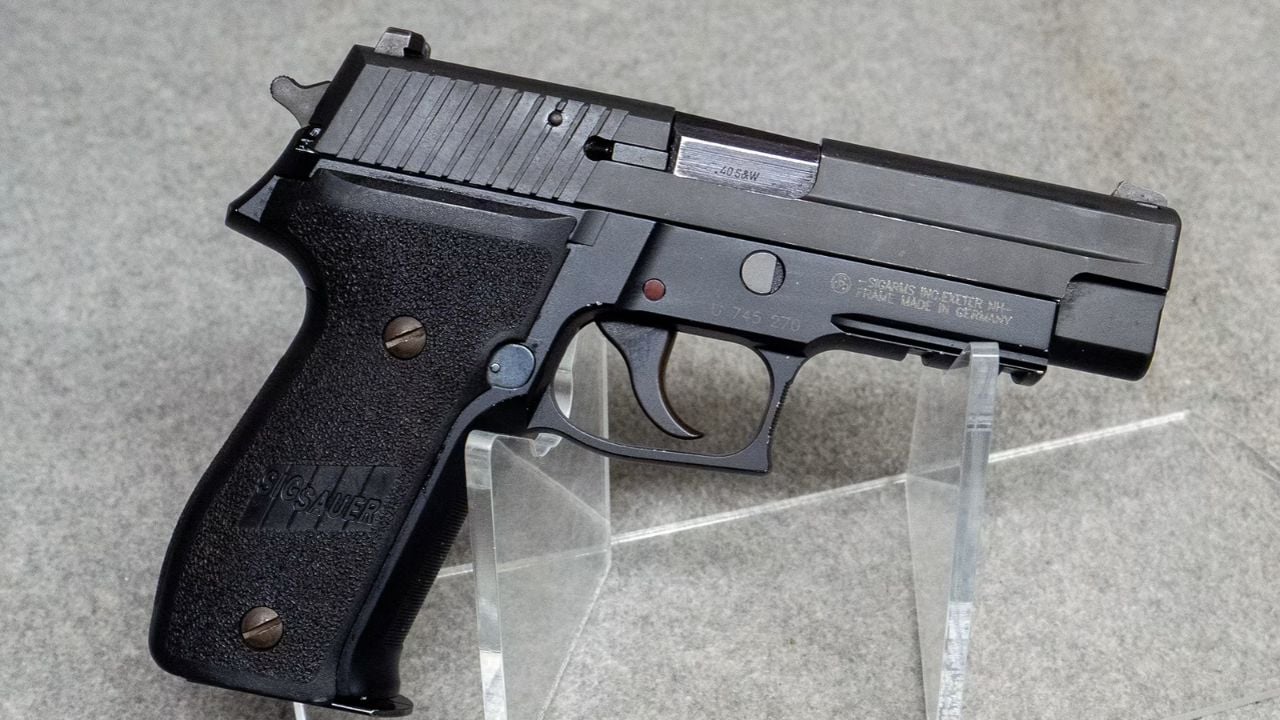
If the P229 handles .40 well, the larger P226 handles it even better. The longer grip, full-size frame, and additional mass make the cartridge feel noticeably calmer, especially with full-power defensive ammunition.
The P226 also gives you one of the most proven service-pistol designs of the last several decades. Its controls are easy to use, the DA/SA trigger can be excellent with the right parts, and magazines remain available. The big opportunity is again on the used market. A .40-caliber P226 can sell for substantially less than a similar 9mm simply because buyers no longer chase the cartridge. For someone who wants a range gun or home-defense pistol rather than the smallest possible carry gun, that makes the P226 one of the best .40 bargains around.
Beretta 96A1

The 96A1 is essentially the .40-caliber branch of Beretta’s famous 92 family, and that large aluminum-frame design does a good job of controlling the cartridge. The open-slide system, generous grip, and overall weight make recoil much more comfortable than it is in lighter compact .40s.
It also offers something increasingly uncommon: a traditional metal-frame DA/SA .40 that feels like a true service pistol. Factory support is not what it once was, so this is primarily a used-market recommendation now. That is not necessarily bad news. Clean 96-series pistols can be undervalued because nearly everyone hunting for a Beretta wants a 9mm 92. If you already like the 92 platform and want a .40, the 96A1 is one of the most natural ways to do it.
Glock 35

The Glock 35 shows what happens when you put .40 S&W into a long-slide pistol rather than trying to make the gun as compact as possible. The longer slide and barrel add weight where it helps, smoothing the recoil impulse and making the pistol easier to track during fast shooting.
That is why the G35 spent so much time around competition and law-enforcement circles. The longer sight radius is useful with iron sights, while the added velocity makes good use of the cartridge. Capacity remains 15 rounds with standard magazines. It is too large for most people’s concealed-carry needs, but as a range gun, field pistol, or competition-oriented .40, it makes considerably more sense than a tiny subcompact. If you want to actually enjoy shooting .40 for several hundred rounds at a time, the G35 is one of the better Glock choices.
Glock 27
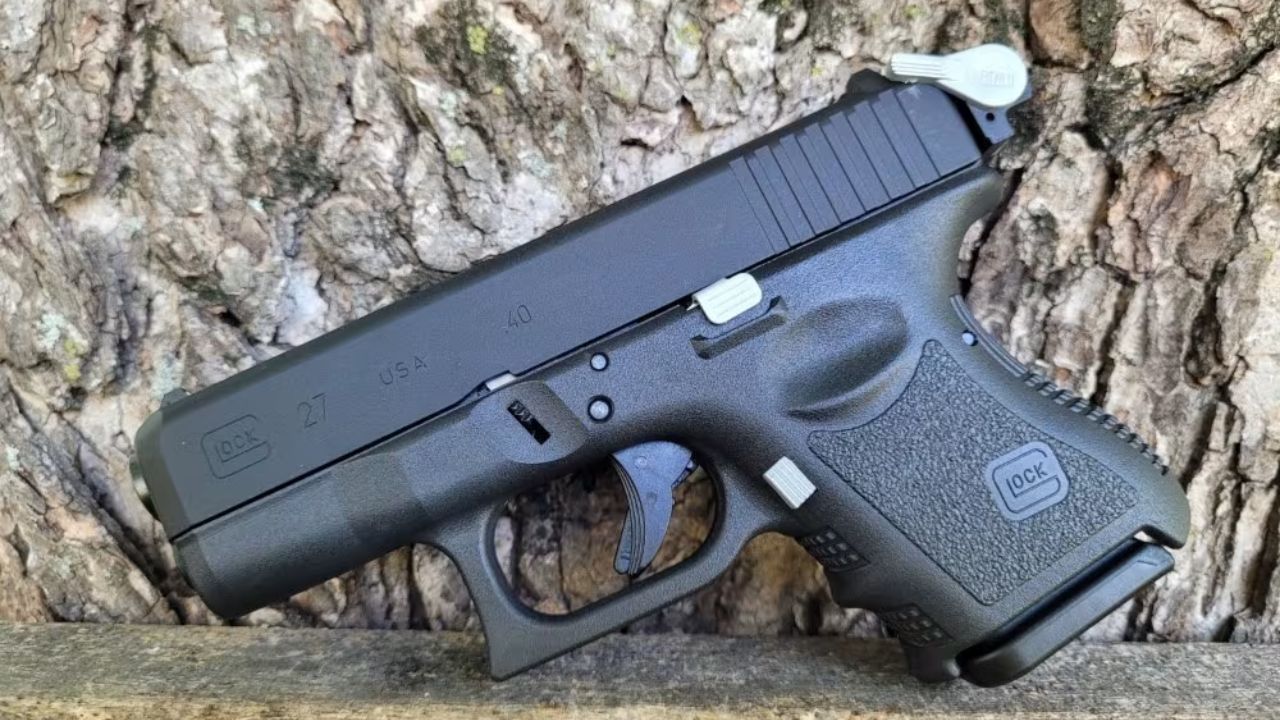
The G27 is the opposite end of the spectrum. It takes .40 S&W and stuffs it into a genuinely compact package with a short 3.43-inch barrel and nine-round standard magazine. That creates considerably sharper recoil than the G22 or G35, so it is not the .40 I would pick for relaxed range shooting.
Its purpose is concealability. If you specifically want more power than a comparable small 9mm and are comfortable managing the recoil, the G27 still gives you a remarkably compact defensive pistol. It can also accept larger Glock .40 magazines, which adds flexibility for backup or home use. The Gen5 version received the same broader .40 engineering changes Glock applied elsewhere. It is a specialized choice, but for someone already invested in Glock .40 magazines, it can still make plenty of sense.
FNX-40

The FNX-40 is one of the more overlooked hammer-fired .40 pistols from the caliber’s duty-gun era. It gives you a polymer frame, DA/SA trigger, ambidextrous controls, and a full-size grip that handles the cartridge well.
What makes it interesting now is price. Used examples can show up at surprisingly reasonable numbers because FN’s modern handgun attention has moved elsewhere and .40 itself is no longer fashionable. The pistol remains durable and comfortable to shoot, especially for someone who prefers a hammer and decocker over a striker system. Magazine and holster support are not as broad as Glock or Smith & Wesson, which is worth considering before buying. Still, if you find one complete with several magazines, it can be an excellent .40 package.
FN FNS-40

The FNS-40 was designed during the period when manufacturers still expected .40 to remain a major service caliber. Its full-size frame and substantial slide help manage the cartridge, and the grip texture gives you enough traction to keep the gun from moving excessively during rapid fire.
The design eventually gave way to FN’s newer pistol families, but that makes the used FNS-40 interesting rather than irrelevant. Prices can be low, and the basic pistol was built for duty use rather than bargain-store positioning. The trigger is serviceable rather than exceptional, but reliability and ergonomics are more important here. If you find a clean example with several magazines, you can end up with a serious full-size defensive pistol for less than many new entry-level 9mms.
Walther P99 .40 S&W

The P99 in .40 is one of the more interesting options for shooters who want something different. Its striker-fired DA/SA-style trigger system gives you a long first pull followed by much shorter single-action-like subsequent pulls, plus a decocker built into the slide.
In .40 S&W, the pistol is lively but manageable, especially in the full-size configuration. The grip was ahead of its time when introduced and still feels good today. Production has ended, which means this is increasingly a used or collector-market purchase, but the pistol remains fully capable as a shooter. Parts and magazines are not as effortless to source as Glock components, so I would not buy one as my only defensive gun. As a distinctive .40 that still performs well, however, the P99 deserves a place.
Walther PPQ .40 S&W

The PPQ became famous primarily for its trigger, and the .40 version gives you that same excellent striker-fired feel in a cartridge with a little more authority. The grip ergonomics are also among the best of the polymer-pistol era, which helps considerably with recoil control.
The PPQ has since been replaced by the PDP family, and .40 has largely disappeared from Walther’s modern focus. That means used examples can be overlooked even though the underlying pistol remains excellent. The main thing to remember is that the light, crisp trigger makes the PPQ feel more performance-oriented than many traditional duty guns. If that suits you, the .40 version can be a particularly enjoyable range pistol. It is a better shooter than current used prices often suggest.
Springfield XD-M .40

The XD-M in .40 was built during a period when manufacturers expected buyers to actually shoot substantial quantities of the cartridge. The full-size frame, high capacity, good grip safety system, and heavy slide make it far more pleasant than some smaller .40 pistols.
It also tends to be inexpensive used because the market has moved toward newer Springfield designs and 9mm chamberings. That can make the XD-M a strong value for someone who wants a range or home-defense .40. The grip is long and the pistol is not particularly light, but both characteristics help tame recoil. This is another case where the decline of the caliber benefits the buyer. You can get a lot of well-built pistol for surprisingly little money if you are willing to shoot the cartridge everyone else abandoned.
CZ P-07 .40 S&W
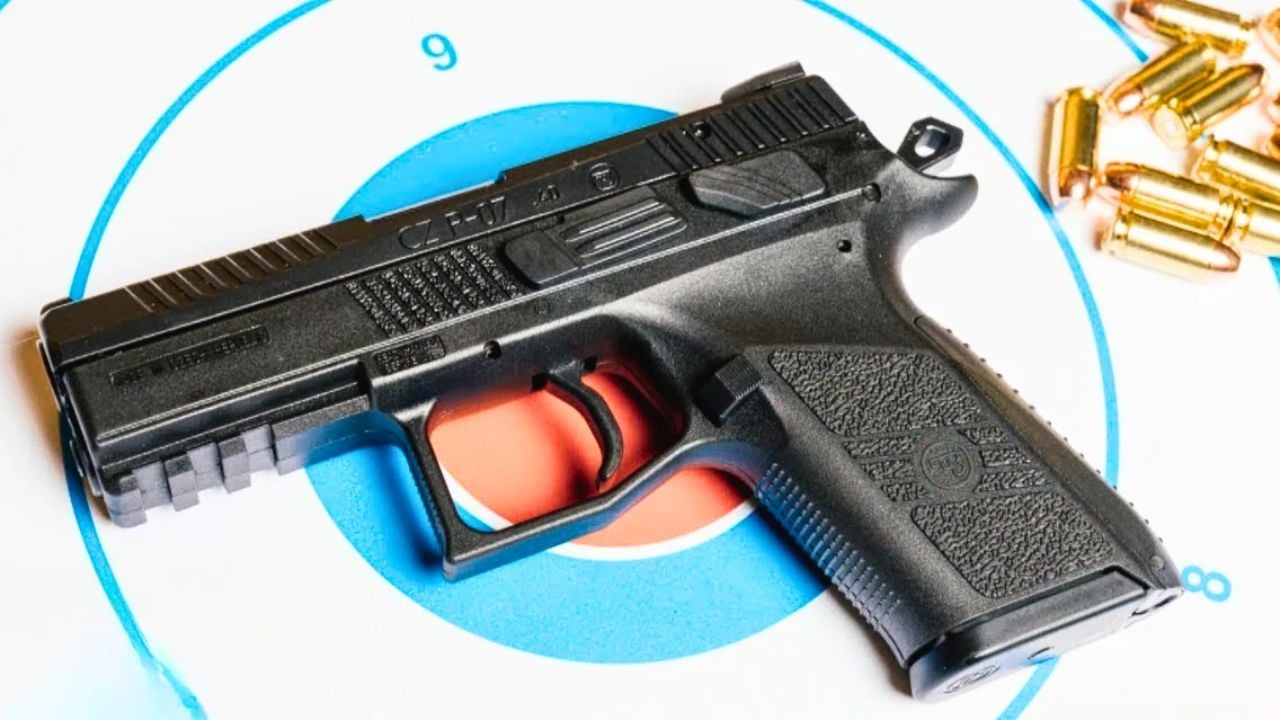
The .40-caliber P-07 is a particularly interesting used-market find because CZ’s polymer DA/SA platform combines good ergonomics with a relatively low bore axis. The Omega trigger system also lets shooters retain the traditional hammer-fired operating system in a compact defensive pistol.
It is sharper than the full-size P-09, but the grip shape gives you enough leverage to control it well. The biggest downside now is availability. CZ’s current focus has moved away from .40, so magazines and caliber-specific parts deserve consideration before buying. Still, a complete P-07 with spare magazines can be an excellent carry or range gun. If you like DA/SA but do not want the weight of a metal-frame SIG or Beretta, this is one of the better .40 options from the used market.
Smith & Wesson 4006
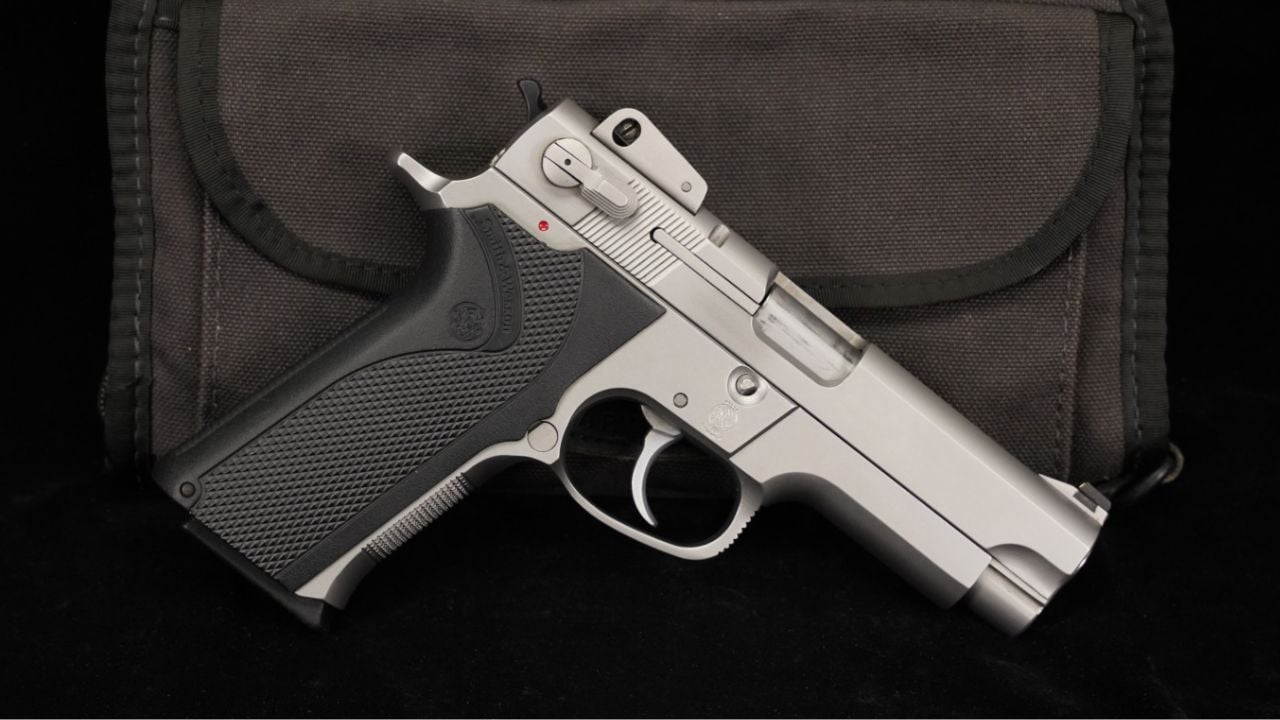
The 4006 is what .40 S&W feels like in a pistol with enough steel to make the cartridge behave. This all-metal Smith & Wesson was one of the classic law-enforcement .40s, and its substantial weight turns the sharp cartridge into something much more pleasant.
The DA/SA trigger is unmistakably old-school, as are the slide-mounted controls and overall heft. None of that stops it from being an excellent shooter. In fact, the weight is part of why it remains worth owning. Police-surplus examples can show cosmetic wear while still having enormous mechanical life left. Magazines and parts require more effort than with a current Glock, so I would treat the 4006 as a serious range and collector shooter rather than a platform to build your entire defensive setup around. As a piece of peak-.40 history that still shoots extremely well, though, it absolutely earns its place.
Like The Avid Outdoorsman’s content? Subscribe to our newsletter so you never miss an article.
Here’s more from us: