Photo credit: Ozzie Reviews/Youtube
Every gun guy has a few that got away. Not because you did not have cash, or because the seller wanted the moon, but because the timing was rotten. Rent due. A transmission making a new noise. Kids needing something for school. Or you just knew you did not have the time to wring it out and make it right, and you refused to buy a problem you could not immediately solve.
These are the ones that showed up in front of me at prices I still think about, and I still said no. Some were smart passes. A few were flat-out mistakes. If you have stood at a counter doing mental math while your gut says “buy it,” you will recognize the feeling.
1. Smith & Wesson Model 19 (4-inch)
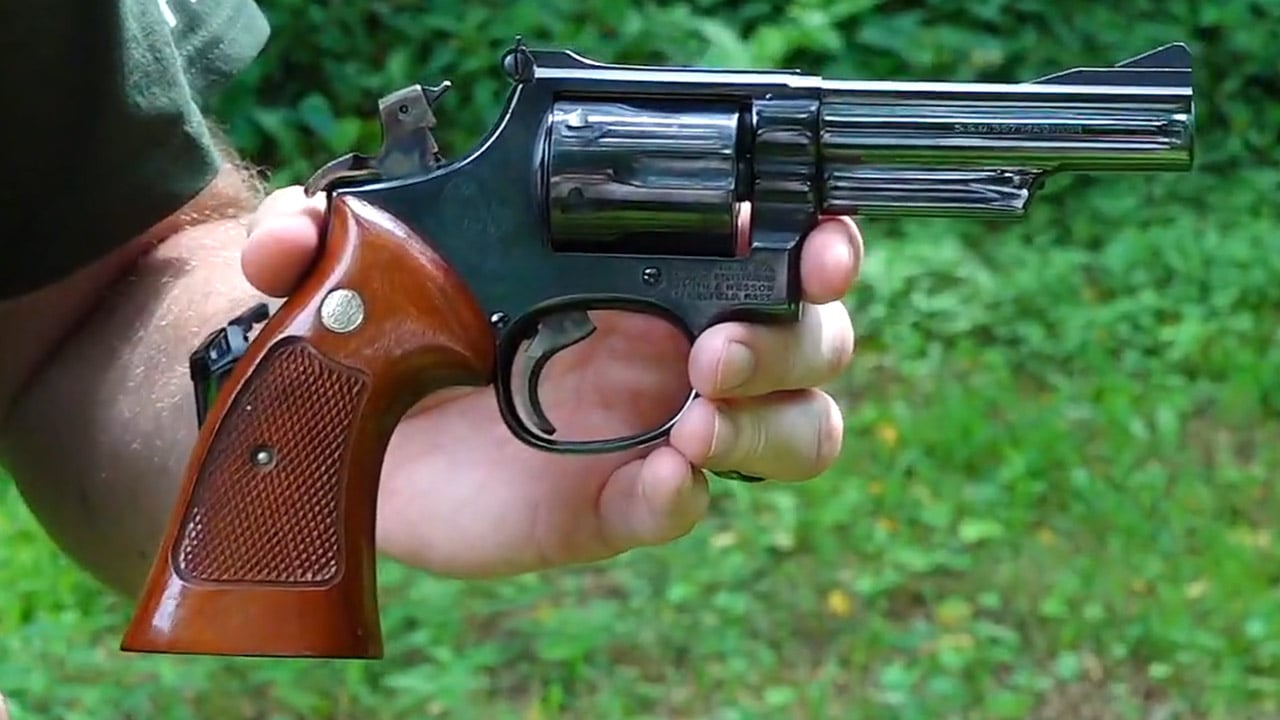
A clean Model 19 with honest holster wear is hard for me to ignore. The one I remember had a butter-smooth double-action pull and tight lockup, the kind you feel the moment the cylinder closes. Price was fair, not “steal,” but fair enough that it would have followed me home on a normal week.
Problem was, I was between hunting seasons and between paychecks, and I had a truck that was already threatening to eat my wallet. I also knew I was not going to baby it. A 4-inch K-frame .357 is a carry revolver and a woods revolver, and that means it gets sweated on and bumped around. Passing was responsible. Still, that one hurts because today you do not trip over good Model 19s at sane prices.
2. Ruger Security-Six (stainless, 6-inch)
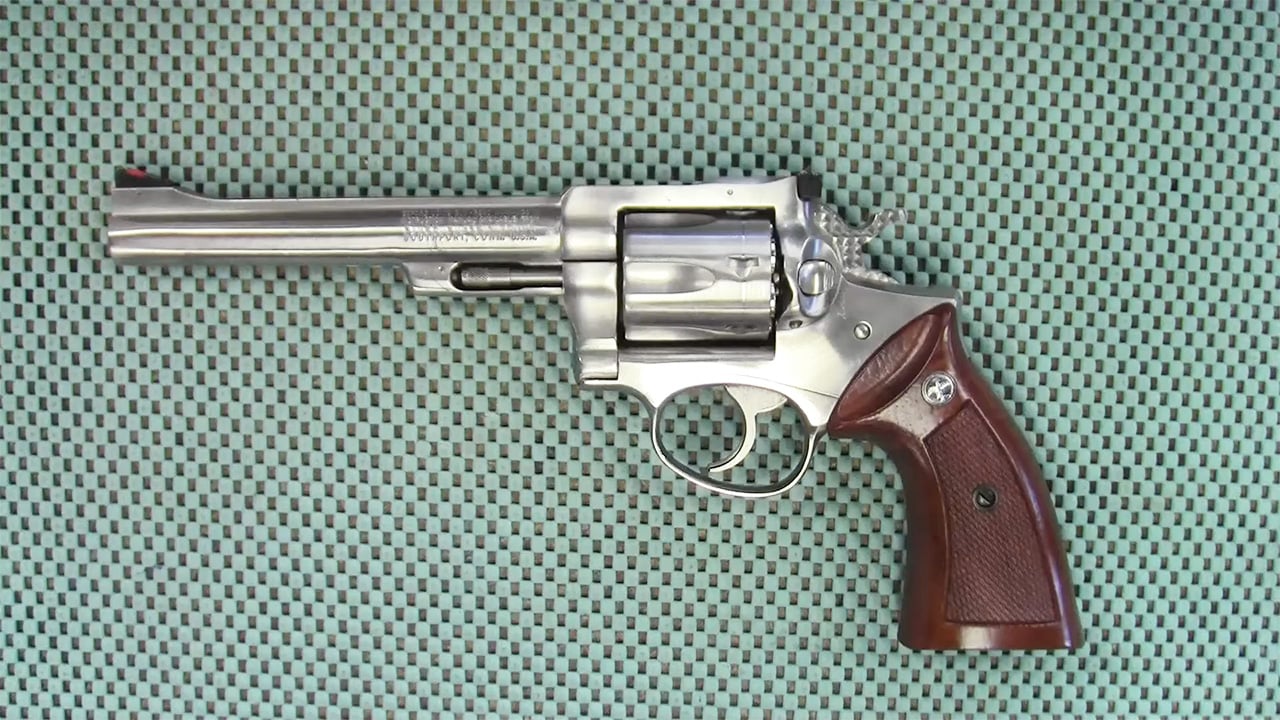
The Security-Six is one of those revolvers that just works, even if it is not flashy. This one was stainless with a long barrel, and it pointed like a fence post in a good way—steady, calm, no drama. The bore was bright and the timing was right, and the seller wasn’t trying to sell a story along with it.
I said no because I already had a .357 at the time and I was trying to be “disciplined.” I told myself I did not need another revolver that did the same job. What I missed is that the Security-Six does that job with fewer worries. Parts and holsters are still out there, but prices have crept up, and the old Rugers that have not been “improved” by somebody’s garage gunsmithing are getting thinner on the ground.
3. Marlin 336C (JM-stamped)

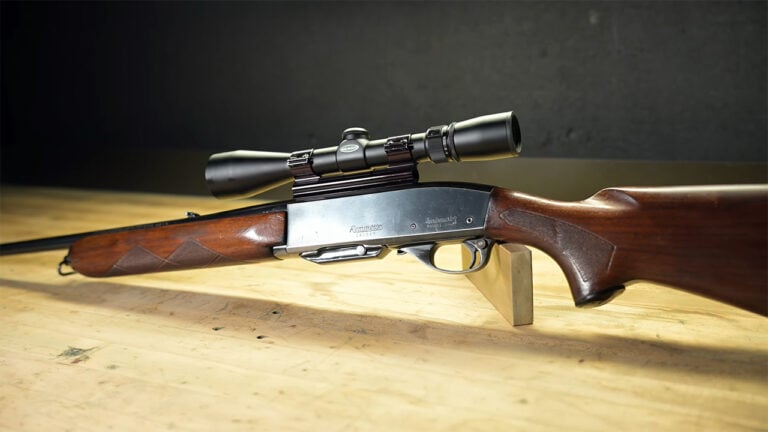
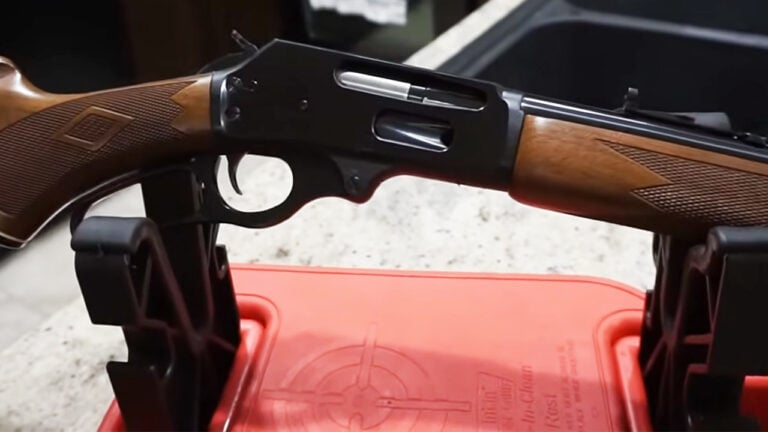
A JM-stamped 336 in .30-30 is basically a North American deer rifle handshake. The one that got away had plain walnut, sharp checkering, and a lever throw that felt used-in, not worn-out. It was the kind of rifle you can carry all day, lean in the corner of a cabin, and not worry about.
I passed because it wore a cheap scope in tall rings and I convinced myself it was “a project.” Truth is, swapping glass is not a project. The wrong moment was right before a property tax payment, and I chose to be an adult. I do not regret paying the bill. I do regret pretending a good 336 is easy to replace, because it is not, not if you care about how they used to be built.
4. Winchester Model 70 Featherweight (controlled-round feed)
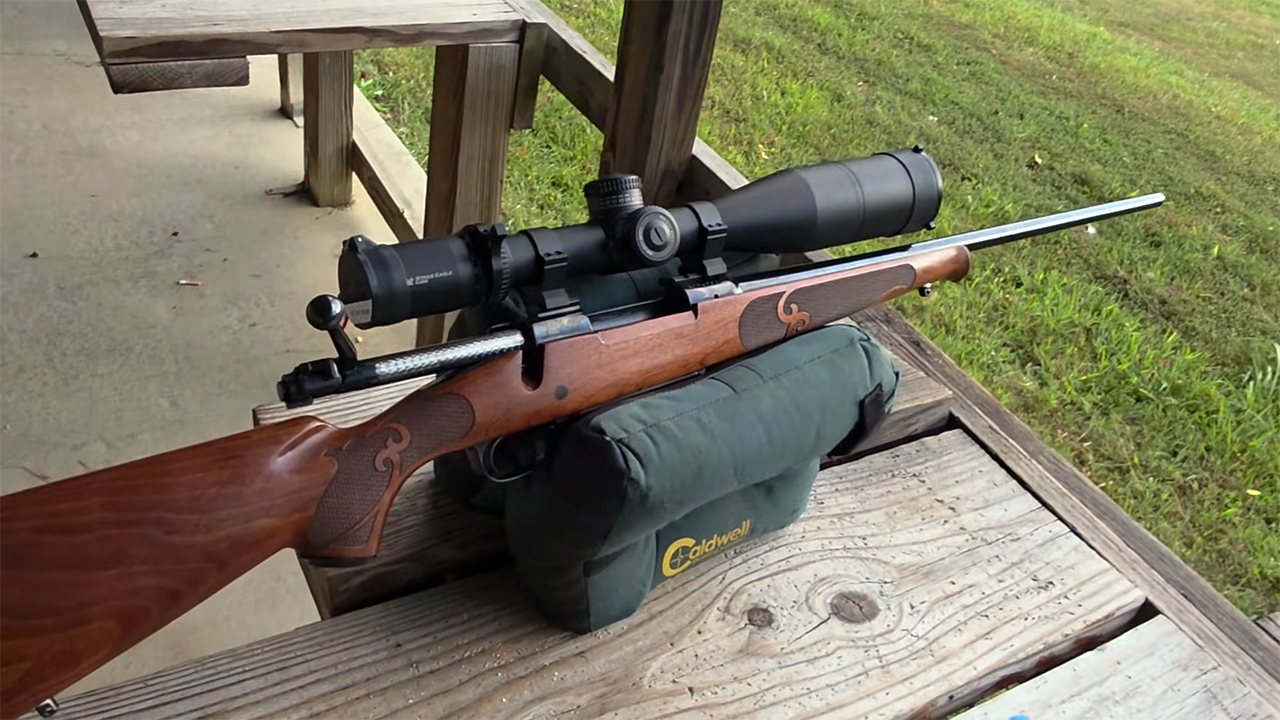
This was a Featherweight that balanced exactly where your forward hand naturally lands. Controlled-round feed, clean crown, and no weird bedding work under the action. Whoever had it before me actually hunted with it, but they did not abuse it. That is the sweet spot.
I said no because it was in a caliber I did not “need” and I had already set aside money for a different rifle. Here is the funny thing: needs change. A rifle that carries well and feeds slick is never a bad thing to have, especially if you hunt hills or walk long ridges. When you find a good Model 70 that has not been tinkered with, you either buy it or you stop thinking about it. I failed the second part.
5. Remington 870 Wingmaster (1970s bluing)
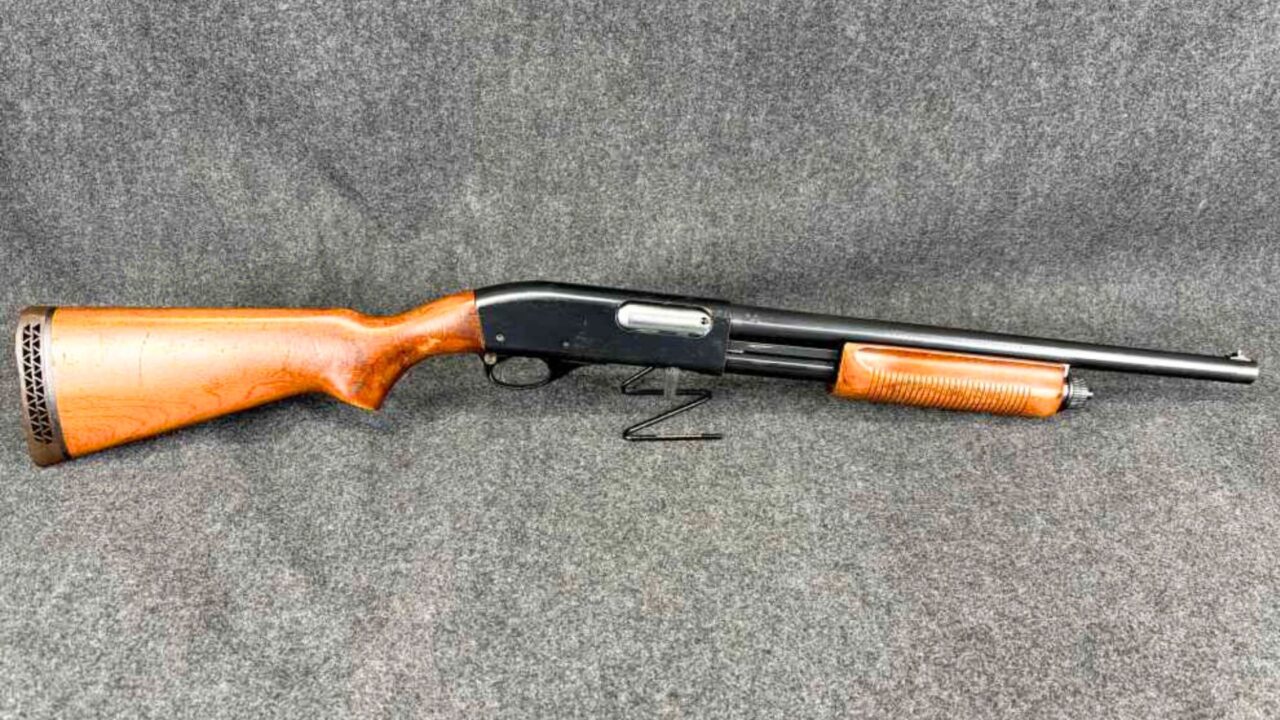
An older Wingmaster has a feel that the budget pumps chase but rarely catch. The action bars feel like they are running on oiled glass, and the bluing looks deep instead of painted-on. This one had a plain barrel, no tactical nonsense, and wood that had been carried more than it had been shown off.
I passed because I already owned a working shotgun and I was trying not to stack duplicates. Then I went through two seasons of muddy turkey hunts and rainy boat rides and realized “working” is not the same as “enjoyable.” The Wingmaster is not magic, but it makes you want to practice, and practice is what makes a shotgun lethal on birds and quick on doubles. That was a miss.
6. Mossberg 590A1 (heavy-wall barrel)
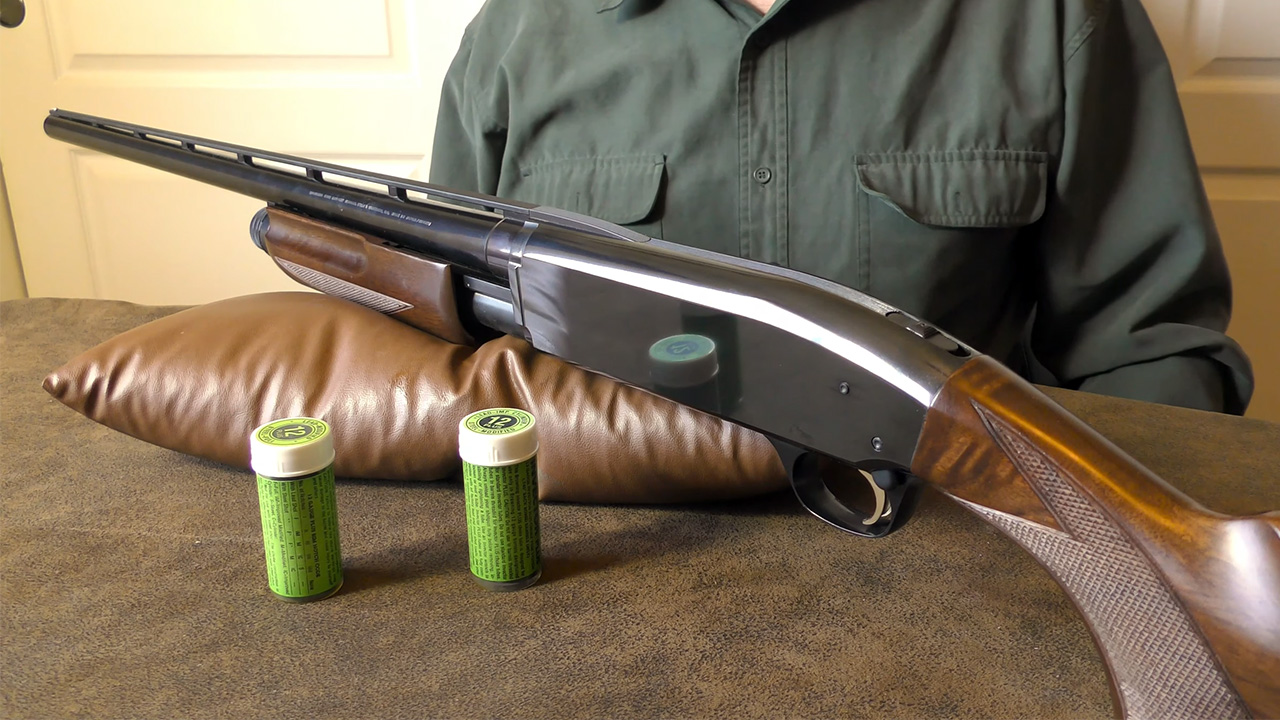
This one was the opposite of the Wingmaster. All business. The 590A1 with the heavy barrel is not dainty, but it is the kind of shotgun you can keep behind a truck seat or in a mudroom and not fret over. The safety placement is still one of my favorites for a defensive shotgun, especially if you grew up on Mossbergs.
I said no because it was right when ammo was scarce and expensive, and buying a 12 gauge without being able to feed it felt pointless. I also underestimated how useful a tough pump gun is on a rural place. Snakes in the barn, coyotes in the chicken yard, and the simple comfort of a reliable scattergun when things go bump—none of that waits for prices to get better. I ended up paying more later for basically the same capability.
7. Browning BPS (20 gauge, bottom-eject)
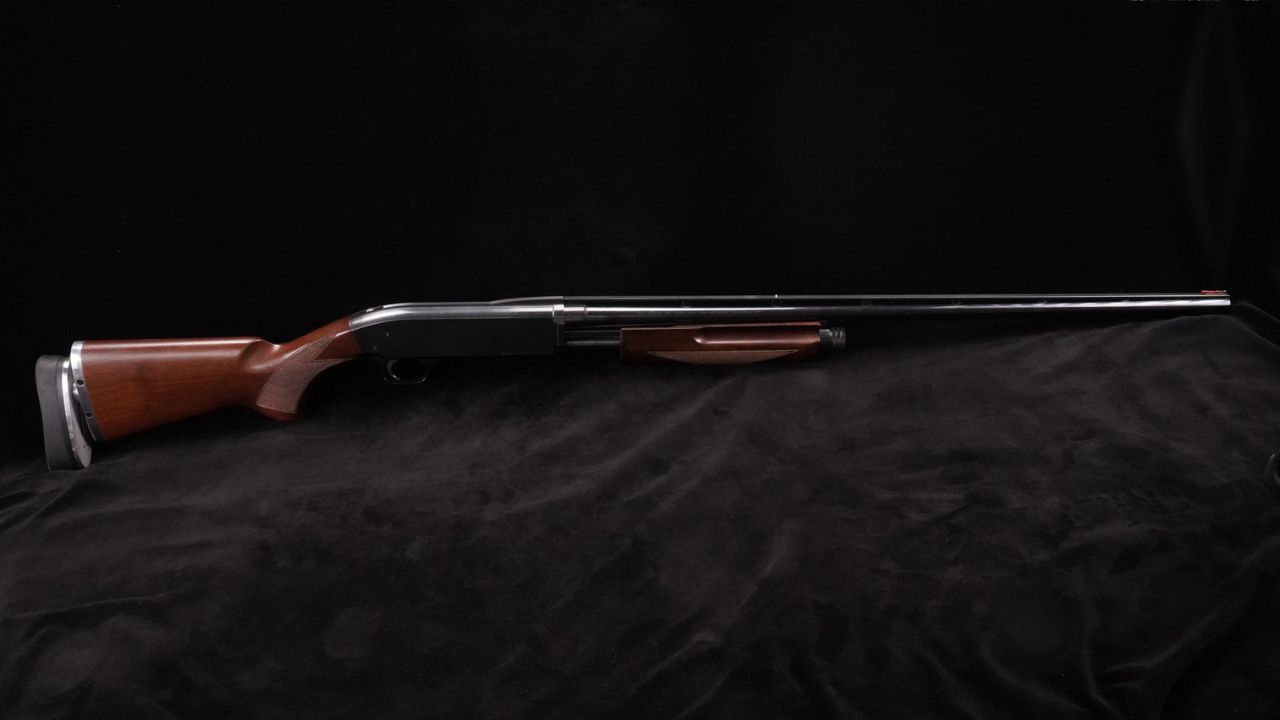
Bottom-eject is one of those features you think is a gimmick until you carry the gun through brush and rain. A 20-gauge BPS carries slim, stays clean, and it is friendly to lefties without being a special order. This one had a ribbed barrel and a clean safety, and it shouldered fast.
I walked away because the wood had a couple dings and I was in a phase where I wanted everything “nice.” That is a silly phase for a hunting gun. Dings are just field receipts. The bigger problem was I did not have a good 20 at the time, and I was doing a lot of walking hunts where a lighter gun matters. I told myself I would “find another.” I did, eventually, but not at that price.
8. CZ 452 (lux-style stock)
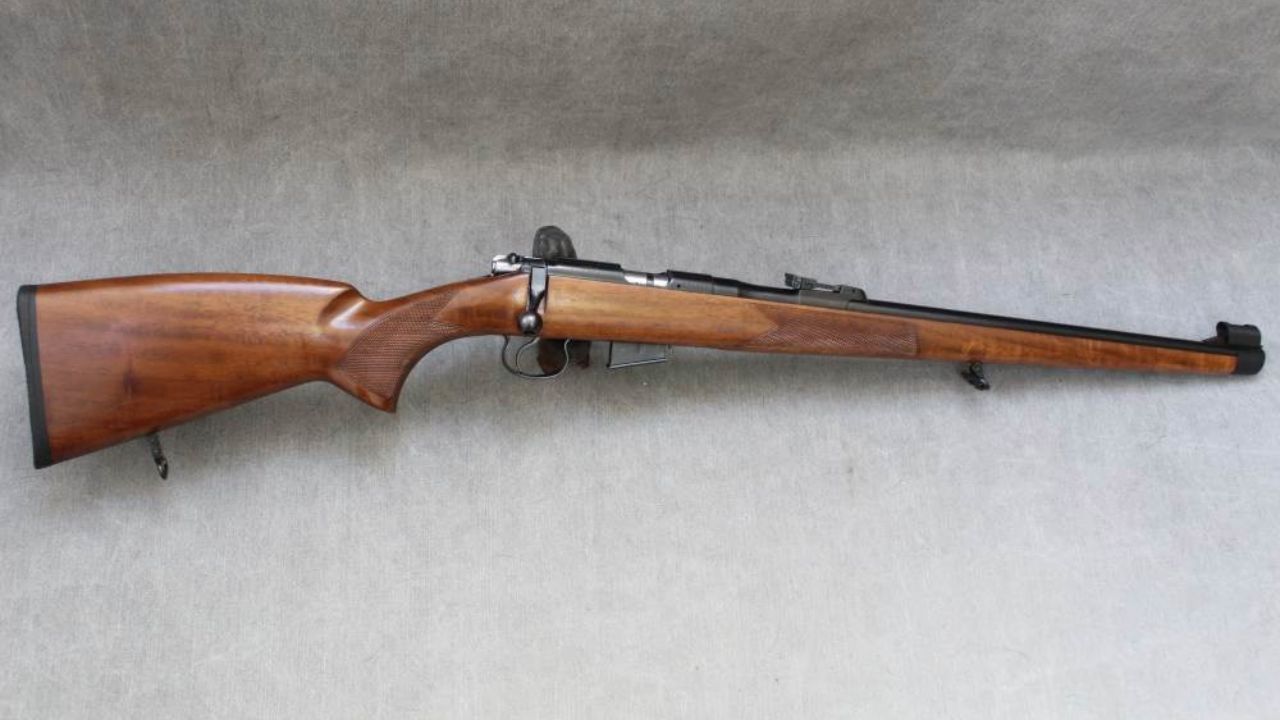
If you have never owned a good bolt .22, you do not realize how much it changes your shooting. The CZ 452 is one of those rimfires that makes you slow down and aim, because it rewards you. The one I saw had that classic European look and a trigger that was already set up right.
I passed because I was focused on centerfire stuff and I thought rimfire was just for plinking. Then I started taking more new shooters out, and I realized a solid .22 is the most-used rifle on a rural property. It handles pests, teaches kids, and keeps your skills sharp when you cannot justify burning expensive ammo. The 452 line is getting more collectible by the year, and it would have been a lifetime rifle at a working-man price.
9. Ruger 10/22 (older walnut carbine)
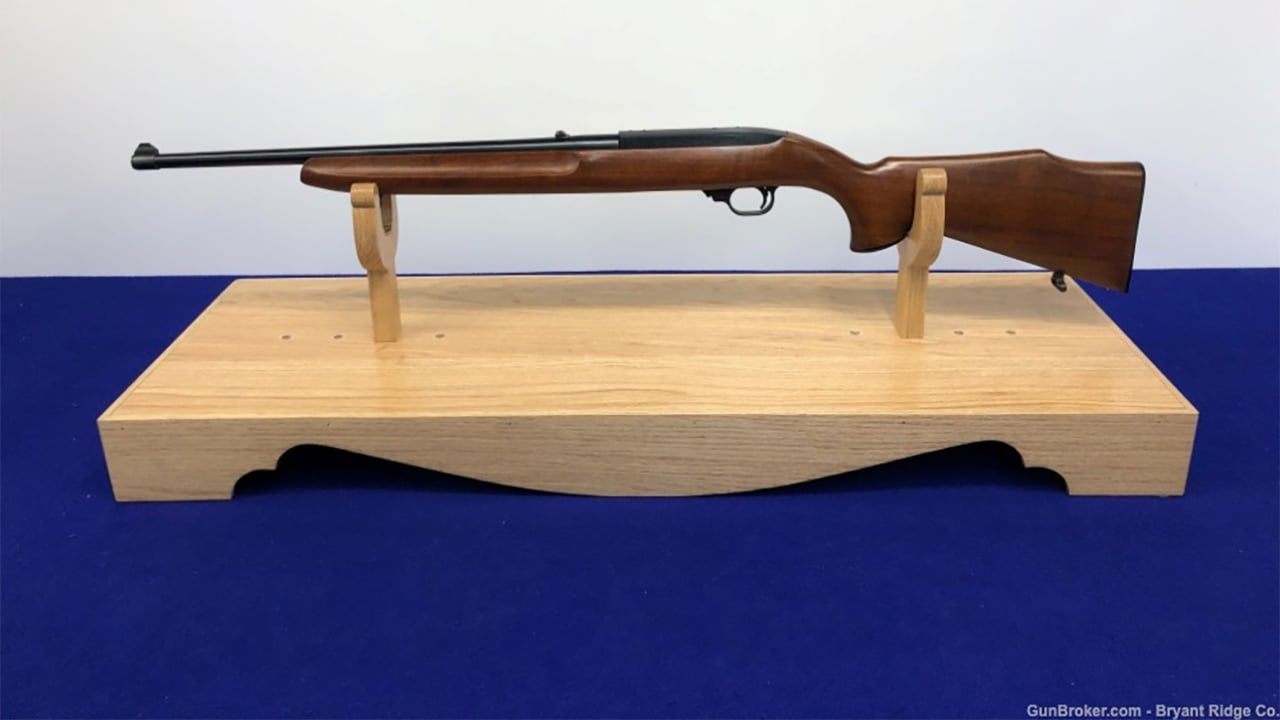
This was not a rare 10/22. It was just an older walnut-stock carbine with a metal trigger housing and that “old Ruger” feel. The seller had a brick of .22s to go with it, which at the time was almost as valuable as the gun. Everything about it said “use me.”
I said no because I already had a tricked-out 10/22 and I did not want another. Here is what I learned: the plain ones are often the keepers. The fancy builds can be finicky, and you end up chasing groups instead of shooting. A basic carbine with reliable mags is what you grab when you are headed to the pond bank or checking fence lines. Boring is useful. Ask me how I know.
10. Glock 19 Gen3
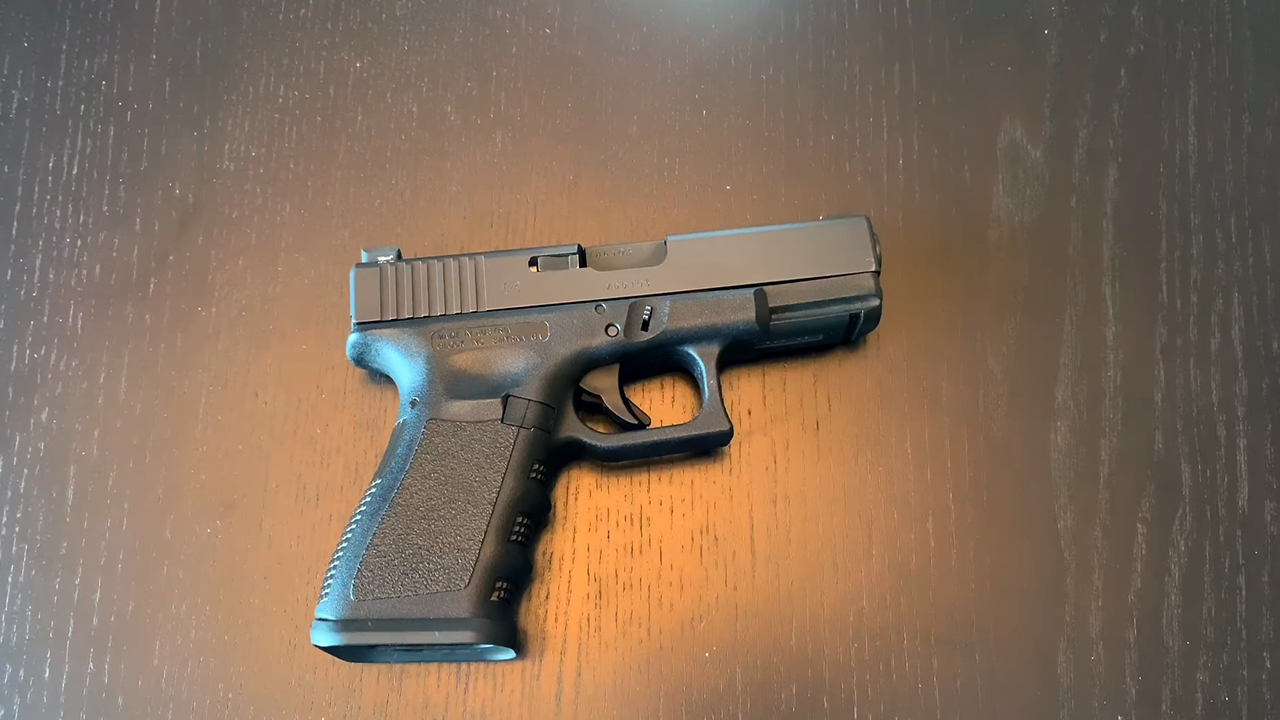
The Gen3 Glock 19 is not exciting, which is why it is so good. This one came with a pile of mags and a decent holster, and the price was one of those “I should not even be thinking” deals. It had obvious carry wear, which I like, because it means it probably was not messed with internally.
I passed because I was already carrying something else and I did not want to change systems. Also, I was trying to put money toward an optics-ready pistol, like that was going to make me a better shot. Reality check: a plain Glock 19 with common parts and common magazines is a problem-solver. If you shoot classes, if you travel, if you might need a replacement part on a weekend, commonality matters. I eventually circled back, but I paid more and got fewer mags.
Free for gun owners: If something happened to you tomorrow, would your family know where the guns are, who has the safe combination, or what to do first? Our free Gun Owner’s Family Checklist walks them through it. It takes about 15 minutes to fill out. Get your free copy here.
11. SIG Sauer P229 (West German frame era)
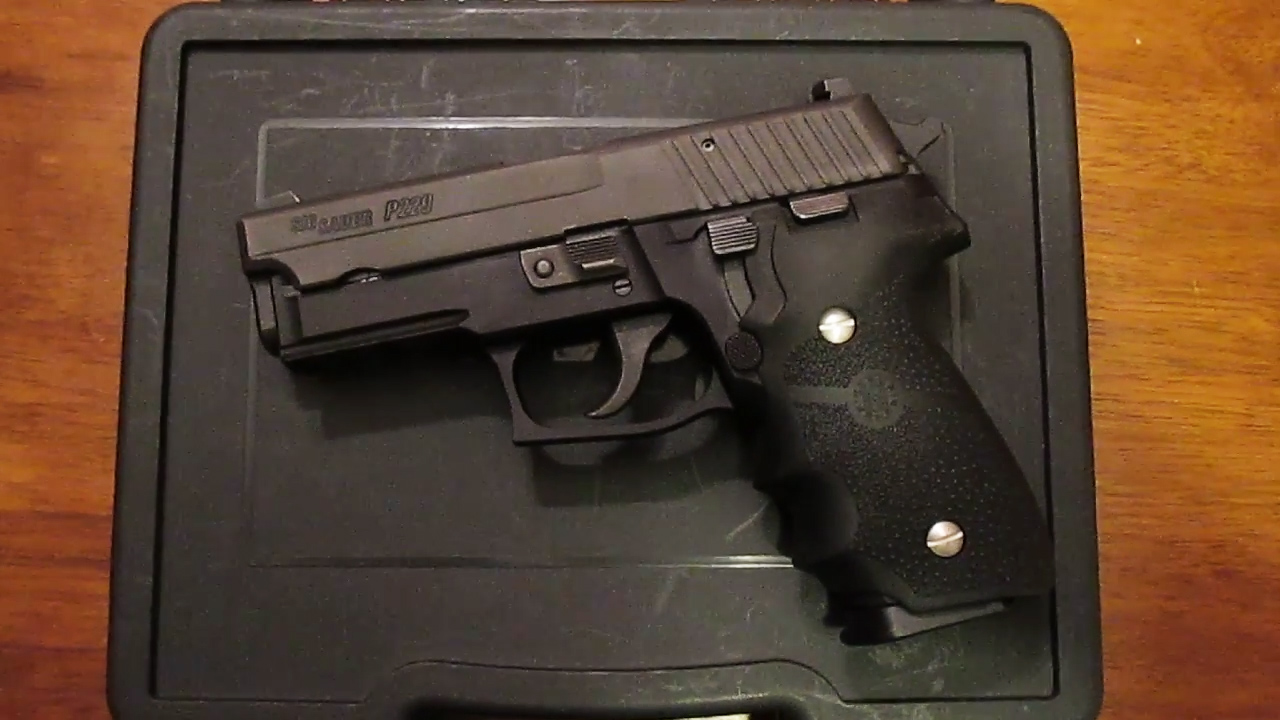
A well-used P229 has a certain heft that soaks up recoil and settles the sights quickly. The one I handled had that smooth DA/SA cycle that makes you want to practice the first shot until it is second nature. It was not pristine, but it felt honest, and the rails were not beat.
I said no because I was in a lightweight carry phase and I did not want “another heavy metal gun.” Then I went through a stretch of long range days and remembered why these guns earned their reputation. They are not trendy, but they run and they shoot well. The wrong moment was also when I had other bills stacked up, and I told myself I could always snag another P229 later. You can, but you do not always find the good older ones that have not been neglected.
12. Beretta 92FS (Italian-made)
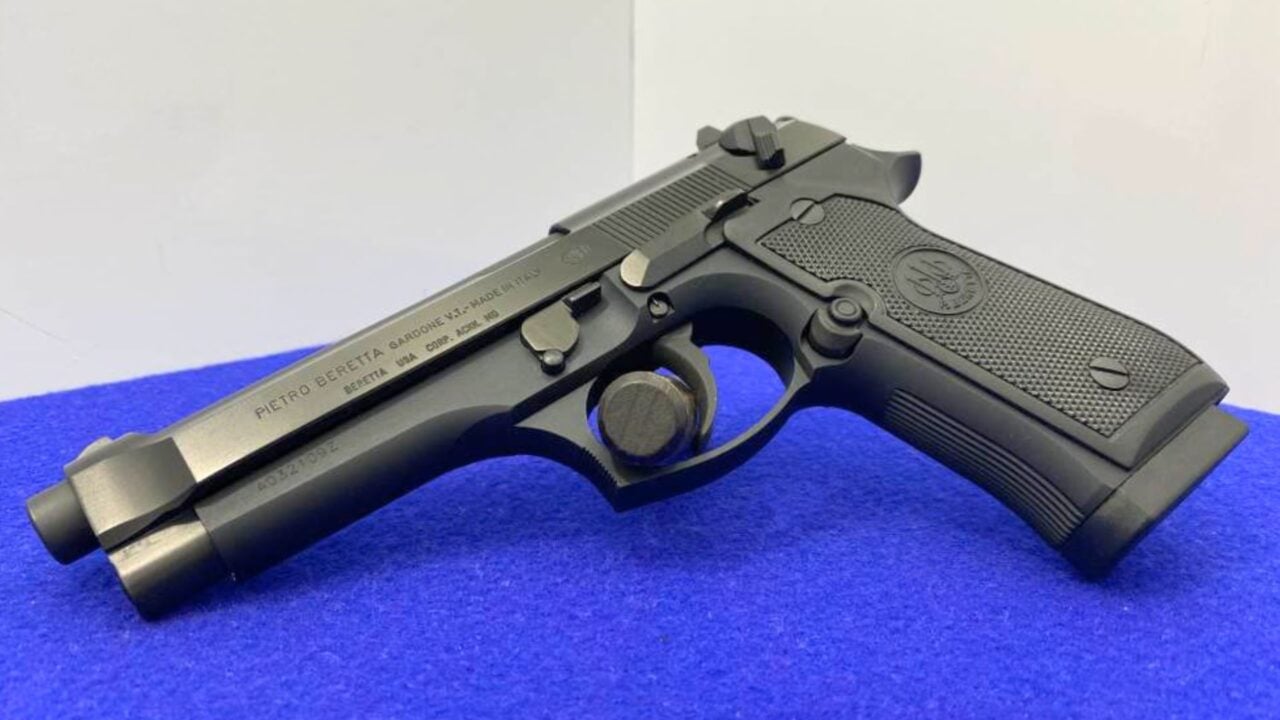
The Beretta 92FS is long, a little wide, and not everybody’s idea of a carry gun. But on the range, it is one of the easiest full-size 9mms to shoot well. This Italian-made one had nice machining and a trigger that had clearly been shot enough to smooth out. No rattle, no weird parts.
I passed because I was trying to “simplify” and keep everything striker-fired. That is a fine plan until you realize you just enjoy shooting certain guns more. The 92 has a natural point, and it is forgiving when you are teaching somebody. It also has magazines everywhere and a track record that is hard to argue with. I do not need it, but need is not the only reason a gun earns a slot in the safe.
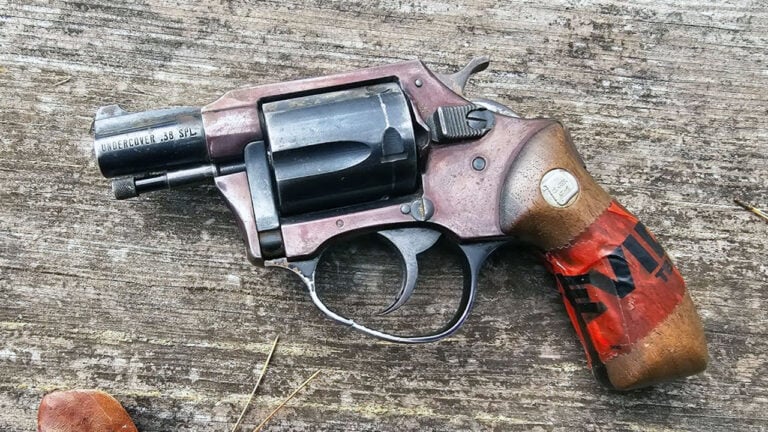
13. Smith & Wesson Model 642
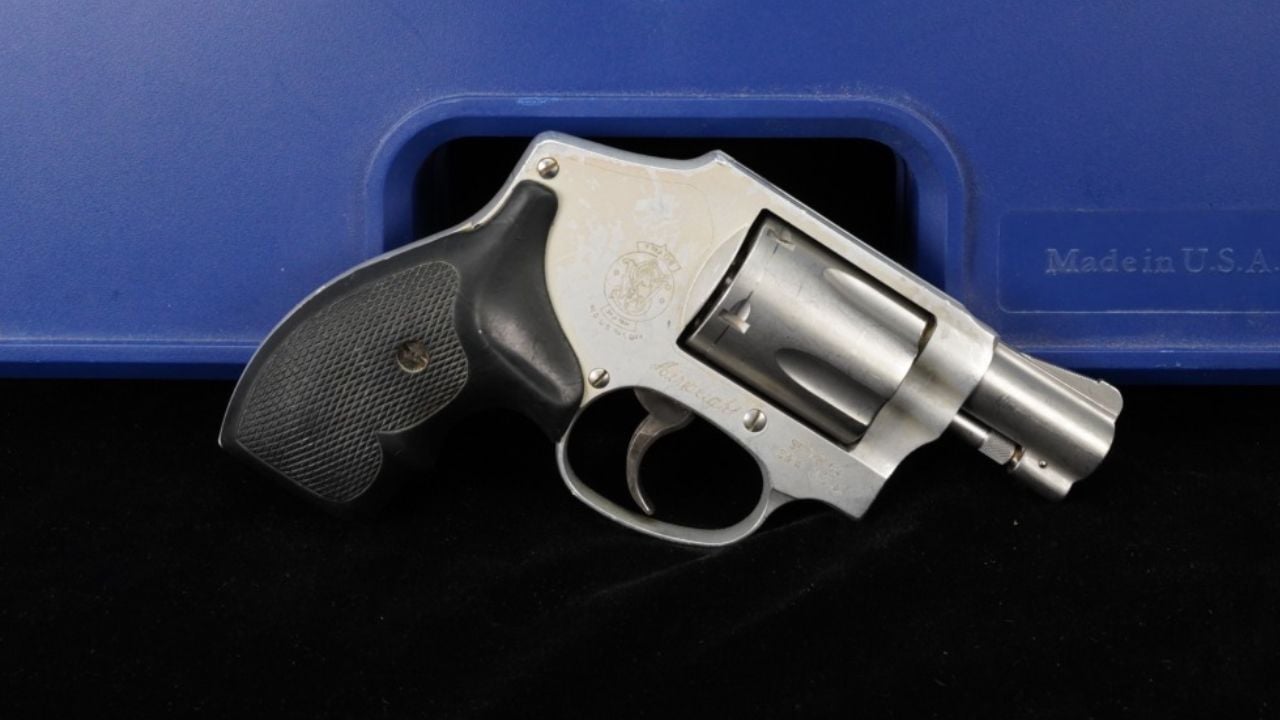
This was a plain 642, the kind you forget is in your pocket until you stand up and it reminds you. Light, snag-free, and simple. The price was right because it came with nothing—no box, no extras—just the revolver and a pocket holster that looked like it had done its job.
I said no because I thought small revolvers were outdated and unpleasant. They are unpleasant. They also get carried. In the real world, the gun you will actually have on you beats the one that shoots softer but stays in the glove box or on the nightstand. A J-frame is not a range toy. It is an “I’m taking the trash out at midnight” gun. I ended up buying a similar one later after I learned that lesson the hard way.
14. Ruger SP101 (3-inch)
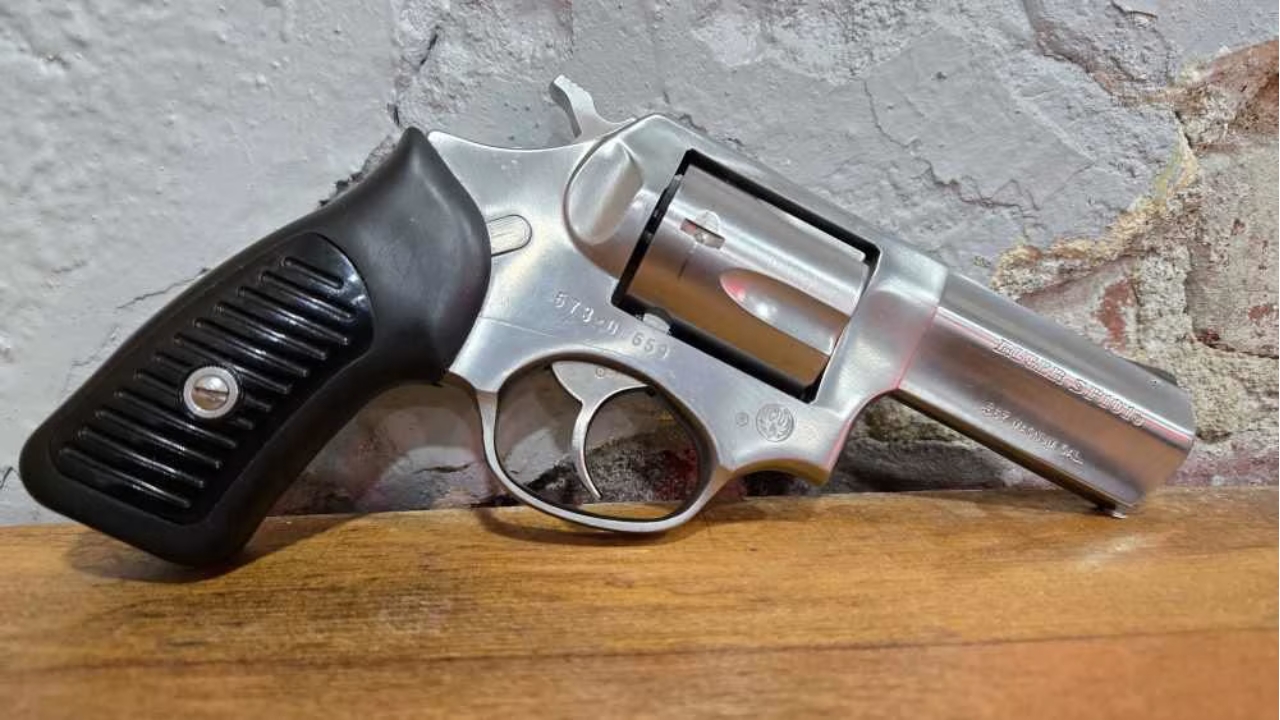
The 3-inch SP101 is one of the best compromises Ruger ever made for a small revolver. It has real sights, enough barrel to get decent performance, and enough weight to not be miserable with .357. This one had a set of grips that fit my hand perfectly, and the cylinder gap looked right.
I passed because it felt “redundant” next to other handguns. What I failed to consider is that the SP101 is a woods companion that does not mind dirt, rain, or neglect. It rides well in a belt holster when you are fishing or cutting firewood, and it does not demand much maintenance. Also, the 3-inch versions are not always sitting in the case. I could have bought it, carried it for a decade, and never once been disappointed.
15. Colt Detective Special (older blued)
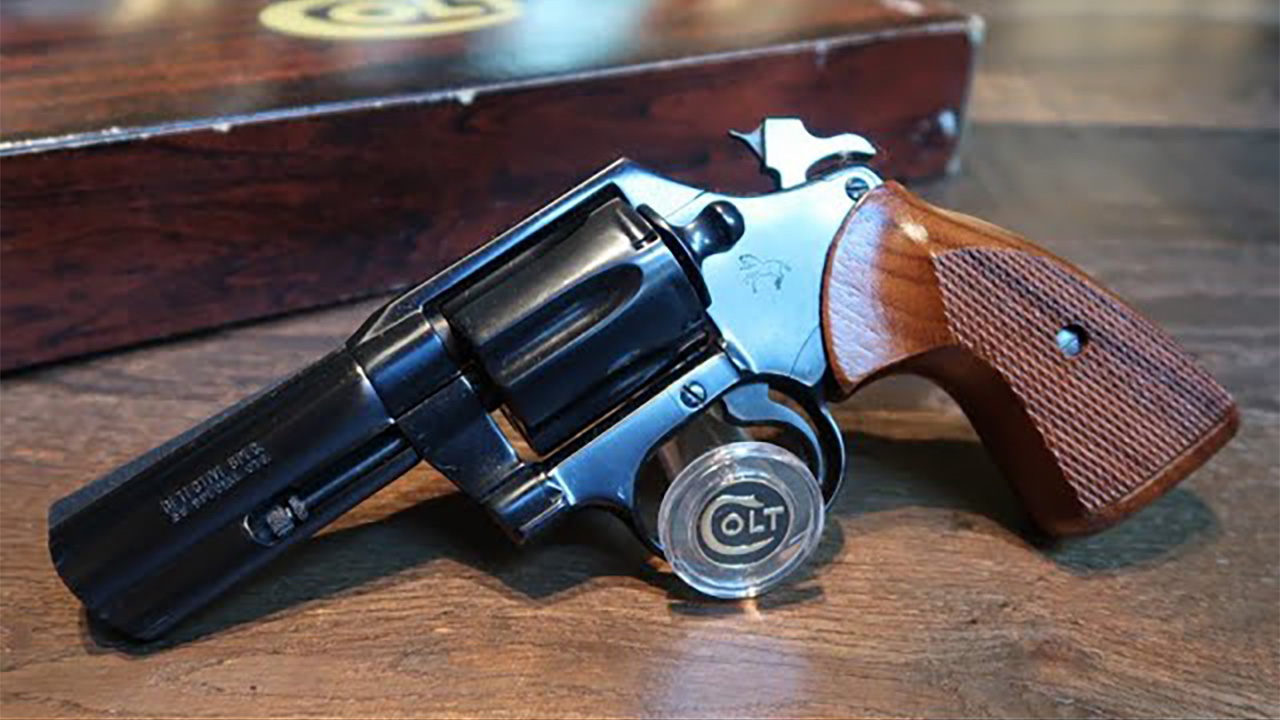
A Detective Special has charm, sure, but it also has real utility. Six shots in a small frame is nothing to sneeze at, and the one I saw had a surprisingly good trigger. The bluing was thin at the muzzle and the edges, which tells me it lived in a holster, not a sock drawer.
I walked away because I did not want to start down the Colt rabbit hole. I knew once I bought one, I would want another, and then I’d be hunting grips and reading serial number charts instead of minding my business. Sometimes that is a smart self-awareness moment. Still, older Colts have their own feel, and they are not getting cheaper. If you want one for carry or collection, the best time is when it is right in front of you and it locks up tight.
16. Springfield Armory M1A (Standard model)
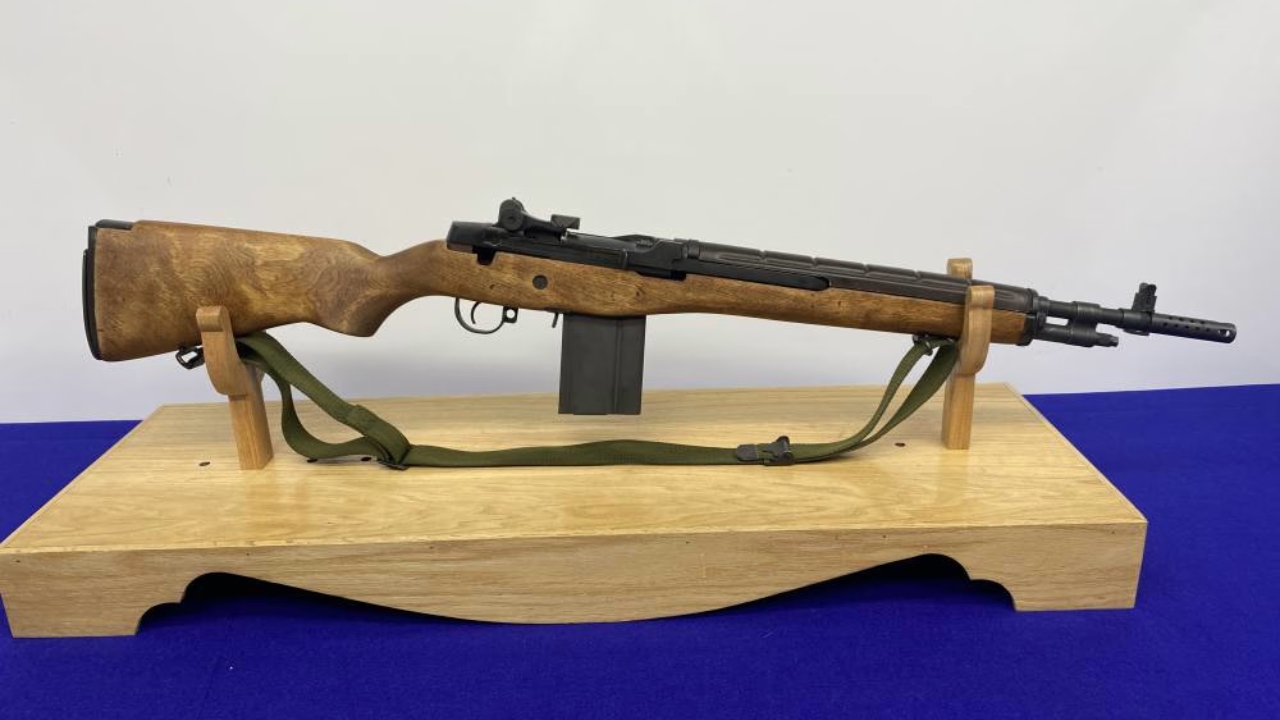
An M1A is heavy and not particularly practical for most hunting, but it is a rifle that makes you want to shoot prone and stretch things out. The Standard model I handled had good sights, a clean op rod track, and none of the sketchy aftermarket stuff that can turn these rifles into headaches. It felt like a proper rifle, not a project gun.
I said no because .308 was expensive at the time and I already had a couple hunting rifles that covered my needs. Fair. But there is something to be said for a rifle you can run with irons and enjoy. Also, if you ever plan to get into service rifle-style shooting, the platform is its own world. The wrong moment was when I needed to be spending money on tires, not nostalgia. Still, I think about that one when I see today’s price tags.
17. Ruger Mini-14 Ranch Rifle (older 180/181-series)

The older Mini-14s are not benchrest rifles, and anybody telling you they are is trying to sell you something. But they carry like a dream, point fast, and they are handy around a farm. This one had the simple Ranch setup and a couple factory mags, which matters because junk mags can make a Mini feel like a lemon.
I passed because of accuracy worries and internet noise. Then I spent more time on actual properties where shots are inside 100 yards and the rifle is in your hands more than it is on a sandbag. A Mini is a “walking rifle,” and it is hard to beat for that role if it runs. Also, older Rugers have a certain toughness and simplicity. I should have bought it, confirmed it ran, and used it for what it is instead of wishing it was something else.
18. Norinco SKS (matching numbers)
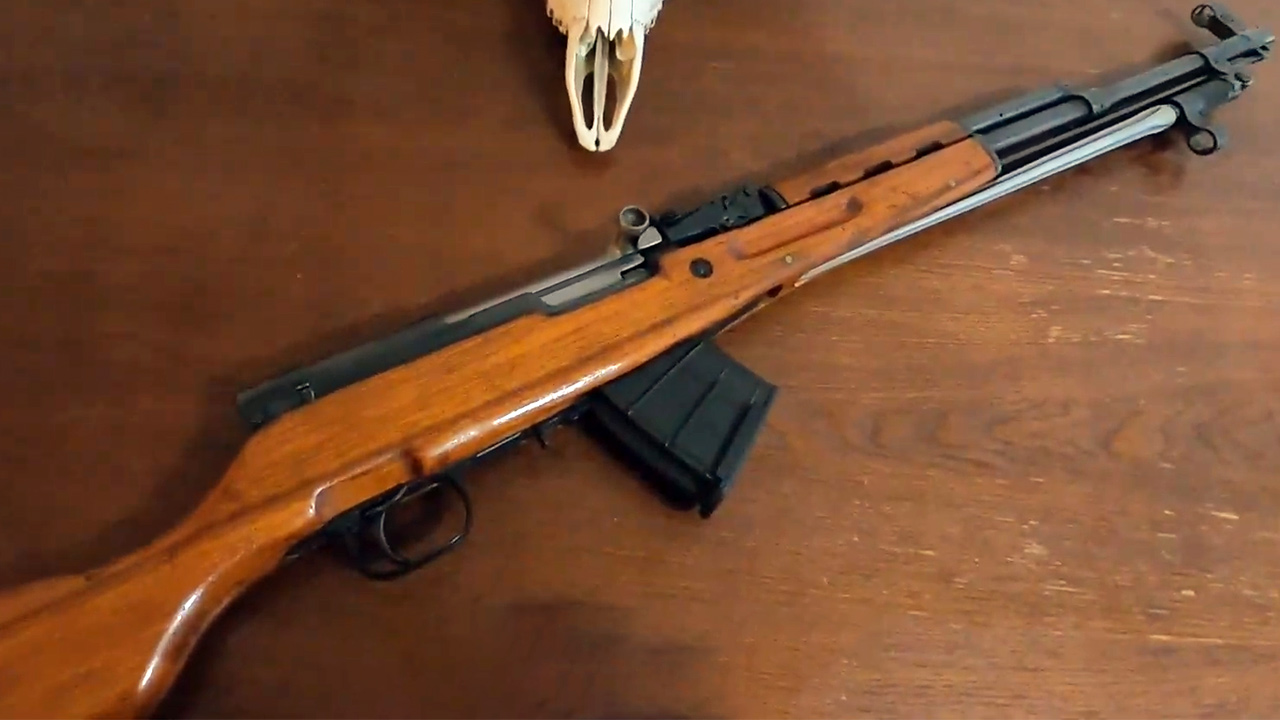
The SKS used to be the definition of cheap and cheerful, and that is exactly why I overlooked a good one. This Norinco had matching numbers, a clean stock, and the action felt slick without feeling worn. It came with a chest rig and a little pile of stripper clips, which is a nice touch if you actually plan to shoot it.
I said no because I already had an AK and I figured the SKS was pointless. That was me thinking like a collector instead of a shooter. An SKS is simple, reliable, and surprisingly accurate with the right ammo. It also does not rely on detachable mags, which is nice if you do not want to chase magazine issues. The biggest reason I regret the pass is that SKS prices climbed while I was busy being picky. They are still out there, but “cheap SKS” is mostly a memory now.
19. Henry Big Boy Steel (in .357 Magnum)
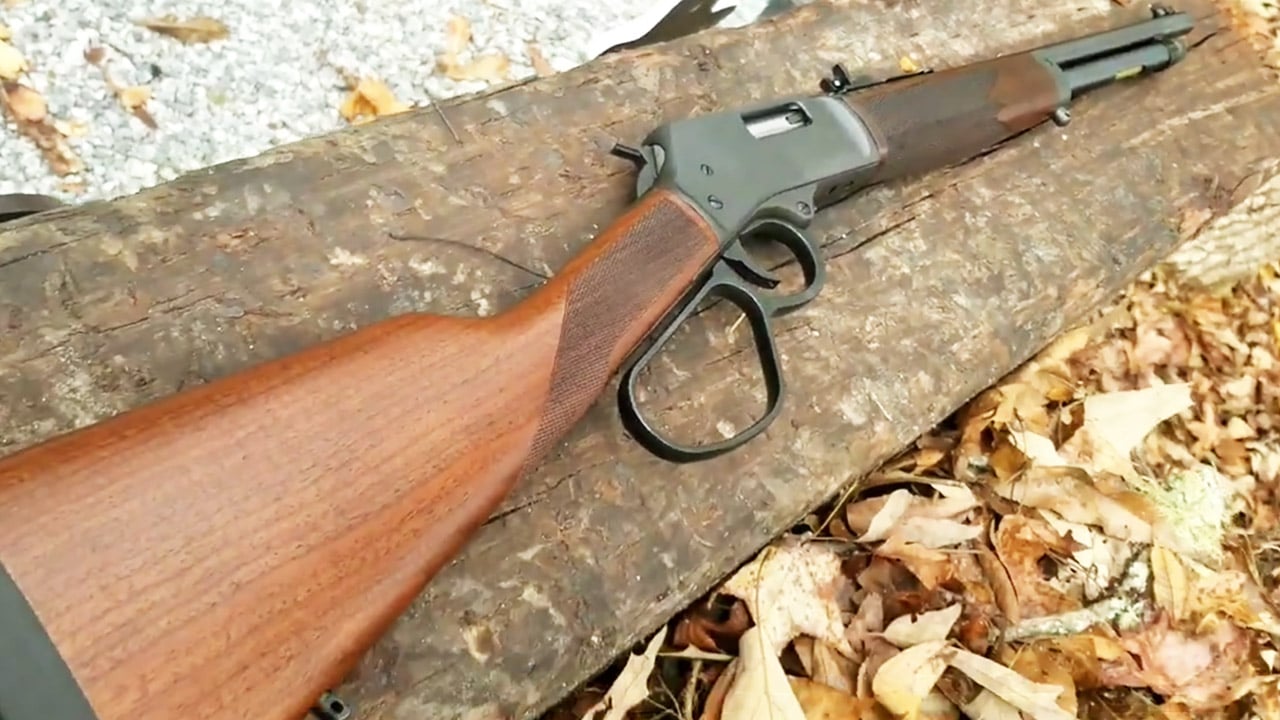
This Henry was one of the steel-framed Big Boys, not the heavy brass one. It balanced well, the lever throw was smooth, and it had that satisfying “click” when everything goes into battery. In .357, it is a woods rifle that can share ammo with a revolver, which is a combo I will never call dumb.
I passed because I was in a bolt-gun mood and I wanted “real rifle” ballistics. Then I watched a buddy drop a whitetail clean with a .357 lever gun inside bow range, and I remembered most hunting happens close and fast. Also, a pistol-caliber lever gun is a joy to carry and a joy to shoot, which means you actually practice with it. The wrong moment was a week when I already had too many irons in the fire. Still, that one would have seen a lot of range time.
20. Tikka T3x Lite (stainless, .308 Win)
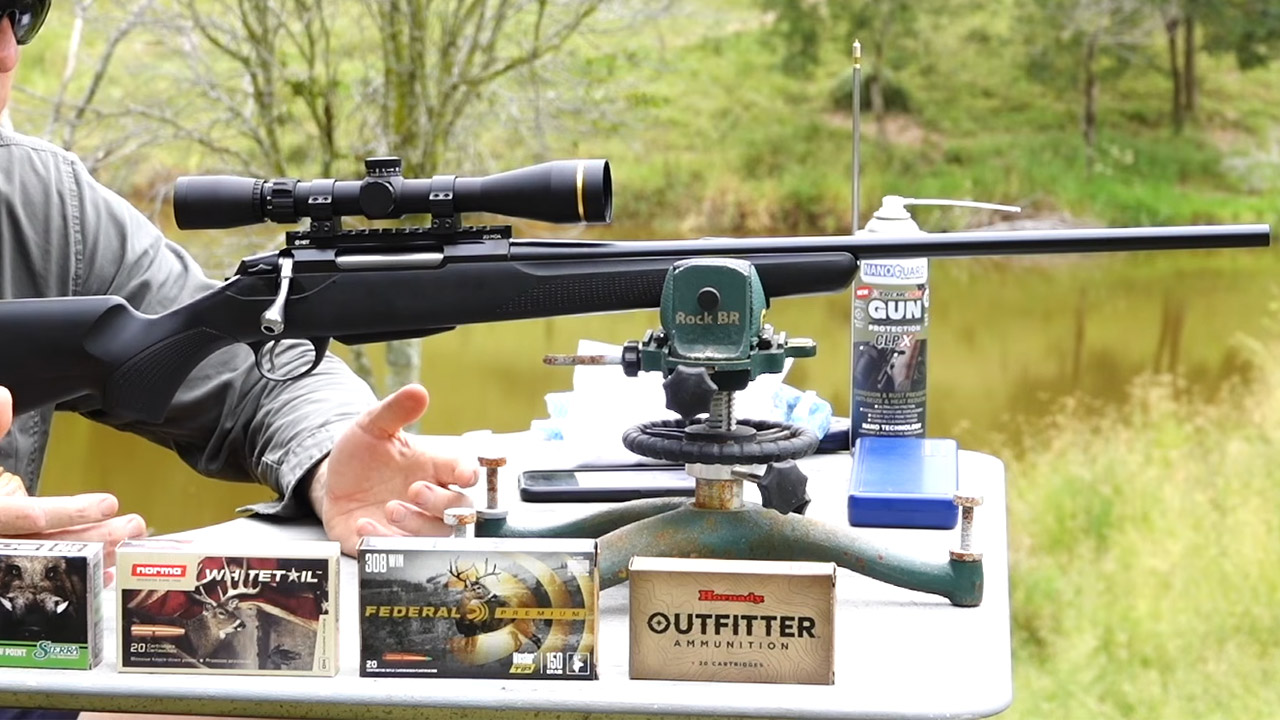
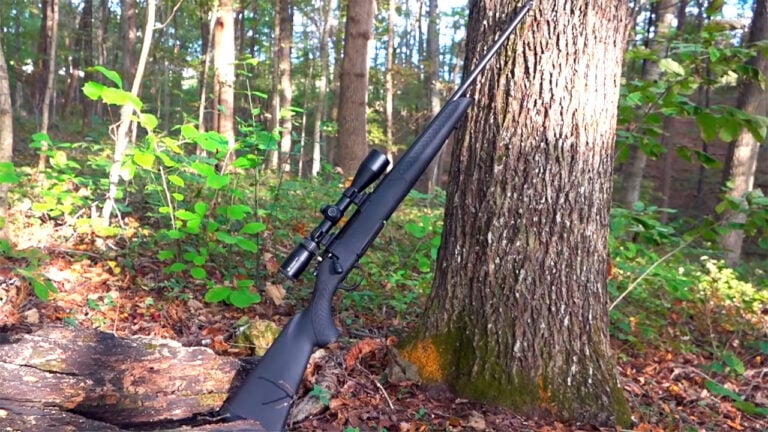
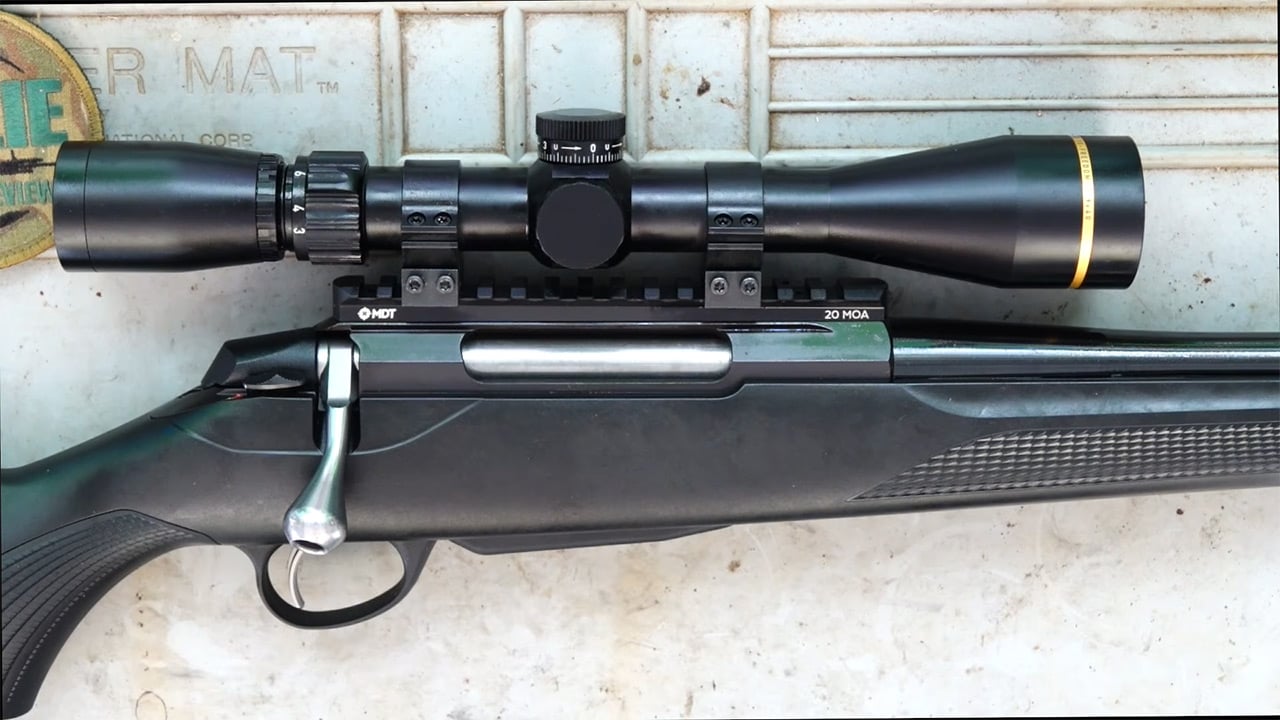
The T3x Lite is not romantic. It is plastic and practical and it shoots. This stainless .308 had a clean bolt raceway, a crisp trigger, and the kind of no-nonsense feel that makes you trust it before you even fire a round. It was priced right because it was plain, and plain scares off the guys chasing fancy wood and oversized muzzle brakes.
I said no because I already had a hunting rifle and I was trying to convince myself I only needed one. Then I spent a season fighting a finicky setup—scope issues, ring issues, bedding questions—and I remembered why Tikkas have such a loyal following. When you are hunting, you want “boring reliable.” You want a rifle that feeds slick when your hands are cold and you are breathing hard from a climb. I chose to save money that day and ended up spending more time troubleshooting later.
I’m not telling you to buy every “deal” that crosses your path. That is how you end up with a safe full of dust collectors and no money for tags, ammo, or gas to get to the woods. But I am saying this: when a proven, useful gun is sitting there at a fair price, and it fits a real role in your life, do not talk yourself out of it with made-up logic. The moment will pass either way. It is nice when you do not spend the next decade remembering the ones you left behind.
Like The Avid Outdoorsman’s content? Subscribe to our newsletter so you never miss an article.
Here’s more from us: