Photo credit: NRApubs/YouTube
Some rifle cartridges are built to stretch distance. Others are built for brush, mild recoil, old lever guns, cheap practice, or very specific hunting jobs. That does not make them bad. It just means there is a point where asking more from them stops making sense.
Two hundred yards is not long range by modern rifle standards. Plenty of common hunting rounds are just getting comfortable there. But some cartridges are already losing speed, dropping hard, running out of energy, or becoming too dependent on perfect conditions by that point. They may still punch paper farther out, and a careful shooter might make them work in the right situation, but that is different from being a good 200-yard-and-beyond choice.
These are the rifle cartridges that start looking weak once the distance gets past 200 yards.
.30-30 Winchester

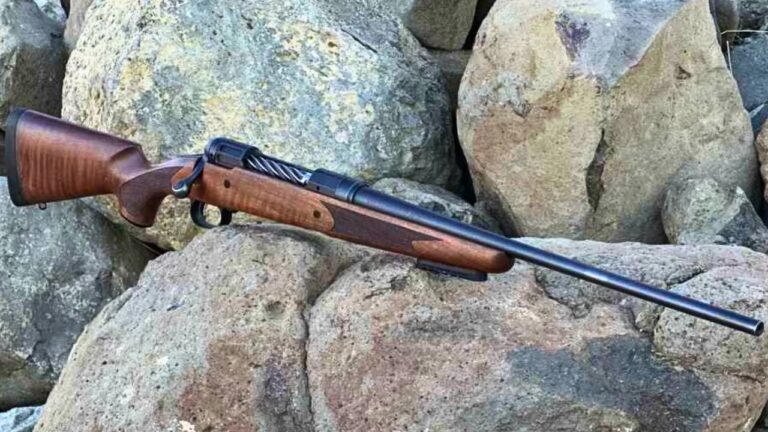
The .30-30 Winchester has probably killed more deer than half the modern cartridges people argue about online. Inside its comfort zone, it still makes sense. In a Marlin 336, Winchester 94, Henry Steel, or older Savage 340, it is light, handy, and easy to carry through thick cover.
Past 200 yards, though, the .30-30 starts showing why it earned its woods-rifle reputation. Traditional flat-nose loads shed speed quickly, drop hard, and do not carry energy like modern spitzer bullets. It is not useless in the hands of someone who knows the rifle, but it is no longer the easy answer once the field opens up.
.35 Remington

The .35 Remington hits harder than the .30-30 up close, and that is why people still defend it. It is a fine timber cartridge for deer and black bear, especially in older Marlin 336 rifles. Big bullets at modest speed can do good work when shots are close.
The trouble is that modest speed catches up with it fast. Once you stretch past 200 yards, the .35 Remington starts dropping like a cartridge from another era. It still has punch at normal woods ranges, but it was never meant to be a beanfield round. Asking it to act like one is how people start missing over backs or hitting lower than expected.
.44 Magnum rifle loads

A .44 Magnum carbine can be a fantastic short-range deer rifle. In a Ruger 77/44, Henry Big Boy, Marlin 1894, or old Ruger Deerfield, it is quick, compact, and easy to handle. Inside 100 yards, it can hit with real authority.
Past 200 yards, the magic fades hard. The bullets are heavy, blunt, and not moving fast enough to stay flat. Even with a rifle-length barrel, .44 Magnum is still a revolver cartridge adapted to a carbine. It can be accurate enough for fun, but for serious hunting past 200 yards, there are many better choices.
.357 Magnum rifle loads

The .357 Magnum gains a lot from a rifle barrel. Out of a lever gun, it becomes more useful than many people expect. It is cheap to shoot compared with centerfire rifle rounds, recoil is mild, and it can handle varmints, hogs, and deer at close range with the right load.
But once you get past 200 yards, .357 Magnum is simply out of its lane. The bullet is light for big-game work, the trajectory gets steep, and energy disappears quickly. It is a great cartridge when used realistically. It just should not be treated like a flat-shooting rifle round.
.45 Colt rifle loads

The .45 Colt can be mild or surprisingly powerful depending on the rifle and ammunition. In strong lever guns, hotter loads can hit hard at close distance. That makes it useful for hogs, deer in thick cover, and shooters who like big, slow bullets.
The problem is that big and slow is not what you want past 200 yards. Standard-pressure loads are already mild, and even stronger rifle-safe loads do not turn the .45 Colt into a long-range cartridge. The arc gets obvious fast. It may thump up close, but it gives away too much speed to be trusted once range estimation matters.
.450 Bushmaster

The .450 Bushmaster earned its place in straight-wall hunting states because it gives hunters real power from AR-style rifles and compact bolt guns. Inside 200 yards, it can be very effective on deer and hogs. It throws a large bullet and makes a big hole.
Past that, the cartridge starts fighting physics. It is launching a heavy, wide bullet at moderate velocity, and that means drop and wind drift become serious concerns. It can be stretched by a careful shooter, but it is not a cartridge that makes distance easy. Its strength is legal, hard-hitting short-range hunting, not open-country work.
.350 Legend

The .350 Legend is mild, affordable, and practical in states that require straight-wall cartridges. It has less recoil than the bigger thumpers and works well in light rifles. For new hunters or anyone shooting inside ordinary woods ranges, it makes plenty of sense.
Beyond 200 yards, though, it starts looking more limited. The cartridge was designed around efficiency and low recoil, not long-range authority. It can still kill deer cleanly with good bullets and good shot placement, but the margin narrows fast. Once you get into longer fields, standard bottleneck rifle rounds leave it behind.
.360 Buckhammer
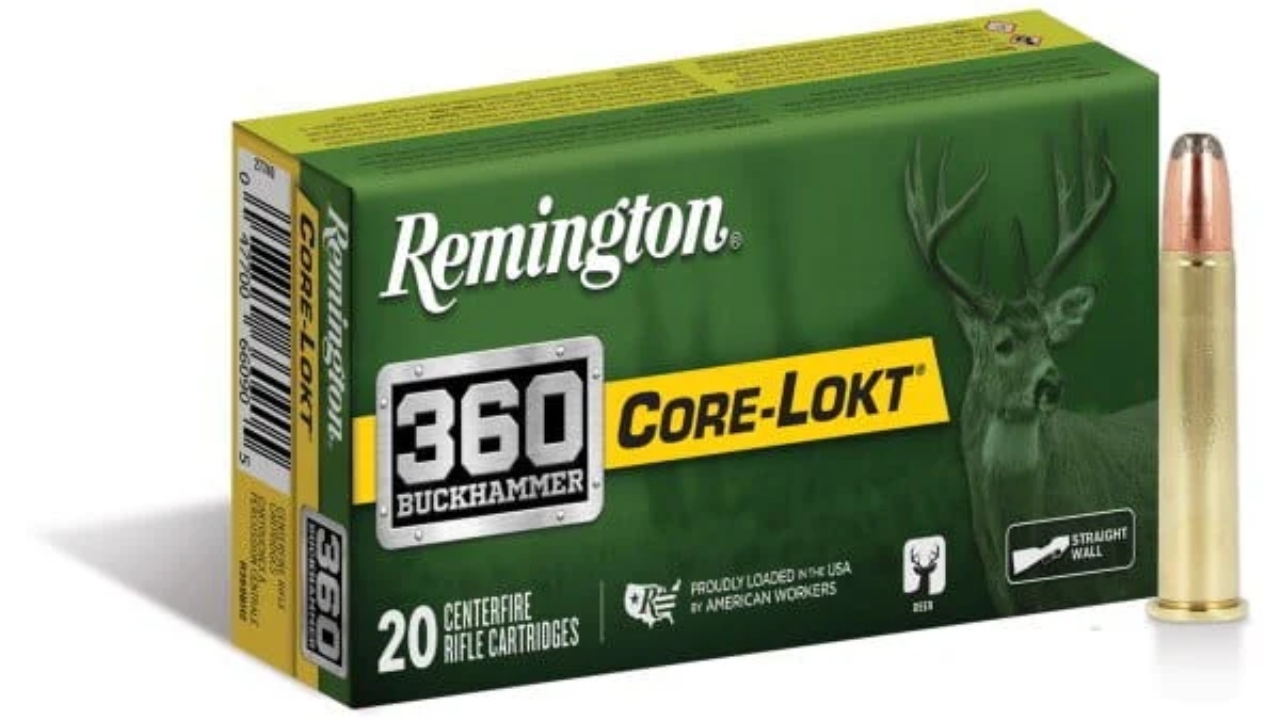
The .360 Buckhammer is a modern straight-wall cartridge with a very old-school job. It was built to give lever-action hunters more punch where straight-wall rules apply. Inside its intended range, it does that well.
Past 200 yards, it starts running into the same wall as most straight-wall hunting rounds. The bullets are not especially sleek, the velocity is modest, and trajectory becomes harder to manage. It is a useful cartridge for the right state and the right woods, but it is not the answer for someone who regularly sees deer across a long pasture.
.45-70 Government

The .45-70 Government is powerful, historic, and still very useful when loaded properly. In Marlin, Henry, Ruger, and other strong rifles, it can handle big animals at close to moderate ranges. Nobody who has seen what a good .45-70 load does up close thinks it is weak.
But past 200 yards, it demands respect in a different way. The bullet is heavy, slow, and arched compared with modern hunting rounds. Yes, skilled shooters can lob it farther. That does not make it a practical choice for most hunters past 200. It hits hard, but it does not shoot flat.
.444 Marlin
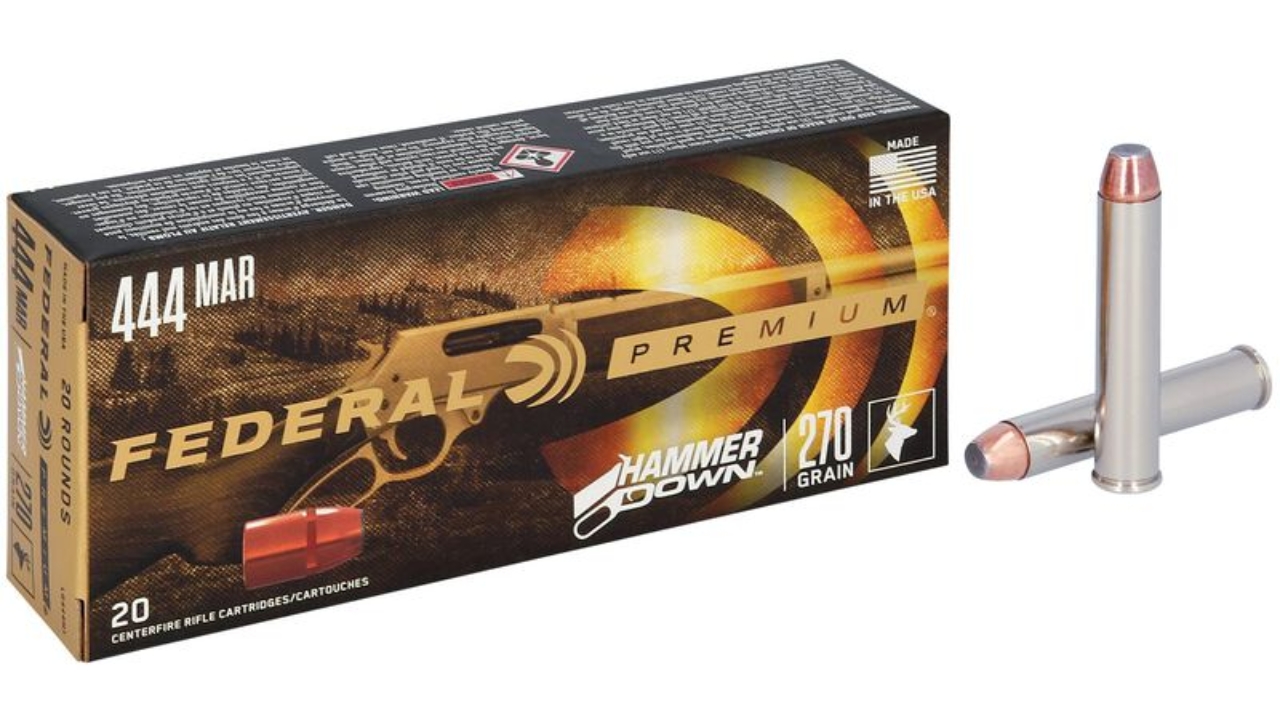
The .444 Marlin was made for hunters who wanted big-bore lever-action performance with more reach than pistol-caliber carbines. Inside its useful window, it is a serious deer, bear, and hog cartridge. It carries more steam than many people realize.
Even so, past 200 yards it becomes a cartridge that needs careful handling. The big bullets are not sleek, and the trajectory is not forgiving. Compared with a .308 Winchester, .270 Winchester, or 6.5 Creedmoor, the .444 Marlin makes the shooter work a lot harder for the same distance. It is powerful, but power does not erase drop.
.300 Blackout subsonic

The .300 Blackout can be useful in the right rifle, especially with suppressors and short barrels. Supersonic loads have their place, but subsonic .300 Blackout is a very different animal. It is quiet, heavy, and slow by design.
Past 200 yards, subsonic .300 Blackout is more like shooting a heavy pistol bullet with a rainbow trajectory. It drops hard and gives the shooter very little forgiveness. For suppressed close-range work, it makes sense. For hunting or practical shooting beyond 200 yards, subsonic loads are not the answer.
7.62x39mm

The 7.62x39mm is one of the most useful short-to-midrange cartridges ever made. In an SKS, AK, Ruger American Ranch, CZ 527, or Howa Mini Action, it is handy, affordable, and plenty capable inside reasonable distances. It works well on hogs and deer with proper loads and careful shots.
Past 200 yards, it starts losing ground quickly to true rifle cartridges. The bullet is not especially fast, the trajectory is not flat, and energy fades faster than people want to admit. It can still hit steel farther out, but hunting and real-world performance are different conversations.
.22 Hornet

The .22 Hornet is a sweet little varmint cartridge. It is quiet compared with larger centerfires, easy on barrels, and fun in rifles like the CZ 527, Ruger 77/22 Hornet, and old Savage or Winchester bolt guns. For small pests and careful shooting, it has charm.
But past 200 yards, the Hornet runs out of easy answers. Light bullets, modest velocity, and wind drift limit what it can do. It is not a bad cartridge. It is just an old, mild varmint round that should not be confused with .223 Remington, .22-250, or other faster options.
.218 Bee
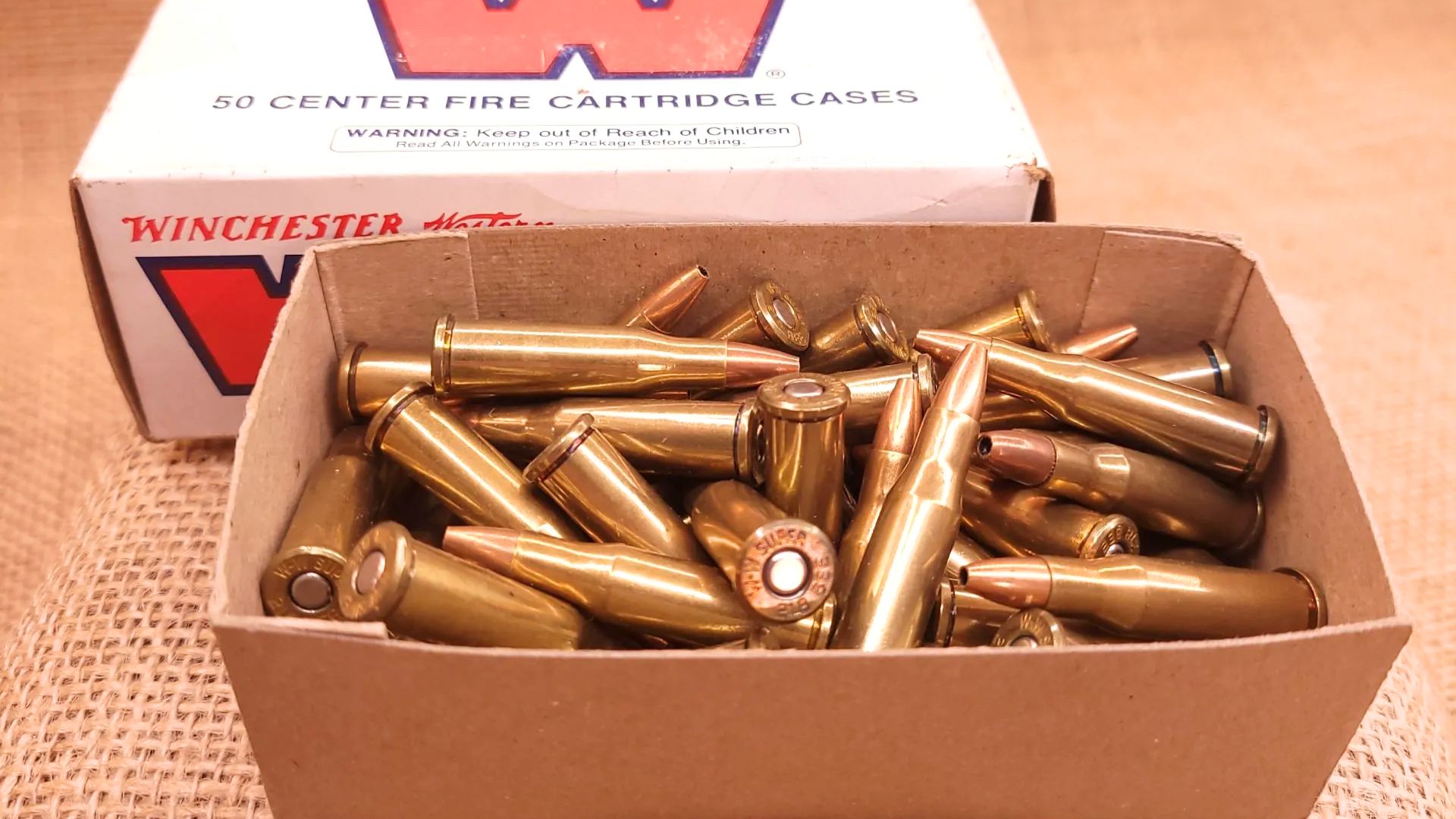
The .218 Bee is another old varmint cartridge with more character than raw performance. In classic lever guns and single shots, it is mild, accurate enough, and fun for small-game or pest work. It fills a neat little niche.
The issue is that modern expectations have moved past it. Beyond 200 yards, the .218 Bee is dealing with light bullets, limited velocity, and poor wind resistance compared with newer varmint rounds. It can still work in calm conditions, but it is not a cartridge that gives much room for error.
.25-20 Winchester
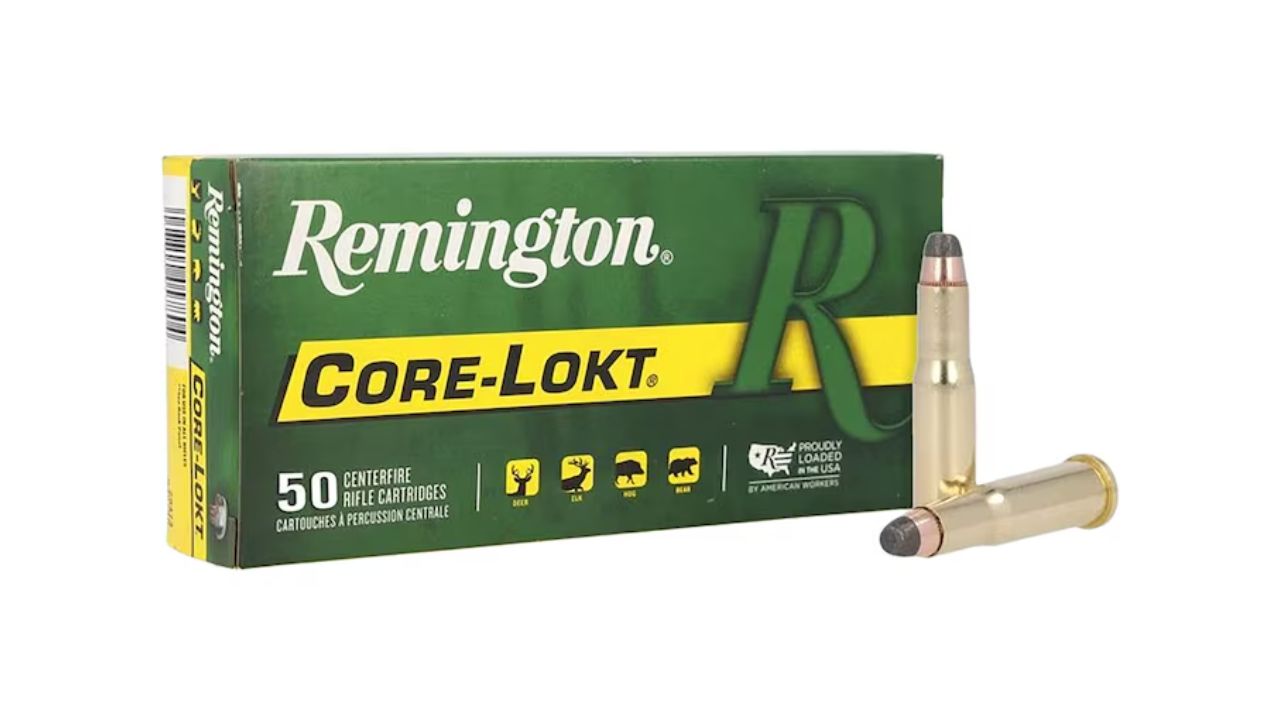
The .25-20 Winchester belongs to a different age of small-game rifles, trapline guns, and light recoiling lever actions. It is interesting, pleasant, and useful for very mild work. But that usefulness is tied to short range.
Past 200 yards, the .25-20 has very little business being pushed hard. It lacks speed, energy, and a forgiving trajectory. It can be accurate in the right rifle, but accuracy on paper does not make it a serious distance cartridge. It is better appreciated for what it was than forced into what it is not.
.32-20 Winchester

The .32-20 Winchester has history behind it and still has fans among handloaders and old lever-gun shooters. It is mild, low recoiling, and enjoyable in rifles that are still in good shape. For small game and close targets, it can still be useful.
Once the range gets past 200 yards, though, it is outmatched badly. The cartridge was never built for flat shooting or retained energy. It is a low-pressure, old-school round that performs best when shots are close and expectations are realistic.
.38-55 Winchester

The .38-55 Winchester is respected for a reason. It is accurate in the right rifles, pleasant to shoot, and effective at moderate range with cast bullets. It has deep roots in black-powder-era target shooting and hunting.
But as a practical hunting cartridge past 200 yards, it asks a lot from the shooter. The bullets are heavy and slow, and the trajectory takes real knowledge to manage. It is not weak in the traditional sense, but it is not forgiving. Modern hunters looking across open fields have much easier options.
.41 Magnum rifle loads

The .41 Magnum has always been stuck between more popular choices. In a lever-action rifle, it gains speed and becomes a useful short-range hunting round. It shoots flatter than some bigger pistol cartridges and recoils less than heavy .44 Magnum loads.
Still, past 200 yards, it is working outside its best range. The bullets are not shaped like real rifle bullets, and the cartridge does not carry energy like a bottleneck round. It is more capable than people think up close, but that does not make it a serious distance performer.
.327 Federal Magnum rifle loads

The .327 Federal Magnum is fast for a revolver cartridge, and from a rifle it can be surprisingly fun. It offers low recoil, good velocity, and enough punch for small game, varmints, and maybe close-range deer with the right setup where legal.
Past 200 yards, though, it starts to look small. The bullets are light, the energy drops off, and wind can push them around. It is a neat cartridge in a handy carbine, but it does not turn into a true rifle round just because the barrel is longer.
.300 AAC Blackout supersonic

Supersonic .300 Blackout is far more practical at distance than subsonic loads, especially from a handy AR or bolt gun. Inside 200 yards, it can be useful for hogs, deer, and defensive-style carbines. It was designed to work well in short barrels, and it does that.
Past 200 yards, though, it starts giving up too much compared with .223 Remington, 6.5 Grendel, .308 Winchester, and other common options. The bullets are heavier and slower, the trajectory gets steeper, and energy fades. It is a good short-barrel cartridge, not a magic long-range rifle round.
Like The Avid Outdoorsman’s content? Subscribe to our newsletter so you never miss an article.
Here’s more from us: