Photo credit: somsak suwanput/Shutterstock.com
Every shooter eventually bumps into a handgun that simply won’t put rounds where the sights say they should. Sometimes it’s the barrel fit. Sometimes it’s the cut of the sights. And sometimes it’s the kind of accuracy issue you only catch once you’ve spent a few boxes of ammo trying to figure it out. When a pistol sends shots high, low, or off to the side no matter how steady you are, the frustration builds fast.
These handguns have earned a reputation for wandering groups, stubborn point-of-impact issues, and accuracy quirks that don’t show up on the sales rack. If you’ve fought with one of these, you’re not alone.
Springfield XD Sub-Compact

The XD Sub-Compact has been around long enough to earn a loyal following, but accuracy complaints have followed it just as long. Many shooters notice the gun printing high or drifting groups slightly left or right, even after they’ve confirmed their grip and trigger work. The short sight radius doesn’t help—tiny movements shift impact much farther than you’d expect.
In real use, the gun can feel great in the hand but still leave you scratching your head at the target. Some examples shoot well, but others act unpredictable with common defensive loads. If your groups look like a scattered pattern at the range, the pistol may not be doing you any favors.
Smith & Wesson SD9VE
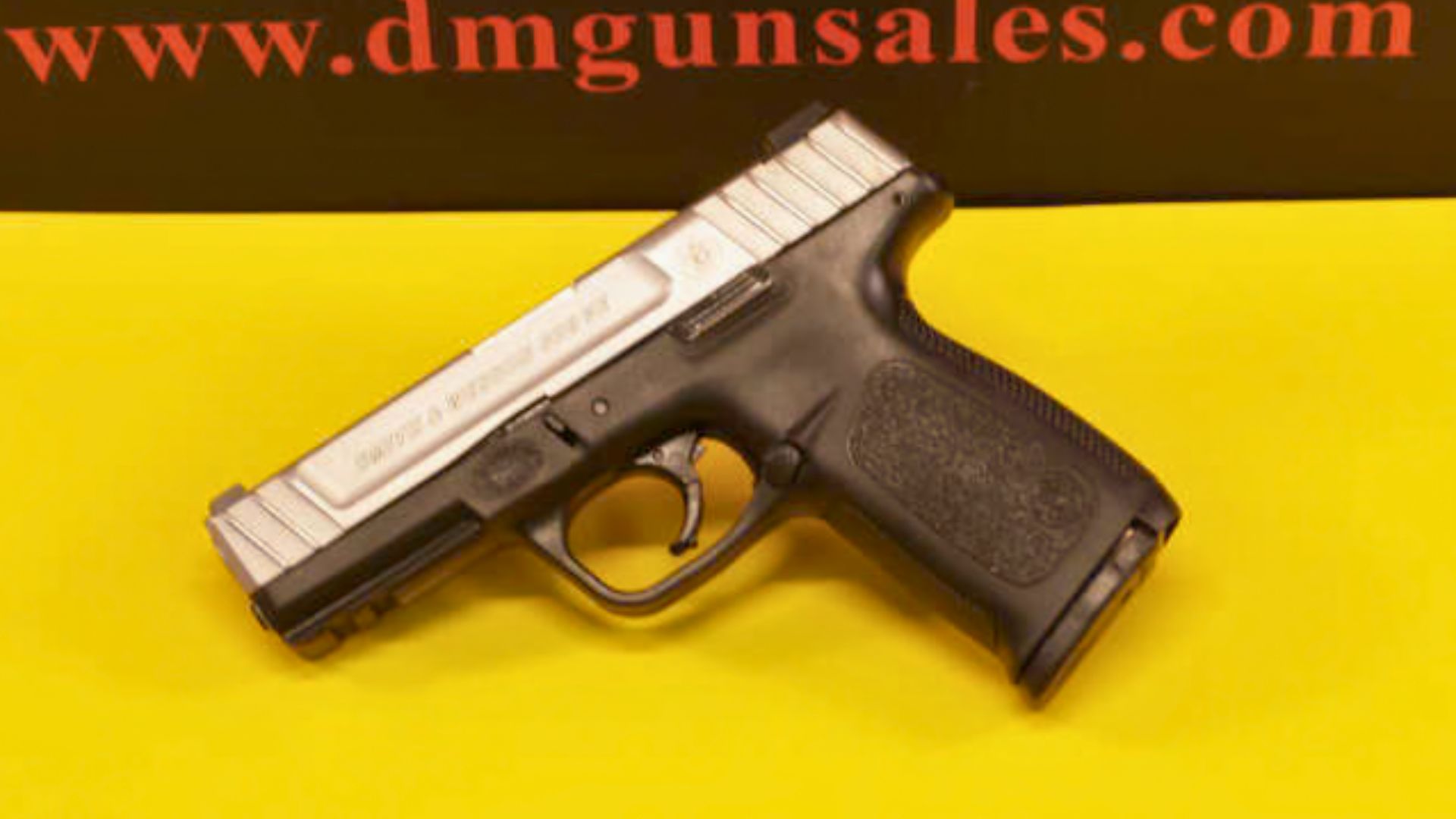
The SD9VE is a budget-friendly pistol, but its accuracy is often inconsistent. The heavy, gritty trigger makes it tough to call shots cleanly, and many shooters report the gun hitting low unless they modify their sight picture. Even with practice, the results can vary from magazine to magazine.
The sight cuts and barrel lockup add to the inconsistency. When you’re trying to run controlled groups, you might notice rounds drifting in odd directions. Some folks improve things with aftermarket triggers, but out of the box, the SD9VE tends to be a challenge for anyone expecting predictable point of impact.
Taurus G2C

The Taurus G2C sells well because it’s affordable and easy to carry, but accuracy varies widely from one pistol to another. Many shooters notice shots landing low and left, even after correcting their fundamentals. The long trigger pull makes it harder to maintain a steady break, especially with faster follow-ups.
The barrel fit is a big factor. Some barrels lock up tight and shoot acceptably, while others allow enough play to shift impact noticeably. If you’ve ever tried to chase a wandering group with this pistol, you know how unpredictable it can be with common range and defensive ammo.
Ruger LC9

The LC9 is small, light, and easy to carry, but that combination often comes at the cost of accuracy. The long, heavy trigger makes steady shots tough, and the gun has a reputation for hitting low unless the shooter uses a unique hold. Even slow-fire groups can feel stretched compared to similar pistols.
With such a short slide and minimal sight radius, every slight movement shows up on paper. Some shooters get good results after a lot of practice, but many end up frustrated by how wide the impacts spread at even modest distances. It’s a pistol that demands extra patience.
KelTec PF9
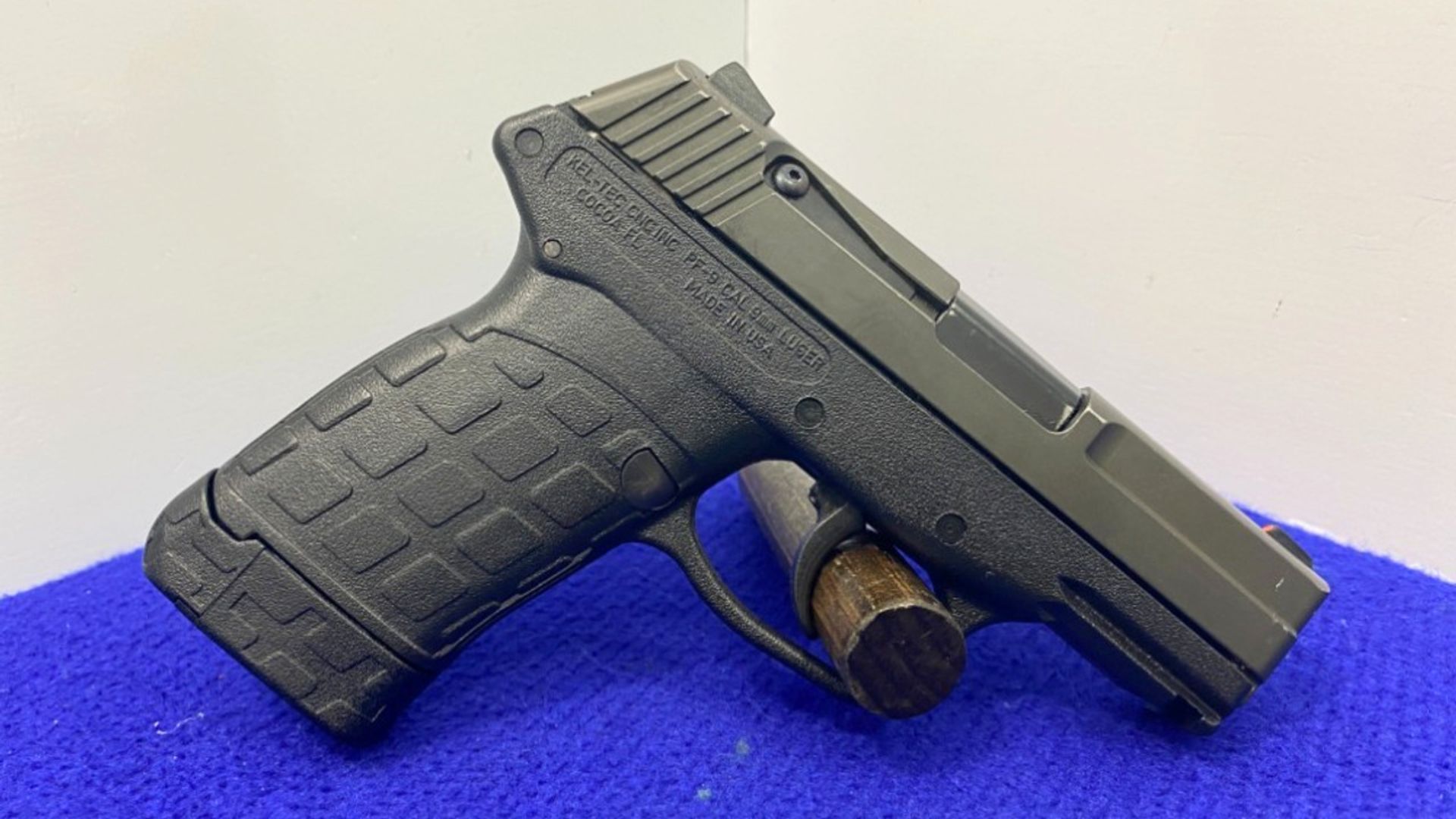
The PF9 may be one of the snappiest 9mm pistols ever built, and that jumpy recoil translates directly into wandering groups. Shooters often find the pistol sending shots low or scattering left and right once the muzzle starts flipping. The trigger also contributes with its long pull and uneven break.
Accuracy issues get worse as the session goes on. The light frame doesn’t give you much stability, and the stiff recoil makes follow-up shots unpredictable. Even when you slow down and focus, the PF9 rarely rewards you with tight clusters on target.
Glock 43 (inconsistent examples)

Most Glock 43s shoot fine, but a noticeable number of early or heavily used examples have shown point-of-impact quirks. Some shoot high, others dribble shots low left, even for experienced Glock shooters. The short grip and light frame exaggerate small errors, making the pistol feel less forgiving than other Glock models.
When you’re doing everything right and still seeing groups wander, the barrel lockup or worn sights could be part of the issue. The 43 can be accurate, but the inconsistent performers give it a mixed record among folks who’ve owned several compacts.
SCCY CPX-2

The CPX-2 is inexpensive and lightweight, but its accuracy problems are well known. The long, heavy trigger makes it tough to keep sights aligned throughout the break, and many shooters struggle to get consistent groups even at close distances. Shots often dip low or stray off to the sides without warning.
The barrel and slide fit aren’t as tight as other pistols in its class. That play shows up at the target, especially with defensive loads. If you’ve ever walked downrange to check a CPX-2 group, you’ve probably wondered how one pistol can scatter so many directions.
Beretta Nano

The Nano was a bold attempt at a streamlined micro pistol, but accuracy issues held it back. Shooters commonly report rounds drifting left or printing low, even after confirming a clean trigger press. The stiff, smooth-faced trigger makes it harder to settle shots consistently.
The Nano’s small frame and heavy slide also exaggerate recoil movement. When you combine that with limited sight radius, groups often look wider than they should. Some examples shoot surprisingly well, but many leave shooters frustrated by unpredictable point of impact.
SIG Sauer P290RS

The P290RS is built solidly but suffers from trigger and recoil characteristics that hurt practical accuracy. The long double-action pull requires a steady hand, and many shooters see rounds dipping low as they fight through the break. Even from a bench, groups tend to look stretched.
The gun’s weight helps control recoil, but the compact grip doesn’t offer much leverage. When you’re trying to settle the pistol for consistent shots, it often feels like the muzzle wants to wander. With the wrong ammo, the results get even more erratic.
Springfield Hellcat (in some loads)

The Hellcat is a popular carry pistol, but not every example shoots to the same point of aim. Some owners report the gun printing high or scattering groups slightly with certain loads. The short barrel and brisk recoil pulse make these variations more noticeable.
Even when your fundamentals are solid, the Hellcat can be picky with ammo. One load may group well while another wanders several inches. It’s not a bad pistol, but its accuracy quirks show up enough to give it a reputation for inconsistency in real-world use.
Taurus PT111 Millennium

The PT111 Millennium’s trigger and lockup have long been blamed for its accuracy struggles. Many shooters report rounds dropping low as they work through the long, heavy pull. Even patient shooters have trouble stacking rounds with any kind of consistency.
The slide and barrel fit also vary between pistols. That inconsistency means some guns hit close to point of aim while others drift noticeably at range. If you’ve ever tried shooting a tight group with this model, you know how unpredictable the impacts can be.
Kimber Solo

The Solo was marketed as a premium micro-9, but it became known for accuracy quirks and ammo sensitivity. Shooters often saw groups drift high or cluster unpredictably unless they used specific loads. Its short sight radius made every slight movement translate into inches on target.
The Solo’s trigger isn’t terrible, but the overall shooting experience feels twitchy. Grip pressure, finger placement, and stance all have a bigger effect than they do on similar pistols. When everything has to be perfect to get reliable accuracy, most folks end up disappointed.
Ruger EC9s

The EC9s is affordable, but its sights and trigger hold it back from consistent accuracy. Many shooters report shots trending low, especially during rapid fire. The long trigger makes a clean break tough, and even slow-fire groups can look loose.
Its simple fixed sights can also be off from the factory. When a pistol already has limited sight radius, even slight misalignment shows up fast. It’s a workable carry gun, but it’s not one known for predictable point of impact.
Remington R51 (Gen 1 especially)
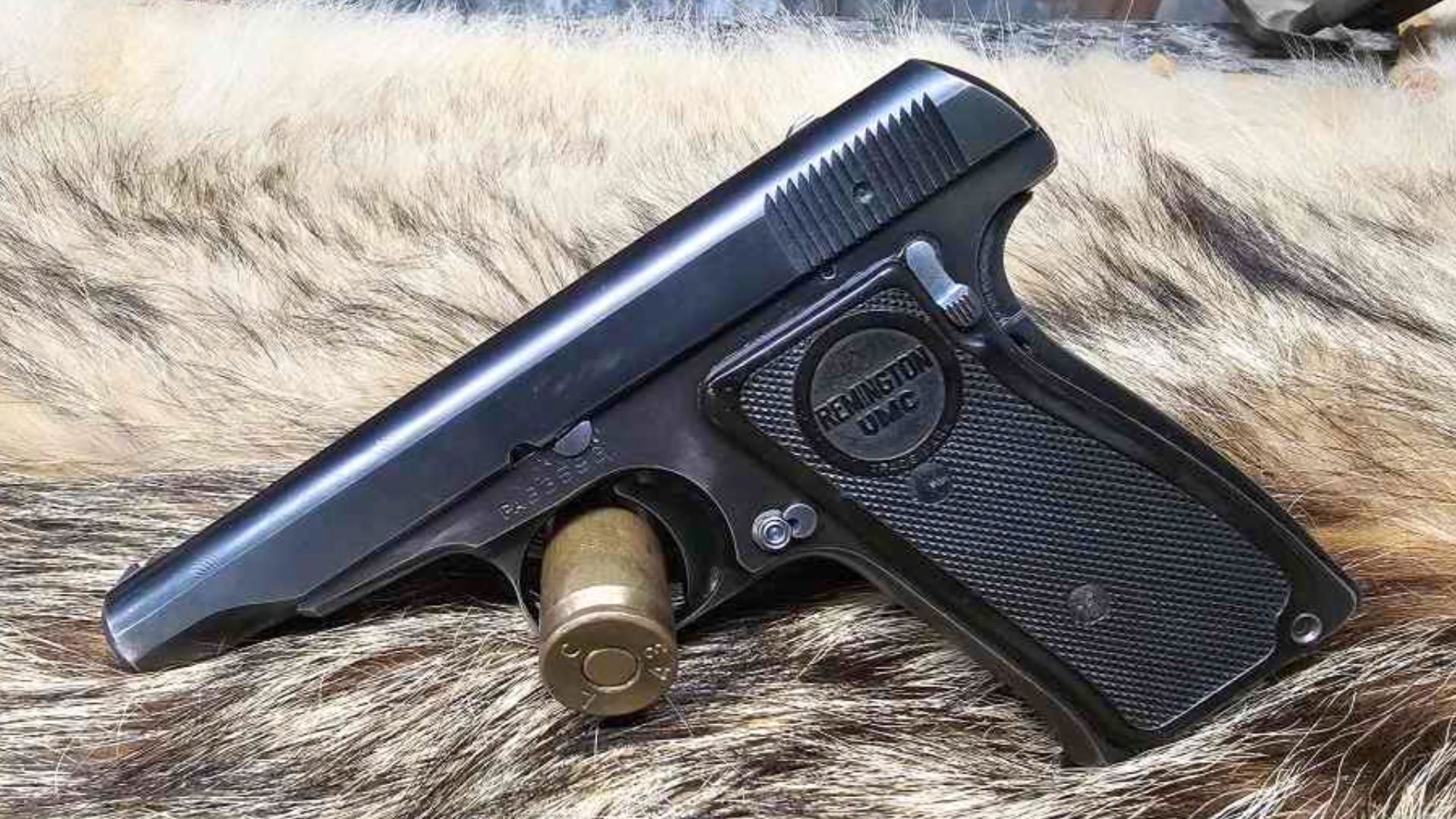
The first-generation R51 is infamous for accuracy and reliability issues. Many examples shot all over the target, with impacts drifting high, low, and sideways depending on the load. The unusual action design added movement at precisely the wrong time, making the pistol feel unstable during the shot.
Even when Remington attempted improvements, accuracy remained inconsistent. Shooters who tried to bench-rest the R51 often found the results no better. When a handgun won’t hold groups under controlled conditions, it’s no surprise it struggles in real-world shooting.
Honor Defense Honor Guard
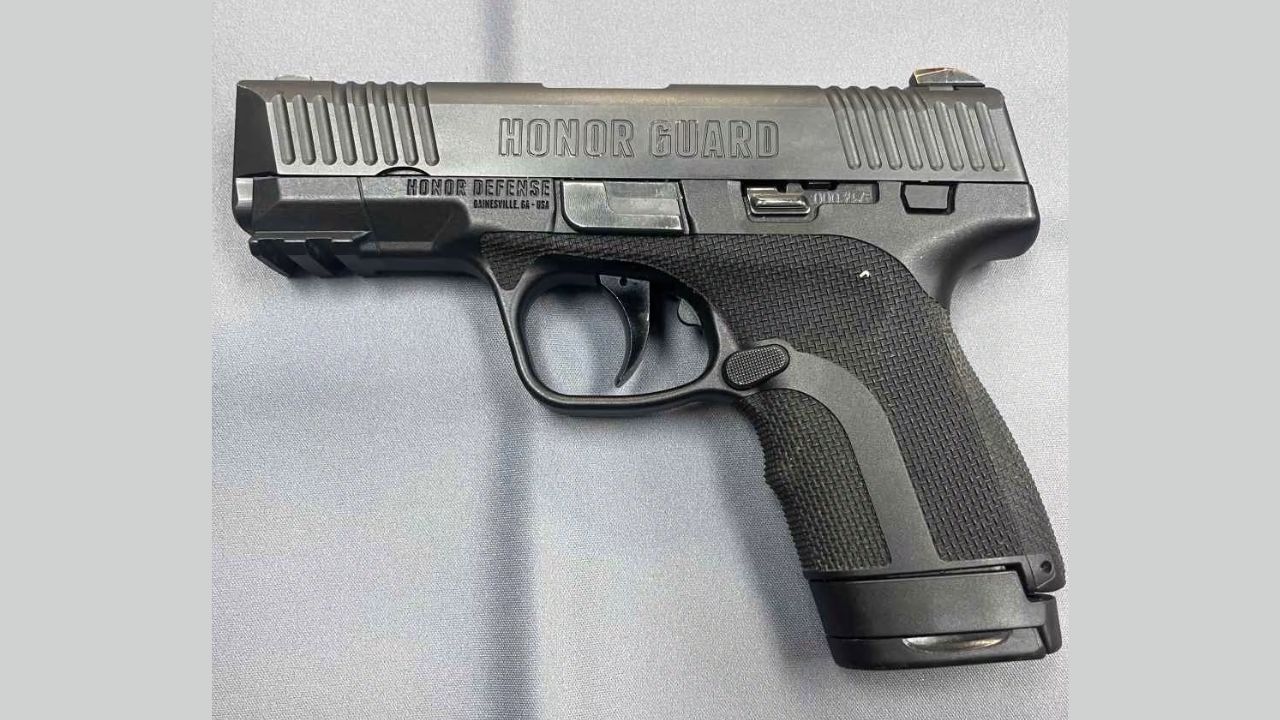
The Honor Guard is slim and easy to conceal, but accuracy is hit-or-miss. Some pistols shoot acceptably, but many lean high or left with common 9mm loads. The trigger’s long, stacking pull makes it tough to maintain steady sights through the break.
When you’re trying to shoot clean groups, the pistol has a tendency to wander just enough to make you question your fundamentals. In reality, many shooters find the gun itself is part of the problem. It’s an example of a design that feels good in the hand but doesn’t always translate to consistent impact.
Like The Avid Outdoorsman’s content? Subscribe to our newsletter so you never miss an article.
Here’s more from us: