Photo credit: Chris Chu/YouTube
Some handguns do not get respect when they are sitting in the case. They look too plain, too odd, too heavy, too expensive, or too late to the market. Shooters pass on them, reviewers nitpick them, and gun shops treat them like slow movers.
Then production changes, prices climb, and clean examples stop showing up like they used to. That is when the attitude changes. The same handgun people doubted starts looking smarter, rarer, and harder to replace. These are the pistols and revolvers that many shooters underestimated until the used market made them pay attention.
Smith & Wesson 3913
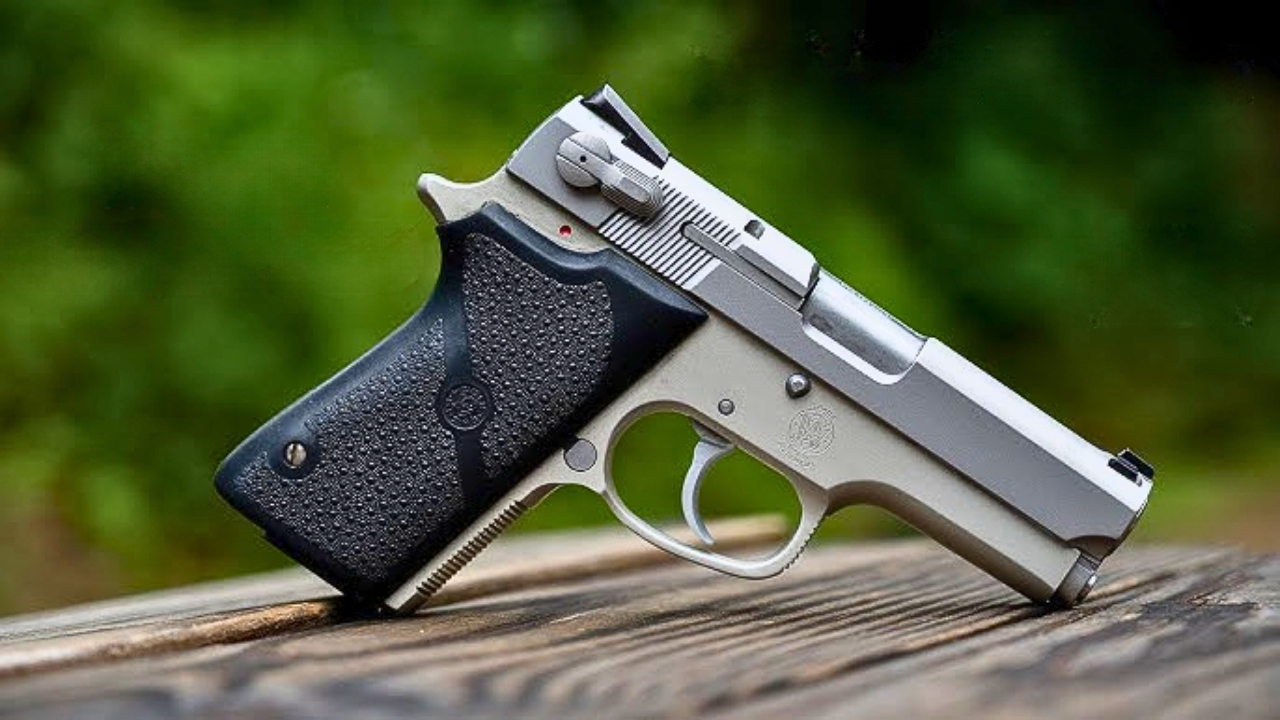
The Smith & Wesson 3913 was easy to overlook during the rise of polymer carry guns. It was a single-stack 9mm with a metal frame, a traditional double-action trigger, and styling that felt old compared with newer striker-fired pistols. A lot of shooters treated it like yesterday’s carry gun.
That view aged badly. The 3913 is slim, reliable, easy to carry, and built with a level of quality that many modern compact pistols do not quite match. Clean examples became harder to find because people who own them tend to keep them. What once looked outdated now feels like one of the smartest carry pistols Smith & Wesson ever made.
Heckler & Koch P7
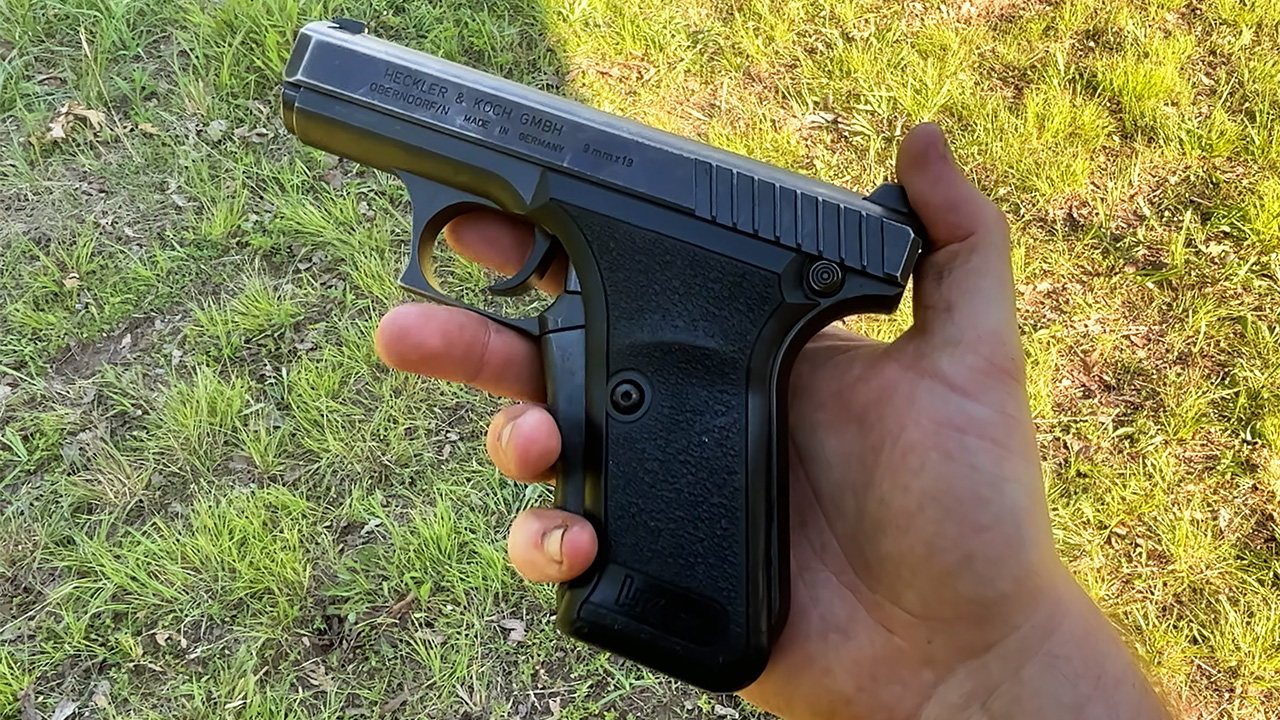
The HK P7 was doubted because it was strange, expensive, and unlike nearly anything else. The squeeze-cocker system confused some shooters, and the pistol heated up during extended firing. For people who wanted a normal carry pistol, the P7 seemed too complicated and too costly.
Then shooters started realizing how special it was. The fixed barrel, low bore axis, and fast handling made it more than a weird German design. As supply dried up, prices climbed hard, and the people who once laughed at the squeeze-cocker had to watch it become one of the most desirable discontinued pistols around.
Colt Detective Special
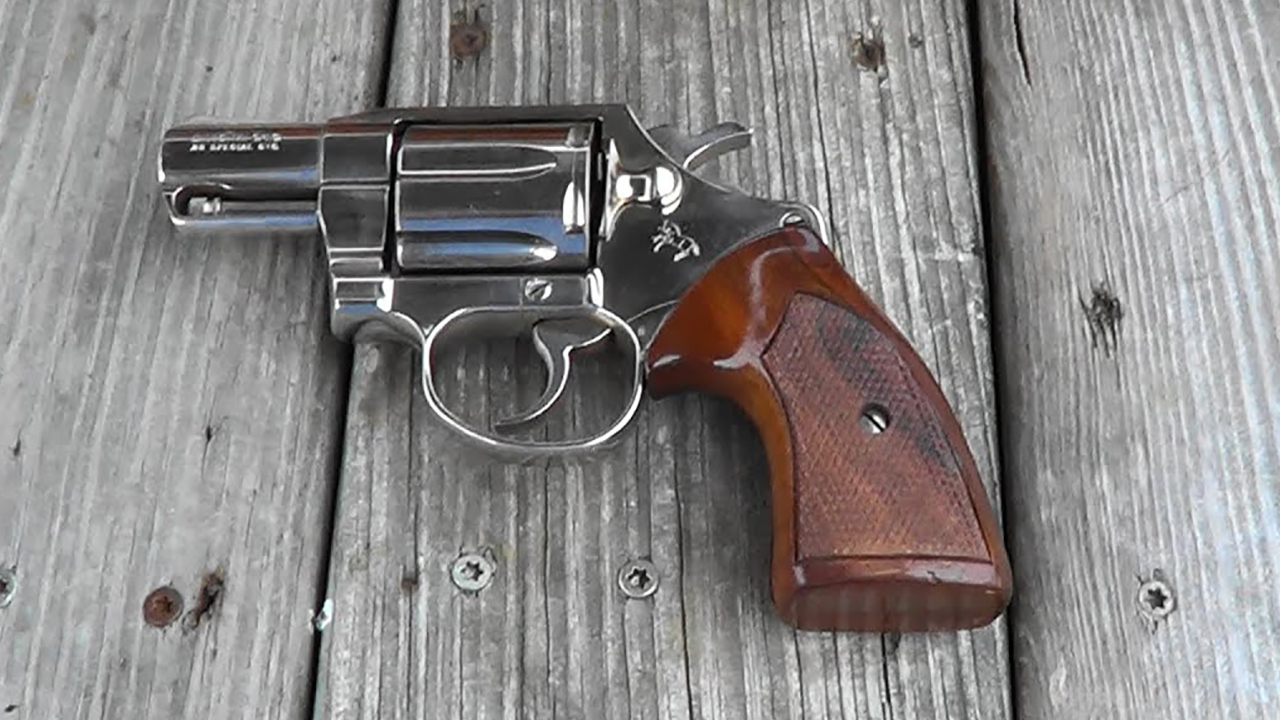
The Colt Detective Special was once treated as an old snub-nose revolver from a different era. Polymer pocket pistols and lightweight J-frames made it seem heavier than necessary. Some shooters doubted its usefulness because .38 Special snubs were no longer seen as modern defensive tools.
The market eventually proved that old Colts do not stay ignored. The Detective Special offers six shots instead of five, classic Colt handling, and a level of craftsmanship that keeps drawing buyers back. Clean examples are no longer casual pawn-shop finds. Shooters who dismissed them years ago now see how quickly good ones disappear.
Smith & Wesson Model 39

The Smith & Wesson Model 39 was doubted by shooters who saw it as an early American 9mm that had been surpassed. It had a single-stack magazine, an alloy frame, and a traditional double-action trigger at a time when newer designs offered more capacity and simpler controls. For years, it lived in the shadow of later Smith & Wesson autos.
That changed as collectors and shooters started respecting first-generation Smith autos. The Model 39 has history, good looks, and a slim feel that still works today. It is not just an old service pistol anymore. Nice examples have become harder to find, and the people who ignored them when prices were low now have fewer chances to correct that mistake.
Browning BDM

The Browning BDM was doubted because it was unusual and poorly understood. The pistol had a slim double-stack profile, a rotating mode selector, and controls that confused buyers who wanted something more straightforward. It did not become the mainstream defensive pistol Browning probably hoped it would be.
Years later, that oddness became part of the appeal. The BDM is thinner than many people expect, points well, and stands out in a market full of lookalike 9mm pistols. It also did not flood the market forever, which makes clean examples harder to come by. What once seemed like a strange misfire now looks like a pistol shooters dismissed too quickly.
SIG Sauer P228
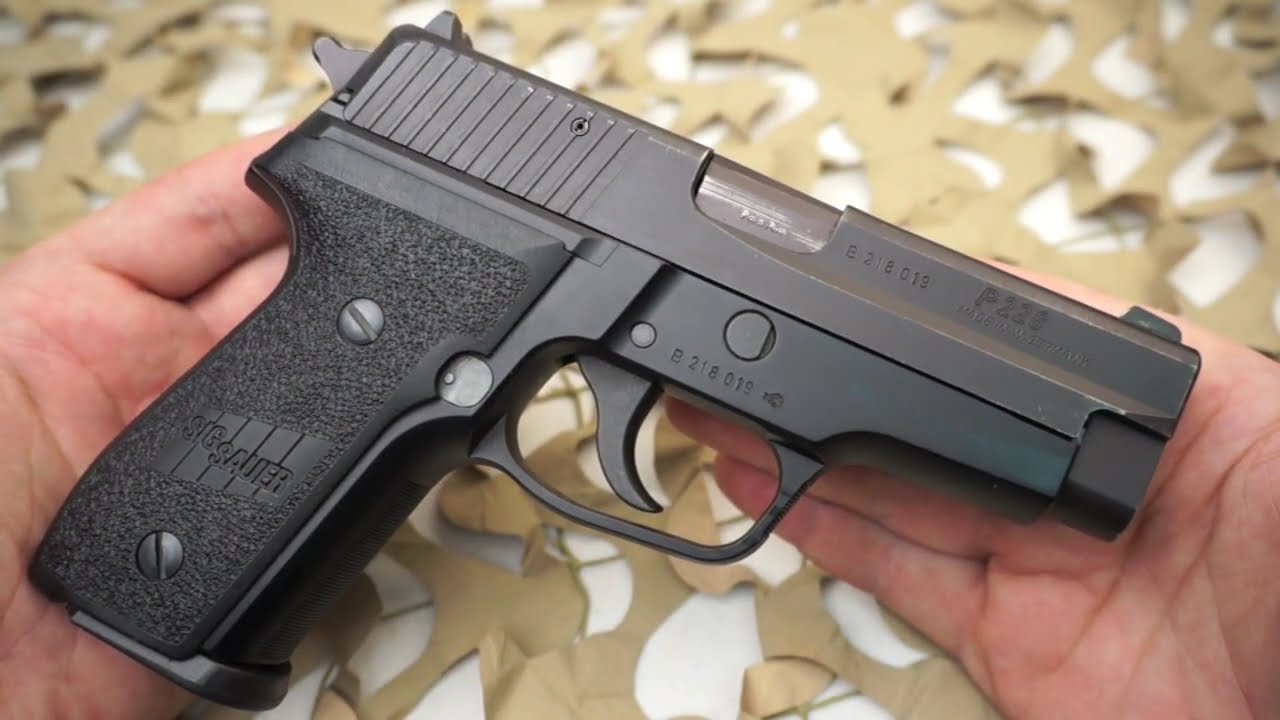
The SIG Sauer P228 was never exactly mocked, but plenty of shooters underestimated it when newer SIG models and polymer pistols took over. It was seen by some as a compact service pistol from an earlier era, with less capacity than modern options and more weight than newer carry guns.
That opinion changed once people started chasing West German and early German SIGs. The P228 has balance, accuracy, and a smooth shooting feel that newer pistols do not always duplicate. Clean examples have become harder to find at sane prices. Anyone who treated the P228 as just an old compact SIG probably wishes they had bought one sooner.
Ruger Speed-Six
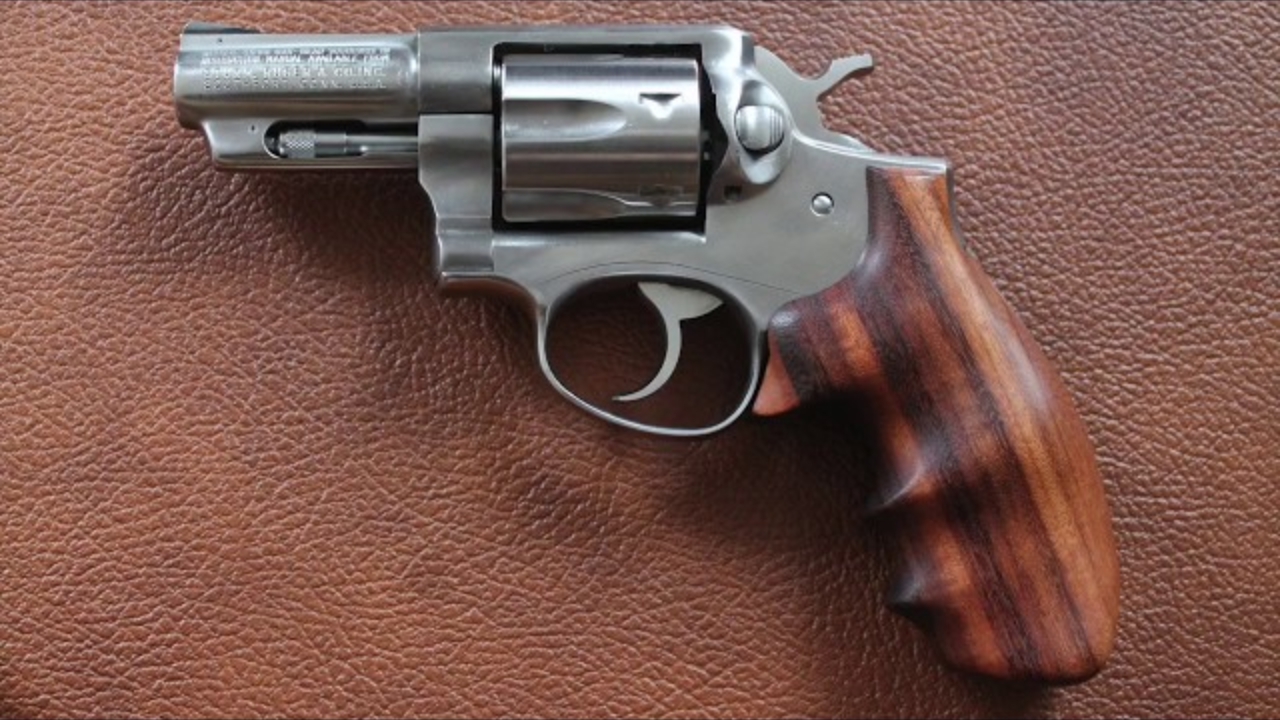
The Ruger Speed-Six was overlooked for many of the same reasons as other working revolvers. It lacked the collector glamour of Colt revolvers and the classic status of certain Smith & Wesson models. For years, it was just a tough .357 Magnum revolver that police departments and regular shooters used hard.
That plain reputation hid how good it was. The Speed-Six is strong, handy, and more compact than many full-size duty revolvers. As interest in older Ruger revolvers grew, nice examples became much harder to find. The market reminded shooters that a rugged working revolver can become desirable once people realize nobody is making them quite like that anymore.
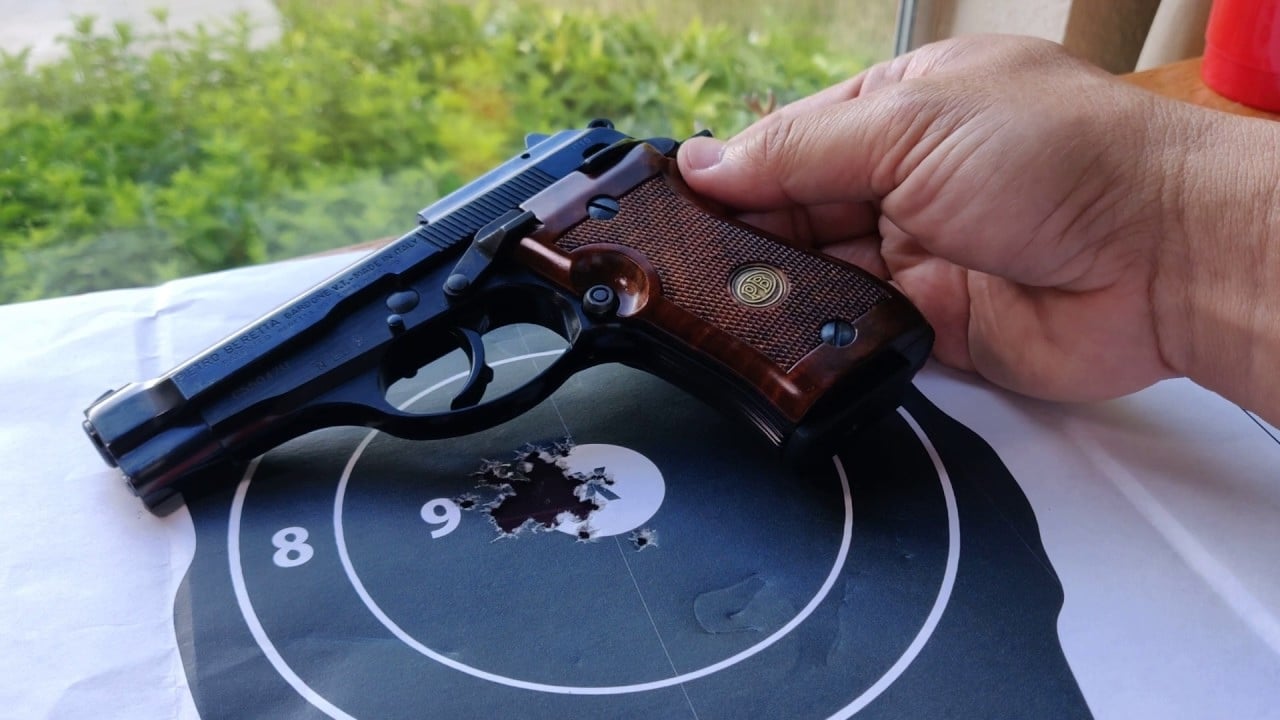
Beretta 87 Cheetah
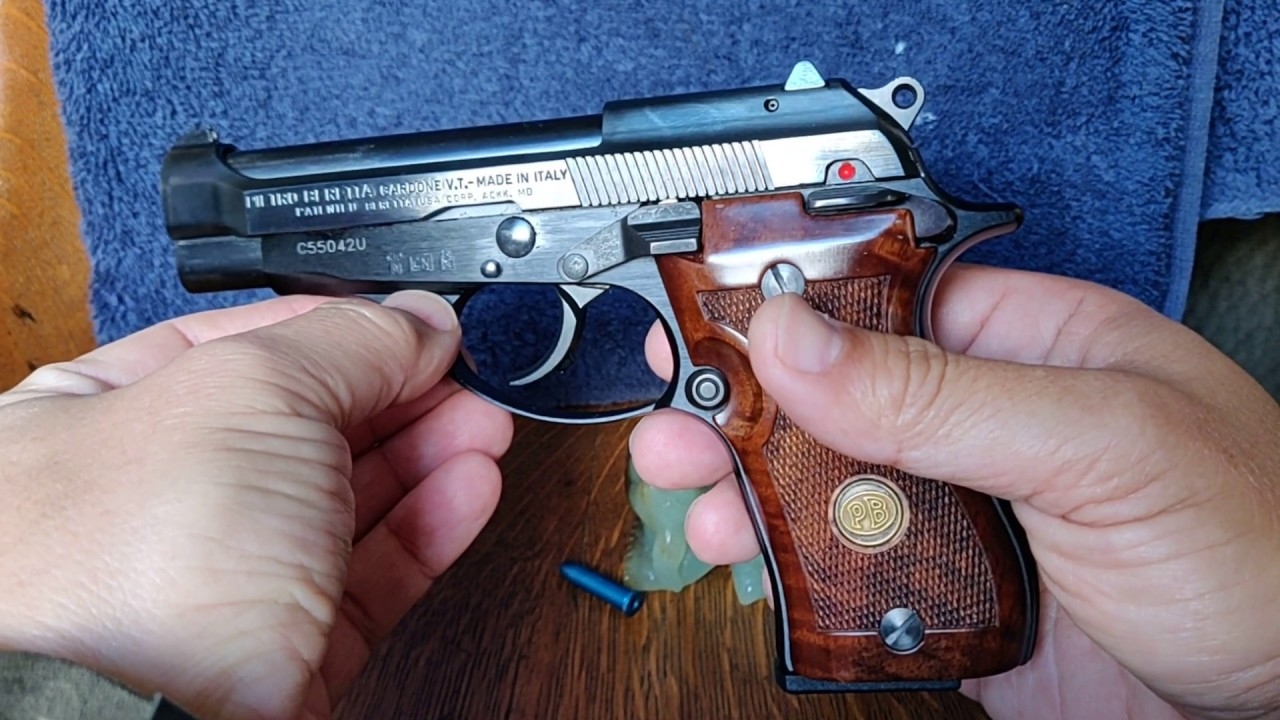
The Beretta 87 Cheetah did not always get the attention it deserved because it was a .22 LR pistol with a price that made some buyers hesitate. Many shooters viewed rimfire pistols as range toys, and the 87 looked expensive compared with more common .22 options.
That attitude changed once people started appreciating the quality of the Cheetah series. The Beretta 87 feels like a real pistol, not a cheap trainer. It is handsome, well-made, and enjoyable in a way that many modern rimfire pistols are not. Finding a clean one is not as easy as it used to be, and the people who doubted its value now understand why owners hold onto them.
Star BM
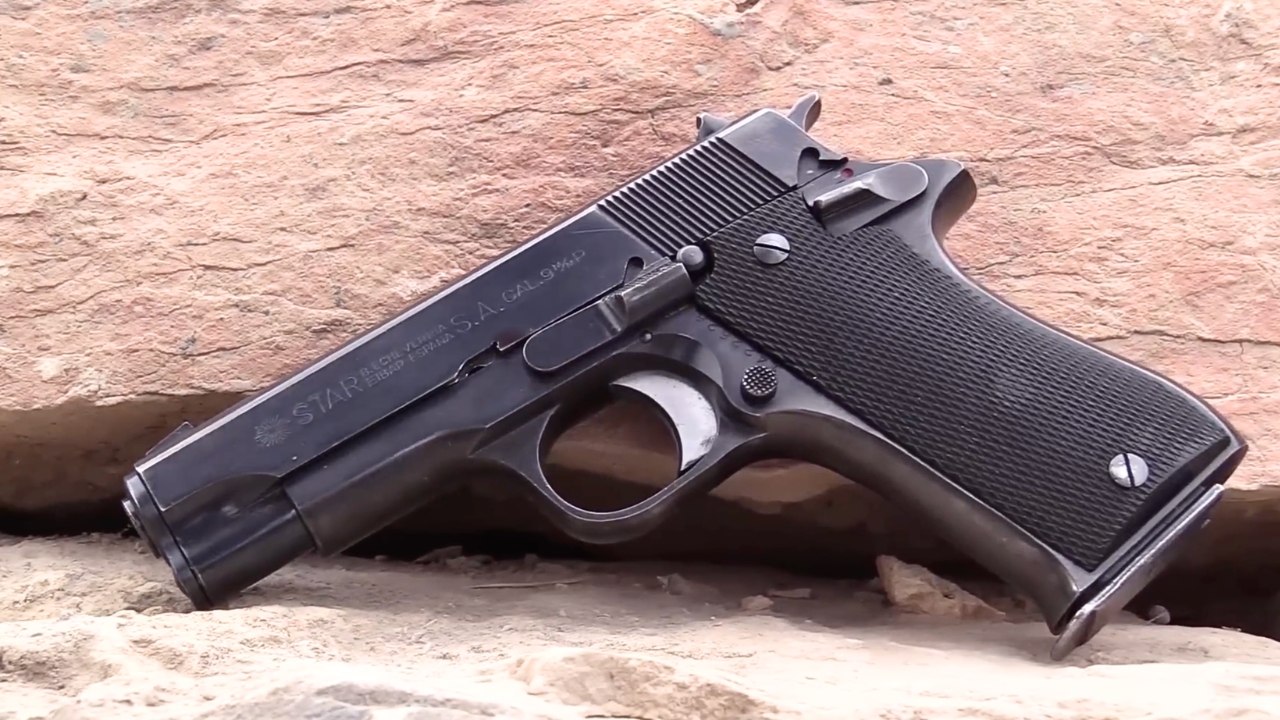
The Star BM used to be one of those surplus pistols people bought because it was affordable. It looked like a compact 1911-style 9mm, but it came from a Spanish maker that many American shooters did not know much about. Some doubted the parts support, the long-term durability, or the practical value of buying one.
Then the surplus supply tightened, and opinions changed. The Star BM is slim, all-steel, accurate enough, and surprisingly pleasant to shoot. It still has limitations, but it also has character that modern budget pistols lack. When they were cheap, people treated them like curiosities. Now clean ones are harder to find, and the bargain days are mostly gone.
CZ 82

The CZ 82 was doubted because it was chambered in 9x18mm Makarov and looked like another Cold War surplus pistol. Many shooters did not take it seriously compared with modern 9mm handguns. It seemed like a cheap oddball with limited defensive use and unfamiliar ammunition.
The pistol turned out to be better than that reputation. It has a good trigger, ambidextrous controls, polygonal rifling, and solid practical accuracy. Once surplus supplies dried up, the CZ 82 stopped being the cheap pistol people casually ignored. It became one of those handguns buyers wish they had picked up when prices were low and availability was better.
Smith & Wesson Model 5906
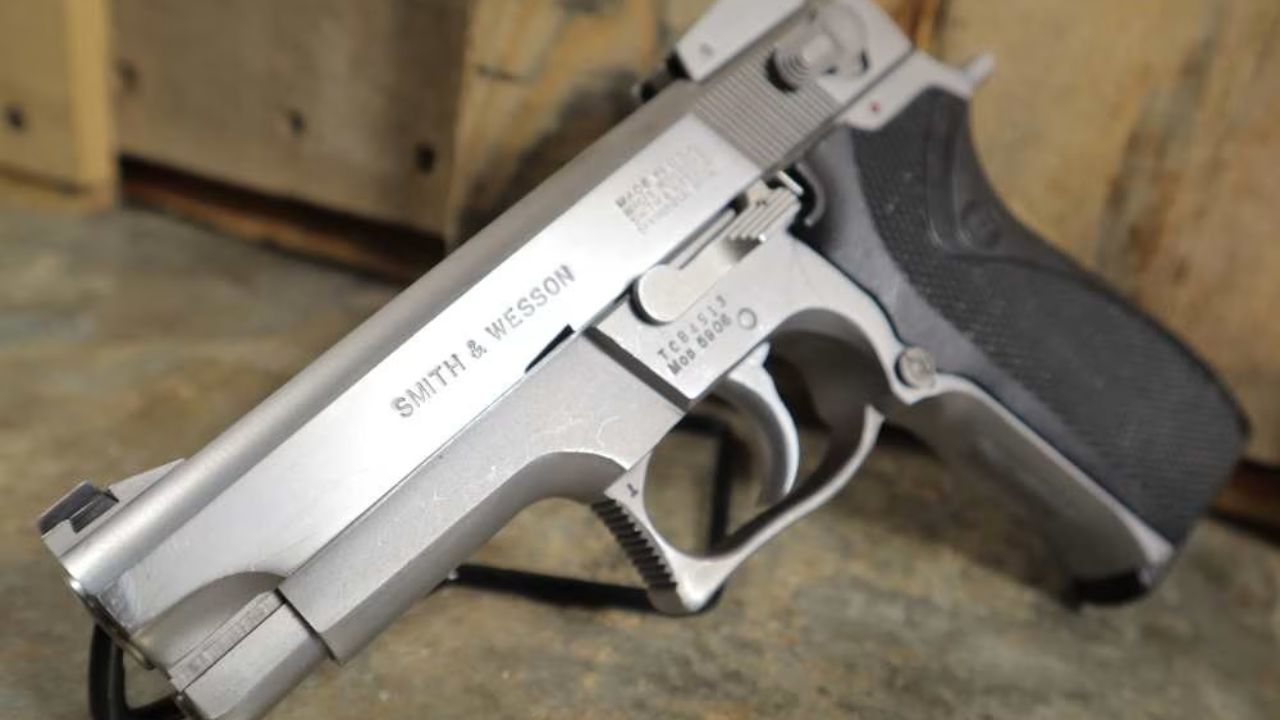
The Smith & Wesson 5906 was doubted because it was heavy, stainless, and tied to an older duty-pistol era. When polymer pistols became dominant, many shooters saw the 5906 as a brick. Police trade-ins were often affordable, and buyers did not always treat them like anything special.
That changed once people remembered why they were carried in the first place. The 5906 is durable, soft-shooting, reliable, and built with a kind of all-metal seriousness that is less common now. Clean examples became harder to find as shooters started buying them up. The same pistol people mocked for being heavy now gets praised for the exact same reason.
Beretta 81 Cheetah
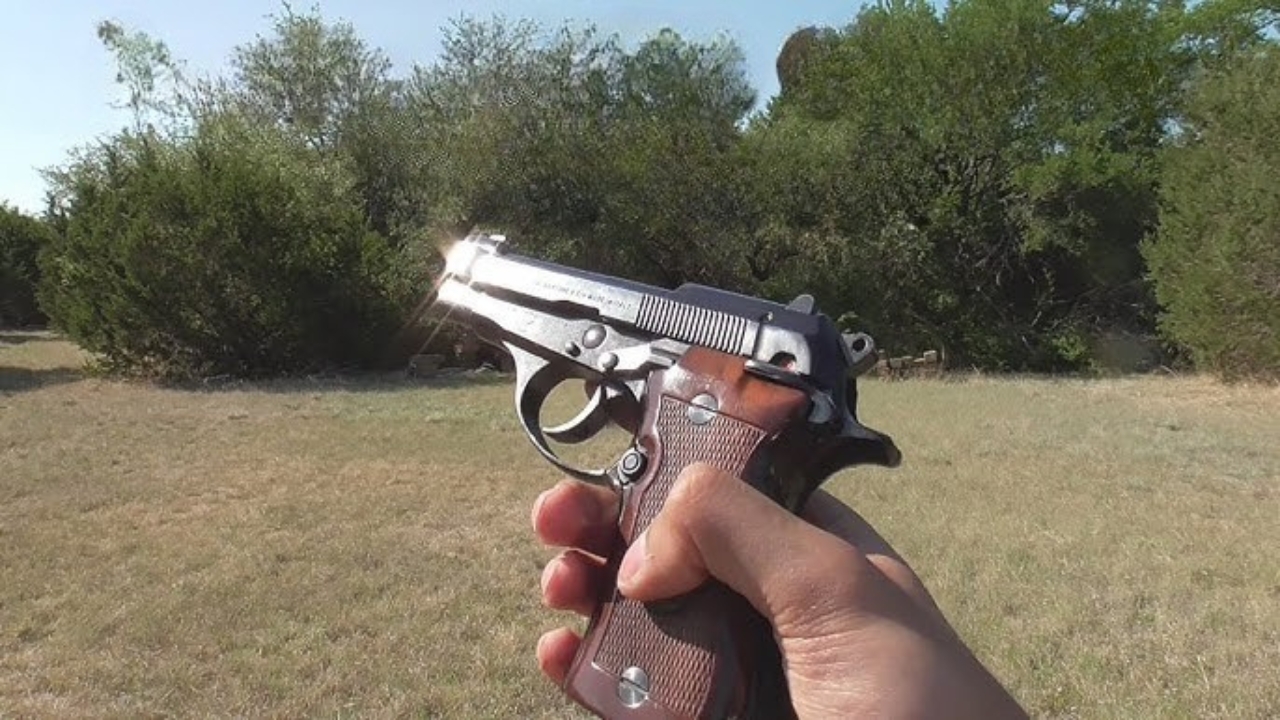
The Beretta 81 Cheetah surprised a lot of people after years of being overlooked. A .32 ACP double-stack pistol seemed odd to shooters who measured everything by power and capacity in more common defensive calibers. Many dismissed it as too large for the cartridge.
Then surplus batches reminded people how nice these pistols were. The Beretta 81 is soft-shooting, accurate, good-looking, and beautifully made for what it is. Once buyers got them in hand, the jokes about .32 ACP mattered less. Clean examples became harder to find, and the market showed that shootability and quality can make even an unusual chambering desirable.
Colt Mustang

The Colt Mustang was doubted when many shooters viewed small .380 pistols as compromises. It was small, light, and not as powerful as larger defensive handguns. Some considered it more of a pocket novelty than a serious pistol, especially before the modern pocket-carry boom changed expectations.
The Mustang’s reputation improved as demand for small defensive pistols grew. Original examples became harder to find, and collectors started paying more attention. It had Colt appeal, true pocket size, and a design that carried better than many people expected. Shooters who ignored them when they were easier to buy eventually had to admit they missed a useful little pistol.
Walther P5

The Walther P5 was doubted partly because it looked unusual and never became as familiar to American shooters as the PPK or P38. It was expensive, different, and not as common as competing 9mm service pistols. Many buyers simply did not understand where it fit.
That confusion helped make it more interesting later. The P5 has excellent build quality, distinctive engineering, and a smooth shooting feel. It also was never common enough to be casually replaced. As collectors started chasing less common European service pistols, the P5 became harder to find. What once looked like a strange Walther now looks like one of the overlooked handguns people should have taken seriously.
Smith & Wesson Model 908
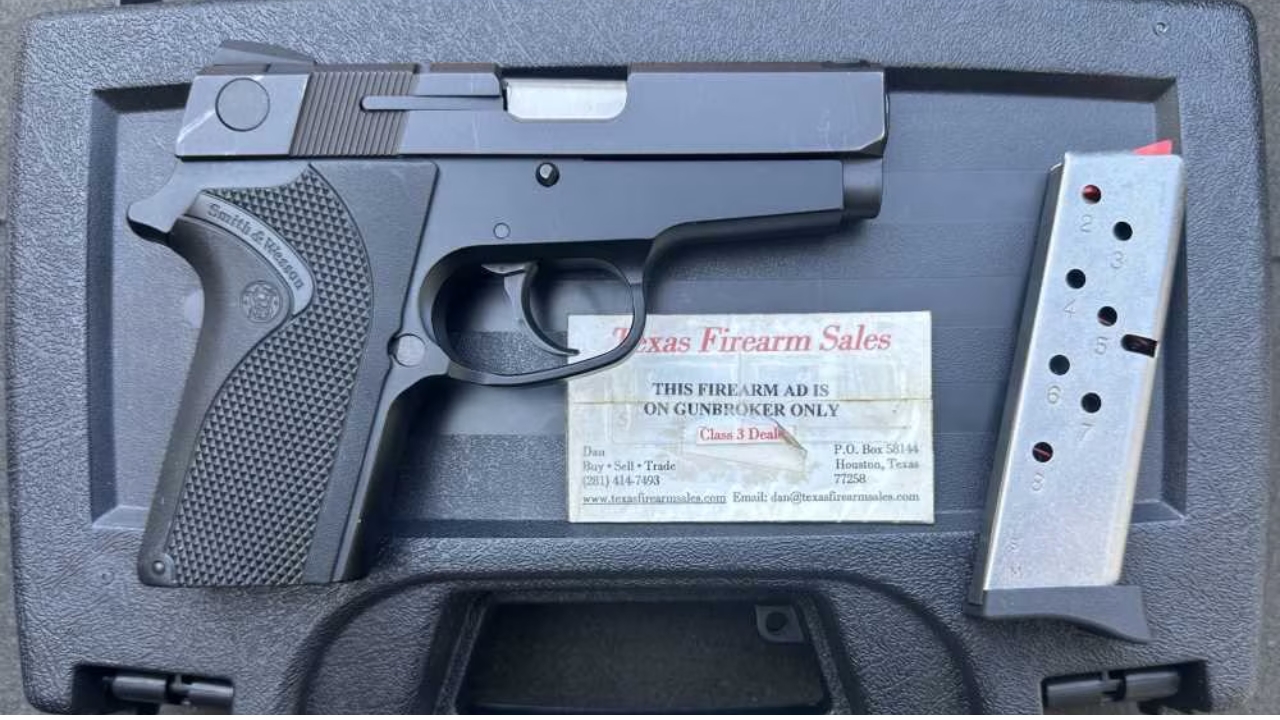
The Smith & Wesson Model 908 was doubted because it was a value-line pistol in the third-generation Smith family. Some shooters treated it like a cheaper version of better-known models, and others ignored it because the market was already shifting hard toward polymer striker-fired handguns.
That doubt did not hold up well. The 908 is slim, practical, reliable, and much better than its budget reputation suggested. It gives shooters the useful feel of a traditional metal-frame carry pistol without the collector price of some other Smith autos. As clean third-generation pistols became harder to find, the 908 started looking less like a compromise and more like a smart buy people missed.
Like The Avid Outdoorsman’s content? Be sure to follow us.
Here’s more from us: