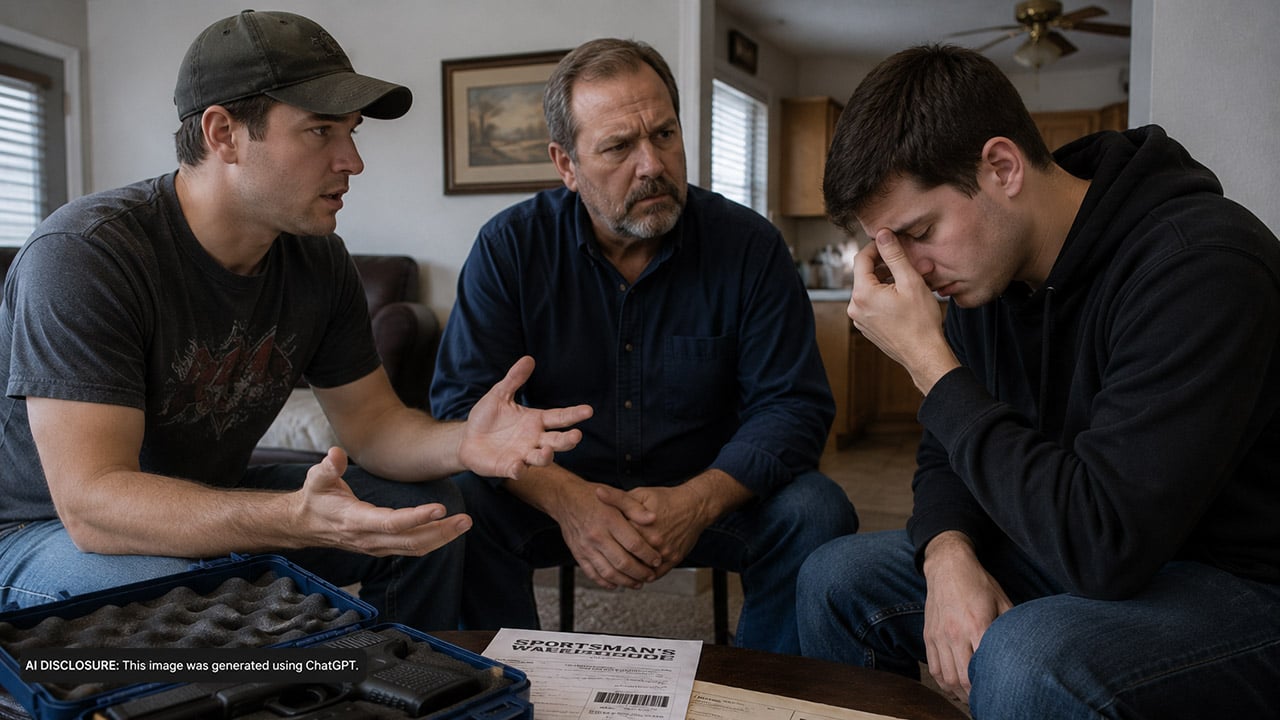
Photo credit: AI-generated image created using ChatGPT. Illustrative only
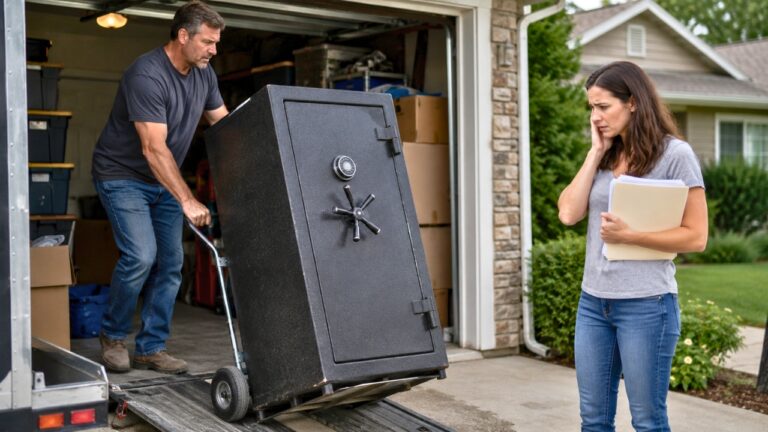
A borrowed firearm has a way of turning into a family problem fast—especially when it’s not actually yours to loan out in the first place. In a situation shared in the original post, a Utah man said he’d taken his dad’s roughly $600 gun for about a month, then let a friend borrow it for a range trip with the friend’s girlfriend.
A few days later, when he asked for it back, the friend claimed it had been stolen from his truck and said he’d filed a police report. The friend also promised—by text—that if the gun wasn’t recovered, he’d buy the dad a replacement. That’s where the story should’ve ended. It didn’t.
The first mistake: loaning out a borrowed gun
If you’ve spent any time around hunting camps and rural families, you know how this goes. A dad’s gun isn’t just “a gun.” It’s something he paid for, trusted, maybe even set up a certain way, and expects to come back in one piece. Borrowing it is one thing—handing it to a third party is another.
Even if everybody involved is a buddy and “good for it,” the responsibility chain gets muddy the second that firearm changes hands again. And when it’s a firearm, the stakes aren’t just money. It’s liability, safety, and the simple fact that a stolen gun can end up in places you never want your family name tied to.
A truck theft story and a police report… at least on paper
According to the Utah man, his friend said the gun was stolen out of the friend’s truck and that a police report had been filed. That detail matters, because once a gun is truly stolen, you want documentation attached to the incident. Not later. Immediately.
It also raises a practical question every gun owner should ask when something like this happens: did you actually see a report number, or a copy of the report, or any proof it was filed? Plenty of folks say “I filed a report” when what they mean is “I thought about it” or “I told someone I would.” When a firearm is involved, you don’t just take somebody’s word for it and move on.
The promise to replace it—and then the replacement vanished
The friend didn’t just offer a vague apology. The post says he promised over text message to buy a new gun for the dad if the stolen one wasn’t recovered. That’s a big deal, because texts can turn into a paper trail when memories get convenient and stories start changing.
About a month later, the friend apparently did buy a replacement gun. But three months went by and the replacement still hadn’t been handed over. The borrower admitted he didn’t push too hard—until it was time to move back in with his dad, when that missing gun was about to become a face-to-face issue.
Here’s the hard truth: in gun culture, “I bought it, I just haven’t given it to you yet” is a warning light. If the replacement was truly purchased for the dad, there’s no reason it should sit in someone else’s control for months.
The story changes: the replacement gun got pawned
Right before the move back home, the man asked again. That’s when the friend reportedly admitted he pawned the replacement gun to pay bills, but claimed he’d buy it back and bring it over in “a week or so.” Another month passed, and the friend stopped responding to texts.
For outdoorsmen, this is where the tone changes. A pawn shop isn’t a closet. Pawning a gun isn’t “holding onto it.” It’s turning it into cash, and it introduces a whole new mess: redemption timelines, fees, and the chance the gun gets sold out from under you.
It also underlines something that matters to everyday gun owners: the friend’s first explanation was “it got stolen.” The second was “I replaced it.” The third was “I pawned the replacement.” Whether the first theft claim was true or not, the pattern is the same—this firearm situation was handled with zero respect for what a gun represents in a household.
Can the dad take him to court—and what’s realistic?
The big question in the post was simple: can the dad take the friend to court over the gun? From a practical standpoint, the dad is the owner and the one out the value of the firearm. The son’s arrangement with the friend doesn’t erase the dad’s loss.
What’s realistic often comes down to documentation and dollars. A $600 firearm sits in that zone where small claims court is commonly discussed, because you’re usually not hiring high-dollar attorneys to chase a few hundred bucks. The text messages promising to replace the gun, along with any proof the friend bought a replacement and then pawned it, could matter a lot when it comes to showing responsibility and damages.
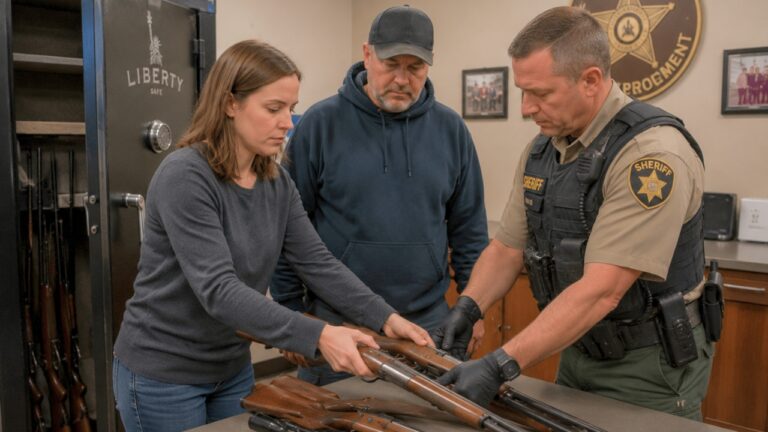
But court isn’t the only “next step” in a gun situation. If a firearm was truly stolen, that police report is important for reasons beyond getting money back. Stolen guns can be recovered later, and if a gun is tied to a crime, you want clear documentation that it was reported missing and when. That timeline can protect the lawful owner down the road.
There’s also a common-sense angle: the dad may want to be the one making calls and decisions from here out, since it’s his firearm and his property loss. That doesn’t mean an aggressive confrontation. It means handling it like adults handle property disputes—calm, documented, and through the right channels.
The outdoorsman takeaway: treat loans like liabilities
This whole mess started with a favor—then turned into a chain of favors and excuses. If you’re a gun owner, the lesson is pretty plain: don’t loan firearms casually, and don’t loan out something you borrowed from a family member. If you do, you’d better treat it like you’re responsible for replacing it the same day something goes wrong.
And if you ever hear “it was stolen from my truck,” don’t just nod and wait. Ask for the report information, document the serial number, and get the rightful owner involved immediately. A missing gun is more than missing gear—it’s a safety problem, a liability problem, and in a lot of families, a trust problem that costs way more than $600 to fix.
Like The Avid Outdoorsman’s content? Be sure to follow us.
Here’s more from us: