Photo credit: Theavidoutdoorsman.com
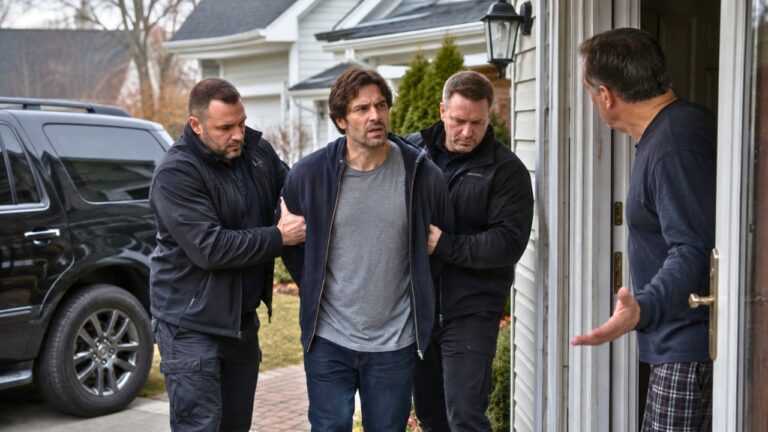
It started the way a lot of hunting seasons start for families who do it together: an early morning, a careful plan, and a kid who couldn’t stop smiling after a good, clean harvest. The difference is this one didn’t stay in the woods. It followed an eight-year-old into a classroom in the form of a printed photo, and by the next morning there was a knock at his parents’ door.
A proud moment turned into a phone call
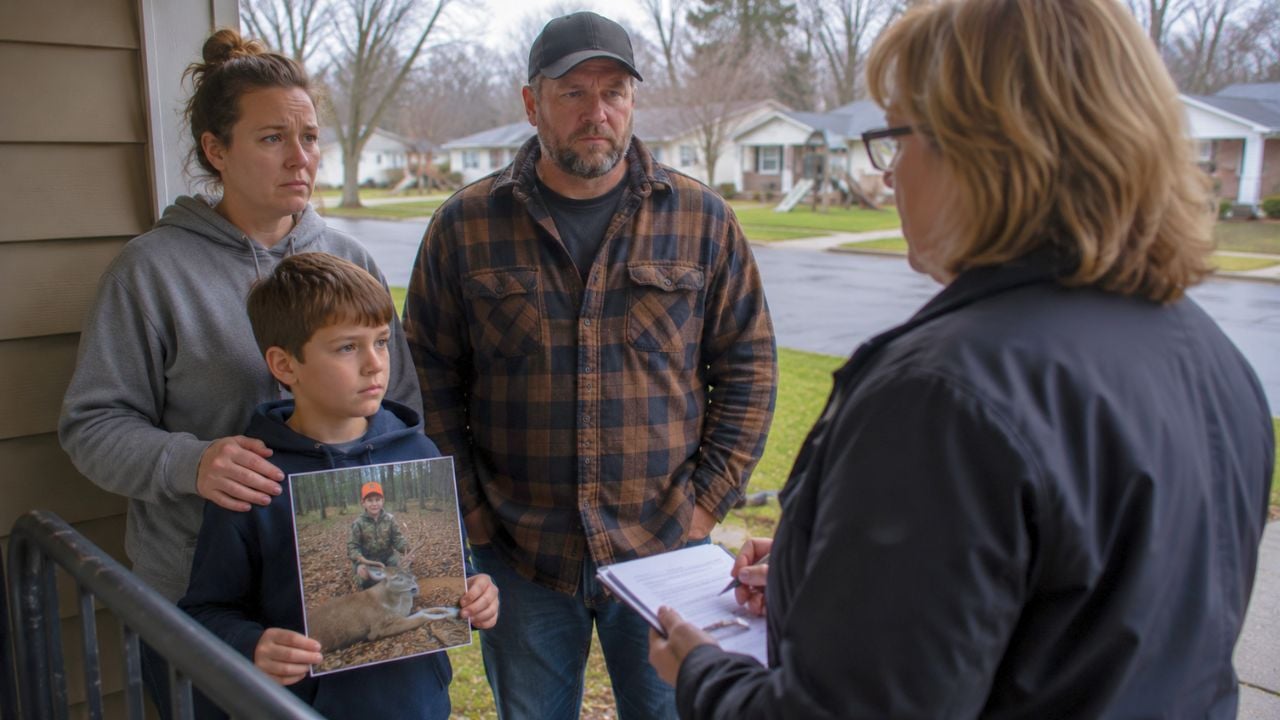
The boy had brought a picture from the weekend hunt to show his teacher and a couple friends. In the photo, he was standing behind a buck with an adult nearby, the sort of “first deer” memory plenty of us grew up with—boots muddy, cheeks red, and a grin you can’t fake.
But schools aren’t the same as they were when a pocketknife in your jeans was just a tool and a deer story at recess was normal. Somewhere between the office and the classroom, the photo got treated less like a family tradition and more like a warning sign. A staff member made a report, and that was enough to set the machine in motion.
The next-morning visit that catches families off guard
Child Protective Services doesn’t need a courtroom to show up. In a lot of states, a “mandated reporter” at a school can make a call based on concern, and the agency is obligated to at least check it out. That’s how a kid’s picture can turn into an unannounced welfare visit.
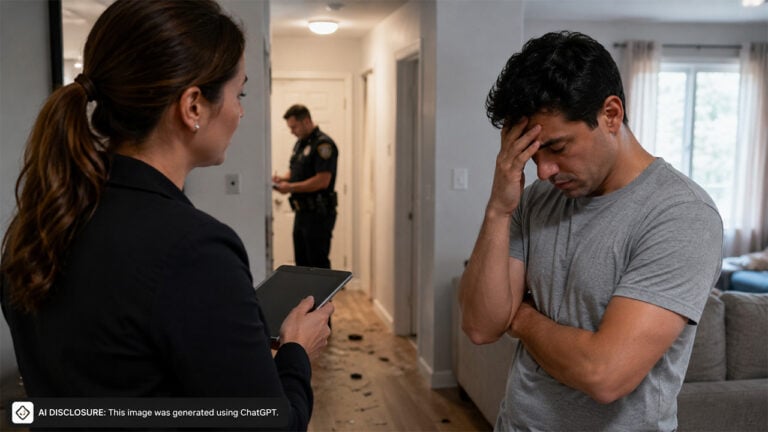
When the caseworker arrived the next morning, the parents were told the report involved “exposure to violence” and “weapons in the home.” Those phrases sound dramatic, but they’re often the exact language used when someone unfamiliar with hunting tries to describe it through a different lens.
The family did what most normal folks would do: they kept it calm, invited the worker inside, and tried to understand what the allegation actually was. Nobody wants to be rude to the person who can complicate your life with a few keystrokes, even if the whole thing feels upside down.
What the agency usually looks for in a hunting household
These visits tend to focus less on the deer and more on the basics: supervision, safe storage, and whether the child has access to firearms without an adult. The questions often go straight to where guns are kept, whether there’s a safe, and who knows the combinations or where the keys are.
That’s where some well-meaning hunting families get caught flat-footed. You can be safe in practice and still struggle to explain it clearly under pressure. “It’s up high” or “it’s unloaded” doesn’t sound as solid as “it’s in a locked safe, ammo stored separately, only adults have access.” When a stranger is filling out a checklist, details matter.
The caseworker also asked about the hunt itself: who owned the land, who was present, what kind of firearm was used, and whether the child handled it. Not every state has the same rules on minimum age, supervision requirements, or hunter education, so those questions are common even if the hunt was completely legal.
The school angle: why a photo can trigger a report
In a lot of districts, staff are trained to err on the side of reporting. They’re told they won’t get in trouble for making a call “in good faith,” but they can get in trouble for not reporting something that later becomes a problem. That pushes some people to treat anything involving kids and firearms as automatically suspicious.
Add in the modern school environment—constant talk about threats, lockdown drills, and zero-tolerance policies—and it doesn’t take much for somebody to feel like they’re “doing the right thing” by escalating. To an outdoors family, a deer photo is normal. To someone who’s never seen a hunt and only associates guns with bad news, it’s something else.
None of that makes the situation fair, but it explains why it happens. The system isn’t built to sort out cultural differences gracefully. It’s built to reduce liability.
What people around town focused on
Once word got around—because it always does—most folks didn’t argue about the deer. They argued about the process. Neighbors and other parents mostly landed in two camps: “This is ridiculous, hunting is legal,” and “If it’s no big deal, why not just cooperate and move on.”
Hunters tended to focus on practicalities. They talked about safe storage, documenting hunter education, and having clear boundaries between “kid time” and “gun time.” A few also pointed out that the photo itself matters: a child posed with an animal can read very differently depending on how it’s framed, what else is visible, and whether there’s any blood in the shot.
Some parents who don’t hunt focused on the child’s feelings at school. They weren’t necessarily against hunting, but they didn’t want their kids seeing a dead animal photo in class. That’s a fair point in its own way, and it’s where a lot of the tension lives—what’s normal at home isn’t always welcome in a shared space.
The practical steps that helped the family get through it
The parents leaned hard into being organized and calm. They showed that firearms were secured, explained that the hunt was supervised, and provided basic information that demonstrated the activity was lawful: tags, permission to hunt where they were, and the adult’s hunting credentials. They didn’t try to argue hunting philosophy with a caseworker. They stuck to facts.
They also made a smart move by shifting the conversation away from the emotional part. It’s easy to get angry when someone implies you’re a bad parent because you hunt. Anger reads as instability in official settings, even when it’s justified. Calm reads as competence.
On the school side, the family asked for a meeting with administration. Not to pick a fight, but to set expectations. If a child is going to be punished socially or disciplined for being part of a legal family activity, that becomes a separate issue from the CPS report. A lot of times, it’s not the principal driving the problem—it’s one staff member’s assumptions.
There’s a lesson here for anybody raising kids in the outdoors: the woods might be normal to you, but not everybody sees it that way. If your child is excited to share hunting memories at school, it’s worth talking ahead of time about what’s appropriate to bring in, what to say, and what to keep for family and close friends. And if you ever get that knock on the door, your best tools aren’t bravado or arguments—they’re safe storage, clean documentation, and a steady voice.
Like The Avid Outdoorsman’s content? Be sure to follow us.
Here’s more from us: