Photo credit: Misha’s Guns/Youtube
Some guns are painful to look at now because people remember exactly when they were affordable. They saw them in used cases, passed them up at gun shows, scrolled past them online, or told themselves they would grab one later. At the time, there was no urgency. The gun seemed common, weird, outdated, or just not important enough to buy that day.
Then prices moved. Availability dried up. Collectors started paying attention. Shooters realized the gun filled a role newer firearms did not. Suddenly, “I’ll get one later” turned into “I should have bought three.” These are the firearms people wish they had bought when they were still cheap.
SKS
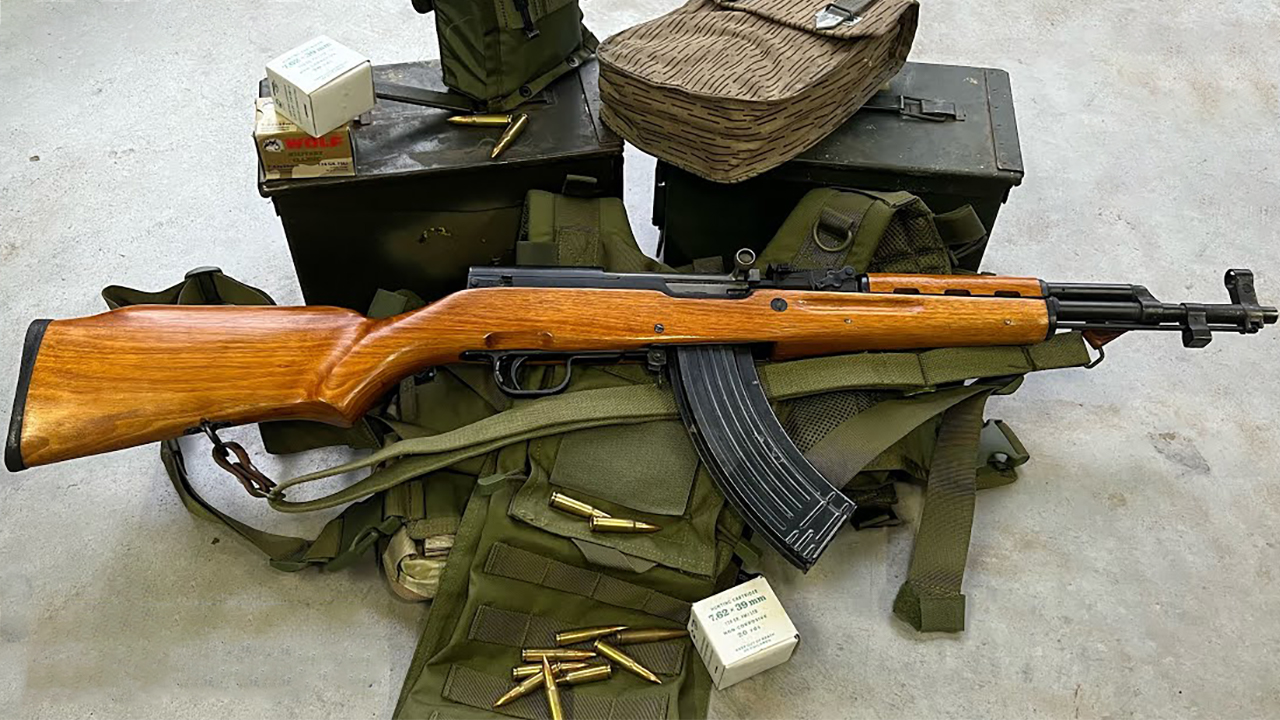
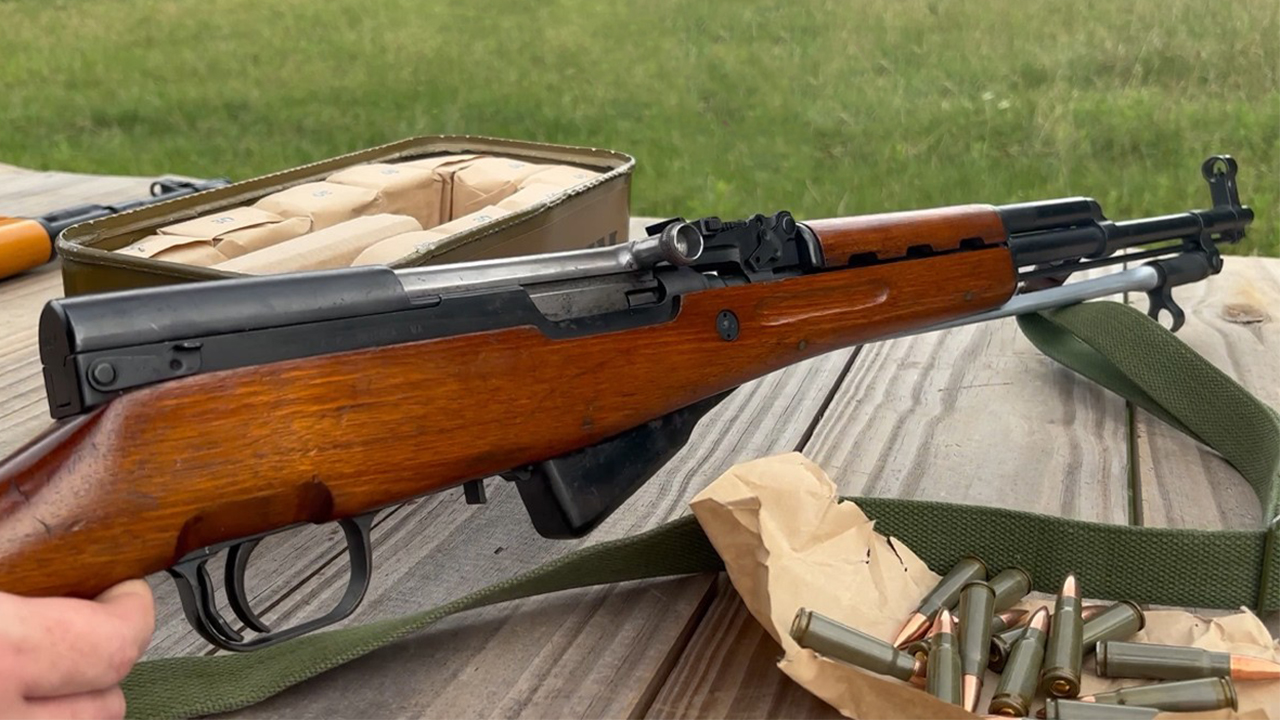
The SKS is one of the classic “should’ve bought it back then” rifles. There was a time when surplus SKS rifles were treated almost like bargain-bin centerfires. They were rugged, affordable, and chambered in 7.62x39mm, but many shooters saw them as old military leftovers rather than rifles worth taking seriously.
That attitude changed once prices climbed and clean examples became harder to find. The SKS is not an AK, and it was never meant to be one. It has its own appeal: a fixed magazine, simple gas system, mild recoil, and a durable design that can still be fun and useful at the range. Many owners modified them heavily back when they were cheap, which makes original examples even more desirable now. People who passed when they were inexpensive usually remember exactly what they cost, and that memory hurts.
Mosin-Nagant 91/30

The Mosin-Nagant 91/30 was once the rifle people bought because it was cheap, loud, and came with a pile of surplus character. For years, it was almost the default answer for someone who wanted a full-power military surplus rifle without spending much. Some shooters treated them like rough range toys because that is what the prices encouraged.
Now the old cheap-rifle jokes do not land the same way. The Mosin is still long, heavy, crude in places, and not especially refined. But clean rifles, matching examples, and interesting variants are no longer throwaway purchases. Surplus ammunition is not what it used to be either. People who walked past crates of them years ago often wish they had grabbed one while they were still inexpensive enough to buy casually.
Chinese Norinco 1911A1

The Norinco 1911A1 used to be dismissed by some shooters because it was an inexpensive Chinese-made 1911. It did not have Colt prestige, Kimber polish, or the fitted feel of higher-end pistols. For buyers who cared about names, it was easy to ignore.
That looks shortsighted now. Many Norinco 1911s earned respect for their forged steel construction and surprising toughness. Some owners used them as base guns for custom builds, while others kept them stock as rugged shooters. Import restrictions helped freeze the supply, which made clean examples more interesting over time. A pistol that once seemed like a cheap alternative now has its own following. People who passed because of the rollmark may wish they had judged the steel instead.
Marlin Camp Carbine
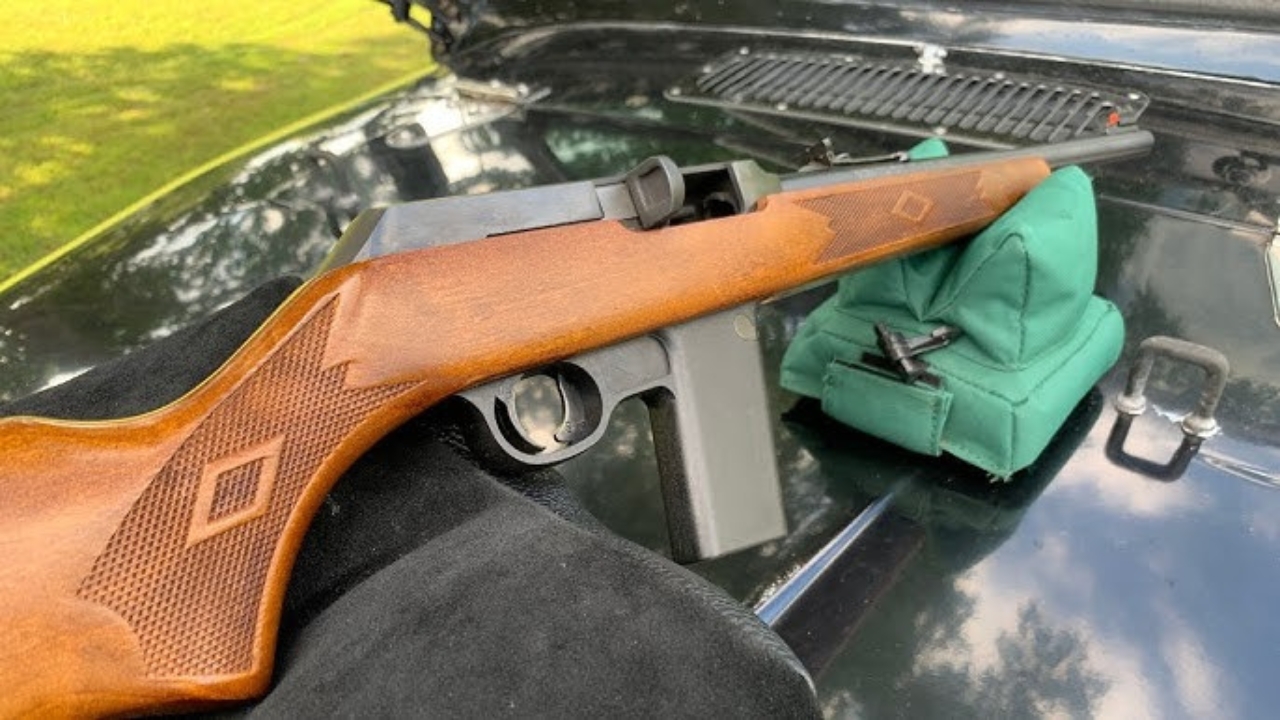
The Marlin Camp Carbine is one of those guns that felt ordinary until people realized nobody was making many things like it anymore. A simple semi-auto carbine in 9mm or .45 ACP did not seem exotic when it was around. It looked like a handy little range gun, not a future regret.
Now pistol-caliber carbines are wildly popular, and the Camp Carbine looks smarter than ever. It has traditional styling, mild recoil, and compatibility with common pistol magazines depending on version. It is not a modern tactical PCC, and older examples may need attention to buffers and springs. But the concept was solid. Anyone who saw one cheap years ago and walked away probably understands now that Marlin was ahead of the curve in a quiet, practical way.
Ruger Mini-14
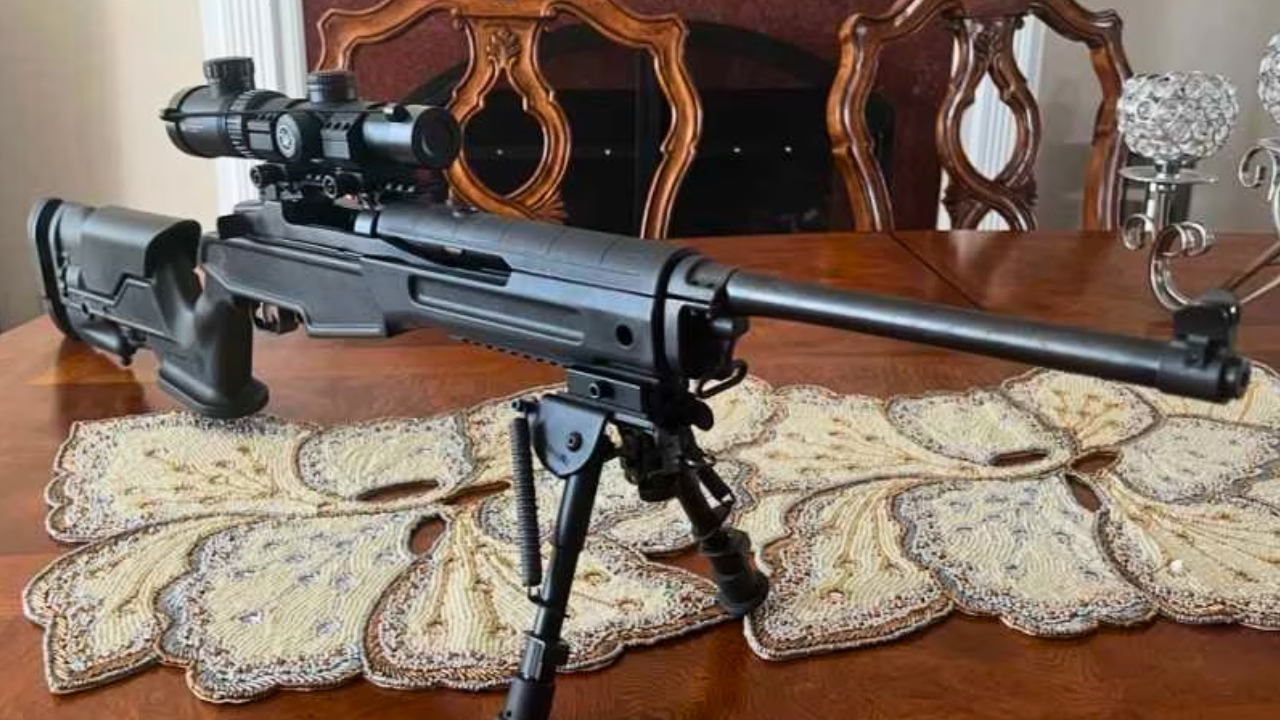
The Ruger Mini-14 was never exactly unknown, but older examples were once much easier to buy without wincing. Some shooters dismissed them because they wanted AR-15 accuracy, AR-15 modularity, and AR-15 pricing. The Mini looked old-fashioned by comparison.
That did not stop prices from climbing. The Mini-14 has its own appeal: traditional rifle handling, reliable operation, and a look that some owners prefer over an AR. It is not the best choice for someone who wants maximum precision or endless customization, but it remains a handy .223 semi-auto with a loyal following. People who passed on used Minis when they were cheaper often wish they had bought one for what it was instead of criticizing it for not being an AR.
Winchester Model 12
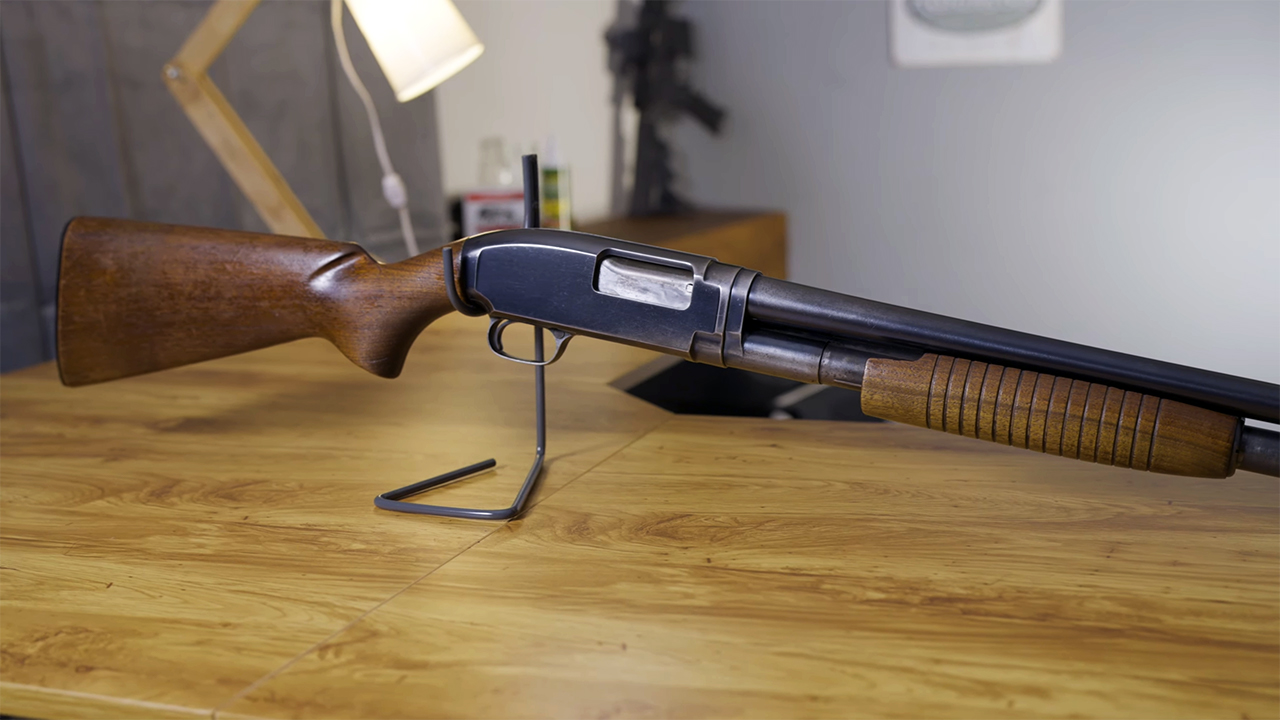
The Winchester Model 12 was once a common old pump shotgun that many hunters simply used and moved along. It did not always get treated like a treasure because there were plenty of them around. A lot of owners saw it as granddad’s shotgun, not a collectible classic.
That thinking changed as older, well-made pump guns became more appreciated. The Model 12 has a slick action, steel construction, and a level of machining that modern budget pumps rarely match. It works beautifully for birds, clays, and classic shotgun collecting, depending on configuration and condition. Clean examples, especially desirable gauges or variants, are not casual buys anymore. People who remember when they were just “old Winchesters” may wish they had paid closer attention.
Smith & Wesson Model 28 Highway Patrolman

The Smith & Wesson Model 28 Highway Patrolman used to be the less glamorous N-frame .357. It had the strength of the Model 27 but a more utilitarian finish, which made it easier for shooters to treat it like a working revolver instead of a premium piece. That kept prices reasonable for a long time.
Now that plainness is part of the charm. The Model 28 is strong, shootable, and honest. It handles .357 Magnum with confidence and makes .38 Special feel easy. It may not have the deep polish of the Model 27, but it has the same serious frame size and classic Smith feel. Owners who bought them cheaply look smart now. Buyers who passed because they wanted something prettier may regret not seeing the value in a working-class N-frame.
Remington 788
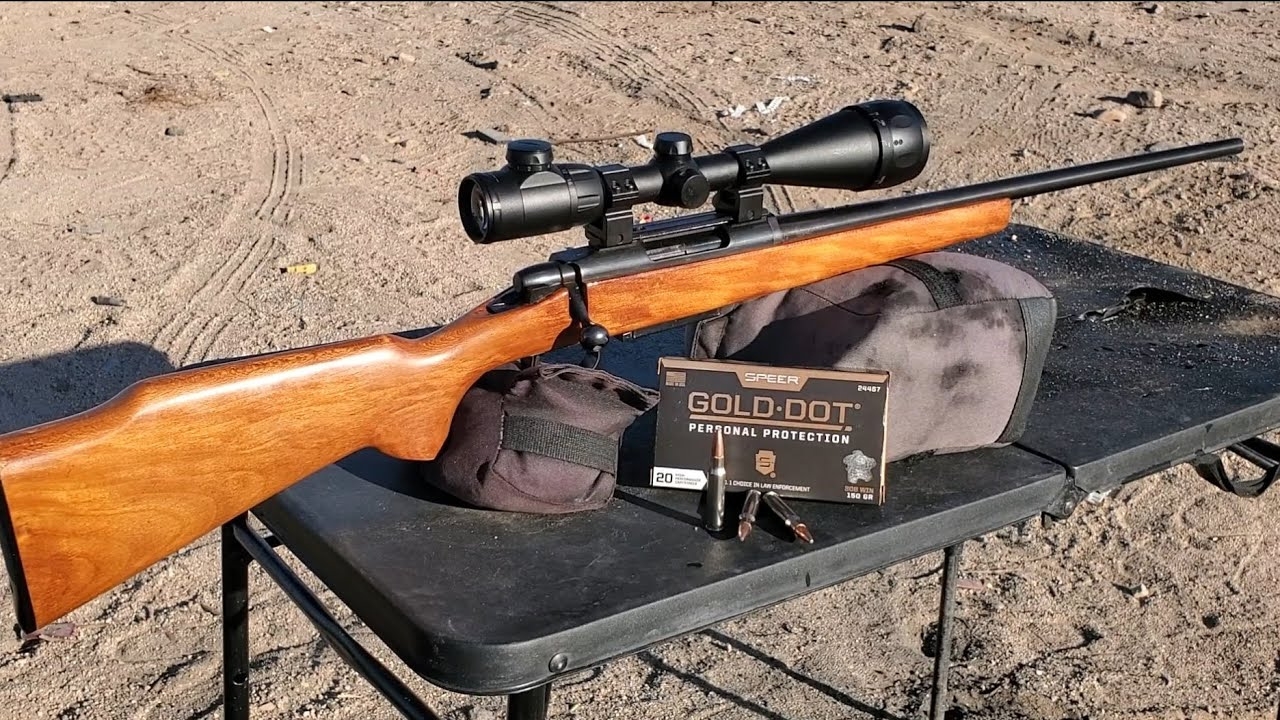
The Remington 788 was once a budget bolt-action rifle, and that label caused plenty of people to underestimate it. It did not have the prestige of the Model 700, and it looked plain. Many hunters saw it as an affordable rifle rather than something worth collecting or keeping carefully.
Then people noticed how well many of them shot. The rear-locking action, simple design, and surprisingly good accuracy gave the 788 a reputation that outgrew its original price point. Certain chamberings became especially desirable, and clean rifles are no longer the cheap sleepers they once were. It is still not fancy, but that hardly matters. People wish they had bought them cheap because the 788 proved performance can hide behind a plain stock.
Browning Auto-5
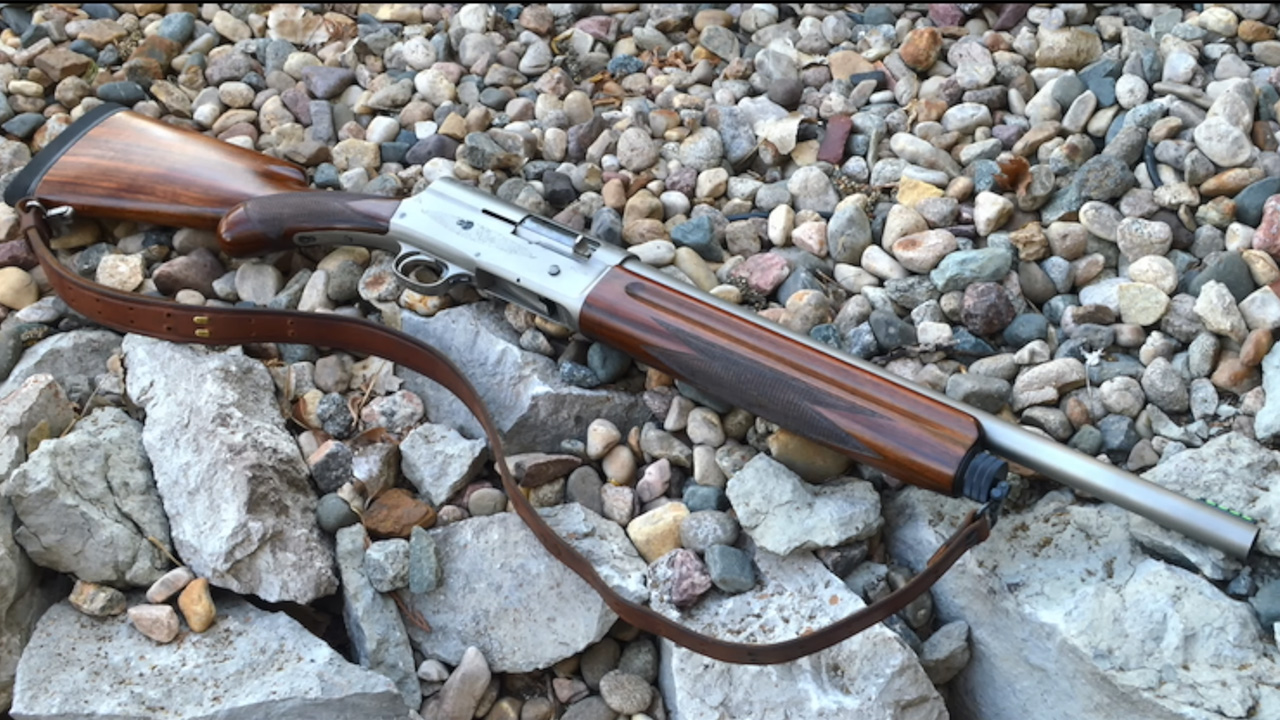
The Browning Auto-5 was once just an old humpback shotgun to many younger buyers. Modern semi-autos looked lighter, sleeker, and easier to maintain. The Auto-5’s long-recoil system and friction ring setup seemed dated to people who did not grow up with them.
Now clean Auto-5s, especially Belgian-made examples, draw much more respect. They have history, character, and a distinctive sighting plane that many shooters still love. They do require proper setup and maintenance, so they are not as carefree as some newer shotguns. But that does not hurt their appeal to people who appreciate classic engineering. Anyone who passed on a nice one when they were cheaper may now be watching prices with regret.
Colt Police Positive
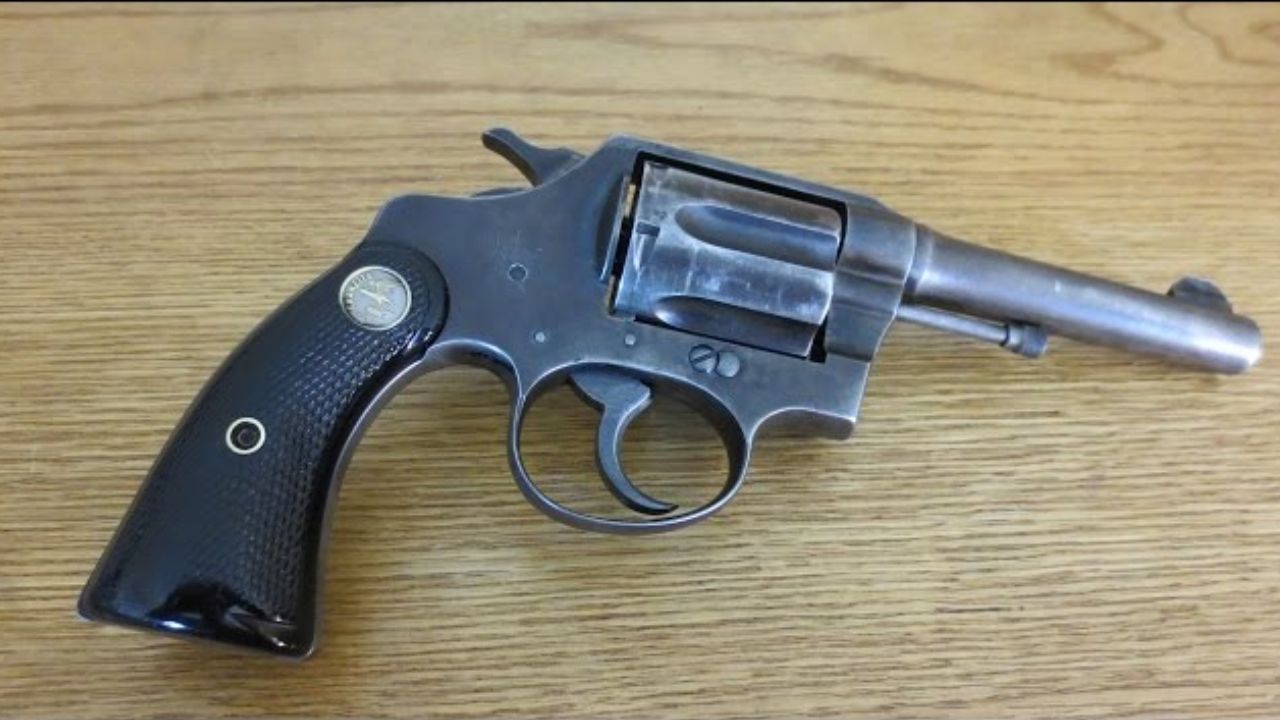
The Colt Police Positive used to be one of the easier old Colts to overlook. It was smaller, less flashy, and not tied to the same glamour as the Python, Detective Special, or Single Action Army. Many examples were chambered in modest cartridges, which kept some shooters from taking them seriously.
As older Colt revolvers climbed in value, the Police Positive started looking more interesting. It has classic Colt lines, historical importance, and a refined feel that modern small revolvers do not always match. Condition matters, and caliber can affect interest, but nice examples are no longer something to shrug at. People who once passed on them because they were “just old police revolvers” may wish they had bought when the market was sleeping.
Ruger 44 Carbine
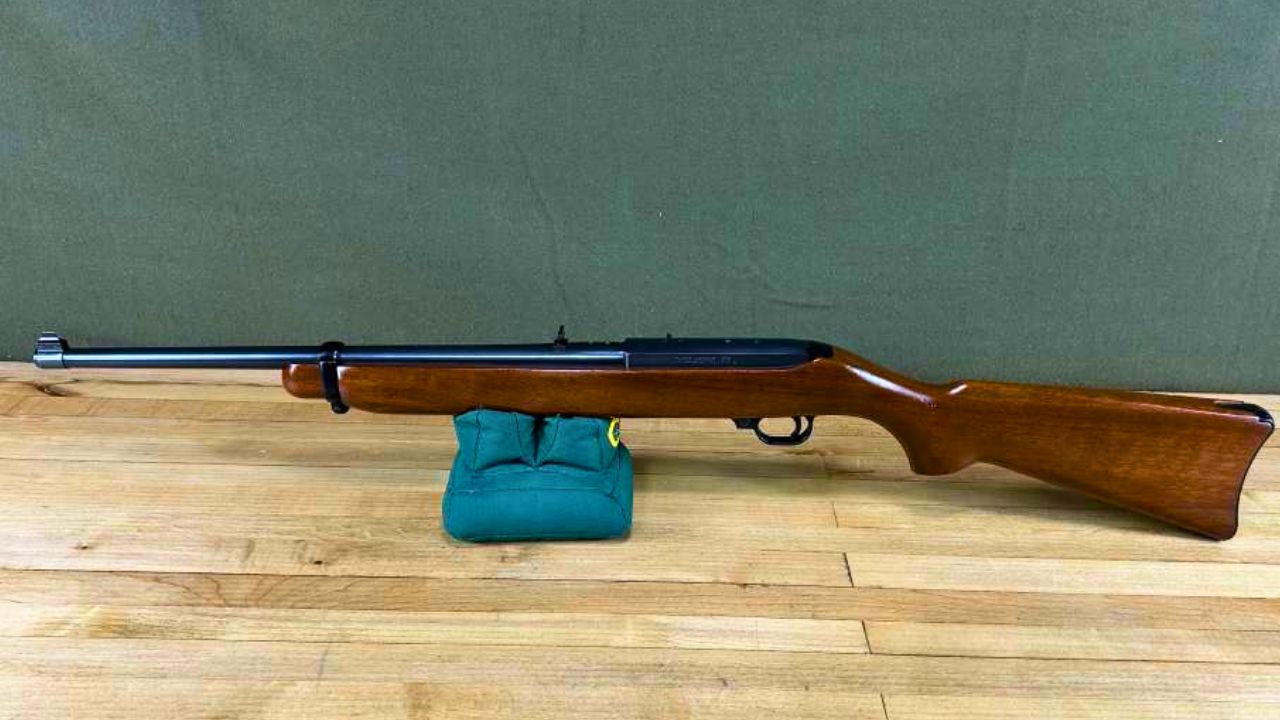
The Ruger 44 Carbine was easy to underestimate when pistol-caliber and big-bore semi-auto carbines were not getting as much attention. It looked like a handy little woods rifle chambered in .44 Magnum, useful but somewhat niche. Plenty of hunters probably thought about buying one and then moved on.
Now the 44 Carbine has a much stronger pull. It is light, quick-handling, and effective at short ranges on deer and hogs where legal and appropriate. It also has a unique place in Ruger history. These rifles can require attention to maintenance and ammunition preferences, but a good one is a very cool woods gun. People who saw them cheap years ago may wish they had understood how scarce and desirable they would become.
Savage 24
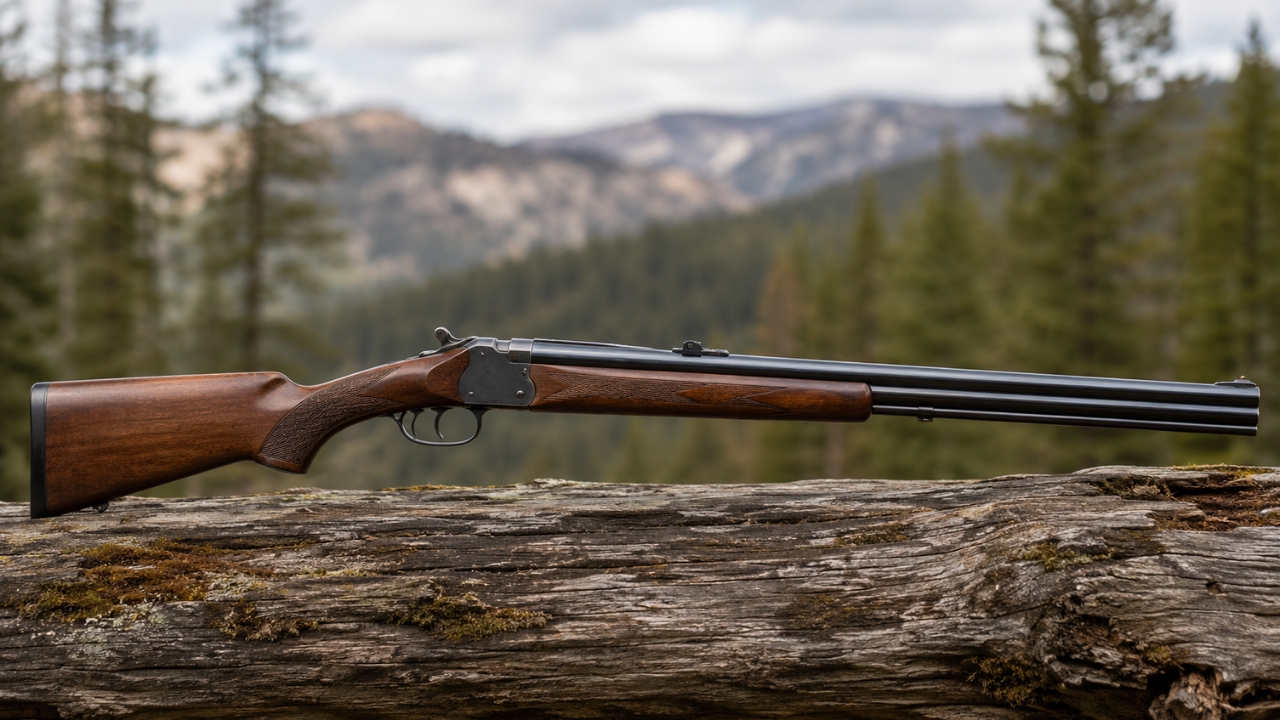
The Savage 24 combination gun was once treated like a practical farm, camp, or small-game tool. A rifle barrel over a shotgun barrel seemed useful, but not exactly glamorous. That made them easy to overlook when prices were lower.
Today, the Savage 24 has a following because combination guns are not common in the American market. It can be handy for small game, pests, camp use, and walking land when a person does not know what kind of shot may appear. It is not fast to reload, and it is not as good as a dedicated rifle or shotgun for specialized work. But that flexibility is the whole point. People who passed on cheap examples now realize useful oddballs do not stay cheap forever.
Smith & Wesson Model 39

The Smith & Wesson Model 39 was once an older single-stack 9mm that many shooters saw as outdated. It had limited capacity, DA/SA controls, and no modern features. Once polymer pistols took over, the Model 39 looked like a pistol from another world.
That other world has become more appealing. The Model 39 is slim, graceful, and surprisingly pleasant to shoot. It has a classic alloy-frame feel that newer carry pistols rarely duplicate. It is not the easiest gun to support now, and buyers need to consider magazines, parts, and condition. But clean examples have become more appreciated because they represent an important American semi-auto design. People who ignored them when they were cheap may wish they had bought a piece of that history.
H&R Handi-Rifle
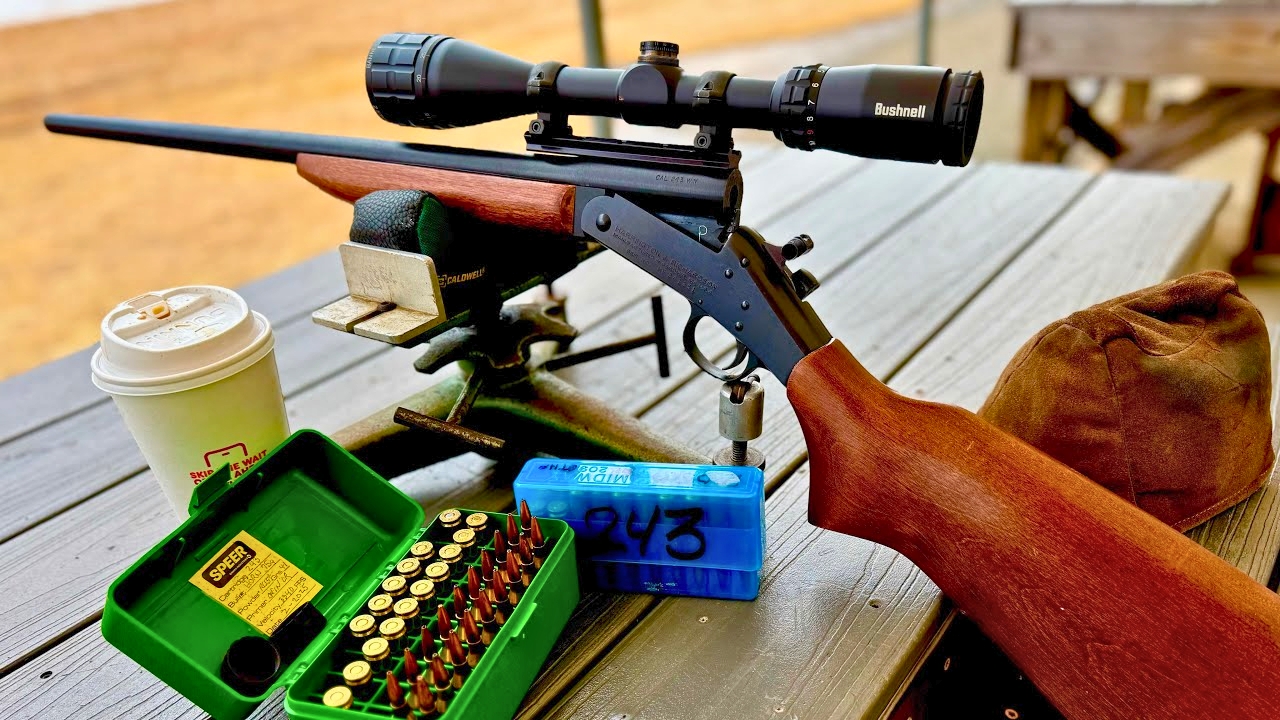
The H&R Handi-Rifle used to be one of the most affordable ways to get a simple hunting rifle. It was a basic break-action single-shot, and that simplicity made some shooters dismiss it as cheap or limited. Many owners bought them as truck guns, youth rifles, or spare hunting tools.
Now they have become more interesting because they are no longer everywhere. The Handi-Rifle came in useful chamberings, including straight-wall options that became especially relevant in certain hunting states. It is not refined, and the trigger or accuracy can vary by individual rifle. But the concept is practical: simple, compact, and affordable. People who once ignored them because they were inexpensive now sometimes pay more than expected to get one back.
Beretta 70 Series Pistols
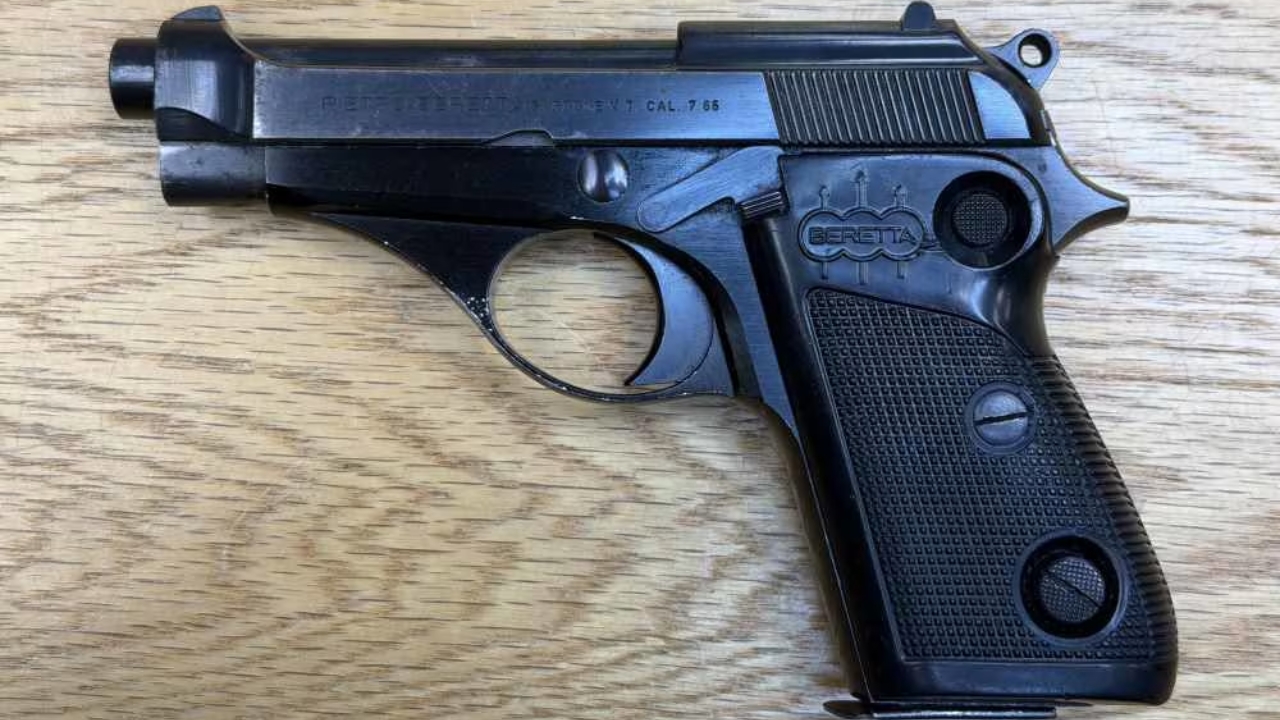
The Beretta 70 Series pistols were easy to overlook when small older automatics were not bringing much excitement. Chambered in calibers like .22 LR, .32 ACP, and .380 ACP depending on model, they looked like slim little pistols from another era. Many shooters were chasing larger defensive guns or modern carry pistols instead.
Now these Berettas have more collector and shooter appeal. They are elegant, well-made, and often more pleasant than many modern pocket pistols. Certain models, import markings, and conditions matter a lot, which makes clean examples more desirable. They are not the most practical defensive choice today, but they have charm and quality in spades. People who passed when they were inexpensive may now realize little old Berettas were worth more attention.
Like The Avid Outdoorsman’s content? Be sure to follow us.
Here’s more from us: