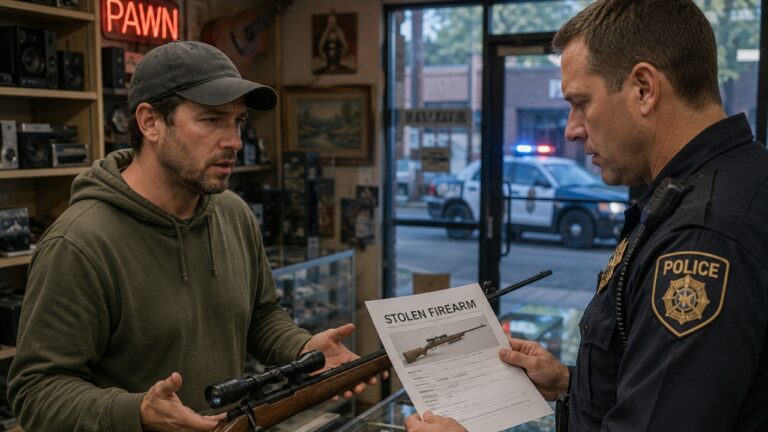
Photo credit: AI-generated image created using ChatGPT. Illustrative only
When you’ve got raccoons ripping chickens through wire in the middle of the night, you don’t have time for a bunch of runaround. You want to handle the problem safely, on your own property, and inside the law—especially when neighbors are close enough to hear every shot.
That’s exactly where an Iowa hunter found himself, in a situation he laid out in the original post: he did his homework, called the right offices, got verbal confirmation from a county conservation officer, even gave dispatch a courtesy heads-up—and still had a deputy show up, lecture his parents, and threaten an arrest for doing what the DNR told him was legal.
A simple predator problem on a small farm parcel
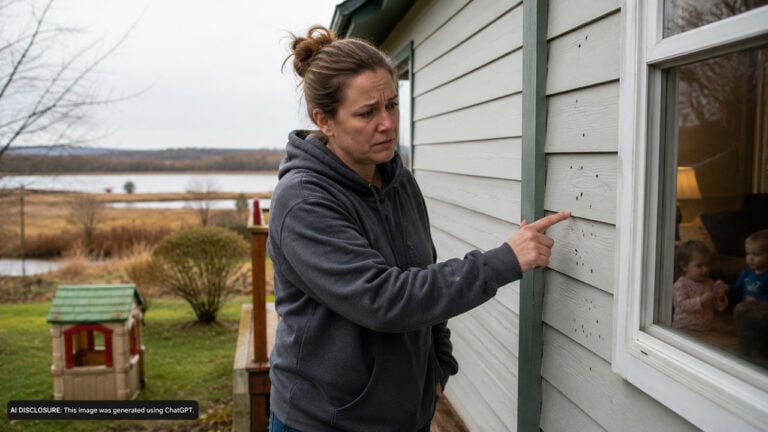
The setup is familiar to anyone who’s lived on the edge of town where farm ground turns into houses. The family had about three acres, zoned Agricultural Residential, with fruit trees, some timber/firewood sales, and chickens tied to a 4-H project. It wasn’t a hobby “range” plan or a weekend of target shooting—just trying to stop raccoons that were killing birds.
And these weren’t shy critters. The hunter described raccoons that had gotten bold around the yard after dark, to the point where one came within about a foot while he was outside with food nearby. They tried trapping and poison, but once a raccoon got taken, the rest supposedly wouldn’t touch the setup.
He called DNR first—and got a green light with conditions
Instead of just stepping outside and making it happen, he started by calling the sheriff’s office, which referred him to the DNR. According to his account, the county conservation officer told him problem raccoons could be taken, but he still had to follow state hunting laws.
One rule that immediately mattered was the “200-yard” restriction around buildings, livestock, and feedlots. His property was a long strip with development next door, and depending on where he stood, there were buildings within 200 yards on either side. That’s exactly the kind of detail that can turn a nuisance-animal situation into a real mess if you don’t slow down and read the law.
The exemption he found—and why the wording matters
Digging into Iowa Code, he focused on section 481A.123, which generally prohibits discharging a firearm or shooting at game or fur-bearing animals within 200 yards of an inhabited building or livestock building without consent. But he also found a carve-out: the restriction “does not apply to the discharge of a firearm on a farm unit by the owner or tenant… or by a family member.”
From there, he went deeper into the definition of “farm unit” and the related definitions used for landowner/tenant licensing. Part of what tripped him up was language about being “certified by the commission,” which he linked to the process used to qualify for landowner deer/turkey tags. The key detail in his later DNR contact was that the landowner registration process was tied to free tags—not to whether the exemption existed for shooting on owned agricultural land.
A deputy shows up anyway and threatens a felony arrest
After DNR contact, the hunter called the non-emergency dispatch line and did what a lot of responsible rural folks do: he gave a heads-up that there may be gunshots around dusk, provided the address, and left a contact number. He wasn’t trying to stir the pot—he was trying to keep a “shots fired” call from turning into an unnecessary police response.
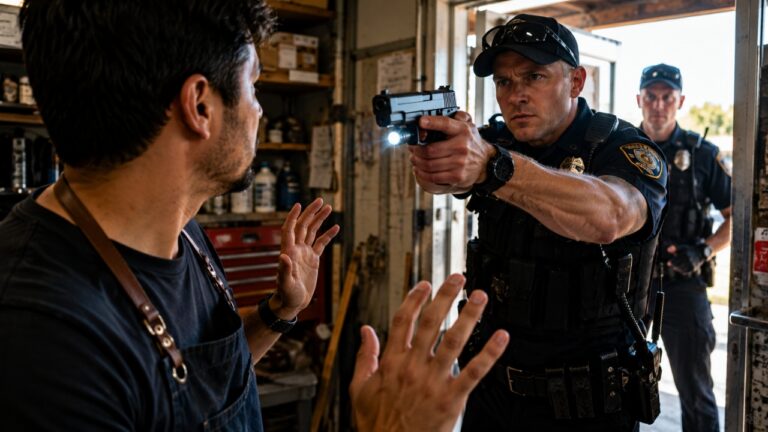
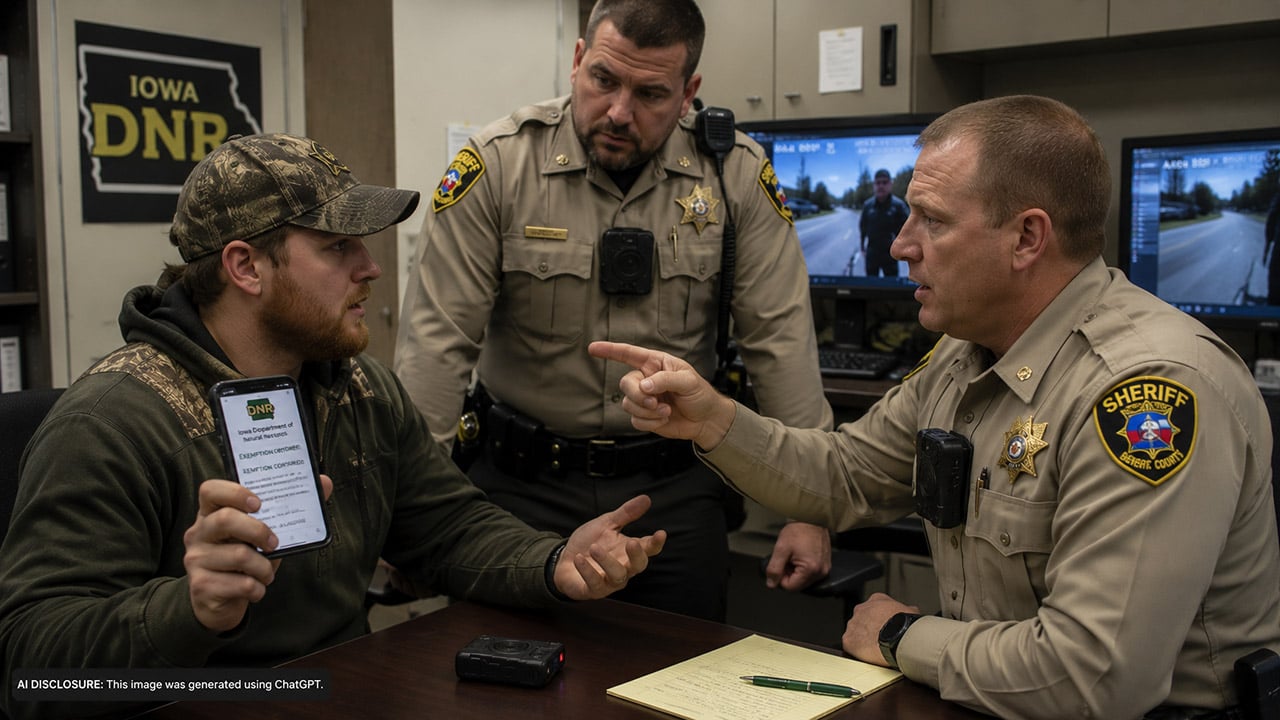
Instead, he says a deputy came to the house while he was at work and questioned his dad about where they’d be shooting. Then the deputy reportedly warned the family that if the hunter proceeded, he’d be arrested and face felony gun charges. The deputy also allegedly insisted the DNR “would not” have given permission and demanded to know who at DNR had said it was okay.
When the hunter called back to clarify, the tone got worse. In the account, the deputy dismissed the DNR contact as “irrelevant,” told him it was illegal to shoot near others’ property, and then cut the call short when the hunter pressed the basic question: if he shot a raccoon, would he be arrested?
What this looks like from the landowner side
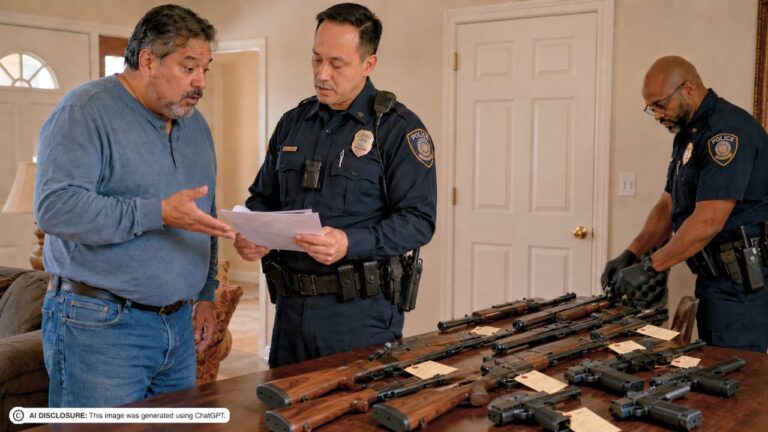
This is the spot that frustrates responsible hunters and landowners: you try to do it right, and it feels like you’re still one badge away from having a terrible night. The hunter wasn’t talking about spraying rounds—he mentioned 15–20 shots around dusk, on his family’s land, to deal with nuisance raccoons. He also mentioned owning an AR-15, which can make some folks react before they ever look at the facts.
But the bigger issue isn’t the rifle model. It’s that a deputy appeared to be treating a DNR-confirmed exemption like it didn’t exist, while also escalating the stakes by talking about felonies. Whether the deputy misunderstood the statute, applied a different rule, or simply didn’t want any shooting near a development, the end result was the same: a law-abiding landowner felt cornered.
A sergeant reviews the bodycam and the situation flips
The story took a turn when the hunter escalated it the right way—up the chain. He called the sheriff’s department dispatch and asked for a callback from what he described as the most level-headed sergeant. That sergeant pulled up the laws in question, confirmed the exemptions were valid as the hunter understood them, and agreed the planned shooting approach was safe and shouldn’t cause problems.
Then came the part a lot of outdoorsmen will appreciate: the sergeant reportedly reviewed the deputy’s bodycam footage from the interaction with the hunter’s dad and said the situation would be handled. According to the hunter, the sergeant indicated it was the deputy’s “second strike,” and that another incident could lead to more serious discipline. The sergeant also said he’d send an update to deputies so it wouldn’t happen again, and even provided his personal cell number in case anyone else decided to hassle the family that night.
That’s how it’s supposed to work. Not every mistake needs a public spectacle, but when someone in authority is wrong and it impacts a citizen’s rights, it needs correction—fast.
The practical takeaway for rural hunters and landowners is simple: document your contacts, know the specific statute you’re relying on, and if an officer on scene is clearly off-track, don’t argue your way into cuffs. Ask for a supervisor, be calm, and keep it about the law and safety. In this case, a body camera and a level-headed sergeant were the difference between a nuisance raccoon problem and a life-altering arrest.
Like The Avid Outdoorsman’s content? Be sure to follow us.
Here’s more from us: