Photo credit: Bass Pro Shops
Ammo pickiness is one of those problems you don’t notice until you’re the guy standing at the counter buying whatever’s left on the shelf. One week it’s cheap ball, next week it’s a different bullet profile, then you stumble into a random case of steel-cased stuff, or you switch to a defensive load that has a wider hollowpoint mouth. Some pistols chew through all of it without a hiccup. Others start acting like they need a personalized diet and a bedtime story.
The pistols below have earned their reputations the hard way. They tend to run across a wide spread of bullet shapes and power levels when they’re in spec, properly sprung, and fed from good magazines. That doesn’t mean you ignore maintenance or pretend every gun will run every load forever. It means these models are usually the ones that keep going when your ammo situation gets weird.
Glock 19

If you want a pistol that usually runs on whatever you can find, the Glock 19 is the safe bet. The geometry is forgiving, the feed path is straightforward, and the gun has a long track record of cycling everything from cheap range ball to modern defensive loads without turning into a stoppage machine.
You still do your part. Good magazines matter, and a worn recoil spring can turn “reliable” into “moody” over time. But as a platform, the G19 is known for not being picky about bullet profiles. When you’re mixing brands and case materials, it’s the kind of pistol that tends to keep going. That’s why you see them everywhere, from holsters to range bags.
Glock 17

The Glock 17 has the same core strengths as the 19, with a little more slide mass and a longer grip that can make consistency feel easier. The result is a pistol that often runs smoothly across a wide spread of ammo, including a lot of the budget stuff people practice with by the case.
If you’re the type who buys whatever is on sale, the 17 usually doesn’t punish you for it. Keep your mags in good shape, don’t ignore spring replacement when round counts climb, and it’ll keep feeding hollowpoints, ball, and most common loads without drama. The 17 also tends to be easy to keep running in dirty, high-volume practice. For a “grab any ammo and go shoot” pistol, it’s hard to argue with.
Smith & Wesson M&P 2.0

The M&P 2.0 series has a reputation for being a solid “runs with everything” duty-style pistol when it’s set up right. The feed geometry and magazine design generally handle a range of bullet profiles well, which matters when you’re switching between practice ammo and carry ammo.
Where people get themselves in trouble is trying to tune it into something it isn’t, or mixing questionable aftermarket parts. In a normal configuration with good mags, the 2.0 tends to cycle reliably with common 115, 124, and 147 grain 9mm loads, including many hollowpoint shapes. It’s also a pistol that can take high round counts without needing babying, as long as you keep up with basic maintenance and replace springs on a sensible schedule.
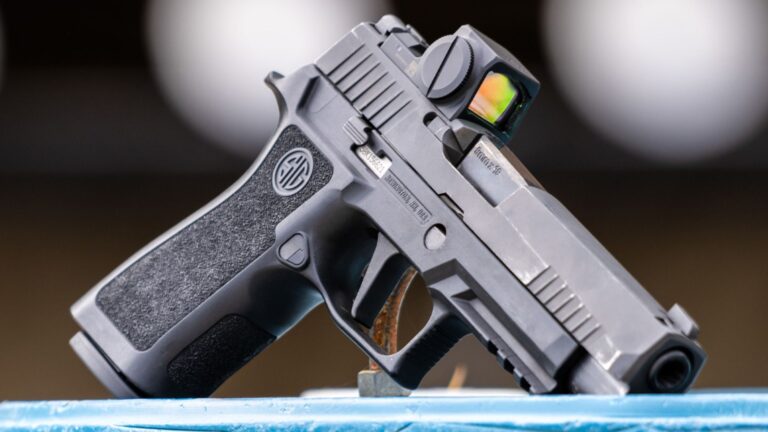
SIG Sauer P320

The P320 has proven itself as a high-volume pistol that usually doesn’t care much about ammo variety, especially in its common 9mm configurations. It tends to feed modern hollowpoints well, and it usually cycles range ball without complaining, which is what most people actually need.
Like any striker gun, it’s not immune to issues if you run worn magazines or neglect springs forever. But as a platform, it’s built to run in duty-style conditions, and that generally includes eating whatever training ammo gets issued or purchased in bulk. If you want something that feels comfortable in the hand and doesn’t act temperamental when you swap brands and bullet profiles, the P320 is one of the usual suspects for good reason.
SIG Sauer P226

The P226 is one of those pistols that built its name on reliability in the real world, not on internet arguments. In 9mm, it’s typically very tolerant of different ammo types, including varied hollowpoint designs. The feed system and overall mass help it cycle smoothly across a wide spread of loads.
It’s also a gun that tends to keep running when things get dirty, which matters when you’re shooting a lot of cheap practice ammo. The main reliability lever is magazines. Run good mags, keep it lubed, and the P226 usually won’t punish you for grabbing whatever box was available that week. If you want an established service pistol that acts boring in the best way, this is one that rarely surprises you.
Beretta 92FS

The Beretta 92FS has a long history of feeding well across different bullet profiles, and that open-slide design has a way of making cycling issues less common. In 9mm, it’s often the pistol that will run the ammo other guns get fussy about, especially when you’re dealing with mixed practice loads.
It’s not a tiny gun, and that size helps. The mass and springing tend to smooth out the cycle, which can make it more tolerant of different power levels. Keep an eye on magazines and basic wear parts, and it’ll usually feed ball and modern hollowpoints without drama. If you’ve ever watched a 92 run through a pile of random range ammo like it’s nothing, you understand why it keeps showing up on “reliable pistol” lists.
Beretta PX4 Storm

The PX4 is one of the most underrated “it runs” pistols out there. In 9mm, it tends to cycle a wide range of ammo reliably, and it often feels soft in recoil, which helps you stay consistent behind the gun during long practice sessions.
The design doesn’t get the same hype as some of the usual names, but the real-world reputation is that it keeps feeding and extracting without being picky. It also tends to handle modern defensive hollowpoints well, which is where some pistols show their preferences. If you want a gun that often acts like it doesn’t care what you load, the PX4 deserves more respect than it gets. Keep the mags solid and the gun reasonably clean, and it tends to stay boring.
HK VP9

The VP9 is a modern striker pistol that generally feeds well across a range of ammo, including many hollowpoint profiles that can trip up more finicky guns. HK’s track record for reliable service pistols shows up here in the way the gun cycles and how consistent it feels with mixed ammo.
It’s also a pistol that tends to run smoothly when you’re shooting a lot of rounds, which matters when you’re burning through bulk training ammo. As always, the boring stuff matters: good magazines, sensible spring replacement, and not turning it into a science project with questionable parts. In a normal setup, the VP9 is often the kind of pistol you can hand to someone with a pile of random ammo and trust it to keep going.
HK P30

The P30 is one of those pistols that feels like it was built to survive hard use, and its reliability reputation is not accidental. In 9mm, it usually feeds a wide range of bullet shapes well, and it tends to keep cycling even when the gun is dirty or the shooter isn’t being perfect.
That matters because ammo variety is only half the problem. The other half is real-life grip, stress, and imperfect conditions. The P30 tends to be forgiving, and that forgiveness shows up when you’re switching between different practice loads and carry loads. If you want a hammer-fired pistol that’s known for running and running, this is a strong candidate. Keep it lubed, keep your magazines in shape, and it typically stays dependable.
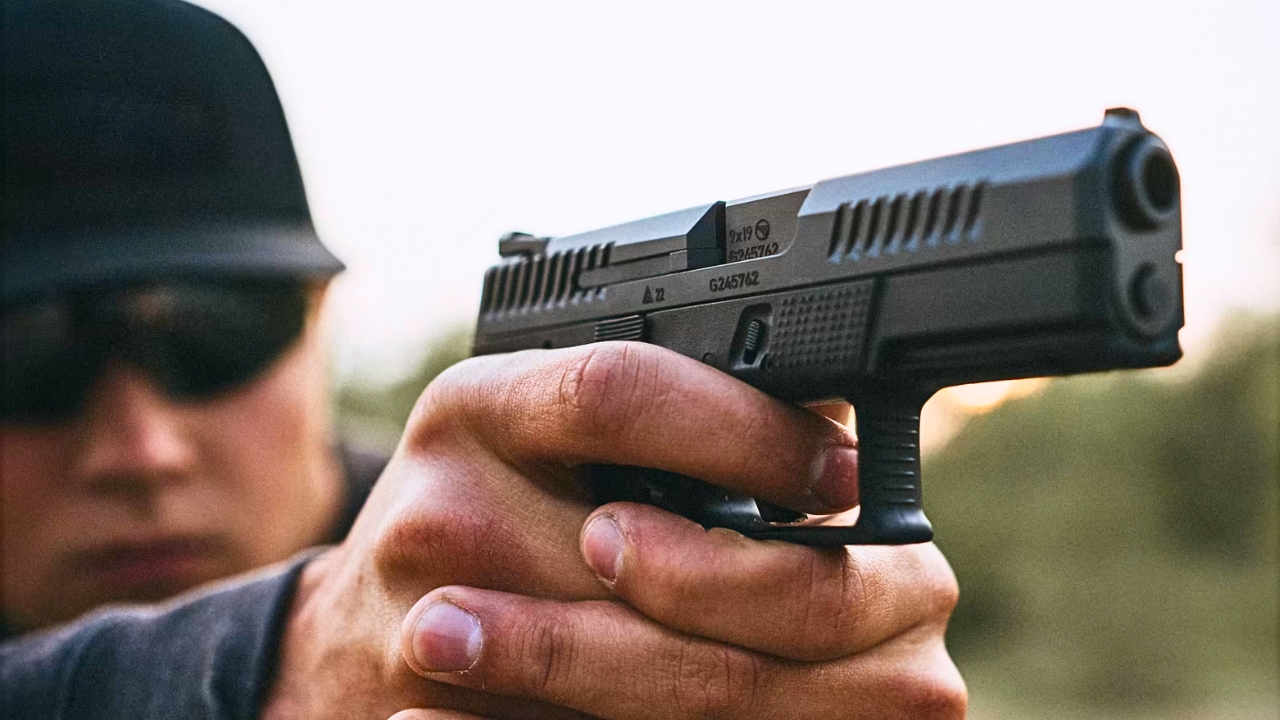
CZ P-10 C

The CZ P-10 C has earned a reputation as a striker pistol that runs well on a broad selection of ammo. It’s generally not fussy about common bullet profiles, and many shooters find it cycles smoothly with both cheap training ammo and modern defensive loads.
The biggest thing to watch with any pistol in this category is magazine condition and lubrication. But in normal use, the P-10 C tends to be the kind of gun that doesn’t make you chase a perfect load. If you’re mixing brands or you’re working through whatever you can find, it’s a model that often keeps feeding without surprises. It also tends to shoot well enough that you can actually take advantage of that reliability instead of fighting the gun.
CZ 75B

The CZ 75B has a long reputation for being a steady, reliable pistol, and in 9mm it generally feeds a wide range of ammo without acting picky. The design has been around a long time for a reason, and it tends to handle typical ball and hollowpoint ammunition with consistency.
It’s also a gun that can run a lot of rounds when you keep it maintained. Some shooters neglect lubrication on all-metal pistols and then blame the ammo when things get sluggish. Give it reasonable lube, use solid magazines, and it usually keeps cycling. If you like the feel of steel and you want something that tends to run regardless of which 9mm box you grabbed at the store, the 75B is a dependable pick.
Ruger P89

The Ruger P89 is not a trendy pistol, but it has a reputation for being stubbornly reliable with varied ammo. Many of these older Ruger P-series guns will chew through mixed practice ammo without turning into a malfunction clinic, and they often feed hollowpoints better than you’d expect for their era.
They’re bulky, the triggers aren’t everyone’s favorite, and none of that matters when you’re talking about a pistol that keeps running. The P89 was built like a tool, and that mindset shows up in how it handles imperfect conditions and less-than-exciting ammo. If you have one, you already know the vibe: it’s not there to impress anyone. It’s there to fire every time you press the trigger, even when your ammo selection looks like a yard sale.
Walther PDP
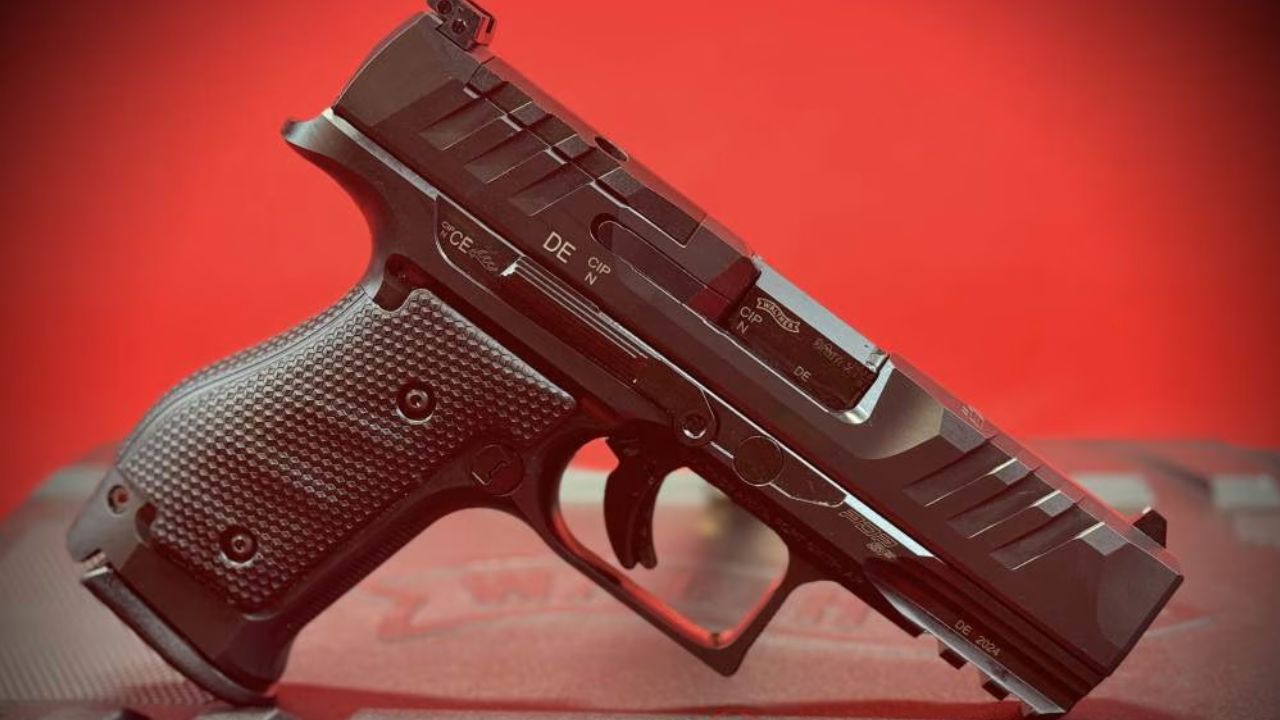
The Walther PDP is a newer striker pistol that has shown a strong reputation for feeding modern ammo shapes reliably, including a lot of defensive hollowpoints that some guns can be sensitive to. It’s also a gun that tends to run well with typical bulk training ammo, which is what most people shoot the most.
Reliability still comes down to basics. Good magazines, proper lubrication, and not pushing marginal handloads or oddball stuff beyond what the gun was built to handle. But in normal factory-ammo use, the PDP has been a solid performer. If you want a pistol that feels modern, shoots fast, and generally doesn’t care what you load into it week to week, it belongs in this conversation.
FN 509

The FN 509 is a duty-focused striker pistol that’s built around reliability, and that usually shows up in how it handles mixed ammo. It tends to feed common bullet shapes well and cycle reliably across the standard range of 9mm loads shooters actually use.
It’s also a pistol designed to live through high round counts, which matters when you’re shooting bulk ammo that’s dirty or inconsistent. Keep your magazines clean and in good shape, keep the gun reasonably lubricated, and it typically stays dependable. When you’re looking for a pistol that feels like it was made to run in boring, repeatable fashion no matter what you stuffed in the mags, the 509 is one of the models that tends to back up that expectation.
Glock 45

The Glock 45 blends a compact slide with a full-size frame, and that combo tends to be very forgiving. You get good control, solid magazine reliability, and the same feed behavior Glock is known for. If your ammo stash is a mix of brands, bullet shapes, and power levels, the G45 usually doesn’t care.
Where it shines is in consistency. The full grip makes it easier to shoot well when you’re running a lot of rounds, and the system tends to keep cycling even when the ammo quality isn’t impressive. Again, mags and springs are the real wear items, not magic. But as a model, the G45 has a reputation for running across the board, which is exactly what you want when you don’t control what ammo you’re going to end up with.
Glock 26
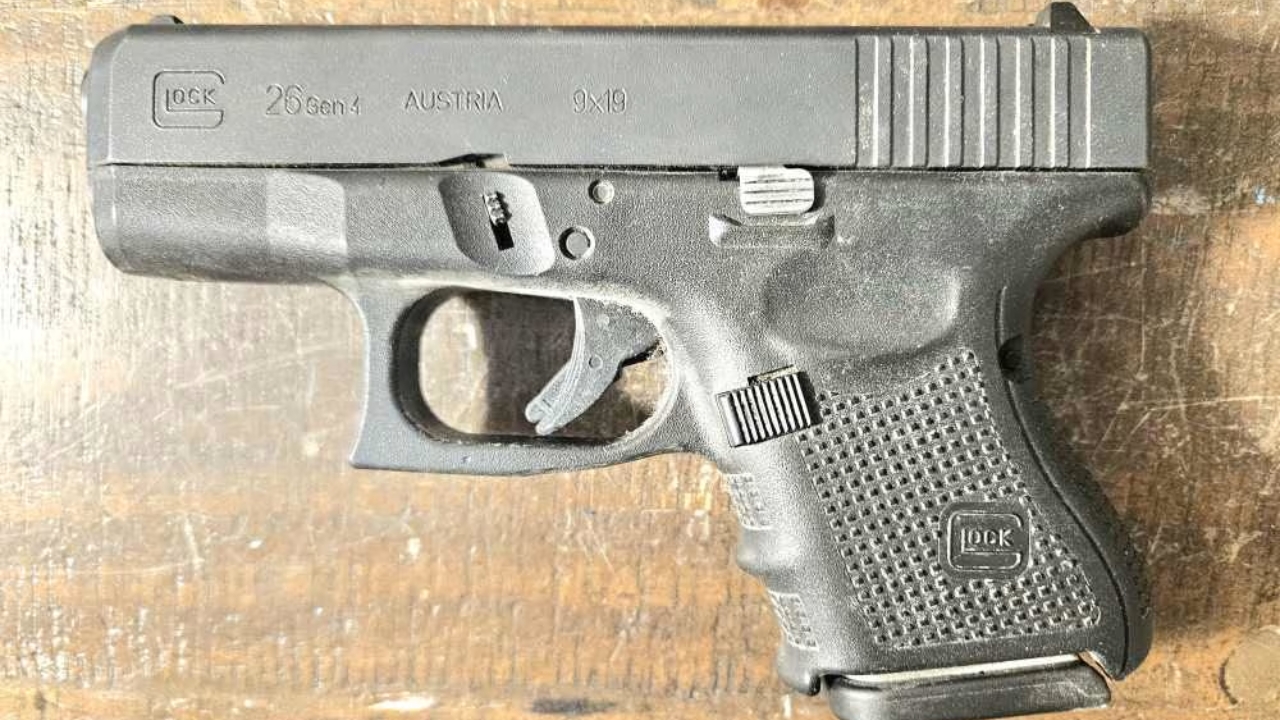
The Glock 26 is the little brick that refuses to act like a delicate subcompact. Despite the shorter slide and grip, it’s known for feeding a wide range of ammo surprisingly well. It’s also the kind of pistol that will happily run larger Glock magazines, which can add to reliability when you’re practicing a lot.
Small guns can be more sensitive to limp-wristing and marginal ammo, but the 26 tends to be more forgiving than most in its size class. If you want a compact that doesn’t act like it needs specialty loads, this is one of the safest bets. Keep the gun properly sprung, run quality mags, and it usually eats ball, hollowpoints, and a lot of common practice ammo without turning your range session into malfunction drills.
Like The Avid Outdoorsman’s content? Be sure to follow us.
Here’s more from us: