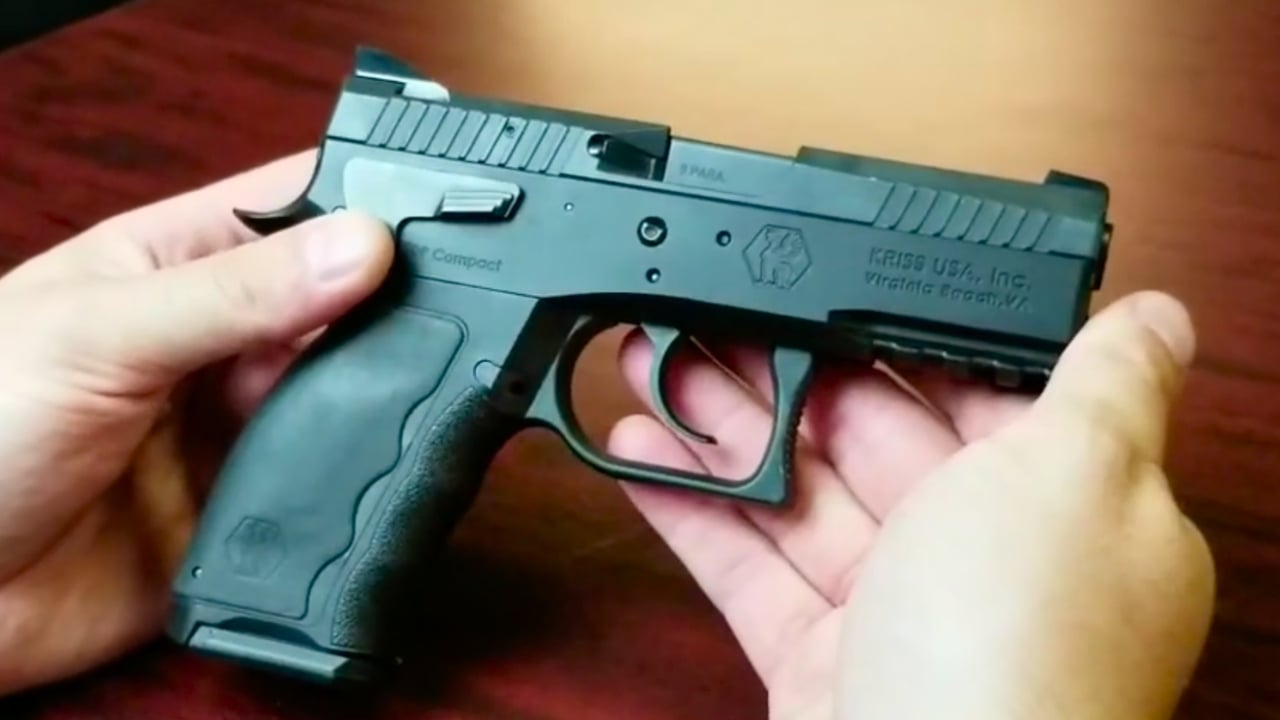
Photo credit: ANR Design – Thermoplastic Holsters/YouTube
Some pistols almost seem impossible to criticize when you read the spec sheet. They have the right capacity, the right barrel length, optics cuts, premium materials, respected brand names, or some clever mechanical feature that sounds like it should make them shoot better than everything else in the case.
Then you get to the range and the numbers stop mattering. The trigger feels worse than expected. The grip that looked ergonomic starts creating hot spots. Recoil is sharper than the size suggests, or the pistol simply fails to deliver the kind of shooting experience its specifications promised. That does not mean every gun here is bad. Many are perfectly capable. The disappointment comes from the gap between what they seem like they should be and what they actually feel like once the first few magazines are gone.
SIG Sauer P320 XCompact

The P320 XCompact looks almost ideal on paper. You get a compact frame, modular fire-control unit, optics capability, good capacity, and a grip shape that feels more refined than the original P320. It checks nearly every box someone shopping for a modern carry pistol is likely to care about, and the X-series treatment makes it seem like a more performance-oriented version of an already successful platform.
At the range, though, some shooters come away less impressed than expected. The trigger is decent but can feel somewhat vague compared with crisper striker-fired competitors, and the high bore axis gives the pistol a slightly more pronounced muzzle movement than its dimensions suggest. It is not difficult to shoot, but it does not always feel as flat or as precise as the feature list leads you to expect.
Springfield Armory EMP 3-Inch

The EMP 3-Inch sounds like a near-perfect answer for shooters who love the 1911 platform but want something truly compact. It gives you a scaled-down frame, familiar single-action trigger, slim profile, and the kind of styling that makes it feel more refined than most polymer carry pistols.
The tradeoff becomes obvious once you start shooting. The abbreviated frame and short slide can make recoil noticeably sharper, and the gun requires a firm grip to stay settled during fast strings. The 1911 trigger still helps with accuracy, but the little EMP does not feel like a miniature Government Model once recoil starts moving everything around. It is elegant, but the shooting experience can be more demanding than the polished presentation suggests.
Walther P5

The P5 has a lot going for it mechanically. It is compact, exceptionally well built, and uses a locking system derived from proven Walther service-pistol engineering. The controls are unusual but intelligent, and the pistol has the kind of Cold War refinement that makes collectors assume the shooting experience will be equally impressive.
The problem is that the trigger and ergonomics can feel less intuitive than expected. The grip is comparatively narrow, the controls take adaptation, and the pistol does not necessarily point as naturally as more conventional designs. It is accurate and beautifully made, but buyers expecting an effortless shooting experience can find themselves wondering why something engineered this well takes so much getting used to.
HK P30L

The P30L seems nearly perfect when you handle it. The grip is one of the most adjustable and comfortable ever put on a service pistol, the longer slide gives you a generous sight radius, and the build quality feels exactly like you would expect from HK. On paper, it should be one of the easiest hammer-fired pistols around to shoot well.
The trigger can spoil the experience for some shooters. In standard configurations, the double-action pull is long and the reset can feel much less crisp than the ergonomics suggest. Even in lighter variants, the trigger is often the one part of the pistol that feels behind the rest of the design. The gun fits beautifully, but the shooting experience can feel less refined than the frame and price would lead you to expect.
Beretta PX4 Storm Subcompact
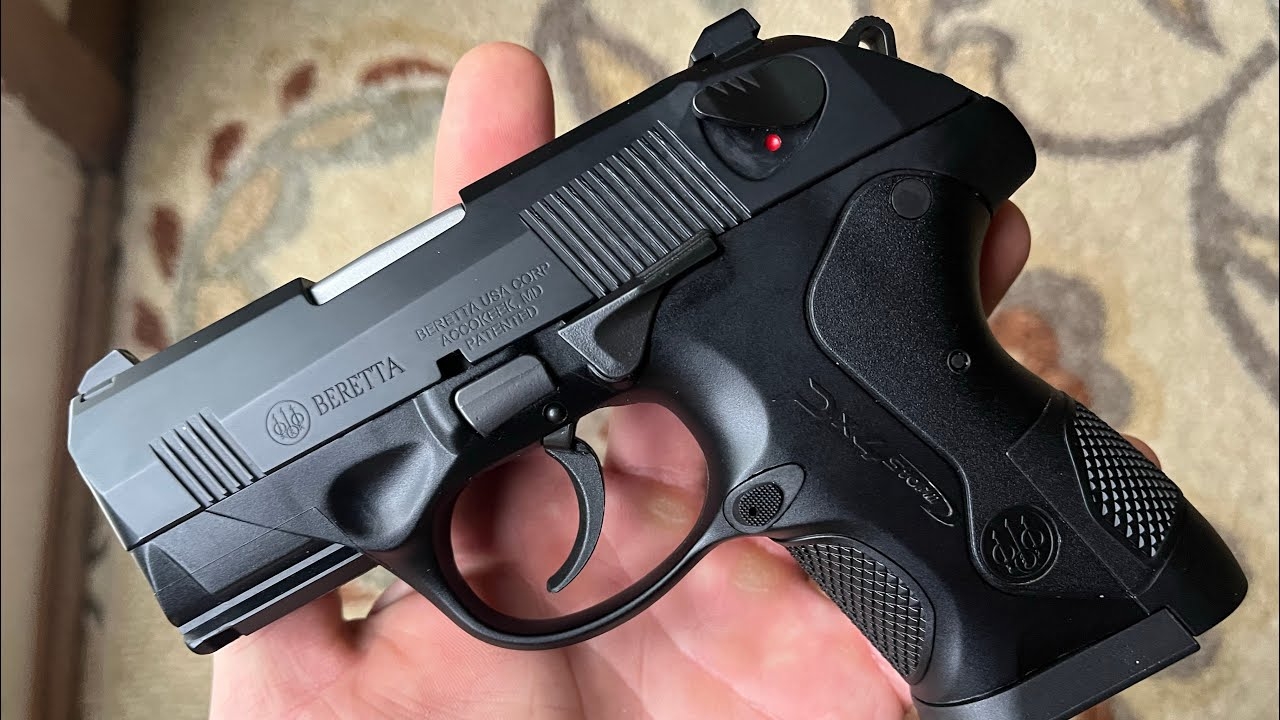
The PX4 Subcompact sounds like a smart way to get Beretta’s modern service-pistol features in a smaller package. It has a recognizable family resemblance to the larger PX4, traditional hammer-fired operation, and enough size reduction to make it seem like a strong concealed-carry option.
In practice, the proportions are awkward. The pistol is relatively thick for its overall size, and the short grip can make it feel less controllable than the larger Compact. Unlike the full-size and compact rotating-barrel PX4 models, the Subcompact uses a more conventional tilting-barrel system, so it also gives up part of what makes the bigger guns so smooth. It looks like the smallest version should be the easiest to carry and live with, but many shooters find the middle-size gun far more satisfying.
Colt Defender
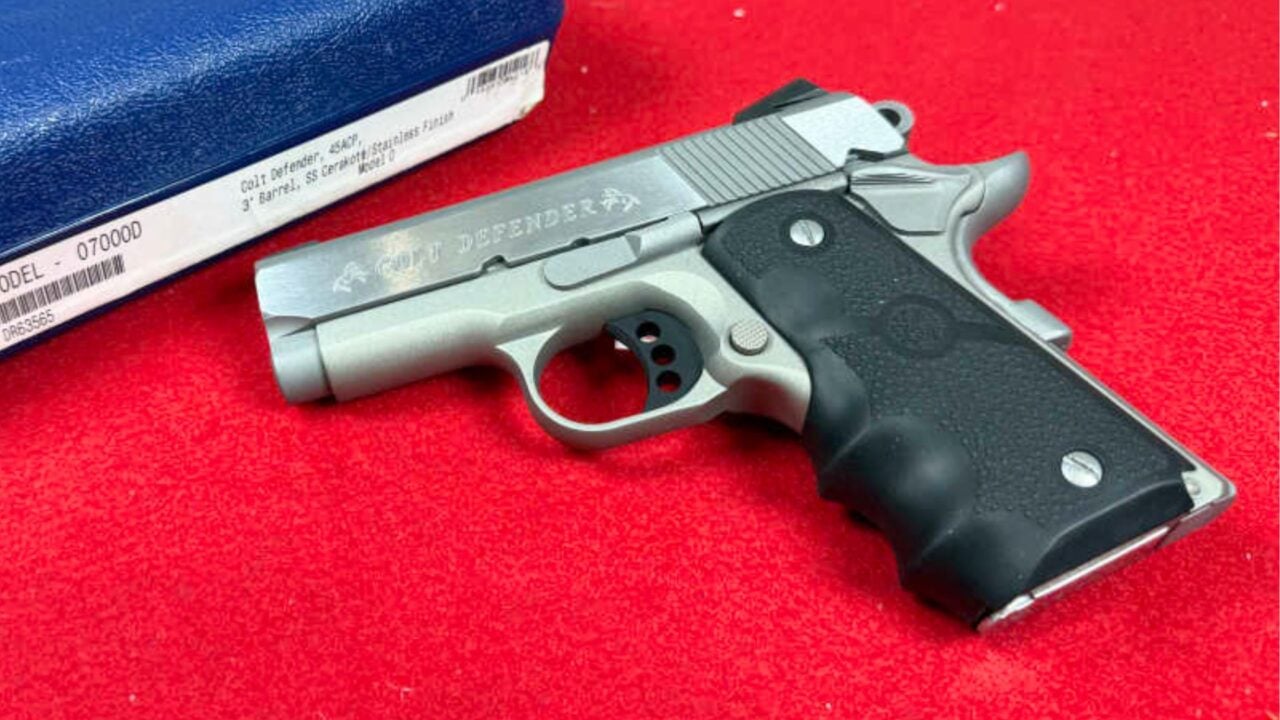
The Defender has all the ingredients that should make a premium compact .45 appealing. It gives you a lightweight frame, short barrel, familiar 1911 trigger, and a brand name with enormous history behind it. For someone who wants a serious .45 in a compact package, the gun looks ideal.
Once live fire starts, the compromises become much more obvious. The lightweight frame and short slide make .45 ACP feel significantly sharper than it does in a full-size 1911, and the shortened grip gives you less control. The trigger is still good, but that alone cannot erase the physics of a light, compact .45. It is easy to admire on the counter and much harder to love through a long range session.
FN 503

The 503 looked like FN’s answer to the slim single-stack carry market, and the basic numbers made sense. It was thin, compact, lightweight, and backed by a company with a strong reputation for service handguns.
The problem is that it arrived in a market where capacity and shootability were moving quickly. The grip is narrow, the pistol can feel snappy for its size, and the limited capacity made it difficult to justify against newer competitors. It is not a bad shooter, but it never really delivers the kind of “FN advantage” some buyers expected when they saw the name on the slide.
Kimber R7 Mako

The R7 Mako looks excellent on a specification sheet. It has useful capacity, optics capability, a modern grip shape, and a feature set clearly designed to compete with the best micro-compacts available. The enclosed-ejection-port styling also gives it a distinctive appearance that makes it seem more advanced than a conventional carry pistol.
At the range, the experience can be more ordinary than expected. The trigger is serviceable rather than exceptional, and the short grip and light frame still produce the quick recoil impulse common to the entire category. Buyers expecting a premium-feeling micro pistol can end up finding that it shoots much like many cheaper competitors. The feature list is impressive, but the actual difference on target may be smaller than the price suggests.
Colt Double Eagle Officers Model
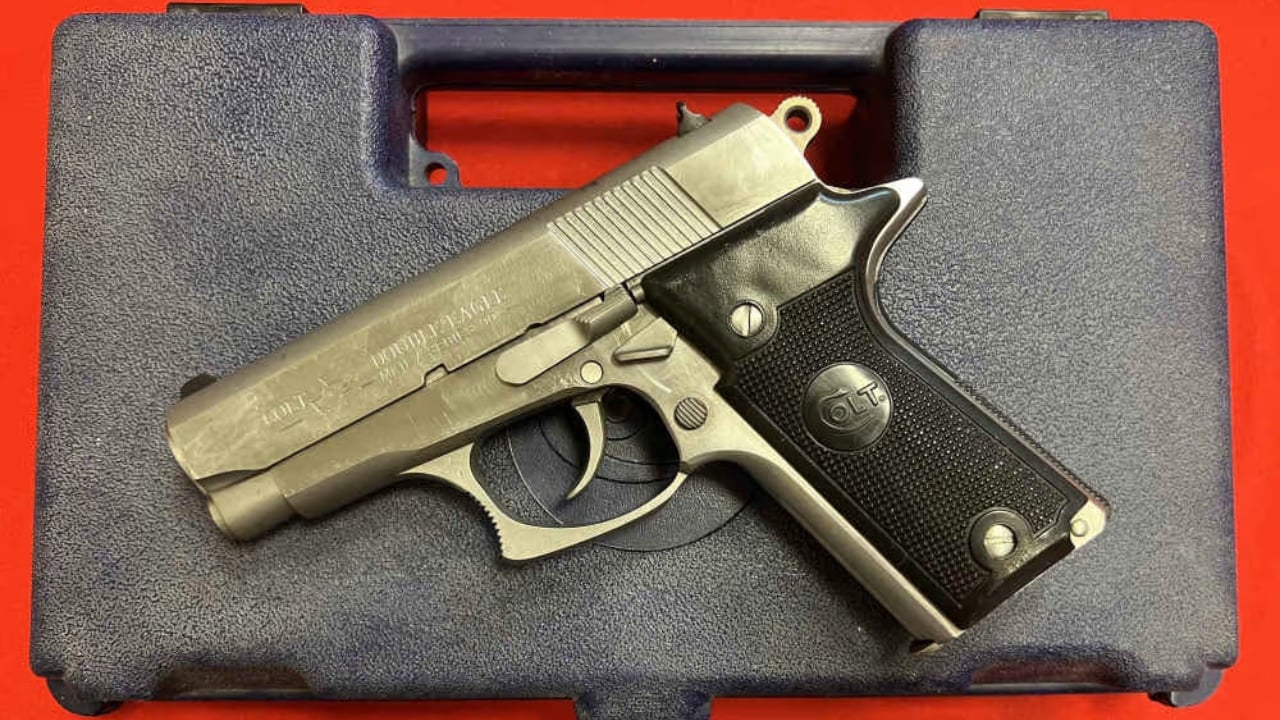
The compact Double Eagle looks intriguing because it combines 1911 styling with double-action operation in a small metal-frame package. On paper, that sounds like a fascinating blend of two proven handgun concepts.
In actual shooting, the controls and trigger system can feel far less elegant than the concept suggests. The double-action pull is heavy, the compact grip gives you limited leverage, and the design never feels as natural as either a conventional 1911 or a purpose-built DA/SA pistol. It is mechanically interesting, but the range experience makes it clear why the concept never displaced Colt’s traditional single-action designs.
Browning BDA 9mm
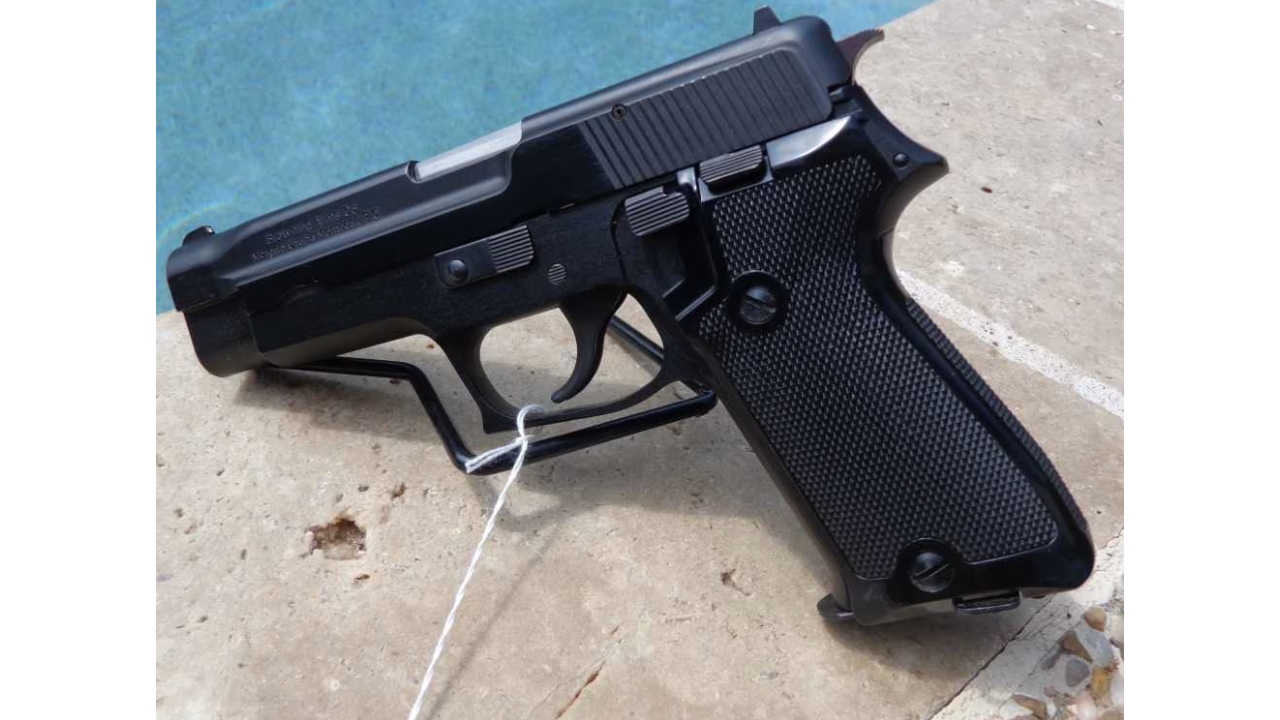
The Browning BDA 9mm has the kind of pedigree that makes collectors expect a terrific shooter. It is closely related to the SIG P220 family, carries a respected name, and has classic metal-frame service-pistol proportions that look immediately promising.
The disappointment comes mostly from the controls and trigger compared with what modern shooters are used to. The double-action pull is long, the grip shape can feel dated, and the overall handling lacks the immediacy of newer designs. It remains a well-built pistol, but a shooter expecting Browning-level magic may come away thinking the gun feels more historically interesting than genuinely exceptional.
Smith & Wesson Model 3914
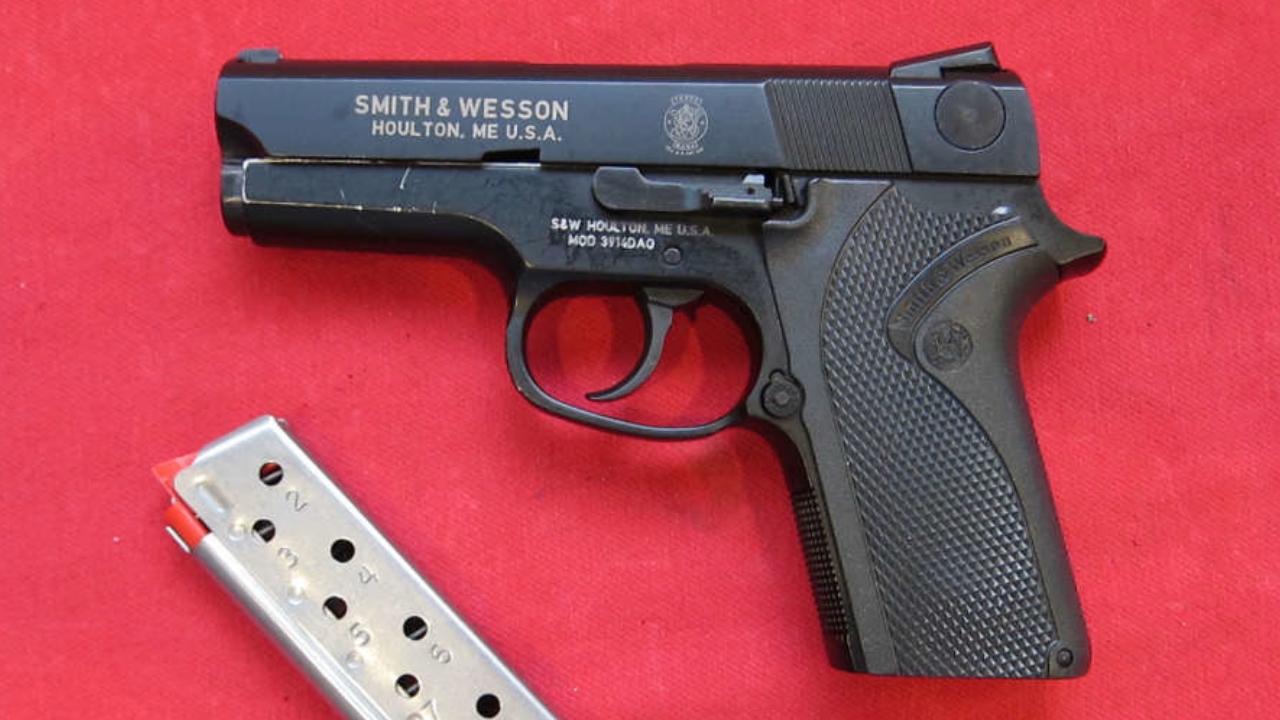
The 3914 looks like a nearly ideal slim carry pistol. It has a single-stack magazine, compact aluminum frame, traditional DA/SA operation, and the kind of dimensions that made it popular long before micro-compacts took over the market.
At the range, the pistol can feel more dated than its carry proportions suggest. The first double-action pull is relatively long, the transition to single action takes practice, and the small grip does not give you the same control as modern compact pistols of similar size. It still conceals beautifully, but the shooting experience may feel less impressive once you compare it with newer guns that offer better triggers and more capacity.
Ruger P345
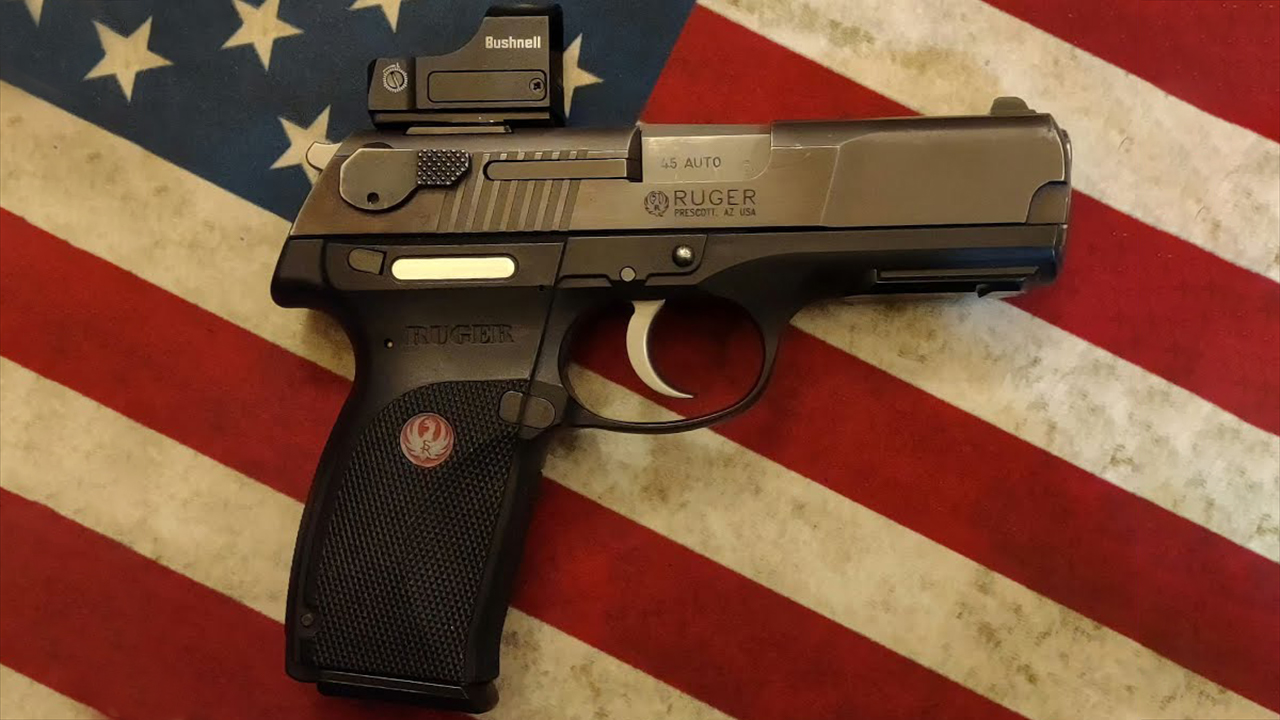
The P345 looked like Ruger had finally slimmed down its famously bulky P-series pistols without giving up .45 ACP capability. It has a thinner frame, more modern styling, and familiar Ruger durability, making it seem like an ideal bridge between old-school service pistols and newer polymer designs.
The shooting experience is less memorable. The trigger is adequate, the controls can feel busy, and the overall pistol lacks the smoothness of better-known .45s in the same category. It is reliable enough, but it often leaves shooters thinking they expected more simply because the design looks so much more refined than older Ruger pistols.
Steyr GB
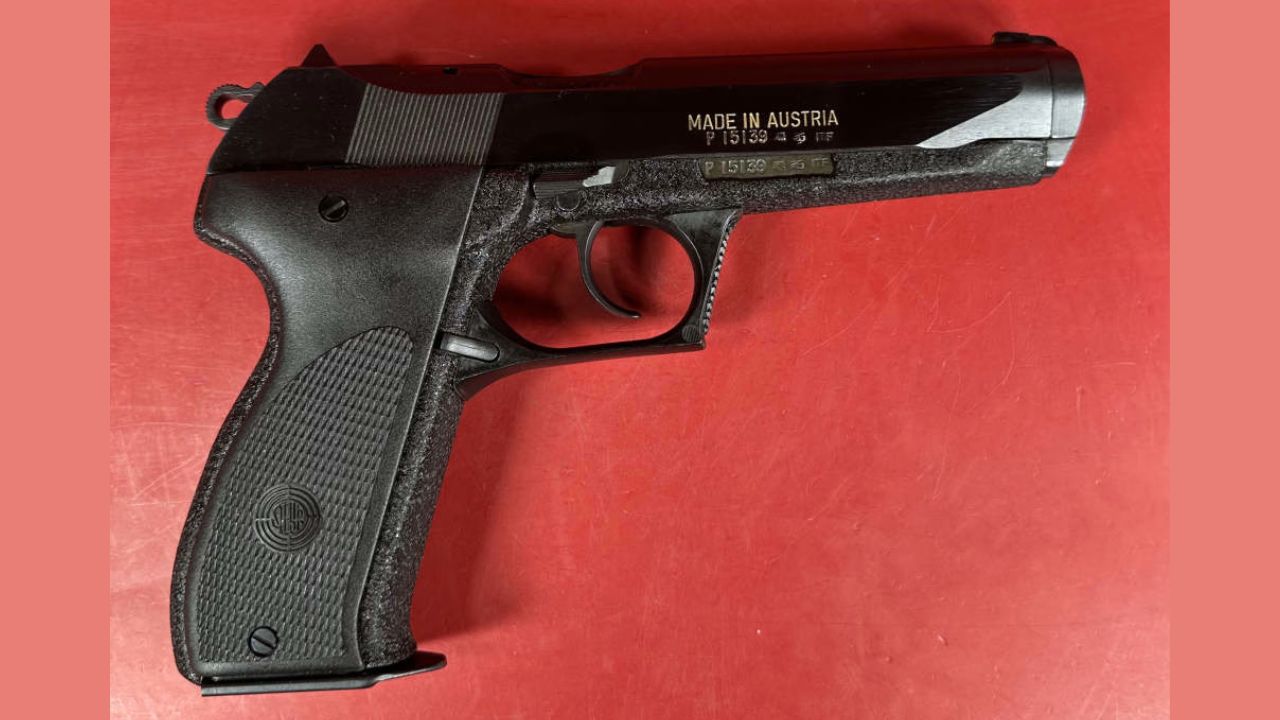
The Steyr GB is one of those guns that looks brilliant on paper. It has a gas-delayed blowback system, large capacity for its era, fixed barrel, and an unconventional design that seems like it should deliver exceptional accuracy and low recoil.
The reality is more complicated. The pistol is large, the grip is broad, and the trigger can feel less refined than the engineering would make you expect. It is accurate and mechanically fascinating, but it does not necessarily feel effortless to shoot. The gap between how clever the design sounds and how ordinary the actual range experience can feel is exactly why it belongs here.
Daewoo DH40
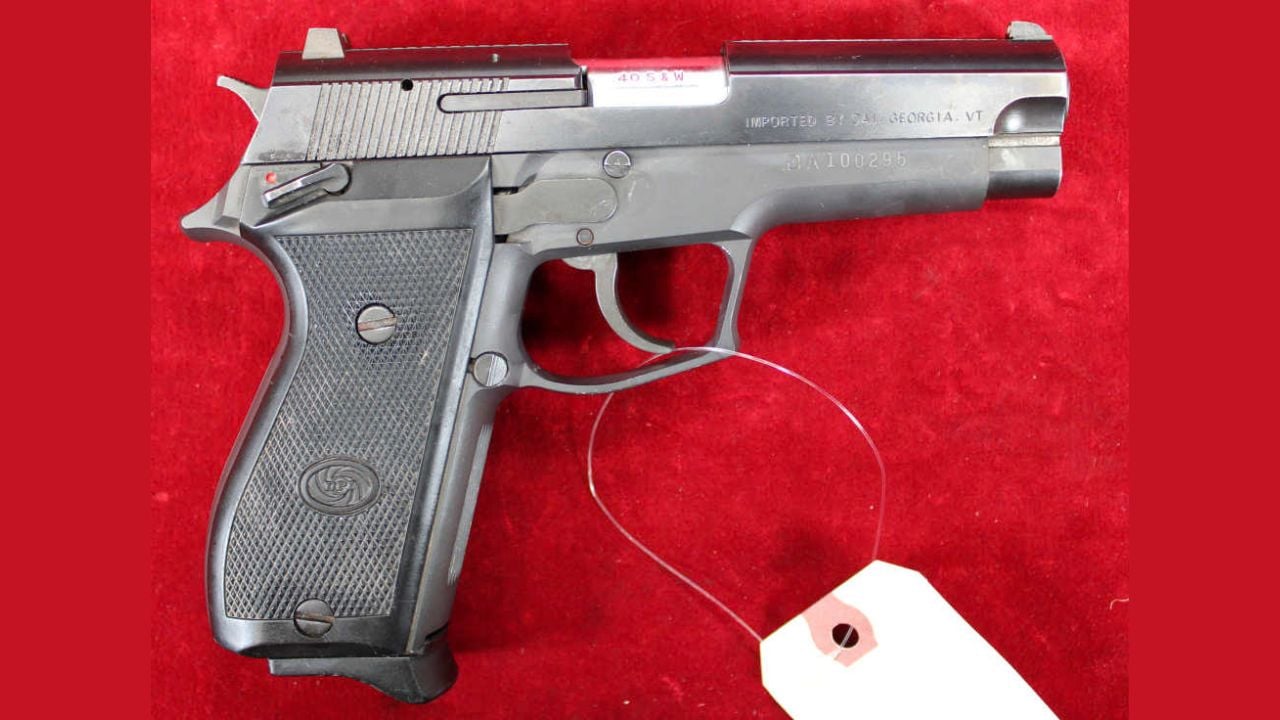
The DH40 looks like an unusually advanced service pistol thanks to the Tri-Action trigger system and solid metal-frame construction. The ability to push the hammer forward while retaining a light first-shot trigger sounds clever and practical, especially for shooters who like traditional hammer-fired guns.
At the range, the system can feel more complicated than helpful. The trigger behavior takes time to understand, and the ergonomics are not as polished as the mechanical concept. Add limited parts and magazine support, and the novelty starts wearing thin. The pistol is certainly interesting, but it does not always translate its cleverness into an equally satisfying shooting experience.
Astra A-100
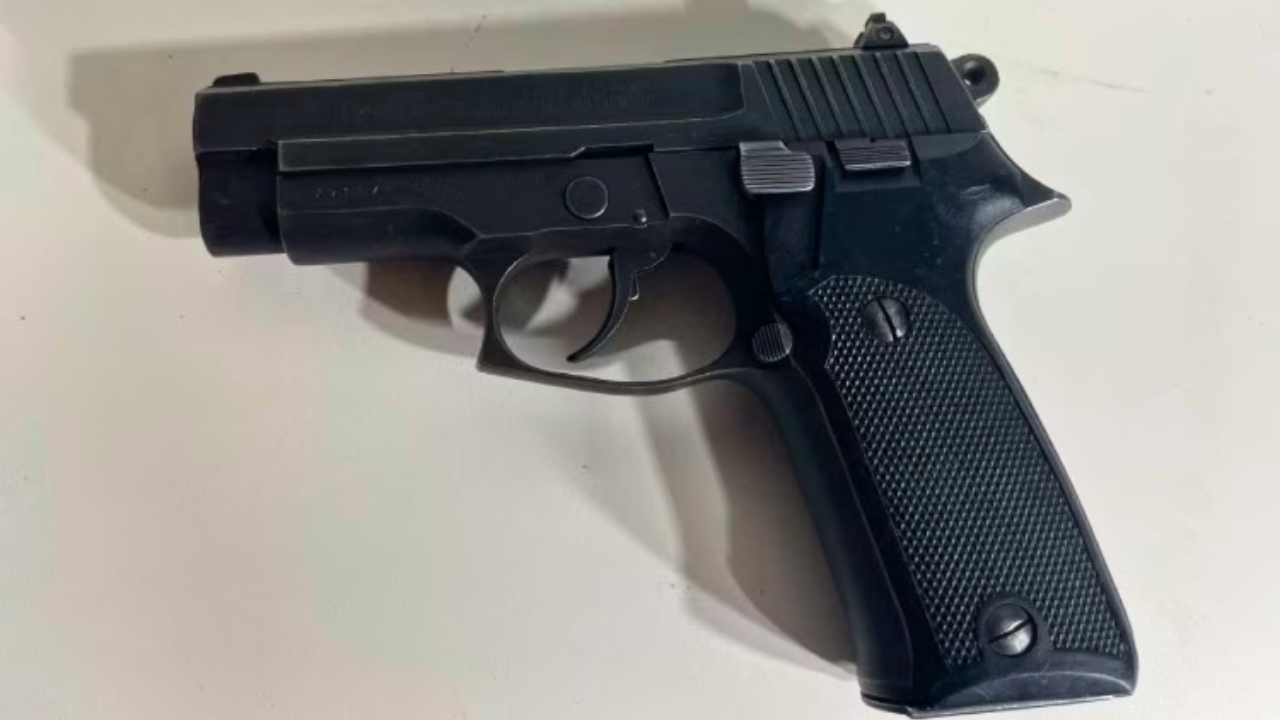
The A-100 has strong credentials on paper. It borrows heavily from the SIG P220-series layout, uses a metal frame, offers solid capacity, and generally feels substantial in the hand. For buyers shopping used pistols, it can look like an affordable way to get a serious European-style service gun.
The range experience is where the rougher edges show up. The trigger tends to feel heavier and less refined than the pistols it imitates, and the controls lack the smoothness of higher-end competitors. It can shoot perfectly well, but anyone expecting bargain-priced SIG behavior may come away disappointed. The resemblance is stronger visually than it is in actual trigger feel.
Arcus 98DA

The Arcus 98DA appears to offer an appealing combination of Hi-Power-style ergonomics and double-action operation. The steel construction, traditional profile, and generous grip make it look like a great inexpensive service pistol.
Once you start shooting, the trigger can be the weak point. The double-action stroke is heavy, and the single-action break often lacks the crispness people associate with classic single-action Hi-Powers. The gun is sturdy and functional, but its hybrid concept can feel like it gives up some of the best qualities of the design it resembles.
Sphinx SDP Compact
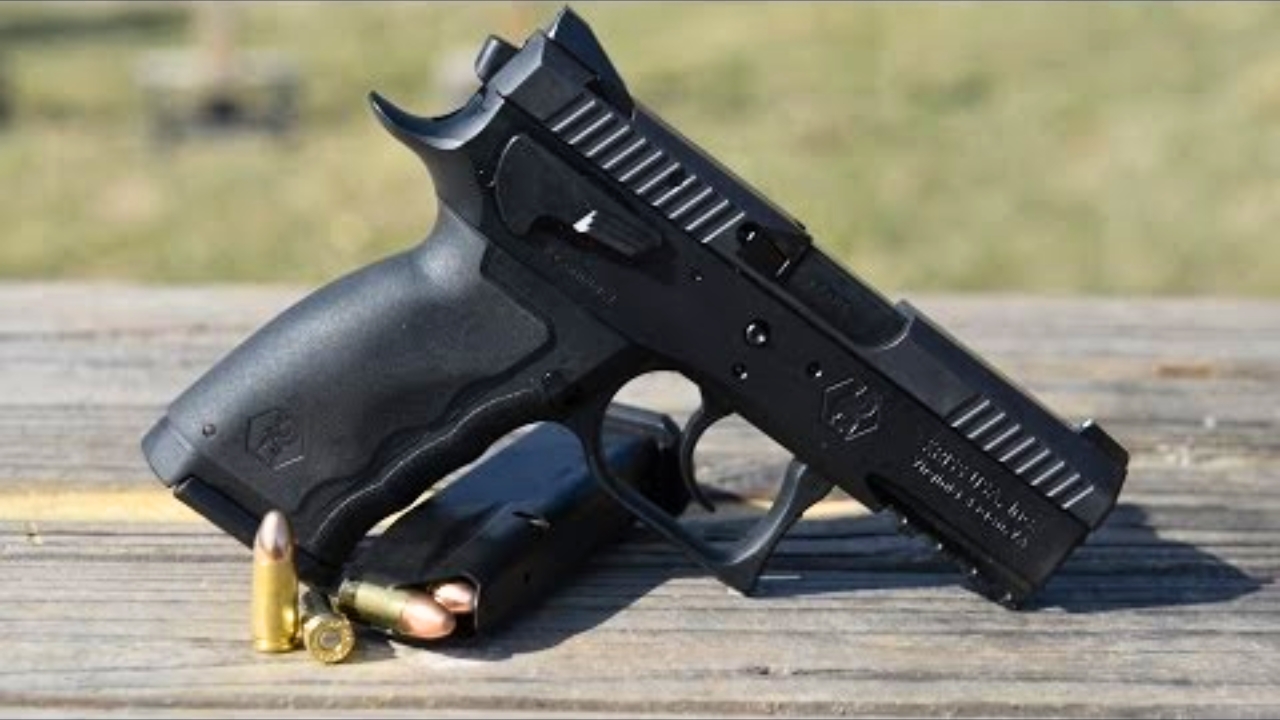
The SDP Compact has all the ingredients of a premium sleeper. It uses excellent machining, a metal-and-polymer hybrid frame, CZ-inspired ergonomics, and a reputation for high-quality Swiss engineering. On paper, it seems like the kind of pistol that should instantly impress anyone who fires it.
The problem is that expectations become almost impossible to meet. The gun shoots well, but the trigger and overall feel may not seem dramatically better than much cheaper CZ-pattern pistols. Once price enters the comparison, the difference between “very good” and “worth the premium” becomes difficult to defend. It is a strong pistol that can still disappoint simply because the specifications and build quality promise something extraordinary.
Arsenal P-M01
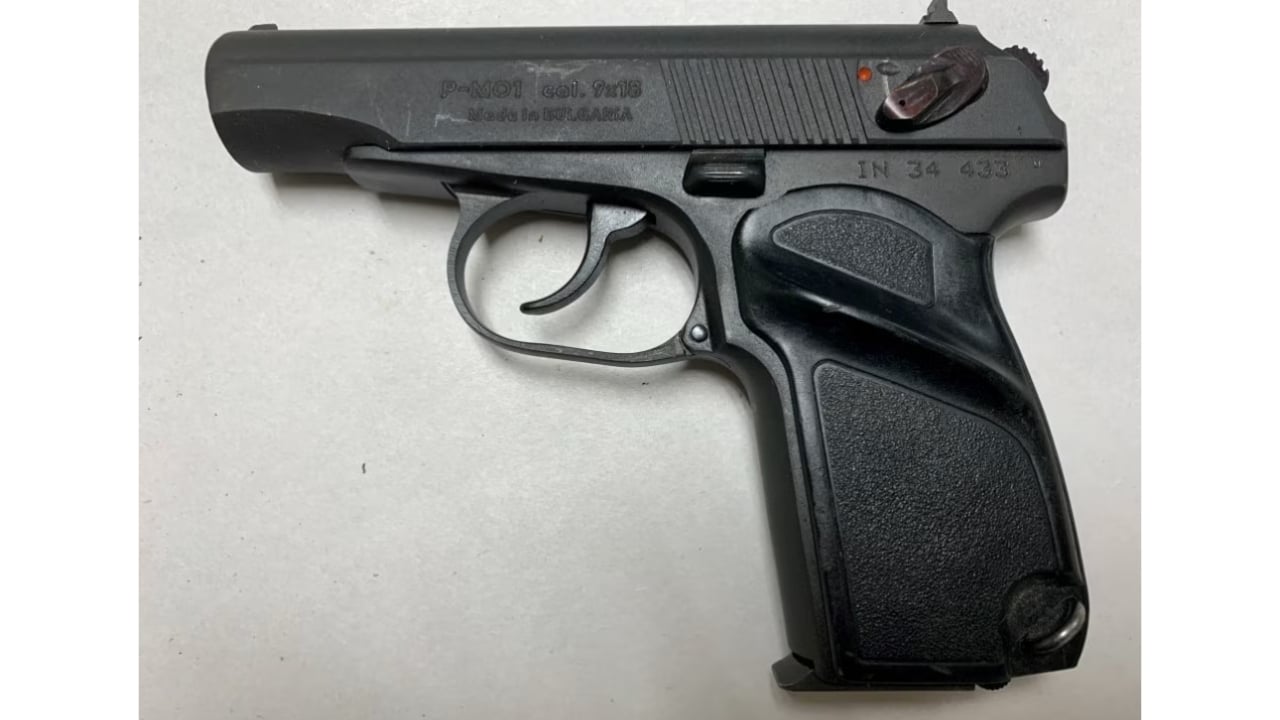
The P-M01 looks like a serious Eastern European service pistol with a sturdy frame, straightforward DA/SA controls, and enough size to suggest soft recoil and good practical accuracy.
At the range, the trigger and overall refinement can feel more utilitarian than expected. The double-action pull is heavy, the grip shape is not especially sophisticated, and the pistol lacks the smoothness of better-known service designs. It is durable, but it is one of those guns that makes more sense as a military tool than as something chosen purely for shooting enjoyment.
Star Megastar 45
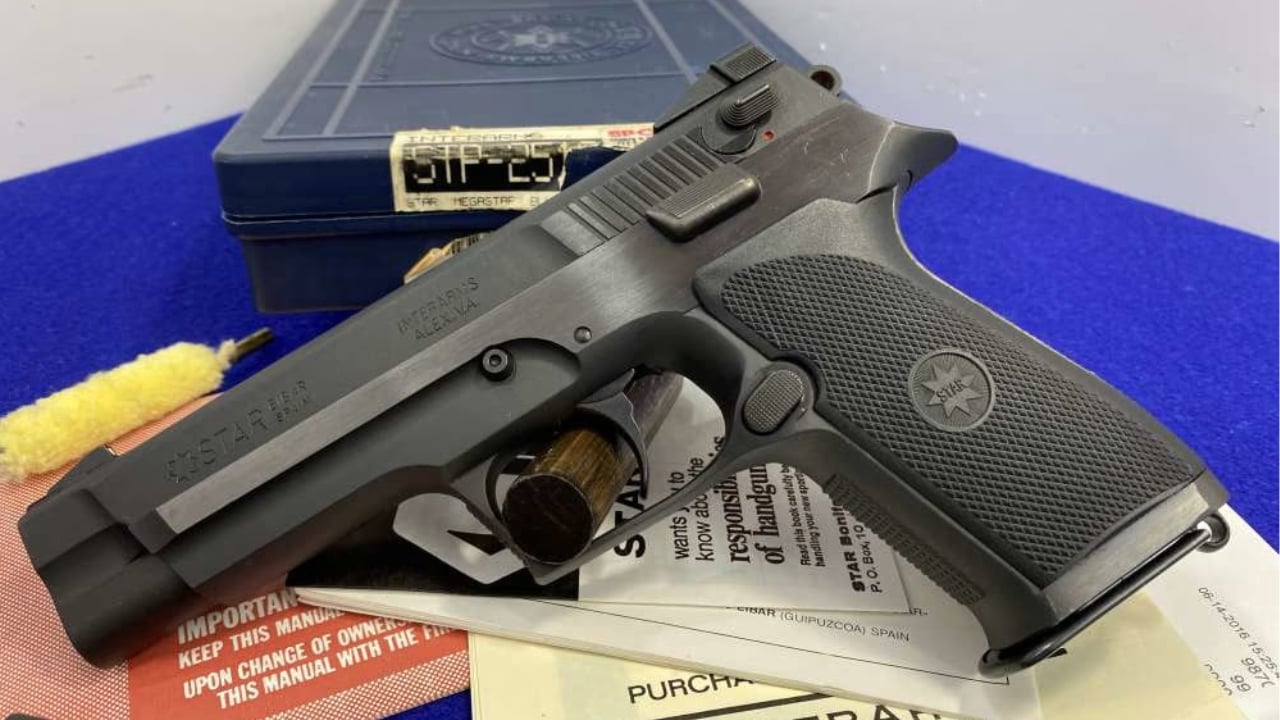
The Megastar 45 looks incredible on paper if you like large-caliber service pistols. It is all steel, extremely robust, chambered in .45 ACP, and built with the kind of mass that should make recoil almost disappear.
The weight does help, but the pistol is enormous. The grip is thick, the controls are not especially elegant, and the overall handling can feel clumsy compared with more refined .45s. It is impressive in the same way a heavy piece of machinery is impressive, but that does not necessarily make it enjoyable to shoot for everyone. The specifications promise a soft-shooting powerhouse while the actual gun can feel like too much of everything.
Heckler & Koch VP70Z

The VP70Z looks historically fascinating and technologically ahead of its time. It was one of the earliest polymer-framed production pistols, had excellent capacity for its era, and came from HK during a period when the company was producing some of the most interesting handgun designs in the world.
The trigger is what destroys the fantasy. It is extremely heavy and long, making accurate shooting far more difficult than the futuristic design would suggest. The pistol may be important historically, but very few shooters come away from the range praising the trigger. It is perhaps the ultimate example of a gun that looks brilliant in concept and feels frustrating in actual use.
Like The Avid Outdoorsman’s content? Subscribe to our newsletter so you never miss an article.
Here’s more from us: