Photo credit: Ben Hart Shoots/YouTube
Rails, threaded barrels, oversized controls, aggressive slide cuts, and military-inspired finishes can make almost any gun look prepared for hard use. Manufacturers know that appearance sells, especially when a firearm resembles something carried by soldiers, police officers, or competition shooters.
The problem is that tactical styling does not guarantee durability, reliability, or practical handling. Some guns are too ammunition-sensitive, too complicated, too lightly built, or too dependent on proprietary parts to justify their appearance. These 20 firearms look ready for serious trouble, but their real strengths are usually limited to the range, casual competition, or occasional recreational use.
Canik TTI Combat
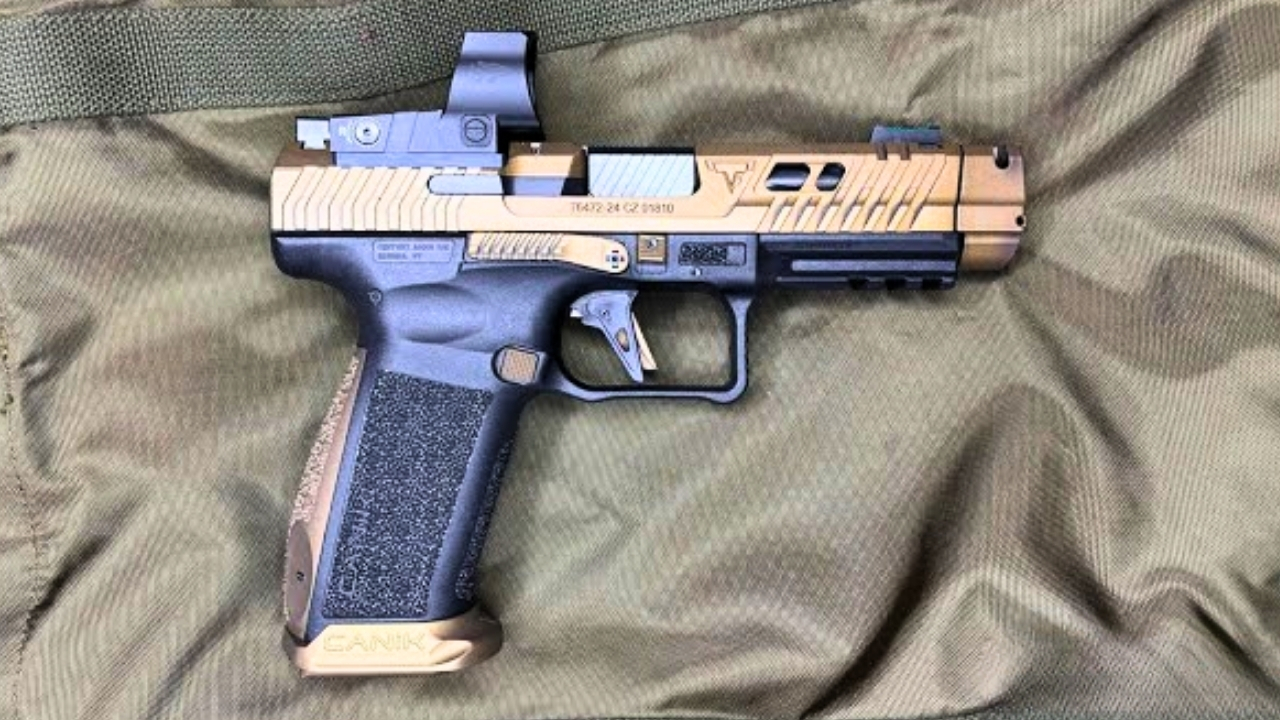
The TTI Combat arrives with a compensator, aggressive slide cuts, an enlarged magazine well, extended controls, and styling that makes it look ready for professional competition or duty use. It is also fast, accurate, and equipped with an excellent trigger.
The pistol is still a performance-oriented system built around a compensator and carefully balanced recoil assembly. Ammunition power, spring condition, and grip technique can matter more than they do with a plain service pistol. The light trigger and open slide also demand more care around dirt and debris. It looks like a duty gun upgraded for combat, but it makes more sense on a clean match stage.
Springfield Armory Echelon 4.0C Comp
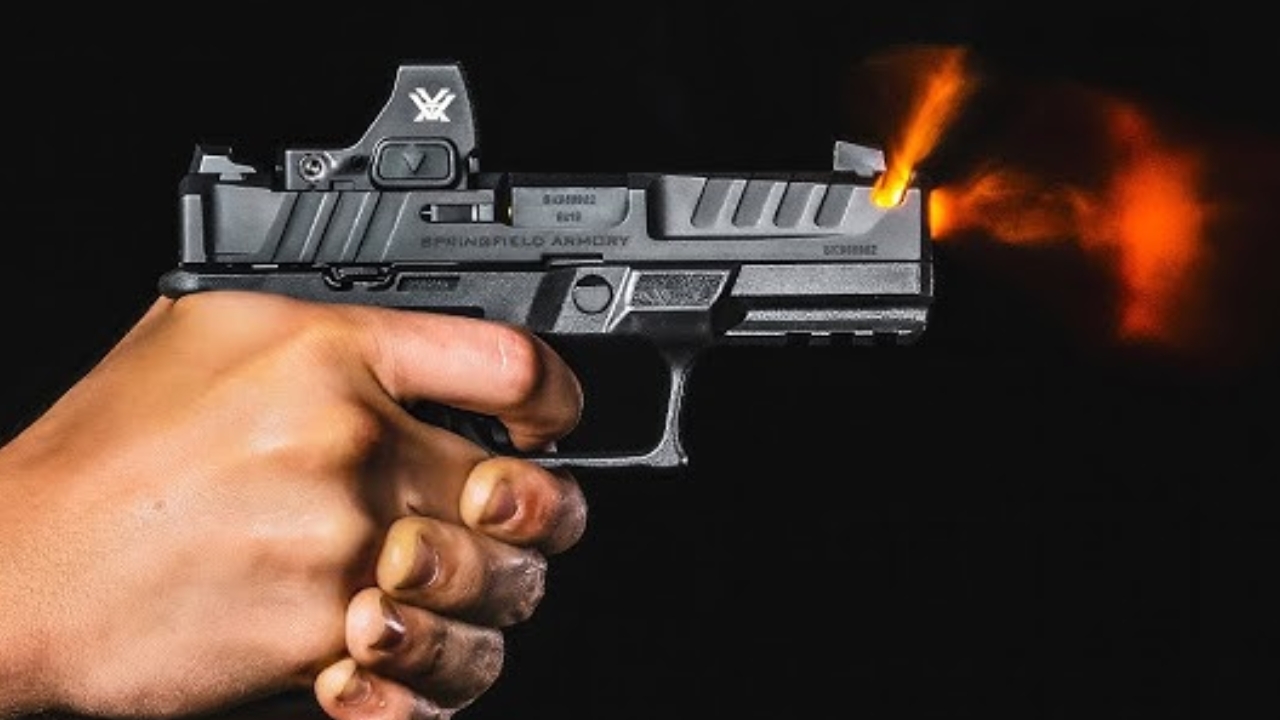
The compact compensated Echelon combines an optics-ready slide, aggressive texture, deep serrations, and an integrated expansion chamber. It looks like a compact pistol already prepared for serious defensive work.
The compensating system adds fouling and exposes more of the barrel assembly to lint, moisture, and debris. Compact recoil systems also have less margin for weak ammunition and tired springs. A properly tested example may be dependable, but the plain-barreled Echelon is the more straightforward hard-use configuration.
SIG Sauer P320 AXG Legion

The AXG Legion has a metal frame, extended grip, integrated compensator, optics cut, and premium finish. It looks like a pistol built to combine military durability with competition performance.
Its size and weight make it difficult to conceal, while the compensator and specialized recoil system require closer maintenance than a standard P320. Carbon collects quickly around the front of the slide, and optics hardware adds another inspection point. It shoots extremely well, but its strengths are easier to appreciate on a range than during prolonged rough use.
Smith & Wesson M&P9 Metal Carry Comp
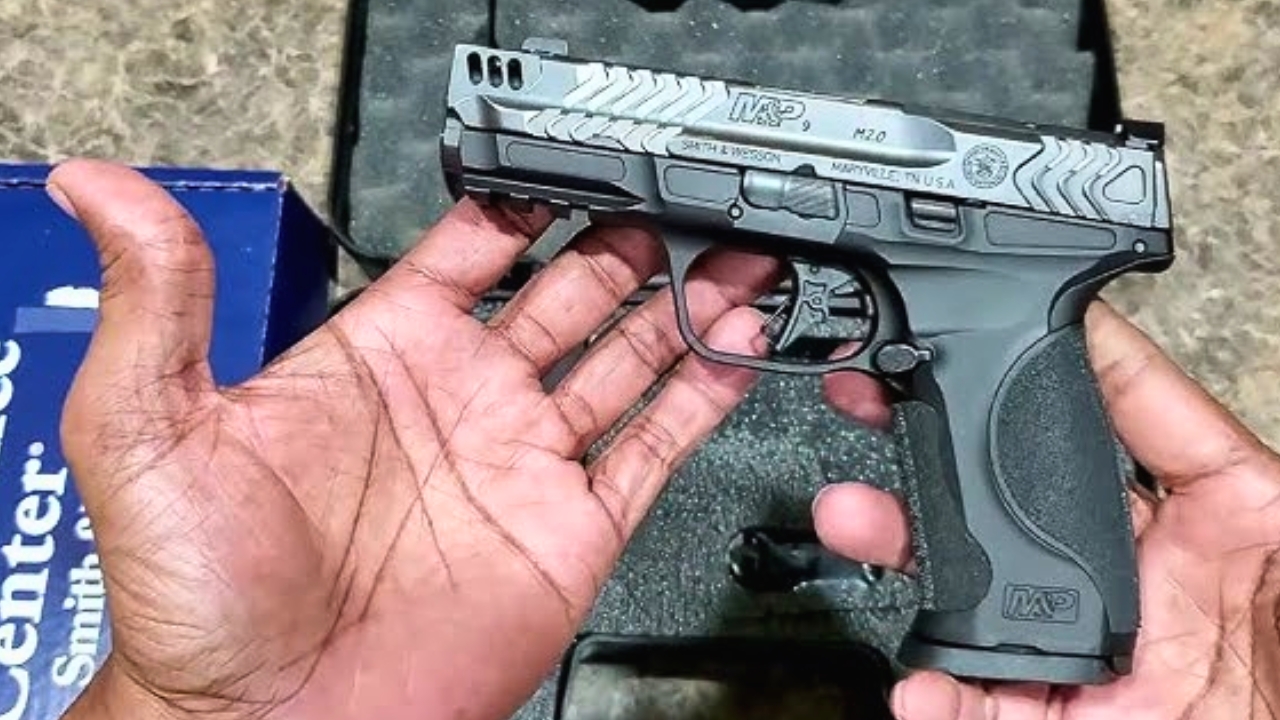
The Metal Carry Comp uses an aluminum frame, aggressive slide openings, a ported barrel, and modern sights. Its appearance suggests a refined duty pistol designed for fast defensive shooting.
The porting system introduces more openings for debris and creates substantial carbon buildup. The aluminum frame also offers less resistance to cosmetic wear than owners may expect from the premium price. It can be a highly effective carry gun when maintained carefully, but the standard closed-slide M&P is a more convincing choice for neglect and bad weather.
Shadow Systems CR920XP
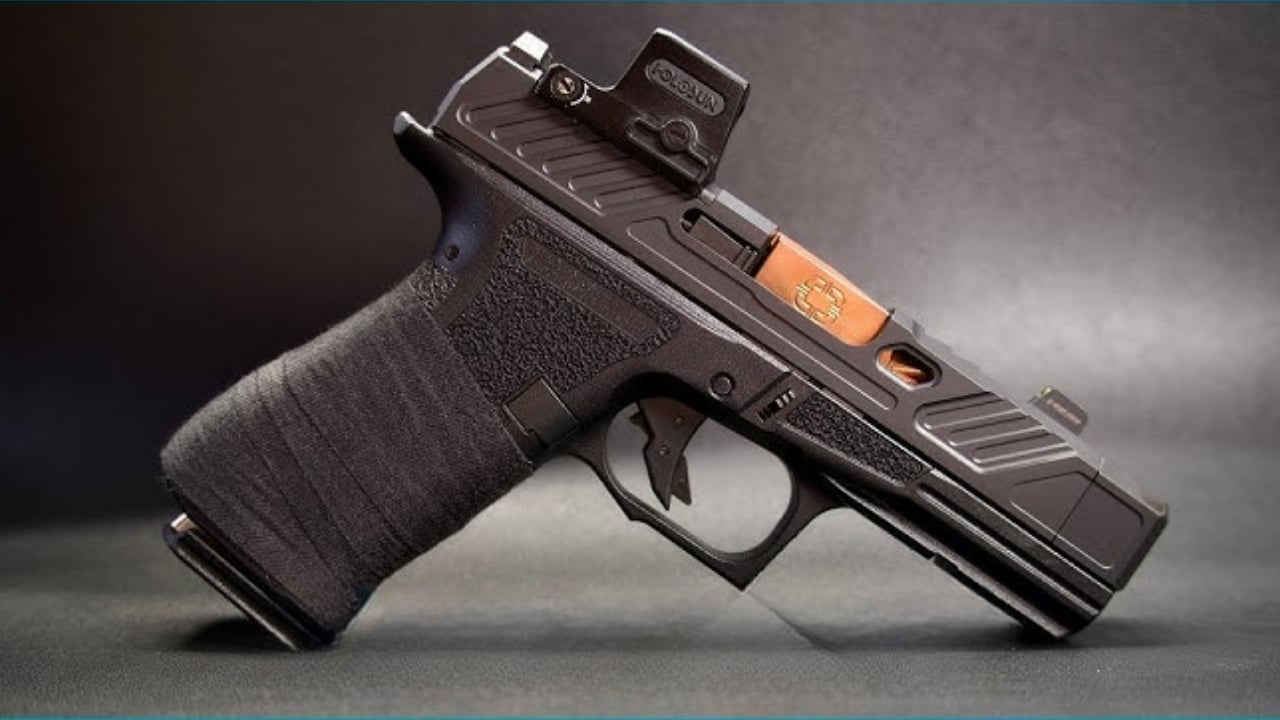
The CR920XP combines a slim frame with an extended compensator, optics support, aggressive texture, and capacity that rivals larger pistols. It looks like a purpose-built fighting pistol in a highly concealable package.
The short slide and compensator create a more ammunition-sensitive system than a conventional compact 9mm. Shadow Systems also recommends a break-in period, which is not reassuring for buyers expecting immediate duty-grade reliability. A proven example may run well, but the design asks more from springs, ammunition, and maintenance than its rugged styling suggests.
Kimber R7 Mako Tactical
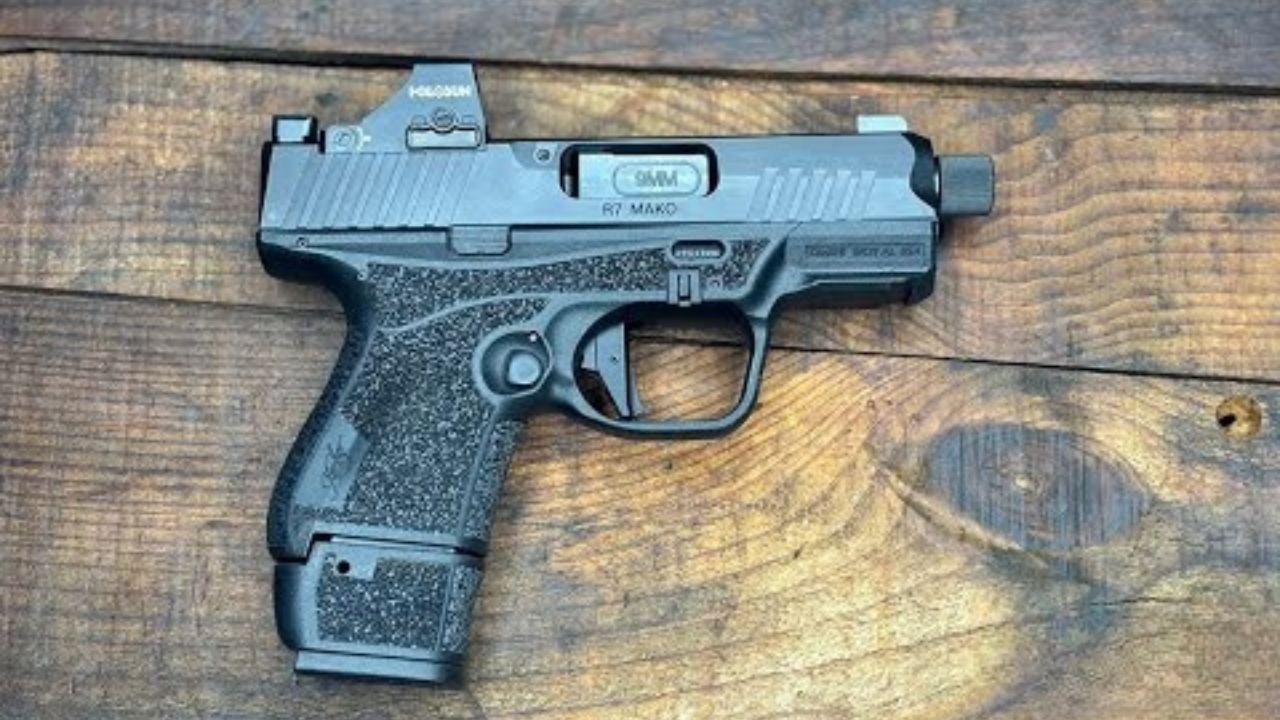
The R7 Mako Tactical adds a threaded barrel, optics capability, tall sights, and aggressive styling to Kimber’s micro-compact platform. It appears ready for suppressors, defensive carry, and hard use.
The small operating system remains dependent on magazine condition, recoil-spring strength, and ammunition consistency. Kimber also lacks the enormous parts and magazine network available for more common carry pistols. The tactical additions make the gun more interesting, but they do not automatically make it more dependable.
Taurus GX4 Carry T.O.R.O.

The GX4 Carry T.O.R.O. has a longer grip, optics cut, accessory rail, and practical capacity. It looks more substantial and serious than the original tiny GX4.
The platform’s safety-notice history means owners must verify the exact pistol before trusting it. Taurus quality has improved, but individual testing remains essential. The longer frame improves handling without changing the need to prove the internal system, magazines, and chosen ammunition thoroughly.
PSA Dagger Full Size-S
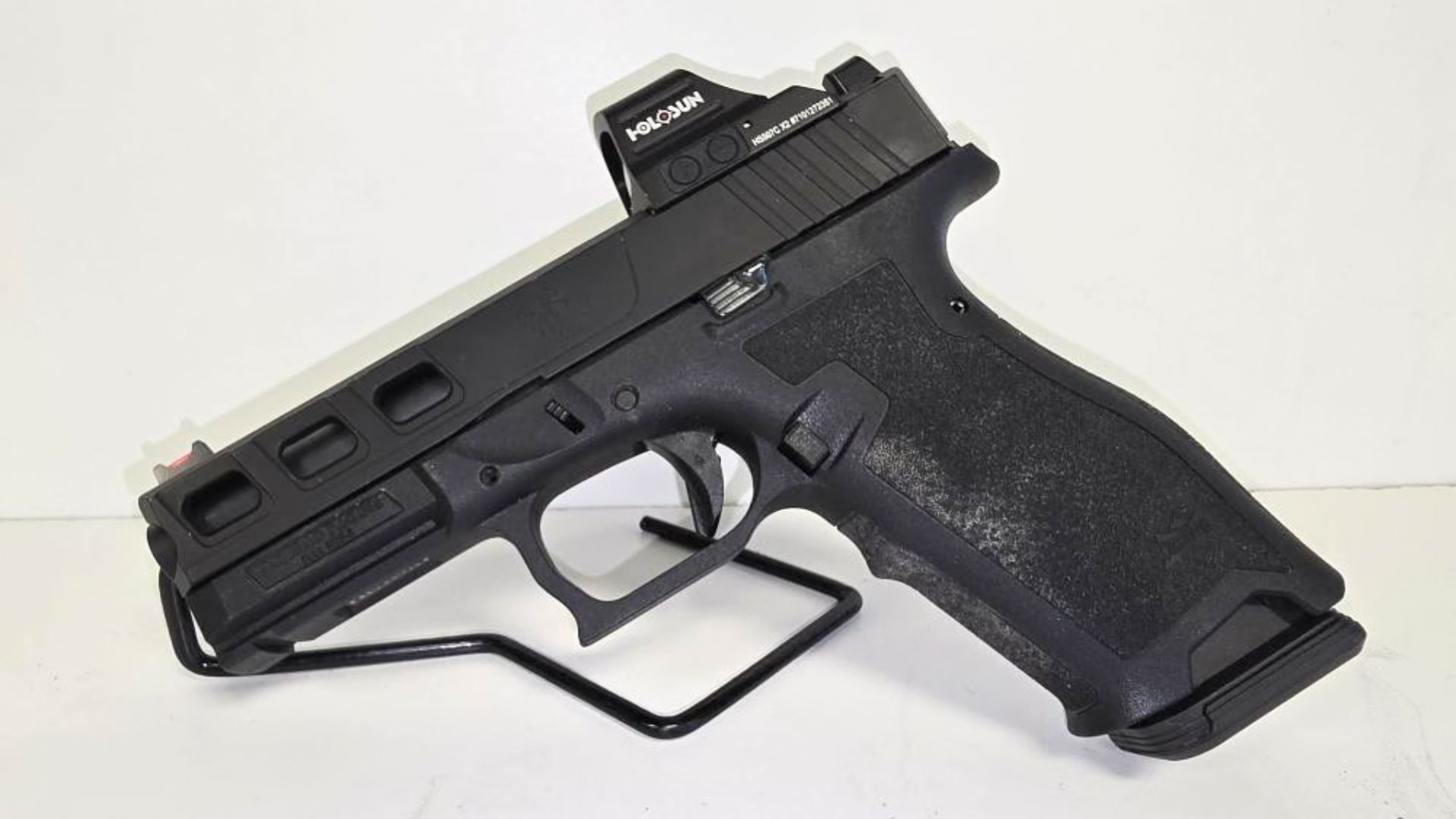
The Full Size-S combines a long grip with Glock-pattern internals, optics-ready slides, threaded-barrel options, and countless aftermarket configurations. It can look every bit as prepared as a much more expensive duty pistol.
The low price encourages owners to replace triggers, connectors, barrels, springs, and slides before verifying the original setup. Each modification introduces another variable. A stock Dagger may function well, but heavily customized examples often look more trustworthy than they actually are.
Girsan Witness2311 Match X
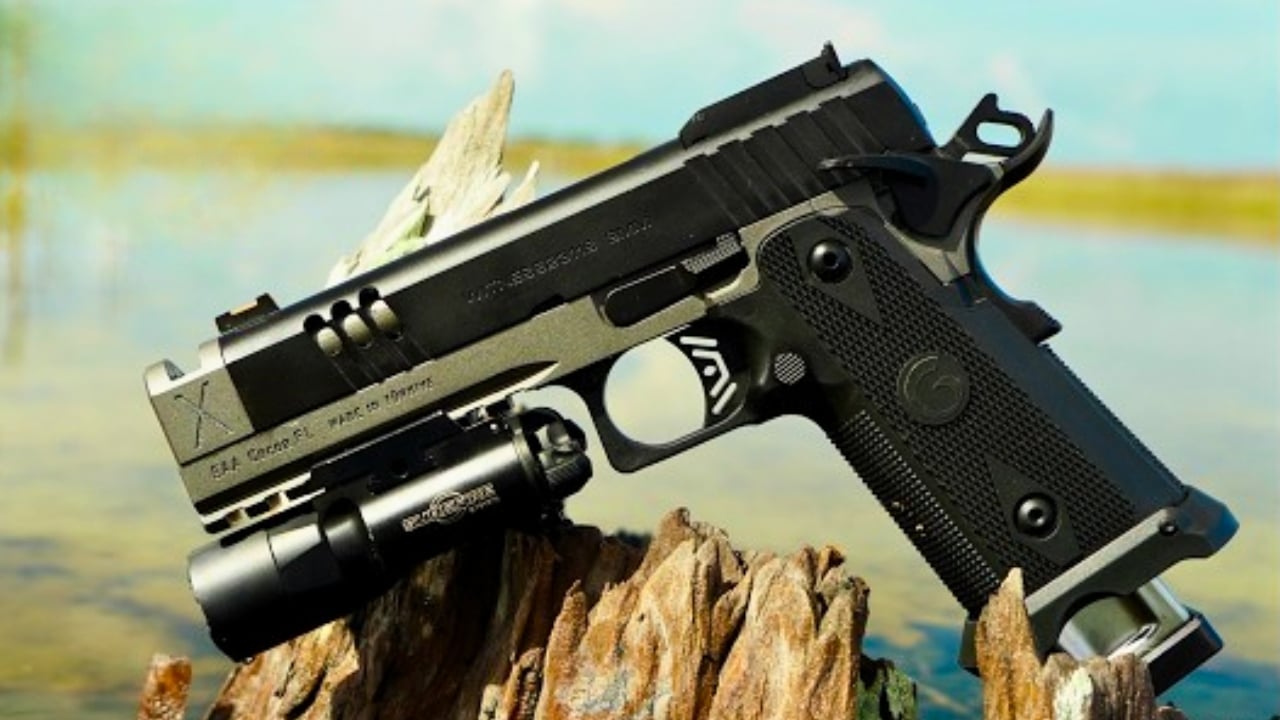
The Witness2311 Match X has double-stack capacity, a large magazine well, extended controls, an optics-ready slide, and styling borrowed from expensive competition pistols. It creates the appearance of a premium fighting handgun at a much lower price.
The platform depends on 1911-style extractor setup, proper lubrication, recoil springs, and consistent magazines. Budget manufacturing can also produce more variation between examples than buyers expect. It may be an excellent range value, but the appearance should not be mistaken for a proven duty history.
Tisas DS Night Stalker

The DS Night Stalker combines dark finishes, slide cuts, an accessory rail, high-capacity magazines, and aggressive controls. Its name and appearance suggest a pistol built specifically for serious defensive use.
It remains an affordable double-stack 1911 with all the maintenance demands of that operating system. Extractor tension, magazine geometry, lubrication, and spring condition must remain correct. The gun may become dependable after testing and minor correction, but a defensive pistol should not need to grow into the role its styling promises immediately.
KelTec PMR-30

The PMR-30 looks futuristic, holds 30 rounds, and includes a rail, fiber-optic sights, and a full-size grip. At first glance, it appears to offer overwhelming defensive capacity in a lightweight package.
Its magazine must be loaded carefully to prevent rimmed cartridges from stacking incorrectly. The pistol can also be sensitive to ammunition, cleanliness, and grip pressure. Thirty rounds of .22 Magnum sound formidable, but the system lacks the predictable operation of a conventional centerfire duty pistol.
KelTec CMR30
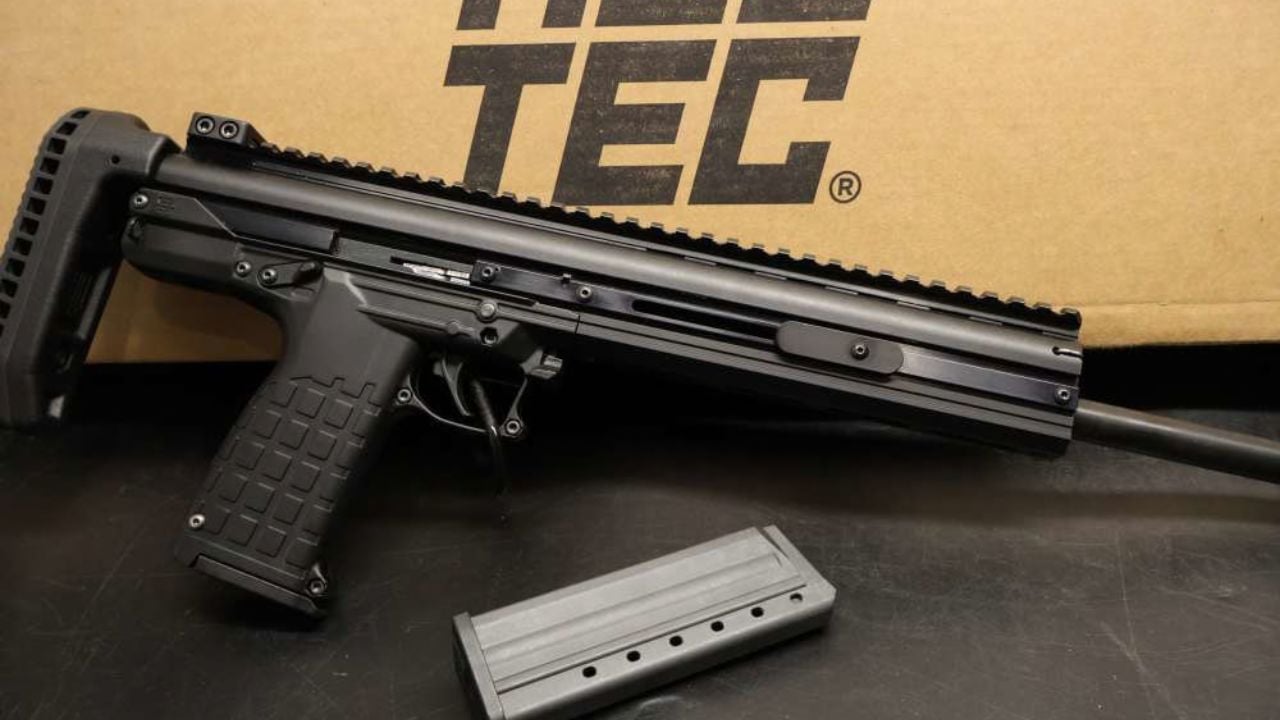
The CMR30 adds a collapsible stock, rails, threaded barrel, and 30-round magazines to the same .22 Magnum concept. It looks like a compact personal-defense carbine.
It remains tied to carefully loaded proprietary magazines and rimfire ammunition. The lightweight construction also feels less durable than the military appearance suggests. It can be excellent for pests, recreation, and compact storage, but a basic 9mm carbine or 5.56 rifle is far more convincing when serious reliability matters.
Smith & Wesson FPC

The FPC folds into a compact package and stores spare magazines inside its stock. Its rails, threaded barrel, and modern controls make it look like a highly practical emergency carbine.
The folding arrangement adds hinges and locking components that a conventional fixed receiver does not need. Its lightweight polymer construction and compact layout are designed around portability rather than sustained hard use. It is a clever vehicle or range carbine, but it should not be confused with a duty-grade rifle.
KelTec SUB2000 Gen 3
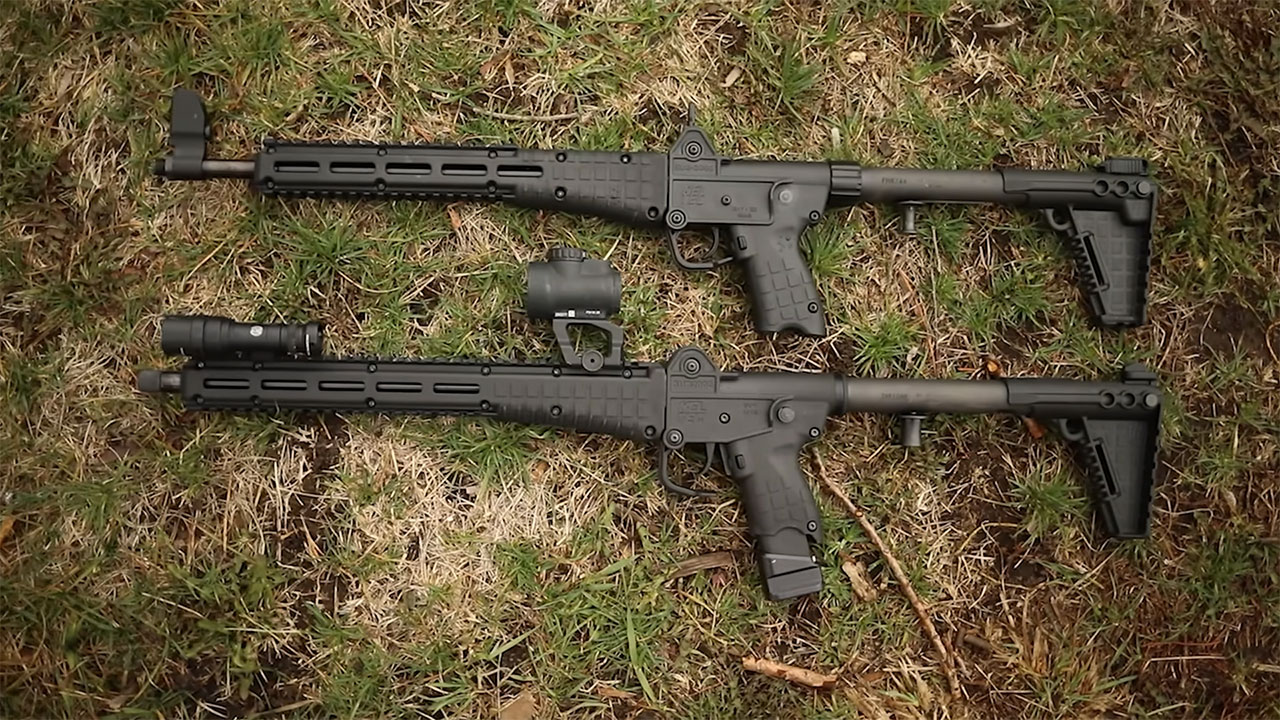
The Gen 3 SUB2000 folds without requiring the optic to be removed or rotated, addressing one of the platform’s biggest weaknesses. Its compactness, common magazines, and tactical appearance make it look like an ideal emergency carbine.
The gun still relies heavily on polymer, uses a basic blowback action, and has controls that feel crude beside more substantial carbines. Its recoil impulse is sharper than expected, and the folding system adds another wear point. It is useful because it stores easily, not because it is built to endure the same abuse as a service rifle.
Smith & Wesson Response
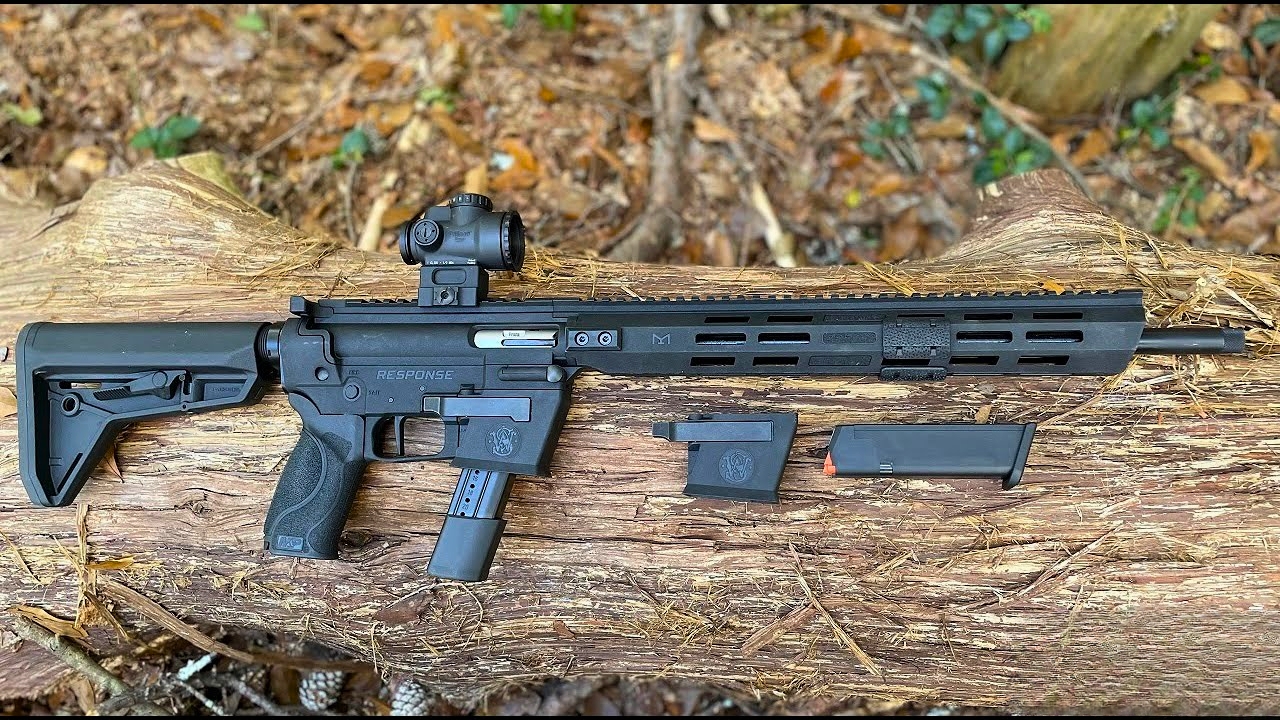
The Response is a modern 9mm carbine with AR-style controls, interchangeable magazine wells, and familiar furniture. It looks like a duty carbine scaled around pistol ammunition.
Its receiver construction and operating system are aimed more at affordability and recreational use than institutional service. Pistol-caliber carbines also provide limited ballistic improvement while remaining nearly as large as 5.56 rifles. It may be practical for range use and home defense, but the appearance promises more capability than the cartridge and platform provide.
Ruger LC Carbine
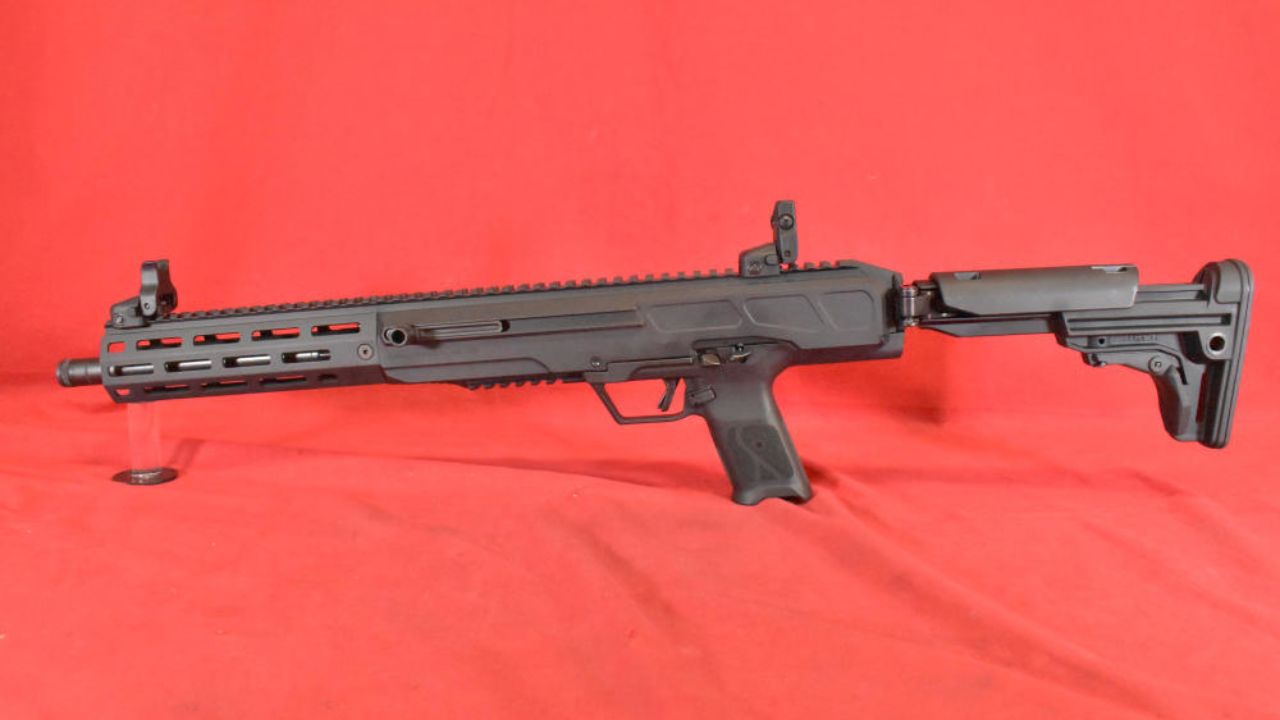
The LC Carbine has an aluminum handguard, folding stock, threaded barrel, and magazines inserted through the grip. It looks compact, modern, and ready for serious close-range work.
The 5.7x28mm chambering brings expensive ammunition and proprietary magazines without offering the logistical support of 9mm or 5.56 NATO. Its controls and internal layout are also less familiar than mainstream carbine systems. It is lightweight and fun, but its appearance oversells its practical defensive advantages.
Tokarev TBP 12
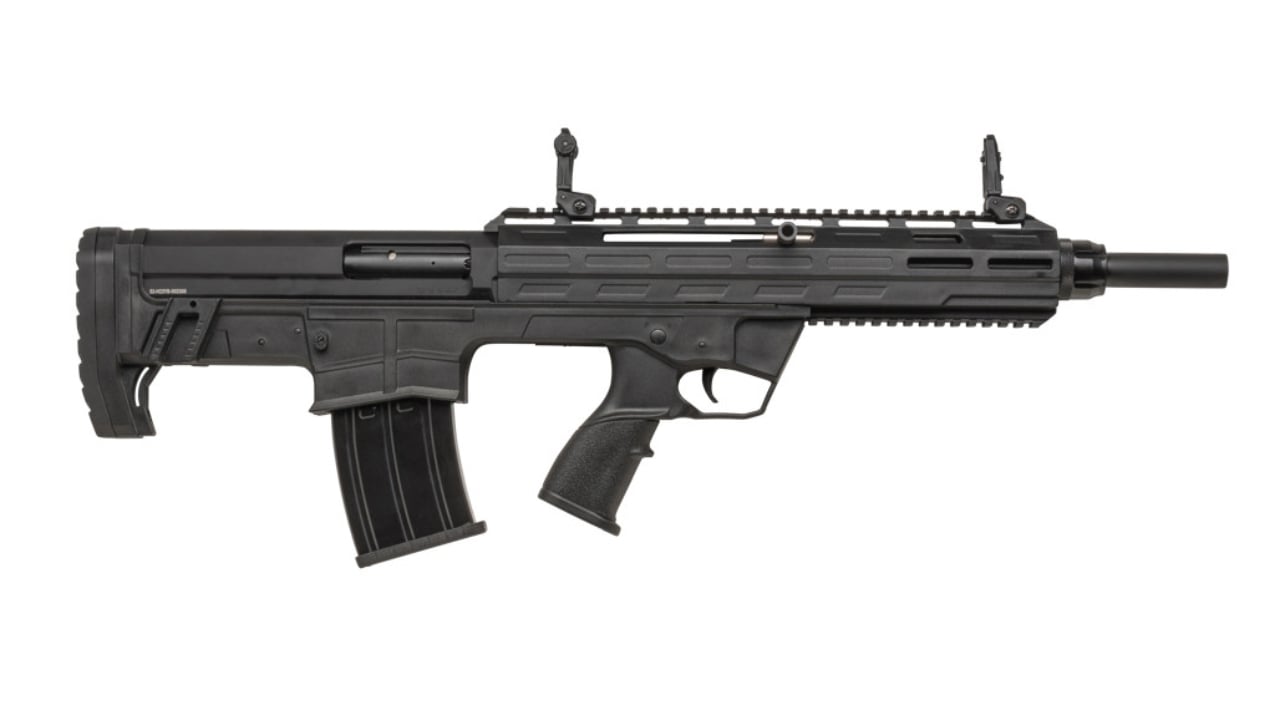
The TBP 12 is a compact bullpup shotgun with detachable magazines, rails, pistol grip, and aggressive styling. It looks like a short combat shotgun with tremendous close-range capability.
Magazine-fed 12-gauge systems are often sensitive to shell length, power, and magazine condition. The large box magazines are awkward to carry and can deform shotshells when left loaded. Budget bullpup construction also creates more complicated linkage and feed paths. It looks intimidating, but a conventional pump shotgun is much easier to trust.
Panzer Arms BP-12
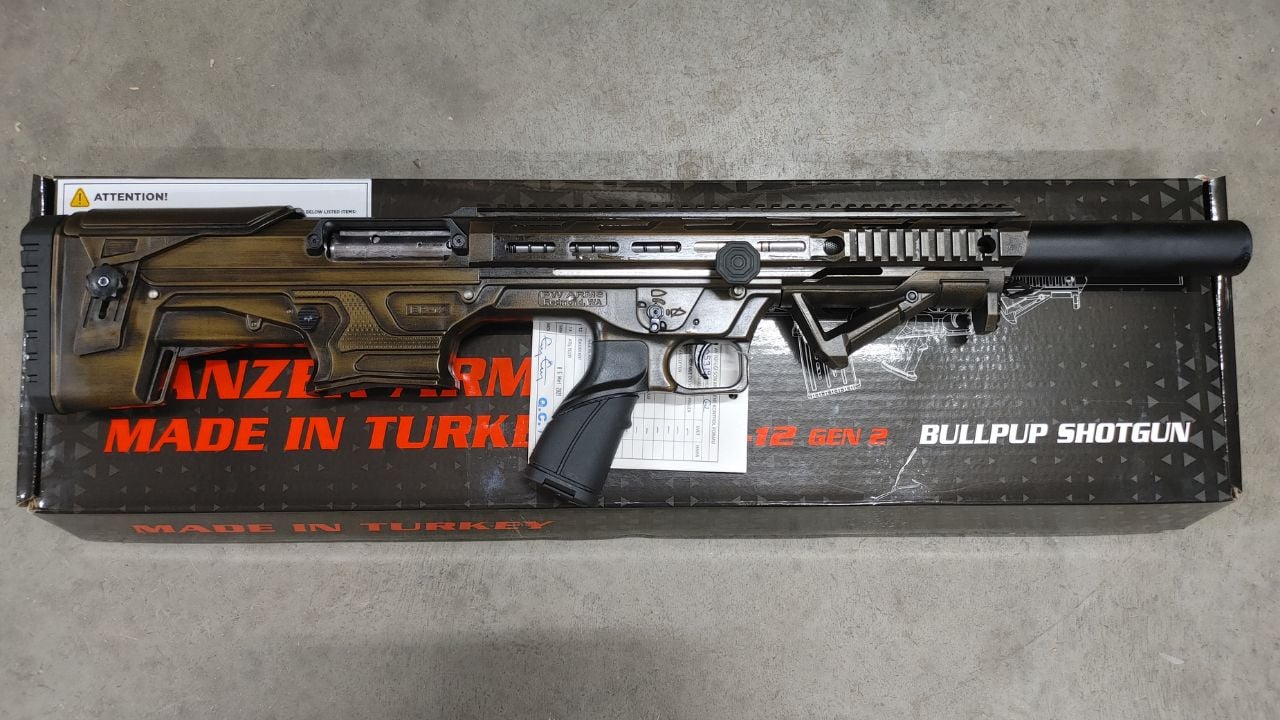
The BP-12 uses a bullpup layout, detachable magazines, adjustable sights, and extensive rails. It appears to offer the handling of a compact tactical rifle with the power of a 12-gauge shotgun.
Its semiautomatic action may require a break-in period and can be sensitive to light target shells. Magazines and small replacement parts are proprietary, while the bullpup trigger linkage complicates the system. It is entertaining when running properly, but its visual aggression exceeds its practical dependability.
Rock Island Armory VR80

The VR80 combines AR-style controls with detachable shotgun magazines, a large handguard, adjustable stock, and competition-ready appearance. It looks like a serious tactical shotgun and can be very fast during recreational matches.
It is bulky, heavy, and dependent on large proprietary magazines. Ammunition power and gas-system settings can affect cycling, while the magazines take up substantial space. The VR80 makes sense for competition and range use, but a tube-fed semiautomatic or pump shotgun is a more dependable defensive tool.
Standard Manufacturing DP-12
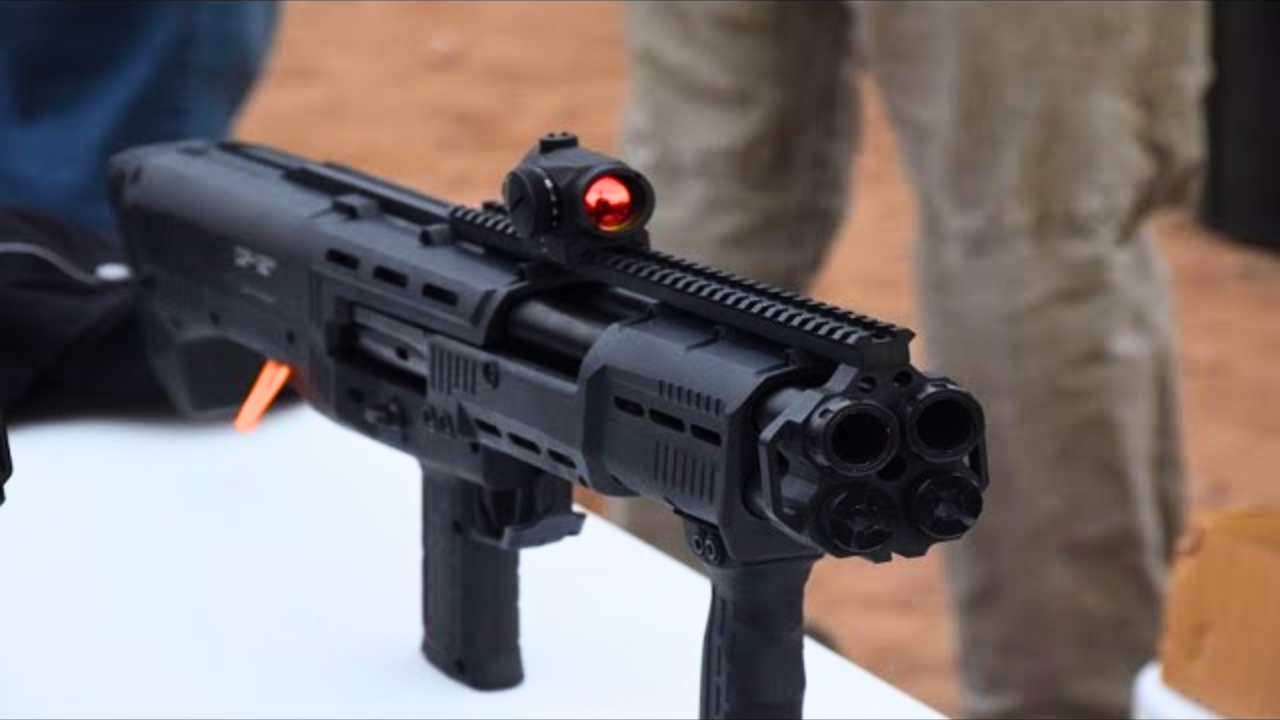
The DP-12 has two barrels, two magazine tubes, rails, and a compact bullpup layout. Its appearance suggests enormous firepower and redundancy inside a short package.
The shooter must remember that each pump cycle feeds two separate shots before the action is cycled again. That manual of arms is less intuitive than an ordinary pump shotgun. The gun is also heavy, mechanically complicated, and difficult to reload completely. It looks ready for anything, but its complexity becomes a liability when simplicity matters most.
Like The Avid Outdoorsman’s content? Be sure to follow us.
Here’s more from us: