Photo credit: Tamakhin Mykhailo/Shutterstock.com
When you only shoot a rifle from the bench, it’s easy to think everything is dialed in. But once you take that same rifle into real pressure—cold mornings, quick shots, hasty rests, awkward body angles, or back-to-back follow-ups—you find out fast where a design holds together and where it starts coming apart.
Some rifles simply don’t stay consistent once pace picks up or conditions worsen. Accuracy drifts, feeding falters, and small design quirks turn into real problems. And while none of these rifles are unusable, they’re perfect examples of how honest field pressure reveals issues the spec sheet never mentions.
Mossberg Patriot Walnut

The Mossberg Patriot shoots well enough at a relaxed pace, but when you push it through a full season, the flexible stock on certain models becomes noticeable. Under pressure or sling tension, point of impact shifts can creep in, especially if you’re shooting from quick field rests. The bolt is usable, though not particularly smooth when cycled fast with cold hands. Some hunters also report wandering accuracy as the barrel heats during repeated shots. It’s a capable budget rifle, but once you start moving quickly or dealing with rough weather, it doesn’t always feel as steady as its price suggests.
Ruger American Ranch 7.62×39
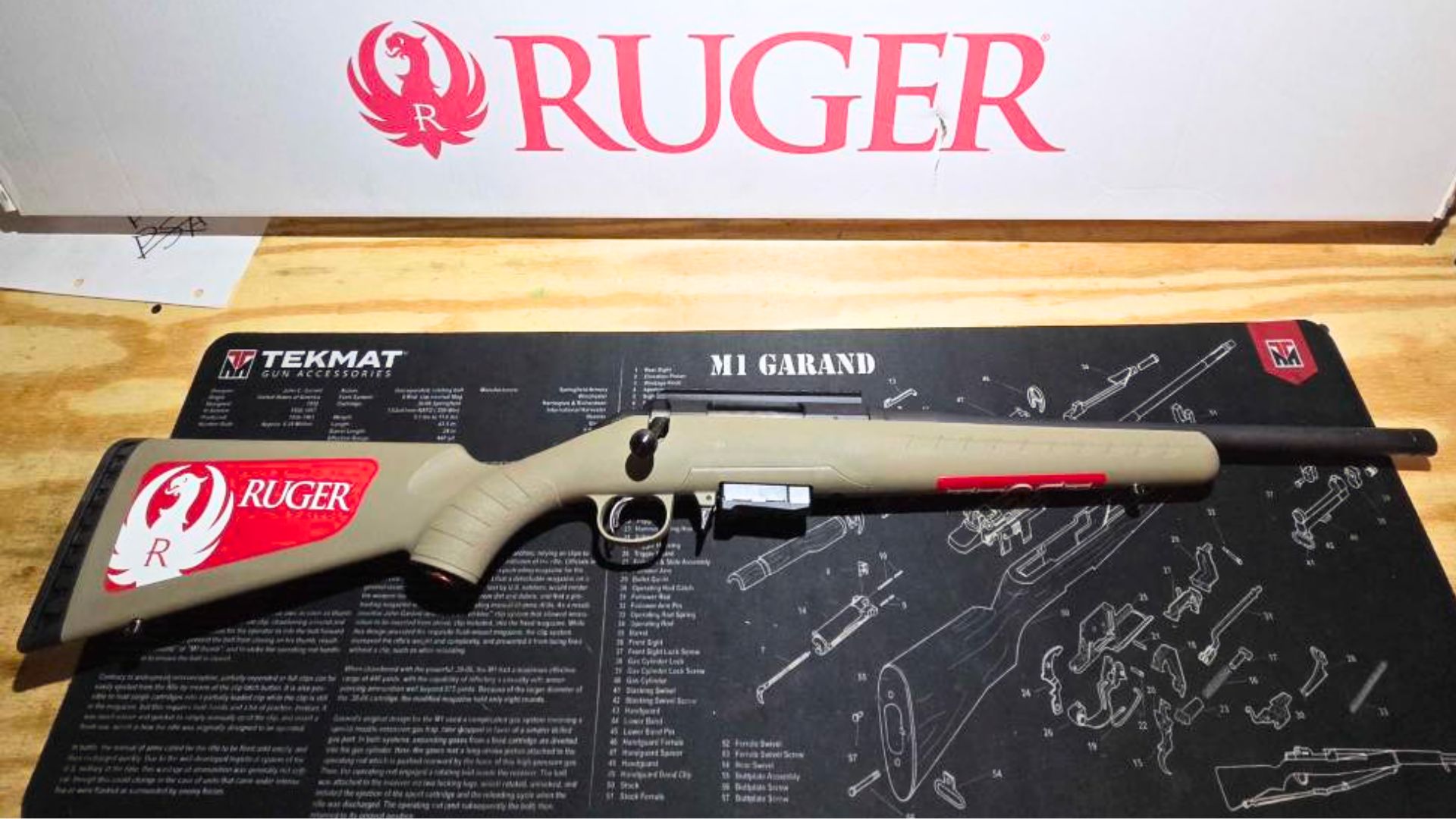
The Ranch in 7.62×39 earned a big following, but when you run it hard for an entire season, feeding becomes hit-or-miss depending on the magazine used. Steel-case ammo also exposes extraction quirks during rapid cycling. The lightweight barrel warms fast, and accuracy can fade sooner than you expect during quick follow-up strings. It’s a handy, compact rig that performs well for calm hunting shots, but when you push it across varying temperatures and faster pacing, its consistency becomes less predictable. Many shooters eventually learn the rifle prefers a slower, more deliberate cadence than the field sometimes allows.
Remington Model 783

The 783 was built to be affordable, but that affordability shows when pressure increases. The bolt can feel sticky when speed matters, especially after the rifle accumulates dust or moisture. Heat also affects the rifle more than expected, opening up groups when you’re forced into multiple quick shots. The polymer stock doesn’t offer much rigidity, which becomes obvious when shooting from improvised positions with added pressure on the fore-end. On the bench it’s serviceable, and many rifles shoot well cold, but over the course of a tough season it struggles to maintain the consistency hunters depend on.
Browning AB3 Composite Stalker
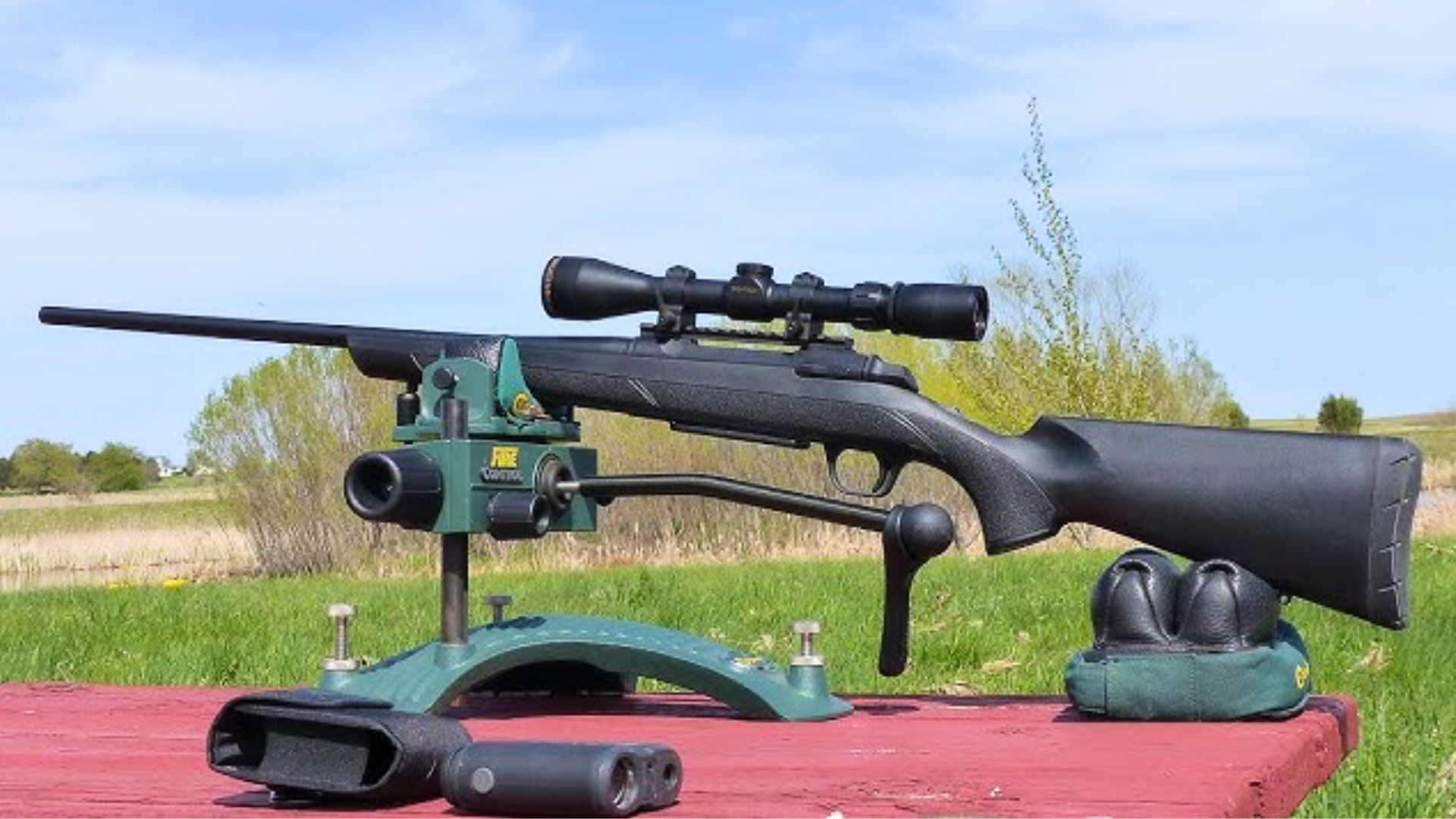
The AB3 is lightweight and easy to carry, but its thin barrel and flexible stock create challenges when you’re operating under field stress. Hard sling tension or loading a bipod can influence point of impact, and some shooters notice accuracy wandering during longer shot strings. The magazine system also isn’t as secure as it should be when you’re moving quickly or wearing gloves. The action cycles well enough, but when adrenaline spikes, the ergonomics feel less forgiving. It’s a functional rifle, but its behavior shifts more than expected once you move past calm, controlled shooting.
Savage 110 Apex Hunter XP

The Apex Hunter XP package rifles were designed for value, but the included synthetic stock doesn’t provide the stiffness needed for full-season pressure. When braced against trees, packs, or shooting sticks, the fore-end can flex enough to affect groups. The lighter barrel heats quickly, and extended shot sequences show drift that isn’t obvious during zeroing. While the AccuTrigger is a strong feature, the overall system feels less stable when you’re moving fast or adjusting quickly to changing shot angles. It’s fine for a few deliberate shots but loses consistency when a hunt demands more speed.
CVA Cascade

The CVA Cascade shoots well initially, but the extremely lightweight design makes it sensitive to environmental changes across a long season. Cold weather, barrel heat, and different shooting pressures all influence how it groups. The bolt feels smooth at first, yet rapid cycling reveals a slightly mushy feel that isn’t ideal when you’re pushing hard for a second shot. The rifle’s accuracy potential is solid, but maintaining that level requires slow, steady use. When real pressure enters the picture, the Cascade shows more variance than you’d expect for a modern bolt gun.
Howa 1500 Hogue

The Howa 1500 action is excellent, but the Hogue OverMolded stock tends to flex more than hunters realize. When you load the bipod or brace the rifle aggressively, you may see shots drift left or right. The rubbery exterior feels good in the hand yet makes certain field rests inconsistent. The rifle’s accuracy is strong from the bench, but once heat builds or your shooting angle changes quickly, the harmonics shift more than expected. Over a long season, precision becomes harder to sustain unless you stay within a slower-paced shooting rhythm.
Winchester Model 70 Featherweight (Modern Production)

The Featherweight carries beautifully, but that thin barrel profile is sensitive when pressure rises. After a few fast shots, accuracy can fade until the barrel cools again. The stock design also encourages some torque when shooting from awkward positions, which becomes more noticeable when you’re rushed or fatigued. The action is smooth, but it rewards slow, classic marksmanship rather than fast cycling. Across a full season with wide temperature swings and varied shot opportunities, the rifle’s consistency can waver unless conditions remain calm.
SIG Sauer M400 TREAD
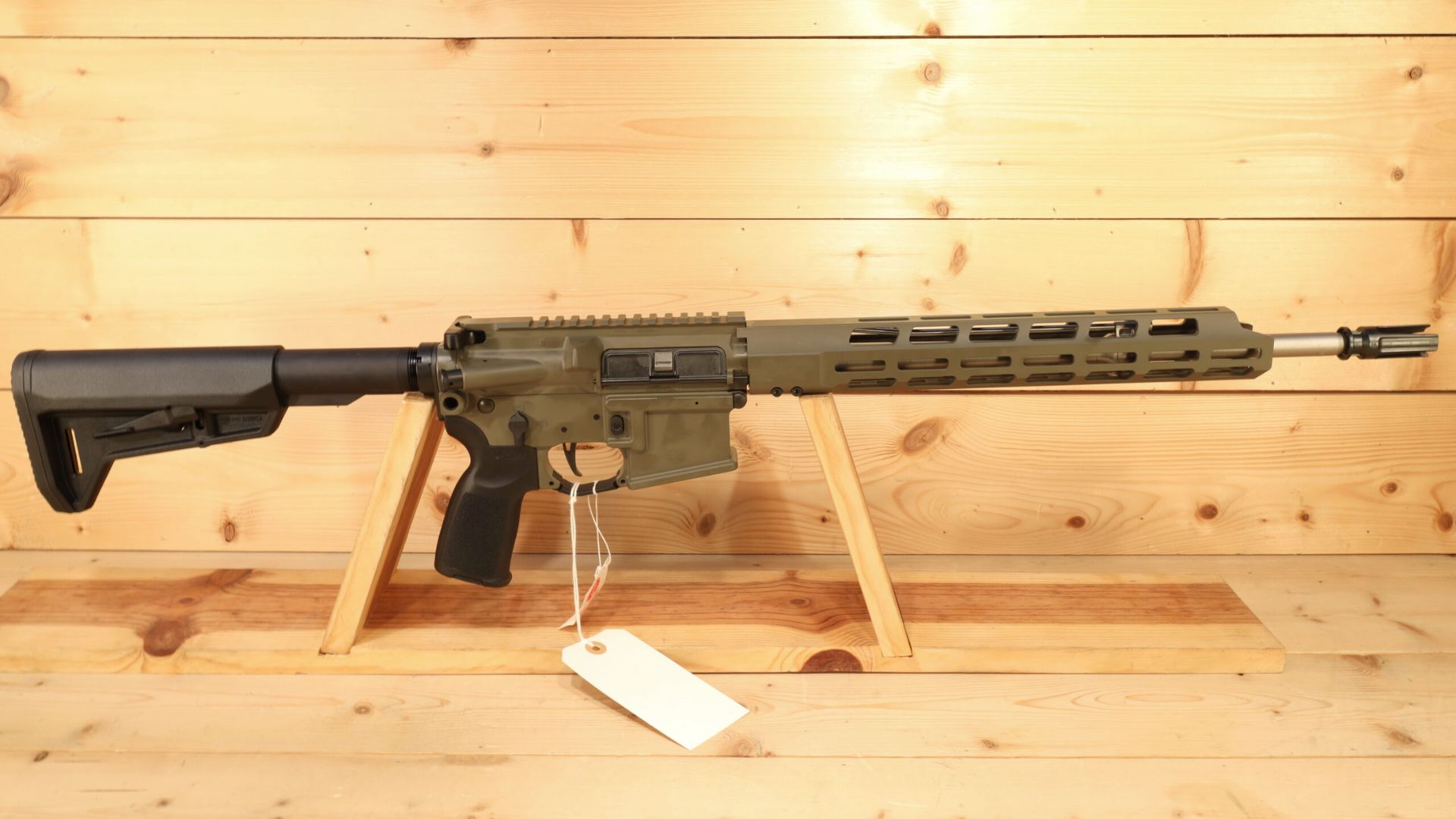
The TREAD markets itself as a do-everything AR, but sustained fire reveals gas-system quirks that limit its consistency. Once the rifle heats up, point-of-impact shift becomes noticeable, and the handguard gets hot fast. Cycling feels snappier or sluggish depending on ammunition, making rapid shot strings unpredictable. Magazine changes are smooth enough, though not as refined as higher-end ARs that stay consistent under real pressure. The rifle works well for moderate use, but when you push it through long, demanding sessions, its weaknesses become difficult to ignore.
Anderson AM-15
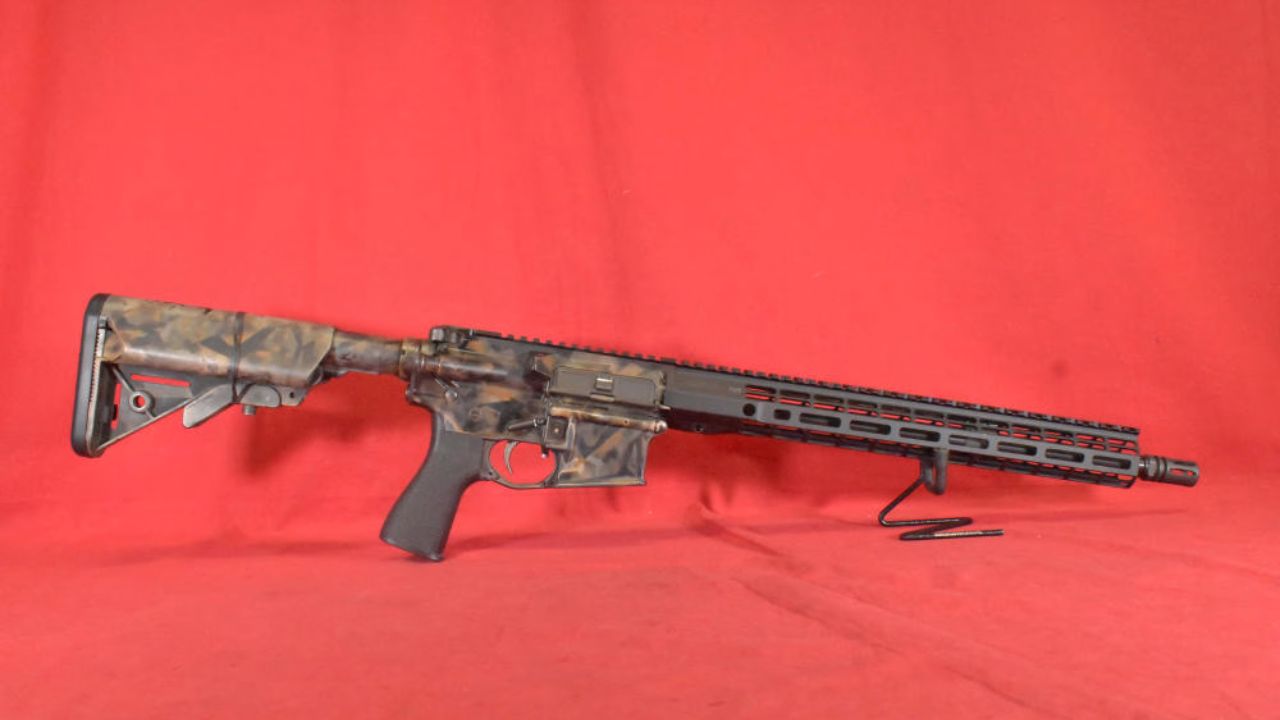
The AM-15 is popular because of price, not long-term consistency. Under pressure, loose tolerances begin showing through in the form of inconsistent cycling and occasional feeding hesitation. The trigger slows you down once you move past controlled shooting. Heat and fouling both reduce reliability more quickly than on higher-quality rifles. As a result, the rifle feels far different during a full, demanding season than it does during a few relaxed range trips. It performs, but not without exposing where the budget build limits its staying power.
DPMS Oracle

The Oracle earned attention as an affordable AR, but the handguard, trigger, and gas system all struggle once pace increases. Heat builds quickly and begins affecting reliability during longer drills. Some shooters experience extraction issues under sustained use, especially if the rifle isn’t spotless. The rifle’s performance on a clean bench doesn’t match how it behaves when you’re running it harder in dynamic conditions. Over a season, the inconsistencies add up, making it less trustworthy than its appearance suggests.
Mossberg Blaze

The Blaze was never meant for high-pressure shooting, and that becomes obvious fast. The polymer receiver flexes under tension, causing noticeable shifts in how the rifle groups from different rests. Bulk .22 ammo fouls the action quickly, and the rifle doesn’t handle that buildup well during extended use. Feeding becomes less predictable once you move past casual plinking. While it’s fun when used slowly, it doesn’t maintain its composure during fast-paced or high-volume shooting across a full season.
Henry Long Ranger
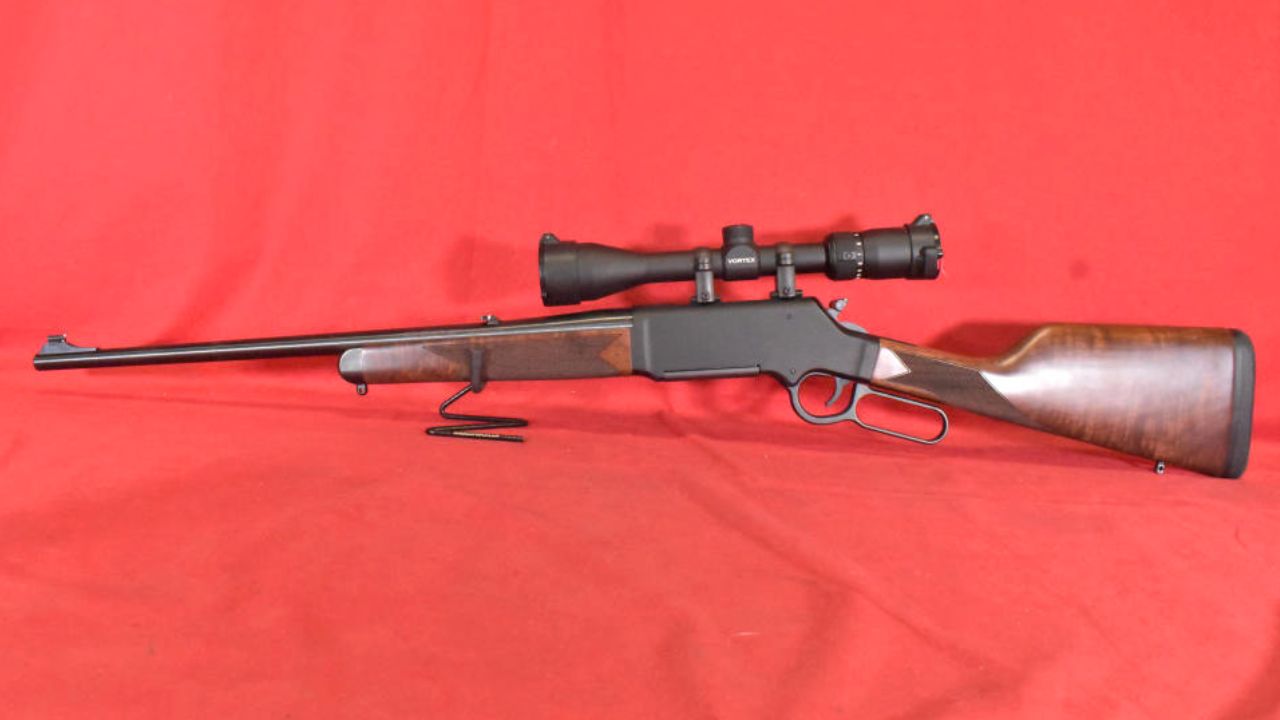
The Long Ranger is well-designed, but lever guns behave differently when pushed hard. The action feels stiff when cycled rapidly, particularly in cold weather. The detachable magazine complicates quick reloads under pressure, slowing you down at the worst times. Barrel heat also introduces small shifts in accuracy during sustained use. Over a long season with varying temperatures and shooting positions, the rifle’s consistency isn’t as strong as its reputation implies. It performs well, but only when used within a slower, methodical rhythm.
Rossi R92 (Modern Production)
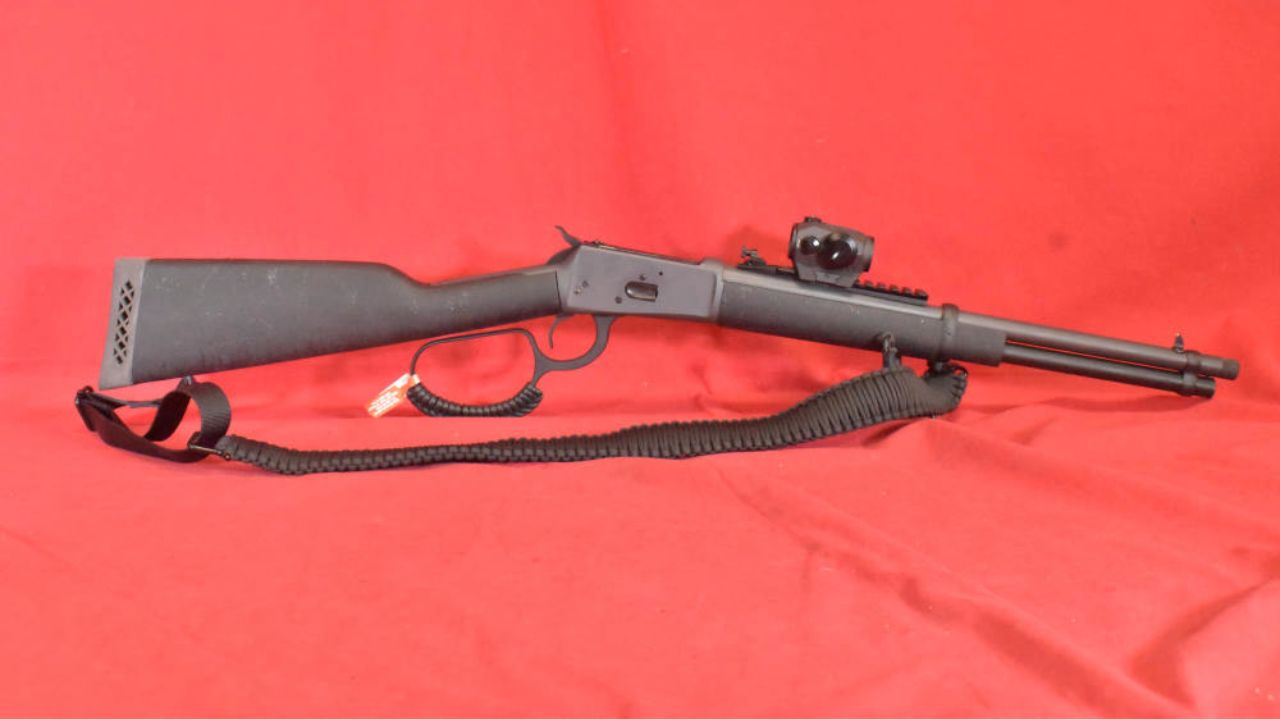
The R92 delivers classic lever-gun charm, but under field pressure, the action hesitates with certain bullet profiles. Cycling quickly can produce small hang-ups that don’t appear in calm shooting. The buckhorn sights also make hasty shots harder to pull off cleanly. As the barrel warms, accuracy softens slightly, which matters more when shot timing is tight. It’s reliable for casual lever shooting, but a full hunting season exposes performance gaps that aren’t obvious at first.
Savage 64
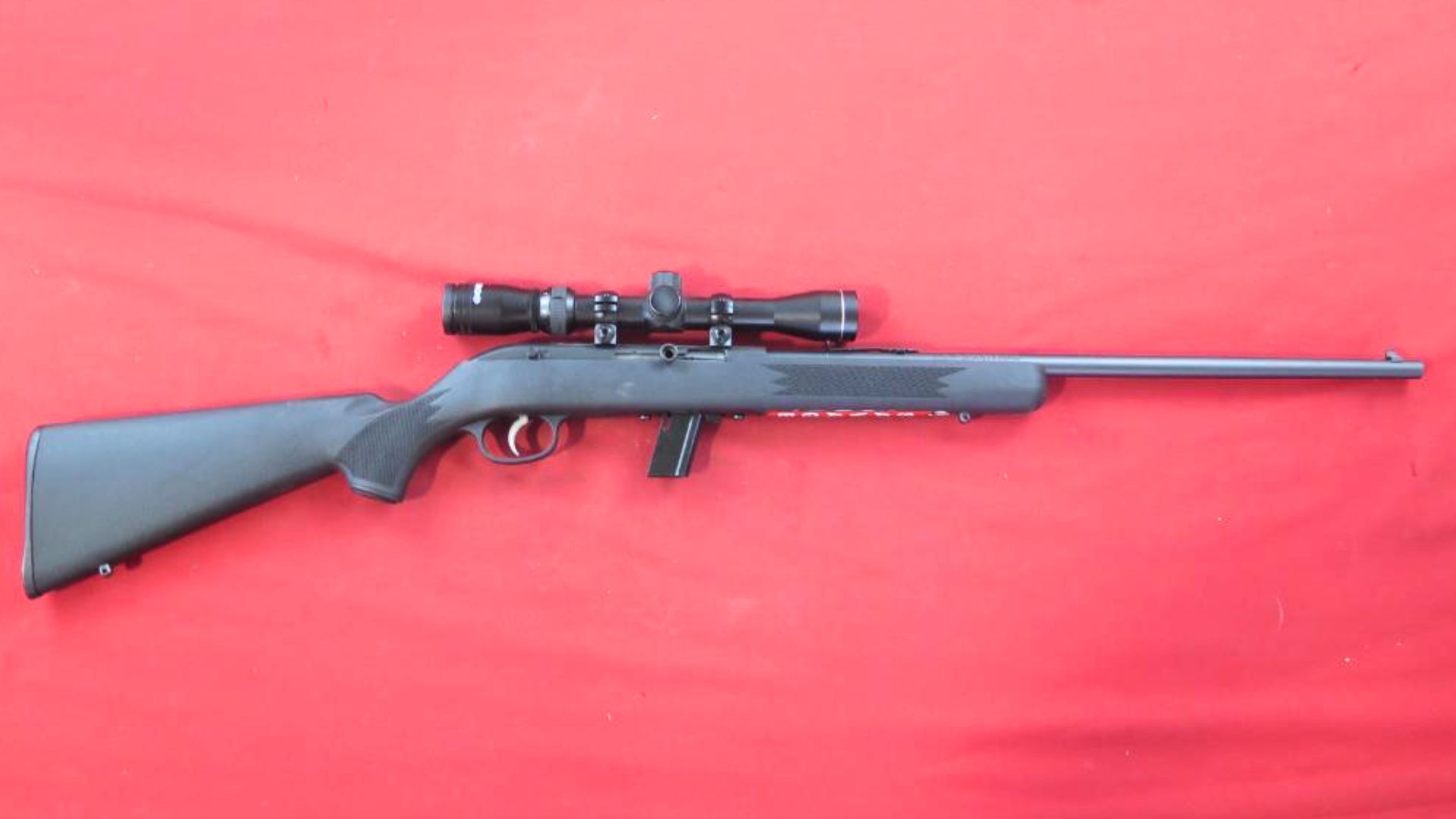
The Savage 64 is practical for backyard use but struggles when a season demands more from it. Magazines are difficult to insert cleanly under stress, and the rifle is sensitive to debris buildup from bulk ammunition. Feeding and extraction both become inconsistent during high-volume shooting. The controls are cramped, and fast transitions feel clumsy. Across a whole season—especially one involving training or steady use—the rifle loses consistency much sooner than sturdier rimfire platforms.
Like The Avid Outdoorsman’s content? Subscribe to our newsletter so you never miss an article.
Here’s more from us: