Photo credit: fuquaygun1/GunBroker
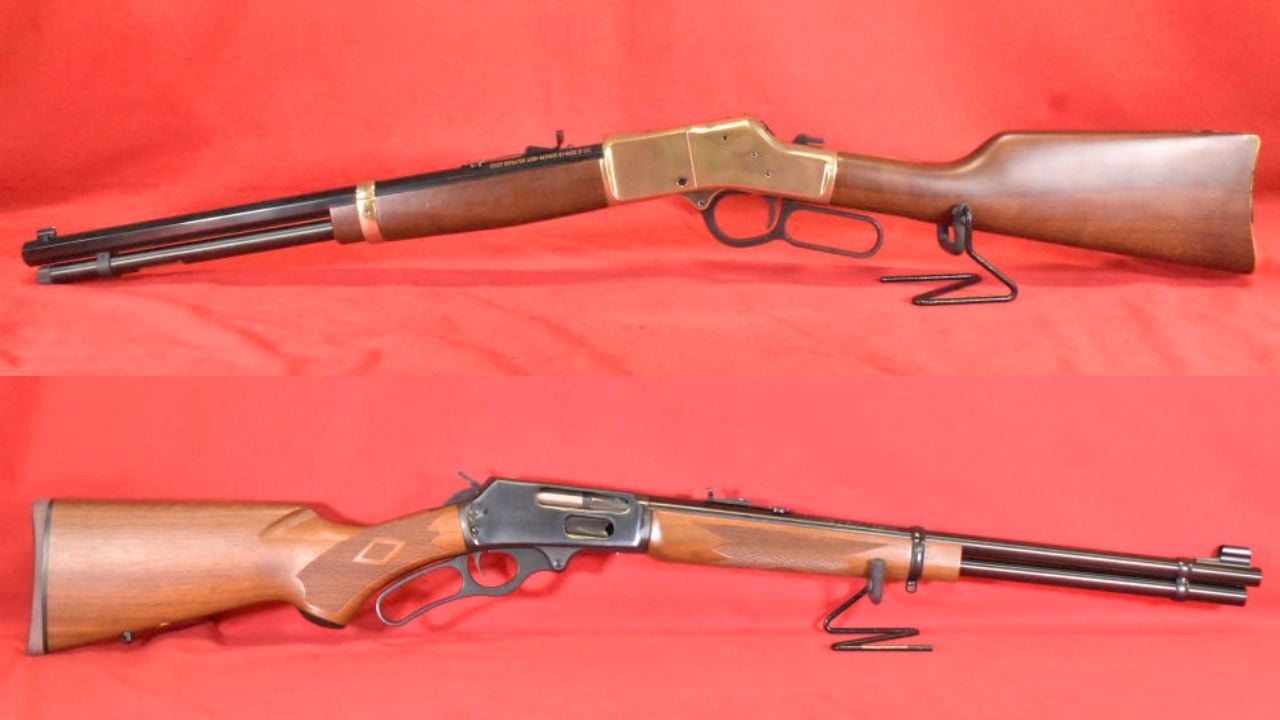
Lever-actions have a way of sticking around because they work. Both the Marlin 336 and the Henry Big Boy carry that old-school appeal but deliver very different shooting experiences. You’ll see plenty of opinions on which is “better,” but it really comes down to how you plan to use it and what you value most.
I’ve put them side by side in the areas that matter—accuracy, handling, maintenance, and real-world performance—so you can decide which one makes more sense for your kind of shooting.
Action Smoothness
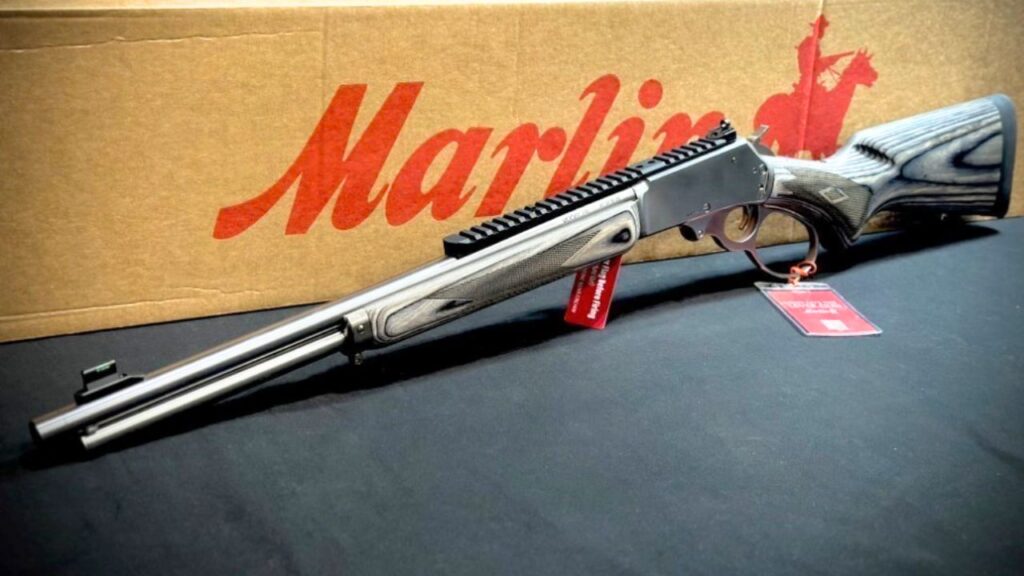
The Henry Big Boy is famously smooth right out of the box, with a cycling motion that feels polished. The Marlin 336 is also reliable, but its action can feel a bit stiffer until it’s broken in through regular use.
If you want the kind of lever throw that feels like it’s gliding, Henry gets the edge. For some, that’s worth it. Others don’t mind a little more resistance if they’re confident it’ll wear in over time.
Weight and Balance
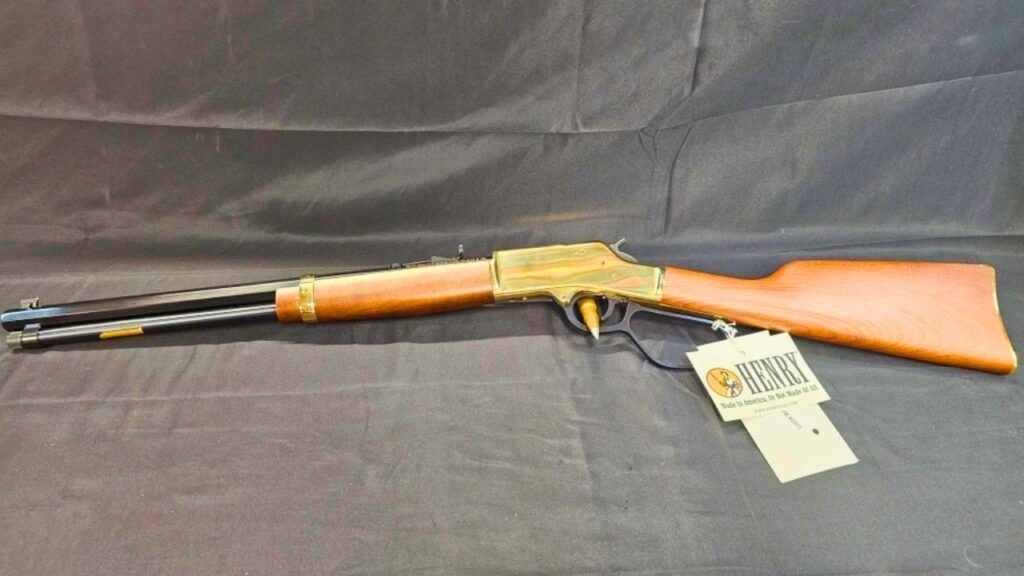
The Marlin 336 generally runs lighter and carries its weight a bit more toward the center, making it easier to shoulder quickly. The Henry Big Boy, especially in brass frame versions, tends to be heavier, which can help absorb recoil but may slow you down.
If you’re hunting in thick brush where fast handling matters, the Marlin’s lighter weight is a plus. If you’re at the range or taking slower, deliberate shots, the Henry’s heft can feel more stable.
Caliber Choices
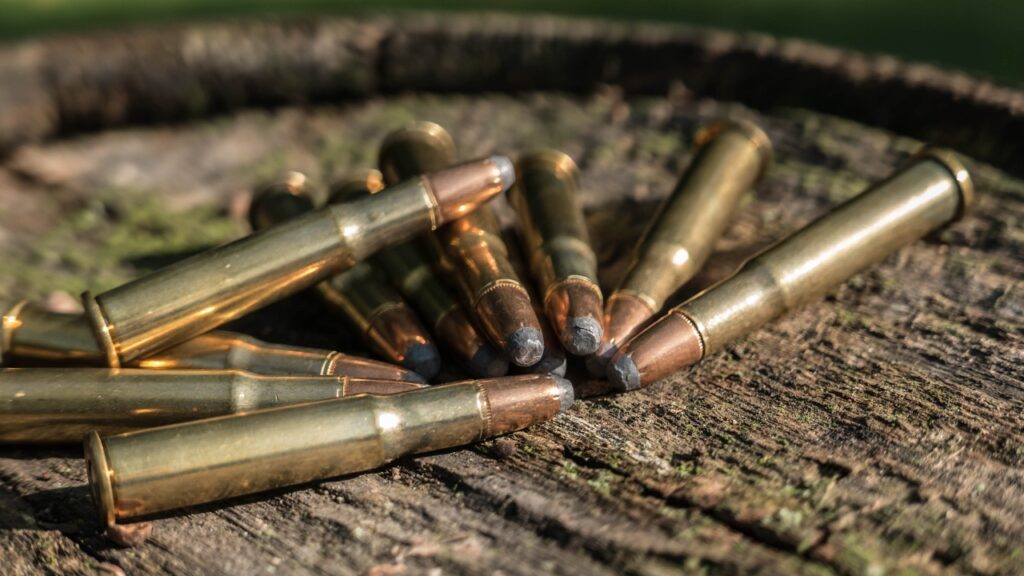
The Marlin 336 is most common in .30-30 Winchester, a proven hunting round with good reach. The Henry Big Boy often comes chambered in revolver cartridges like .357 Magnum, .44 Magnum, and .45 Colt, which make it a strong choice for short to medium ranges.
If you want a rifle for deer hunting out past 150 yards, the .30-30 chambering is hard to beat. If you want caliber compatibility with your revolver or you’re shooting mostly under 100 yards, the Big Boy makes a lot of sense.
Sighting Systems
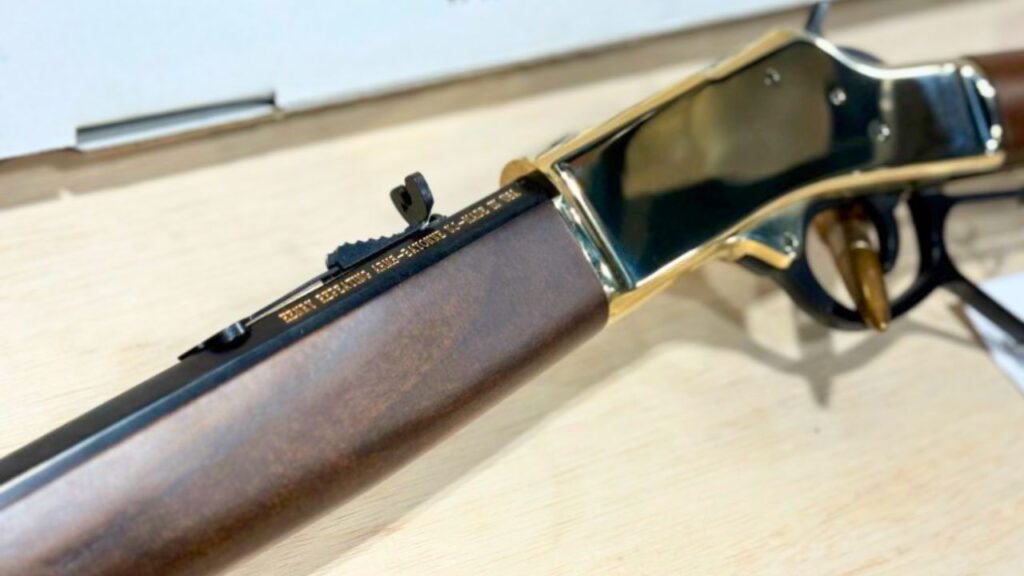
Factory iron sights on both rifles are usable, but the Marlin 336 comes drilled and tapped for optics out of the box, making it simple to add a scope. The Henry Big Boy’s top eject design makes scope mounting trickier, though side-mount options are available.
If scoped shooting is part of your plan, the Marlin setup is far more straightforward. If you’re sticking with irons or a peep sight, the Henry will serve you well without modification.
Maintenance and Cleaning
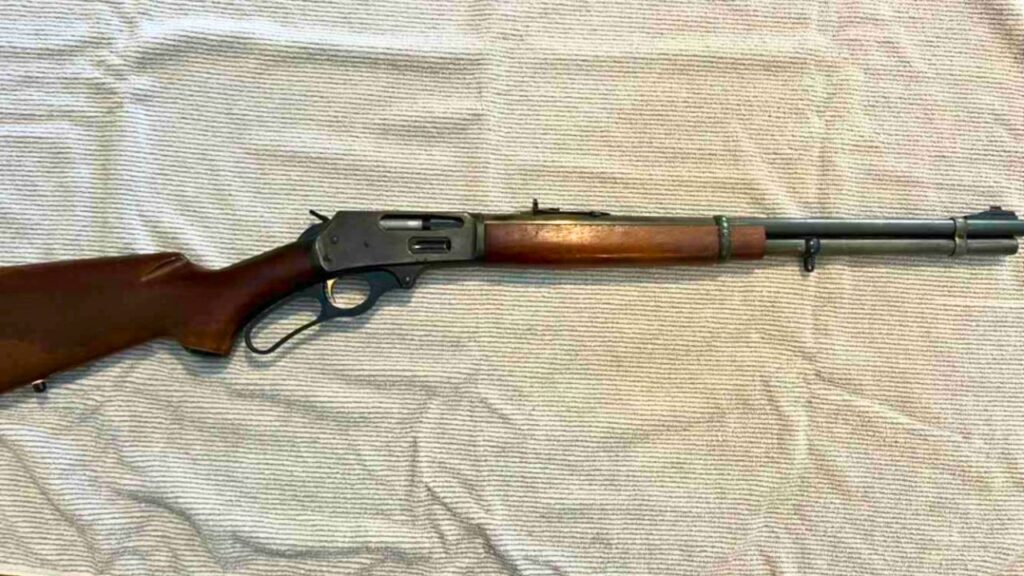
The Marlin 336 has a side ejection and a solid-top receiver, which makes it easy to clean from the breech without removing the bolt. The Henry Big Boy requires more disassembly to fully access the bore from the rear.
If regular cleaning convenience matters to you—especially for hunting rifles that see bad weather—the Marlin makes the process quicker. Henry rifles are still straightforward, but not as tool-free for deep cleaning.
Recoil Management
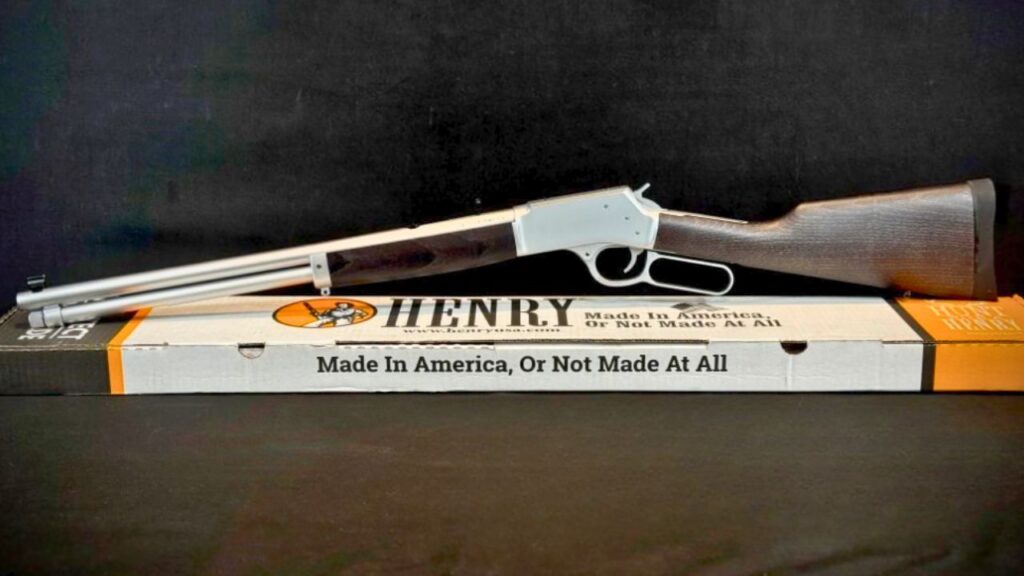
In comparable calibers, the Henry Big Boy’s extra weight tends to soak up recoil better. The Marlin 336, being lighter, can kick a little more in .30-30, especially during long range sessions.
If you’re recoil-sensitive or planning high-volume shooting, that extra pound or two on the Henry works in your favor. If you’re carrying it through the woods all day, that extra weight becomes more noticeable.
Trigger Feel
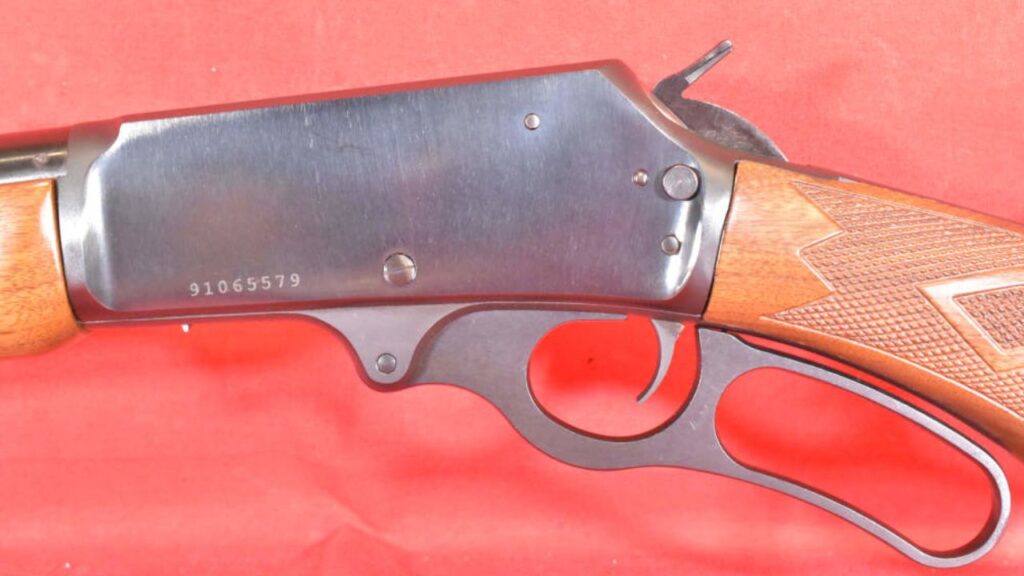
The Marlin 336 trigger is serviceable but can feel a bit heavier from the factory. The Henry Big Boy’s trigger pull tends to be smoother with a cleaner break, which helps with precision shooting.
While both can be improved with aftermarket work, the Henry often needs less tinkering for a crisp pull. If you’re a stickler for good triggers out of the box, Henry takes a slight lead here.
Fit and Finish
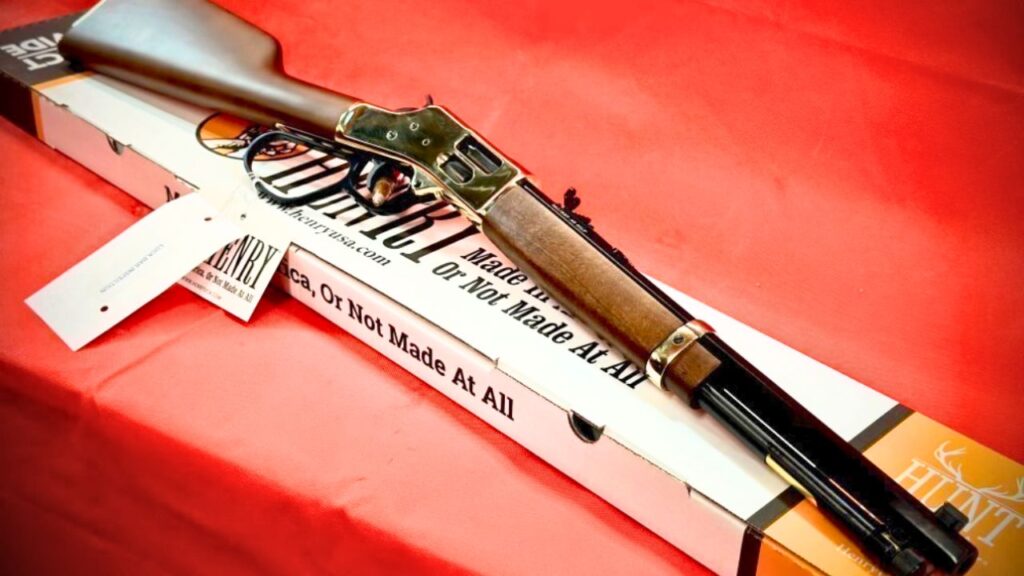
Henry rifles are well-known for their polished wood and deep bluing, especially in the brass-framed versions. The Marlin 336 has a more utilitarian look, especially in newer production models, though older JM-stamped guns are often beautifully finished.
If looks matter as much as function, Henry’s presentation can’t be ignored. If you care more about durability in rough use, the Marlin’s plainer finish holds up well without as much worry about scratches.
Aftermarket Support
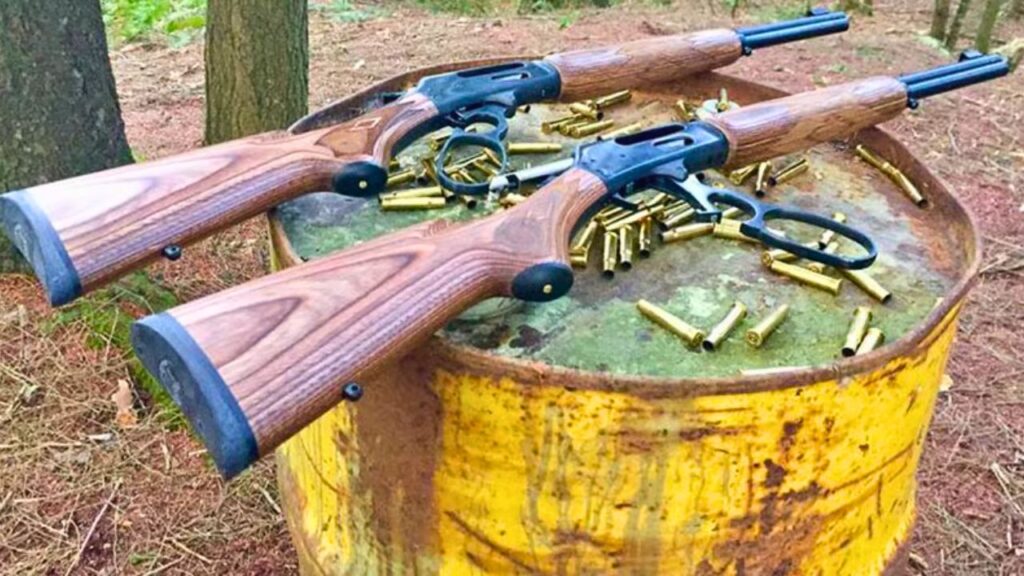
The Marlin 336 benefits from decades of parts and accessory availability, making it easy to find stocks, rails, and sights. Henry rifles have growing aftermarket support, but not at the same scale.
If customization is on your radar, the Marlin platform gives you more options right now. If you plan to leave the rifle as-is, either will serve you without issue.
Price and Value
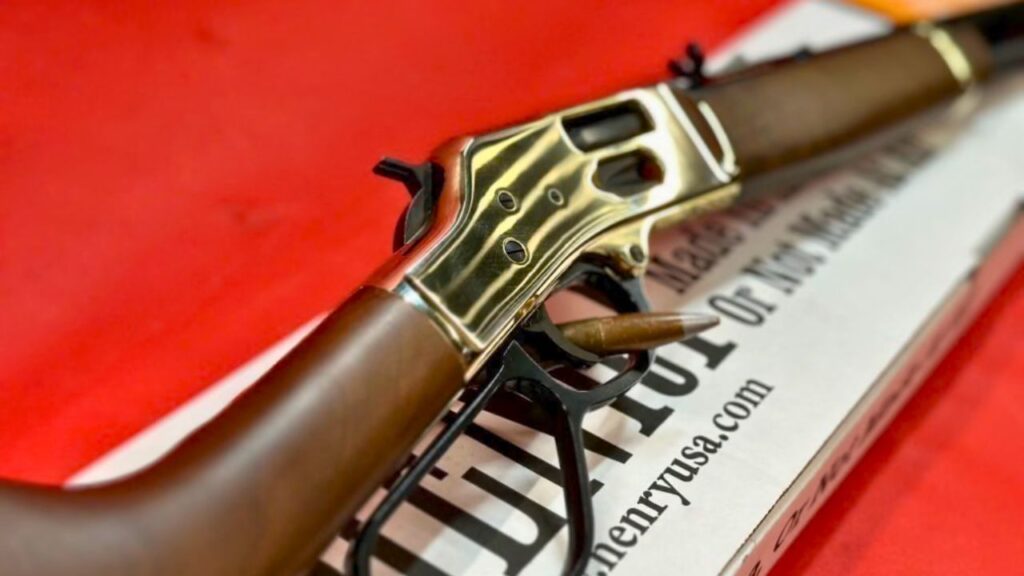
The Marlin 336 can often be found used for less than a new Henry Big Boy, and older models still run reliably. Henry rifles, while pricier, hold their value well and maintain excellent factory support.
If budget matters most, a used Marlin offers a lot of rifle for the money. If you want a brand-new gun with standout build quality and warranty backing, Henry is worth the extra spend.
*This article was developed with AI-powered tools and has been carefully reviewed by our editors.