Photo credit: Lumi Studio/Shutterstock.com
A handgun that feels solid out of the box doesn’t always stay that way once you’ve put some real mileage on it. At first glance, many pistols look like they can handle regular range use and defensive carry. But after a few hundred or a few thousand rounds, weak points start showing—whether that’s parts wear, accuracy shifts, or malfunctions that creep in. These are the handguns that seem dependable at first but have proven otherwise with extended use.
Taurus PT111 Millennium G2

The PT111 Millennium G2 earned plenty of fans for its budget price and decent ergonomics. On the surface, it appears reliable enough for casual use. But once you start putting serious round counts through it, issues with trigger reset and feed reliability show up more often.
Some shooters report frame wear and small part failures earlier than expected. While it can work fine for occasional range trips, it’s not the handgun you’d want to trust after thousands of rounds.
KelTec PF-9

The KelTec PF-9 is one of the slimmest and lightest 9mm pistols out there, and that’s what makes it appealing for carry. The problem is, long-term shooting reveals its limitations. Its recoil impulse is harsh, and that accelerates wear on components.
Feed issues and parts loosening are common once it’s seen steady use. It’s a pistol that can work in a pinch, but it has a history of wearing out quickly compared to more robust designs.
SIG Sauer P250
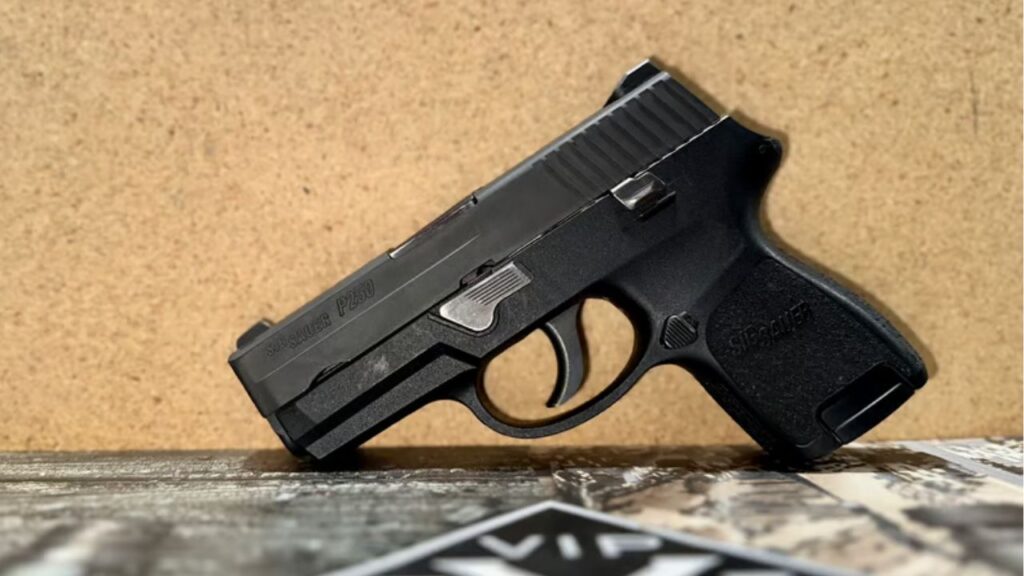
The P250 was marketed with its modular design, but it also developed a reputation for uneven reliability after extended use. Early adopters praised its smooth trigger, but the double-action-only system combined with long-term wear led to complaints of light primer strikes.
It’s not that the gun fails immediately, but once you’ve put enough time on it, those small flaws become harder to ignore. It’s one of those pistols that seems like a good idea initially, then fades in confidence the longer you use it.
Smith & Wesson Sigma Series
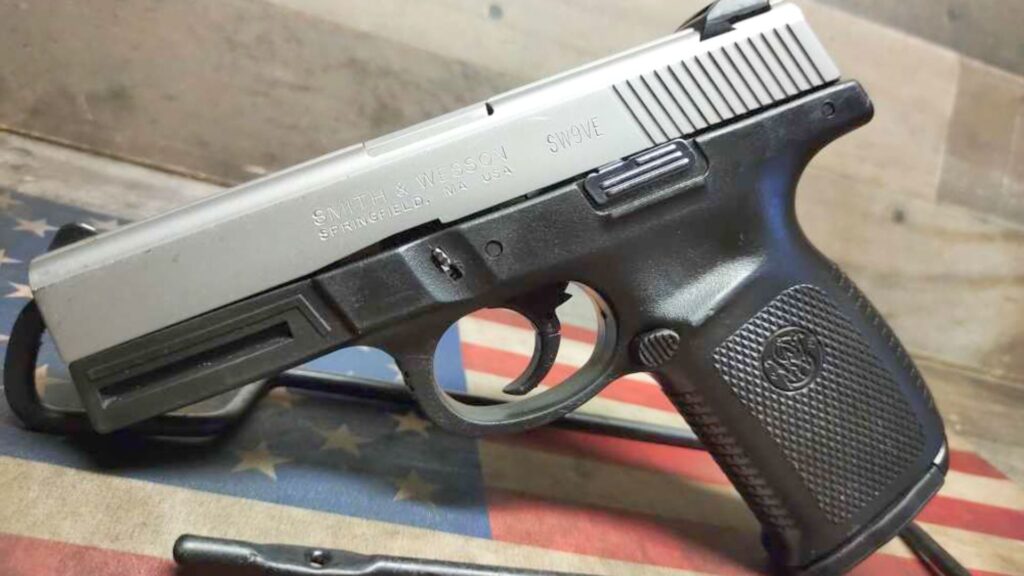
The Sigma pistols came out as an affordable alternative to Glock, but they didn’t age as well under real-world use. Early batches had notorious trigger issues, and even after fixes, durability over time was spotty.
Shooters who kept them in rotation often saw cycling inconsistencies crop up once the round count climbed. For something marketed as a duty-style pistol, its long-term performance didn’t match the expectation.
Jennings J-22

The Jennings J-22 has been around for decades, and at first it looks like a handy little .22 pocket pistol. But the more you shoot it, the more its shortcomings show. Its pot metal construction doesn’t stand up well to repeated use, and feeding issues are common.
Plenty of these guns end up sidelined after extended shooting because reliability simply disappears. It’s one of those handguns that feels fine for a box of ammo, but you wouldn’t count on it for serious use.
SCCY CPX-2

The SCCY CPX-2 is popular among budget-conscious buyers, and it has decent ergonomics for the price. On first impression, it comes across as a functional carry gun. But once you put higher round counts through it, reliability begins to dip.
Common issues include extraction problems and pins working loose over time. For casual or backup use, it can serve, but as a handgun you’ll shoot heavily, it often falls short.
Colt 2000 All American
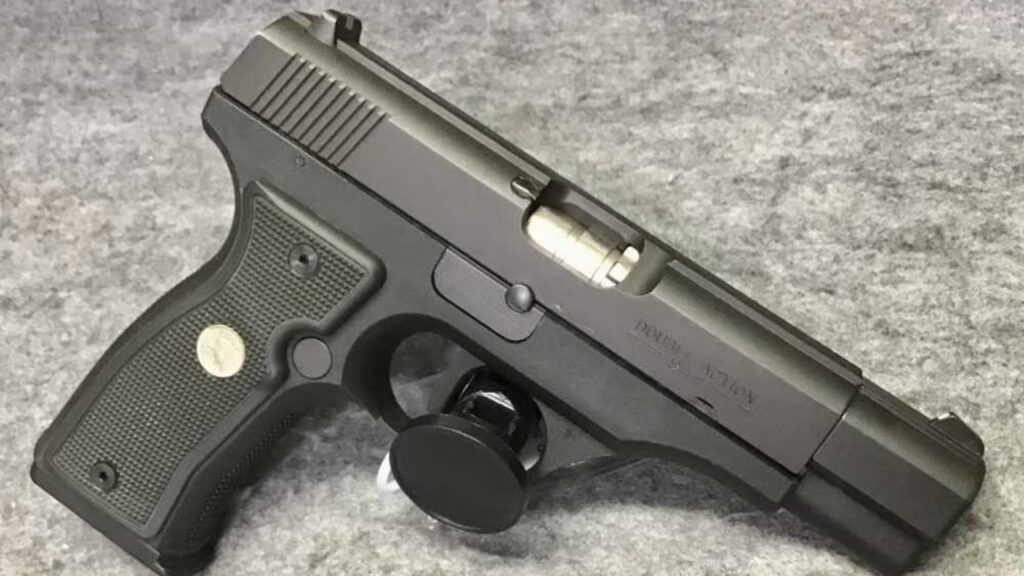
The Colt 2000 had a strong name attached to it, and the early appeal made it look like a winner. However, shooting it enough revealed a slew of problems—accuracy was lackluster, the trigger was heavy, and reliability dipped the more you ran it.
Over time, it became one of Colt’s most criticized designs. For a handgun that seemed reliable when first handled, the track record in extended shooting told a very different story.
Ruger P85

The Ruger P85 was built like a tank, and at first glance, it seemed like it could last forever. While it does handle abuse, accuracy and reliability degrade after extended use. Loose tolerances that helped it feed anything also meant groups opened up more than many shooters liked.
The more you shoot it, the more you notice the trade-offs in its design. While it rarely breaks outright, it isn’t the kind of pistol that maintains confidence after thousands of rounds.
Hi-Point C9

The Hi-Point C9 is infamous for its budget build, but plenty of owners say theirs runs fine at the beginning. The problem comes after long-term use. Its heavy slide and blowback design cause accelerated wear, and malfunctions increase as parts loosen.
For a handgun that seems reliable at first, the cracks show quickly under high-volume shooting. It may be serviceable for occasional range trips, but it’s not one you’d want to depend on year after year.
Walther P22

The Walther P22 looks slick and shoots well when new, but over time, reliability problems become obvious. Being a rimfire pistol doesn’t help, as .22 ammo is inherently less consistent, but the P22 also struggles with premature wear on small components.
Feed issues and light strikes often increase as the gun ages. It’s one of those pistols that leaves a good first impression, but after enough shooting, its weaknesses overshadow its strengths.
*This article was developed with AI-powered tools and has been carefully reviewed by our editors.