Photo credit: Rifle Ready/Youtube
A kid’s first hunting rifle matters more than many adults realize. It is not just a tool for one season. It can shape whether a young hunter feels confident, careful, excited, nervous, or completely overwhelmed.
That is where some well-meaning adults make mistakes.
They hand a kid the rifle they already own, the rifle they used growing up, or the rifle they think a young hunter “should learn on.” Sometimes it works out fine. Other times, the gun is too heavy, too loud, too hard-kicking, too awkward, or simply too much rifle too soon. These are the rifles hunters often regret handing to their kids before realizing fit, recoil, confidence, and practice matter more than tradition.
Lightweight .30-06 Bolt-Action Rifles
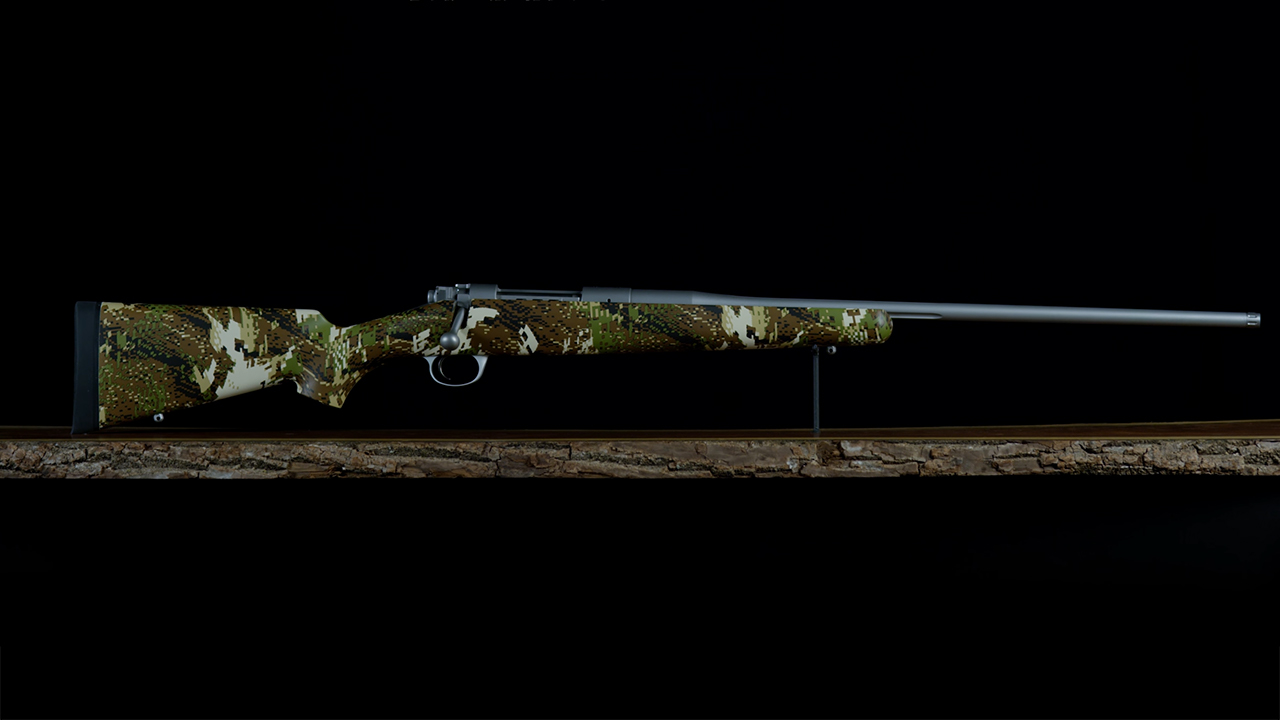
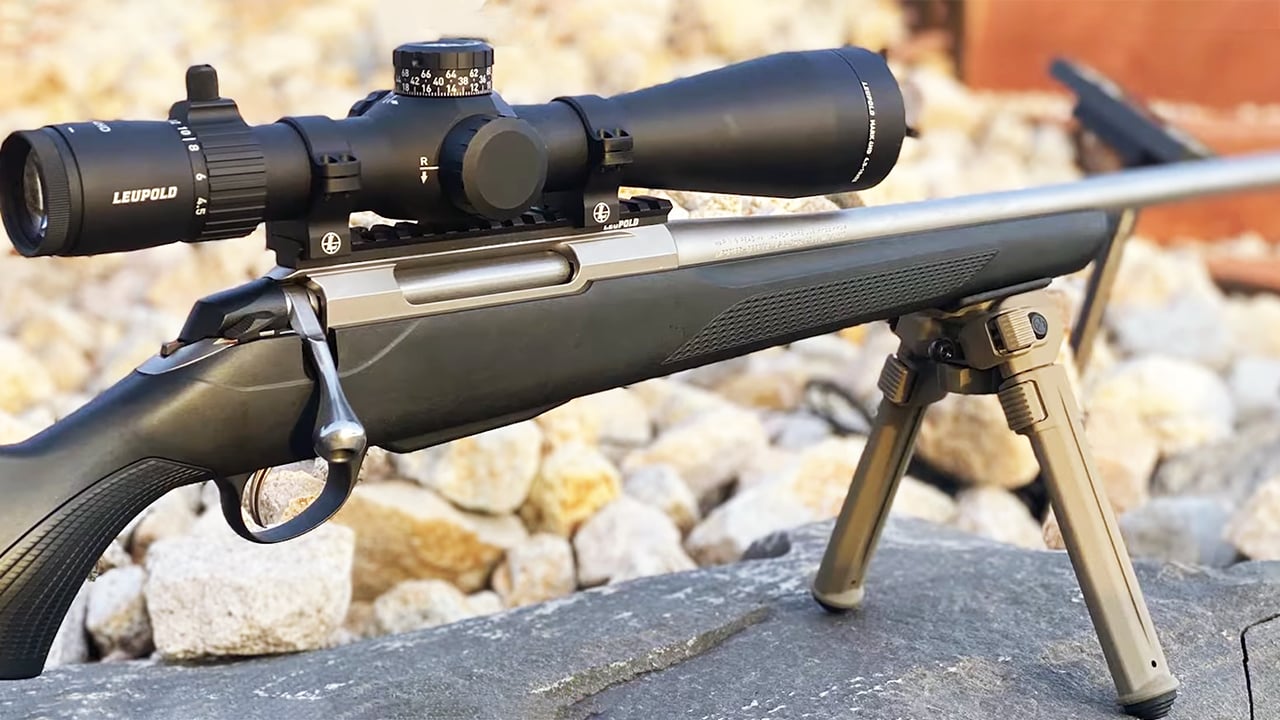
A .30-06 Springfield is one of the most respected hunting cartridges ever made, and plenty of adults grew up believing it was the only deer rifle anyone really needed. That belief can lead a parent or grandparent to hand a young hunter a lightweight .30-06 because it seems practical and proven.
The problem is recoil. A full-size adult can handle a .30-06 well, especially in a properly weighted rifle. A smaller kid behind a light rifle may feel every bit of that kick. The blast and shove can create flinching before the young hunter ever learns proper trigger control. The cartridge is capable, but capability does not matter if the kid becomes scared of the rifle. Many hunters later wish they had started with something softer, like .243 Winchester, 7mm-08 Remington, or a mild .308 load in a rifle that actually fit.
Mosin-Nagant M44
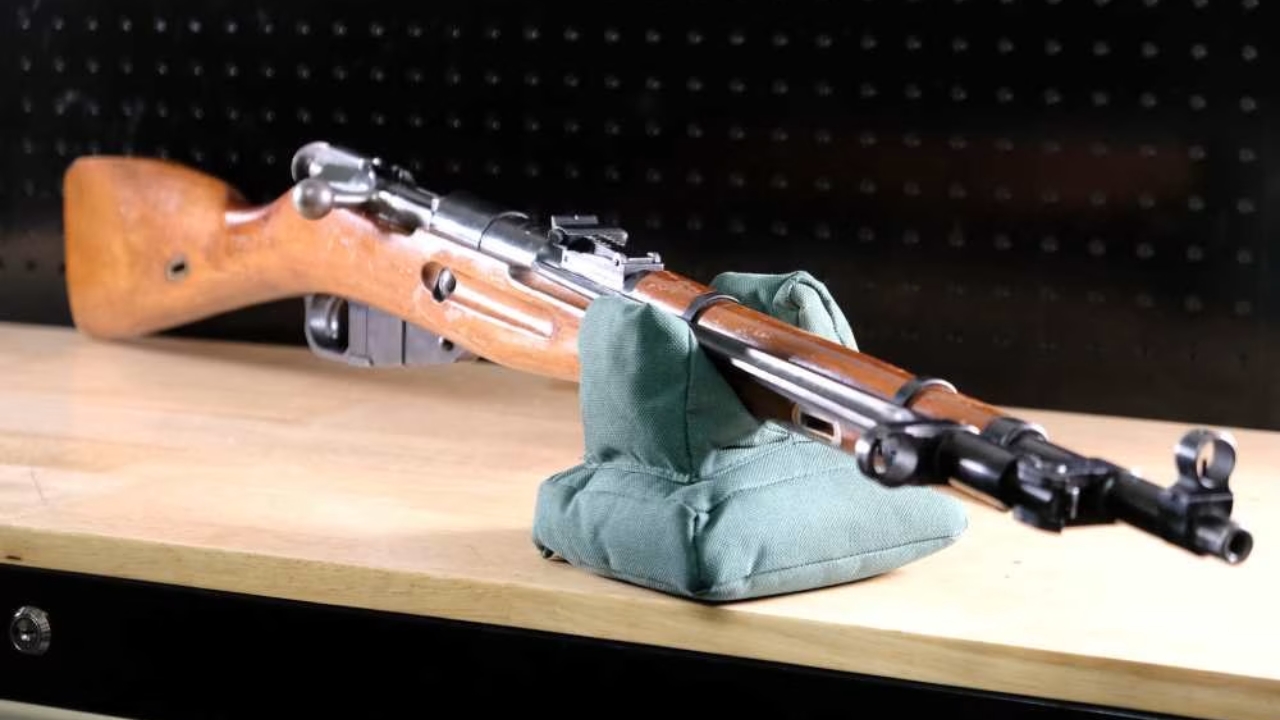
The Mosin-Nagant M44 seems tempting because it is rugged, historic, and once had a reputation as an affordable surplus rifle. Some adults see it as a fun way to let a kid hunt with something old-school and powerful. The folding bayonet and short length can make it seem handy, too.
Then it gets fired. The M44 is loud, flashy, rough, and not exactly gentle in recoil. The short barrel turns 7.62x54R into a dramatic experience, especially for a new shooter. The safety is awkward, the trigger can be heavy, and the rifle may not fit a young hunter well at all. It might be a fun history lesson for a prepared adult, but it is rarely the confidence-building first hunting rifle a kid deserves. Many adults regret choosing character over comfort.
Marlin 1895 .45-70
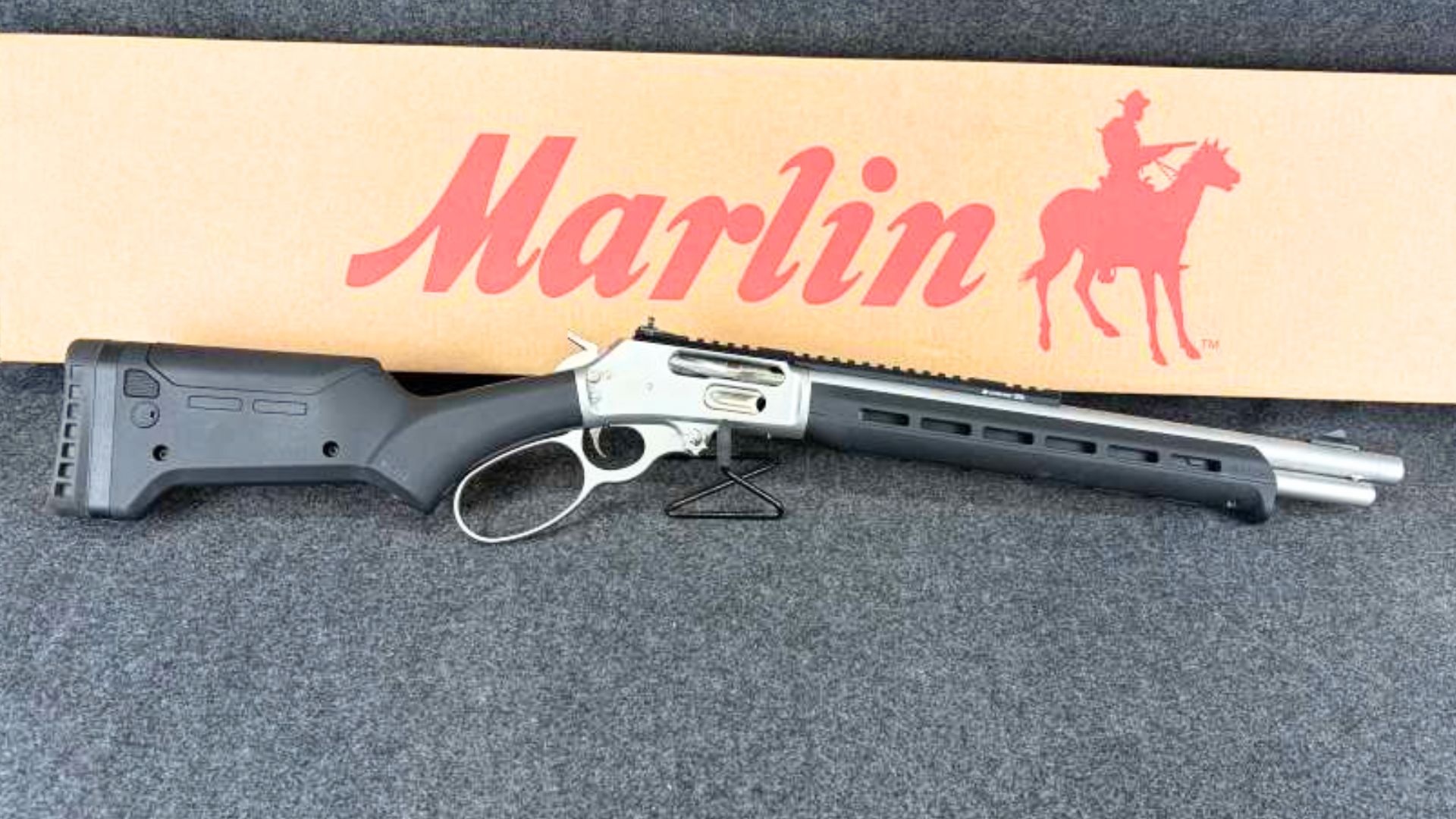
A Marlin 1895 in .45-70 Government is a wonderful rifle in the right hands. It is powerful, compact, and excellent for thick cover or big game where legal and appropriate. It also has enough lever-gun charm to make adults think it will be memorable for a young hunter.
It will be memorable, but maybe for the wrong reason. Even moderate .45-70 loads can be intimidating to a smaller shooter, and heavier hunting loads can be downright unpleasant. The rifle may be short and handy, but that does not make the cartridge kid-friendly. Handing a young hunter a .45-70 too early can turn excitement into recoil anxiety very quickly. It is the kind of gun many hunters later wish they had saved for years down the road, after the kid already had confidence and good habits.
Youth Model 20-Gauge Slug Guns
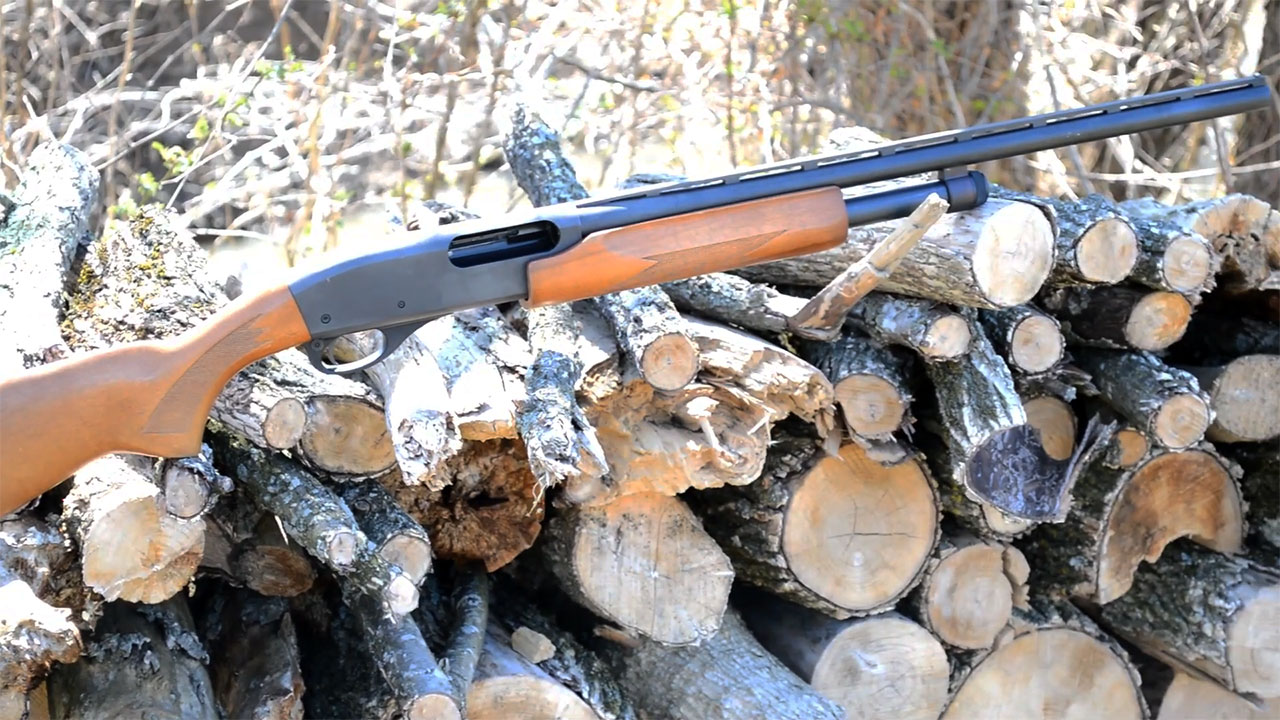
A youth model 20-gauge slug gun sounds like the responsible choice. It is smaller than a 12-gauge, shorter in length of pull, and often legal in areas where centerfire rifles are restricted. Adults may assume that because it says “youth” and “20 gauge,” it will be mild.
That assumption can be very wrong. A lightweight 20-gauge slug gun can kick sharply, especially with full-power sabot or rifled slugs. The shorter stock may fit better, but the reduced weight can make recoil feel worse. A young hunter who shoots one from a bench may get punished before ever going to the woods. These guns can work, but adults often regret handing them over without enough recoil management, practice, and realistic expectations. “Youth” on the box does not always mean gentle.
Remington 700 Mountain Rifle in Magnum Chamberings

The Remington 700 Mountain Rifle is a beautiful concept: a lighter rifle for hunters who walk far and want classic handling. In mild chamberings, it can be excellent. In magnum chamberings, especially for a young shooter, it can be a mistake waiting to happen.
Light rifles amplify recoil. A cartridge that seems manageable in a heavier rifle can feel harsh in a trim mountain setup. Adults may think they are helping a kid by giving them a rifle that is easier to carry, but the shooting experience matters more than the walk to the stand. A hard-kicking rifle can make a young hunter dread practice, and lack of practice is a much bigger problem than carrying a pound or two more. Many hunters eventually realize lighter is not always kinder.
AR-15s That Are Too Heavy and Overbuilt
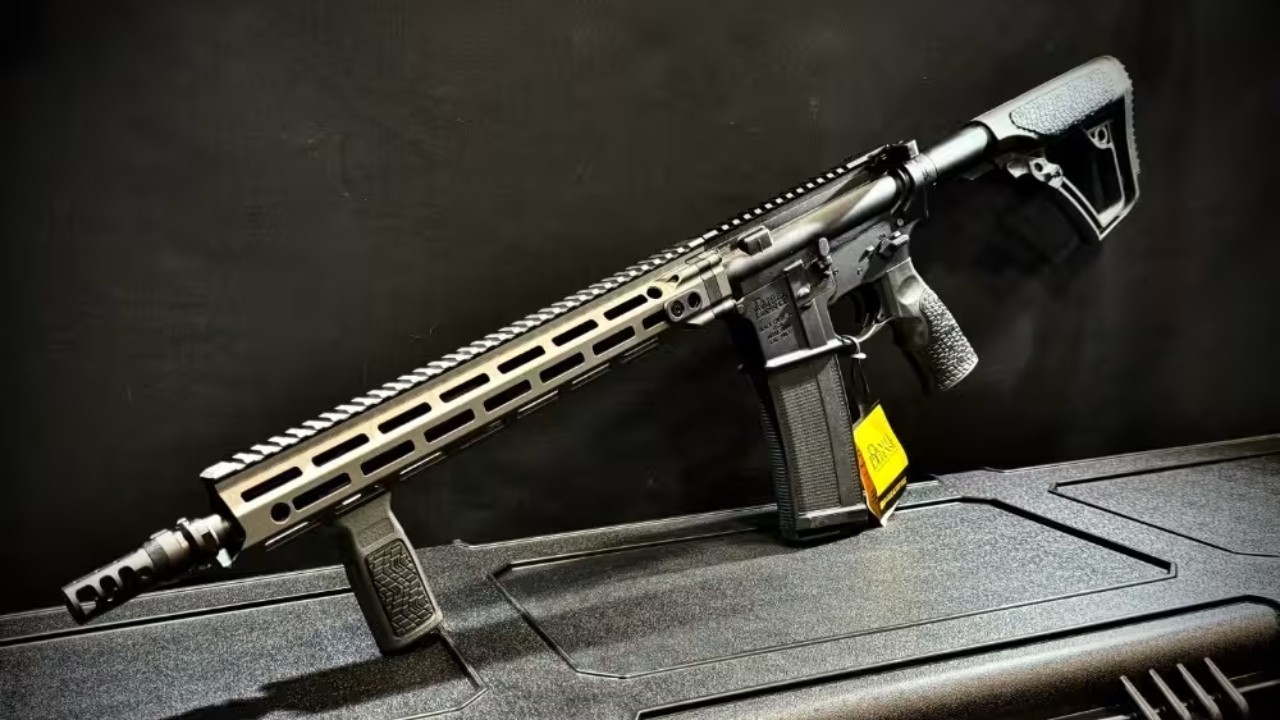
An AR-15 in a suitable hunting chambering can be a great choice for some young hunters. Adjustable stocks, mild recoil, and familiar controls can all help. The regret comes when adults hand a kid an AR that has been loaded down with too much gear.
A heavy barrel, big scope, bipod, weapon light, oversized handguard, suppressor, and full magazine can turn a mild rifle into a front-heavy beast. The kid may struggle to hold it steady in a blind or maneuver it safely in tight quarters. The recoil may be easy, but the handling is not. Adults sometimes build the rifle they think is cool, then realize it is not the rifle a smaller hunter can manage comfortably. A simpler, lighter setup usually serves a kid better.
Ruger No. 1 in Heavy Recoiling Cartridges
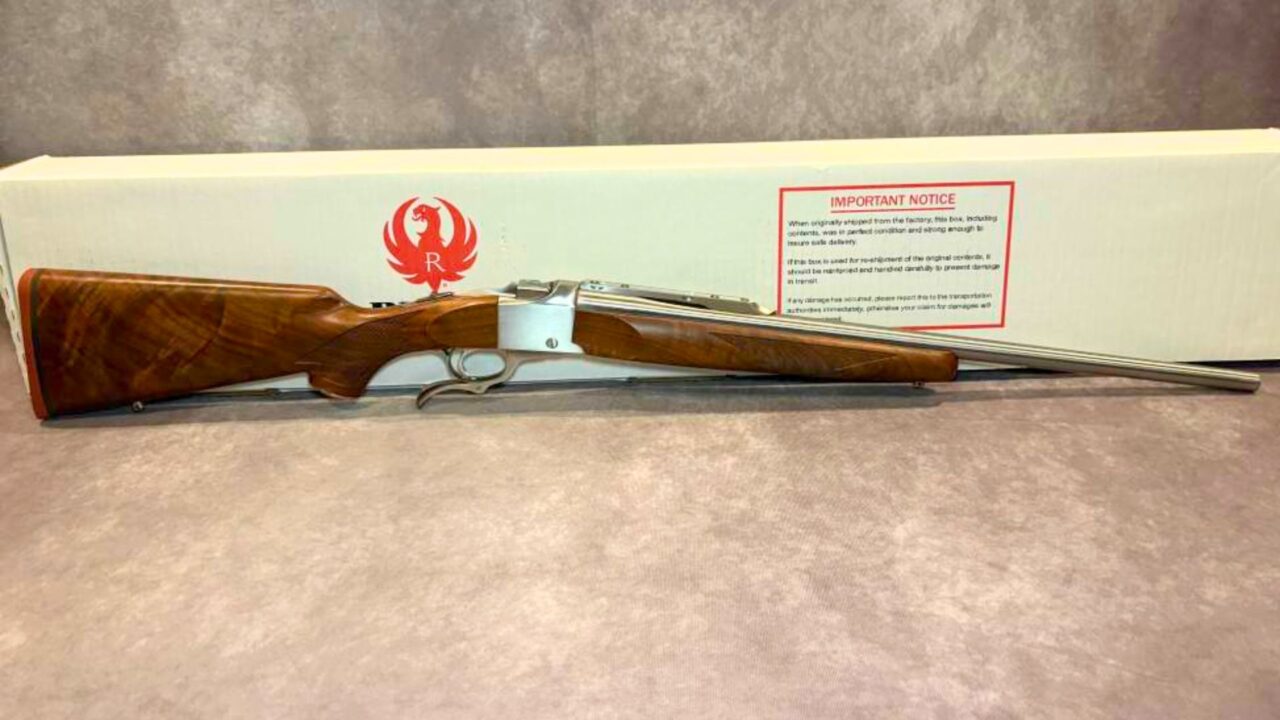
The Ruger No. 1 is elegant, strong, and full of character. It is also a single-shot rifle that can teach patience and careful shot placement. For an experienced shooter, that can be a wonderful thing. For a kid, the wrong chambering can ruin the lesson.
A No. 1 in a hard-kicking cartridge gives no recoil relief from semi-auto action movement and often comes in configurations that are not built around small shooters. The rifle may be beautiful, but beauty does not help if the stock does not fit or the cartridge feels punishing. The single-shot nature also adds pressure. A young hunter may already feel nervous knowing they only get one shot. Add heavy recoil, and the whole experience can become stressful instead of instructive.
Lever-Action .44 Magnum Carbines With Heavy Loads
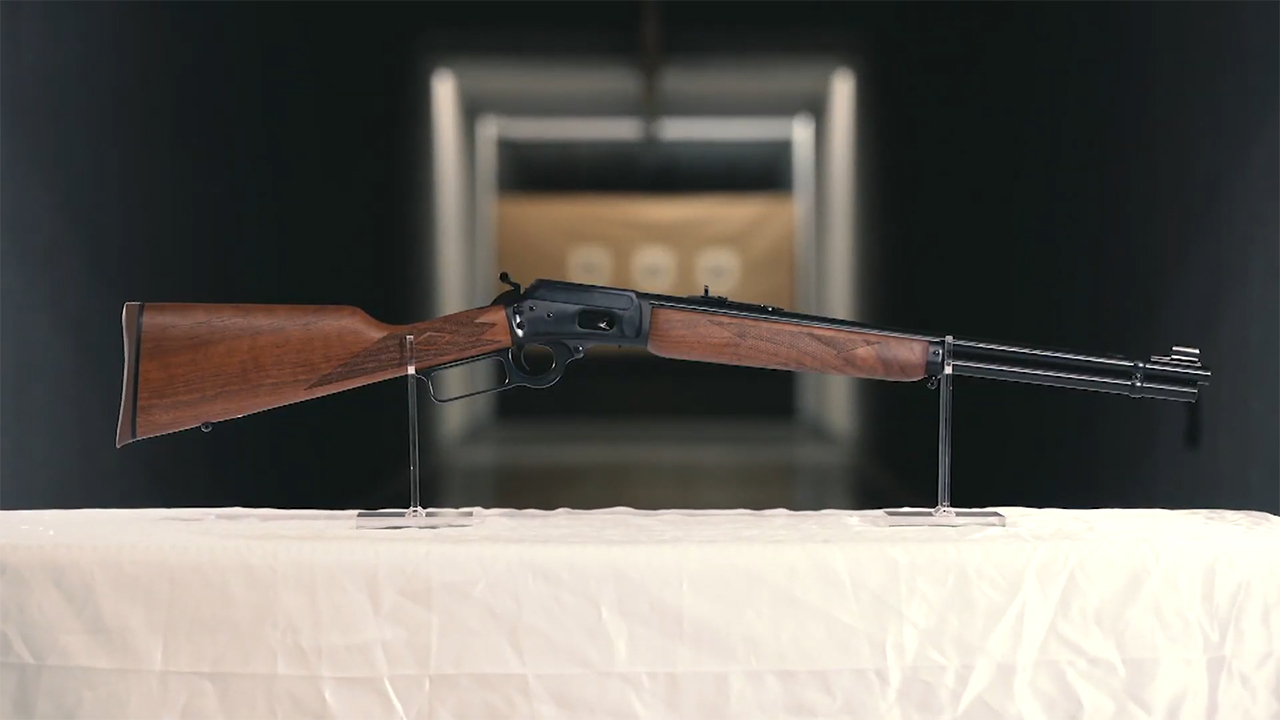
A .44 Magnum lever-action carbine seems like a great youth hunting rifle at first. It is short, handy, and less intimidating than a long bolt-action. With the right loads, it can be very useful for deer and hogs at close range where legal and appropriate.
The regret comes when adults load it too hot or overestimate how easy it will be for a kid. A light .44 carbine can kick more than expected, and the curved metal buttplates on some older lever guns do not help. The trajectory also requires realistic distance limits, which young hunters must understand clearly. In the right setup, a .44 lever gun can be excellent. With heavy loads and poor fit, it can become another recoil lesson nobody needed.
Savage 110 in Full-Size Long-Action Configurations
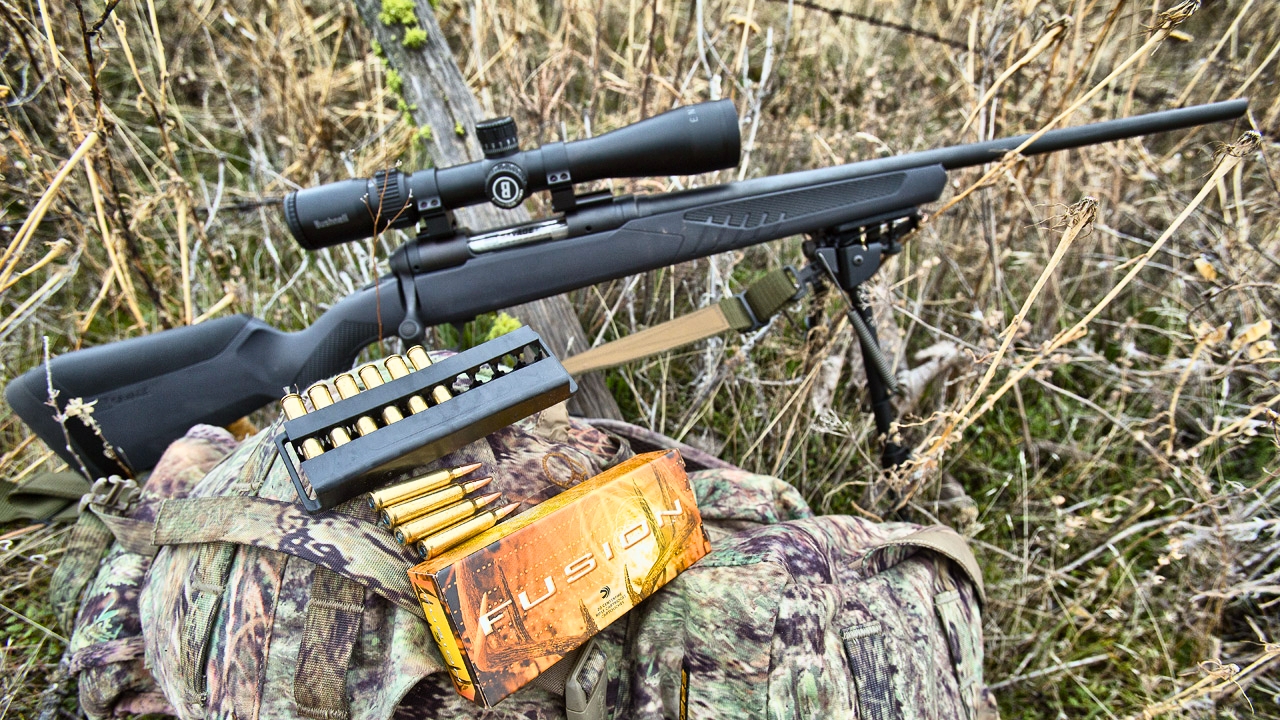
The Savage 110 is a practical, accurate hunting rifle, but not every version is a good match for a child. Older full-size long-action rifles can be lengthy, heavy in awkward places, and fitted with stocks designed for adults. A young hunter may have to stretch to reach the trigger or crawl the stock to see through the scope.
That kind of poor fit creates bad habits. The kid may mount the rifle inconsistently, struggle to keep their eye in the scope, or get tapped by recoil because their head position is wrong. Adults sometimes focus only on caliber and forget that stock fit matters just as much. A Savage 110 can be a fine hunting rifle. The regret comes from handing over an adult-sized rifle and expecting a kid to adapt to it instead of choosing a rifle that fits the kid.
Old Military Surplus Mausers
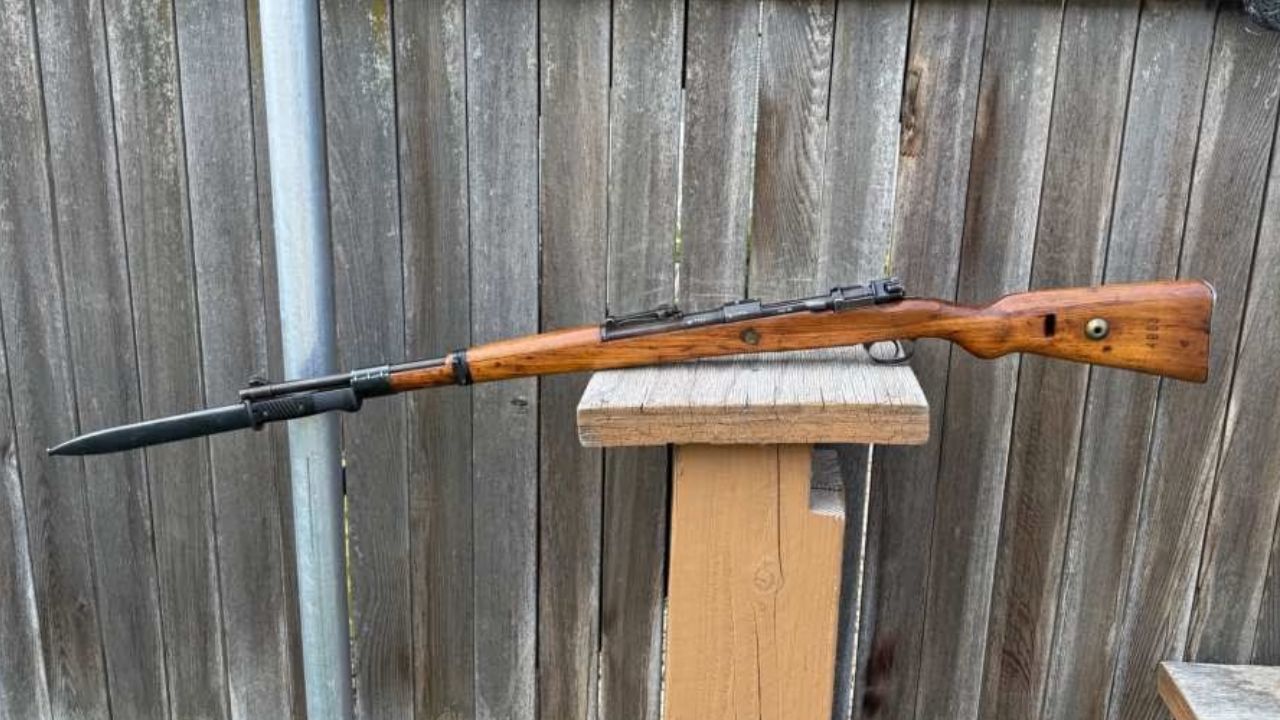
Old Mausers can be strong, historic, and excellent rifles when properly inspected and set up. Adults who love military surplus may be tempted to hand one to a kid as a rugged first hunting rifle, especially if it has already been sporterized.
The problem is that many surplus Mausers are heavy, long, rough-triggered, awkwardly scoped, or chambered in cartridges that may be too much for a new shooter. Safety operation can also be unfamiliar depending on configuration. A young hunter does not need to fight the rifle while also learning field discipline and shot placement. A sporterized Mauser may be meaningful to the adult, but that does not mean it is the best starting point for a kid. Nostalgia can cloud judgment fast.
.300 Winchester Magnum Hunting Rifles
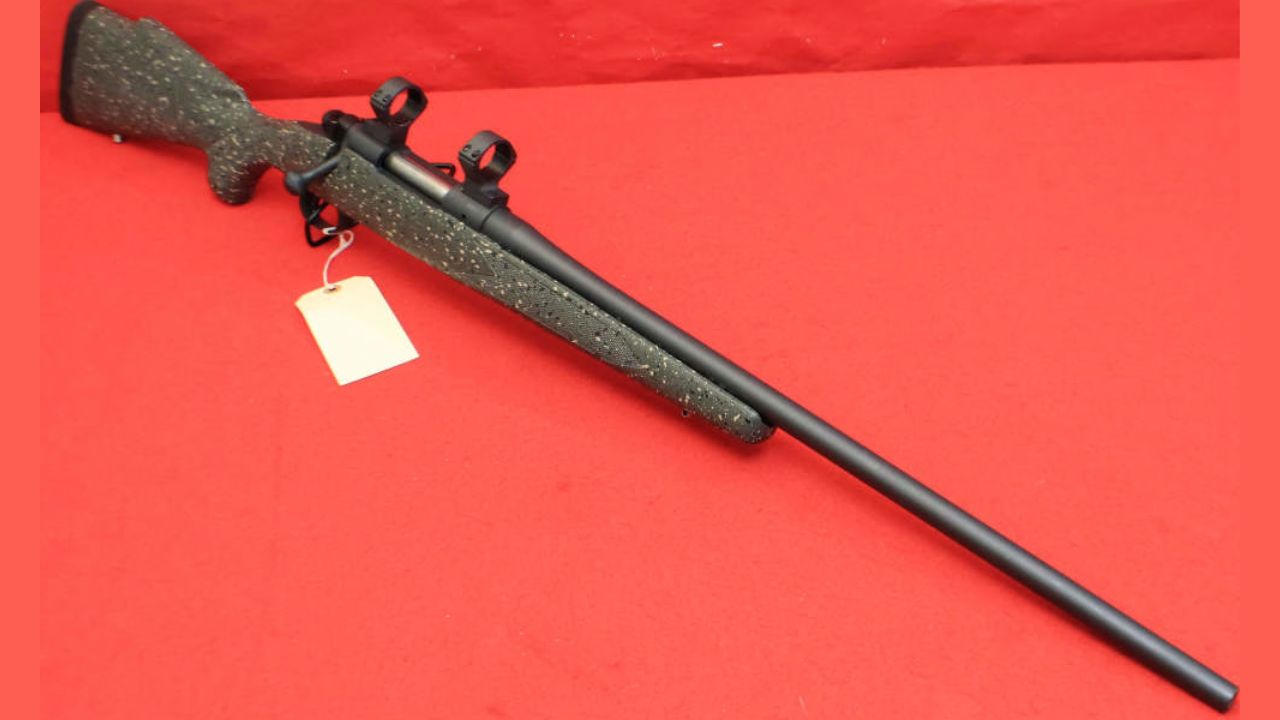
The .300 Winchester Magnum is a serious hunting cartridge with real capability. It makes sense for elk, larger game, open country, and shooters who can handle it well. It does not make sense as a casual first deer rifle for most kids.
Some adults hand one over because they believe a young hunter should “grow into it” or because it is the rifle already available. That can backfire badly. The recoil, muzzle blast, and anticipation can create a flinch that takes years to fix. Most young deer hunters do not need magnum performance at normal hunting distances. They need a rifle they can practice with calmly and shoot accurately. Many hunters later regret teaching a kid to endure recoil instead of teaching them to shoot well.
Single-Shot Break-Action .243 Rifles With Bad Triggers

On paper, a single-shot .243 Winchester seems like a nearly perfect youth rifle. The cartridge is mild, effective on deer with proper bullets and shot placement, and the single-shot action encourages careful shooting. That is why so many adults choose them.
The regret comes from cheap examples with rough triggers, awkward stocks, and poor scope setups. A mild cartridge cannot overcome a creepy, heavy trigger or a rifle that does not fit. Kids need equipment that helps them succeed, not a gun that forces them to yank through a bad trigger while holding on a deer. A good single-shot can be excellent. A poorly fitted budget break-action can make a young hunter think they are the problem when the rifle is doing them no favors.
Scout Rifles in .308 Winchester
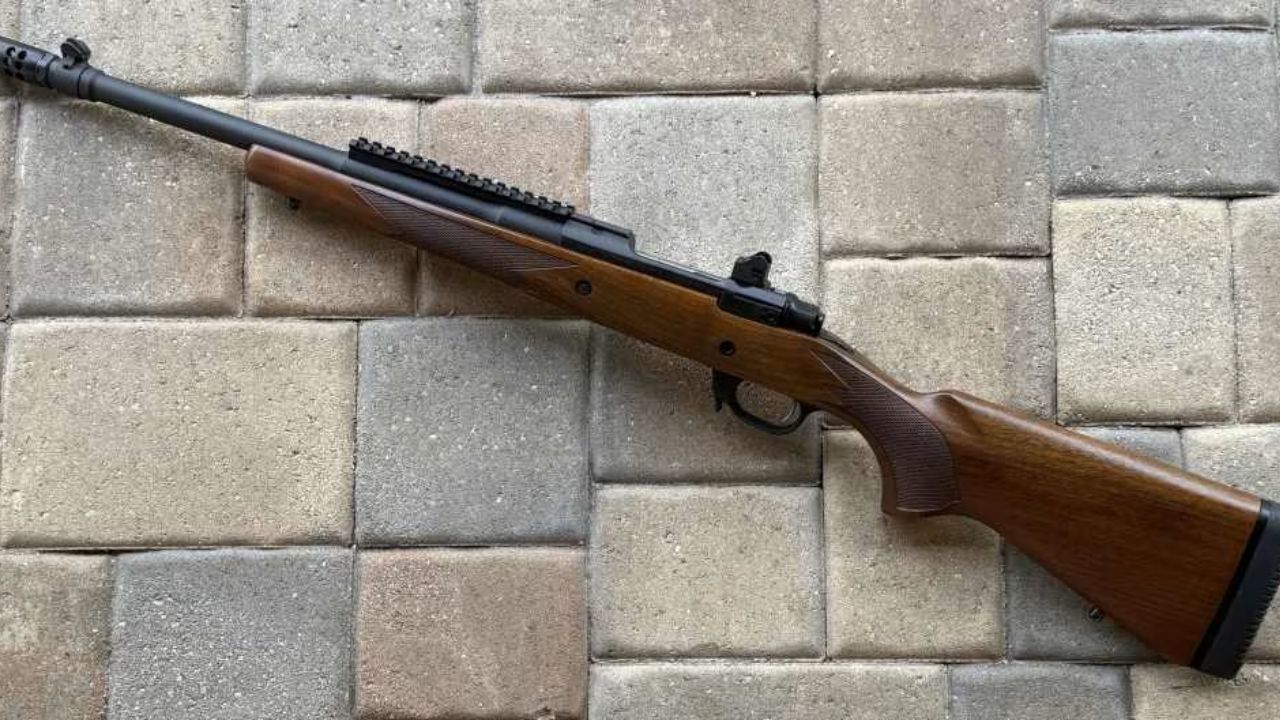
Scout rifles have a cool, practical reputation. They are short, handy, and often chambered in .308 Winchester, which is a proven hunting round. Some adults like the idea of giving a kid a compact rifle that can do many jobs.
But scout rifles can be odd for new hunters. Forward-mounted optics, short barrels, muzzle blast, and light weight can make them less friendly than expected. A .308 is manageable for many shooters, but in a light rifle with a short barrel, it can feel sharp to a kid. The concept may be clever, but a young hunter needs simplicity more than theory. Adults sometimes regret choosing an interesting rifle system when a straightforward, well-fitting bolt-action would have built more confidence.
Lever-Action .30-30s With Poor Stock Fit

A lever-action .30-30 is often one of the better classic choices for young deer hunters, so this one depends heavily on fit. The cartridge is reasonable, the rifles are handy, and the tradition is strong. Many kids have started successfully with a Winchester 94 or Marlin 336.
The regret comes when adults assume every .30-30 is automatically kid-friendly. Some lever guns have stocks that are too long, combs that do not work well with scopes, stiff actions, or crescent-style buttplates that make recoil feel sharper. A young hunter who cannot mount the rifle naturally may struggle more than expected. The rifle may be a classic, but classic does not mean automatic. A good fit matters more than nostalgia.
Heavy Precision Rifles
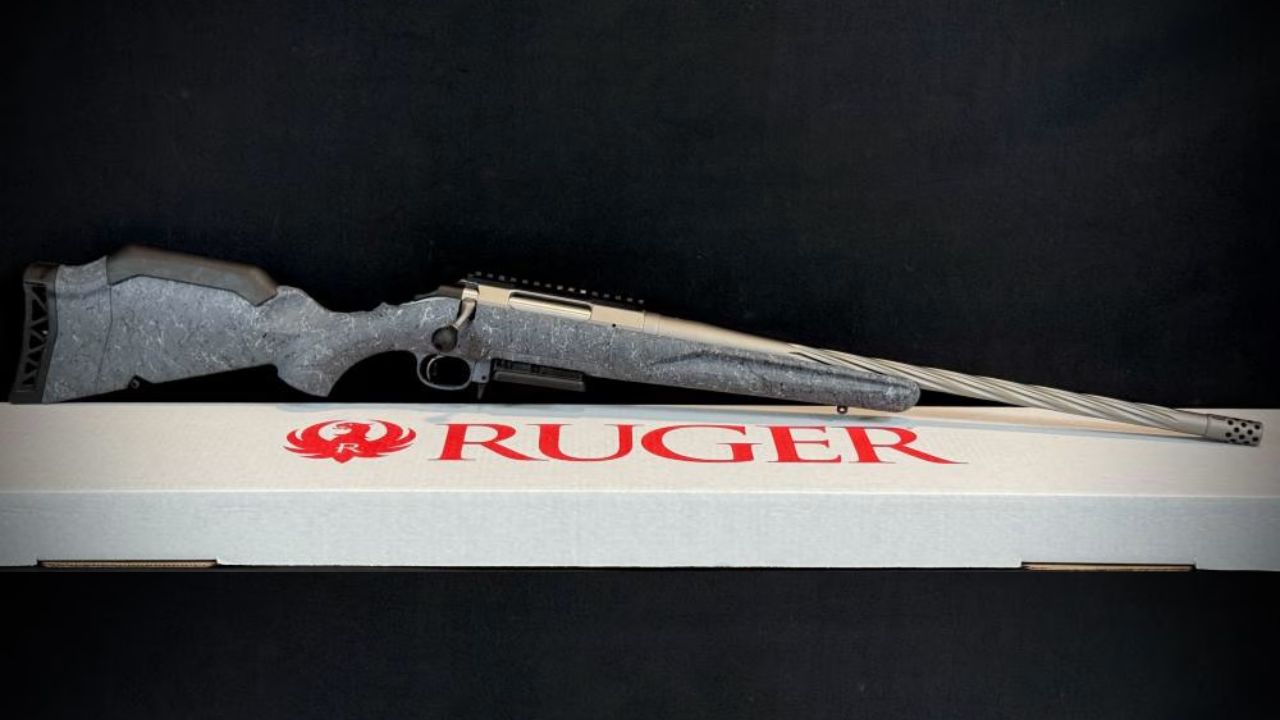
Heavy precision rifles can make kids feel confident from a bench because the weight soaks up recoil and the rifle looks serious. Adults may think they are helping by giving a young hunter the most accurate rifle available.
The problem appears away from the bench. A heavy chassis rifle or varmint-barrel setup can be miserable for a kid to carry, adjust, or maneuver in a blind. The long barrel may bang into windows or brush, and the stock may be too complex or too large. Hunting rifles need to fit the field, not just the shooting bench. Adults sometimes regret handing a kid a rifle that shoots tiny groups but is too awkward for the real hunt.
Heirloom Rifles the Kid Is Afraid to Scratch

Some rifles are wrong for kids not because of recoil, weight, or caliber, but because of pressure. An heirloom Winchester, Browning, Weatherby, or custom rifle may technically fit and shoot well. But if the adult keeps warning the kid not to scratch it, bump it, drop it, or mess it up, the young hunter may become nervous before the hunt even starts.
Kids need to focus on safety, awareness, and making a good shot. They do not need to feel like one honest mistake will ruin a family treasure. A beautiful heirloom can be introduced later, when the young hunter is ready to appreciate and care for it. For a first season, many adults eventually realize a durable, properly fitted, low-pressure rifle would have been better. The memory matters more than keeping the stock perfect.
Like The Avid Outdoorsman’s content? Be sure to follow us.
Here’s more from us: