Photo credit: Bryant Ridge Co./GunBroker
A stovepipe jam is one of the most frustrating malfunctions you can have. The spent casing gets caught in the ejection port, locking everything up and forcing you to clear it while your target walks away or your adrenaline spikes.
Most of the time, it’s caused by poor extraction or ejection design, weak ammo, or a dirty chamber—but certain guns seem to do it no matter how clean or well-fed they are. When reliability counts, these are the pistols you don’t want in your hand. They look good on paper but tend to choke when the pressure’s on.
Kimber Micro 9

The Kimber Micro 9 has the looks and size a lot of people love for concealed carry, but it’s earned a reputation for jamming—especially stovepipes. The compact design and tight tolerances mean it doesn’t handle inconsistent ammo or limp-wristing well. Even with premium rounds, it’s not unusual for the slide to fail to eject properly.
Many owners find the problem gets worse as the gun gets dirty or dry. The short slide travel and light recoil spring don’t leave much room for error. You can make it run with careful ammo selection and regular oiling, but when a gun demands that much babying, it’s hard to trust it when things get serious.
Taurus G2C

The G2C has come a long way, but early models had recurring stovepipe issues that still haunt its reputation. The combination of a lightweight slide and cheaper recoil springs caused extraction problems with certain 9mm loads. Underpowered ammo or a loose grip could bring the whole thing to a stop.
While newer versions improved, the design still doesn’t have much tolerance for inconsistent pressure or fouling. You’ll see more jams if you’re shooting in high heat or using budget ammunition. For the price, it’s a decent range gun, but it’s not something you want to bet your life on without extensive testing and careful load choice.
Remington R51

The R51’s delayed-blowback design sounds unique, but in practice, it caused nothing but trouble. Early production runs were infamous for stovepipes, misfeeds, and cases ejecting unpredictably. Even after Remington reworked it, the problem never fully went away. The slide geometry and ejection path seem to fight each other.
Part of the issue is timing—the slide speed and extractor tension don’t sync well under pressure. If the gun gets dirty or the ammo isn’t hot enough, it chokes immediately. Some owners claim theirs run fine, but most agree the R51 feels like a design that never should’ve left the prototype stage.
SIG Sauer P238

The P238 is beautifully made, but its small frame and tight tolerances make it sensitive to both ammo and grip strength. Stovepipes are common with weaker loads or when the shooter doesn’t hold firm through recoil. The short slide cycle doesn’t give spent cases much room to clear the port cleanly.
Even with high-end ammunition, dirt or residue can throw it off fast. It’s a fun pistol to shoot at the range, but it’s not built for neglect or harsh conditions. If you’re going to carry one, it demands attention—regular cleaning, firm handling, and consistent ammunition. Otherwise, it’ll let you down when you least expect it.
Kel-Tec PF-9

The PF-9 is known for being one of the lightest 9mm pistols around, and that’s exactly why it struggles. The light slide and stiff recoil spring make it incredibly sensitive to ammunition and grip. Underpowered loads or a less-than-perfect hold often cause stovepipes. Even when you do everything right, it’s far from smooth.
The design is simple, but the execution leaves little forgiveness for shooter error. Its snappy recoil and harsh cycling make it unreliable over time, especially if maintenance is skipped. It’s cheap and concealable, but you’ll spend more time clearing it than shooting it if you push it hard.
Springfield Armory 911

The 911 borrows heavily from the 1911 design but shrinks it down too far for comfort. The short slide travel and lightweight frame cause reliability issues, especially with defensive ammo. Many users report stovepipes after only a few magazines, even when using top-tier ammunition.
It’s accurate when it runs, but the margin for error is razor-thin. If your grip slips or the gun gets warm, failures to eject become frequent. The 911 looks great and carries well, but in practice, it’s more temperamental than it should be for a self-defense handgun. It’s another pistol that demands constant care to stay reliable.
Walther P22

The P22 is a great training pistol but far from reliable under real conditions. The .22 LR cartridge doesn’t generate enough consistent pressure to cycle the slide every time, leading to stovepipes and half-ejections. Add a little dirt, and things get ugly quick.
Even with premium ammo, the P22 has a reputation for being picky. The slide’s lightweight zinc construction doesn’t help—it wears faster and struggles with certain loads. It’s fine for casual plinking, but if you need a gun that runs every time, this isn’t it. The P22 is more fun than functional when it comes to dependability.
Kimber Solo Carry

The Solo Carry was marketed as a high-end micro 9mm, but it turned out to be one of the most finicky handguns ever released. It’s notorious for stovepipes, light strikes, and feed failures. The gun requires hot 124-grain ammo to function properly, and even then, it’s inconsistent.
Because of its tight design, it doesn’t tolerate limp-wristing or even minor fouling. Many owners gave up after repeated failures, realizing the Solo spends more time jamming than shooting. It’s a beautiful pistol, but its reliability issues are too common to ignore. If you want something dependable, this isn’t it.
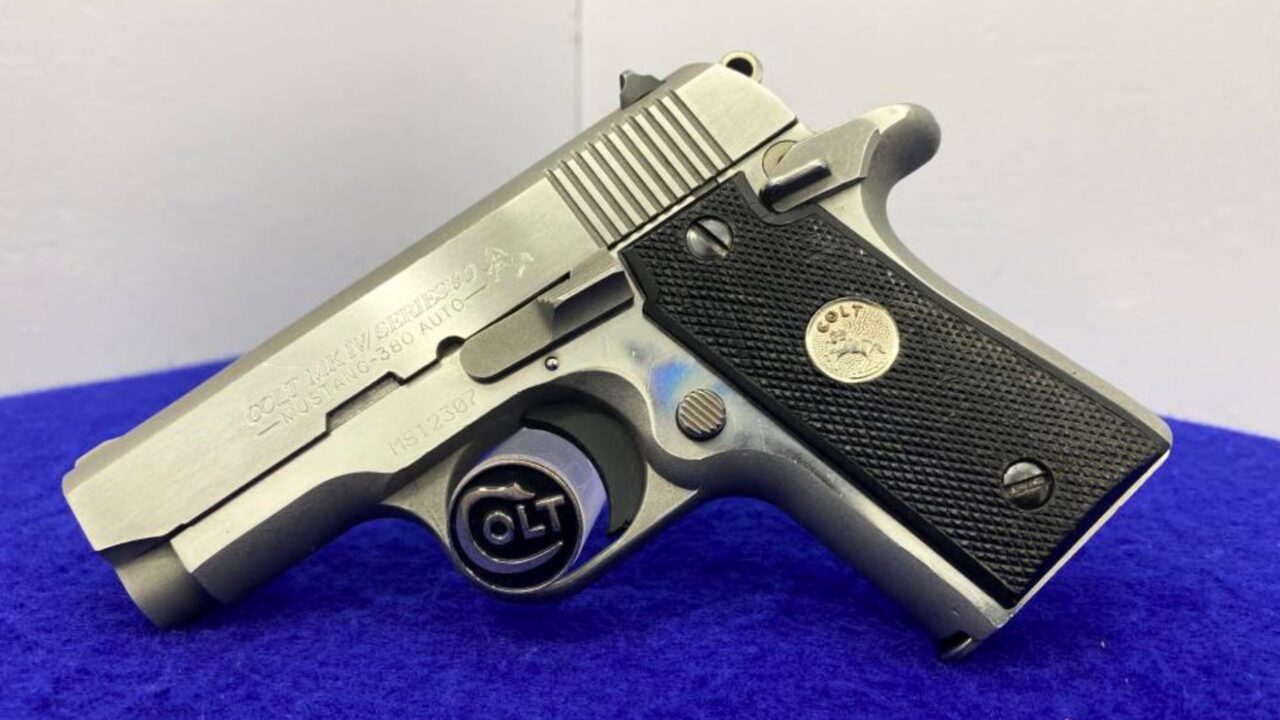
Colt Mustang Pocketlite

The Mustang Pocketlite is a nostalgic carry option, but it’s known for occasional stovepipes due to its tiny slide and short cycling distance. The lightweight frame amplifies recoil, and the small extractor can lose tension over time, leading to weak ejection.
While newer versions have improved slightly, the classic models are still temperamental. You can keep it running with consistent ammo and tight maintenance, but any deviation will show quickly. It’s a fun little pistol for the range, not something to rely on in a defensive pinch.
SCCY CPX-2

The SCCY CPX-2 is budget-friendly, but that affordability comes with tradeoffs. Its extraction and ejection system are rough around the edges, and stovepipes are a recurring complaint. Light loads or cheap ammo make things worse, but even higher-end rounds can cause issues if the gun’s not perfectly clean.
It’s lightweight and easy to conceal, but reliability drops once you introduce real-world variables—heat, sweat, dust, or extended range time. It can run well for a while, then choke without warning. For casual use, it’s fine. For anything serious, it’s not a risk worth taking.
*This article was developed with AI-powered tools and has been carefully reviewed by our editors.