Photo credit: By Spc. Michael Schwenk/Wikimedia Commons
There’s nothing worse than lining up on a buck at first light and watching your sight picture fade into a cloudy mess. Fogged scopes ruin more hunts than missed shots. It doesn’t matter how sharp the glass is or how fancy the reticle looks—if that optic isn’t properly sealed or purged, moisture will find its way inside. And once it does, there’s no quick fix in the field. Every hunter has been there at least once, wiping lenses, breathing frustration, and realizing too late that saving a few bucks on optics came at the worst possible time.
Not all scopes are built equally. Some cheap glass can’t handle rapid temperature changes or damp conditions, while even a few higher-end models from years past have poor sealing that lets humidity sneak in. These are the scopes that hunters learn to never trust when the weather turns against them, because when you need them most—they fog.
Bushnell Banner

The Bushnell Banner has long been a budget favorite, but it’s also infamous for fogging up in cold, wet conditions. Older versions weren’t nitrogen-purged or sealed as tightly as today’s midrange optics, and many hunters discovered this the hard way. Step from a warm truck into freezing air, and the inside of the scope fogged before you could shoulder your rifle.
Even the newer models can struggle with heavy humidity or early morning temperature swings. For hunters in the Midwest or Pacific Northwest, the Banner’s affordability came at the cost of reliability. Wiping lenses only helps for a moment, because internal moisture can linger for days. While it’s fine for fair-weather hunting, anyone who’s carried one in wet conditions knows the frustration of watching your target vanish behind a cloudy scope.
Tasco World Class

The Tasco World Class line looks appealing on price alone, but fog resistance isn’t its strong suit. Many hunters who bought one for a budget rifle quickly learned how easily it fogged in cool, damp air. The scope isn’t fully sealed, and while Tasco advertises fog-proofing, real-world use tells a different story. One step into a foggy morning or a drizzle, and the lenses start hazing over.
Condensation inside the tube can ruin clarity for the rest of the hunt, and it often doesn’t dry out without removing the scope entirely. The low-end seals and thin construction make it vulnerable to even minor environmental changes. Many hunters use these scopes once before replacing them with something that actually holds up. The Tasco World Class might seem like a deal, but once you’ve watched it fog on a perfect shot opportunity, you realize why most hunters move on quickly.
Simmons 8-Point

The Simmons 8-Point is another budget optic that’s known for fogging at the worst possible time. Its basic construction and limited gas purging make it especially vulnerable when temperatures shift. Step out of a warm blind into cold, damp air, and you’ll often see a mist form inside the lens almost immediately.
While Simmons advertises it as “fog-proof,” the truth is that the sealing isn’t on par with modern mid-tier scopes. In wet climates, the 8-Point tends to develop internal condensation that can take hours or even days to clear. Many hunters have learned the hard way that saving a few dollars here costs more when a hunt is ruined. It might look fine under store lighting, but in real-world hunting weather, it’s one of those scopes that simply can’t handle the elements.
Barska Huntmaster
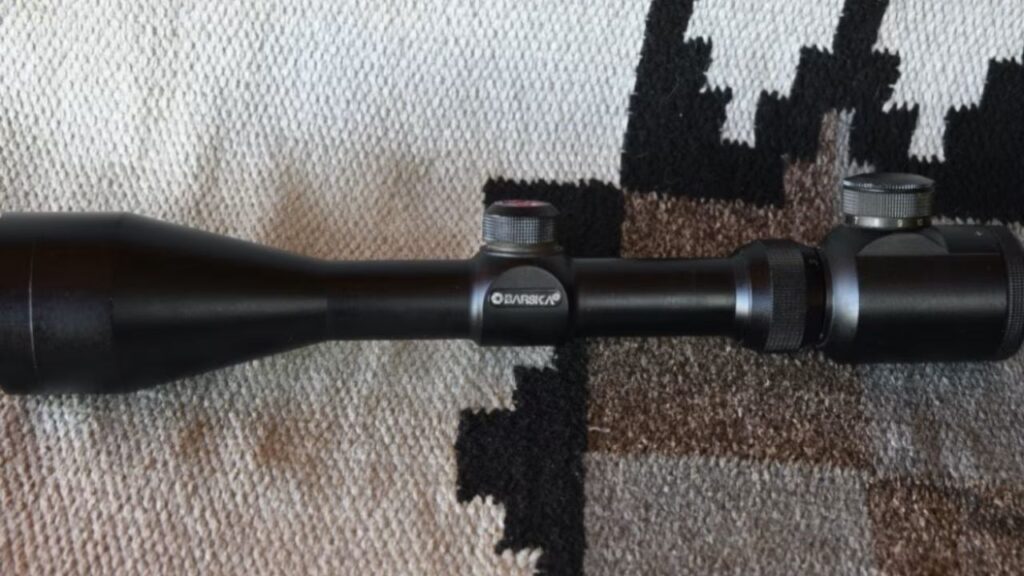
Barska optics often catch the eye for their low prices, but the Huntmaster series has a reputation for fogging up faster than you can adjust the magnification ring. The internal seals don’t handle temperature or pressure changes well, and even light humidity can sneak in. Once the fog appears inside the tube, there’s no fixing it without sending the scope back—or replacing it entirely.
Hunters who’ve carried a Barska in damp conditions often describe the experience as a lesson learned. The glass clarity isn’t bad for the money, but it doesn’t matter if you can’t see through it when you need it most. In wet or cold climates, the Huntmaster becomes an unpredictable piece of gear, which is the last thing you want on a hunt.
BSA Sweet 22
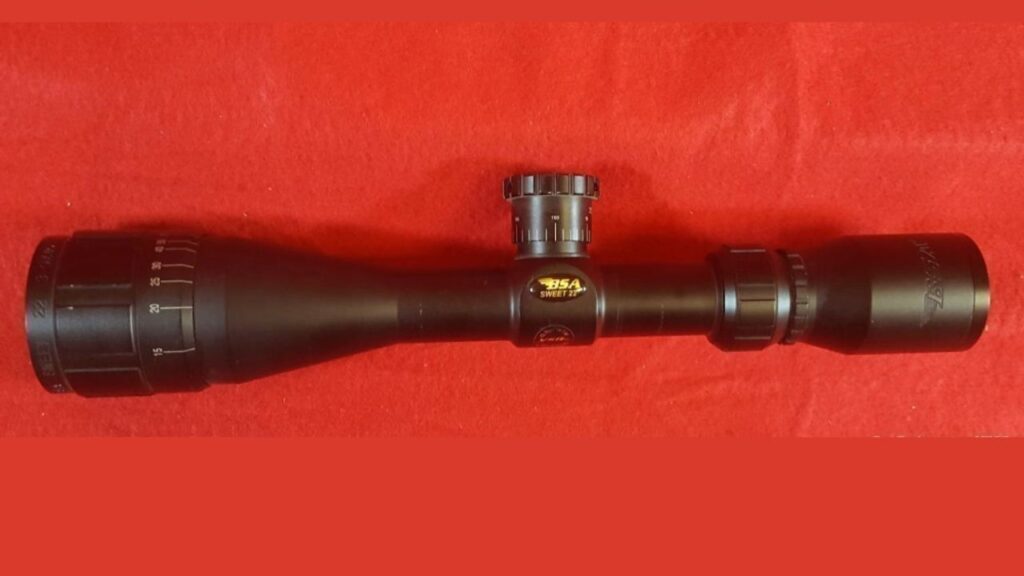
The BSA Sweet 22 is a fun little scope for plinking, but it’s not cut out for the field—especially in wet weather. The scope’s internals aren’t sealed like higher-end optics, and moisture can creep in after even mild exposure to rain or dew. Hunters who mounted one on a rimfire for squirrel season often discovered fog inside the tube before the weekend was over.
The Sweet 22 works fine in dry, mild conditions, but it doesn’t belong in serious hunting environments. Once moisture gets trapped, clarity drops sharply, and drying it out becomes a chore. BSA marketed it as an affordable, feature-rich optic, but in the real world, it’s one of those scopes that reminds you why proper sealing and purging matter far more than fancy turrets or markings.
NCStar Mark III
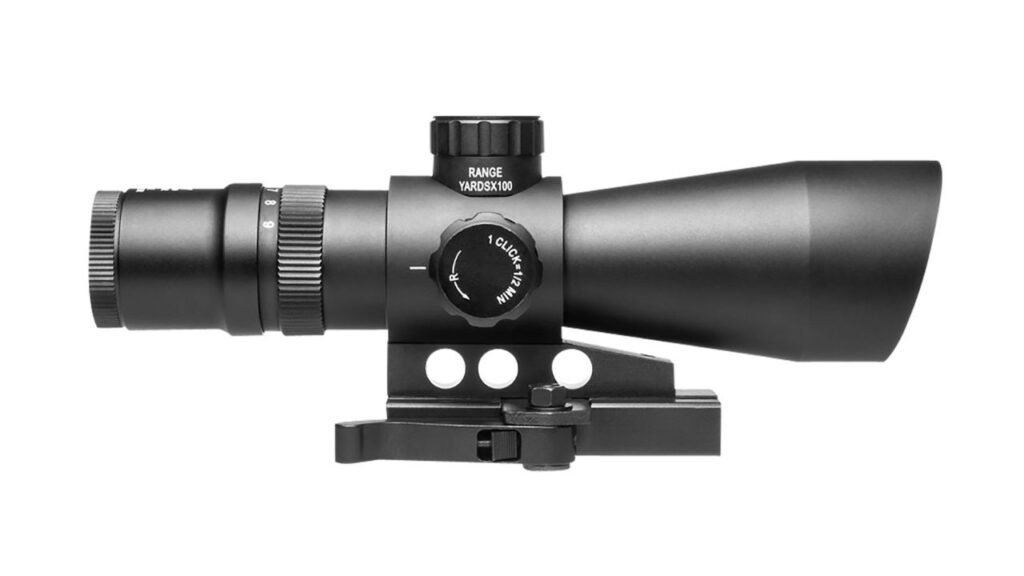
NCStar scopes have always been known for being affordable, but their reputation for fogging is equally well known. The Mark III model, in particular, struggles when the temperature changes quickly. Walk from a warm truck into cold mountain air, and you’ll often see condensation form inside almost instantly.
The nitrogen-purging claims don’t hold up under harsh conditions. Once moisture gets inside, it stays there. Hunters who’ve tried using these scopes in humid or rainy areas usually end up replacing them after the first ruined hunt. The glass might look clear in the store, but the durability just isn’t there. The Mark III is fine for range use, but it’s the wrong tool for anyone who spends time in unpredictable weather.
Tasco Pronghorn
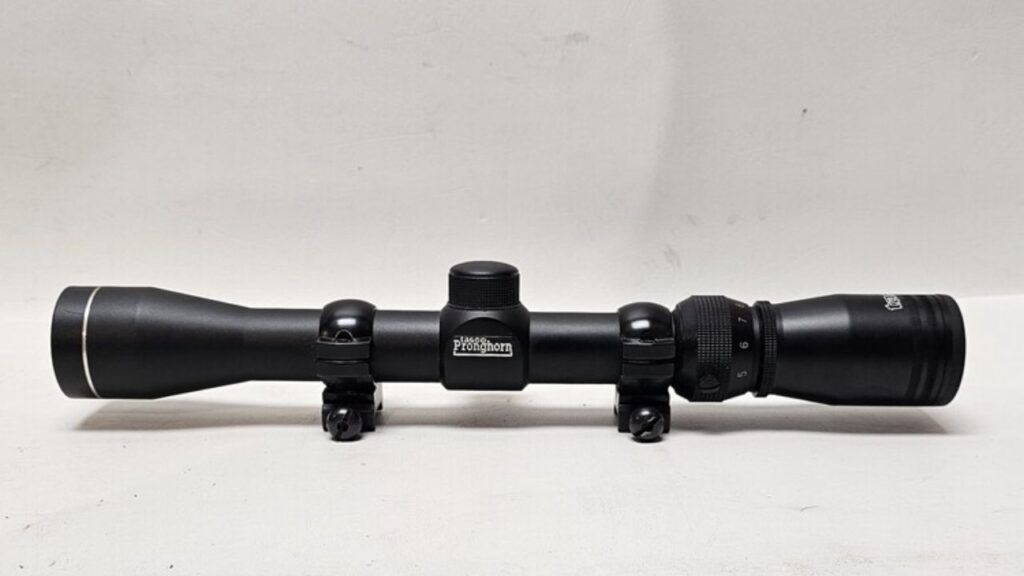
The Tasco Pronghorn is one of those classic “good until it rains” scopes. It’s light, cheap, and easy to mount, but internal fogging has plagued it for decades. The older versions were never truly sealed, and once they absorbed moisture, the scope was done for the season. Even newer versions haven’t completely fixed the issue.
Hunters often joke that the Pronghorn fogs up faster than your breath on a cold windshield. It’s not far from the truth. While it performs fine in dry climates, it’s hopeless in cold or wet conditions. For the hunter on a budget, it might seem like a quick solution, but most who’ve used one end up upgrading after a single fogged hunt.
Bushnell Trophy (Early Models)
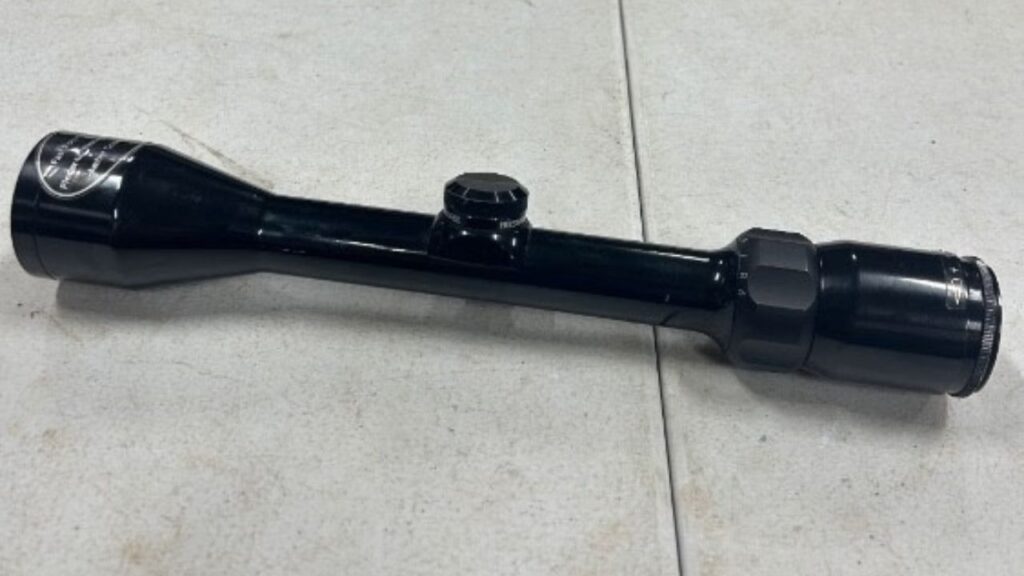
While modern Bushnell Trophy scopes have improved, early models were notorious for fogging. Many hunters who owned them in the 1990s and early 2000s remember battling moisture inside the tube after every rainy day. The seals weren’t as advanced back then, and the nitrogen purge often leaked over time.
Hunters found out the hard way that these scopes couldn’t handle quick temperature changes. Moving from a warm truck to freezing conditions often caused instant condensation. Once fog developed inside, it lingered and sometimes even corroded the coatings. While Bushnell has since fixed most of those issues, those older Trophy scopes still serve as a reminder of how poor sealing can ruin an otherwise capable optic.
Weaver Kaspa
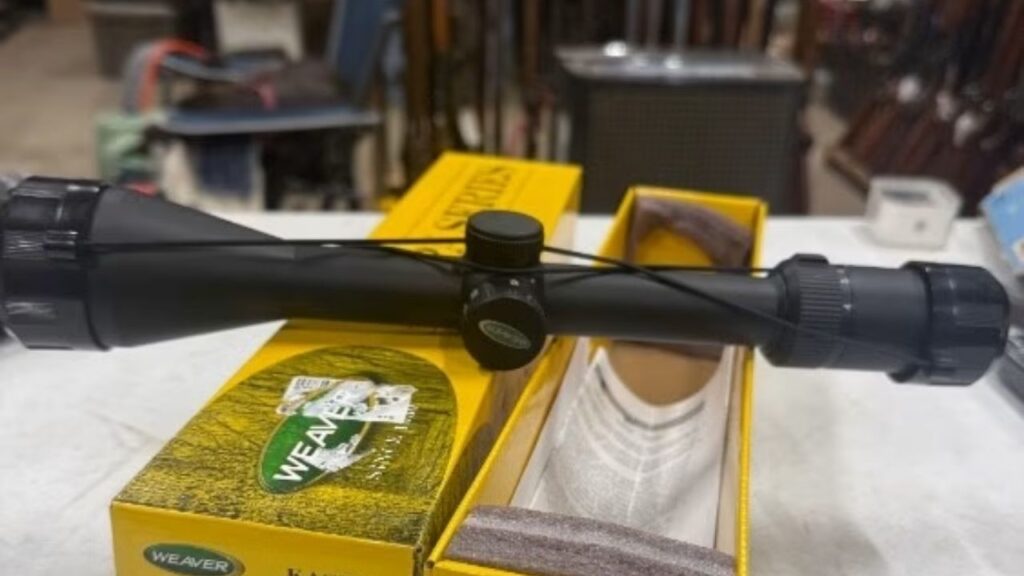
The Weaver Kaspa series was designed as a mid-range scope, but many hunters report fogging issues, especially in early production runs. The internal seals weren’t as tight as competitors in the same price range, and once they lost pressure, fogging became inevitable. Moisture trapped inside the tube can linger for days, making it useless in the field.
Hunters in humid regions found this especially frustrating. Even careful maintenance and dry storage didn’t prevent the scope from fogging once exposed to the elements. While newer Weavers have improved, the Kaspa line never fully recovered its reputation. For hunters who expect reliability through rain, sleet, and early mornings, it’s a scope that simply can’t be trusted when things get wet.
Redfield Revolution
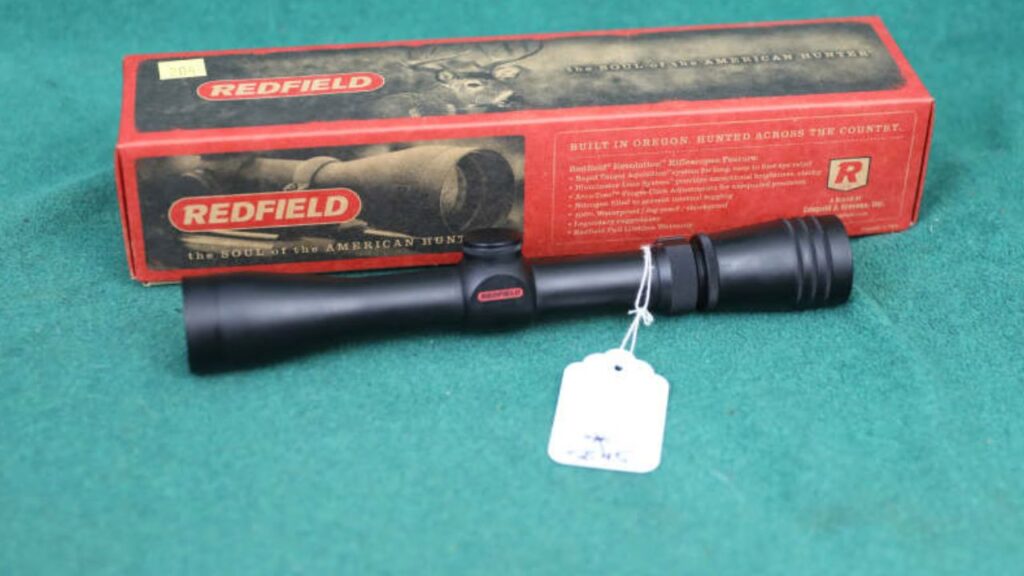
The Redfield Revolution was meant to revive a classic name, but many early buyers were disappointed by fogging issues. The nitrogen sealing didn’t hold up as well as advertised, especially in cold, damp environments. Hunters who carried them on elk or whitetail hunts often found internal haze forming after just a few wet days in the field.
The glass clarity was decent for the price, but moisture control lagged behind competitors like Vortex and Leupold. Once fog appeared inside, there was no quick fix, and drying it out required sending it in for repair. While the Revolution line had fans, many hunters learned the hard way that it wasn’t as weatherproof as claimed.
Nikon Prostaff (First Generation)

The original Nikon Prostaff scopes were known for sharp glass, but they also had a flaw—fogging in humid or rapidly changing conditions. Early models weren’t sealed as well as later iterations, and nitrogen purging sometimes failed over time. Hunters in coastal or mountain regions saw fog forming inside lenses on cold mornings or after a quick rain.
Once Nikon improved the design, the issue mostly disappeared, but the first-generation Prostaffs gained a reputation for turning cloudy right when you needed them most. Many hunters eventually switched to the Monarch or Leupold VX lines to avoid repeat frustrations. Even though Nikon optics were clear and bright, those early Prostaffs proved that durability matters as much as image quality when the weather turns rough.
Millett Buck Gold
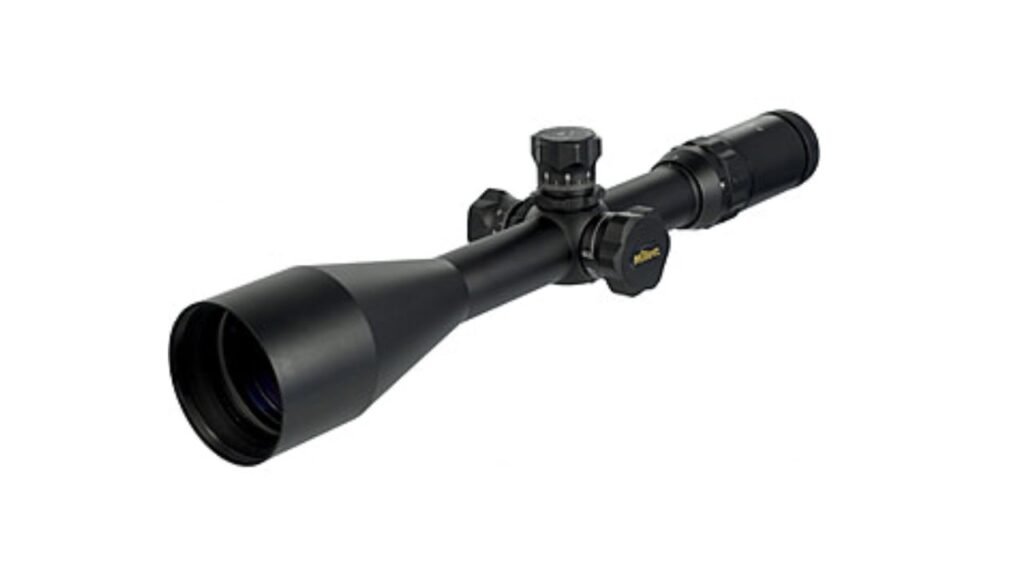
The Millett Buck Gold looked like a solid midrange hunting scope, but it didn’t handle humidity well. Moisture intrusion through the adjustment turrets and focus ring caused fogging that couldn’t be wiped away. Hunters in southern states or coastal areas found themselves constantly battling cloudy lenses.
Even careful maintenance didn’t help once moisture got inside. The seals simply weren’t strong enough for long-term field use. While Millett scopes offered good clarity for the price, they never earned the trust of hunters who needed reliability in wet climates. Many who owned one eventually traded up to brands with proven weatherproofing.
Leapers UTG 4×32
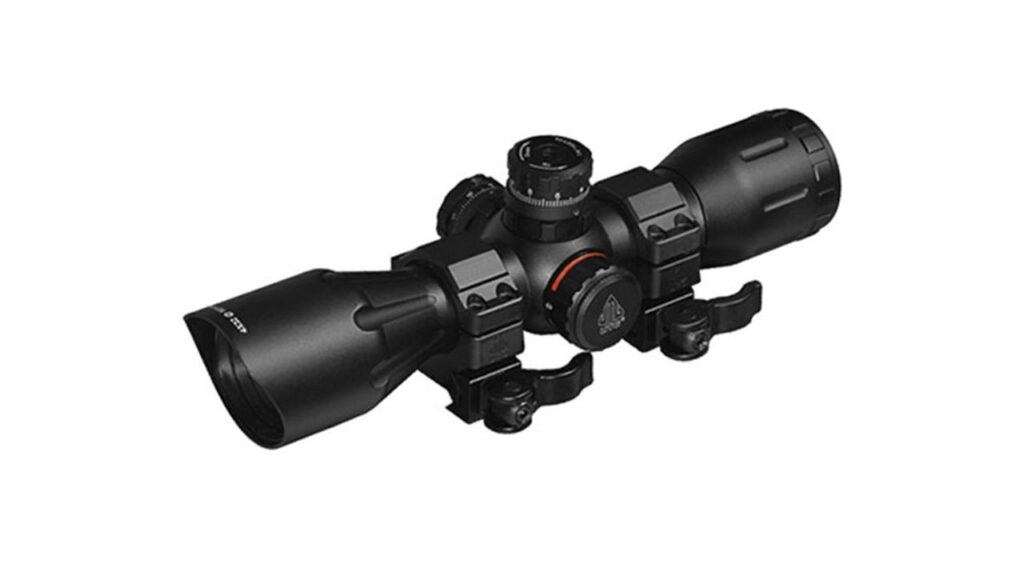
The UTG 4×32 scope looks rugged, but real-world hunting conditions tell a different story. It’s prone to fogging internally, especially when transitioning from warm to cold temperatures. Despite being marketed as nitrogen-filled and “fog-proof,” many hunters found that claim didn’t hold up in the field.
Condensation often appeared between lenses after even mild exposure to moisture. Once fogged, the scope was effectively done until you could dry it out indoors. While the UTG works fine for range plinking, it’s not reliable in real hunting conditions. Most hunters who gave it a chance in cold or damp weather ended up replacing it with something more trustworthy after one fogged-up hunt.
CenterPoint 4-16×40
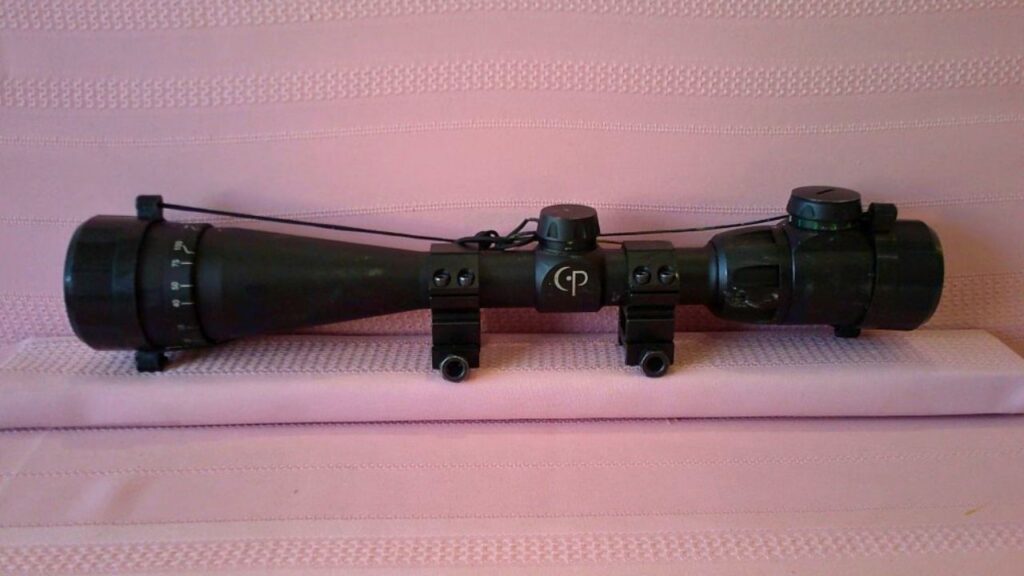
The CenterPoint 4-16×40 scope from Crosman found its way onto many budget rifles, but its fogging issues became infamous. The seals around the adjustment turrets were weak, allowing moisture inside during rain or when stored in humid conditions. Many hunters reported internal fog that appeared overnight, even without direct exposure to rain.
While the scope offers decent clarity and features for the money, it simply can’t handle moisture the way a hunting optic should. Once the fog appears, there’s no quick solution. For dry-climate shooters, it’s fine—but for hunters who deal with wet mornings or freezing evenings, the CenterPoint is one of those scopes that can ruin a hunt before it starts.
Bushnell Sportview
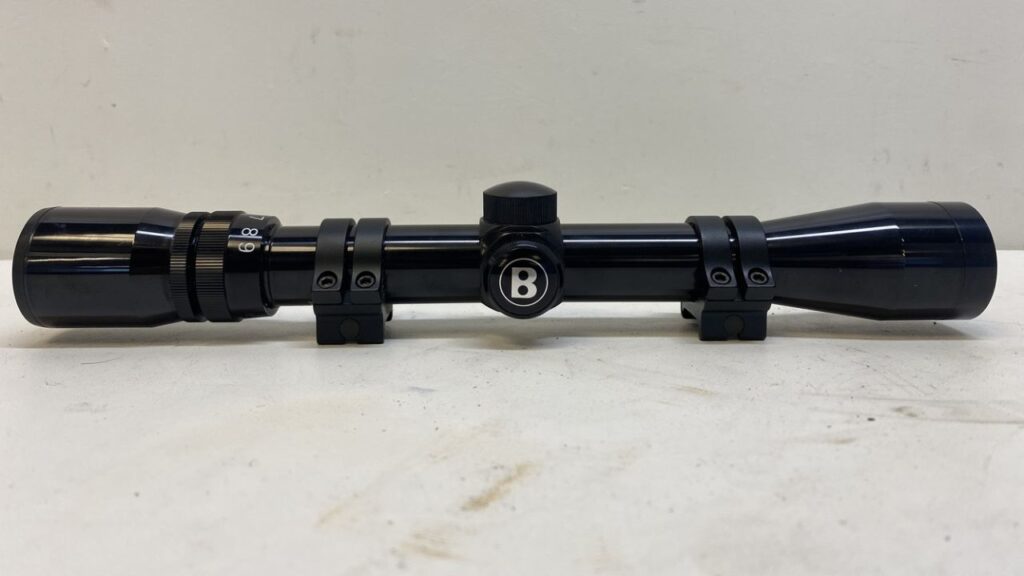
The Bushnell Sportview is a throwback that many hunters remember fondly—until they recall how often it fogged. Early models had little to no nitrogen purging, and once the seals weakened, condensation became a permanent problem. In humid areas, they fogged internally even sitting in a gun safe.
Hunters used to wipe and baby them through each hunt, but that only went so far. While it offered fair optics for the price, it quickly became known as a fair-weather scope. Many hunters who grew up with Sportviews eventually upgraded and never looked back, remembering them as the kind of scope that always fogged at the worst time.
*This article was developed with AI-powered tools and has been carefully reviewed by our editors.