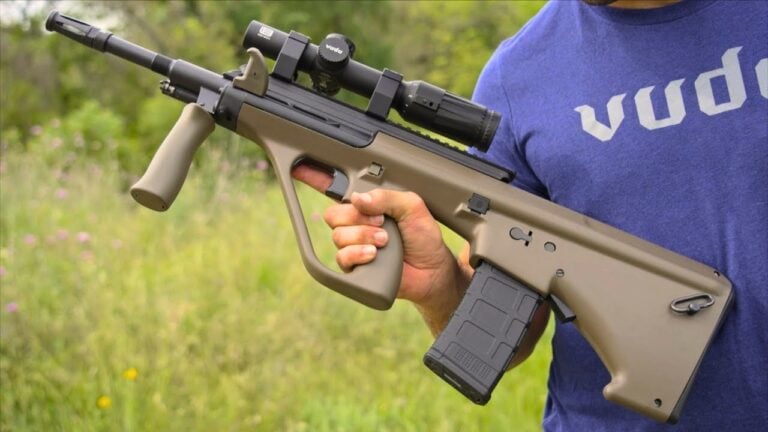
Photo credit: ESPINOZA ADVENTURE/YouTube
Reliability is the one argument you can’t talk your way out of. A pistol either runs or it doesn’t. And when you’re choosing a handgun for carry, home defense, or serious training, “mostly reliable” isn’t a category you want to live in. You want a gun that feeds the boring practice ammo, the defensive load you actually carry, and the random box you grabbed at the last minute. You want it to run when it’s dry, dirty, and a little neglected—because that’s real life.
The tricky part is that reliability isn’t only the gun. It’s magazines, springs, maintenance, and how well you keep the gun lubed and set up. But some handguns have such a long track record of working for so many people that the argument starts to feel settled.
These are handguns that win the reliability debate because they’ve been proven the hard way, over and over again.
Glock 19

The Glock 19 has earned its reputation by doing the same thing for decades: it runs. It’s not picky, it doesn’t demand constant tuning, and it doesn’t care if you’re shooting cheap practice ammo or your preferred defensive load. If you’re the kind of shooter who values boring consistency, the G19 is hard to argue against.
Reliability also means you can keep it running without a hassle. Magazines are plentiful, parts are easy to find, and the gun is straightforward to maintain. It’s also a pistol that tends to keep working even when it’s dirty and you’re tired. That matters, because the pistols that “only run when they’re perfect” don’t belong in the serious category.
Glock 17

The Glock 17 is the full-size version of the same reliability story, with a little extra forgiveness built in. The longer slide and full grip can make the gun feel smoother to run, and many shooters find it easier to shoot well when the pace picks up. It’s a workhorse that doesn’t act fragile.
What makes it win the argument is how predictable it is over time. It’s not a pistol you have to “figure out.” It does its job, and it keeps doing it with minimal drama. If you want a handgun that can handle high round counts, routine training, and long-term ownership without turning into a project, the Glock 17 stays near the top of the list for a reason.
Smith & Wesson M&P 2.0
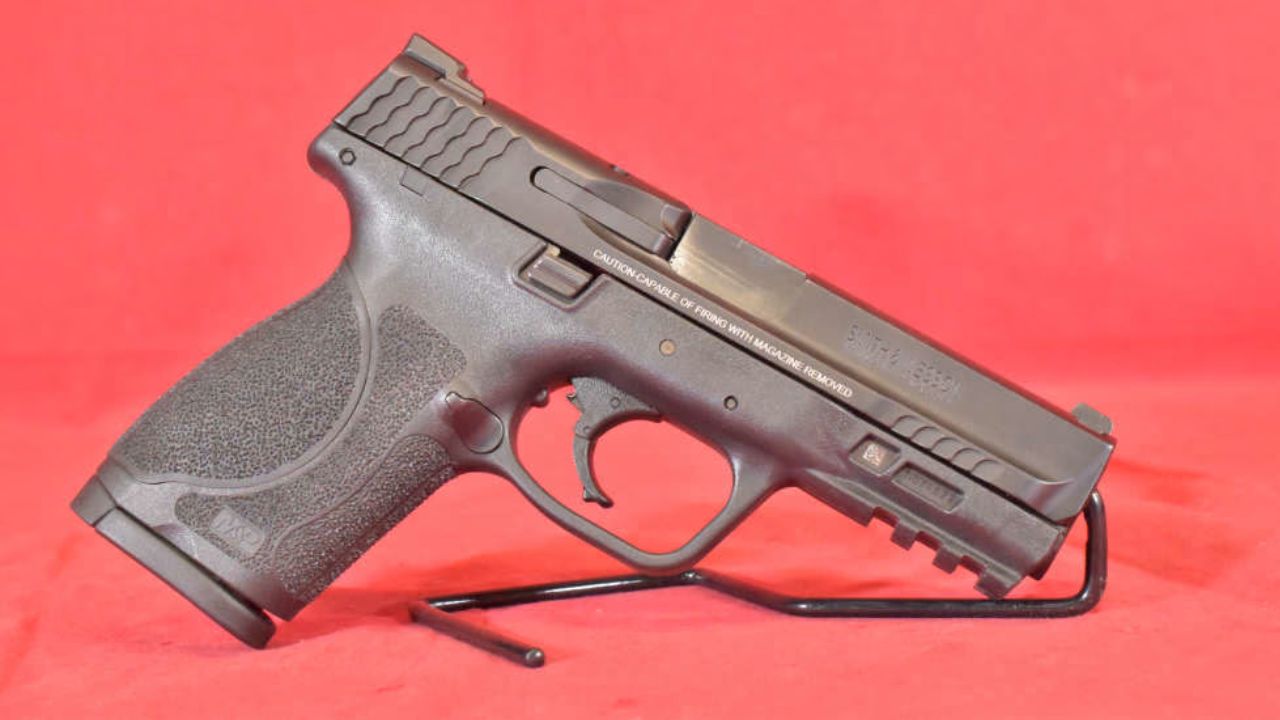
The M&P 2.0 is the kind of pistol that earns trust by being consistent across a lot of shooters and a lot of use. It runs well, it holds up to regular practice, and it doesn’t feel like it needs a bunch of upgrades to be dependable. When you find a gun that works for you and keeps working, that’s the real win.
The reliability argument also includes support. The M&P has solid magazine availability, widespread holster options, and a long enough history that problems tend to be known and solvable. It’s a pistol that fits into a system you can maintain for years. If you want a modern striker gun that isn’t fussy and doesn’t punish you for shooting it a lot, the M&P 2.0 belongs in the conversation.
HK USP
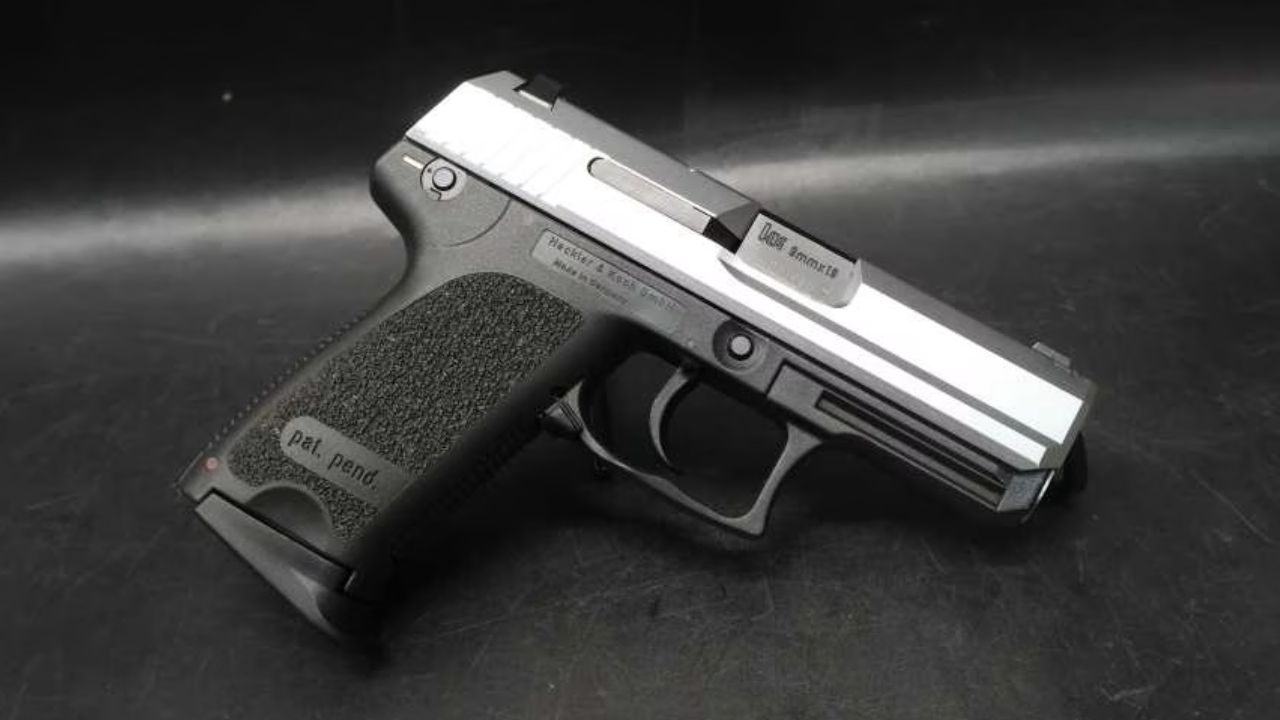
The USP is built with a reputation for durability and hard use, and it feels like it. It’s not trying to be the lightest or the trendiest. It’s trying to be a pistol you can run hard and still trust when conditions aren’t perfect. That mindset shows up in the way it handles abuse and keeps working.
What makes it win the reliability argument is that it’s been trusted for a long time by shooters who don’t tolerate nonsense. The design is proven, the gun feels overbuilt in a good way, and it doesn’t mind being run in ugly weather or with a less-than-perfect maintenance schedule. If you want a pistol that feels like it was designed to outlast you, the USP is a strong candidate.
HK VP9

The VP9 has a modern feel, but it’s not a fragile modern pistol. It’s comfortable to shoot, easy to control, and built to handle regular training without acting finicky. For many shooters, that combination—shootability plus consistency—is what builds real trust.
Reliability isn’t only about surviving abuse. It’s also about functioning smoothly through normal use, with minimal surprises. The VP9 tends to deliver that. It runs cleanly, it handles a wide range of ammo well, and it holds up when you’re putting in real range time. If you want a modern 9mm that’s friendly to shoot and steady in performance, the VP9 makes a strong case.
SIG Sauer P226

The P226 has long been a “serious pistol” choice because it’s built to run and it’s easy to shoot well. The weight and balance help it stay controlled, and the DA/SA system gives you a deliberate first shot with a consistent rhythm after that. It’s a gun that feels like it was designed for professional use, not trend cycles.
What makes it win the reliability argument is how it holds up over time. You can shoot it a lot, maintain it sensibly, and expect it to keep doing its job. It’s also supported enough that you aren’t guessing when you need magazines or replacement parts. If you want a pistol that’s proven, durable, and still a great shooter, the P226 remains one of the safest long-term bets.
Beretta 92FS

The 92FS has been around long enough that its reliability reputation isn’t theoretical. It runs when maintained, it feeds well with quality magazines, and it tends to be forgiving in real use. The open-top slide design and smooth cycling feel are part of why so many shooters still trust it.
It also wins the argument because it’s easy to live with long-term. Parts and magazines are common, and the platform has decades of experience behind it. If something goes wrong, you aren’t stuck guessing. You can fix it and keep moving. The 92FS also shoots softly for a 9mm, which means people actually practice with it. A gun you practice with is a gun you understand—and that’s where reliability becomes confidence.
CZ P-01
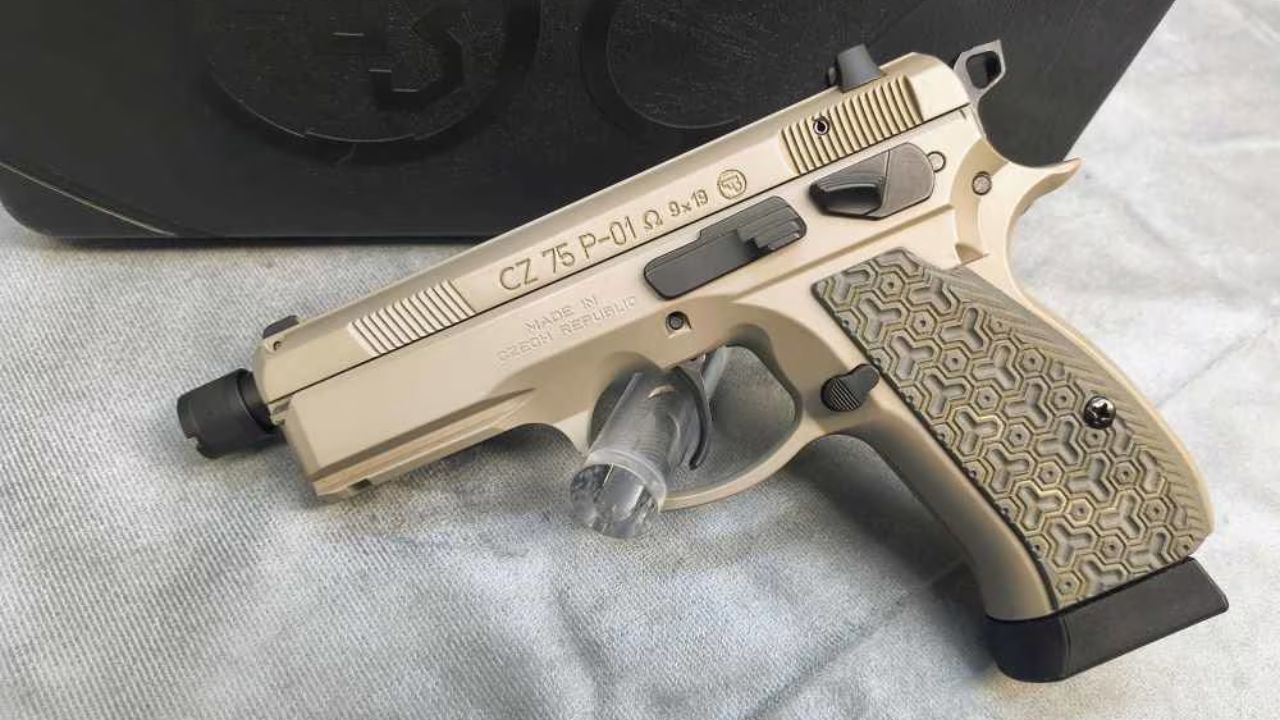
The P-01 has a reputation for being the kind of compact you can actually run hard without drama. The alloy frame gives it a sturdy feel, and the overall design balances well between carry size and serious shootability. It’s not a fragile “pretty compact.” It’s built to work.
Reliability here comes from being a practical, proven design with good support behind it. The P-01 tends to run well with a variety of ammo, and it stays controllable when you’re shooting quickly. If you’re the kind of shooter who wants a compact that feels like a duty pistol shrunk down, this is a smart pick. It’s the sort of handgun you can carry daily and still trust when it’s time to train hard.
Ruger GP100

If you want to win a reliability argument in one sentence, a good revolver helps. The GP100 is built to be used, not pampered, and it’s one of the stronger choices if you want a wheelgun that will take a lifetime of shooting. With .38 Special it’s easy to manage, and with .357 it’s capable when you need more.
The reliability advantage is straightforward: you’re not relying on feeding, magazines, or slide velocity. If you do your part, it fires. And if you keep it reasonably clean and maintained, it stays dependable for decades. The GP100 is also forgiving in rough environments, which is why so many outdoorsmen still trust a revolver on the trail. It’s not trendy, but it wins arguments for a reason.
Smith & Wesson 686

The 686 is another revolver that earns trust because it’s built to handle real shooting, not occasional use. It’s steady, comfortable, and strong enough to digest a lot of magnum loads without feeling like it’s being pushed past its limits. That durability is a big part of reliability.
Where it wins the argument is long-term ownership. You can practice with .38 Special, carry magnums if that’s your plan, and expect the gun to keep doing its job year after year. The 686 also has a reputation for good accuracy and a smooth action once you learn it. Reliability isn’t only “does it fire.” It’s “can you run it well when you need to,” and the 686 makes that easier.
Ruger Mark IV (22/45)

A .22 pistol might not be your primary defensive gun, but it can absolutely win a reliability argument in the training world. A Mark IV that runs well becomes the handgun you shoot the most, because it’s affordable, accurate, and useful for building skills. And skill is what makes every other pistol you own more reliable in your hands.
The Mark IV platform is also a long-term ownership win. It’s easy to maintain, it holds up under high round counts, and it stays enjoyable even when you’ve been shooting for decades. A reliable rimfire that you can trust for practice is one of the best tools a shooter can own. If you’re serious about becoming better, this kind of handgun does more for you than most people admit.
Colt 1911 Government Model (quality build)
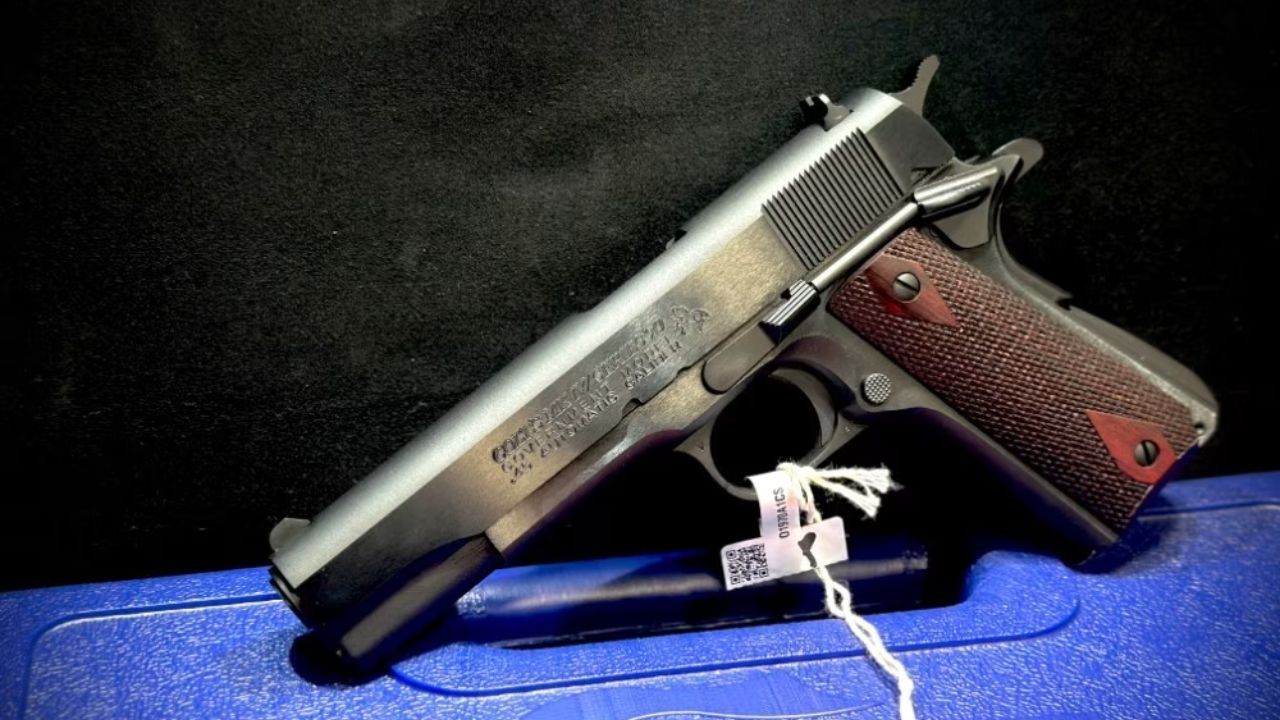
A good 1911 is reliable in a different way—it rewards proper maintenance and good magazines, and it gives you a system that’s been refined for a long time. When the gun is built right and you keep it fed with quality mags, it can run extremely well. That’s why so many serious shooters still keep one around.
The reliability argument here is maturity. The 1911 has been worked on, tuned, studied, and carried for generations. Parts support is deep, knowledge is everywhere, and you’re not guessing how to keep it running. It’s not the pistol you neglect completely and expect miracles from. But if you treat it like the tool it is, a well-made Government Model is still a dependable handgun that can do real work.
Glock 26
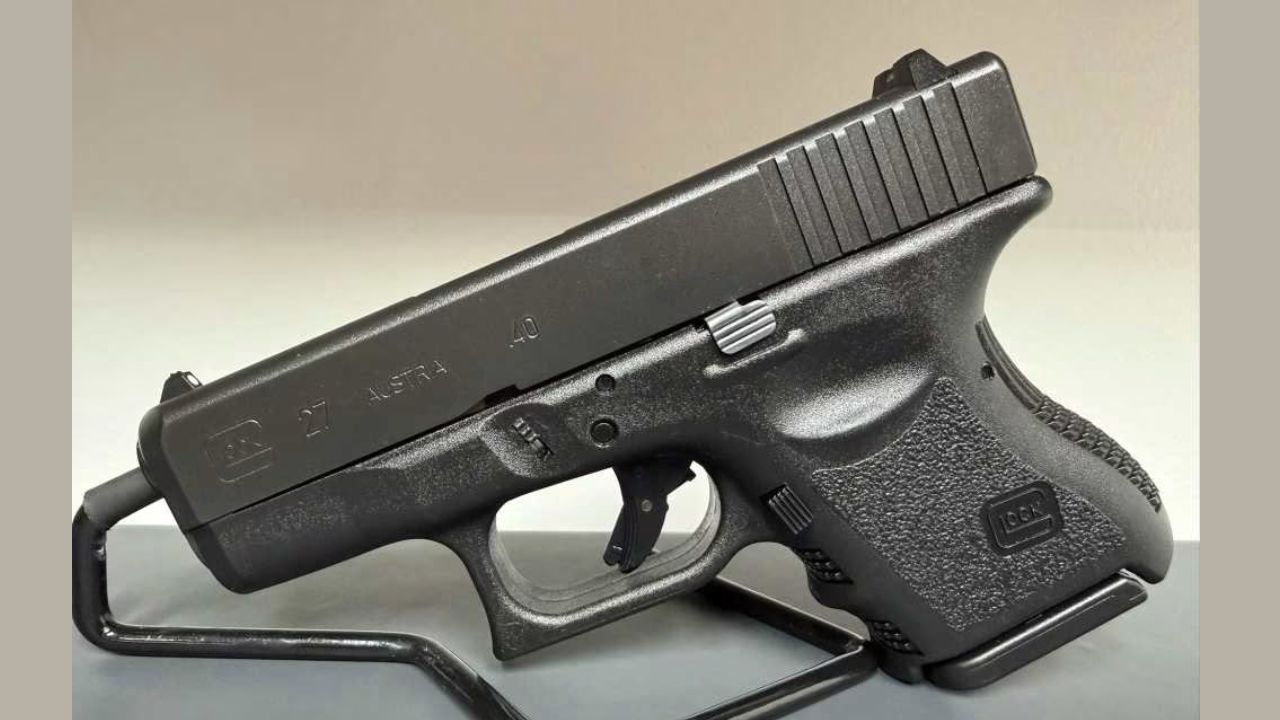
The Glock 26 is a small pistol that behaves like it’s bigger than it is, and it tends to run with the same stubborn reliability people expect from the platform. It’s compact enough to carry comfortably, but it’s not so tiny that it becomes finicky or unpleasant to shoot. That balance is why it has stayed relevant for so long.
Reliability also means you can keep it fed and supported. It takes proven magazines, it’s easy to maintain, and it has a long history of real carry use. When a subcompact keeps running through years of being stuffed in holsters, exposed to sweat, and shot with all kinds of ammo, that’s not luck. If you want a small pistol that doesn’t feel like a gamble, the G26 is one of the safest choices.
Beretta PX4 Storm

The PX4 is a pistol that often earns trust after you shoot it a lot. It has a smooth recoil impulse, it tracks well, and it tends to stay controllable even when you’re tired. That shootability matters because the easier a pistol is to run, the more likely you are to practice enough to truly trust it.
Reliability-wise, the PX4 has a long record of being dependable when maintained and fed with good magazines. It’s also a pistol that doesn’t feel fragile. It’s a practical, proven design that has stayed in use because it works. If you want a handgun that’s a little different than the usual striker options, but still solid enough to stake real trust on, the PX4 belongs in the reliability conversation.
Smith & Wesson J-Frame (642/442)

A J-frame wins the reliability argument because it doesn’t rely on a lot of moving parts working in perfect harmony to fire a round. It’s simple in concept and dependable in real carry use, which is why so many experienced shooters still keep one as a “always” gun. When you need a handgun that will sit quietly and still be ready, it’s hard to beat.
The tradeoff is that you have to do your part. Small revolvers demand good trigger control and real practice. But if you put in the work, the system is consistent and dependable, and it carries easily in places where bigger pistols get left behind. Reliability isn’t only mechanical. It’s also whether you’ll actually have the gun with you. A J-frame checks that box.
Like The Avid Outdoorsman’s content? Subscribe to our newsletter so you never miss an article.
Here’s more from us: