Photo credit: topseller/Shutterstock.com
Choosing the right caliber can be confusing if you’re just getting into firearms—or even if you’ve been around them a while. Between numbers, letters, and sometimes downright weird names, it’s easy to get overwhelmed. But your choice of caliber matters, whether you’re buying for defense, hunting, or just range time. This guide breaks it all down in plain terms, so you know what you’re getting into before you spend your money.
Caliber Isn’t Just About Size

Caliber technically refers to the diameter of a bullet, but there’s more to it than that. Two bullets might have the same diameter and still perform very differently. Things like case length, powder load, and bullet design all affect how a caliber behaves.
It’s important to understand that caliber impacts recoil, accuracy, terminal performance, and even the kind of firearm you’ll need. So don’t assume bigger means better—it’s more about matching the caliber to your purpose.
.22 LR – Small But Capable

The .22 LR is lightweight, quiet, and easy to shoot. It’s often recommended for beginners and small-game hunting. It’s not a powerhouse, but it’s cheap and great for learning fundamentals.
That said, it’s not a good pick for self-defense. It lacks stopping power, and rimfire ignition isn’t as reliable as centerfire. Still, every gun owner should have one—it’s a fun and practical caliber to keep around.
9mm – The Do-It-All Handgun Round

The 9mm is the most popular handgun caliber for a reason. It’s manageable for most shooters, offers decent stopping power, and magazines tend to hold more rounds compared to larger calibers.
You’ll also find a wide variety of ammo available, from budget plinking rounds to premium self-defense loads. Whether you’re carrying concealed or hitting the range, 9mm is a smart and versatile option.
.45 ACP – Heavy and Slow

.45 ACP has a long track record and hits hard with big, heavy bullets. It’s a favorite among 1911 fans and folks who prefer a slower, more forceful punch over high velocity.
But it comes with downsides. Recoil is snappier, magazine capacity is lower, and ammo is more expensive. If you’re new to shooting, you might want to start with something milder before jumping into .45.
.380 ACP – Compact Carry Choice

.380 ACP is often found in pocket-sized pistols, which makes it popular for concealed carry. Recoil is lighter than 9mm, which can make it easier to control in small guns.
The tradeoff is stopping power. While modern .380 loads have improved, it’s still on the lower end for defense. Shot placement matters a lot with this caliber, so practice is key if you plan to carry it.
.40 S&W – A Middle Ground With Punch

.40 S&W was once the top choice for law enforcement. It hits harder than 9mm but doesn’t quite reach the weight of a .45. Some folks still like it for that balance.
On the flip side, it can feel a bit snappy—especially in compact guns. And since most departments moved back to 9mm, .40 S&W ammo can be harder to find and pricier in some areas.
5.56 NATO/.223 Remington – The Standard Rifle Round
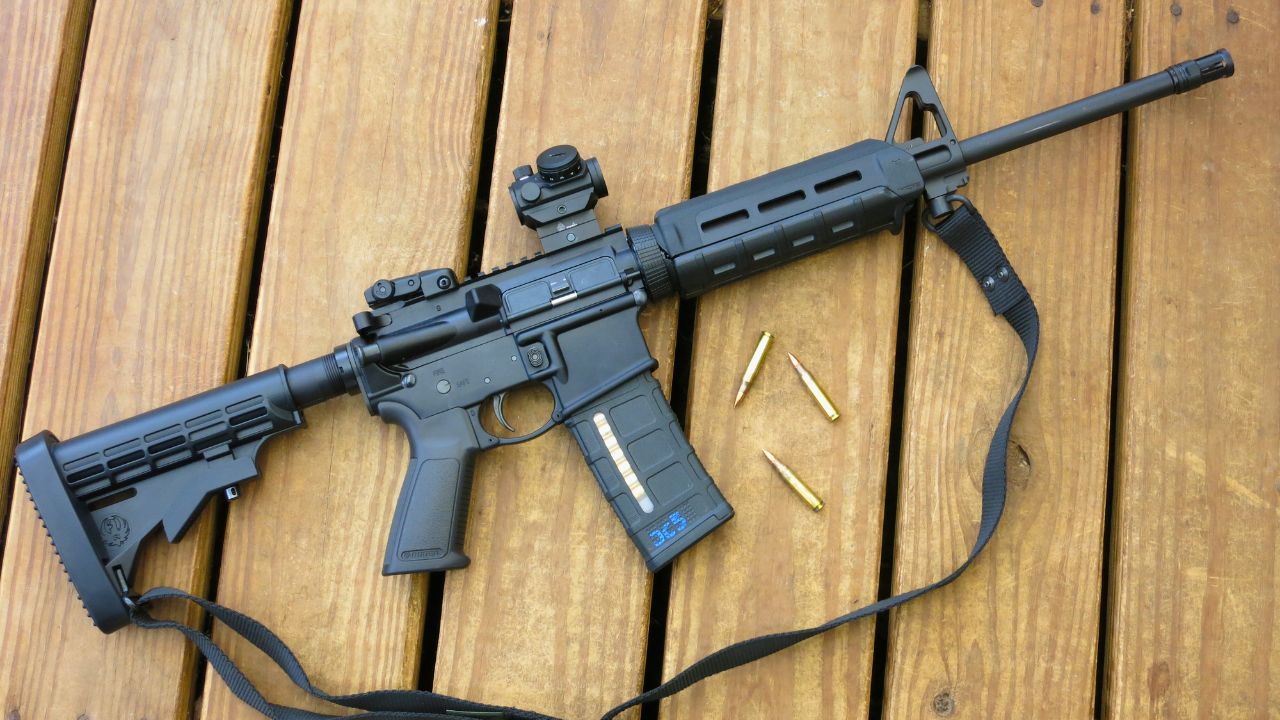
If you’re getting an AR-style rifle, you’ll likely be looking at 5.56 NATO or .223 Remington. They’re very similar, though not exactly interchangeable in all guns. 5.56 can handle higher pressures.
This caliber is lightweight, fast, and accurate at medium range. It’s solid for everything from target shooting to small game. Just know it’s not ideal for larger animals or heavy brush.
.308 Winchester – Big Game Ready

.308 is a classic hunting round used for deer, hogs, and even elk. It’s got reach, power, and plenty of options for ammo. You’ll also see it used in many tactical and precision rifles.
The flip side? Recoil is noticeable, and rifles chambered in .308 tend to be heavier. It’s probably not what you want for casual plinking or small game, but for serious hunting, it delivers.
7.62x39mm – AK Favorite

This is the standard caliber for AK-47 rifles and similar platforms. It’s affordable, reliable, and effective out to medium distances. It’s also good for punching through brush and heavier cover.
While it’s not as precise as 5.56 or .308, it’s hard to beat for a rugged, no-fuss rifle setup. If you’re looking for durability over pinpoint accuracy, this one’s worth considering.
.300 Blackout – Suppressor Friendly
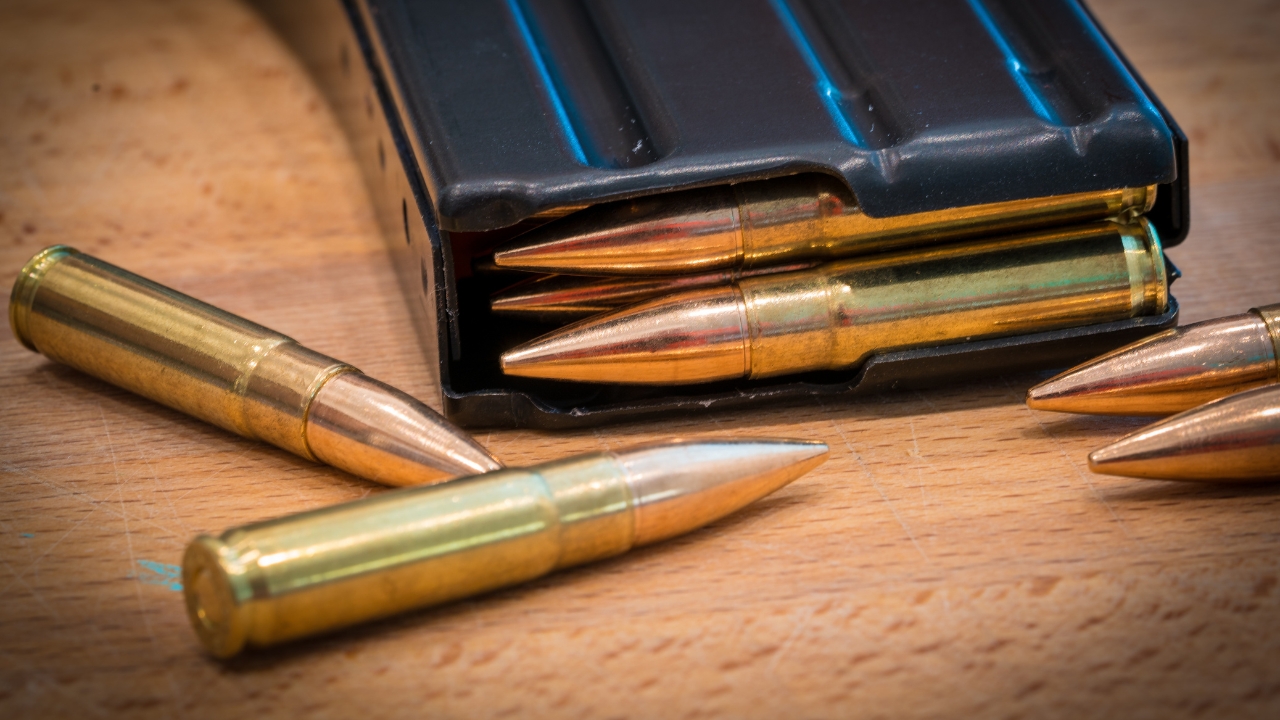
.300 Blackout was designed to work well with suppressors and short barrels. It gives you a heavier bullet than 5.56, but still works in standard AR-15 lowers—just swap the barrel.
The downside is price. Ammo isn’t as cheap or available as more common calibers. But if you’re building a suppressed rifle or a short-barreled setup, .300 Blackout is worth a look.
Match the Caliber to Your Purpose

The best caliber isn’t about bragging rights—it’s about matching your needs. Think about recoil, ammo cost, availability, and what you’re actually going to use the firearm for.
Whether you’re buying your first gun or adding to the safe, take your time. Talk to folks you trust, try out different calibers if you can, and always prioritize comfort and control over hype.
*This article was developed with AI-powered tools and has been carefully reviewed by our editors.