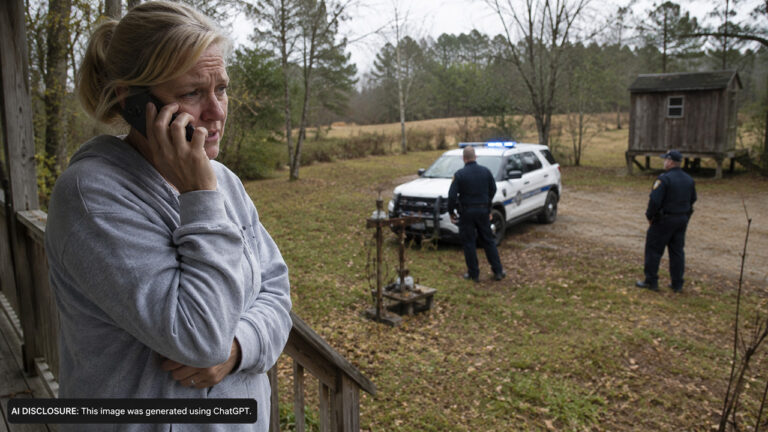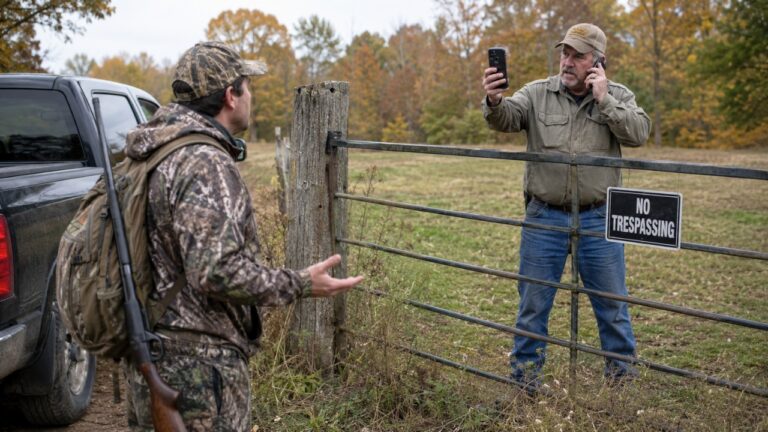
Photo credit: AI-generated image created using ChatGPT. Illustrative only.
Paperwork doesn’t feel like “gun stuff” until it’s the only thing standing between you and a long day with law enforcement. One small detail—who’s officially listed as living at your address—can snowball into a serious mess if it’s out of date.
That’s the warning behind the original post, summed up in a single line: when your kids move out, make sure they change their address. It’s not a glamorous tip, but it hits right where most of us are vulnerable—busy lives, grown kids, and a stack of “I’ll get to it later” tasks that never quite get done.
How an “occupant list” turns into a big deal
A lot of folks hear “listed occupant” and think it’s just a formality. In practice, those lists show up all over: driver’s licenses, vehicle registration, school records, mail forwarding, voter registration, lease paperwork, and whatever databases get built off those records. When everything matches, nobody cares. When it doesn’t, it can become a hook for “probable cause” arguments and enforcement decisions.
The angle here is simple: the kids had moved out, but were still showing up as living there on paper. That kind of mismatch can be treated like a living, breathing fact by people who weren’t around when the moving truck pulled out of the driveway.
Why gun owners feel the impact faster than most
If you’ve got firearms in the home, the stakes are automatically higher when authorities show up. It’s not that having guns is wrong; it’s that guns change the temperature of any interaction. They can trigger additional questions, additional “officer safety” concerns, and additional pressure to take control of the situation quickly.
In the scenario behind the headline, the family-address paperwork reportedly became part of the justification for seizing every gun in the home. That’s the nightmare version of a clerical issue: you did nothing new today, but you’re suddenly dealing with the consequences of an old, stale record.
The trap is that “moved out” and “changed address” aren’t the same thing
Out in the real world, kids move out in stages. They crash at a friend’s place for a month, they come back for a bit, they get their own apartment, they spend weekends at home, and they keep using the old address for mail because it’s easier. Families do this all the time, especially in rural areas where “home” stays home long after someone technically leaves.
The problem is that the system doesn’t understand “technically.” A database doesn’t know your son is only using the old address for insurance mail. It just shows him as an occupant. If a situation develops where law enforcement is trying to quickly sort out who lives where, that old address can get treated as current truth.
Where people get burned: everyday records that quietly follow you
Most folks think of the DMV first, but it’s bigger than that. Banks, employers, insurance companies, cell phone accounts, school paperwork, and medical billing records can all keep an old address alive. Then those records feed other systems—sometimes automatically—until the old place becomes “verified” in more places than you’d expect.
When the post says “make sure they change their address,” it’s really saying: don’t leave a trail of conflicting data tied to your home. If you’re the parent, it’s your roof and your property that may become the focal point when someone decides they need to “secure” firearms first and ask questions later.
Practical steps that help keep your house from becoming the default address
This isn’t legal advice, just the kind of common-sense cleanup that saves headaches. If your adult kids are truly out, have a straight talk and make a checklist: update driver’s license address, update vehicle registration, update insurance policies, update voter registration if it applies, update employer records, and forward mail. Knock it out in an afternoon.
Also take a hard look at the “soft” stuff: online shopping accounts, subscription services, and any paperwork where your address is being used as a permanent home base. If the kid needs a stable mailing address while they’re between places, consider a PO box or other option that doesn’t keep your house pinned as their residence forever.
The bigger takeaway for hunters and rural families
Most of us spend more time thinking about safe storage, range discipline, and keeping guns away from curious hands than we do about address records. And you should—those things matter. But this is a reminder that bureaucracy can hit just as hard as a safety lapse, especially when firearms are involved.
If your household has changed—kids moved out, divorce, roommates, a relative who stayed temporarily—clean up the paper trail. It’s not about being paranoid. It’s about not letting yesterday’s mailing address become tomorrow’s justification for a door-knock that ends with your whole gun safe riding away in somebody else’s vehicle.