Photo credit: AvidOutdoorsman
Buying a little slice of rural ground is supposed to be simple: pay the note, cut the trails, hang a stand, maybe put in a food plot. For one couple who recently closed on a wooded parcel with a creek bottom and a grown-up logging road, it turned into a steady reminder that “that’s how we’ve always done it” still runs deep in the country.
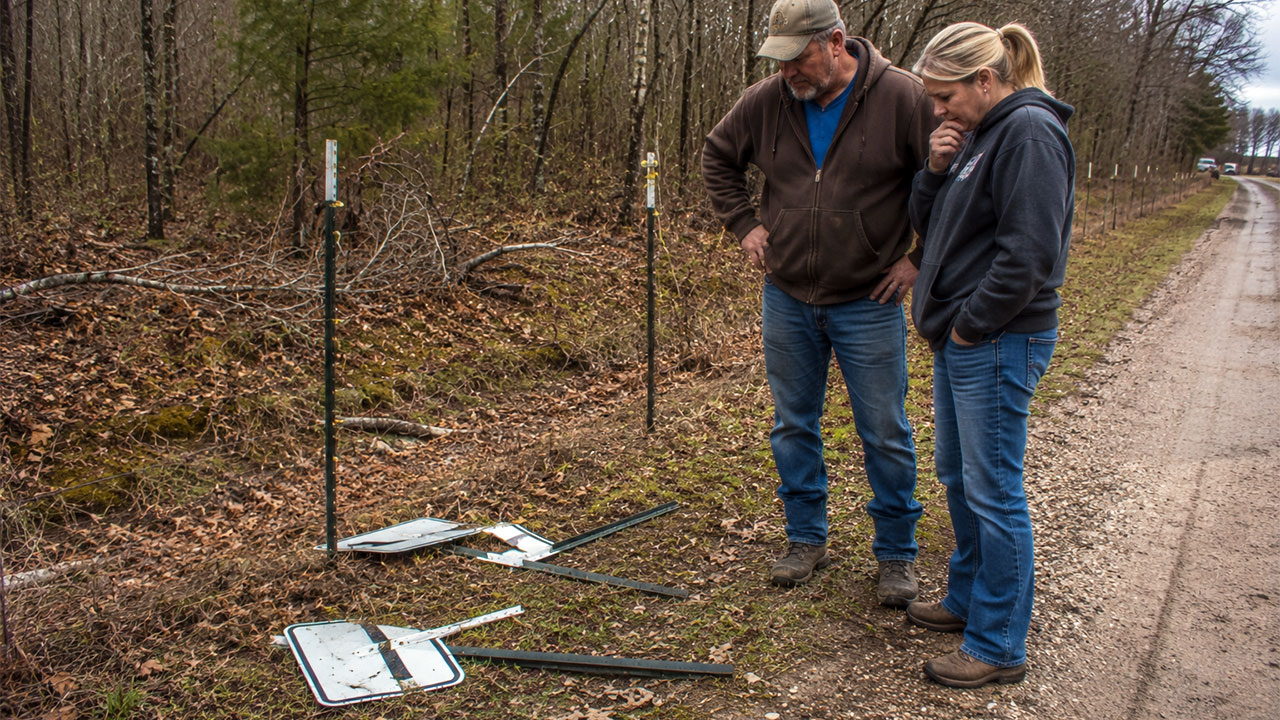
Within a week of moving tools onto the property, they found signs someone else had been treating it like a public access spot for a long time. Old shotgun hulls in the two-track. A rotted pallet nailed into a tree like a makeshift stand platform. Flagging tape tied high on saplings that didn’t match any survey line. Then came the part that changed the tone: every time they posted fresh no-trespassing signs, those signs were cut down by the next morning.
The first clues were the kind you only notice when you walk slow
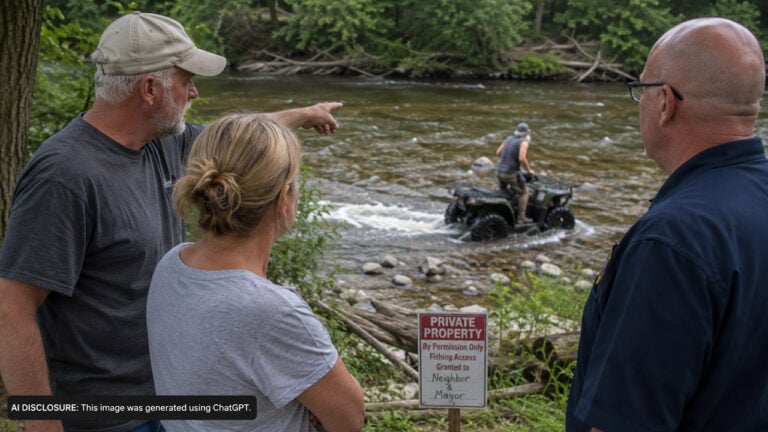
The couple didn’t stumble on a hunter in the act on day one. It was the small stuff. A boot track where the creek sand stayed damp. Trimmed shooting lanes that didn’t line up with any spot a landowner would pick if they were trying to keep bullets on their own ground. A narrow ATV trail that skirted the edge and tied into a neighbor’s fenceline like it had been used for years.
When they did a full loop, it got clearer. They found an old ladder stand chained to a tree with a rusted padlock, plus a trail camera strap that had been cut off and left hanging. None of it was theirs. None of it was there when the realtor walked them through—because a lot of that stuff disappears during property showings and reappears when folks think the coast is clear.
The signs weren’t just disappearing — they were being cut
Most landowners expect a few signs to get torn down by weather, or popped off by a curious bear. This was different. The corners were cleanly sliced, like someone brought a knife or snips and didn’t want the sign reused. And it wasn’t just one sign at the entrance. It was multiple signs along the most obvious access points—gate opening, creek crossing, the old logging road.
That kind of pattern tells you two things. First, the trespasser knows exactly where the access is and checks it regularly. Second, they’re not confused about boundaries. They’re making a point. That’s where a simple “Hey, we’re new owners” conversation starts to feel less friendly and more like a personal challenge.
The landowner tried to get smart before getting loud
Instead of sitting in the truck at daylight waiting for a confrontation, the couple did what more folks should do: they documented everything. Photos of each sign location. Close-ups of the cut marks. GPS pins from a phone. Pictures of the old stand and trash where it sat.
They also pulled their closing paperwork and survey and walked the corners again. In a lot of rural disputes, the real problem is a vague line—“the creek is the boundary” until the creek moves, or “it’s behind that oak” until that oak dies. Having a current survey doesn’t magically stop trespass, but it keeps you from guessing when the conversation turns serious.
Not long after, they started finding fresh evidence: boot tracks crossing their boundary from the same spot, and a drag mark in the leaves like someone hauled a deer out using the easiest line to a neighbor’s side. When you’re seeing that during deer season, you’re not talking about hikers who got turned around.
Safety is what makes it more than a property-rights argument
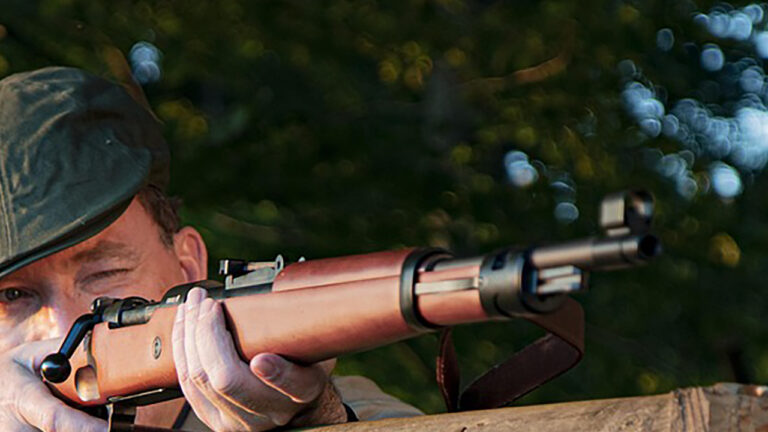
Country folks will argue access like it’s a family tradition, but firearms change the math. The couple had plans to bring kids out to fish the creek and cut wood. They didn’t like the idea of someone slipping in before daylight, taking a shot toward the back side, and assuming nobody was around because “nobody lives there.”
A lot of these parcels are long and narrow, with houses or barns just off the line. It only takes one careless hunter setting up on the wrong side of a ridge and firing across a property line to create a dangerous situation. Even if the shot is legal where they’re standing, it can still be unsafe and reckless depending on backstop and direction.
And from a practical standpoint, once someone is comfortable enough to cut down signs, they’re comfortable enough to ignore you in person. That’s when smart landowners stop thinking in terms of arguments and start thinking in terms of preventing an incident.
Commenters focused on trail cameras, gates, and calling the right people
In situations like this, the advice from other hunters and landowners is usually split down the middle. One side says to post more signs, run cameras, and prosecute every violation. The other side says to meet the neighbors, find out who has “always hunted it,” and see if a permission system can keep things peaceful.
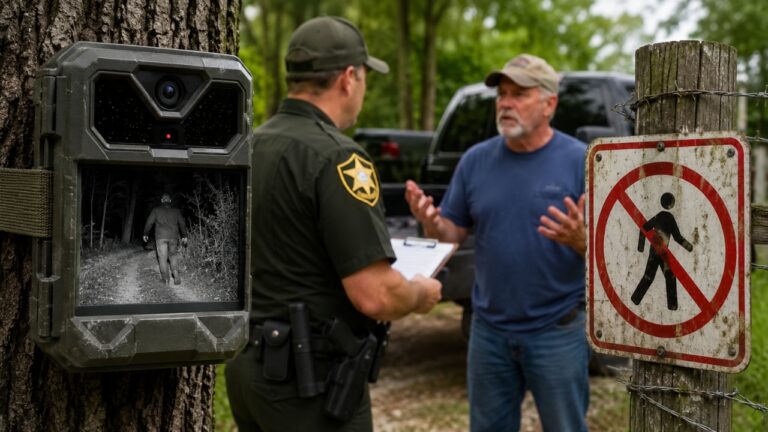
The most common practical suggestions are the same ones that work in the real world: put up high-quality metal signs with tamper-resistant fasteners, place trail cameras high and angled down, and set up cameras watching the access routes—not just the food plot. A camera that sees a face at a gate is worth more than a camera that catches a guy’s boot at 2 a.m.
Others brought up paint markings, because in some states paint on boundary trees carries legal weight similar to signage and is harder to remove quietly. People also mentioned contacting the local game warden or conservation officer. That’s not “calling the cops on hunters.” It’s using the one person who deals with trespass, illegal stands, baiting complaints, and property access issues all season long.
The hardest part was deciding how hard to push without escalating
The couple’s options narrowed fast. Ignoring it would invite more use and more entitlement. Meeting whoever was doing it could go fine—or could go sideways if the trespasser felt cornered. Posting signs alone wasn’t working because someone was making nightly rounds with a cutting tool.
What tends to work best is a layered approach. Start with clear boundaries: signage where required, paint if applicable, and a locked gate if there’s a road access you can control. Then add documentation: cameras positioned to identify, not just to detect. And finally, use the system: report repeated vandalism and trespass with dates, photos, and map pins so it becomes a pattern, not a one-off complaint.
If you do run into the person, the smartest move is to keep it calm and keep it short. State that the property has new owners and access isn’t allowed without permission. Don’t argue about “we’ve always hunted here.” Don’t debate surveys on the tailgate. If someone is already cutting down signs, that’s not a person you win over with a long conversation.
Rural ground can be a dream, but it comes with baggage—especially if the last owner lived out of state or didn’t enforce boundaries. The good news is most of these situations get better once the new owners prove they’re paying attention. The bad news is you often have to prove it more than once, and you have to do it the right way: documented, consistent, and focused on safety first.
Like The Avid Outdoorsman’s content? Be sure to follow us.
Here’s more from us: