Photo credit: The Avid Outdoorsman
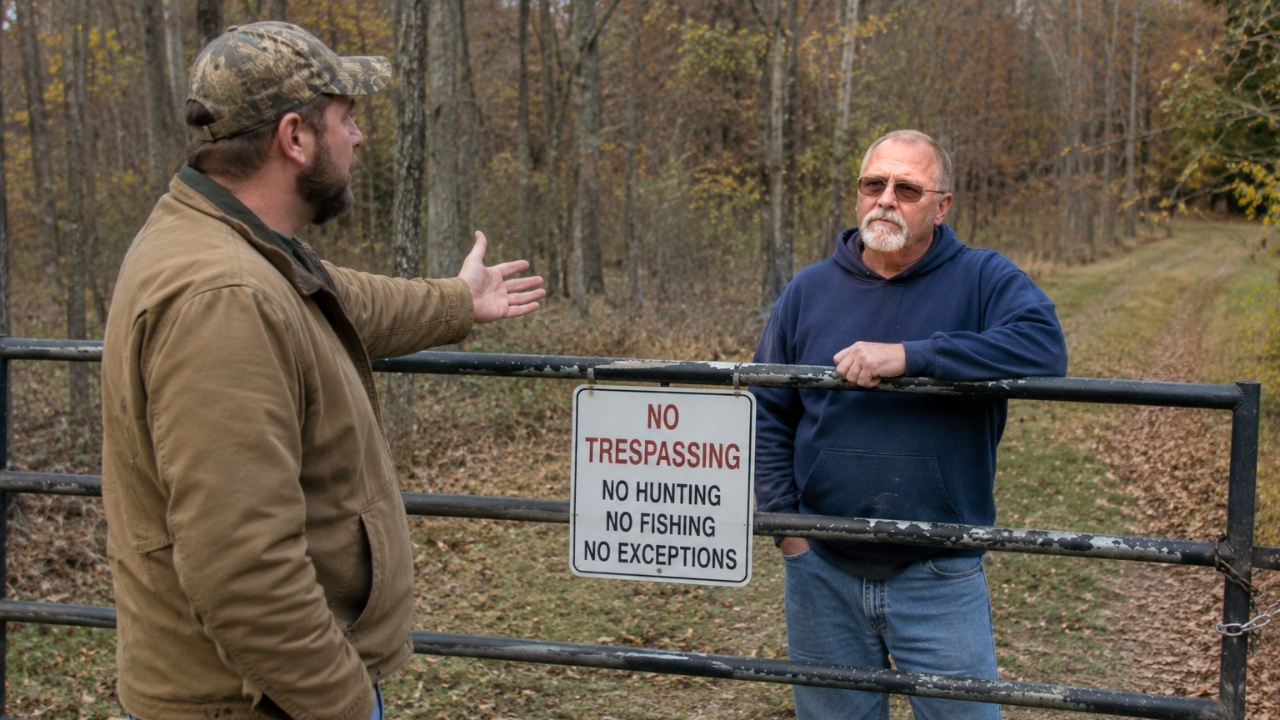
A couple who wanted to let friends bowhunt their land said the whole plan nearly fell apart after one neighbor made it clear that if a wounded deer crossed onto his property, nobody would be allowed to retrieve it.
The landowner shared the situation in a post on r/Hunting titled “Advice on how to deal with neighbor/property lines?” They explained that they do not hunt themselves, but they support it and had offered a couple of friends permission to hunt on their 12-plus acres.
The issue was the shape of the property. Their lot was long and narrow, only about 200 feet wide, which made deer recovery a real concern. A bowshot deer can run after the hit, even when the shot is good. On a thin piece of land, that animal could cross onto a neighbor’s property quickly.
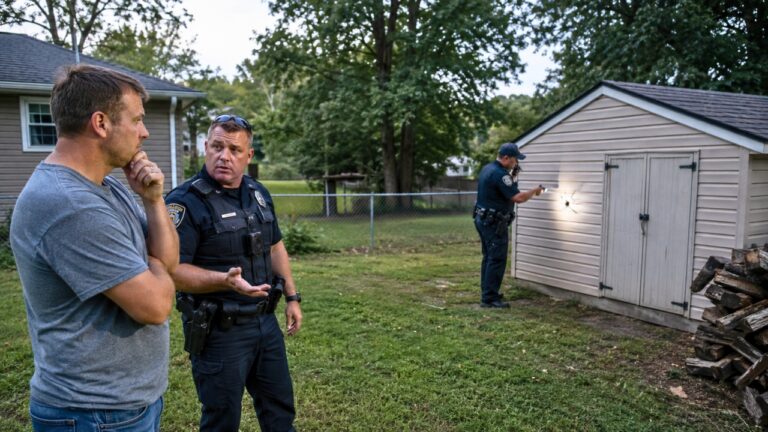
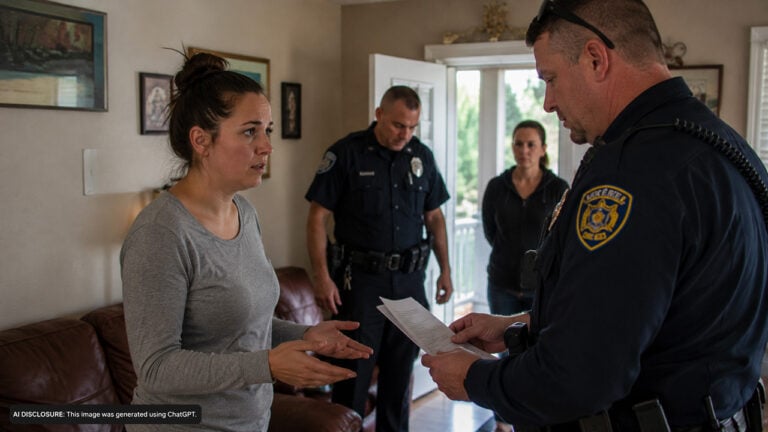
The couple said they had tried to be cordial with the neighbor. They had even allowed him onto their property and let him use his tractor on their trails. But when one of their friends called the neighbor ahead of time to give him a heads-up about bowhunting and ask how to handle recovery if a deer crossed the line, the response was not friendly.
According to the poster, the neighbor said under no circumstances would the friend be allowed to retrieve a deer from his property.
That answer changed the whole hunt. The friend chose not to hunt because he did not want to create a rift between the couple and the neighbor. The couple said they wanted to respect the neighbor’s rules, but they also felt like they were being punished and restricted from using their own land.
The Property Shape Made This More Than a Minor Neighbor Problem
If the couple’s land had been a big square parcel, the answer might have been simple: hunt far from the line.
But a 200-foot-wide lot does not leave much room for error. With a narrow “spaghetti lot,” a deer can cross the property in seconds. That is especially true with archery hunting, where even a well-hit deer may run before going down.
That made the neighbor’s hard no feel like a season-ending problem. The couple could technically allow their friends to hunt, but any shot came with the risk of a deer crossing onto property where recovery was already denied. For an ethical hunter, that is a serious issue. Nobody wants to shoot an animal and then be forced to leave it because of a boundary dispute.
The poster seemed especially frustrated because the neighbor owned more than twice the amount of land they did. From their view, he had more room, more control, and still seemed determined to limit how they used their smaller piece.
They also said the deer population in the area was high and that deer were constantly on their property. To them, allowing responsible hunting was a way to enjoy their land and help control the deer numbers.
But the neighbor’s refusal put them in a bind. They wanted to be respectful. They wanted to keep peace. They also did not want one neighbor’s rules to effectively make their own land unhuntable.
Commenters Said the Neighbor Still Owned His Land
A lot of commenters understood why the couple was frustrated, but they did not ignore the most basic fact: the neighbor owned his property.
Several users pointed out that if the neighbor did not want people crossing onto his land, that was his right. It might be unfriendly. It might be inconvenient. It might even feel petty if he had been allowed to use their trails. But private property still means private property.
One commenter suggested going over and politely asking again, while also mentioning that it would be disappointing if the neighbor’s access to their property had to change too. That was one of the more balanced responses. It did not suggest threatening the neighbor immediately, but it did remind the couple that access should probably go both ways.
The couple said that was close to what they were thinking, though they wanted to maintain positive relations. That was the hard part. They did not want to start a neighbor war, but they also did not want to keep giving the neighbor access while he refused even limited recovery access in return.
That is where the situation got uncomfortable. Neighbor relationships in rural areas are not one-time conversations. These are people who may live beside each other for years. A tense property-line fight can outlast the hunting season.
Commenters seemed to recognize that. The advice was not simply “cut him off” or “ignore him.” It was to talk carefully, know the laws, and understand that once deer and property lines get involved, people can get stubborn fast.
Deer Recovery Laws Made the Answer Complicated
Several commenters told the couple to check state law before assuming there was nothing they could do.
In some states, hunters may be allowed to retrieve legally harvested game from posted property under certain conditions. In other places, they must have landowner permission before crossing the line. Some states may allow recovery only if the hunter is unarmed. Others may require a conservation officer or game warden to get involved.
The poster later clarified that they were in Michigan and believed hunters are not legally allowed to retrieve game from private property without permission. One commenter said they checked Michigan law and agreed that recovery without permission was not allowed.
That made the neighbor’s refusal even more serious. If the couple’s friend shot a deer and it crossed the line, they could not simply walk over and get it. They would need permission, and permission had already been denied.
Some commenters said that if it happened anyway, they should call a local wildlife officer. Others cautioned that even then, the officer may not be able to solve the problem the way they hoped. Laws vary, and the couple needed to know exactly how Michigan handled it before relying on a game warden as a backup plan.
That was probably the most useful takeaway from the thread: do not guess. Call the state natural resources agency or a local conservation officer before the season starts and ask what happens if a legally shot deer crosses onto property where the owner refuses access.
That conversation is a lot easier before there is a dead deer lying over the line.
Some Commenters Saw the Neighbor’s Side
Not everyone thought the neighbor was only being unreasonable.
One commenter, speaking as a larger landowner, said he could understand the frustration of people hunting very small pieces of property and then wanting to walk all over neighboring land to recover deer. He said he personally would not block someone from trailing a deer as long as they asked, but he suspected the neighbor might be using the refusal as a tactic to discourage hunting on the narrow lot.
That perspective made the couple pause. They replied that they were trying to be understanding and admitted the property shape made things difficult. But they also felt bullied because they had deer on their own land and wanted to use that land responsibly.
Another commenter was more direct and said the couple probably should have talked to the neighbor themselves before giving friends the green light. From the neighbor’s point of view, a stranger had called out of the blue saying he might be walking around looking for deer on the property. That could feel suspicious, especially to someone already protective of his land.
The poster said they had previously told the neighbor they had friends who would be hunting and had asked whether they could share his number. That is why the sudden aggression surprised them.
Even so, the thread showed that introductions matter. A neighbor may respond differently to the landowners than to a friend he does not know. If recovery access is going to be requested, it may land better coming from the people who live next door and already have a relationship with him.
The Tractor Access Became Leverage
One detail kept hovering over the entire conversation: the neighbor had been allowed to use their land and trails with his tractor.
That made his refusal feel especially one-sided. The couple had tried to be generous with access, but when they needed a narrow, specific courtesy in return, he shut it down completely.
Several commenters suggested that if he refused to cooperate, the couple should stop letting him use their property. That does not mean storming over in anger or creating a dramatic scene. It simply means access should be mutual and respectful. If he wants a hard boundary, he may need to live with one too.
That kind of move can be risky because it may escalate the neighbor relationship. But it may also be necessary if one person is taking advantage of the other’s politeness.
The couple seemed cautious about that. They wanted to keep peace, but they also did not want to reward behavior that effectively limited their own land use.
This is where rural neighbor issues get complicated. Sometimes being too accommodating teaches the other person that you will keep giving even when they give nothing back. Sometimes pulling access causes a feud that lasts for years. The right move depends on the relationship, the personalities involved, and how much the couple is willing to tolerate.
What Commenters Said
Commenters mostly agreed that the couple needed to talk to the neighbor directly, check Michigan’s recovery laws, and stop relying on assumptions.
Some said the neighbor had every right to refuse access to his land, even if it felt unfair. Private property is still private property, and a hunter cannot count on crossing a line unless the law or the landowner allows it.
Others said the neighbor’s refusal looked hypocritical if he was using the couple’s trails and property while denying even limited deer recovery in return. They suggested a calm conversation where the couple explained that they wanted to stay neighborly but needed access expectations to be mutual.
Several commenters told them to call the state DNR or a local conservation officer before the season. Recovery laws vary widely by state, and the couple needed a clear answer for Michigan before allowing anyone to hunt. If the law required permission and the neighbor refused, their friends would have to hunt carefully or not hunt there at all.
A few commenters also warned that hunting a 200-foot-wide property is naturally difficult. Even if the couple has the right to hunt their land, the shape of the parcel means recovery problems are almost guaranteed unless the neighbors cooperate.
For the couple, the issue was not whether they wanted to respect private property. They clearly did. The problem was that one neighbor’s refusal could make their own land almost impossible to hunt ethically. The next step was not a fight at the property line. It was a careful face-to-face conversation, a call to wildlife officials, and a decision about whether access across their own trails should remain open if the neighbor refused to offer any cooperation in return.