Photo credit: The Avid Outdoorsman
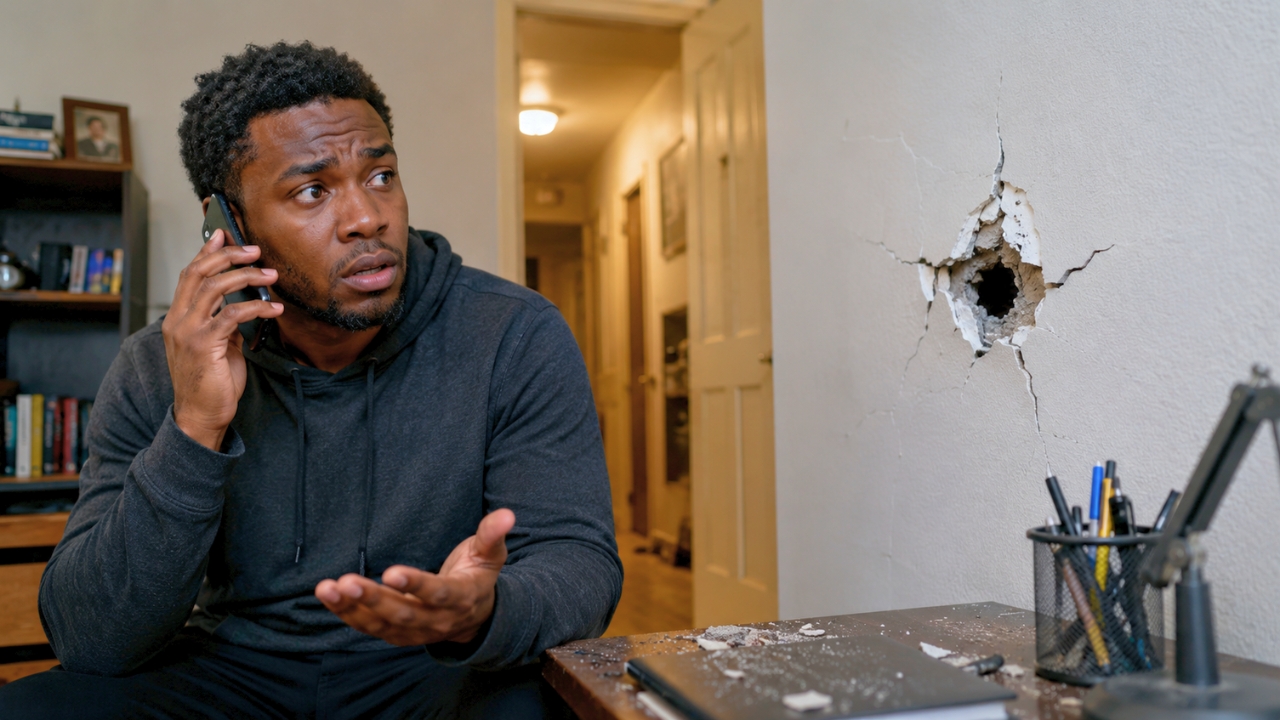
An apartment tenant said a neighbor’s accidental gunshot came through the wall, leaving them shaken and wondering what could happen next.
According to the Reddit post, someone in the apartment complex accidentally discharged a firearm. The round went through the wall and entered another unit. That turned a private mistake in one apartment into a serious safety issue for someone else.
The tenant was not just asking about a damaged wall. They wanted to know what options they had and whether apartment management could remove the neighbor quickly.
They explained the situation in a Reddit thread and asked what could be done after a neighbor’s gunshot entered their apartment: https://www.reddit.com/r/legaladvice/comments/ay8r1h/a_neighbor_in_my_apartment_complex_accidentally/
The shot crossed into another person’s home
The biggest issue was simple: the gunshot did not stay inside the neighbor’s apartment.
In a single-family home, an accidental discharge is already serious. In an apartment complex, it can immediately endanger people who had nothing to do with the gun.
That is what made this case so alarming. The tenant was inside a building where one person’s mistake could travel through drywall and into another person’s living space.
Apartments are built for privacy, not ballistic protection. A wall may separate leases, but it does not guarantee safety if someone mishandles a firearm next door.
Commenters treated it as more than a lease problem
A lot of apartment disputes are handled through management.
Noise, trash, parking, pets, smoking, and maintenance problems usually start with the leasing office. But a bullet coming through the wall is different.
Commenters generally treated this as something that needed police documentation, not just a complaint to the landlord.
That matters because a police report gives the tenant a record. It can show that the incident happened, that a firearm was involved, and that the tenant was not exaggerating a normal neighbor issue.
If management later drags its feet, that report becomes much more useful than a phone call that was never written down.
Management might not be able to act instantly
The tenant seemed to want to know whether the neighbor could be removed quickly.
Commenters explained that even serious lease violations do not always result in instant removal. Landlords usually have to follow the legal eviction process. They may not be able to throw someone out the same day, even after a dangerous incident.
That can be frustrating for the affected tenant. From their point of view, a neighbor fired a gun through the wall, and staying near that person may feel unacceptable.
But the legal process still matters. Management may be able to issue notices, begin eviction proceedings, or work with police, but they usually cannot simply change the locks and make the person disappear.
A lease violation was still possible
Even if the landlord could not remove the neighbor immediately, the incident could still be a serious lease violation.
Many leases have rules about dangerous conduct, criminal activity, disturbing other tenants, damaging property, or creating unsafe conditions. A negligent firearm discharge through a shared wall could fit several of those categories.
Commenters suggested the tenant should report the issue to management in writing and ask what steps would be taken.
That written complaint should include the date, time, police report number if available, photos of the damage, and a clear request for management to address the safety concern.
The tenant needed to avoid letting the situation become an undocumented hallway rumor.
The tenant had to think about their own lease too
One of the practical questions was whether the affected tenant could leave.
After a bullet comes through a wall, it is reasonable for a tenant to ask whether the apartment is still safe. But breaking a lease can be complicated. The tenant would need to look at the lease, local tenant law, and what management was willing to offer.
Some landlords may allow a transfer to another unit. Some may agree to a lease termination. Others may resist unless the tenant has a strong legal basis.
That is why documentation matters so much. A tenant asking to move because of a vague safety concern may get ignored. A tenant with a police report showing a neighbor’s gunshot entered their apartment has a much stronger position.
Photos and repair records mattered
Commenters would usually tell someone in this situation to take pictures immediately.
The tenant should document the bullet hole, wall damage, any damaged belongings, and anything else showing the path of the round. If maintenance repairs the wall too quickly, evidence can disappear.
That does not mean the tenant should interfere with safety repairs. It means they should photograph everything before it gets patched.
The tenant should also save emails, maintenance requests, police report information, and messages from management.
If the issue turns into an insurance claim, lease dispute, or court problem, those records will matter.
Insurance could handle property damage, but not fear
If the tenant’s belongings were damaged, renter’s insurance might help.
But insurance cannot solve the biggest concern in a case like this: feeling unsafe in the apartment. A tenant who knows a neighbor fired through the wall may not sleep easily, even if the drywall is repaired and a check covers damaged property.
That is why the management response is so important.
The tenant would want to know whether the neighbor still had the gun, whether police took action, whether the landlord was pursuing a lease violation, and whether there was any plan to prevent a repeat incident.
Without answers, the apartment may not feel livable.
The neighbor’s intent did not erase the risk
The shot was described as accidental.
That matters in one sense. It suggests the neighbor may not have been trying to hurt anyone. But it does not make the event harmless.
Accidental gunshots still injure and kill people. A negligent discharge through a wall can be deadly whether or not the person meant to pull the trigger.
Commenters often make that distinction in these threads. Intent affects criminal charges and moral blame. But the danger to the neighboring tenant was real either way.
The person on the other side of the wall did not get to opt into that risk.
The tenant needed a written timeline
A clean timeline would help the tenant deal with police, management, insurance, and possibly a lawyer.
That timeline should include when the shot happened, where the tenant was, where the bullet entered, who responded, whether police came, whether anyone admitted to firing the gun, what management said, and what repairs were made.
It sounds basic, but details can blur fast after a scary incident.
A written timeline also helps if management later tries to minimize the event as “an issue next door.” The tenant can show exactly how the incident affected their own unit.
Shared housing makes gun safety non-negotiable
This story showed why safe firearm handling matters even more in apartments.
A person who lives behind shared walls has to assume other people are on the other side. That means clearing firearms properly, keeping them pointed in the safest possible direction, and never treating an apartment wall like a backstop.
One careless moment can send a bullet into someone else’s home.
For the affected tenant, the practical advice was straightforward: call police, document the damage, notify management in writing, ask what lease action is being taken, preserve evidence, and look into lease options if the apartment no longer feels safe.
Because after a gunshot comes through the wall, the question is not just who patches the drywall. It is whether the people living behind that wall can feel safe there again.
Like The Avid Outdoorsman’s content? Be sure to follow us.
Here’s more from us: