Photo credit: everst/Shutterstock.com
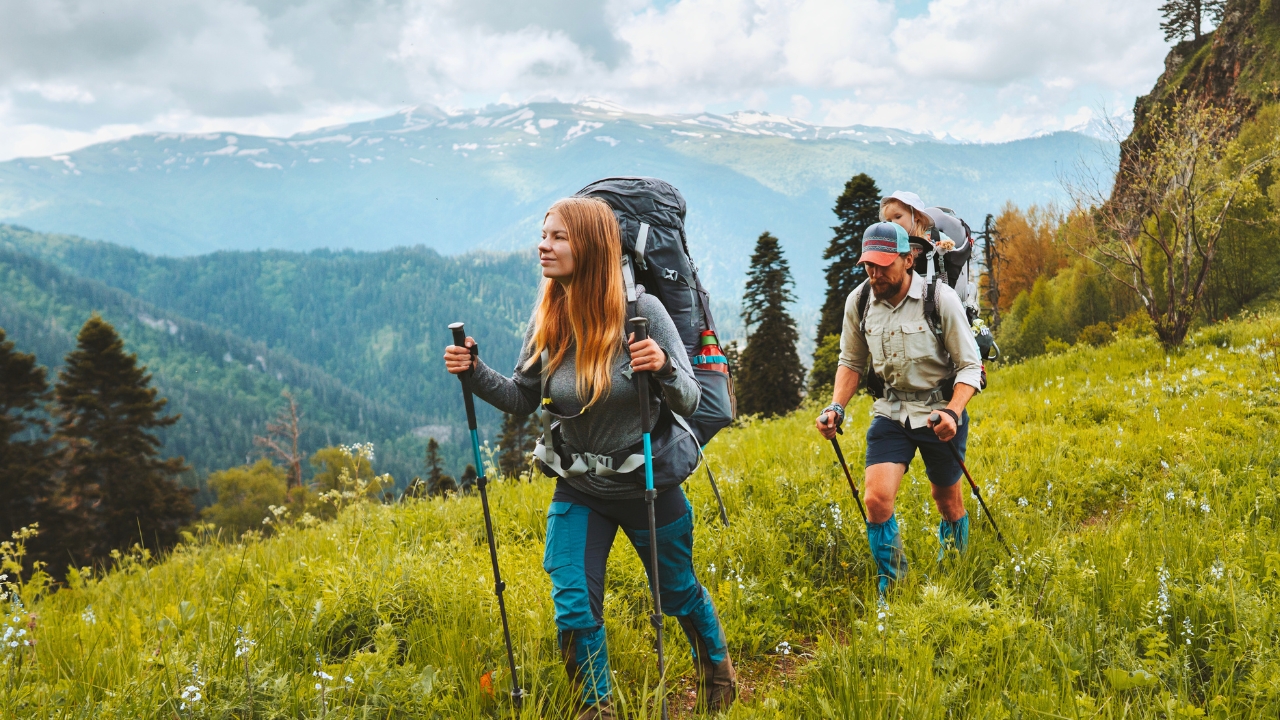
Some trails feel like a stroll, and some feel like they’re sizing you up every step of the way. The routes that really test your legs aren’t always the longest or the highest; they’re the ones that stack climbs, switchbacks, and uneven ground in ways that demand steady pacing.
These hikes reward anyone who’s willing to dig in and keep moving, and the payoff is usually better views and quieter country than you’d find on easier paths. If you like trails that make you earn the finish, these routes will give your legs the kind of workout that leaves you tired in the right way.
The Bright Angel Trail, Arizona
Bright Angel may be the most famous trail in the Grand Canyon, but it stays challenging no matter how prepared you are. The steady grade lulls you into feeling confident, and then the heat and climb out start working your legs harder than expected. Even strong hikers notice how the miles stack up on the return trip.
The route rewards you with canyon walls that shift color throughout the day and quiet stretches between rest houses. If you pace yourself early, the climb out becomes a test of rhythm more than raw strength, and that’s where the trail shines.
The Presidential Traverse, New Hampshire
The Presidential Traverse isn’t long compared to western routes, but the terrain is relentless. You’re moving across exposed ridgelines, boulder fields, and steep rock scrambles that keep your legs firing the entire day. The weather can turn quickly, adding another layer of challenge.
What makes it rewarding is how the views open up without warning—one minute you’re in the trees, the next you’re looking across the Whites for miles. The constant elevation shifts force you to hike smart rather than fast, and you end the day feeling like you’ve covered far more ground than the mileage suggests.
The Highline Trail, Montana
The Highline Trail in Glacier National Park doesn’t seem intimidating on paper, but the rolling terrain keeps your legs engaged from start to finish. There are long stretches of narrow ledges, steady elevation changes, and exposed sections that demand focus.
As the trail winds along the cliffs, every turn offers a new look at Glacier’s peaks and valleys. The gradual climbs add up, especially on warm days, but the scenery makes the effort feel worthwhile. If you like trails that build their difficulty over time, this one does it without overwhelming you at any single point.
Zion’s Observation Point Route, Utah
Observation Point gives you one of the best views in Zion, but it makes you climb for it. The trail rises quickly out of the canyon and never really lets go of that incline. Tight switchbacks work your calves and quads, and the sandstone surfaces can get slick.
The payoff is a long overlook that sits high above Angels Landing. Because the ascent is steady and demanding, the route stays quieter than some of Zion’s more popular hikes. It’s a good test of pacing, especially on warm days when the canyon walls hold heat.
The Four Pass Loop, Colorado
The Four Pass Loop circles some of Colorado’s most iconic alpine terrain, and each pass forces you into a new round of climbing. The ascents happen at altitude, which makes your legs work harder than expected even if you’re in good shape.
The loop’s beauty sits between the climbs—meadows, lakes, and long open views that stretch across the Elk Mountains. The constant up-and-down profile teaches you to settle into a comfortable, efficient pace. By the time you finish, you’ve climbed enough elevation to feel like you covered double the mileage.
Mount Hood’s Timberline Trail, Oregon
The Timberline Trail winds around Mount Hood, and its rolling terrain becomes a steady challenge over the full distance. You’re crossing deep drainages, climbing out of sandy washes, and navigating rocky slopes that force you to pay attention to every step.
The landscape changes often—glacial streams, alpine ridges, and high meadows all show up in quick succession. The climbs come in waves, so your legs rarely get a break. It’s the kind of trail where the scenery pulls you forward even when the elevation profile tries to slow you down.
Yosemite’s Clouds Rest Trail, California
Clouds Rest doesn’t get as much attention as Half Dome, but it’s every bit as demanding. The trail gains elevation steadily through forest and granite, and the final ridge tests your balance and leg strength.
What makes the route special is the quiet stretch after the early climb. You get long views of the valley without the crowds, and the summit offers one of the widest panoramas in the park. The mix of distance and elevation gain turns it into a full-day workout that leaves you feeling earned tired rather than overwhelmed.
The Teton Crest Trail, Wyoming
The Teton Crest Trail rewards strong hikers with some of the best high-country terrain in the West. The route rolls over passes, dips through basins, and pushes you up long climbs that make your legs burn in the best way.
You’re moving through open alpine country almost the entire time, with the Tetons rising like a backdrop to every mile. The elevation changes aren’t brutal individually, but they add up over the course of the day. It’s a trail that rewards consistency and keeps you honest if you start too fast.
The Enchantments Core Zone, Washington
The Enchantments require both strength and careful footwork. The climbs are steep, the granite slabs uneven, and the transitions between lakes can feel longer than they look on the map. This is a trail where your legs stay active the entire time.
The alpine basin itself is stunning—clear lakes, mountain goats, and jagged peaks rising around you. But the elevation shifts make the route a true test. Most hikers finish the day feeling like they covered far more ground than the mileage shows, simply because of how demanding the terrain is.
Grand Canyon’s South Kaibab to North Kaibab Route
Crossing the canyon rim-to-rim works your legs in both directions. The South Kaibab descent is steep and exposed, and the climb up the North Kaibab feels endless if you don’t manage your energy well. Few trails demand such balanced strength.
The route shows you nearly every layer of canyon terrain—desert scrub, inner canyon corridors, and higher forested slopes. The constant grade tests your form and pacing, making it one of the most satisfying physical challenges in the park.
The Superior Hiking Trail Ridgeline Sections, Minnesota
Sections of the Superior Hiking Trail are more rugged than people expect. Root systems, sharp climbs, and rocky shelves make your legs earn every ridge. The trail rarely stays flat for long, and each climb feels a little different from the last.
The views over Lake Superior aren’t constant, but when they appear, they’re worth the work. Because the terrain shifts often, you stay mentally engaged, and your legs never fall into autopilot. It’s a great trail for hikers who like technical challenges rather than big elevation peaks.
The John Muir Trail Pass Approaches, California
The passes along the John Muir Trail—Muir, Forester, Glen—each deliver their own type of grind. The approaches stretch out longer than expected, and the altitude adds to the strain even when the grade isn’t extreme.
What you get in return is a front-row seat to some of the most scenic mountains in the Sierra. The switchbacks feel rewarding instead of repetitive, and the views widen with every upward step. You finish each pass feeling like you accomplished something substantial.
Colorado’s Manitou Incline Route
The Incline is simple: stairs straight up a mountainside. But the grade and elevation gain are what make it famous. It’s a direct test of leg strength, pacing, and stubbornness. The climb forces you to settle into your own rhythm early.
Once you reach the top, you’re rewarded with sweeping views over Manitou Springs and the Front Range. The descent via the Barr Trail gives your legs a different kind of workout, making the route a complete challenge from start to finish.
Like The Avid Outdoorsman’s content? Subscribe to our newsletter so you never miss an article.
Here’s more from us: