Photo credit: The Avid Outdoorsman
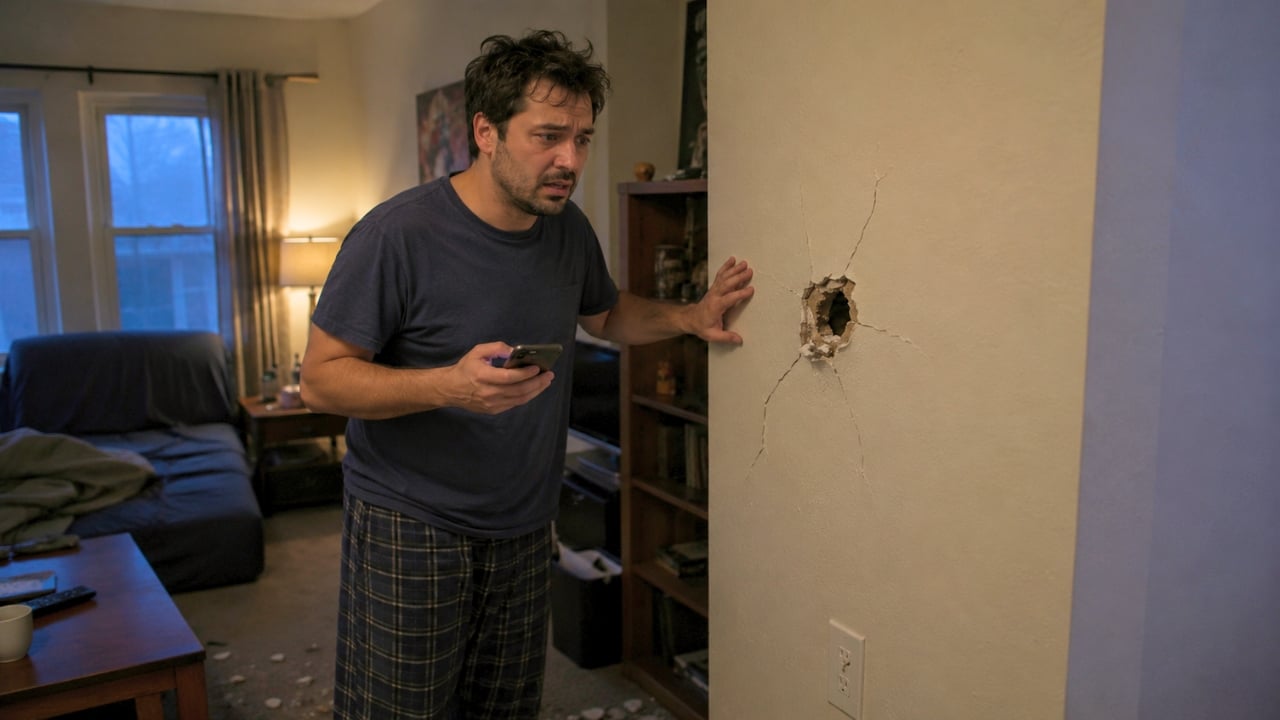
An apartment tenant in Washington said an early-morning gunshot from the unit next door sent a bullet through the shared wall, leaving him worried about what could happen next and whether management had to move quickly.
According to the Reddit post, the tenant said the neighbor fired a gun into his apartment around 4 a.m. That kind of incident would be alarming anywhere, but in an apartment building, it raises an immediate fear: if one bullet came through the wall once, what stops it from happening again?
The tenant described the situation in a Reddit thread and asked what could be done after a neighbor allegedly shot into his apartment: https://www.reddit.com/r/legaladvice/comments/ss0mtl/my_neighbor_shot_a_gun_into_my_apartment_and_i/
This was not a normal noisy-neighbor complaint.
It was a live round entering someone else’s living space.
The tenant was left wondering whether the apartment was still safe
When people rent an apartment, they expect the walls to separate more than sound.
They expect basic safety. They expect to sleep without wondering whether a neighbor’s mistake could send a bullet into the room. They expect management to take serious action when a firearm is discharged through a shared wall.
That is why this tenant’s question felt urgent.
Even if the gunshot was accidental, the result was not minor. A bullet crossed from one private living space into another. Depending on where the tenant was at the time, it could have caused serious injury or worse.
That is the part that changes everything.
An accidental discharge may be explained away by the person holding the gun, but the neighbor on the other side of the wall still has to live with the risk. Apartment walls are not built to stop bullets. They are not safe backstops. A negligent moment in one unit can become a life-threatening event in the next.
The legal issue was not just about the shooter
The obvious concern was the neighbor who fired the gun.
But the tenant was also trying to understand what role the apartment management had to play. Could management move him to another unit? Could they evict the neighbor? Did they have a duty to act quickly once they knew a bullet had entered another apartment?
Those questions are complicated because landlord-tenant rules vary by state and by lease.
Still, the basic concern is easy to understand. A landlord or property manager may not control everything tenants do inside their units, but once management is aware of a serious safety incident, residents expect more than a shrug.
The tenant was not complaining about a barking dog or loud music.
He was asking what happens when another tenant’s gunfire enters his home.
Commenters told him to treat it like a serious police matter
Commenters largely focused on the seriousness of the incident.
The common advice was to make sure police were involved and that there was an official report. A bullet through the wall is not something to settle only through apartment management or a neighborly conversation. It needs documentation.
Commenters also urged the tenant to keep records of everything: photos of the damage, messages with management, police report information, and any communication about repairs or safety measures.
Some commenters suggested pushing management in writing rather than only discussing it verbally. Written communication creates a record and makes it harder for the issue to be minimized later.
Others pointed out that if the tenant felt unsafe, he should ask about relocation options, lease remedies, or local tenant protections.
But the strongest message was simple: do not treat this as an ordinary apartment problem.
The neighbor’s explanation would not erase the danger
In cases like this, the shooter often has an explanation.
Maybe the gun “just went off.” Maybe they were cleaning it. Maybe they thought it was unloaded. Maybe they mishandled it while tired, distracted, or careless.
But those explanations do not change what happened.
A firearm was discharged inside an apartment building, and the round entered someone else’s unit. That is exactly the kind of scenario responsible gun handling is supposed to prevent.
The tenant on the receiving end does not need to prove the neighbor had bad intentions to be concerned. Negligence can be dangerous enough.
That is especially true in multi-unit housing, where people live separated by thin walls, shared floors, and ceilings. A careless discharge can travel into bedrooms, living rooms, nurseries, kitchens, or bathrooms where someone has no warning at all.
The real fear was whether it could happen again
What makes this story so unsettling is not just the bullet hole.
It is the question that comes after: is the person next door still there, and are they still handling firearms the same way?
That is what the tenant wanted answered.
A repair patch on the wall does not fix the fear. A casual apology does not guarantee safety. Even a police response may not immediately solve the housing problem if the tenant still has to sleep beside the same wall.
For renters, the lesson is to document fast, involve police, notify management in writing, and push for a clear safety response.
For gun owners, the lesson should not need repeating: apartment walls are not backstops. There is no room for casual handling, guesswork, or “I thought it was unloaded” mistakes when other people live inches away.
A single round through a shared wall can turn a neighbor dispute into a life-or-death wake-up call.
Like The Avid Outdoorsman’s content? Subscribe to our newsletter so you never miss an article.
Here’s more from us: