Photo credit: Charter Firearms/Youtube
Some calibers don’t disappear because they failed. They disappear from the spotlight because the market moved on, ammo got harder to find, newer rounds became easier to explain, or shooters simply followed whatever was popular. Before long, a perfectly useful cartridge gets treated like a dusty footnote.
But “forgotten” does not always mean useless. Some older and overlooked calibers still fill very real roles. They may not be the easiest to buy for, and they may not be the best first choice for every shooter. But in the right gun and the right setting, they still make sense.
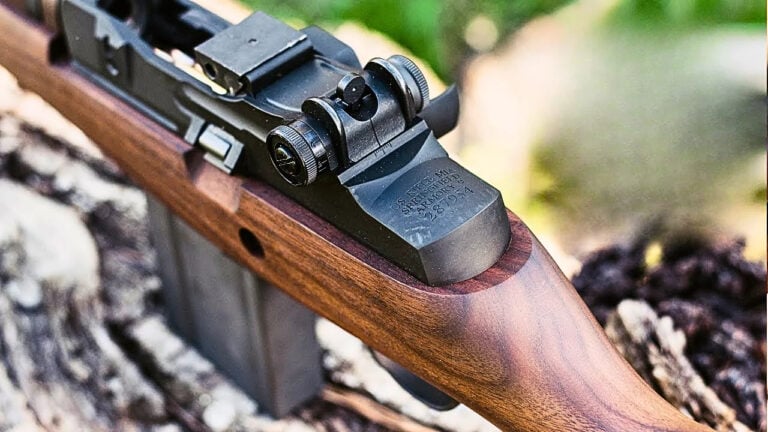
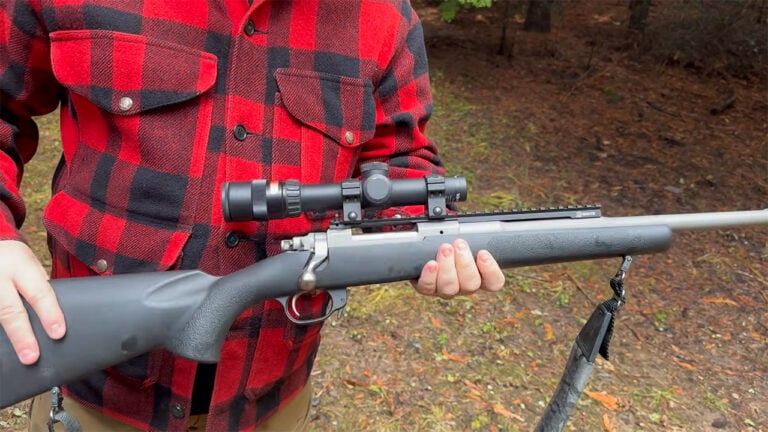
.257 Roberts

The .257 Roberts is one of those cartridges that feels forgotten mostly because the market stopped making room for gentle, capable deer rounds. It does not have the current buzz of newer 6.5mm cartridges, and it does not have the classic household-name status of the .270 Winchester or .30-06 Springfield.
That does not mean it stopped working. The Roberts offers mild recoil, good speed, and excellent field performance on deer-sized game with the right bullets. It is especially appealing for hunters who value accuracy and shootability over punishment. The downside is availability. Rifles and ammo are not as common as they should be. But for someone who already owns one, the .257 Roberts still has every reason to keep going.
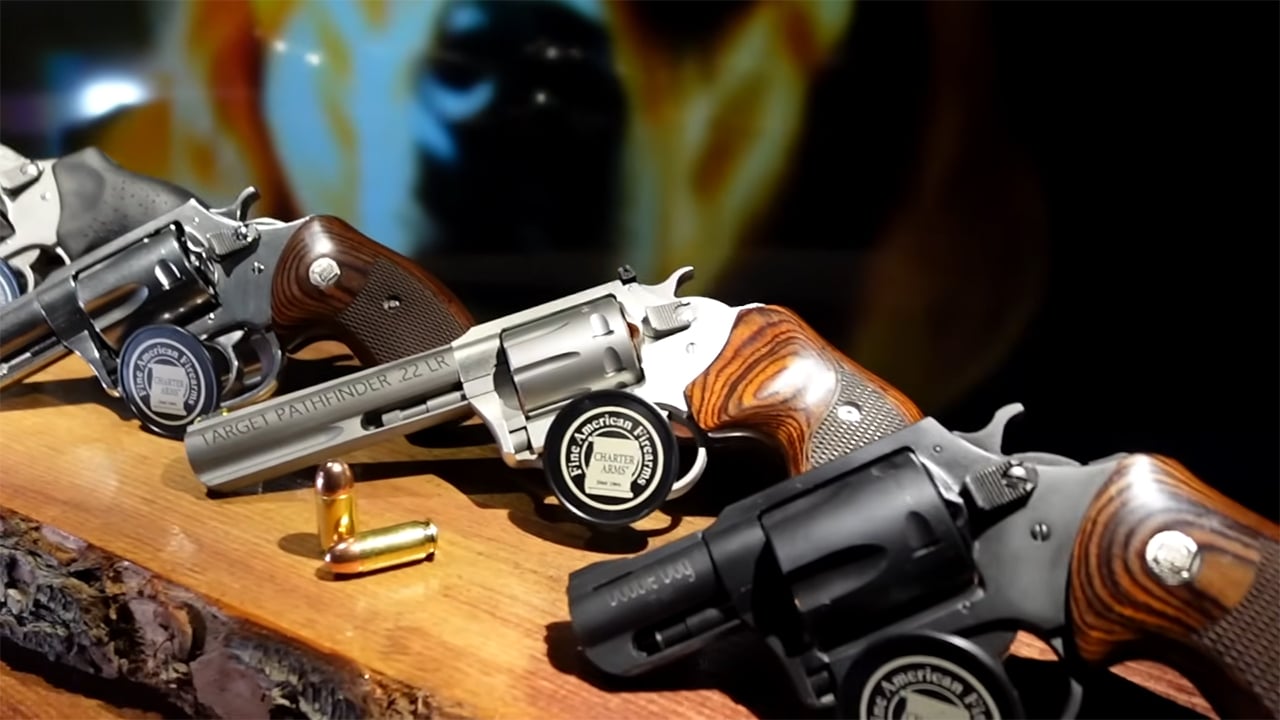
.32 H&R Magnum
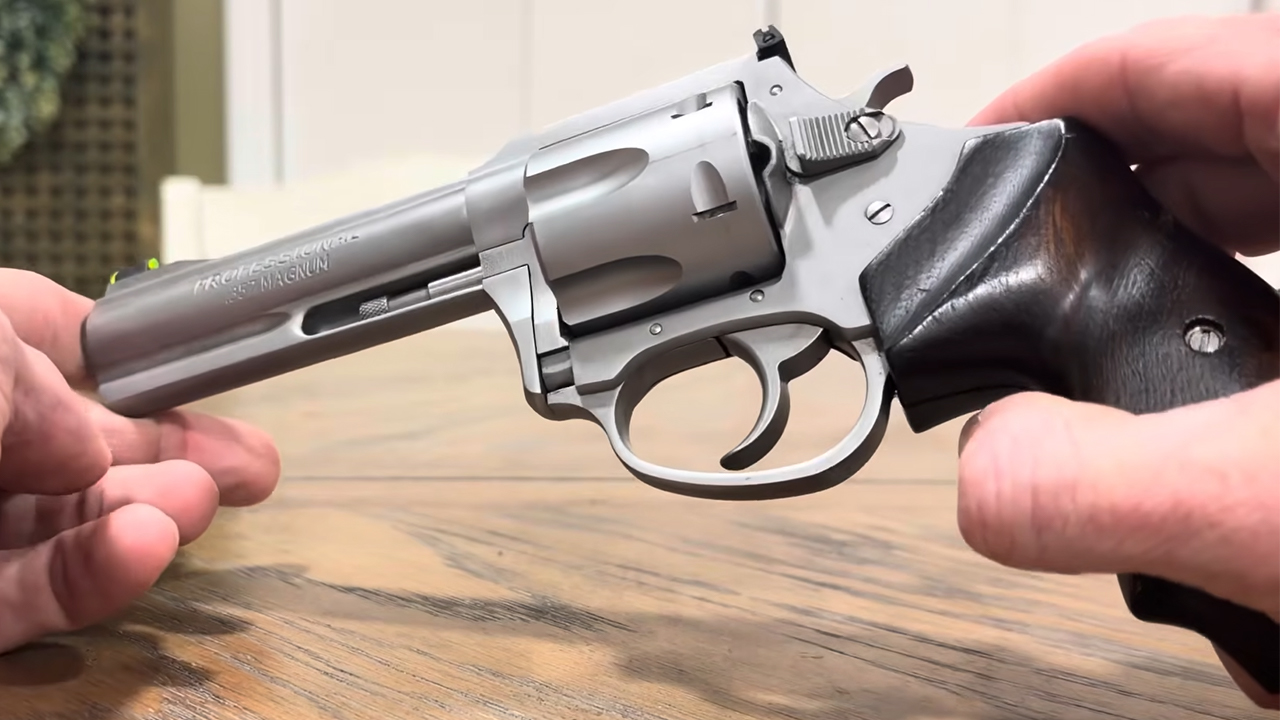
The .32 H&R Magnum gets forgotten because it never became the revolver standard many fans hoped it would be. It is milder than .327 Federal Magnum, less common than .38 Special, and not dramatic enough to win over shooters who want big recoil and big numbers. That leaves it in a quiet little corner.
That corner still has value. In compact revolvers, .32 H&R Magnum offers low recoil, good accuracy, and practical performance for shooters who struggle with small .38s. It can also allow six rounds in some guns that would hold only five in larger calibers. It is not a powerhouse, and ammunition availability matters. But for control, comfort, and real-world shootability, it still makes a lot of sense.
.35 Remington
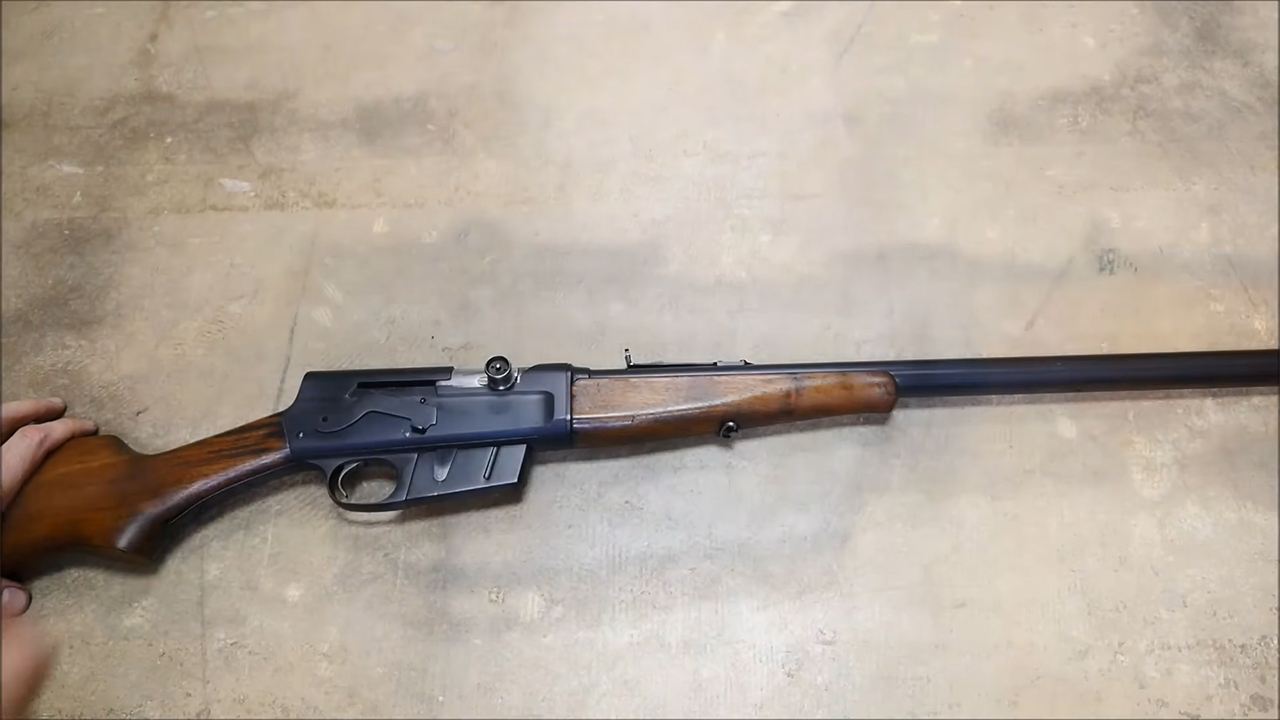
The .35 Remington has become forgotten in many places because modern hunting culture keeps chasing distance. It is not fast, not flat, and not made for wide-open-country bragging. Add spotty ammo availability, and a lot of newer hunters simply never think about it.
That is a shame, because the .35 Remington still has a reason to exist in the woods. In rifles like the Marlin 336, it hits deer, hogs, and black bear with authority at close to moderate ranges. It carries a reputation for thump because it earned one. It is not the easiest cartridge to support today, but inside the role it was built for, it remains a very capable hunting round.
.300 Savage

The .300 Savage gets forgotten because the .308 Winchester became the bigger success story. That makes the older cartridge seem like a step on the way to something better. Historically, that connection is real. Practically, it does not mean the .300 Savage stopped being useful.
In classic rifles like the Savage 99, it still offers plenty of performance for deer and similar game at normal hunting distances. Recoil is manageable, the cartridge is efficient, and it has a long record of field success. It lacks the factory-ammo variety and rifle support of .308, so nobody should pretend it is just as convenient. But for hunters who already own a good rifle chambered in it, the .300 Savage still has work left to do.
9x18mm Makarov

The 9x18mm Makarov is forgotten by many shooters because it lives in the shadow of 9mm Luger. It is less powerful, less available, and mostly tied to surplus pistols. For a brand-new defensive setup, 9mm Luger is usually the more practical answer.
Still, 9x18mm Makarov has a reason to exist for people who appreciate the pistols built around it. Guns like the Makarov PM and CZ 82 can be reliable, accurate, and enjoyable to shoot. The cartridge sits above many .380 ACP loads while staying manageable in compact blowback handguns. It is not mainstream, and ammunition availability can be annoying. But it remains a capable little surplus cartridge, not just a relic.
.41 Magnum

The .41 Magnum has always had a strange problem: it is too much for people who want easy revolver shooting and not famous enough for people who want maximum power. The .357 Magnum and .44 Magnum squeeze it from both sides, leaving the .41 overlooked.
That middle ground is exactly why it still matters. The .41 Magnum offers serious field performance, strong penetration with proper bullets, and a flatter-shooting feel than many expect. It can be excellent for handgun hunting and outdoors carry in the right revolver. Ammo and gun choices are limited, which keeps it from being a casual recommendation. But for the people who use it, the .41 Magnum still fills a very useful space.
.250-3000 Savage
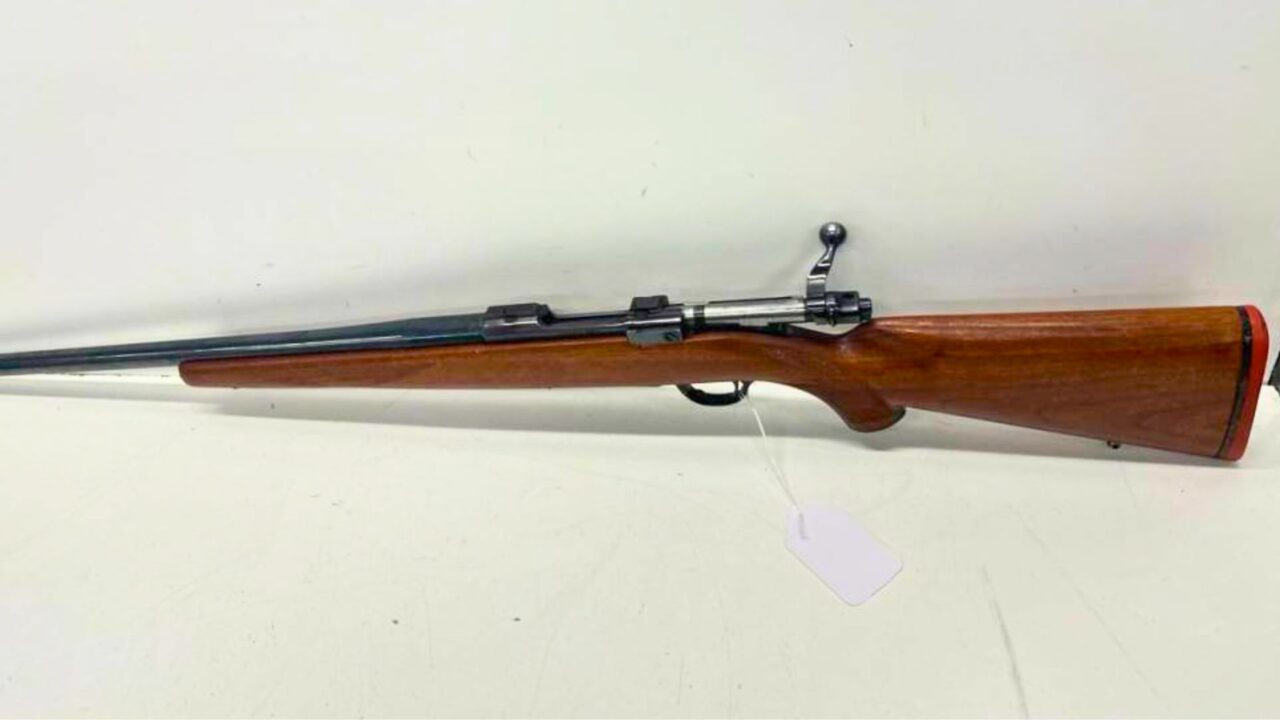
The .250-3000 Savage sounds like something from an old hunting book, and that is part of why it gets forgotten. It was once famous for velocity, but newer .25-caliber and 6mm cartridges have long since taken over the conversation. Today, a lot of shooters barely think about it.
The cartridge still has a reason to exist because it is mild, efficient, and capable on deer-sized game with the right bullets and careful shot placement. It can also be pleasant for varmints and predators. It is not easy to support compared with common modern rounds, and that is a real limitation. But in a good rifle, the .250-3000 is still more than nostalgia. It is a reminder that low recoil and good placement have always worked.
.44 Special
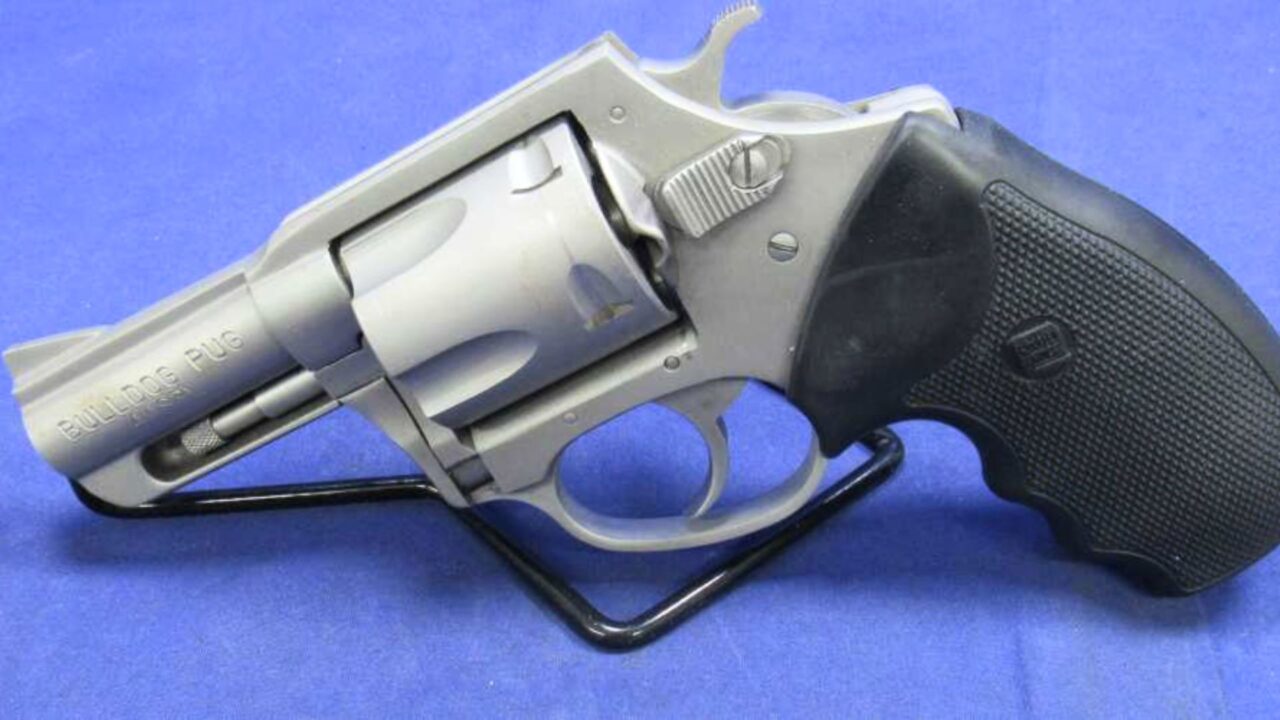
The .44 Special is not fully forgotten among revolver people, but the broader market often ignores it because .44 Magnum steals all the attention. Many shooters assume that if they want a .44, they might as well get the magnum. That misses the Special’s whole appeal.
The .44 Special is pleasant, accurate, and surprisingly useful in the right revolver. It gives shooters big-bore diameter without the blast and recoil of magnum loads. For field carry, defensive revolvers, range use, and handloading, it has a calm kind of value that never needed to be flashy. It is not as common as .38 Special or as powerful as .44 Magnum. But it still exists for shooters who know control matters.
7x57mm Mauser

The 7x57mm Mauser is forgotten mostly by people who think modern cartridge design started recently. It has an old-world reputation, mild manners, and deep field history, but newer 7mm rounds get far more attention now. That makes it easy for the 7×57 to seem outdated.
It is not. In suitable rifles with appropriate loads, the 7x57mm Mauser remains an effective hunting cartridge for deer, antelope, and larger game with proper bullets and shot placement. It offers mild recoil and excellent penetration, which is why experienced hunters have respected it for so long. Load levels can vary because of older rifles, so care matters. But the cartridge itself still has an elegant reason to exist.
.358 Winchester

The .358 Winchester is forgotten because it never became mainstream. It uses a short-action case to push heavier bullets, but hunters either stayed with .308 Winchester or jumped to bigger magnums. That left the .358 as a cartridge people heard about more than they actually used.
Anyone who has used one in the woods understands the appeal. The .358 Winchester brings real authority at practical hunting distances, especially on deer, hogs, black bear, and similar game. It is not a long-range darling, and it is not easy to find everywhere. But it hits hard from handy rifles and does a job many modern cartridges ignore. It still exists for hunters who want thump without magnum length.
.25 ACP
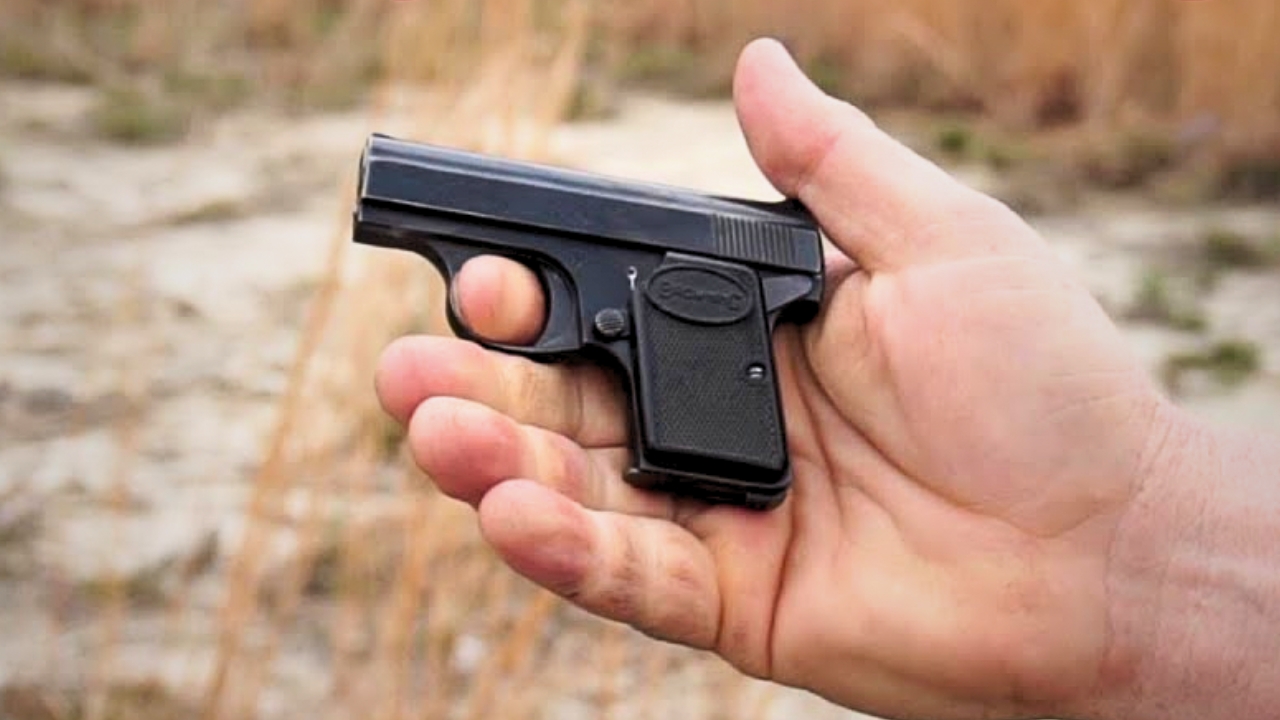
The .25 ACP is forgotten for a reason: modern shooters have much better choices for most defensive roles. It is small, low-powered, and usually found in tiny pistols that are hard to shoot well. Nobody needs to pretend it is secretly powerful.
But it still has a reason to exist historically, and that reason is worth understanding. The .25 ACP offered centerfire ignition in extremely small pocket pistols at a time when tiny rimfire semi-autos were less dependable. It was built for a specific problem in a specific era. Today, it is mostly a curiosity or collector cartridge. But forgotten does not mean pointless. It means its purpose belongs to a different world.
.32 ACP
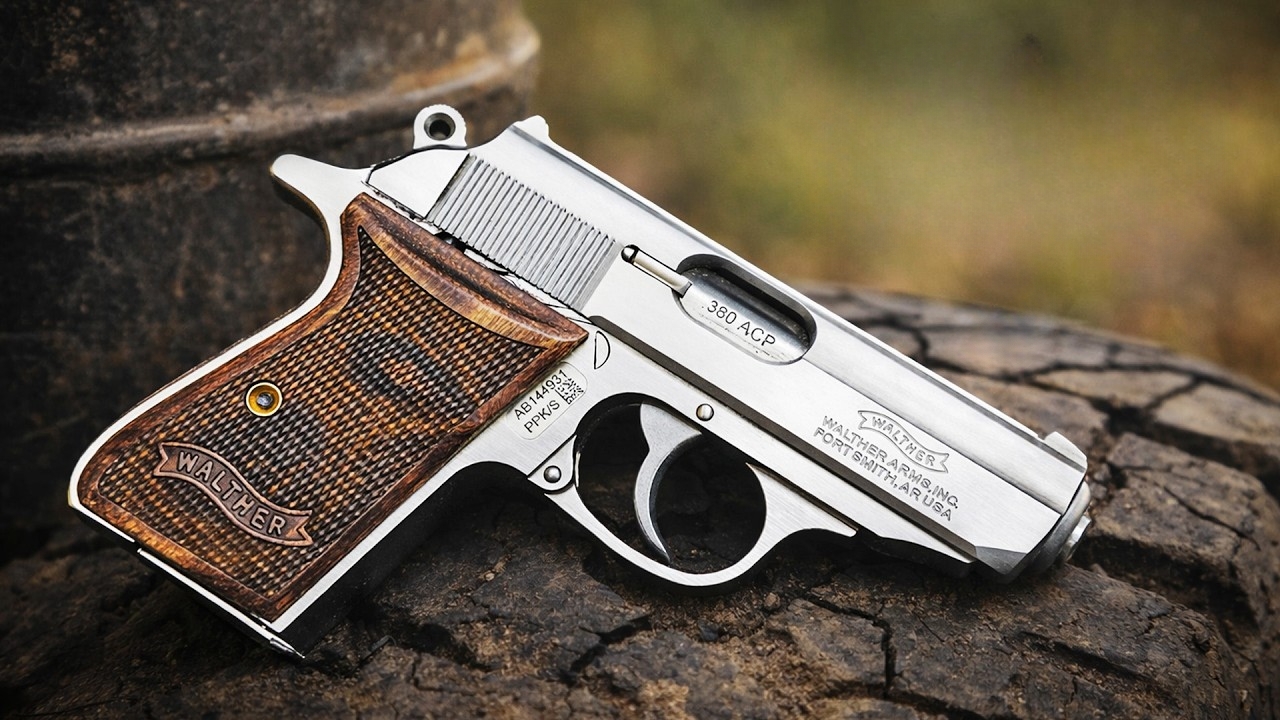
The .32 ACP is often forgotten because modern carry culture moved toward .380 ACP and 9mm. A small .32 sounds weak beside those options, and by raw power standards, it is. That keeps many shooters from taking it seriously.
The cartridge still has a reason to exist in very small pistols because it can be much easier to shoot than tiny .380s. Lower recoil means better control, faster follow-up shots, and more willingness to practice. It is not a powerhouse, and ammunition choice matters. But for people who need very low recoil in a true pocket pistol, .32 ACP can be more practical than its reputation suggests.
.338 Federal

The .338 Federal is a modern cartridge that somehow already feels forgotten. It never caught fire with hunters, probably because .308 Winchester was already everywhere and bigger magnums owned the heavy-hitting reputation. That left the .338 Federal in a quiet middle lane.
That lane still makes sense. It gives hunters heavier bullet performance from a short-action rifle without stepping all the way into magnum recoil and rifle size. For deer, hogs, black bear, and similar game at normal hunting distances, it offers serious impact. Ammunition availability is the main weakness. But as a cartridge concept, the .338 Federal still has a strong reason to exist.
.222 Remington
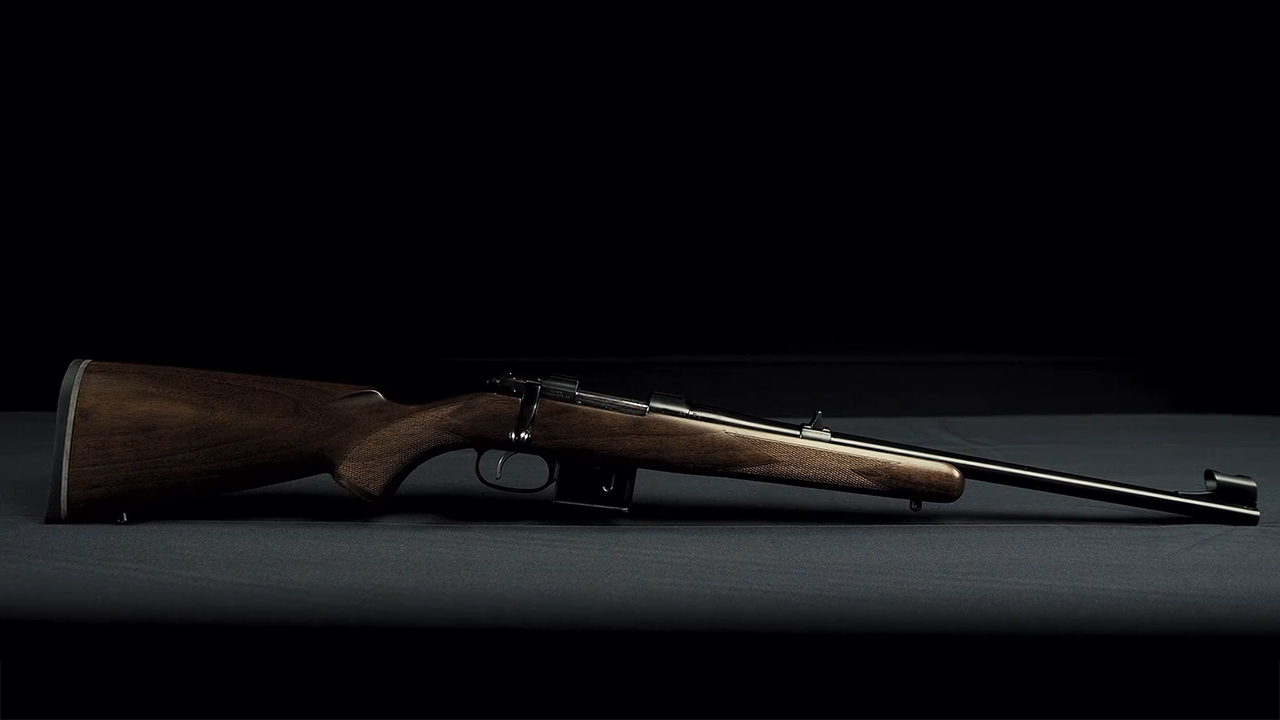
The .222 Remington has been forgotten by many shooters because the .223 Remington became the default small centerfire. Once .223 rifles and ammunition became everywhere, the older Triple Deuce started fading from the mainstream. That does not mean it lost its charm.
The .222 Remington is accurate, mild, and excellent for varmints, small predators, and precise shooting in classic bolt-action rifles. It has a reputation for accuracy that was earned long before modern small-caliber cartridges took over. It is not as convenient as .223 now, and ammo support is more limited. But for someone who appreciates low recoil, mild report, and old-school precision, the .222 still makes perfect sense.
.444 Marlin
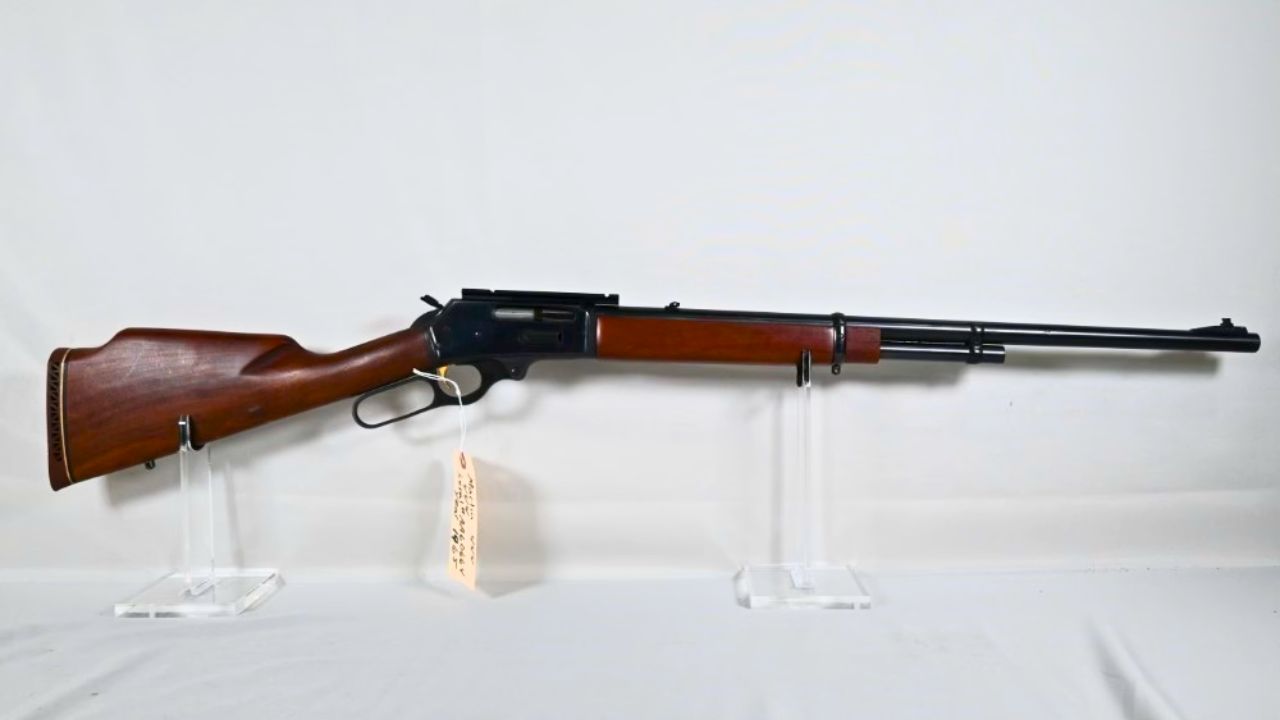
The .444 Marlin is forgotten by shooters who think big-bore lever guns begin and end with .45-70 Government. That is unfair. The .444 brings serious power in a lever-action package and has a loyal following among hunters who work in thick country.
It hits hard on deer, hogs, black bear, and larger game where legal and appropriate. It is not made for long-range shooting, and ammo support is not as broad as more common cartridges. But inside its lane, it offers a lot of authority. The .444 Marlin still has a reason to exist because not every hunter wants the same old answer. Some want a hard-hitting lever gun that does its work with less attention and plenty of punch.
Like The Avid Outdoorsman’s content? Subscribe to our newsletter so you never miss an article.
Here’s more from us: