
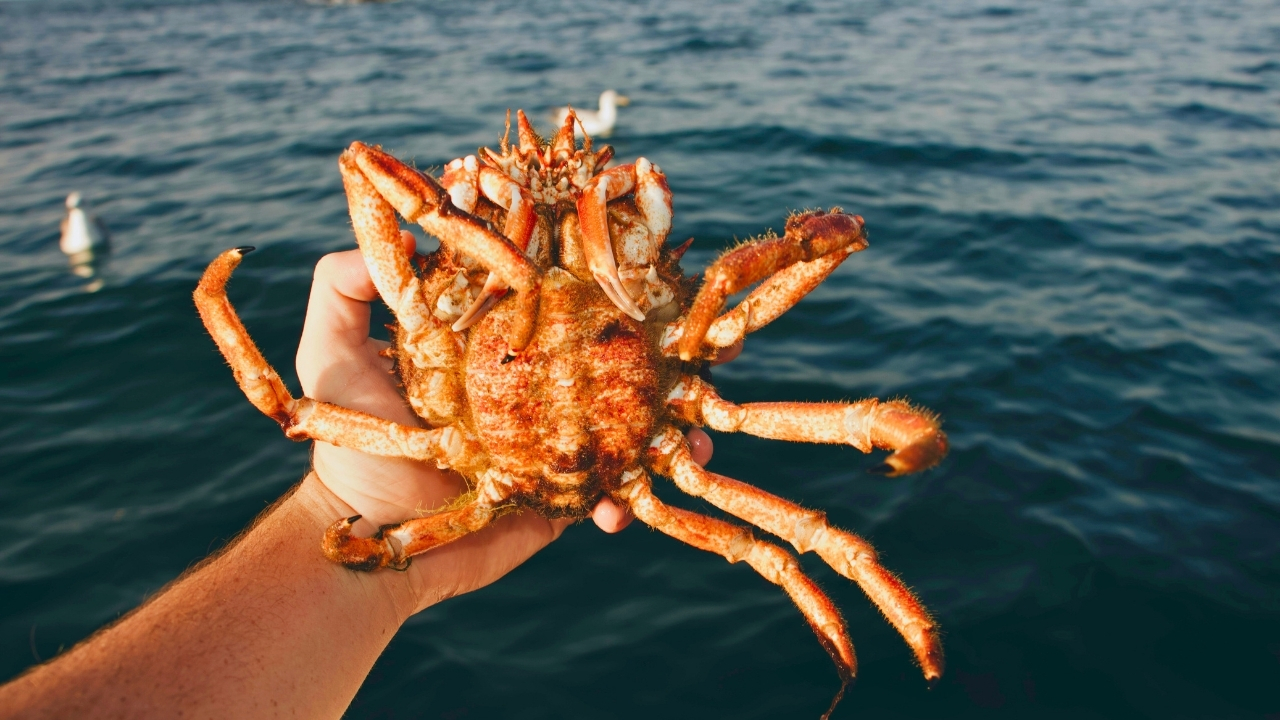
Photo credit: Maël BALLAND/Unsplash
Crab traps are back in play for California’s recreational fleet, and the timing could reshape how you spend the first full weekend of the new year on the water. With recreational crab trap restrictions lifted on Jan. 2 and commercial boats preparing to start hauling gear, you now have more options, but also more rules, to navigate if you want fresh Dungeness on the table.
The shift reflects a broader balancing act between protecting whales and sea turtles and keeping a signature winter fishery open. If you are planning a trip, you need to know where traps are allowed, what new gear rules apply, and how health advisories and conservation measures could affect your catch, your menu, and your schedule.
What actually changed on Jan. 2
The most immediate change for your weekend plans is that recreational crab trap restrictions in Central California were lifted on Jan. 2, allowing you to set traditional pots again instead of relying only on hoop nets. State officials had previously limited traps because of entanglement concerns, but the California Department of Fish and Wildlife, often shortened to CDFW, has now cleared recreational gear to return in time for the first full January weekend, while keeping a close eye on conditions through the rest of the season. The shift means you can fish more efficiently, especially if you are used to running a line of pots rather than actively tending hoops all day.
Commercial boats are following close behind. A formal notice from CDFW explains that the recreational crab trap restrictions lifting Jan. 2 are paired with a commercial opener in Central California on Jan. 5, so you will see more buoys on the water as the weekend rolls into the workweek. For you, that means better odds of crab in local markets and more competition for space on popular grounds, especially near ports that serve both private skiffs and commercial Dungeness fleets.
Why the season was delayed in the first place
If the calendar feels off to you, you are not imagining it. The commercial Dungeness crab season was pushed back after state scientists flagged elevated risks to whales and sea turtles, a pattern that has become more common as migration timing and ocean conditions shift. Instead of opening in late fall, the state held off until early January to reduce the overlap between dense fishing gear and migrating animals, which is why your winter crab plans are only now coming into focus.
Advocates for marine mammals have pointed to a marked increase in entanglements in recent years, and regulators responded by delaying the opener to Jan. 5 in Central California. A statement from Monterey, California, notes that Today the California Department of Fish and Wildlife, or CDFW, announced that the commercial Dungeness crab season would be delayed to January 5 because of that marked increase from previous years. For you, the upshot is a compressed season that starts later but is designed to keep both crab and whales available for future winters.
How whale‑safe rules shape your gear choices
Even with traps back in the water, you are fishing under a whale‑safety microscope. The Director of CDFW conducted a formal risk assessment on Dec. 19, 2025, using entanglement reports, whale distribution data, and other research methods to decide whether to relax or tighten restrictions. That assessment feeds into a broader program that treats crab gear as one piece of a larger puzzle that includes other pot and net fisheries, so your weekend outing is part of a statewide strategy rather than an isolated hobby.
Under the state’s Whale Safe Fisheries framework, the Director of CDFW can adjust rules for the Commercial Fishery and for all permitted methods of take when risk rises, which is why you saw trap bans earlier in the season and why you could see new limits if conditions change again. For your gear decisions, that means you should be ready to pivot between traps and hoop nets, keep buoy lines as short and straight as practical, and stay tuned to risk assessment updates that can alter what is legal from one weekend to the next.
New hoop net and trap rules you need to follow
Even as traps reopen, you are stepping into a new regulatory landscape for both pots and hoops. Starting with the new year, California tightened how recreational crab gear must be rigged and handled, with the goal of cutting down on lost gear and conflicts on crowded grounds. If you have been fishing the same way for years, you will want to double‑check your setup before you leave the dock so you do not discover a violation when a warden pulls alongside.
State guidance explains that the trap and hoop net regulation changes going into effect on January 1, 2026, will Prohibit tampering with another person’s hoop net statewide and clarify rules for commercial passenger fishing vessels that carry a (CPFV) Crab Trap Validation. A separate section of the same update notes that the trap and hoop net regulation changes will also Prohibit touching another person’s hoop net, which means you need to clearly mark your gear and steer clear of buoys that are not yours, even if they appear abandoned or poorly set.
Where seasons stand from Oregon border to Sonoma and beyond
Your weekend options depend heavily on where you launch. In the Northern Management Area, which runs from the California and Oregon border at latitude 42 degrees north down to the Sonoma and Mendocino county line, recreational Dungeness crab is open, and you can use traps under a 15% trap reduction that aims to limit the total amount of gear in the water. That reduction means fewer pots overall, so if you are used to running a large string, you may need to scale back and focus on higher‑percentage spots rather than blanketing the bottom.
Farther south, the Central Management Area, often described as running from Sonoma southward, has also seen its recreational fishery open after earlier delays. Reporting notes that After being delayed due to entanglement risk, the commercial Dungeness crab fishery in the Central Management Area is opening under that same 15% trap reduction, which will shape how many buoys you see offshore. For you, the practical takeaway is that both North Coast and Central Coast ports are in play for weekend trips, but you should expect fewer traps per vessel and more emphasis on careful placement.
Health advisories and bag limits that affect your dinner plans
Even if you fill the cooler, you still need to think about how you handle and eat your catch. State health officials have warned that certain parts of the crab can concentrate toxins, especially during harmful algal blooms, and that has led to specific cleaning and consumption advice that you should build into your cooking routine. Ignoring those advisories will not just put you on the wrong side of guidance, it could put your guests at risk.
Regulations for the Northern region include a clear NOTE that The California Department of Public Health warns crabbers not to eat the viscera, or internal organs, also known as crab butter, because toxins can accumulate there even when the meat is safe. In the San Francisco area, the Dungeness Crab section of the map reiterates that Crab should be cleaned before cooking and that the daily bag limit is set for Dungeness Crab north of Gualala on the coast, so you should plan your menu around cleaned sections rather than whole‑body presentations that keep the viscera intact.
Commercial opener and what it means for crowds on the water
As you head into the weekend, you are sharing the ocean with a fleet that is gearing up for its own start. The California Department of Fish and Wildlife has announced that the Commercial Dungeness Crab Fishery will Open January 5 in Central California, which means commercial crews are staging gear, checking lines, and preparing to set as soon as the clock allows. That activity will change the feel of local harbors and ramps, especially if you fish out of mixed‑use ports like Half Moon Bay, Moss Landing, or Monterey.
An advisory circulated through social media underscores that Commercial Dungeness Crab Fishery boats are preparing to Open January 5 in Central California and that Recreational Crab Trap Restrictions are lifting Jan. 2, so both sectors are converging on the same grounds in quick succession. A separate notice explains that Commercial Dungeness crab vessels operating in all Fishing Zones are expected to comply with detailed gear rules throughout the fishing season, which should help reduce conflicts and entanglement risk but will not eliminate the simple reality of more boats and more buoys in the water as you plan your weekend route.
How recreational rules are easing, and what still has teeth
For recreational crabbers, the story heading into January is one of cautious relief. After weeks of hoop‑only fishing and uncertainty about when traps would return, you now have a clearer path to a traditional winter routine, with pots soaking overnight and early‑morning pulls. That easing is not a free‑for‑all, though, and you should treat it as a conditional reprieve that depends on how well the fleet avoids entanglements and follows the new gear rules.
A coastal fishing column notes that Restrictions for recreational crabbers ease in January, with hoop‑only rules giving way to traps starting Jan. 2, but it also reminds readers that enforcement will continue and that violations can quickly draw attention from wardens. The same coverage points out that with a normal fishery harvest rate of around 50%, 200 thousand fish can still escape to spawn, which is the management target of 120,000–180,000, so your compliance is part of a broader conservation math that keeps both crab and other species like the RCG Complex (rockcod, cabezon, and greenling) available to pursue during the winter months.
How to plan your weekend: tides, timing, and backup options
With traps legal again and commercial boats about to flood the grounds, your best weekend strategy is to think like a working skipper even if you are just fishing with friends. That starts with timing your sets around tides and traffic, aiming to drop gear early before ramps clog and to pull before afternoon winds stack up the swell. If you are launching from a busy harbor, build in extra time for parking, staging, and navigating around commercial crews that are loading pots and bait.
You should also have a Plan B in case weather, crowds, or last‑minute advisories change your crab game. The California Department of Fish and Wildlife has emphasized through spokesperson Katie Rodriguez that The California Department of Fish and Wildlife, or CDFW, will keep adjusting management during periods of high whale activity, so you should be ready to pivot to rockfish, surfperch, or even a shore‑based outing if a new risk assessment tightens crab rules again. Checking the Jan updates to ocean regulations, watching harbor notice boards, and staying in touch with local tackle shops will help you avoid surprises and make the most of a rare winter weekend when the calendar, the regulations, and the weather all line up in your favor.
Like The Avid Outdoorsman’s content? Be sure to follow us.
Here’s more from us:


