Photo credit: Arian Fernandez/Pexels.com
The hunter was not hiding from people.
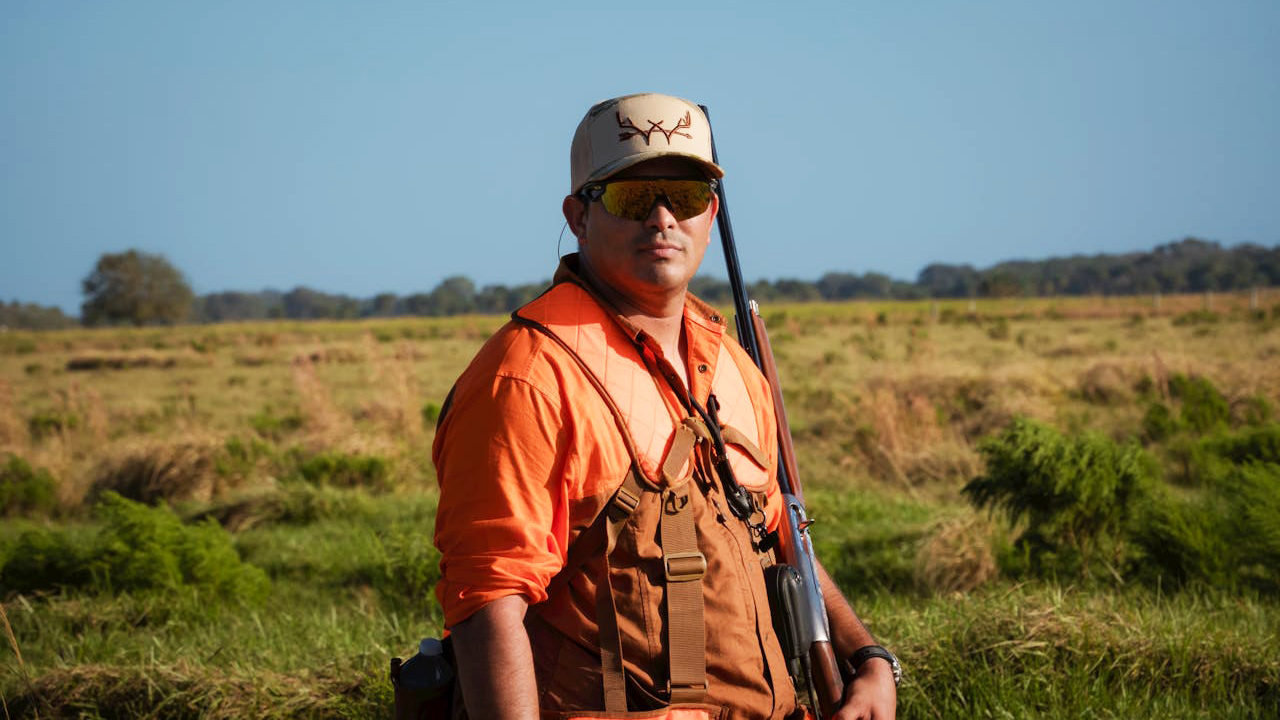
He was wearing blaze orange.
That is the part that makes the whole thing so maddening. Blaze orange exists for one reason: so other hunters can see you. It is not subtle. It is not meant to blend into the timber. It is meant to scream, “Human being right here.”
And somehow, that still was not enough.
In a Reddit thread, one hunter shared a close call from an elk hunt that went from promising to terrifying in a matter of seconds. He said he had found a small herd of elk and was waiting for them to move closer. He had an ethical shot available, but he chose to hold off because the elk were coming his way and he expected a better opportunity.
That is what good hunters are supposed to do.
He was not forcing a long shot. He was not rushing. He was letting the situation improve instead of trying to make something happen from too far out. Then three guys from a nearby camp started shooting offhand at the elk from about 600 yards.
That alone is enough to make most experienced hunters groan.
An offhand 600-yard shot at a small herd of elk is not exactly a recipe for careful marksmanship. Long-range shooting is hard enough from a solid rest, with time, good conditions, and a shooter who actually knows his limits. Standing at camp and slinging rounds across distance at moving animals is a whole different thing.
But the worst part was not that they were taking a sloppy shot.
It was where those rounds went.
The hunter said bullets started zipping over his head. He saw the three men standing and shooting from their camp, then hit the deck when he realized what was happening. As he got down, he could hear bullets snapping branches behind him.
That is the kind of sound that stays in your bones.
A bullet snapping branches behind you means the danger is not theoretical. The rounds are passing through the space around you, close enough to cut wood. You are no longer just irritated that someone ruined your elk hunt. You are trying to get as flat as possible because strangers are sending rifle rounds over your head.
And again, he was wearing blaze orange.
That detail is what takes the story from scary to infuriating. If someone cannot see a hunter in blaze orange near the elk they are shooting at, they have no business taking that shot. If they can see him and shoot anyway, that is even worse. Either way, the failure is huge.
The rule is simple: know your target and what is beyond it.
Not what you hope is beyond it. Not what you assume is beyond it. Not “probably nothing.” Know. If there is another hunter near the herd, if there is brush that hides the background, if the angle sends rounds toward someone else, the shot is over. It does not matter how badly you want the elk.
The hunter later added that when he went down to their camp, the wall tent was zipped shut. He said he had heard voices until he announced himself, and then it went quiet. That little detail says a lot. Maybe they knew they had messed up. Maybe they did not want to face him. Maybe they were embarrassed. But after almost shooting someone in blaze orange, silence from inside a tent is not exactly reassuring.
He also said they did not even hike up to look for blood.
That is another ugly piece of the story. If they were firing at elk from camp, sending bullets over another hunter, and then did not bother to check whether they had wounded anything, that paints a pretty rough picture. Bad shot selection is one problem. Not following up after shooting at animals is another.
The whole encounter shows how fast one careless group can ruin more than a hunt. The hunter who was actually in position lost his chance at the elk. He also got a much worse reminder that public or shared hunting country depends on strangers making good decisions. When they do not, your orange vest may not save you from being downrange of somebody’s ego.
That is the real fear with long shots across open country. The shooter may see the animal and nothing else. The land between and behind it can look empty from far away, especially if another hunter is tucked into terrain, brush, or broken timber. But “I didn’t see him” is not a defense when the person was there, visible, and close enough to hear your bullets cracking branches.
This hunter did the patient thing. He waited for the elk to come closer.
The men at camp did the opposite.
And because of that, he ended up on the ground while rounds passed overhead.
Commenters understood exactly why the hunter was furious.
Several people focused on the reckless shot. Offhand shooting at elk from hundreds of yards away is already questionable, but doing it without knowing what is beyond the herd is the real failure. A long shot does not get safer just because the animal is big.
Others zeroed in on the blaze orange detail. The hunter was visible, and the shooters still either failed to see him or failed to care. Commenters saw that as a basic safety breakdown, not a minor mistake.
A few people shared similar close-call stories. One said the same thing happened on a private lease with people shooting at hogs, and those shooters were eventually kicked off. Another told a story about target shooters firing with no backdrop while someone was downrange near a meadow.
The strongest reaction was simple: nobody should be firing unless they know exactly where the bullet could travel. Elk, deer, hogs, paper targets — it does not matter. If there is no safe backstop and no clear view beyond the target, the shot does not happen.
For this hunter, the lesson was not about spooky woods or weird animals. It was about people. He was wearing blaze orange, waiting on elk, and doing the right thing. The danger came from three guys at camp who decided to start sending rounds without knowing who was between them and the herd.