Photo credit: The Avid Outdoorsman
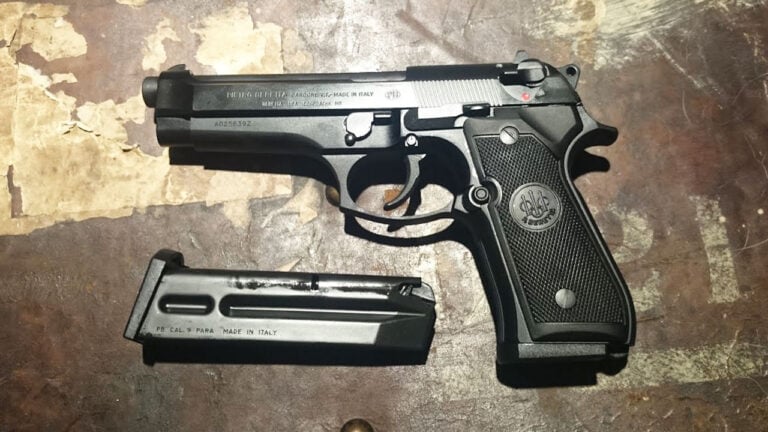
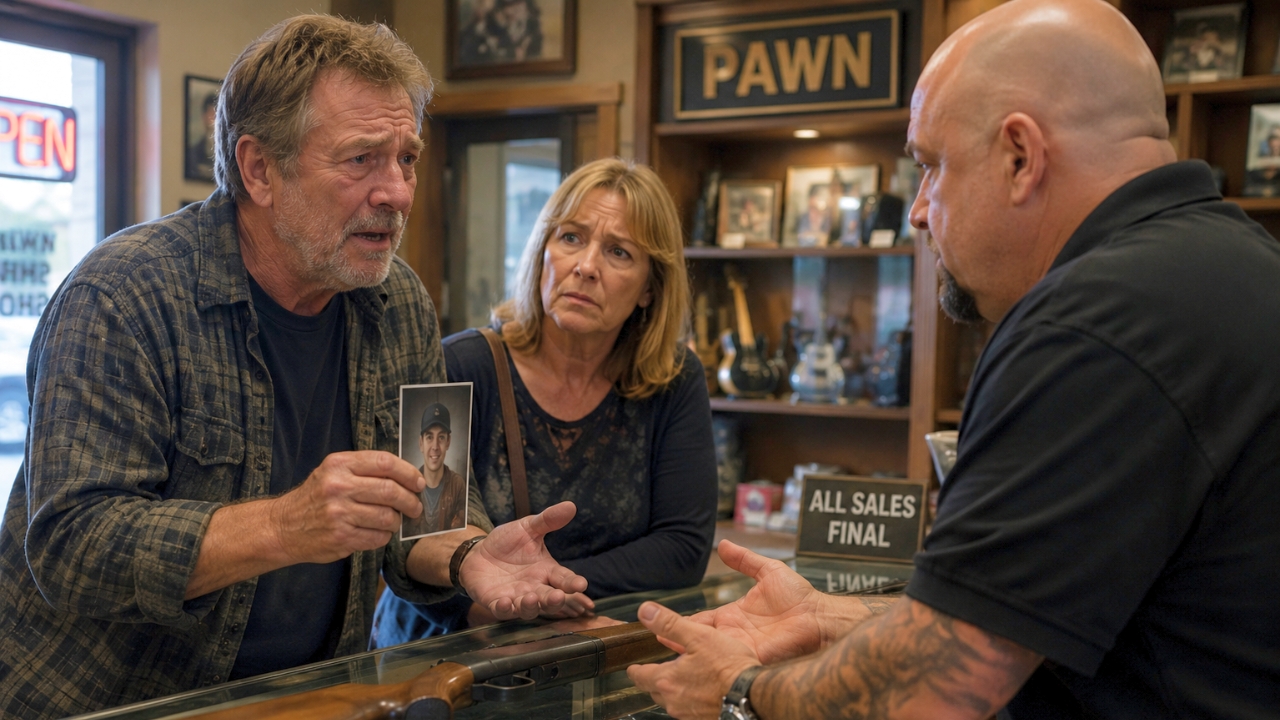
The father’s situation started with a gun that had been pawned before his son died. According to the Reddit post, the son had taken his father’s gun to a pawn shop, but after the son passed away, the family was left trying to figure out whether they could get it back.
The Reddit thread can be found here: https://www.reddit.com/r/legaladvice/comments/fui9ur/my_brother_died_with_my_dads_gun_pawn_do_we_have/
That is the kind of problem that sounds like it should be simple until the paperwork gets involved. If the gun belonged to the father, the family’s instinct was probably that the shop should release it back to him. But pawn shops do not usually work off family explanations alone, especially when the item is a firearm.
A pawned gun creates a paper trail. Someone brought it in, signed paperwork, received money, and used the gun as collateral. If that person was the son, then the pawn shop may have treated him as the customer tied to the ticket, even if the gun originally belonged to someone else. Once he died, the shop likely had to be careful about who had legal authority to redeem it.
That is where the family hit the wall. The father may have believed it was his gun, but the pawn shop may not have been able to simply hand it over because someone showed up and said so. Firearms add another layer because the shop has to follow transfer laws, background checks, identification rules, and whatever redemption process applies.
The family also had to think about the estate. If the son pawned the gun, the pawn ticket or redemption right might be treated as part of his affairs, depending on how the transaction was written. If the father wanted the gun back, he might need proof of ownership, proof that the son had no right to pawn it, or authority from the son’s estate to redeem the pawned item.
The emotional side makes it harder. A family dealing with a death does not want to argue with a pawn shop over paperwork. They just want the property back. But the pawn shop has reasons to be cautious. If it releases a firearm to the wrong person, it could create legal and liability problems for the shop.
The cleanest path would likely involve documentation: the original purchase records, serial number, proof the father owned the gun, the pawn ticket if the family had it, death certificate, and any estate paperwork showing who had authority to handle the son’s property.
If the son pawned a gun that was not his to pawn, that is a different issue from an ordinary pawn redemption. But even then, the father would need proof. A pawn shop is not going to decide a family ownership fight based only on a story at the counter.
Commenters told the family that the pawn shop may not be able to release the firearm casually, even if everyone believed it belonged to the father. Because it was a gun, the shop would have to follow legal transfer and redemption rules.
Several people said the father needed paperwork. Proof of original ownership, the firearm’s serial number, receipts, photos, or transfer documents could help show the gun was his.
Others said the family may need to deal with the son’s estate. If the pawn ticket was in the son’s name, the person legally authorized to handle the estate may be the one who has to work with the pawn shop.
Some commenters also pointed out that if the son pawned a firearm he did not own, the father may need to report that or pursue the issue separately. But again, he would need documentation proving the gun was his and showing how it ended up at the shop.
The post ended with the family caught between grief, ownership, and firearm paperwork. The father may have believed the gun was his, but once it had been pawned by someone else, getting it back was no longer a simple family request. It became a matter of records, estate authority, and a pawn shop that had to make sure it released a firearm the right way.
Like The Avid Outdoorsman’s content? Subscribe to our newsletter so you never miss an article.
Here’s more from us: