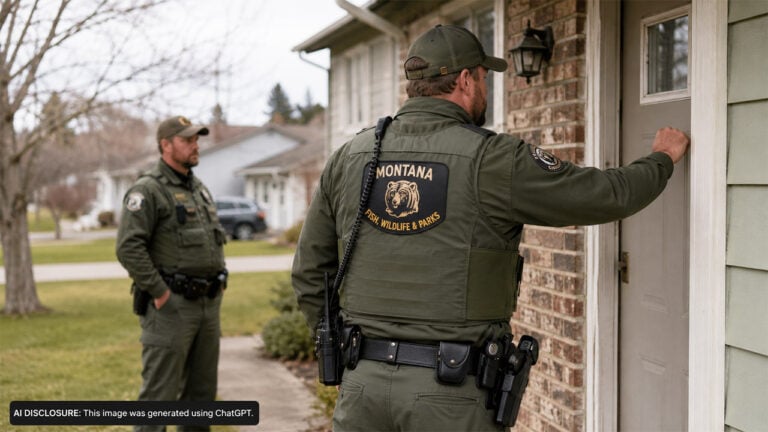
Photo credit: AI-generated image created using ChatGPT. Illustrative only
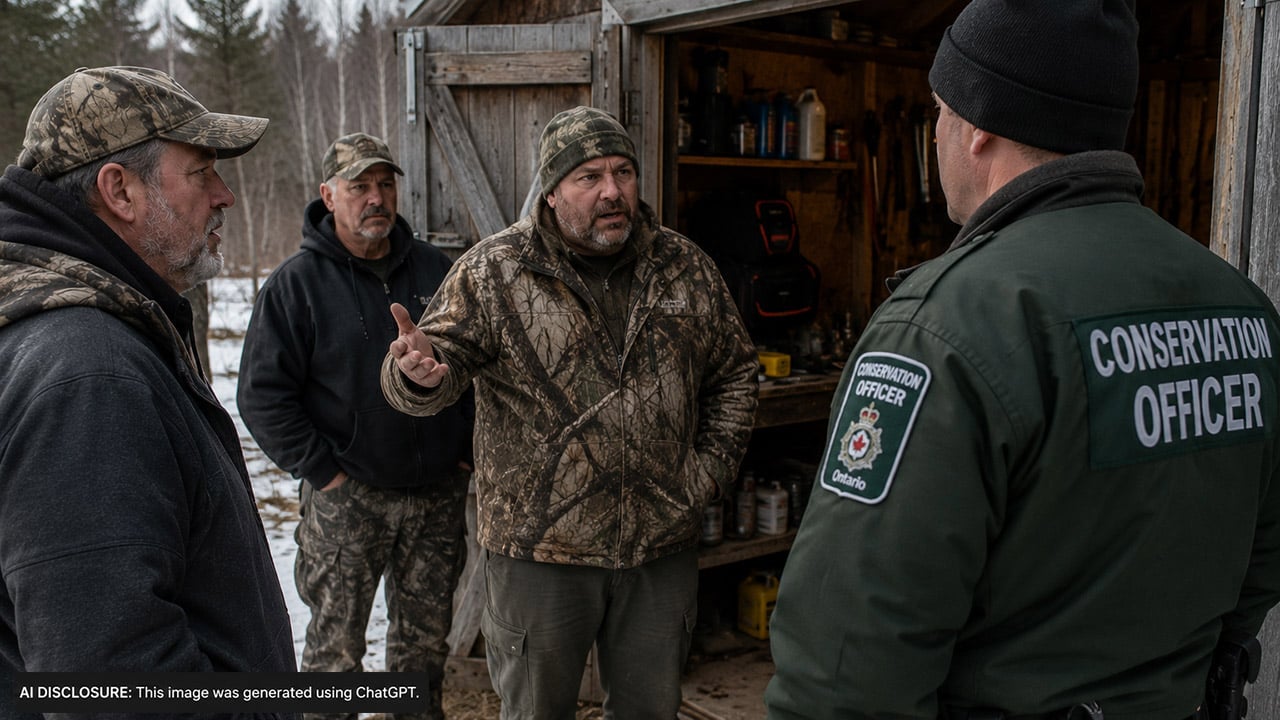
Four hunters came in from the woods for lunch on their family’s 100-acre place in Ontario and caught someone messing with their shed. Aluminum sheets that had been leaned up and held in place with 2x4s were being pulled aside, and inside that shed were two deer they’d taken the days prior, hanging to cool. For a moment, they thought they were walking up on a theft.
Instead, they say it was a game warden already working his way through their property, vehicles, and outbuildings. The hunters laid out the whole encounter in the original post, asking a question plenty of us have wondered at one time or another: when can a conservation officer search without a warrant, and where’s the line between an inspection and a full-on search?
The “robbery” feeling came from how the shed search started
The detail that jumps out is how the contact began. Nobody was waved down at a trailhead or checked at a road. The hunters say they found the warden in the act of moving material that was covering the shed—material that was being held in place, not just flapping in the wind.
From a landowner’s perspective, that’s a jarring way to meet an officer. You go from “somebody’s on our property” to “somebody’s inside our deer shed” in about three seconds. Even if everything is legal, that kind of entry can make a lawful hunter feel like a suspect.
What the warden did, according to the hunters
The hunting party says no one was charged and they were hunting deer within the regulations, with legal firearms. But the list of actions they described is long: the warden checked a firearm by taking it from one of the group, searched their cars, and opened bags inside the vehicles.
They also say he had already gone into two other sheds before they walked up on him at the deer shed. And then things escalated again—he allegedly demanded the dogs be put away so he could search the house. The hunters stressed this wasn’t a hunt camp or remote cabin. It was someone’s main residence.
Why hunters get uneasy when “inspection” turns into “entry”
Most hunters accept the basics. If you’re in the field with a gun during deer season, you should expect to show your license, tags, and whatever documentation applies. If you’ve got a deer down, you should expect questions about the tag, the time of harvest, the method, and whether it’s being transported and stored legally.
Where people start to bristle is the jump from open, in-plain-view checks to going hands-on with private property: opening doors, opening containers, entering structures, and going through a vehicle that may not even be part of the hunt. In this case, the poster mentioned a van on the property with no hunting gear that belonged to guests, plus their own car that had an empty gun case—asking whether that alone is enough to justify a search.
That’s not a small thing in real life. A vehicle search can turn up personal firearms, medication, wallets, and all the normal private stuff people carry. A shed search can expose expensive equipment and valuables. And a house is in a different category altogether for most folks, especially when you’re talking about a primary residence.
The deer shed, the other sheds, and the “what made him suspect anything?” question
The hunters pointed out that two sheds showed no signs of hunting use and were just winter storage. Their deer shed didn’t have windows, and from their perspective the only “clue” was the aluminum sheet setup—something that might hint at a makeshift cooler area, or might just be somebody’s way of blocking wind or weather.
They were operating under the common belief a game warden can search only after noticing something specific that points to a violation, or if permission is given, or if there’s a risk evidence will be destroyed before a warrant can be obtained. In other words, they were expecting the warden to articulate an obvious reason before going into closed spaces.
That’s a pretty normal expectation among law-abiding hunters. Most guys I know don’t mind being checked. They mind being treated like they’re automatically guilty, especially on their own land, and especially when an officer starts moving things around and entering buildings without so much as a conversation first.
The house and the dogs: where the stakes felt highest
The moment the warden allegedly demanded the dogs be put away so he could search the house is where this goes from “field contact” to “this could get serious.” You can comply because you don’t want trouble, but you also know you’re potentially giving up privacy you can’t get back.
Even the dog detail matters. Most rural dogs aren’t “attack” dogs, but they are protective and they are loud. Being told to secure them so an officer can enter the home changes the dynamic fast, because now you’re not just talking about game laws—you’re dealing with the safety and control of your household.
The hunters also described the warden as rude and disrespectful, and said four members of the group felt “almost assaulted” by the interaction. Whether that’s tone, body language, or how the firearm check was handled, it’s the kind of thing that can sour a season for people who were trying to do it right.
Practical takeaways for hunters who want to protect themselves without escalating
This kind of encounter is exactly why it pays to think ahead before opening day. If you’ve got deer hanging, make sure your tagging and documentation is squared away and accessible, because that’s usually the first thing an officer will want to confirm. The more organized you are, the less room there is for confusion and friction.
Second, separate “inspection” from “consent.” Being cooperative doesn’t have to mean volunteering access to every bag, vehicle, shed, and room. If an officer asks to look somewhere you’re uncomfortable with, it’s fair to calmly ask whether you’re being ordered to allow entry, or whether they’re requesting permission. That’s not being difficult. That’s clarifying what’s happening.
Third, think about property basics. Clearly marked buildings, locked doors where appropriate, and trail cameras around outbuildings can help you document who entered and when—especially if you initially believe you’re dealing with a trespasser or a thief. And if you do run into an officer already on scene, keep it calm and safe: hands visible, guns secured, no crowding, no shouting. Nothing good comes from a driveway argument with a badge in the middle of deer season.
Finally, if the interaction felt out of bounds, the best move usually isn’t a confrontation in the moment. It’s writing down the details afterward while they’re fresh—time, locations, what was searched, what was said—and then asking a local attorney or the appropriate supervisory office what the rules are in your area and what the complaint process looks like.
No one in this story said they were trying to hide anything. They said they were legal, uncharged, and still walked away feeling rattled on their own land. That’s a rough way to spend a deer hunt, and it’s a good reminder that knowing the regulations is only half the battle—you also want a plan for how you’ll handle an unexpected visit, stay respectful, and protect your privacy without turning a bad encounter into a worse one.
Like The Avid Outdoorsman’s content? Subscribe to our newsletter so you never miss an article.
Here’s more from us: