Photo credit: AI-generated image created using ChatGPT. Illustrative only
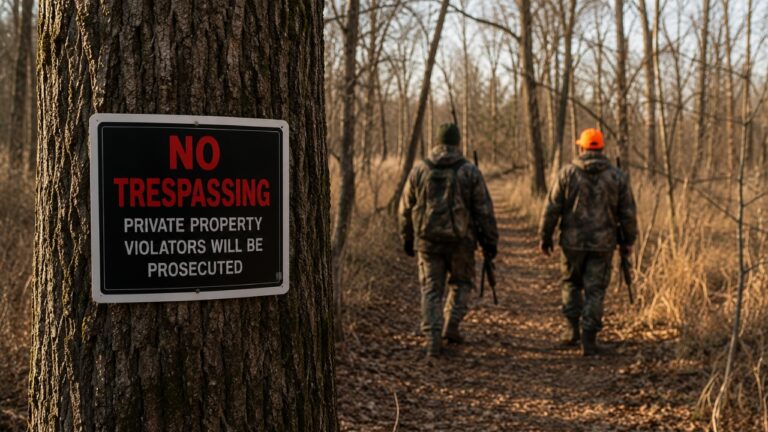
Fifteen years is a long time in a hunter’s life. Boats get sold, dogs get old, kids grow up, and the details of a guided hunt can fade into a blur of cold mornings and white birds. That’s why one Missouri snow goose trip from 2009 caught a family completely off guard when it resurfaced on a modern background check.
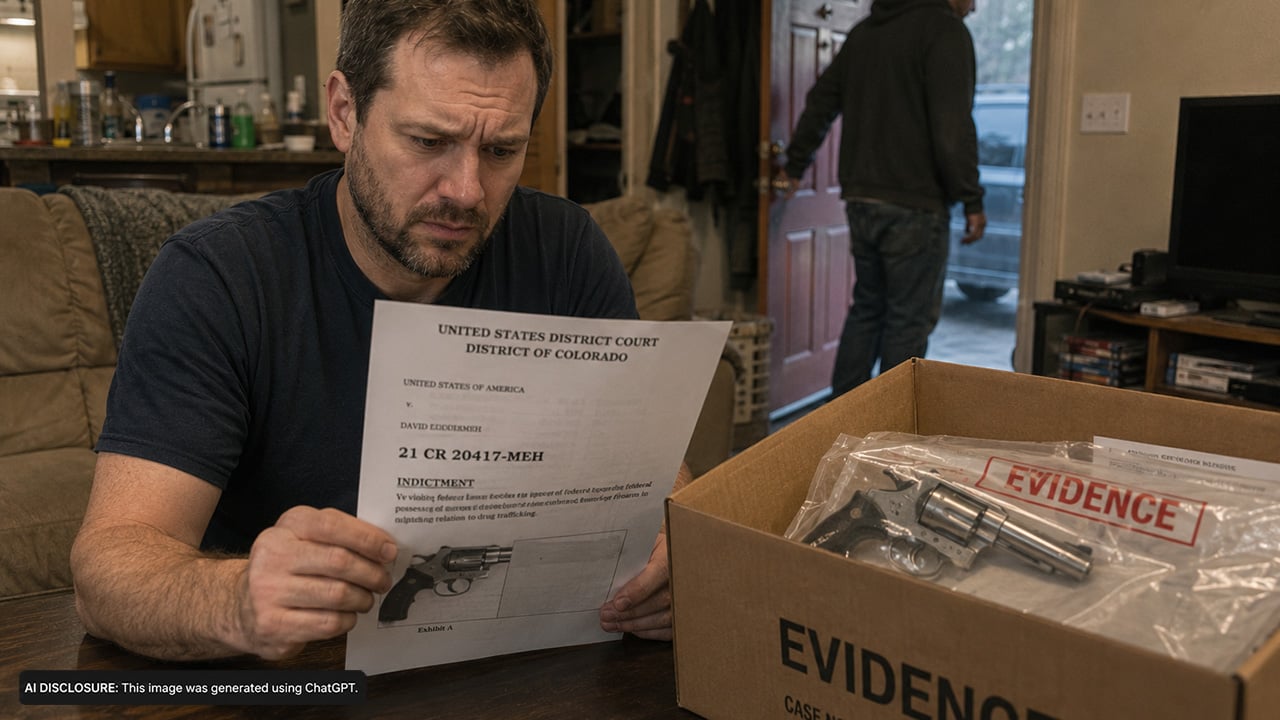
In the original post, a man explained that his brother recently had a background check run and it showed a 2009 conviction for “pursuing/taking/killed/ possessed or disposed of wildlife illegally.” The brother insisted he’d never been notified, and what made it even stranger was that he’d passed other background checks over the years—including one for a security job at a hospital—without this ever becoming an issue.
A guided hunt that was supposed to be “show up and shoot”
The hunt itself sounded like the kind of outfitter trip a lot of folks book to simplify things. The poster said he, his brother, and their father hired an outfitter to take them snow goose hunting in Missouri, and the outfitter “handled everything.” In other words: logistics, set, rules, and the flow of the hunt.
That arrangement is exactly why the later “conviction” result felt so backwards to them. When you pay a guide, you expect the guide to know the seasons, know the birds, and know what’s legal. You can still be responsible for what you shoot, but in the moment you’re leaning on the person you hired to keep you out of trouble.
The background check surprise and the feeling of being blindsided
The brother’s shock was understandable. Most hunters hear “conviction” and picture handcuffs, court dates, and something you’d remember because it’s a big deal. This one, according to the family, was the first he’d heard of it in 15 years.
They also couldn’t square how it could show up now but not derail anything before. Background checks aren’t all the same, and different employers pull different levels of records, but when you’ve been vetted for security work and later see an old wildlife case pop up, it’s going to raise your blood pressure.
Why the guide didn’t “take the hit” isn’t how the law works
One of the biggest questions they asked was why their brother was charged instead of the outfitter who “set the hunt up.” That’s a common assumption on guided trips, especially for folks who don’t travel out of state much to hunt. But in most real-world enforcement situations, the person holding the gun is the person who owns the trigger pull.
Guides can get cited too, especially if they’re actively directing illegal activity, but that doesn’t erase the hunter’s responsibility. If you shoot a bird that’s out of season—or the wrong species mixed into a flock—the ticket typically follows the shooter first. It’s a hard lesson, and it’s exactly why the “guide said it was okay” isn’t a force field.
The update: mixed birds, a quick fine, and a memory that didn’t stick
Later, the poster added an update that cleared up the mystery. His brother got in touch with someone who knew what happened, and the story snapped back into focus: a group of geese came in and the guide gave the okay to shoot, but there were out-of-season Canadian geese mixed in. A few of those birds were shot.
According to the update, the outfitter called the DNR and “those that shot had to pay a small fine.” The whole thing was “resolved in under an hour,” and because the outfitter handled most of the details, it didn’t lodge in their minds as some major legal event. Fifteen years later, though, a background check doesn’t care whether it felt minor at the time.
What other outdoorsmen honed in on: records, terminology, and what “conviction” can mean
Even without a courtroom drama, the situation highlights something hunters run into more than they want to admit: wildlife violations don’t always feel like “criminal” cases when they happen. You get a citation, you pay a fine, you go home. But those systems often treat payment like an admission, and that can be recorded in ways that later read like a conviction when a report is generated.
The poster’s own takeaway was that it probably did show up on prior checks, but it was a simple misdemeanor “no worse than a speeding ticket,” so prior employers likely didn’t care. That tracks with how a lot of HR departments operate: if it’s old, minor, and not related to the job, it may not move the needle. A different employer—or a stricter screening—might flag it just because it exists.
Practical lessons for hunters booking guides in another state
This kind of thing is exactly why it pays to treat every guided hunt like you’re still the one responsible for the end result. Ask what’s in season, ask what’s likely to mix in, and don’t be shy about confirming what you’re shooting—especially with geese, where mixed flocks happen and light can play tricks. If something feels questionable, don’t let excitement make the call for you.
It also helps to keep your own paper trail. If you ever get cited, write down what happened, keep any receipts or paperwork, and save the contact info you have at the time—even if it feels like a nothingburger. The future version of you, staring at a background check report, will be glad you did.
In the end, this one didn’t sound like a poaching case or anything intentionally shady. It sounded like a fast-moving moment in the field, a guide’s call, and a mixed flock that included out-of-season birds. But the record stuck around, and when it resurfaced years later, it reminded everybody of the same old rule: in the eyes of the game laws, the hunter is usually the one left holding the tag—whether the guide “handled everything” or not.
Like The Avid Outdoorsman’s content? Be sure to follow us.
Here’s more from us: