Photo credit: KLAYCO47/Youtube
There was a stretch of time when a “gun collection” on a rural place wasn’t a hobby. It was just equipment. You kept a couple by the back door, one lived behind the truck seat, one rode in the tractor cab, and another leaned in the corner of the barn you swore you’d clean out after hay season.
Now those same workhorse guns are getting treated like museum pieces. Some of them deserve it, and some of them don’t. But they all have one thing in common: they earned their keep doing real jobs—popping pests, putting meat in the freezer, guarding livestock, and riding out bad weather and hard years without much fuss.
1. Winchester Model 1894 (94)

If you’ve spent any time around old farms, you’ve seen a 94. It’s the classic lever gun that got carried because it was slim, fast, and didn’t snag on everything when you climbed fences or got in and out of a truck all day.
Most of them wore honest bluing loss and a few stock dings, because they weren’t safe queens. In .30-30 it’s still plenty for woods deer, and it points like an extension of your hands. The downside is the same reason it was loved: light, handy, and not built to take abuse from a hundred “kitchen table gunsmith” fixes.
2. Marlin Model 336

The 336 was the other lever gun you saw in every other rack, and there’s a reason folks still hunt with them. The side-eject design makes scoping it easy, and in .30-30 or .35 Remington it flat works inside normal whitetail distances.
They’re not glamorous. The action can feel a little “chunky” compared to a slicked-up Winchester, but they feed well and they’re forgiving. If you find an older one that hasn’t been bubba’d up, it’s the kind of rifle you can hand down without apologizing for it.
3. Remington Model 700 ADL

A plain Model 700 ADL with a basic scope might be the most common “one rifle” setup rural families leaned on for decades. It rode in trucks, sat in closets, and came out when a deer tag needed filled or coyotes got too bold.
The value wasn’t in fancy features. It was the simple truth that you could buy one, mount glass, and it would usually shoot well enough to make you look like a better shot than you were. Today, the older ones especially get treated like treasure, partly because so many new rifles feel disposable by comparison.
4. Winchester Model 70 (pre-64 and later hunting models)
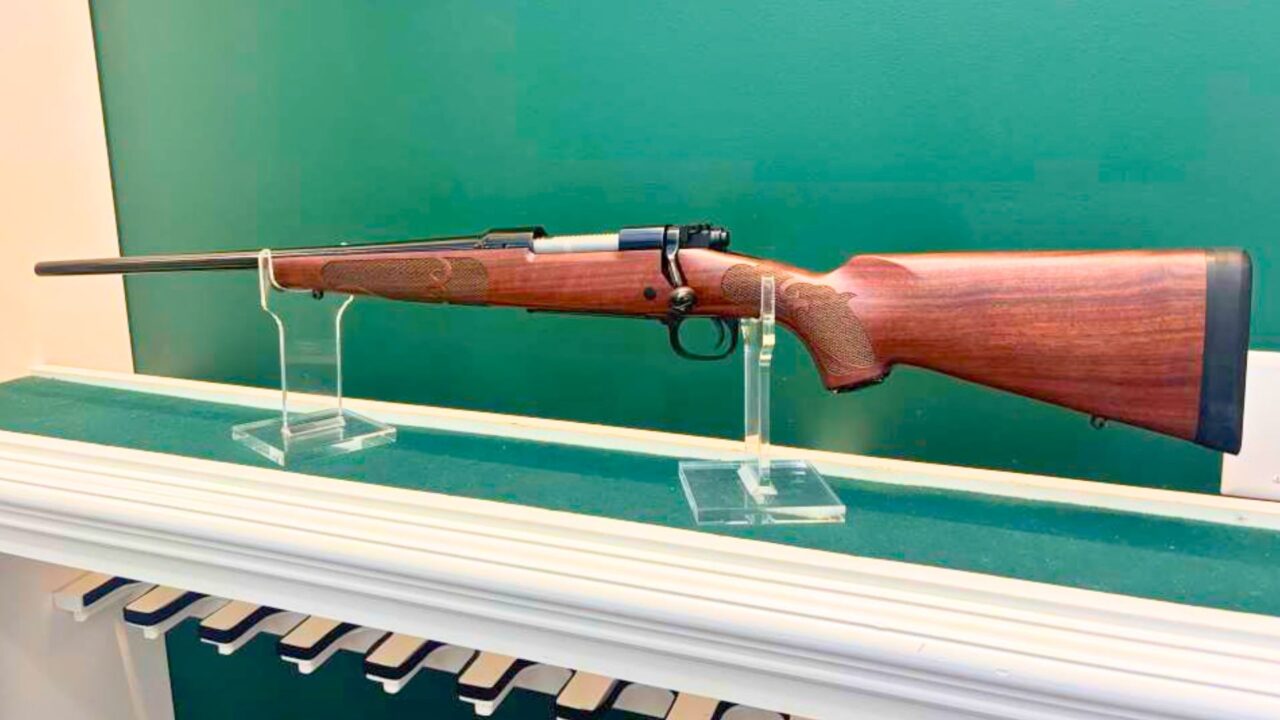
The Model 70 shows up on rural properties where somebody took pride in having a “real rifle.” Even the later push-feed versions still put meat in the freezer, but the pre-64 reputation is what gets people acting funny at gun counters.
What made it standard equipment wasn’t collector talk—it was confidence. Controlled-round feed, sturdy feel, and a safety that made sense in cold weather with gloves on. It’s heavier than the cheap stuff, but it carries like a rifle that means business.
5. Savage Model 110

The Savage 110 never had the romance. It had results. The barrel nut system and straightforward design meant these rifles could shoot, even when they looked like they belonged in the corner of a muddy shop.
You’d see them in .30-06, .270, .243—whatever was on sale and available at the hardware store. The triggers on the older ones weren’t always great, and the stocks were often nothing to brag about. Still, they killed deer year after year without drama.
6. Ruger 10/22
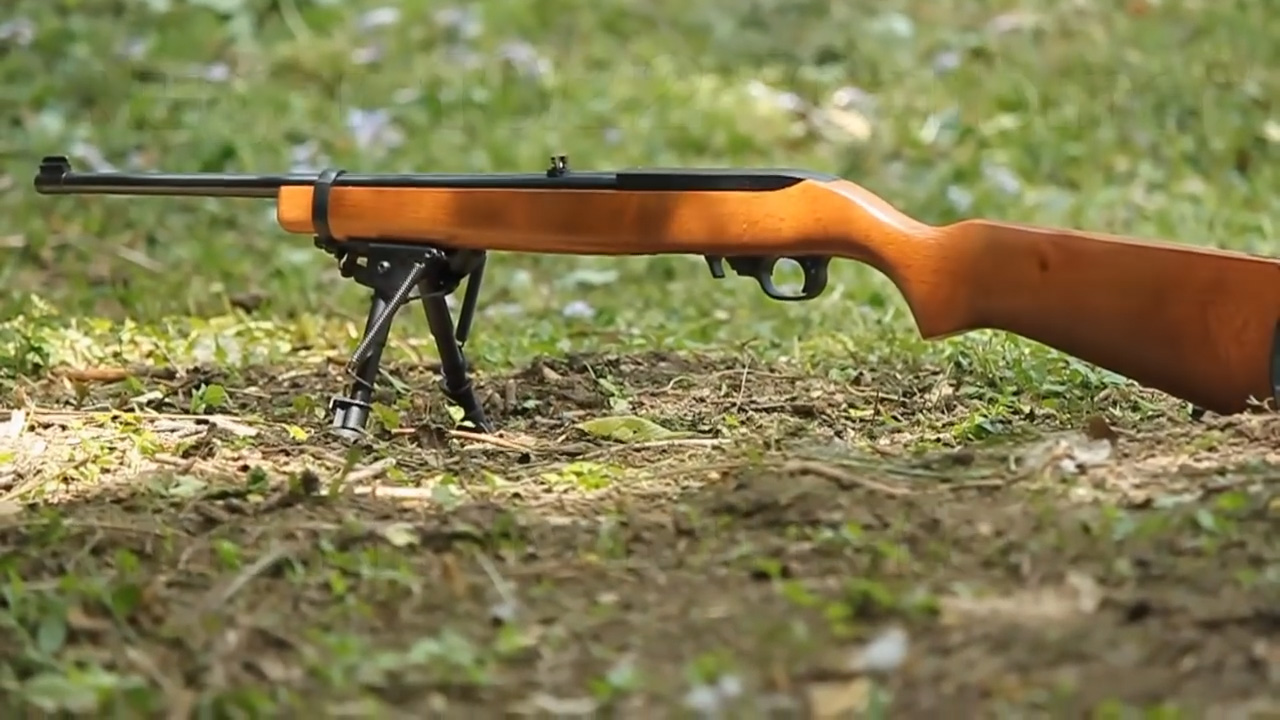
If there’s a “do everything” rimfire that lived on rural land, it’s the 10/22. It handled squirrels in the hardwoods, raccoons in the sweet corn, and cans on the fence post when kids needed something to do.
It’s reliable, magazines are everywhere, and it’s easy to carry one-handed while you’re doing chores. The funny part is how many folks customized them until they stopped being handy. A bone-stock carbine with a simple optic is still hard to beat for real-world use.
7. Marlin Model 60

The Marlin 60 was the other .22 that got leaned in corners and rode in pickup cabs. The tube magazine made it slower to load than a 10/22, but it also meant you didn’t have detachable magazines disappearing into the grass.
They often shot better than they had any right to, especially with decent ammo. The downside is maintenance: a neglected tube-fed .22 can get finicky if it lives in a dusty barn for ten years. Clean it, and it usually comes right back to life.
8. Remington 870 Wingmaster
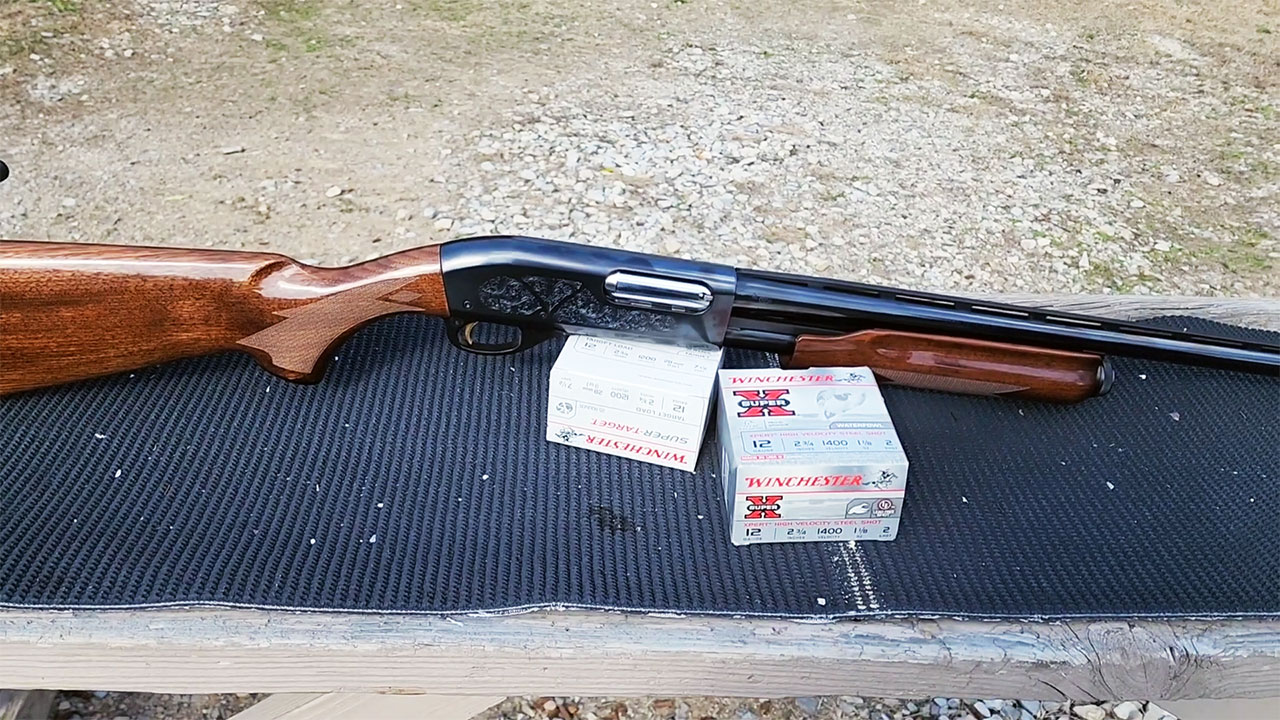
An 870 Wingmaster is about as close as you get to a “one shotgun” solution for a property. It ran birds, rabbits, deer drives, and it sat behind the door when a bump in the night needed investigating.
The older Wingmasters feel different—smooth action, solid steel, and a balance that makes you want to keep swinging. The newer budget versions don’t always have that same feel, and that’s why the old ones are getting snapped up. There is nothing fancy about it, and that is kind of the point.
9. Mossberg 500
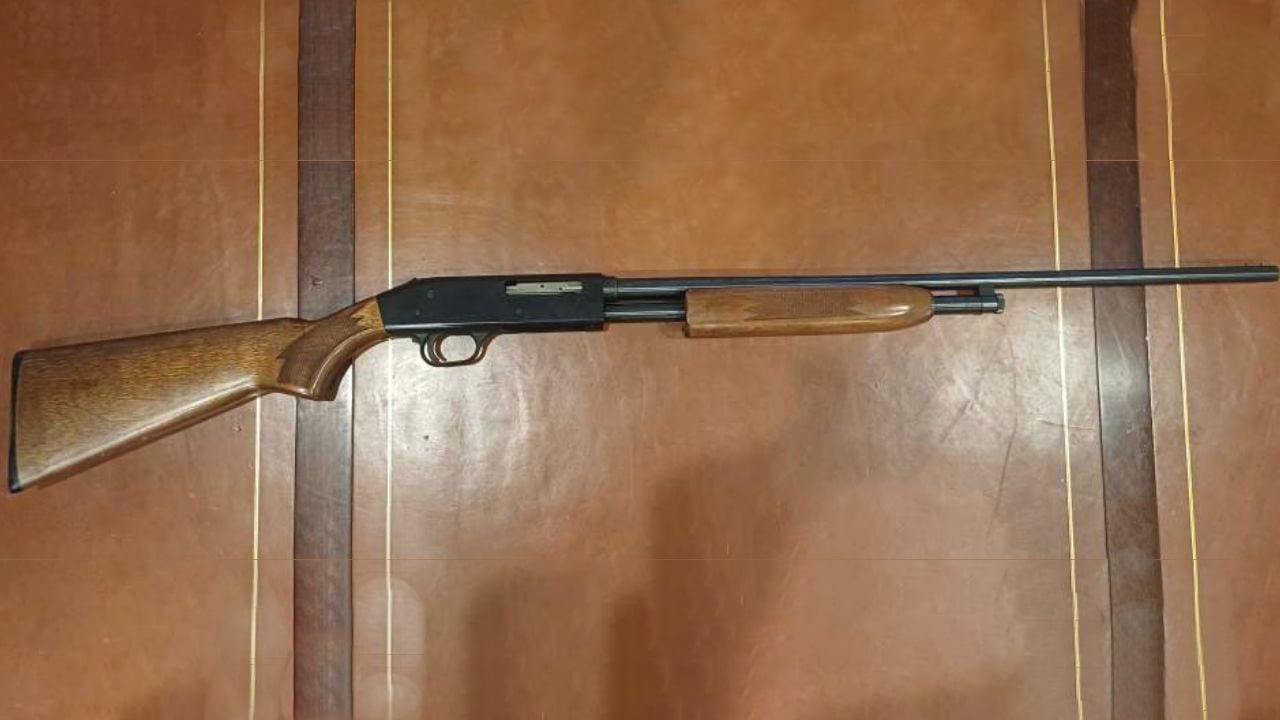
Where the Remington was “nice,” the Mossberg was “works.” The tang safety is great for a mixed group of shooters, and the gun keeps running even when it gets treated like a tool.
They’re not always as slick as an older 870, and the rattle bothers some people. Out in the real world, that rattle never stopped one from doing its job. Parts and barrels are easy to find, and it’s still one of the smartest buys for a do-it-all property shotgun.
10. Ithaca Model 37

The bottom-eject Ithaca 37 is one of those shotguns you either love or you don’t understand. On rural ground, it got a reputation for being tough and fast, and the bottom ejection kept shells from flying across the cab when you were shooting out a window at pests.
They’re slick when they’re maintained, and they carry nicely. Some older ones are picky if they’re worn or dirty, and not every gunsmith wants to mess with them. But a good Model 37 feels like it was built for working hands.
11. Stevens Model 311 (side-by-side)
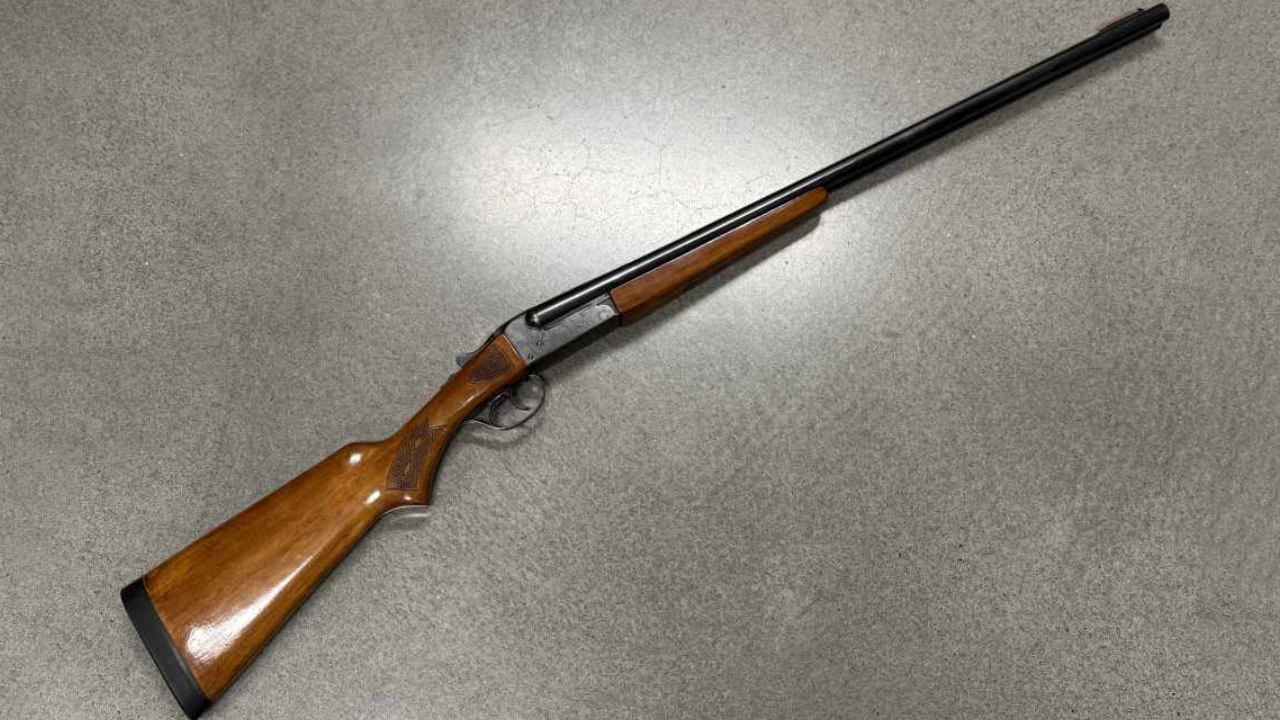
Every so often you open a closet and there it is: a plain Stevens 311 side-by-side with the finish worn thin. These were the “farm doubles” that got used hard for birds, rabbits, and anything else that flushed when you were walking fence lines.
They’re not high-grade doubles, and nobody is pretending they are. The triggers can be heavy and the fit can be utilitarian. But they’re simple, they’re rugged, and they remind you that a shotgun doesn’t need to be expensive to be useful.
12. H&R Topper (Model 158 and similar single-shots)
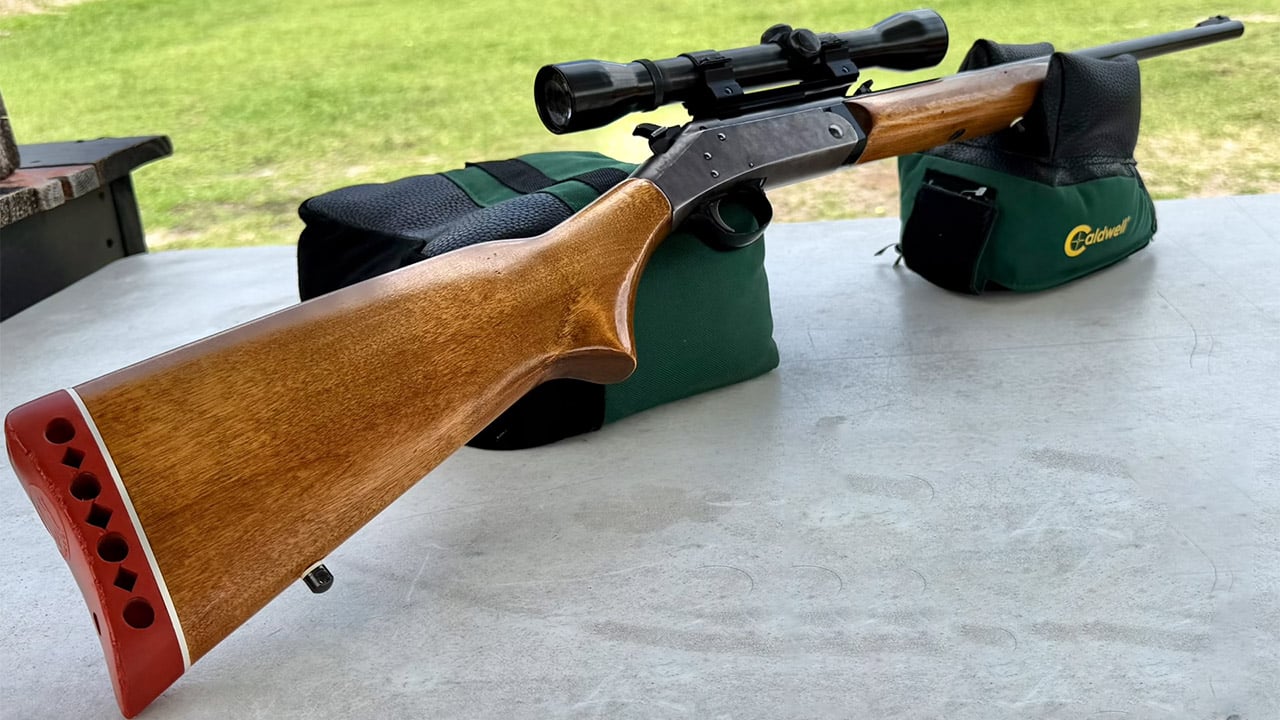
A single-shot H&R Topper taught a lot of kids to slow down and make the shot count. It also lived behind doors because it was cheap, safe to store open, and it didn’t mind getting knocked around.
They came in everything from .410 to 12 gauge to rifle calibers, and that flexibility mattered when budgets were tight. They’re not fast, and they’re not fun on the shoulder in lighter builds. Still, for a “grab-and-go” utility gun, they did the job for generations.
13. Ruger Blackhawk

The Blackhawk wasn’t a showpiece on a rural property. It was a tough revolver that could ride in a holster all day, get dusty, get sweaty, and still work when something needed dealt with along a creek bank.
In .357 or .45 Colt, it covered a lot of ground—snake duty, camp gun, and a capable hunting sidearm in the right hands. It’s not a beginner’s gun if you’re recoil-shy, and the single-action manual of arms isn’t for everyone. But they hold up, and they hold their value because they earned trust.
14. Smith & Wesson Model 10

Plenty of rural homes had an old service revolver tucked away, and the Model 10 is one of the most common. It’s not flashy, it’s not rare, and it’s not trying to impress anyone.
What it is: reliable, simple, and easy to shoot well in .38 Special. A lot of them wore worn grips and had been fired just enough to prove they worked. With modern ammo and a little practice, it’s still a perfectly practical nightstand gun.
15. Colt Python (older blued models)
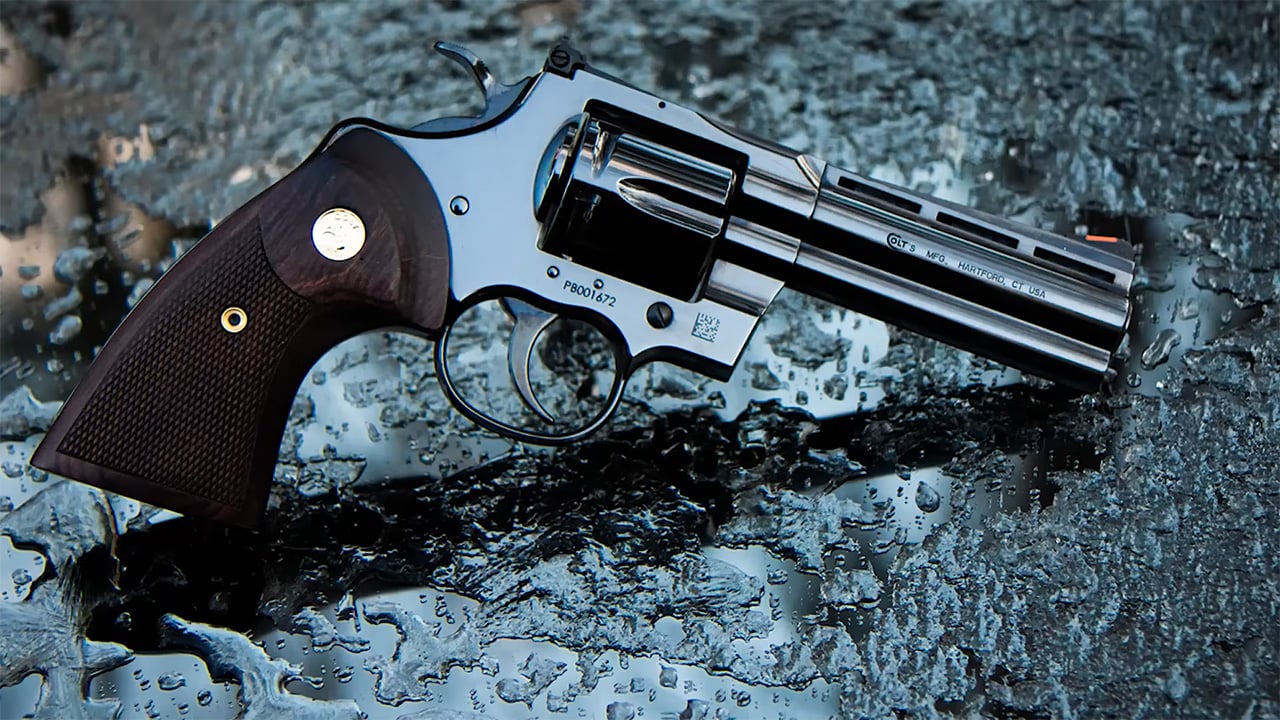
Every now and then, a place had one “nice” revolver, and sometimes it was a Python. Back then it wasn’t always bought as an investment. It was bought because it was smooth, accurate, and it made a man feel like he owned something special.
Now they’re deep into collectible territory, which makes folks hesitant to use them the way they used to. I get it. Still, it’s hard not to appreciate how that action feels compared to most modern revolvers. If you’ve got one that’s been in the family forever, I would not be quick to let it go.
16. Ruger GP100
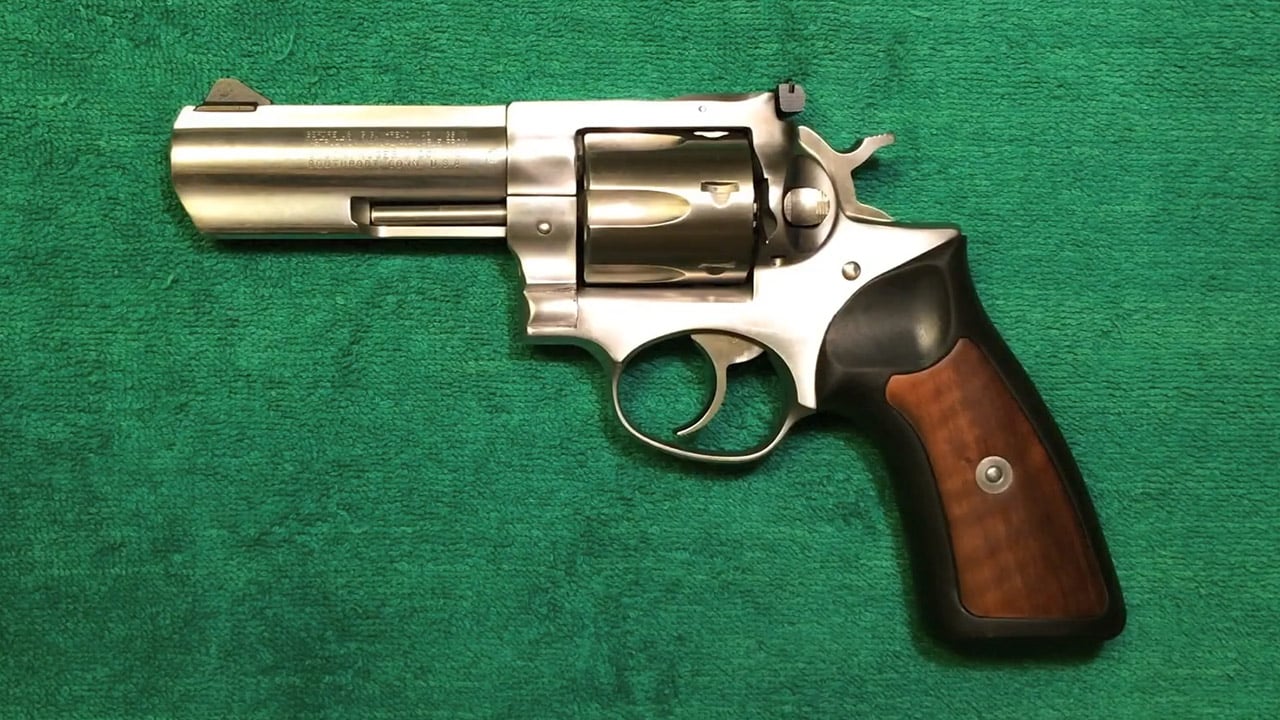
If the Python was the “nice one,” the GP100 was the one you actually carried when you were fixing fence or checking cattle. Ruger built these things stout, and they handle heavy .357 loads without feeling like they’re coming apart.
They’re not dainty, and they’re not light. But they shoot comfortably, they last, and they’re easy to live with. On a rural property, that matters more than having a revolver that looks pretty under glass.
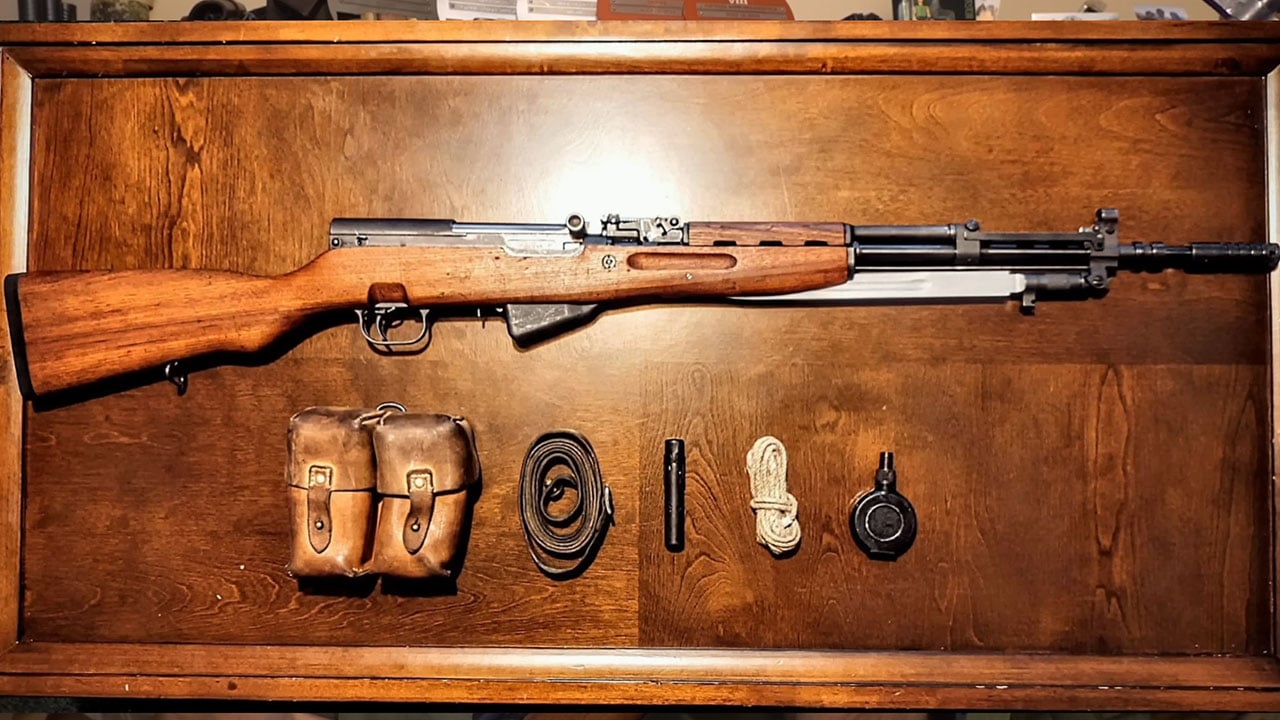
17. SKS (Norinco and other common imports)
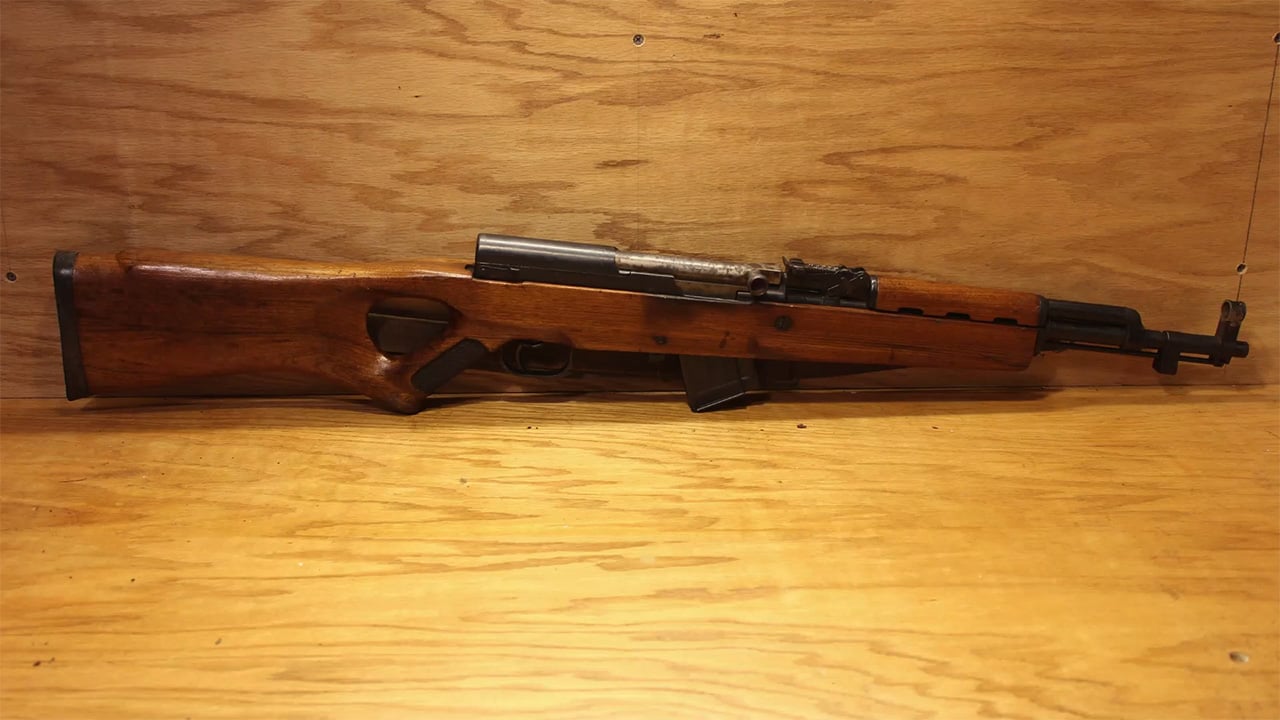
The SKS was the definition of “cheap and everywhere” for a long time, which is why they ended up as ranch rifles and truck guns. The 7.62×39 cartridge is adequate for pests and close-range utility work, and the rifles are generally reliable if they’re not abused.
A lot of them got “upgraded” with questionable stocks and detachable magazines that caused feeding issues. That one hurts, because the best SKS is usually the plain one with the fixed magazine. Now that prices aren’t bargain-basement anymore, folks are finally admitting the originals had it right.
18. Ruger Mini-14 Ranch Rifle
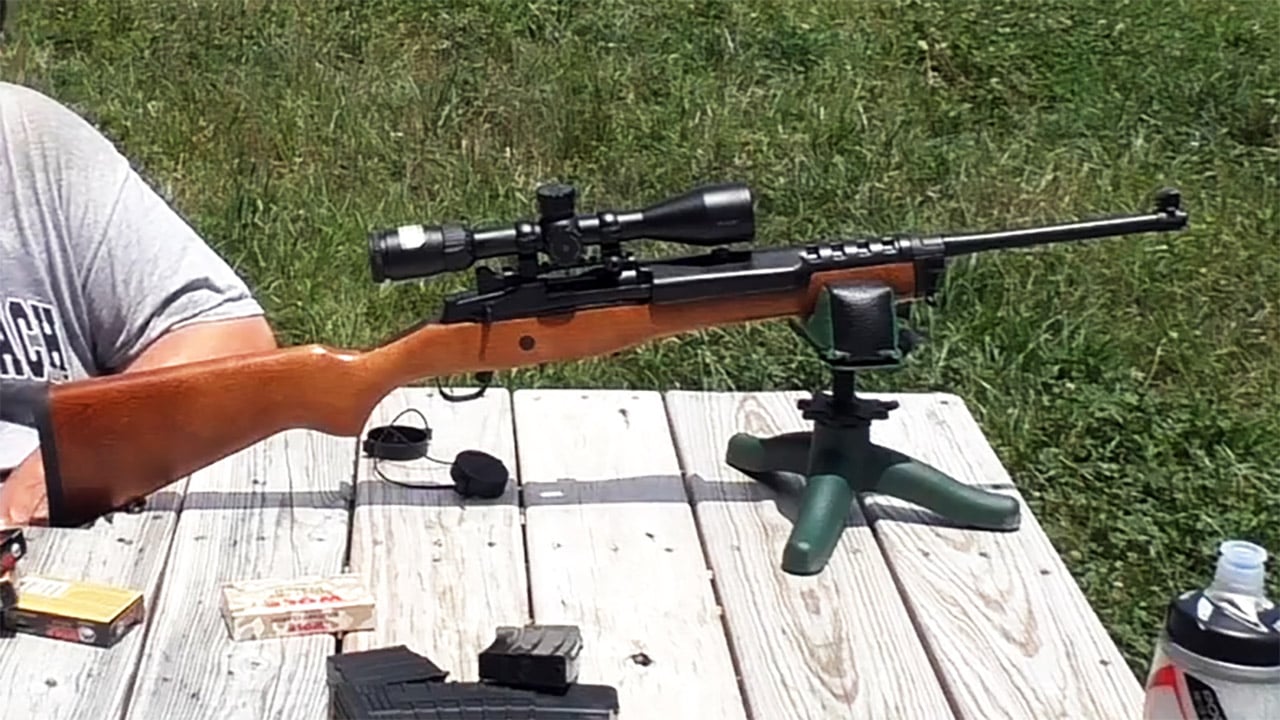
The Mini-14 has always been a rural favorite for one big reason: it carries easy and handles fast. It’s the rifle you grab when you’re walking out to check a noise or riding around checking fields, and you don’t want a long, awkward gun banging into everything.
Some older Minis weren’t match accurate, and that’s fine because most property work isn’t a precision rifle competition. Magazines can be hit-or-miss if you buy cheap ones, so stick with quality. For a practical “ranch rifle” that won’t scare the neighbors like a tactical setup, it still makes sense.
19. Winchester Model 190 (and similar .22 semi-autos)
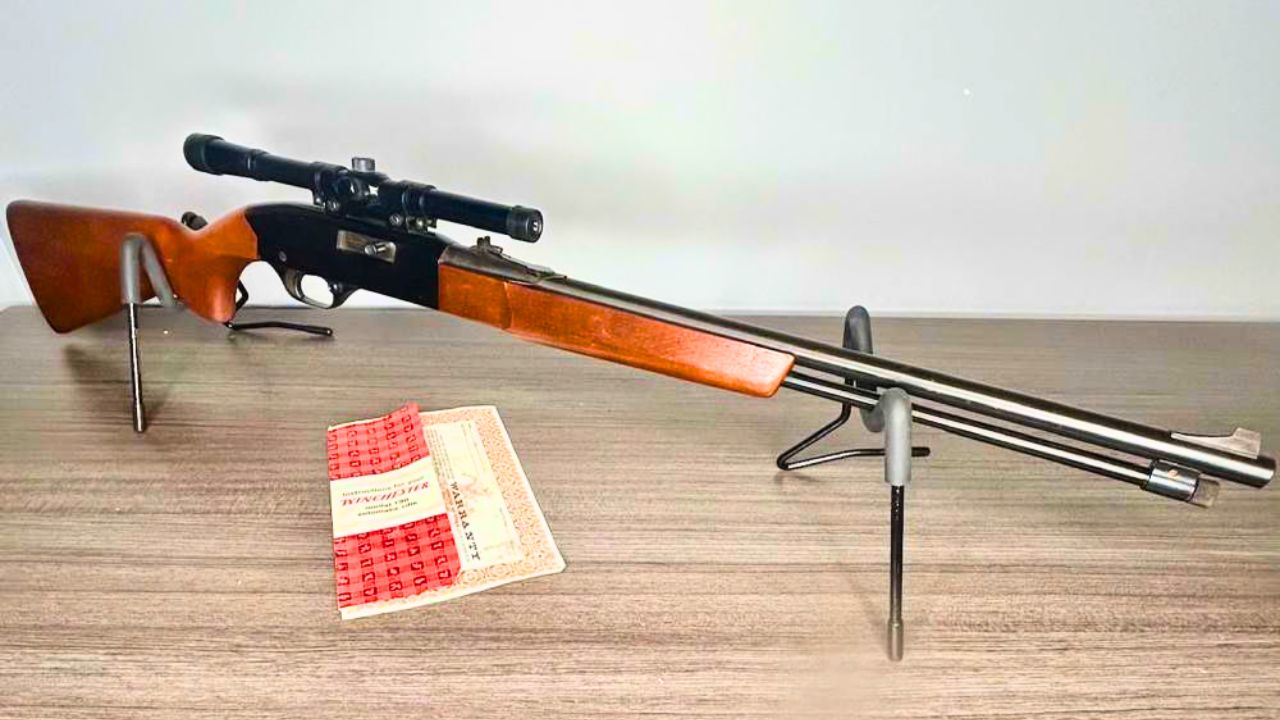
These old Winchester .22s were the kind of guns you’d find with a half-broken sling and a box of random ammo nearby. They weren’t treated gently, but they were used constantly—especially for small game and barn pests.
They can be picky about ammo and cleanliness, and some are getting harder to find parts for depending on the exact variant. But when you pick one up, you can feel how it was meant to be carried a lot and shot a lot. Not everything needs to be a “platform.” Sometimes it’s just a .22 that works.
20. Browning Auto-5
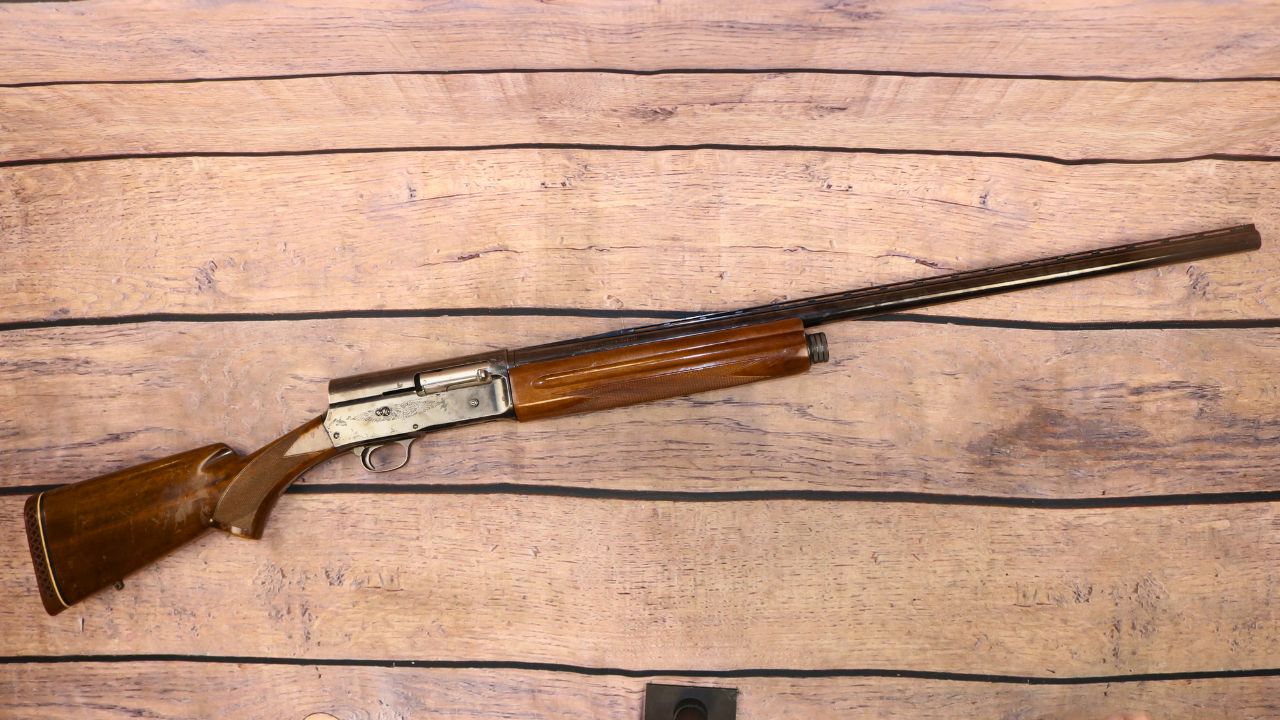
An Auto-5 on a rural property usually meant somebody hunted birds seriously, or they just appreciated a shotgun that ran. The humpback profile is iconic, but what really matters is how these guns cycle when they’re set up right and maintained.
They’re not as light as modern inertia guns, and they’re not as soft-shooting as today’s gas guns when you get into heavy loads. They also have their own quirks, especially if someone before you didn’t understand the friction ring setup. But as a long-time working shotgun, it’s hard not to respect them.
The funny part is none of these were bought to sit in a velvet-lined box. They were bought because something needed doing, and the nearest help was a long way off. If you’ve still got a few of these leaning in the safe, don’t be too quick to trade them off for the newest thing. New is nice, but “known and proven” is hard to replace.
Like The Avid Outdoorsman’s content? Be sure to follow us.
Here’s more from us: