Photo credit: The Avid Outdoorsman
The hunter probably thought the hard part was over.
That is usually how it feels once the deer is down. The shot happened, the tracking is done, and now the day turns into work. Field dressing, dragging, packing, cleaning up, getting the deer loaded, and making sure nothing important gets left behind.
But while he was focused on the deer, somebody else was focused on his gear.
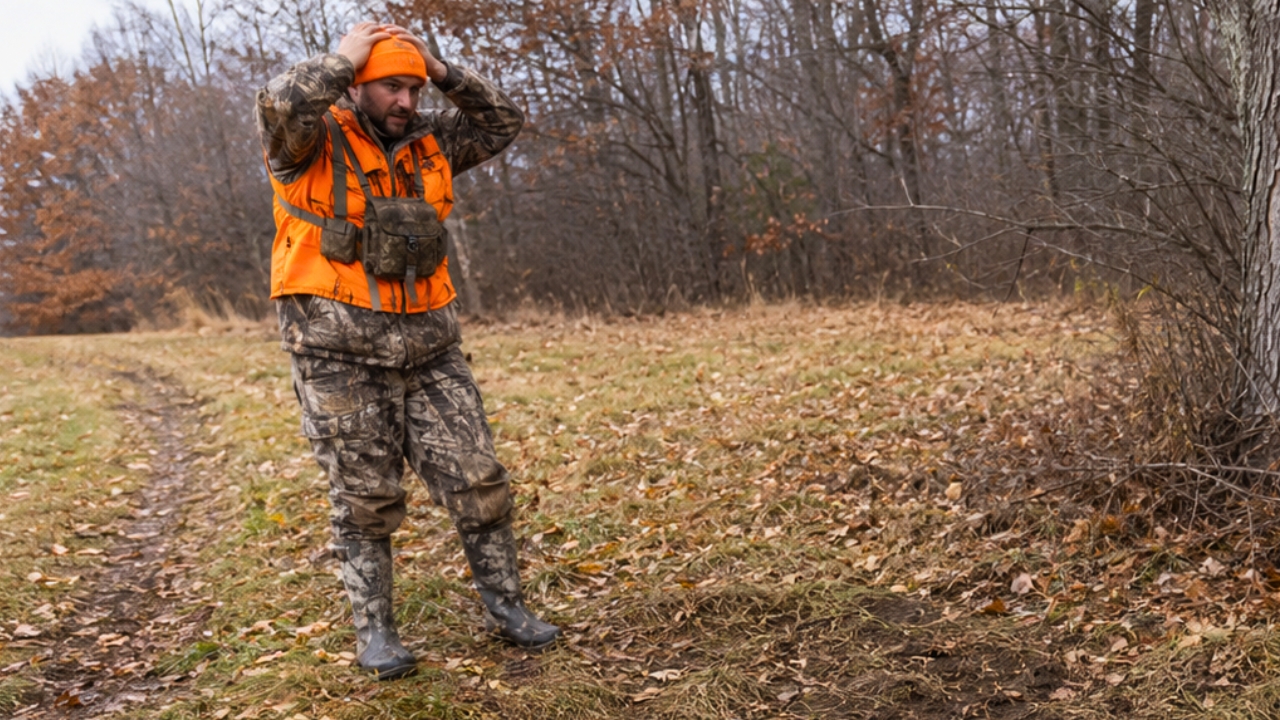
In a Reddit thread, hunters were talking about gear they had lost in the woods, and one story took a turn that was more irritating than funny. A hunter walked away from his gear to field dress a deer, only about 75 yards away, and when he came back, his stuff was gone.
That is the kind of thing that makes a good hunt sour fast.
Seventy-five yards is not far. It is close enough that most hunters would feel like their gear was still basically with them. You can cover that distance in less than a minute. You are not leaving equipment at the truck for hours. You are not abandoning a pack on public land all day. You are stepping away to handle the deer you just killed.
And someone still took it.
That is the part that would make most hunters furious. Losing gear to the woods is one thing. Dropping a knife in leaves, leaving gloves on a stump, forgetting a rangefinder on the tailgate, or having a call slip out of a pocket is frustrating, but at least that is your own mistake. Having someone walk off with your gear while you are close by feels different.
That feels like betrayal.
The hunter was probably already messy from field dressing the deer. Hands dirty, attention split, maybe trying to work efficiently before the meat sat too long or the weather warmed up. When he walked back, he was likely expecting to grab his pack, tools, layers, or whatever he had set aside and continue the process.
Instead, the spot was empty.
That moment has to be disorienting. At first, you probably question yourself. Did I set it over there? Did I move it? Did I leave it farther back? Did I drag the deer past it? Then the search starts. You walk circles. You scan the brush. You look behind logs and trees. You check the same spot again because it feels impossible that gear could disappear that quickly.
Then the reality sets in.
Somebody took it.
That raises a whole new set of questions. Was someone watching him? Did they hear the shot and come in? Were they already nearby? Did they know he was busy with the deer? Did they think the gear was abandoned? Did they steal it intentionally, or did they somehow convince themselves it was fair game?
It is hard to imagine a good excuse when the hunter was only 75 yards away.
Theft in the woods hits hunters especially hard because so much of the experience depends on trust. People leave stands, cameras, blinds, packs, decoys, and gear in places where nobody is standing guard. Public land, leases, private ground with multiple hunters — all of it assumes a basic level of decency. You may not like other hunters being around, but you are still not supposed to steal their stuff.
When someone does, it changes how you move through the woods.
Now you second-guess leaving anything behind. You drag your pack everywhere, even when it gets in the way. You lock cameras. You cable stands. You mark gear. You hide things better. You think about thieves when you should be thinking about the hunt.
That is what one bad person does.
The timing also made this story worse because the hunter was doing exactly what he was supposed to do after a kill. Field dressing a deer takes attention and both hands. You cannot keep eyes on every piece of gear while also safely working with a knife and handling an animal. The thief took advantage of that little window.
That is low.
It also creates a practical mess. Depending on what was stolen, the hunter may have lost knives, tags, licenses, lights, gloves, calls, optics, a pack, rope, game bags, or other tools he still needed for the recovery. Losing comfort items is annoying. Losing the equipment needed to finish processing and getting the deer out can turn the rest of the day into a problem.
The deer may have been down, but the work was not over.
There are a few ways to prevent this kind of thing, though none are perfect. Keep the most valuable items on your body. Avoid leaving gear visible on public trails or near common access points. Use bright cord or GPS tags on small items you might lose, but keep theft-prone gear tucked away. If hunting public land, assume someone could walk through at any time. If you have to step away, take the pack or at least the expensive stuff.
It is annoying to think like that, but gear is not cheap.
Still, the blame belongs on the thief, not the hunter. Setting gear down 75 yards away while field dressing a deer is a normal thing to do. Stealing it is not.
The hunter went from success to aggravation in a matter of minutes. He still had the deer, which counts for something. But the excitement of filling a tag had to feel a lot less clean once he realized someone had helped himself to the rest of the setup.
There are plenty of ways the woods can take your gear.
This one was worse because the woods did not take it.
A person did.
Commenters understood the frustration because stolen gear is one of those problems that makes every hunter more guarded.
Several people said losing gear by accident is bad enough, but having it stolen while you are nearby is a whole different kind of aggravating. Hunters leave things briefly all the time while dragging, dressing, or tracking, and most expect other people to leave it alone.
Others talked about how common gear theft can be on public land. Trail cameras, stands, packs, knives, and even clothing can disappear if the wrong person comes across them. A few hunters said that is why they now keep expensive gear on them or lock up anything left behind.
A lot of the practical advice came down to not leaving valuables unattended, even for a short time. That may feel paranoid, but stories like this are exactly why some hunters become that way.
Some commenters also said thieves ruin the whole outdoor culture. Most hunters will help a stranger drag a deer or find a lost item. Then one person steals a pack and makes everyone else less trusting.
The main lesson was simple: the hunt may feel over once the deer is down, but your gear still needs watching until everything is back at the truck.