Photo credit: sootch00/Youtube
Some pistols get hot for a few years and then disappear once the next trend shows up. Others do the opposite. They may start out misunderstood, overlooked, or treated like yesterday’s answer, but time has a way of sorting out what actually works.
A pistol that still shoots well, carries well, or keeps earning trust after the market moves on deserves respect. These are the handguns that aged into that respect instead of fading into the background.
SIG Sauer P229

The SIG Sauer P229 was never a lightweight pistol, and that kept some people from fully appreciating it once polymer-framed handguns started taking over. It was heavier, thicker, and more expensive than a lot of newer duty pistols. But shooters who spent time with one knew the weight was part of the point.
The P229 handles recoil well, especially in .40 S&W and .357 SIG, where lighter pistols can get unpleasant fast. In 9mm, it feels steady and easy to control. The DA/SA trigger takes training, but it rewards that work with a clean single-action pull and solid confidence. As the market moved toward lighter and simpler guns, the P229 aged into respect because it still feels like a serious service pistol built for hard use.
Walther PPQ

The Walther PPQ came out before every striker-fired pistol was expected to have a great trigger. At the time, plenty of shooters noticed it, but the market was crowded and Walther didn’t always get the same attention as Glock, Smith & Wesson, or SIG. That made the PPQ easier to overlook than it should have been.
Years later, the PPQ still gets respect because the trigger and ergonomics were genuinely good. It had a clean break, short reset, and a grip that fit a lot of hands naturally. The PDP may be the newer Walther people talk about now, but the PPQ laid the groundwork. It aged well because it wasn’t trying to be everything. It was simply a comfortable, accurate, easy-shooting pistol that got the important parts right.
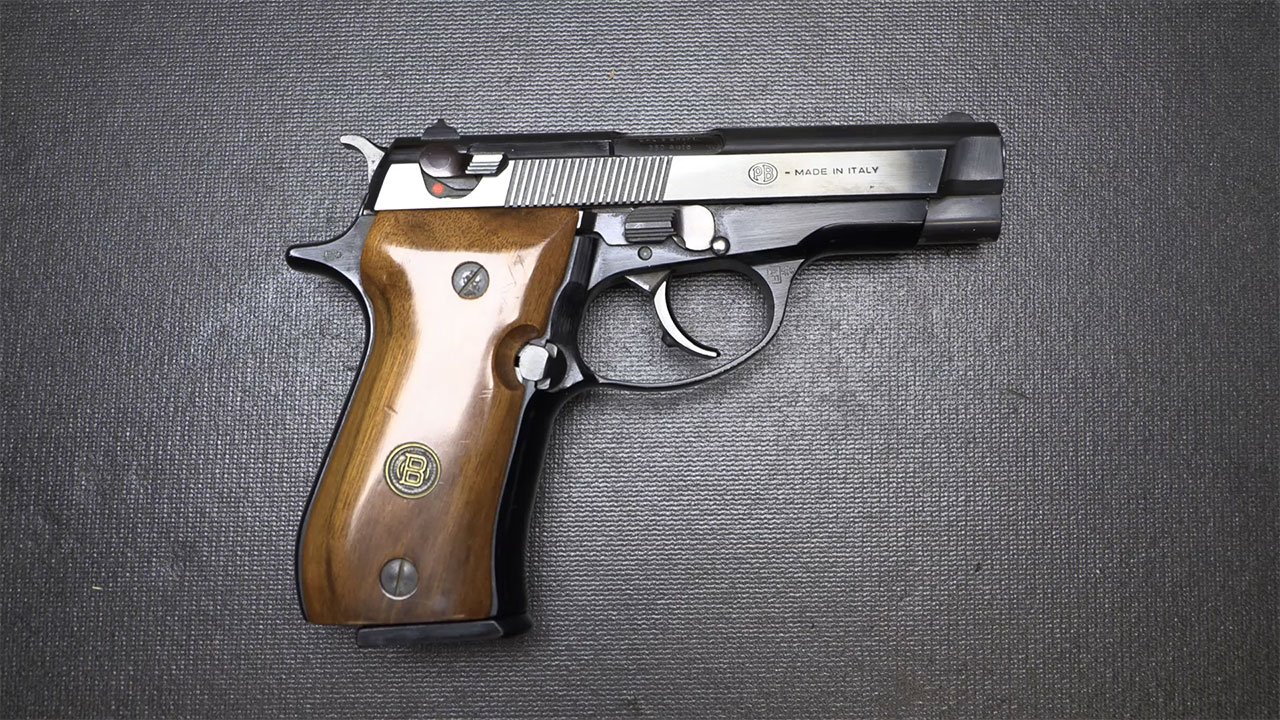
Browning BDA .380
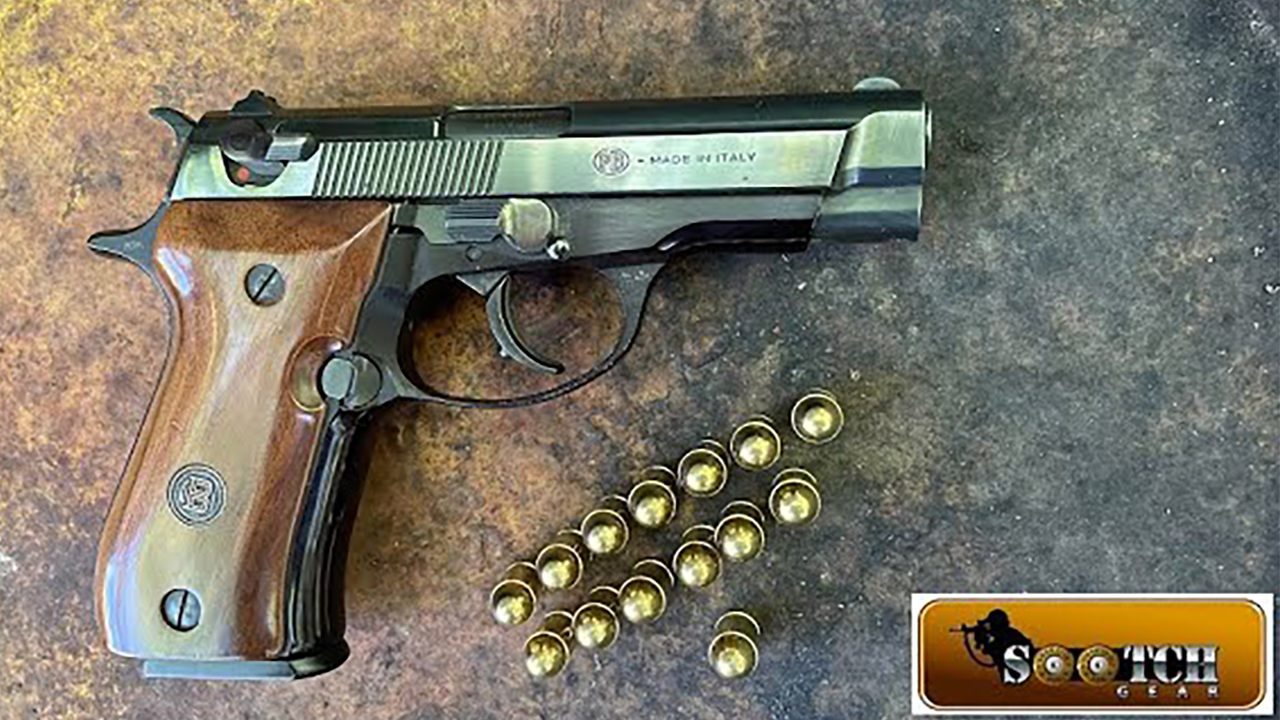
The Browning BDA .380 has become more appreciated as shooters look back at older compact pistols with better build quality than many expected. Built by Beretta and sold under the Browning name, it had classic lines, a double-stack .380 setup, and a polished feel that made it stand apart from cheaper pocket pistols.
It was never the smallest .380, and by modern carry standards, it is large for the caliber. But that size helps it shoot well. The BDA feels smooth, points naturally, and has a level of fit that makes many modern micro pistols feel rough. It aged into respect because shooters eventually realized it was not trying to be the tiniest gun possible. It was trying to be a small pistol you could actually enjoy shooting.
Smith & Wesson CS9
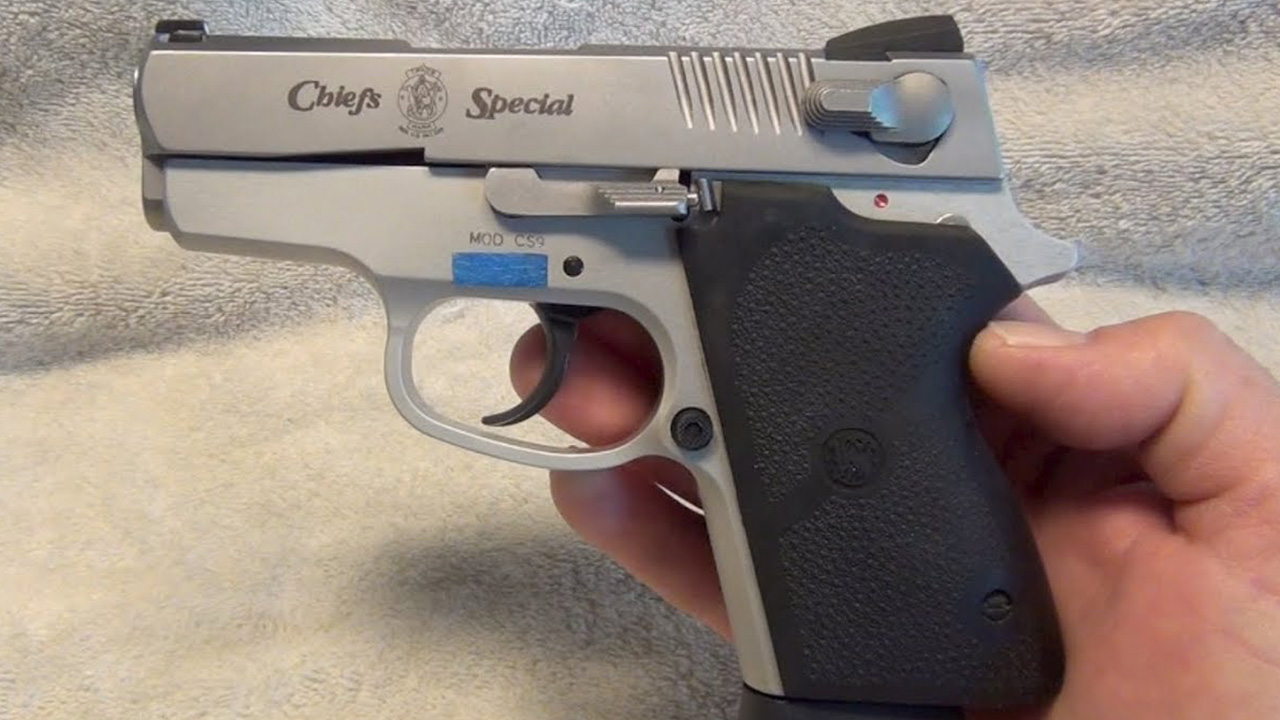
The Smith & Wesson CS9 came from the final stretch of Smith’s metal-frame semi-auto era, and it didn’t get as much attention as it deserved. It was compact, slim enough for carry, and chambered in 9mm at a time when many shooters were starting to move toward polymer pistols.
Today, the CS9 gets more respect because it offered real shootability in a small metal-framed package. It carried easier than the larger third-generation Smiths but still had that solid older build quality. The DA/SA trigger and traditional controls are not for everyone, but they give the pistol character. It aged well because it represents a practical carry gun from before every compact pistol started feeling like a variation of the same polymer design.
Colt Delta Elite
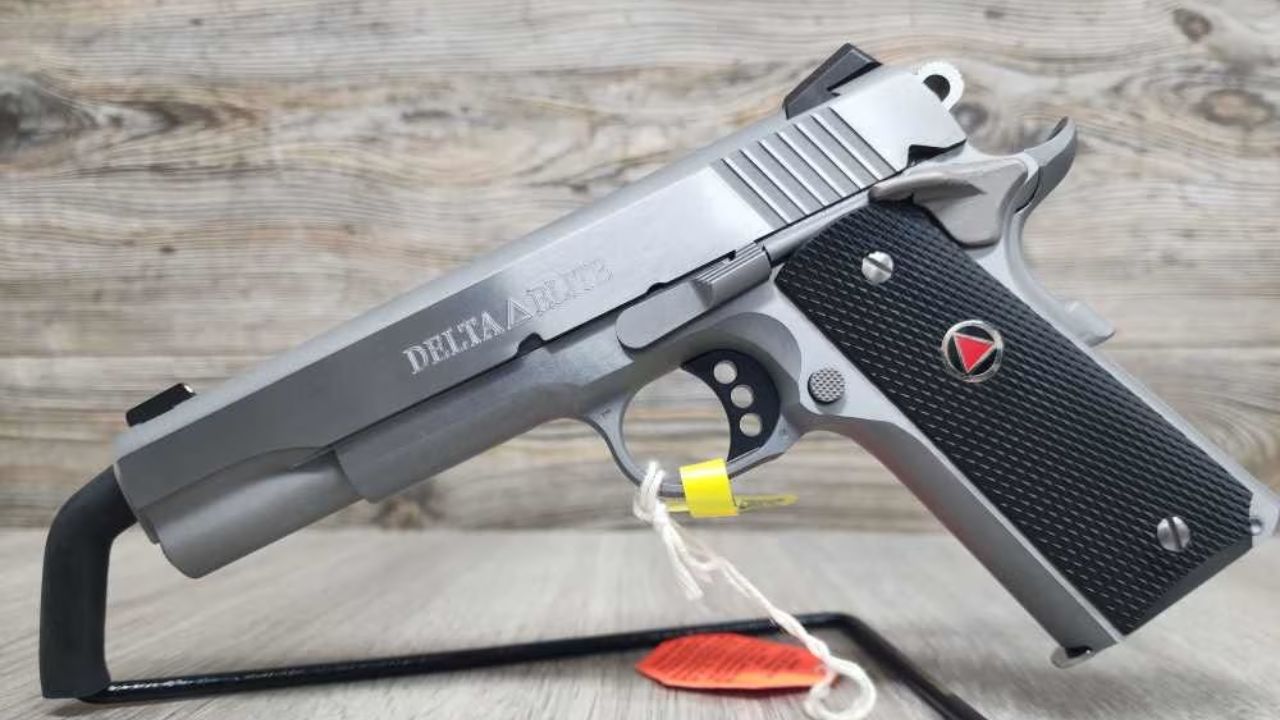
The Colt Delta Elite had a rough road early on because 10mm Auto itself had a rough road. The cartridge came in hot, law enforcement flirted with it, and then the market shifted toward .40 S&W. For a while, the Delta Elite looked like a niche 1911 chambered in a cartridge many shooters had moved past.
Then 10mm came back strong, and the Delta Elite’s reputation grew with it. It gave shooters a classic 1911 platform with more power than .45 ACP, and that combination started making more sense to hunters, woods carriers, and 10mm fans. It’s not the softest pistol to shoot, and full-power loads demand respect. But the Delta Elite aged into respect because it stuck around long enough for the cartridge to get its second chance.
Beretta 8000 Cougar
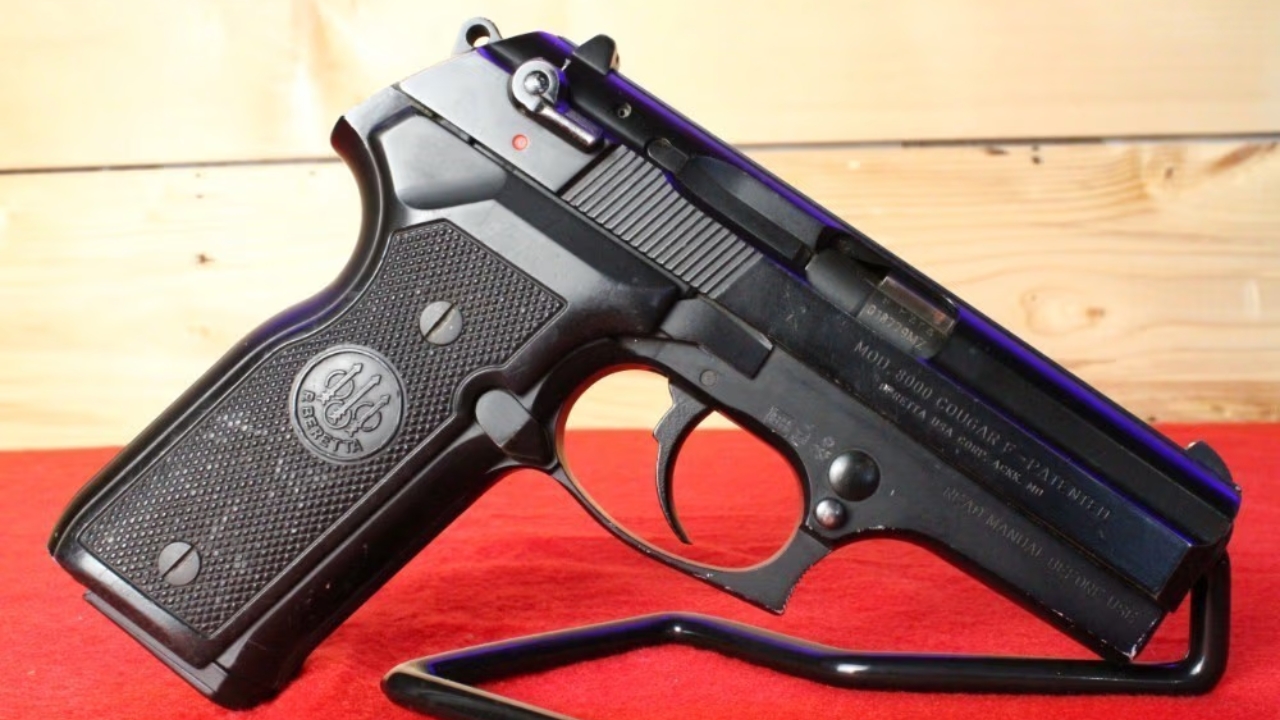
The Beretta Cougar never got the lasting mainstream attention of the 92 series, but it deserved better. Its rotating barrel system gave it a unique shooting feel, and its compact size made it practical without feeling too small. Some shooters overlooked it because it didn’t look like the Berettas they already knew.
Over time, the Cougar has become more respected for being different in a useful way. The rotating barrel helps soften recoil, especially in the larger calibers, and the pistol feels solid in the hand. It is heavier than many modern compacts, but that weight helps it shoot comfortably. It aged well because it had real engineering behind it, not just styling. Shooters who dismissed it early often changed their minds after actually running one.
Ruger SR1911
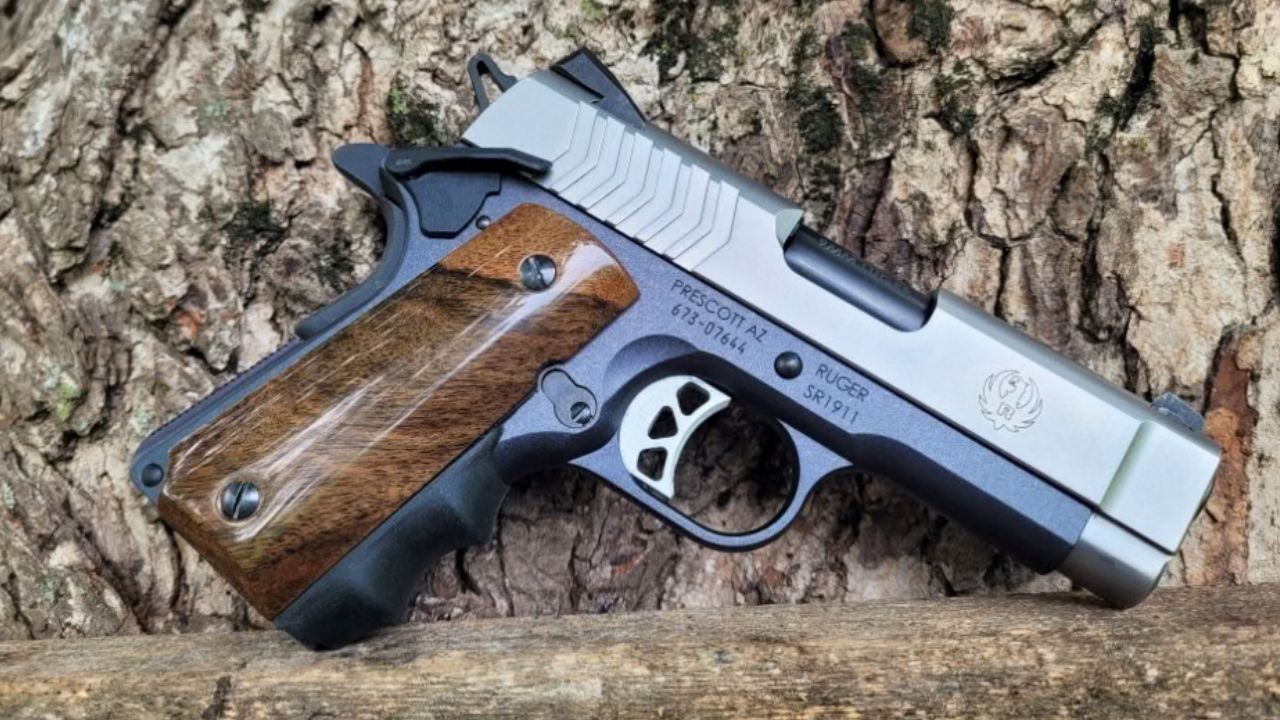
The Ruger SR1911 entered a crowded 1911 market where buyers already had strong opinions. Some people wondered if Ruger could make a traditional 1911 that would compete with established names. Over time, the answer became pretty clear. Ruger built a solid, American-made 1911 that gave shooters good value without trying too hard.
The SR1911 aged into respect because it proved practical and dependable for the money. It has clean styling, useful sights, and enough traditional 1911 feel to satisfy shooters who want the platform without paying custom-gun prices. It may not have the prestige of higher-end 1911s, but it also doesn’t pretend to. It works, shoots well, and gives owners a straightforward pistol that feels worth keeping.
HK45
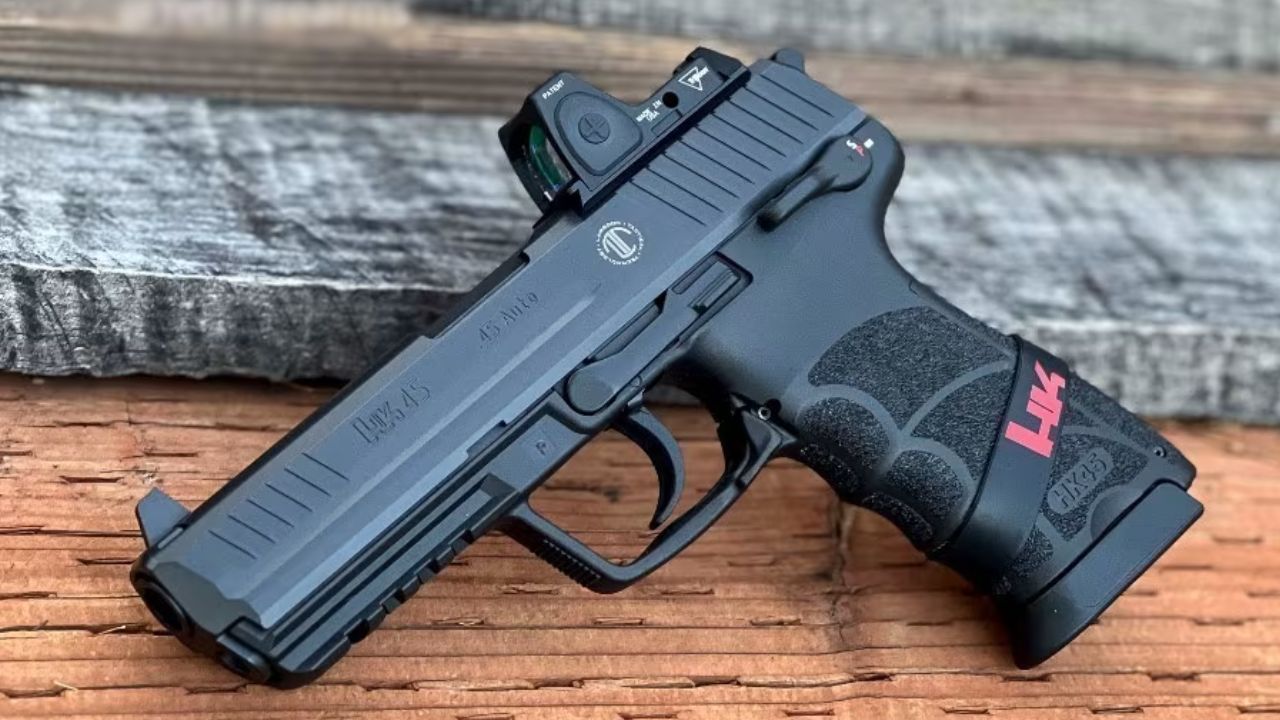
The HK45 arrived after the peak of traditional .45 ACP duty pistols had started fading. The market was moving toward striker-fired 9mms, higher capacity, cheaper ammo, and lighter guns. That made the HK45 seem almost behind the times to some buyers, even though it was extremely well thought out.
Years later, the HK45 has aged into respect because it does exactly what a serious .45 should do. It’s durable, accurate, ergonomic, and built with the kind of overbuilt HK feel people either love or complain about until they shoot it enough. The grip is better than the USP for many hands, and the recoil impulse is manageable. It may not be trendy, but it’s one of the better modern .45 pistols for shooters who still value the cartridge.
Star BM
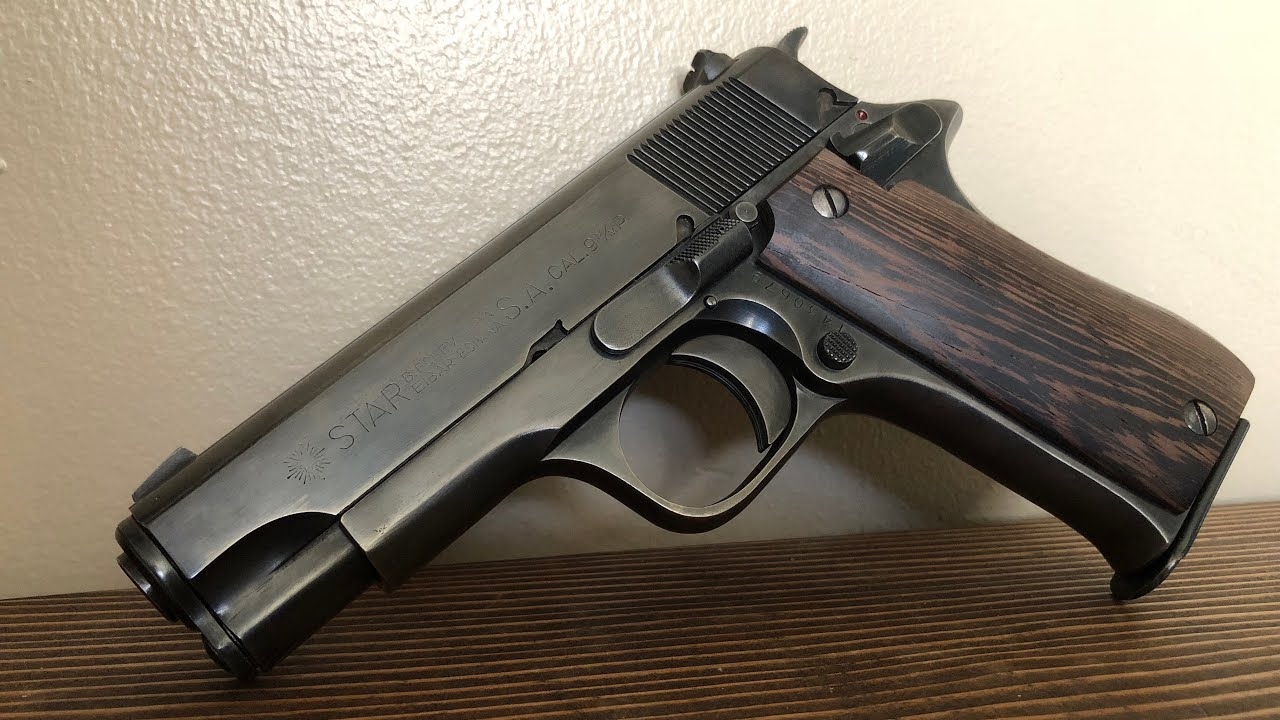
The Star BM used to be treated as an inexpensive surplus pistol, and for a while, that was exactly how people bought them. It was a compact steel-frame 9mm with 1911-like controls, but it didn’t carry the name recognition of larger American or European brands. A lot of shooters saw it as a cheap range toy.
Now, the Star BM gets more respect because it offered a lot of charm and shootability for the money. The all-steel frame helps with recoil, the single-action trigger is easy to understand, and the pistol is slim enough to feel handy. Parts and magazine availability can be a concern, so it is not the simplest gun to support long-term. But as a shooter’s pistol, it aged better than its old surplus pricing suggested.
CZ 82

The CZ 82 was once another affordable surplus pistol that many shooters bought because it was cheap. Chambered in 9x18mm Makarov, it didn’t look like the obvious long-term keeper compared with more common 9mm pistols. But owners quickly found out it had more going for it than the price tag suggested.
The CZ 82 has excellent ergonomics, a good trigger for a surplus service pistol, polygonal rifling, and ambidextrous controls. It is compact but still comfortable to shoot, and it carries that CZ habit of fitting the hand better than expected. Ammunition availability is not as convenient as 9mm Luger, but the pistol itself earned real respect. It aged well because shooters realized it was not cheap junk. It was a well-designed service pistol that happened to be affordable for a while.
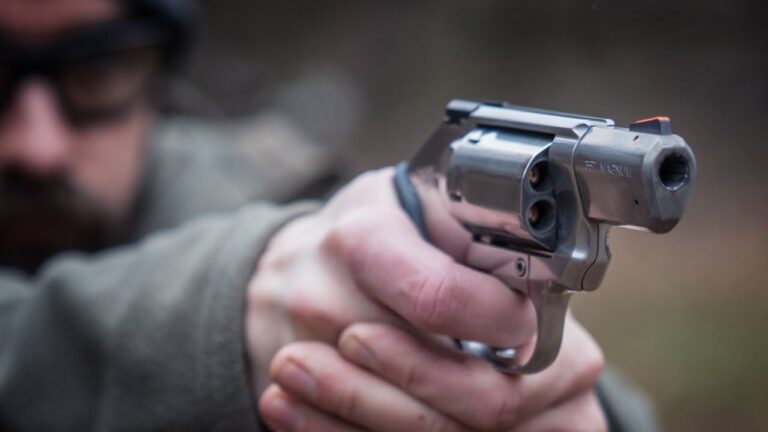
Kimber K6s

The Kimber K6s had to overcome skepticism because Kimber was not traditionally known as a revolver company. When it showed up as a six-shot compact .357 revolver, a lot of shooters were curious but cautious. Small revolvers are hard to get right, and buyers had plenty of established names to compare it against.
Over time, the K6s earned respect by offering a strong feature set in a compact package. Six shots in a small .357 matters. The trigger is smooth, the sights are more usable than many snubnose setups, and the all-stainless build gives it a solid feel. It’s not as light as some carry revolvers, but that helps when shooting real loads. The K6s aged into respect because it proved Kimber could build a serious wheelgun.
Springfield Armory EMP
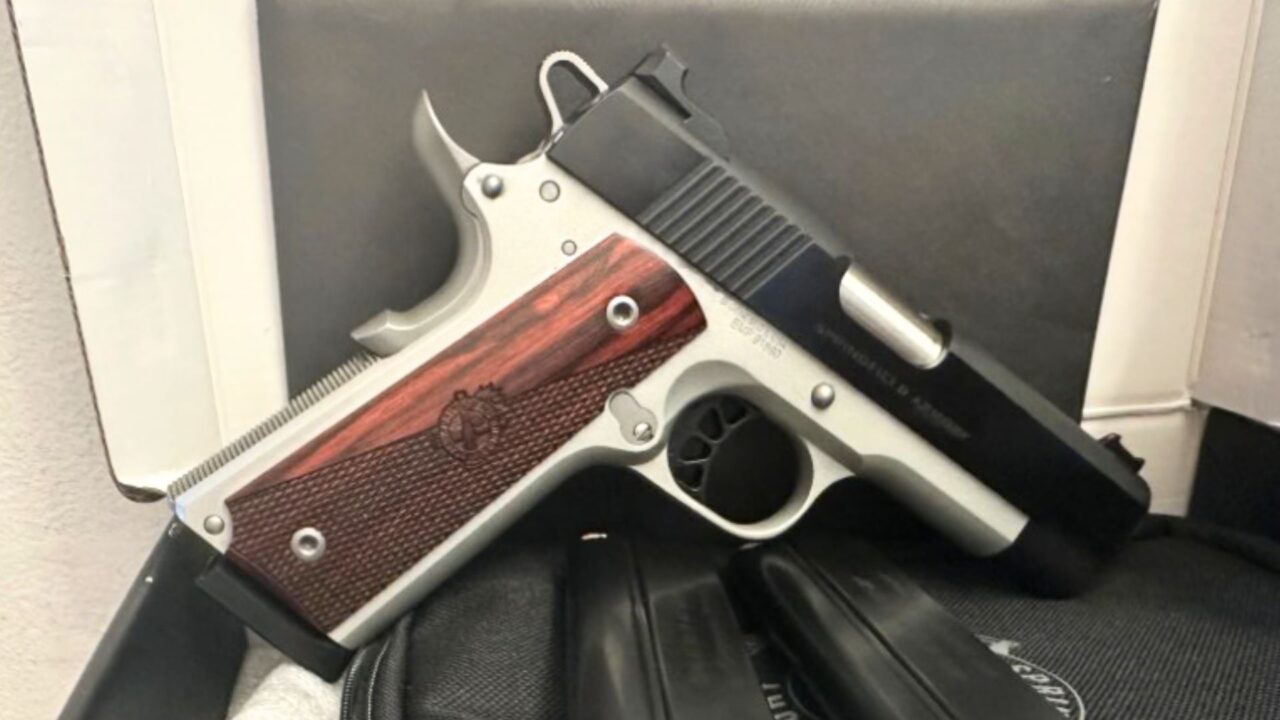
The Springfield Armory EMP was an interesting pistol from the start because it wasn’t simply a chopped-down 1911. Springfield redesigned key dimensions around shorter cartridges like 9mm, making the gun feel more proportioned than many compact 1911-style pistols. Some shooters didn’t fully appreciate that at first.
As slim carry guns became more common, the EMP started looking smarter. It offered a crisp single-action trigger, easy concealment, and a grip that felt scaled correctly. It does not offer the capacity of modern micro-compacts, and it costs more than many polymer carry pistols. But for shooters who care about trigger feel and shootability, the EMP aged well. It fills a lane that newer pistols don’t always cover with the same refinement.
Mauser HSc
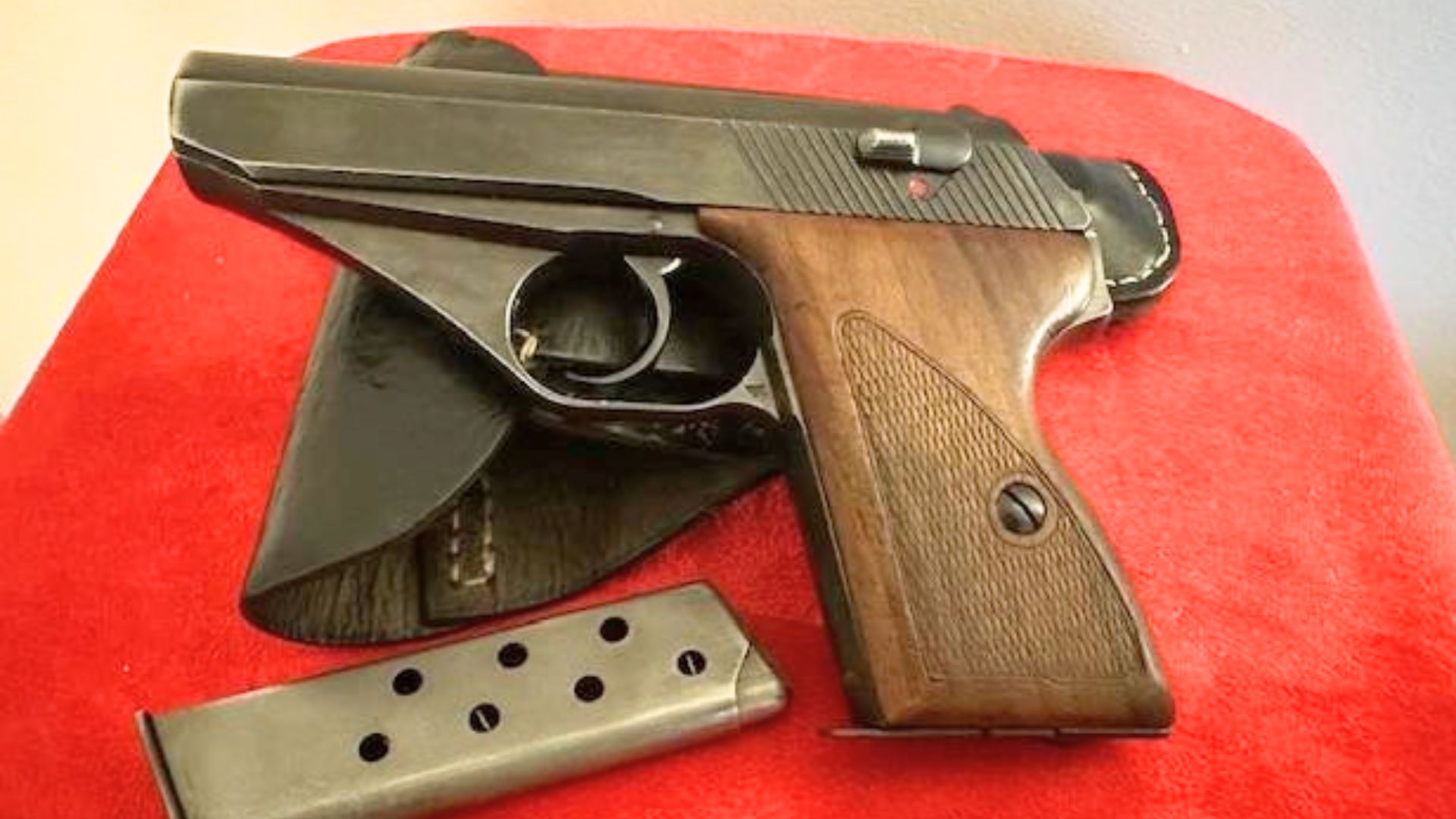
The Mauser HSc is an older pocket pistol that has gained respect among people who appreciate classic European handgun design. It was slim, stylish, and mechanically interesting, with a look that stood apart from many other small pistols of its era. For a long time, casual shooters saw it mostly as an old collectible.
Today, the HSc gets more appreciation for its design and craftsmanship. It is not a modern defensive pistol by current standards, especially in common chamberings like .32 ACP and .380 ACP. But as a historical compact pistol, it has real appeal. The lines are elegant, the handling is better than many expect, and it represents a time when even small pistols were built with a lot of attention. It faded from practical use, but not from respect.
Dan Wesson Pointman
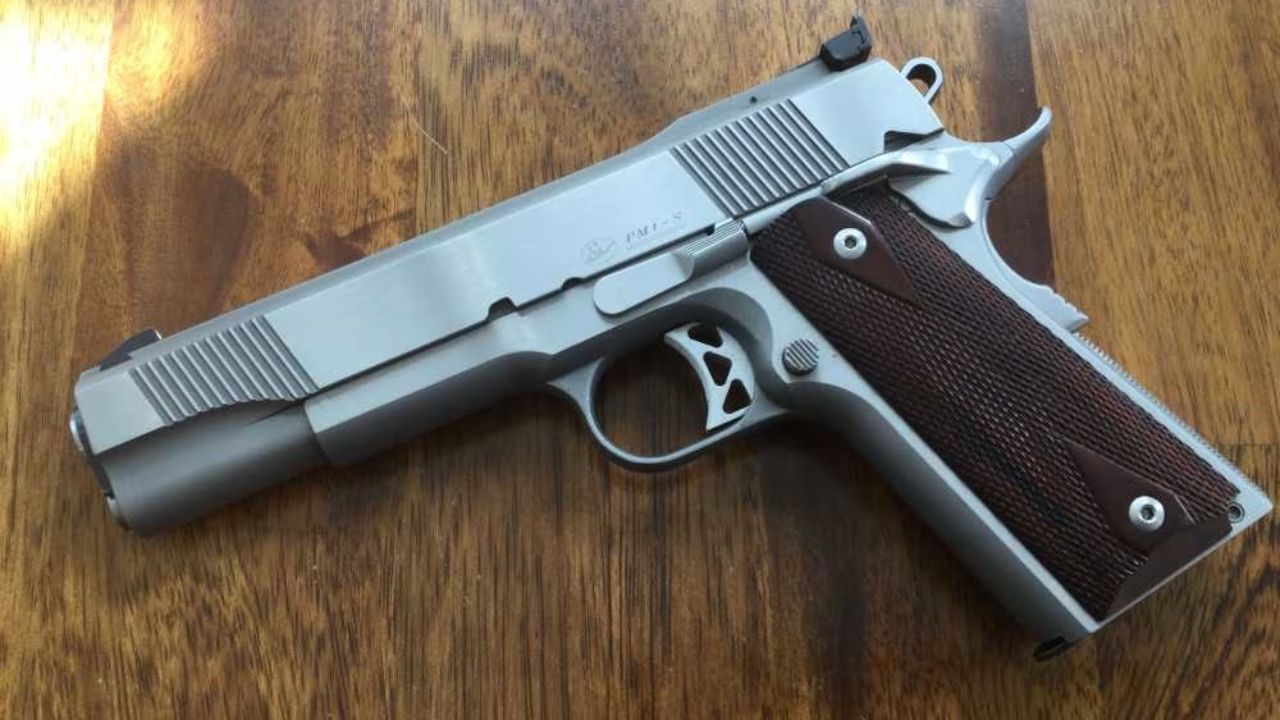
The Dan Wesson Pointman series earned respect the slow way. It didn’t always have the instant name recognition of Colt or Springfield among casual 1911 buyers, but serious shooters noticed the fit, accuracy, and value. Dan Wesson 1911s eventually became known for offering near-custom quality without jumping all the way into custom pricing.
The Pointman aged well because it focused on the things that matter in a 1911: a good barrel fit, clean trigger, solid sights, and consistent accuracy. It was not just a pretty pistol. It was built to shoot. As 1911 prices rose and buyers became more careful, older Dan Wessons started looking better and better. Owners who bought them before the broader market caught on usually ended up looking pretty smart.
KelTec P32

The KelTec P32 is not fancy, powerful, or confidence-inspiring in the way a large service pistol is. But it aged into respect because it solved a real carry problem before a lot of companies were paying attention. It was extremely light, very thin, and easy to carry when larger guns were not realistic.
A tiny .32 ACP pistol is a compromise, and nobody should pretend otherwise. But the P32’s mild recoil and true pocket size made it more shootable than many ultra-small .380s that came later. It became respected because owners realized the gun they actually carried mattered more than the bigger pistol left at home. In that narrow role, the P32 has aged better than a lot of people expected.
Like The Avid Outdoorsman’s content? Subscribe to our newsletter so you never miss an article.
Here’s more from us: