Photo credit: Northern Hills Trading Post/Youtube
Most of us didn’t set out looking for a “main” carry gun. We bought a small pistol for the glovebox, a light revolver for a quick run to the feed store, or something flat for summer. Then life happened: long days in the woods, climbing in and out of trucks, bending over fence lines, or just realizing you’re tired of leaving your serious gun at home because it’s a pain to carry.
What surprised me over the years is how often a so-called backup ends up being the one you actually trust, shoot well, and keep on you. Sometimes it’s because the big gun prints under a jacket. Sometimes it’s because the “little” one turns out to be more shootable than expected. Either way, these are the kinds of handguns that have a habit of moving from “nice to have” to “every day, every time.”
1. Glock 26
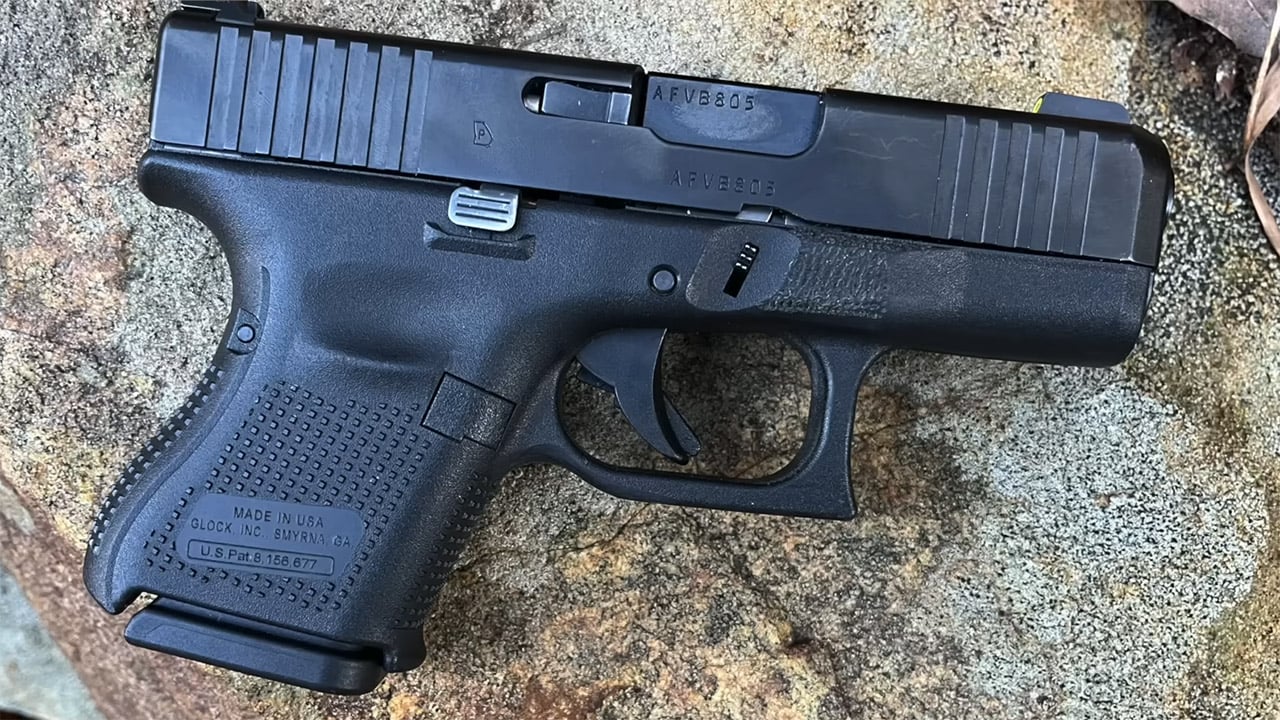
This one is the definition of boring that works. Folks buy a Glock 26 as a shorter version of the 19, then realize it carries easier in a truck seat and doesn’t jab them in the ribs when they’re climbing into a stand.
With good mags everywhere and the same simple manual of arms, it’s easy to practice with and easy to keep fed. Add a pinky extension or run a bigger spare mag, and it stops feeling like a compromise.
2. Smith & Wesson M&P Shield (9mm)

The original Shield has put in more real-world carry time than a lot of trendy pistols that came after it. It’s thin, it points naturally, and it doesn’t demand a whole new wardrobe to conceal.
It’s also one of those guns you’ll actually take to the range without grumbling. That matters. A “backup” that gets shot regularly turns into a primary without you even noticing.
3. SIG Sauer P365

Plenty of people bought the P365 thinking, “This is my warm-weather gun.” Then they ran a couple boxes through it and realized they were hitting like they do with a compact, not a pocket pistol.
Capacity changed the conversation. When a small gun carries like a single-stack but holds like a double-stack, it’s hard to justify dragging around something bigger unless you just like bigger.
4. Ruger LCR

The LCR is what you end up with after you get tired of pretending you’ll always dress around a gun. It drops in a pocket, rides in a chest rig while you’re running a chainsaw, and doesn’t care about lint.
Is it fun to shoot? Not really. But it’s reliable, simple, and snag-free. For a lot of outdoorsmen, that’s exactly why it becomes the one that’s always there.
5. Smith & Wesson J-Frame Model 642

The 642 has been a “last-ditch” revolver for decades, and it still earns its keep. Hammerless, light, and easy to live with, it’s a gun you can carry through sweat, dust, and a full day of chores.
I’ve seen guys go from “this is my pocket backup” to “this is my daily” the first time a semi-auto starts acting picky with ammo or gets grungy after a week on the farm.
6. Glock 43X
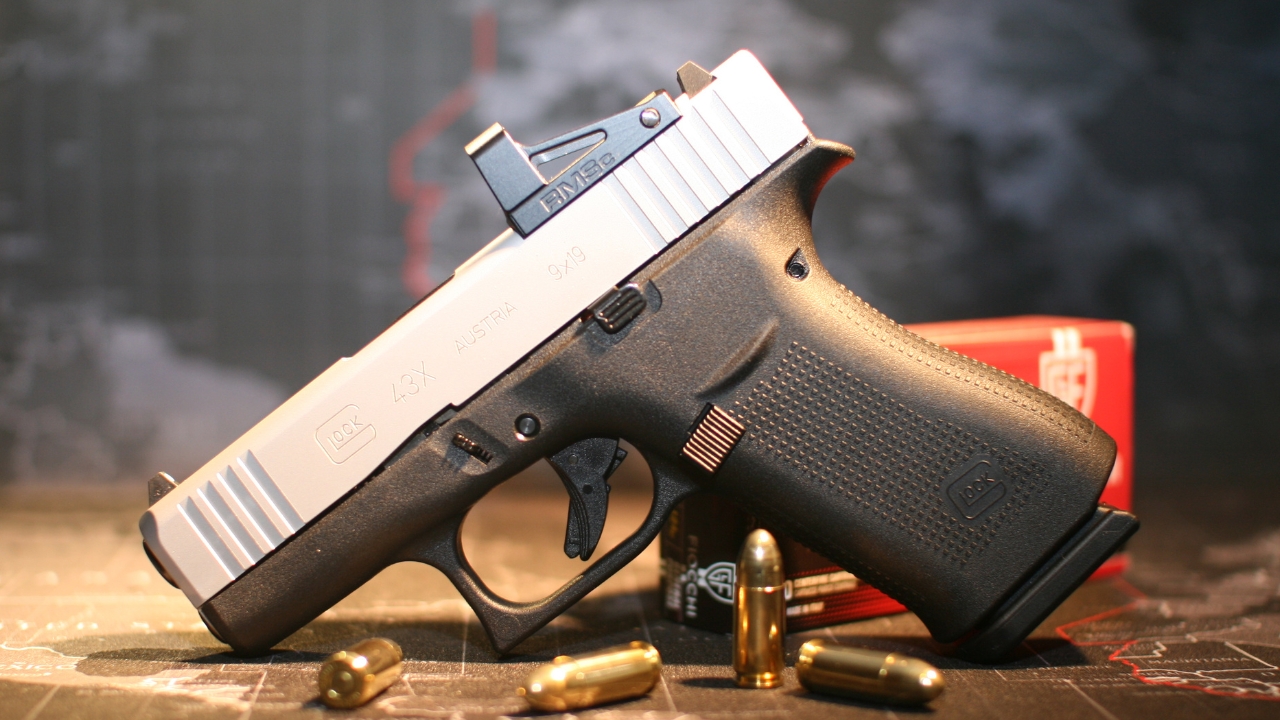
The 43X hits a sweet spot for hands that never loved tiny grips. It’s slim enough for concealment but long enough to control, and that turns practice into something you don’t dread.
It’s also simple to support with holsters, sights, and magazines. When a gun is easy to set up and easy to keep running, it has a way of taking over.
7. Springfield Armory Hellcat

The Hellcat came out swinging in the micro-compact world, and it stuck because it shoots flatter than its size suggests. It’s one of those pistols that surprises you once you start working from concealment.
For a lot of folks, the decision was simple: if the little gun runs and you’re confident with it, why wrestle a thicker pistol all summer?
8. Ruger SP101 (2.25″)
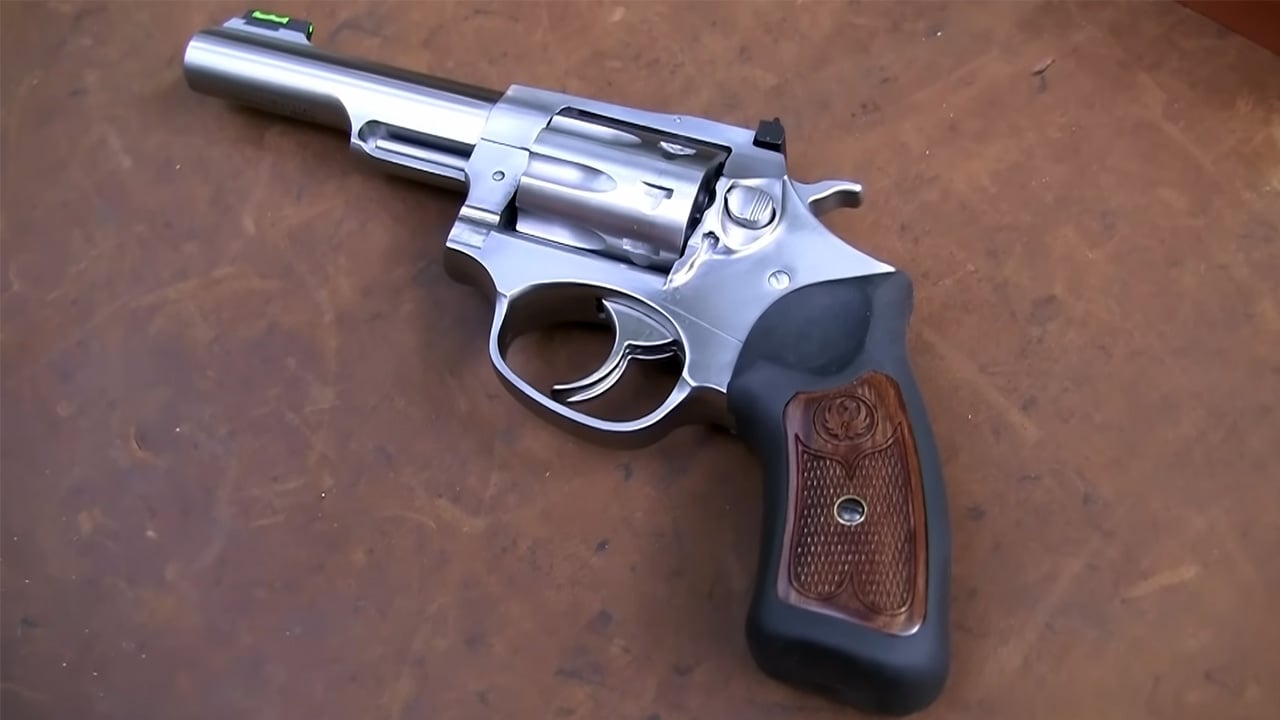
The SP101 is not light. That’s the complaint. It’s also why it shoots better than most small revolvers, especially with real defensive loads.
As a “backup,” it rides in a coat pocket or truck console. As a primary, it ends up on a belt when you’re in rough country because it’s tough, simple, and doesn’t care about neglect.
9. SIG Sauer P239
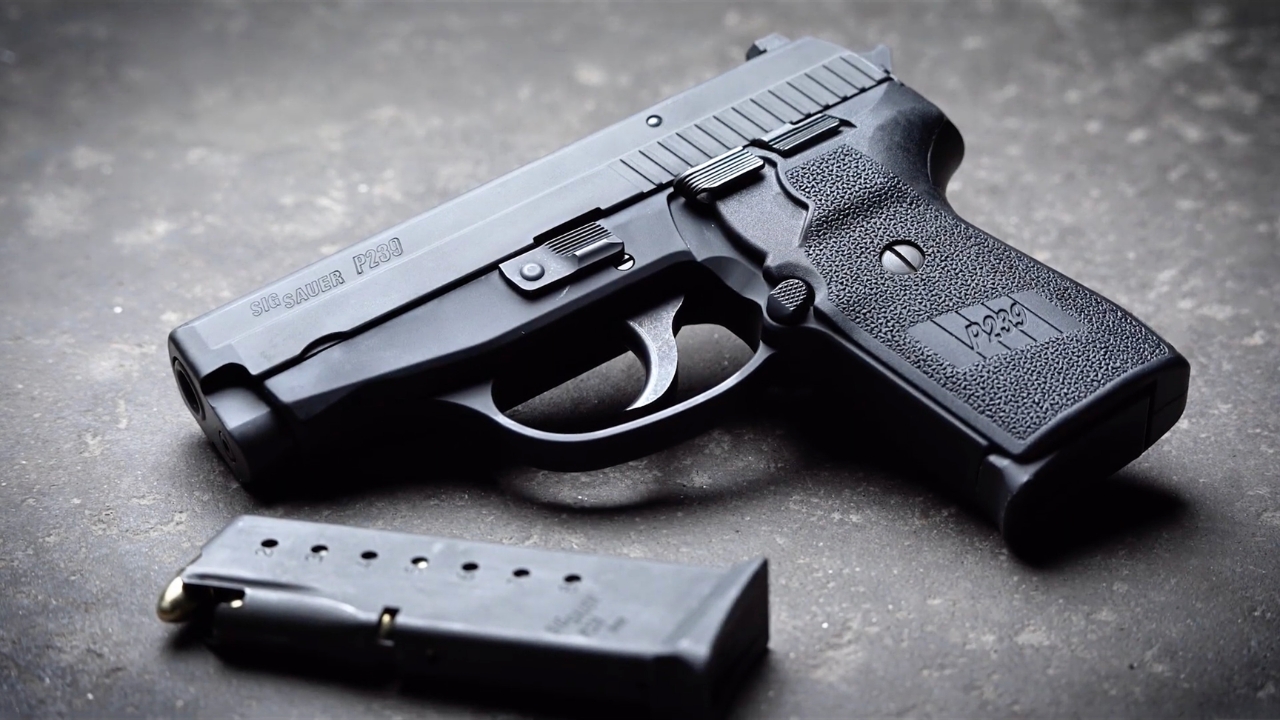
The P239 is one of those “they don’t make them like that anymore” guns. Single-stack, metal-framed, and smooth, it was often bought as a slim alternative to a duty pistol.
Then folks realized it carries like a compact but feels like a real pistol when you shoot it. The downside is parts and magazines aren’t as everywhere as polymer guns, so if you’ve got one, take care of it.
10. Glock 42
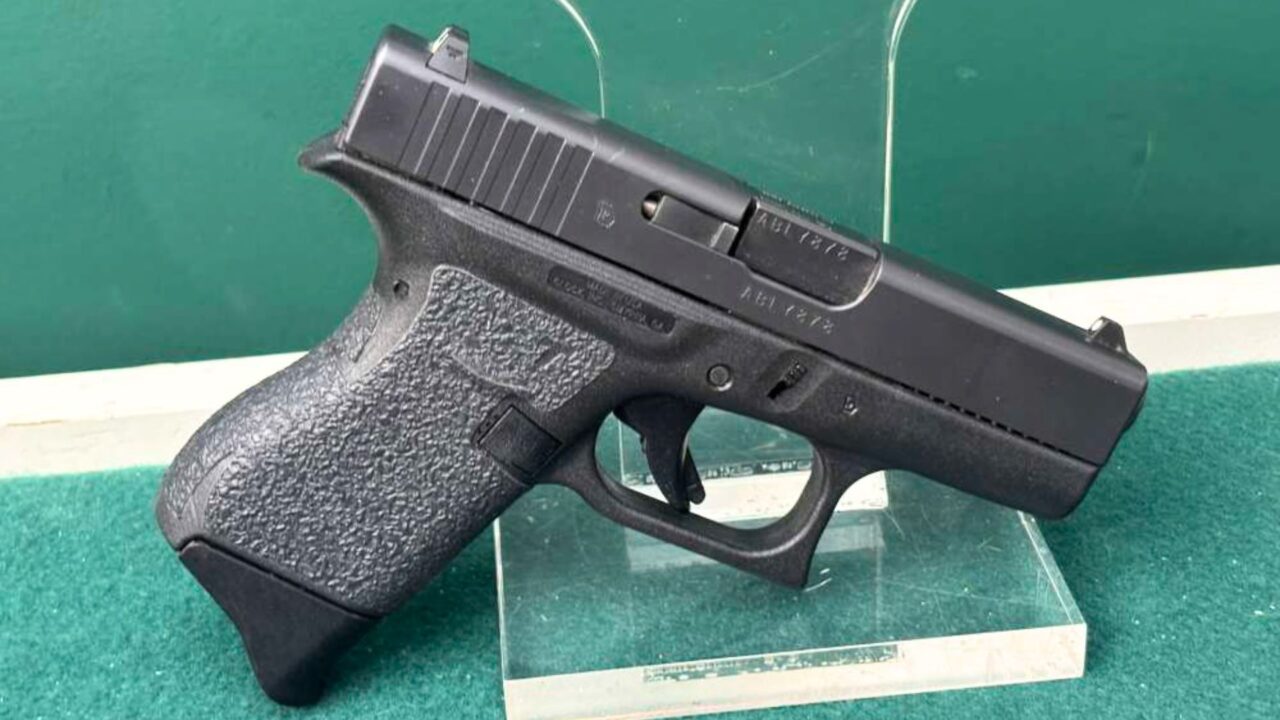
For some hands, the Glock 42 is the first small gun that’s actually controllable. It’s soft-shooting, easy to rack, and it doesn’t beat you up in practice.
If you’ll practice with it, you’ll carry it. And if you carry it consistently, it becomes the main gun even if you swore you were only buying it for “quick trips.”
11. Beretta 3032 Tomcat

The Tomcat is a niche gun that works for a niche problem: deep concealment with easy loading thanks to the tip-up barrel. It’s not a high-speed option, and it’s not for everybody.
But I’ve watched it become a daily for folks with hand strength issues or those who just want something that disappears. When a gun is the one you can actually run confidently, it stops being a backup.
12. Colt Detective Special
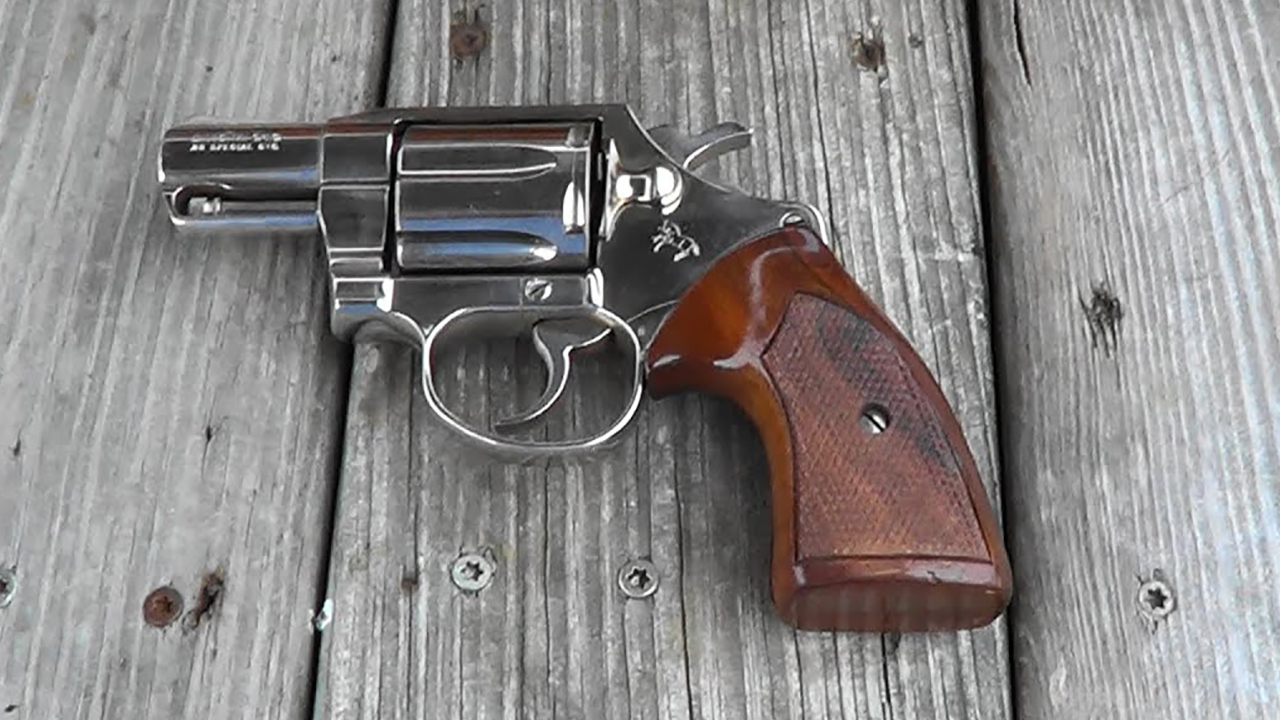
Old-school snub revolvers still get carried for one reason: they work, and they carry well. The Detective Special has a feel to it that a lot of modern guns just don’t.
It’s heavier than an alloy snub, but it points nice and the trigger can be excellent. The catch is you don’t want to beat up a clean one, and replacing it later can sting.
13. Ruger Security-9 Compact
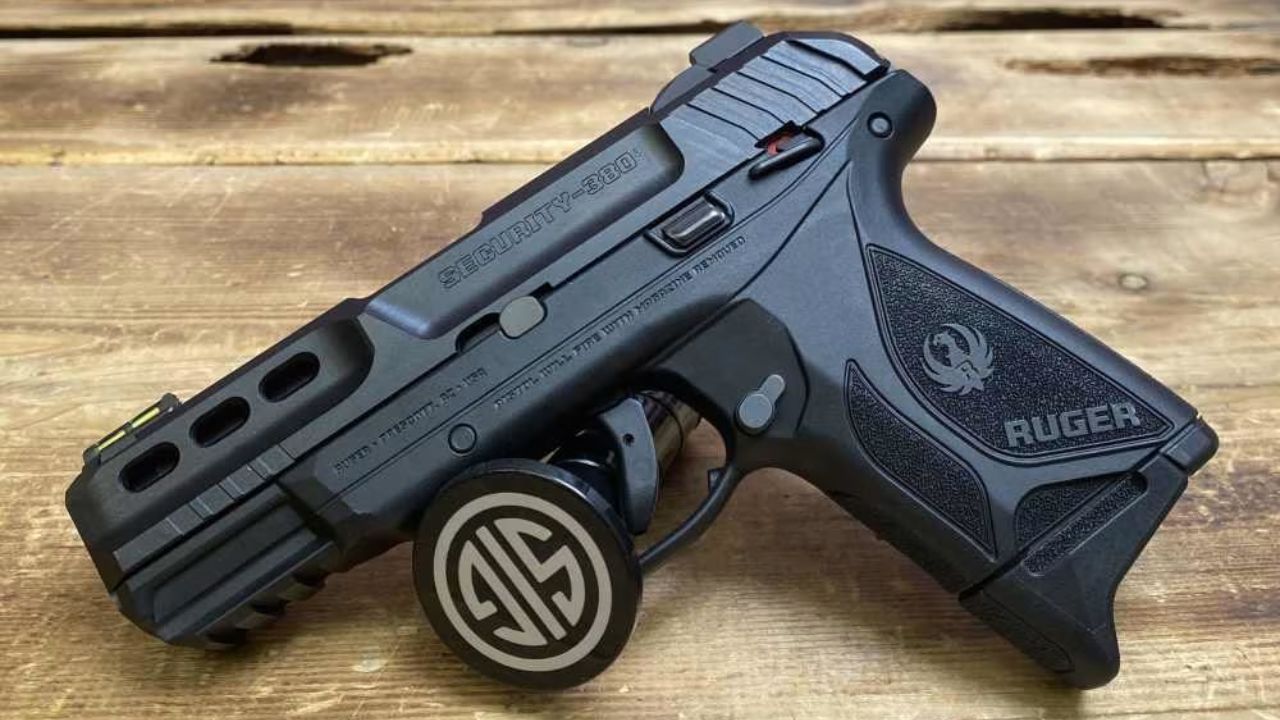
This is one of those sleeper pistols that gets bought because the price is right. Then it runs. And runs. And the owner starts wondering why they were chasing pricier options.
It’s not fancy, and the trigger won’t make you write poetry. Still, it carries comfortably and tends to be dependable. That’s enough for it to graduate from “spare” to “regular.”
14. Smith & Wesson Model 10 (2″ or 3″)

A K-frame as a backup sounds odd until you actually carry one in the right holster. The Model 10 is slim through the cylinder, balances well, and has a trigger that makes you look like a better shot than you are.
For woods bumming and around-the-place carry, it’s steady and forgiving. It’s also a reminder that “old and heavy” is not automatically bad if it shoots like a dream.
15. CZ 75D PCR Compact
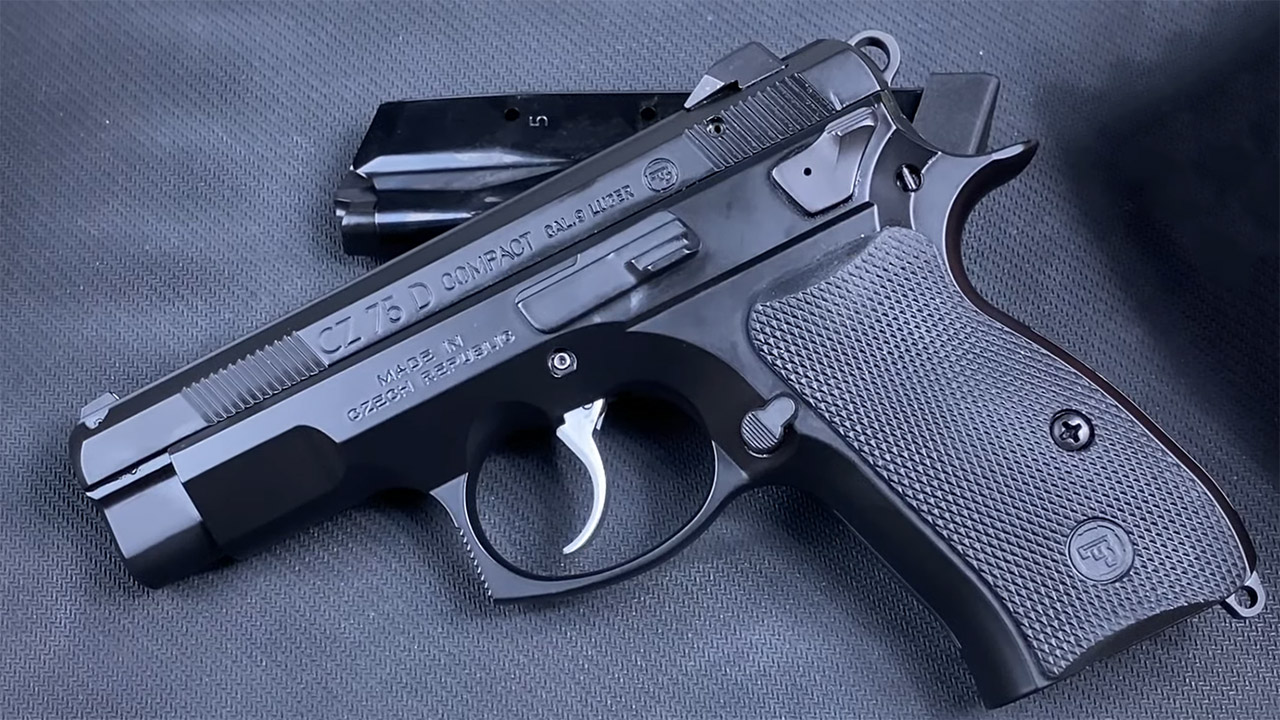
The PCR is one of those pistols that people buy on a whim because they handled one and it just fit. Then they take it to the range and the recoil impulse feels like it’s on rails.
Yes, it’s thicker and heavier than a micro-9. But it carries well with a good belt, and the shootability makes it easy to trust as your main gun.
16. Walther PPS M2

The PPS M2 often gets overlooked because it’s not the newest thing anymore. That’s a shame. It’s slim, accurate, and has that Walther “points where you look” feel.
A lot of these started life as “dress gun” options, then became daily because they’re just easy to live with. If you can find mags and support gear, they’re still a solid choice.
17. Kimber K6s (2″)

I get why people hesitate at the price. Still, the K6s is one of the few small revolvers that feels like it was built for someone who actually shoots. The trigger is usually good, and the sights are usable.
When a snub carries like a snub but shoots closer to a bigger gun, it earns more belt time. For some, it becomes the “everywhere gun,” not the “just in case” gun.
18. HK P30SK
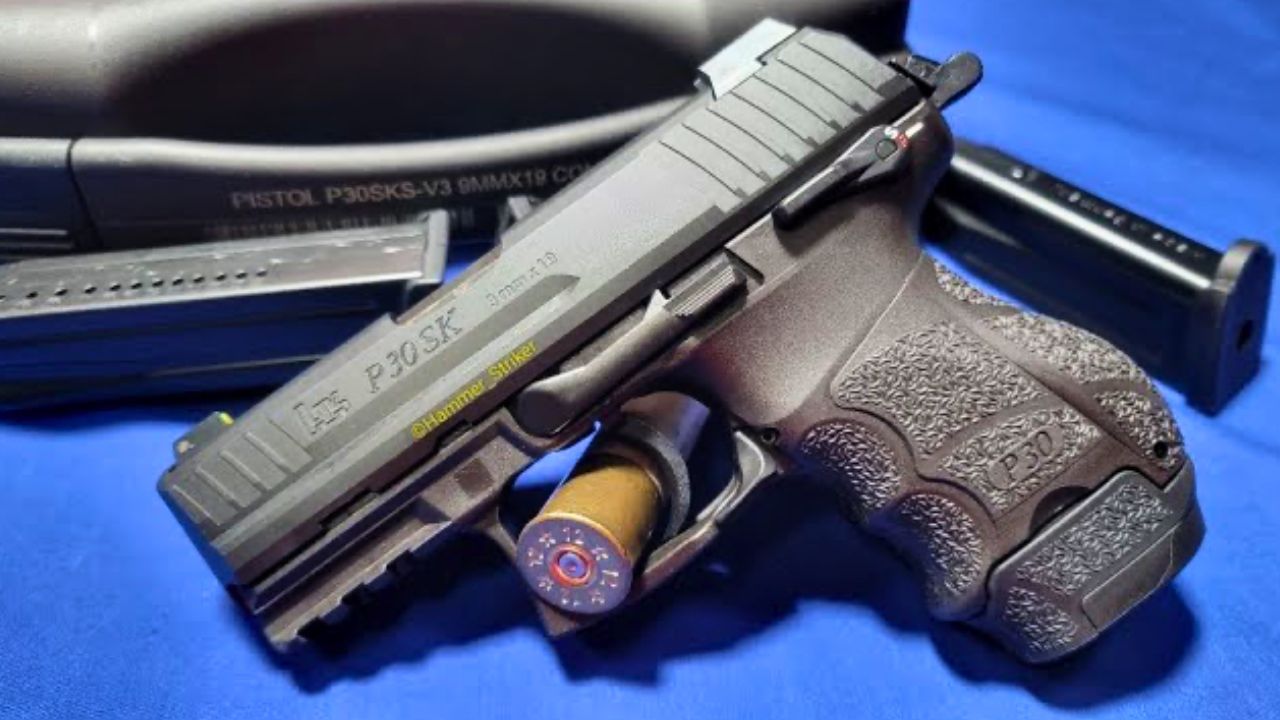
HKs have a way of making you forget what you paid once you’ve put rounds through them. The P30SK is chunky for its size, but the grip and ergonomics can be outstanding.
It’s also a pistol that tends to run no matter what, which is what you want if you’re carrying in sweat, dust, and weather. Not everyone loves the trigger, but plenty of folks learn it and stick with it.
19. Smith & Wesson Model 60 (3″)

The 3-inch Model 60 is the snub revolver that doesn’t feel quite so “snubby.” Better sight radius, a little more weight out front, and it rides on the belt like it belongs there.
These often start as a trail gun or a “woods backup,” then become the daily because they’re accurate enough to matter and still compact enough to actually carry.
20. SIG Sauer P938
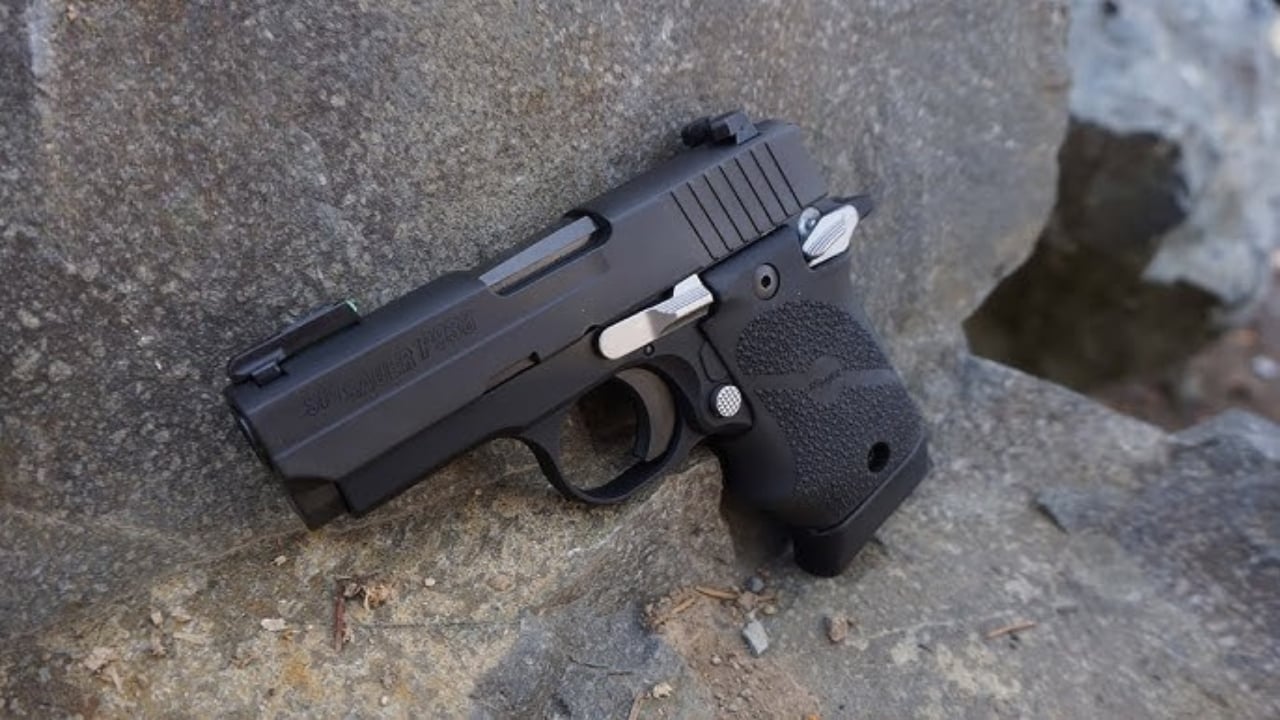
The P938 is small, sharp, and easy to conceal, but it also asks more of the shooter than a bigger gun. Carried cocked-and-locked, it’s a serious little pistol that rewards a steady routine.
Where it shines is when you want a small gun that still feels like a real handgun in the hand, not a tiny plastic brick. If you’ll practice with the manual safety and run quality magazines, it’s easy to see how it ends up as the main carry.
The funny part is how predictable this whole progression is. Once you find a handgun that carries without drama, shoots where you point it, and doesn’t act up when it’s dirty or sweaty, you stop rotating. You settle. And for an everyday carry gun, “settling” is not a bad thing at all.
Like The Avid Outdoorsman’s content? Subscribe to our newsletter so you never miss an article.
Here’s more from us: