Photo credit: Academy Sports
Even the best firearm companies occasionally get one wrong. A respected brand can spend decades building reliable rifles, pistols, and shotguns, then release a model that feels unfinished, solves the wrong problem, or simply cannot compete with less expensive alternatives. A famous name may convince buyers to take the first chance, but it cannot make them ignore poor ergonomics, questionable reliability, or disappointing performance forever.
Calling these the worst guns from great brands does not mean every example failed or every owner hates them. Some worked perfectly, and a few still have dedicated fans. The problem is that each model fell noticeably short of what shooters expected from the company behind it. When a manufacturer has already proven it can build excellent firearms, an average gun can feel like a much bigger disappointment.
Remington R51
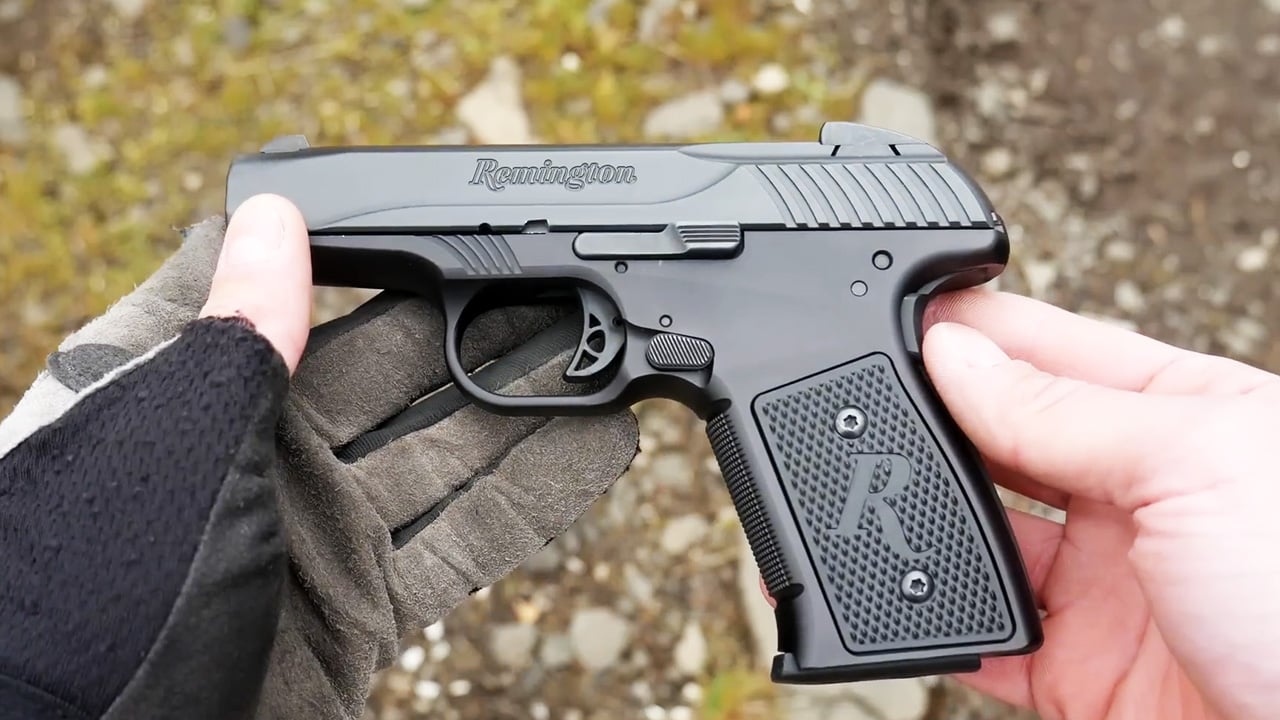
Remington had one of the strongest names in American firearms when it introduced the R51. The compact 9mm was supposed to offer a thin metal frame, manageable recoil, and a low bore axis in a concealed-carry package. It also revived the unusual hesitation-locked operating system associated with the older Remington Model 51, giving the pistol more mechanical personality than another polymer striker-fired design.
The launch quickly turned into a serious problem. Early pistols developed a reputation for rough operation, difficult disassembly, poor fit, and reliability complaints. Remington eventually recalled the original production guns and released a revised version, but the damage had already been done. Buyers who expected a polished carry pistol from one of America’s most recognized manufacturers instead received a gun surrounded by doubt. The R51 remains one of the clearest examples of a promising concept being pushed into the market before it was ready.
Colt All American 2000
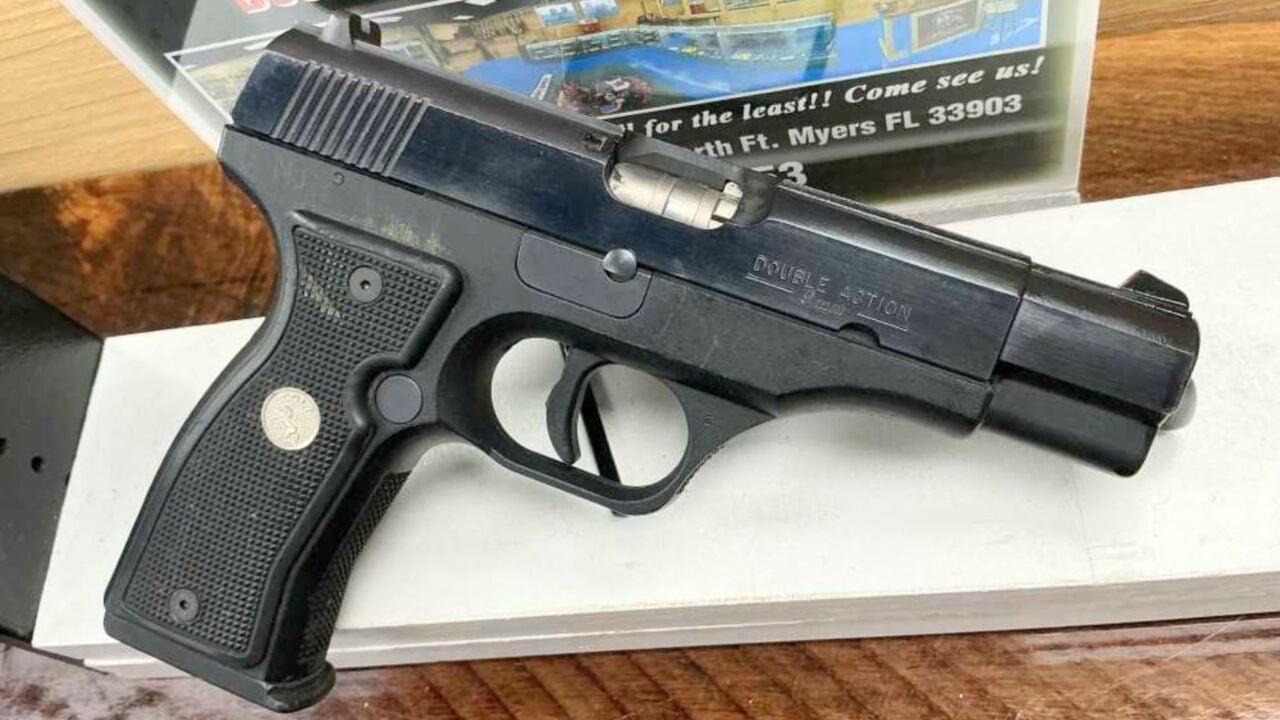
The Colt All American 2000 was meant to help Colt compete in the growing market for modern high-capacity 9mm pistols. The design had serious talent behind it and used a rotating-barrel system at a time when most American shooters were becoming interested in newer semi-automatic service pistols.
The finished gun did not live up to the promise. Shooters criticized its heavy trigger, disappointing accuracy, awkward feel, and lack of refinement. It entered a market where Glock, SIG Sauer, Beretta, and Smith & Wesson already offered proven alternatives. The Colt name was not enough to overcome the pistol’s weaknesses, and production ended after only a short run. Today it is interesting mainly because of its place in Colt history. As a practical handgun, it showed how far the company had fallen behind its competitors in the modern service-pistol market.
Smith & Wesson Sigma

Smith & Wesson created the Sigma to compete directly with the rapidly growing popularity of Glock pistols. It used a polymer frame, striker-fired action, and a simple duty-oriented layout. On the surface, it appeared to give buyers a familiar modern design from one of America’s largest handgun manufacturers.
The problem was that many Sigma pistols became known for extremely heavy triggers and a shooting experience that felt crude beside the competition. The design also became tied to a legal dispute with Glock, which only added to the sense that Smith & Wesson had rushed to imitate a successful formula instead of developing something better. Later versions improved, and the platform eventually contributed to more successful budget pistols. The original Sigma, however, remains remembered as a low point between Smith & Wesson’s classic metal handguns and the far better M&P series.
Ruger P85
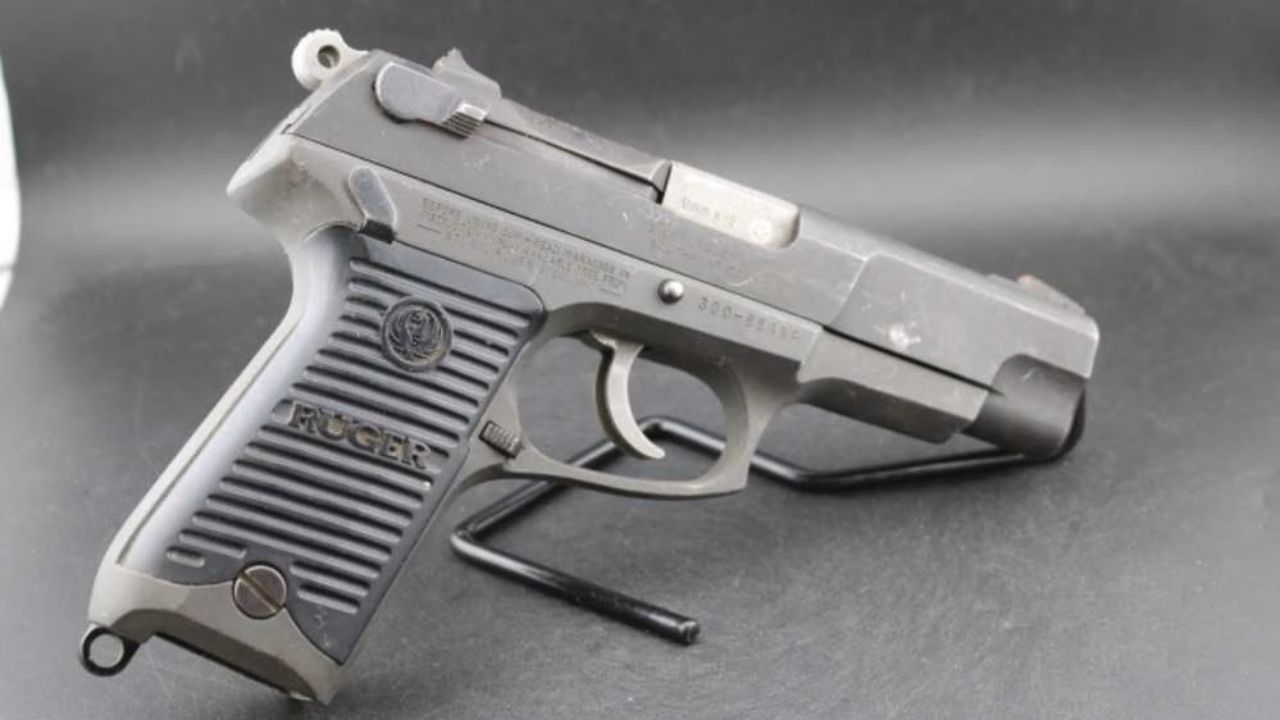
The Ruger P85 was an important gun for the company because it marked Ruger’s serious entry into the high-capacity service-pistol market. It was built to be durable, affordable, and capable of competing for military and law enforcement attention. In typical Ruger fashion, the pistol was strong and not especially delicate.
Strength alone did not make it pleasant. The P85 was bulky, blocky, and less refined than competing pistols from Beretta, SIG Sauer, and Smith & Wesson. Early examples were also affected by a safety-related recall that led to the revised P85 Mark II. The later Ruger P-series pistols developed a reputation for reliability and value, but the P85 showed the rough edges of a company learning a new category. It was not useless, but it felt more like a durable first attempt than a finished service pistol from a major manufacturer.
SIG Sauer Mosquito

The SIG Sauer Mosquito looked like an ideal rimfire training pistol. It resembled a smaller centerfire SIG, used familiar controls, and offered an affordable way for shooters to practice without burning through expensive ammunition. Buyers expected a .22 pistol carrying the SIG name to be dependable and well sorted.
Many owners instead found a pistol that could be highly sensitive to ammunition, lubrication, and recoil-spring selection. Some examples ran acceptably with high-velocity loads, while others produced frequent failures that made range sessions frustrating. Rimfire pistols can be ammunition-sensitive, but the Mosquito developed that reputation more strongly than many competitors. Its appearance helped sell it, yet shooters often discovered that a Ruger Mark-series pistol, Browning Buck Mark, or even less expensive rimfire handgun provided a more satisfying experience.
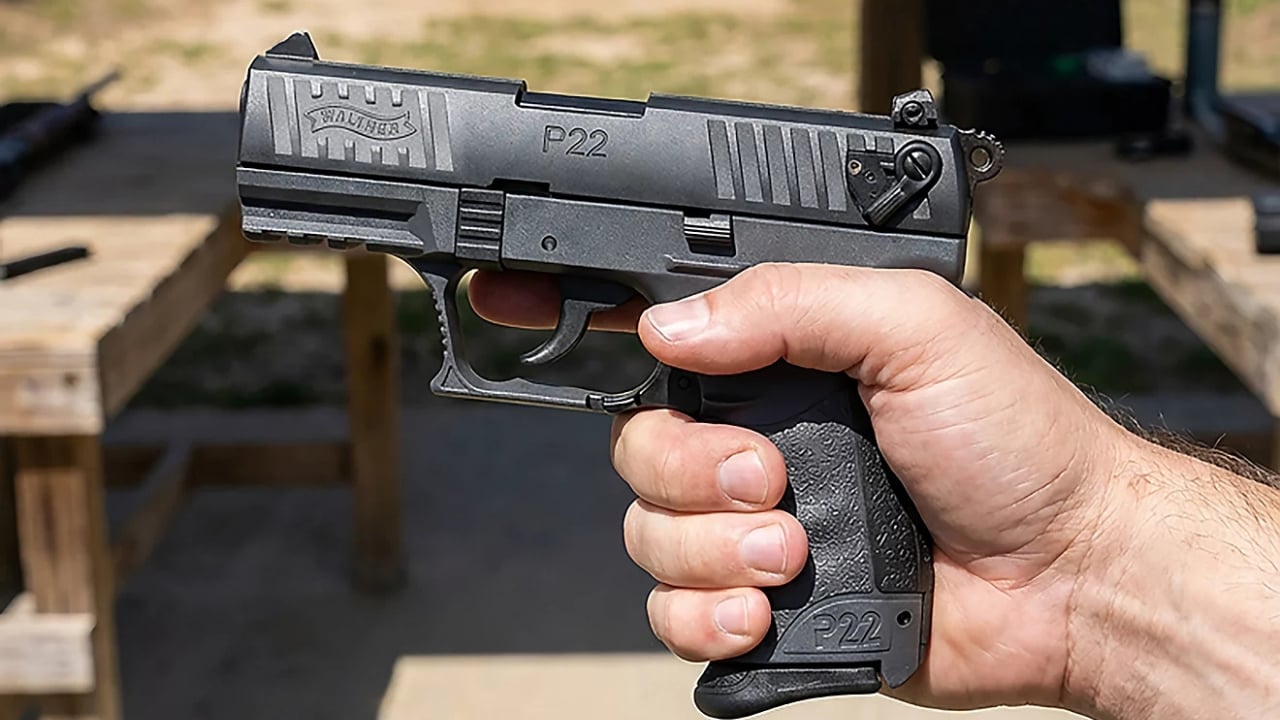
Walther P22

The Walther P22 became extremely popular because it looked like a compact tactical pistol rather than a traditional target-oriented .22. It had interchangeable grip components, modern styling, and the Walther name on the slide. For newer shooters, it appeared to be an easy and affordable entry into handgun ownership.
The reality was more uneven. Some P22 pistols ran reliably, while others developed reputations for ammunition sensitivity, slide wear, inconsistent functioning, and mediocre accuracy. The small size also made it feel more like a scaled-down novelty pistol than a serious training substitute for a full-size centerfire handgun. Walther has produced some of the finest duty and target pistols in the world, which made the P22’s mixed reputation more disappointing. It sold well because it looked right, but many experienced shooters found better rimfire choices once they compared performance.
Beretta Nano
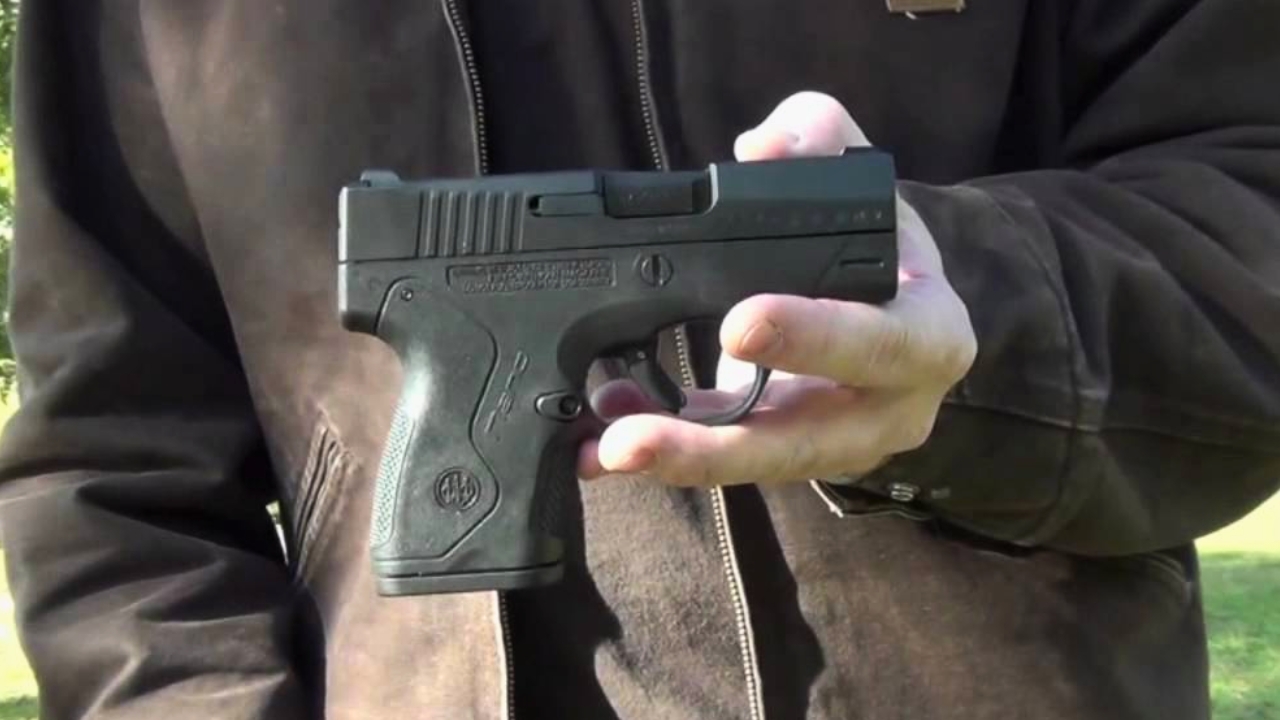
The Beretta Nano arrived during the early wave of slim single-stack 9mm carry pistols. It offered a snag-free exterior, a removable serialized chassis, and the reliability expectations associated with the Beretta name. Its smooth shape made it easy to conceal, and the lack of prominent external controls helped prevent clothing from catching during the draw.
Once shooters spent time with it, the compromises became clearer. The trigger was long, the grip was short and slick, and the pistol felt harder to shoot well than several competitors. Some owners also reported extraction and ammunition-related issues, particularly with lighter loads. The Nano was not universally unreliable, but it never developed the trust or popularity Beretta likely hoped for. The company later found greater success with newer compact designs, while the Nano quietly became another early carry pistol overtaken by better options.
FN FNP-45 Tactical
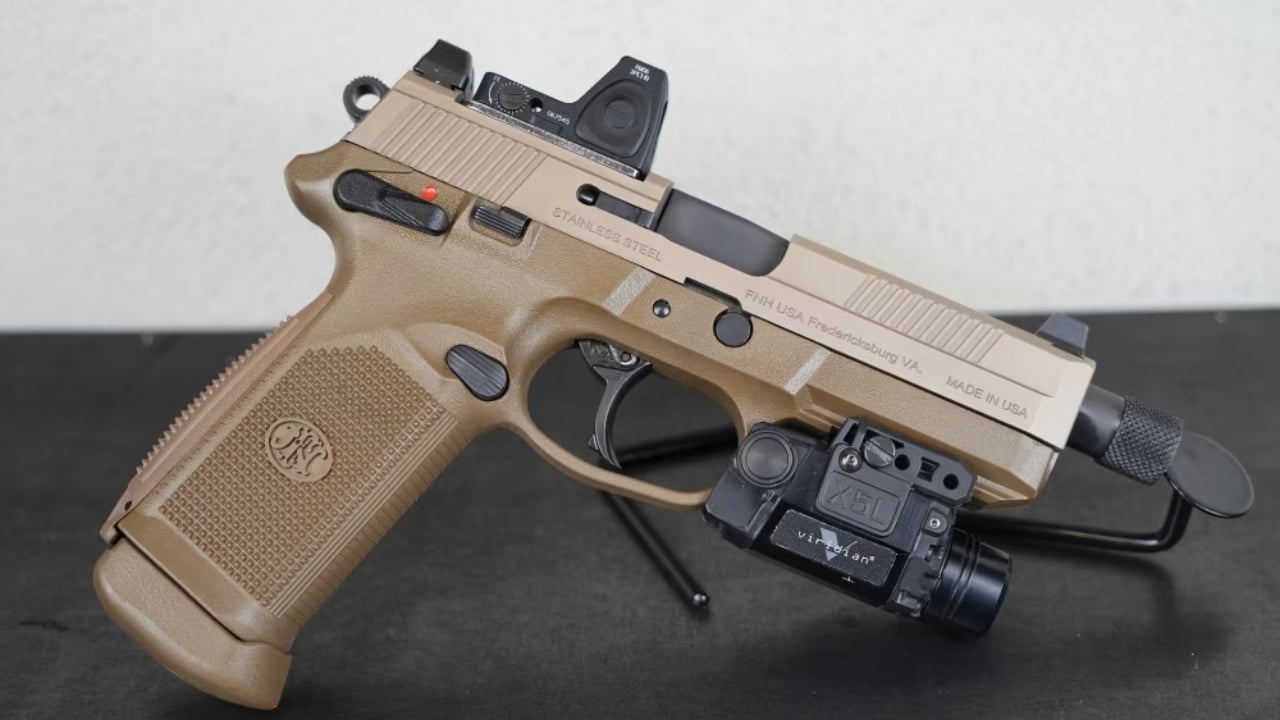
The FN FNP-45 Tactical looked like the ultimate high-capacity .45 ACP pistol. It offered a threaded barrel, tall sights, an optic-ready slide, and a large magazine capacity at a time when few factory pistols combined all those features. It also carried the FN name, giving it military-style credibility and immediate appeal among enthusiasts.
The problem was not that the gun lacked capability. It was that the pistol was enormous, expensive, and awkward for many shooters to handle. The grip circumference could feel excessive even in average-sized hands, and the gun was difficult to carry or use outside a narrow tactical or range role. Later versions of the platform improved the overall package, but the FNP-45 Tactical often felt like a collection of desirable features assembled without enough concern for size or balance. It was impressive on paper and much less appealing on the belt.
Kimber Solo
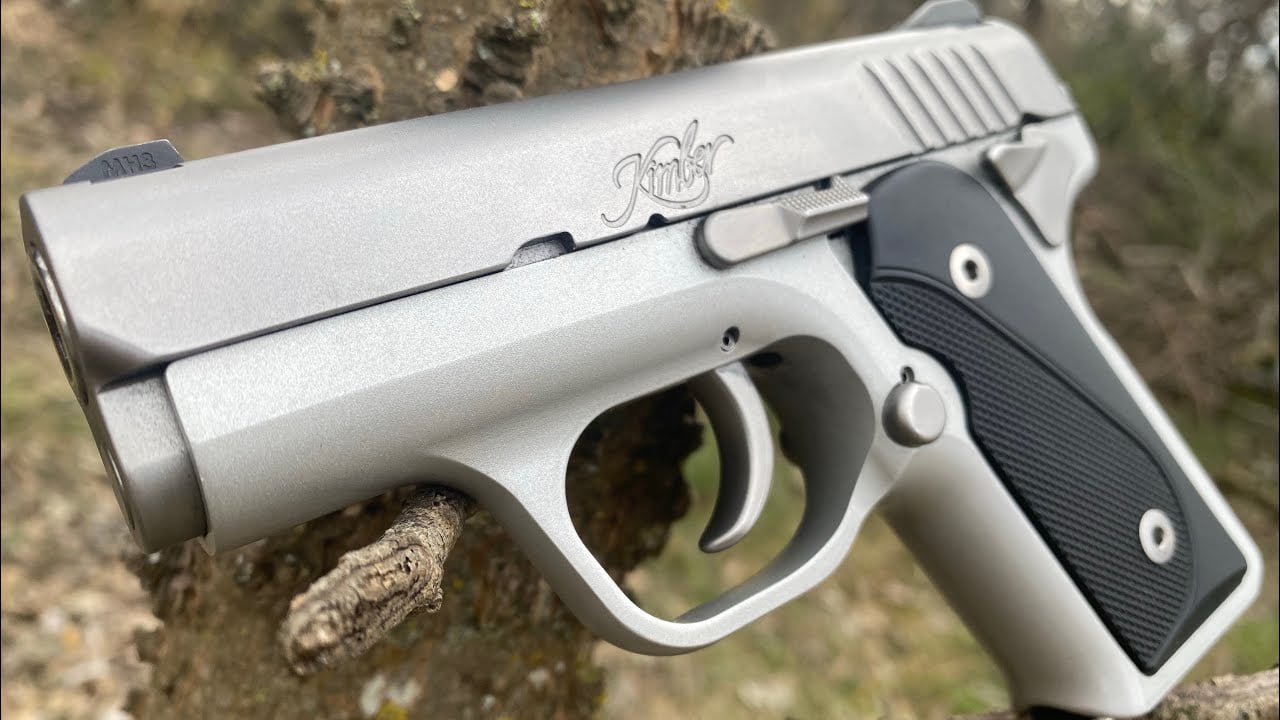
Kimber entered the small 9mm carry market with a pistol that looked more refined than most of the polymer competition. The Solo had a metal frame, smooth exterior, attractive machining, and the kind of premium presentation buyers expected from Kimber. It seemed like a higher-end alternative to the basic pocket pistols available at the time.
The gun quickly became known for being extremely particular about ammunition. Kimber recommended specific premium loads, which was a difficult limitation for a defensive pistol that owners expected to practice with regularly. Reports of feeding and extraction problems damaged confidence, and the pistol’s high price made those issues harder to excuse. A carry gun should inspire trust with a broad range of suitable ammunition. The Solo instead left many shooters feeling that they had paid extra for good looks and received a pistol that required too much attention.
Springfield Armory XD-E
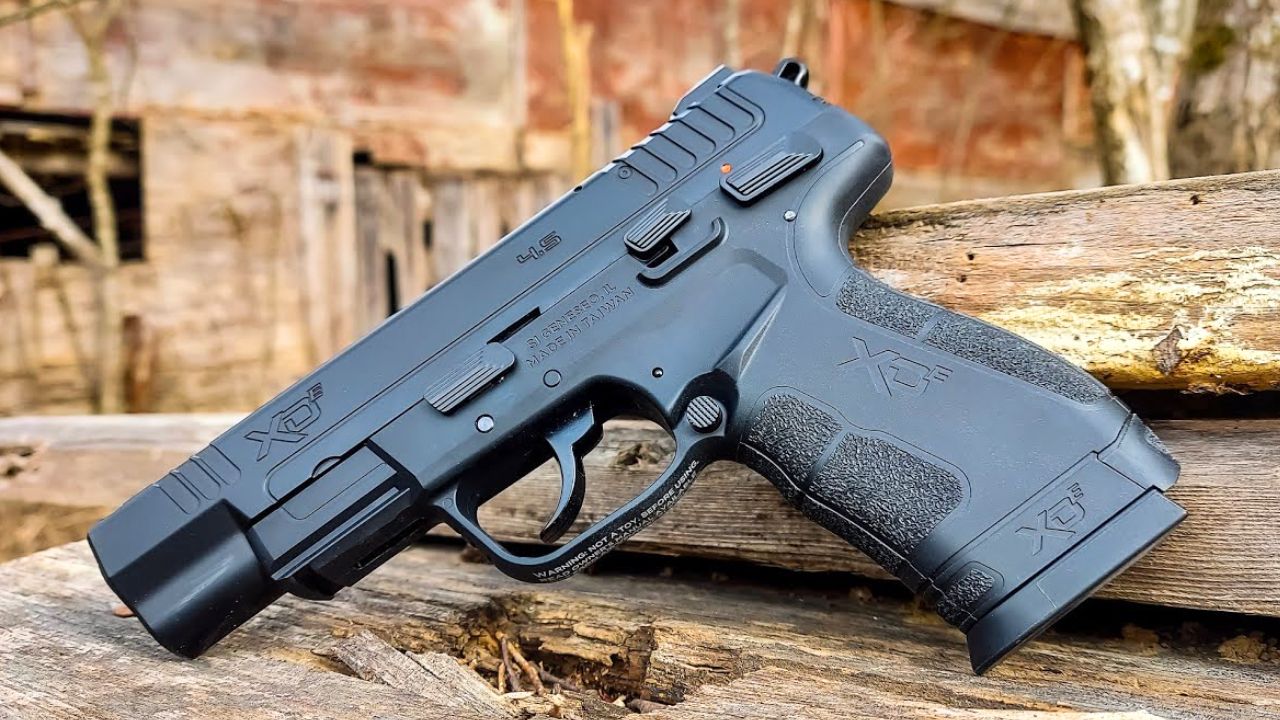
The Springfield XD-E attempted to bring a traditional double-action and single-action trigger system to the slim concealed-carry market. That made it different from the flood of striker-fired pistols dominating store shelves. It also gave buyers an exposed hammer, decocker, and second-strike capability in a relatively compact package.
The concept was more appealing than the execution for many shooters. The pistol was tall, somewhat awkward in the hand, and no longer especially competitive in capacity once newer micro-compacts arrived. Its controls added complexity without delivering enough of the smooth shooting experience found in larger hammer-fired pistols. The XD-E was not a badly made handgun, but it occupied a middle ground few buyers actually wanted. Shooters who preferred striker-fired simplicity had better options, while fans of traditional double-action pistols often wanted something larger and more refined.
Glock 36

The Glock 36 was designed as a slim, single-stack .45 ACP for concealed carry. At the time, it offered a thinner alternative to the Glock 30 and gave shooters a familiar Glock operating system in a relatively compact package. Loyal Glock owners had good reason to be interested.
The pistol never achieved the same reputation as the company’s 9mm models. Capacity was limited, the grip felt unusual to some shooters, and recoil could be sharp for a gun that did not feel especially small compared with newer carry options. It also shared fewer parts and magazines with the rest of the Glock lineup, reducing one of the brand’s normal advantages. The Glock 36 can be dependable and accurate, but it is difficult to argue that it represents Glock at its best. Even within the company’s own catalog, other models usually make more sense.
Browning BDM
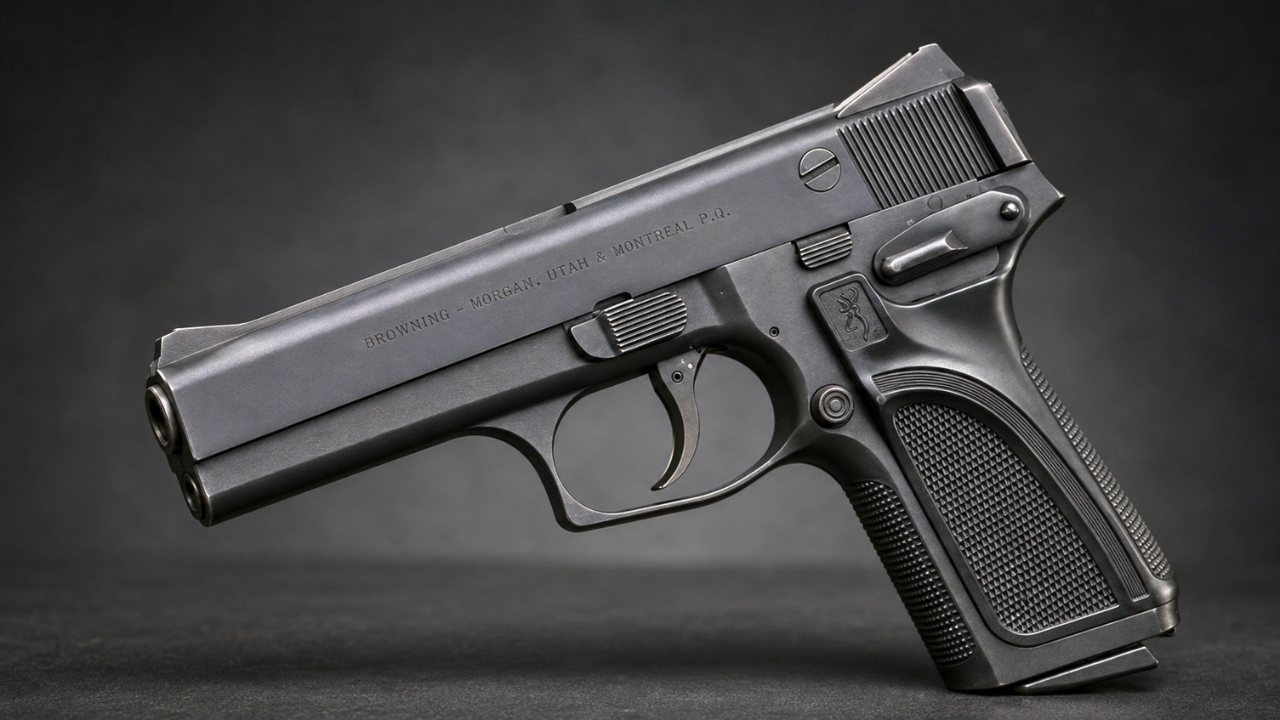
The Browning BDM was one of the thinnest full-size double-stack 9mm pistols of its period. It offered a 15-round magazine, a low-profile slide, and an unusual selector system that allowed the user to change how the trigger operated. On paper, it seemed like an advanced service pistol from a legendary firearms company.
The selector system also made the pistol confusing. Shooters could encounter different trigger behavior depending on the setting, and the controls were less intuitive than those of established competitors. The BDM entered an already crowded market and never gained enough law enforcement or civilian support to build momentum. It was not inaccurate or poorly manufactured, but it tried to solve too many problems at once. Browning’s name is associated with some of the most influential handgun designs ever made, which made the BDM’s brief and forgettable production run feel especially disappointing.
Mossberg MC1sc

Mossberg is one of the most respected shotgun manufacturers in America, but the MC1sc marked its return to the handgun market after a very long absence. The slim 9mm entered a category already packed with proven choices, and Mossberg promoted its clear magazines, flat profile, and straightforward concealed-carry design.
The pistol was generally functional, but it struggled to give buyers a compelling reason to choose it. Capacity was ordinary, aftermarket support was limited, and the takedown process included features many shooters viewed as unnecessarily complicated. It did not offer the brand familiarity of Glock, the capacity of later micro-compacts, or the price advantage of established budget guns. The MC1sc’s biggest problem was not catastrophic failure. It was being forgettable in the most competitive handgun segment in the country.
Remington RP9
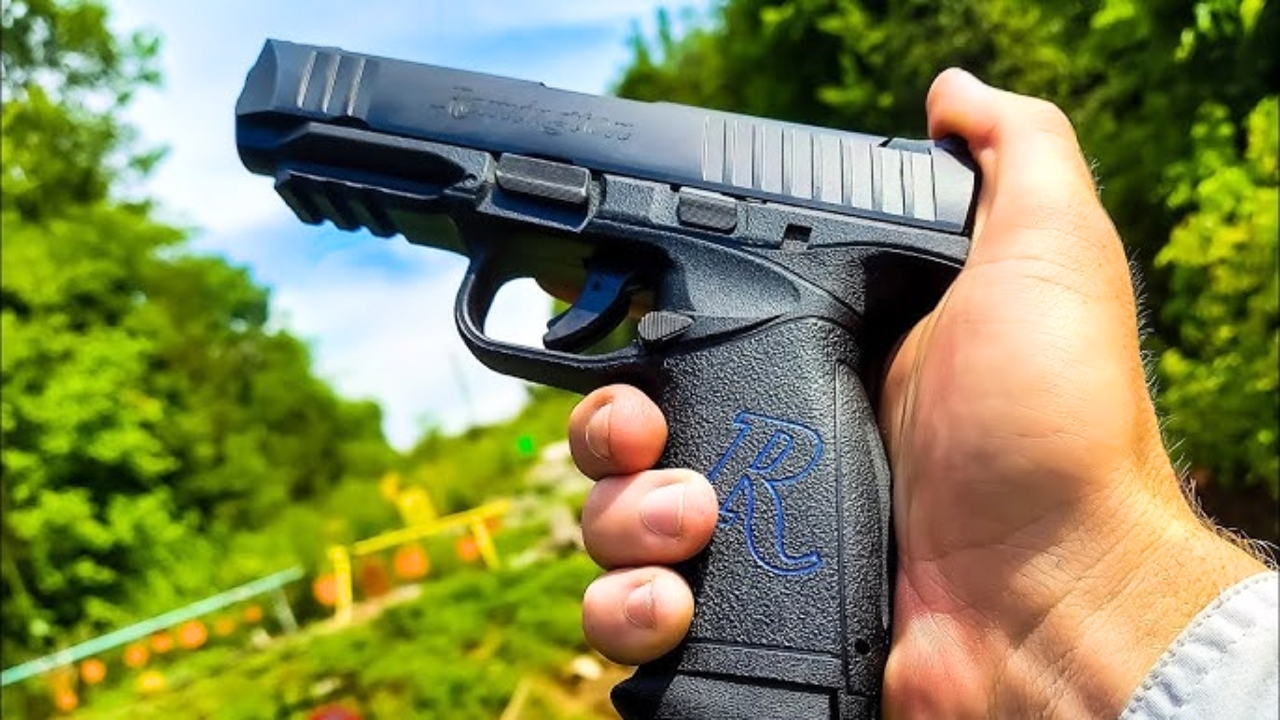
The Remington RP9 was intended to give the company a full-size, high-capacity striker-fired pistol that could compete for defensive, duty, and range use. It offered an 18-round magazine, aggressive grip texture, interchangeable backstraps, and a price that undercut many established service pistols.
Unfortunately, the RP9 arrived during a period when confidence in Remington’s handgun development was already weak. The pistol was large, top-heavy, and less refined than the best guns in its class. Some shooters encountered reliability concerns, while others simply found the trigger and overall handling unimpressive. It may have worked acceptably for many owners, but acceptable was not enough in a market dominated by mature platforms. The RP9 felt like Remington was trying to catch up rather than introducing a gun that moved the category forward.
Taurus Curve
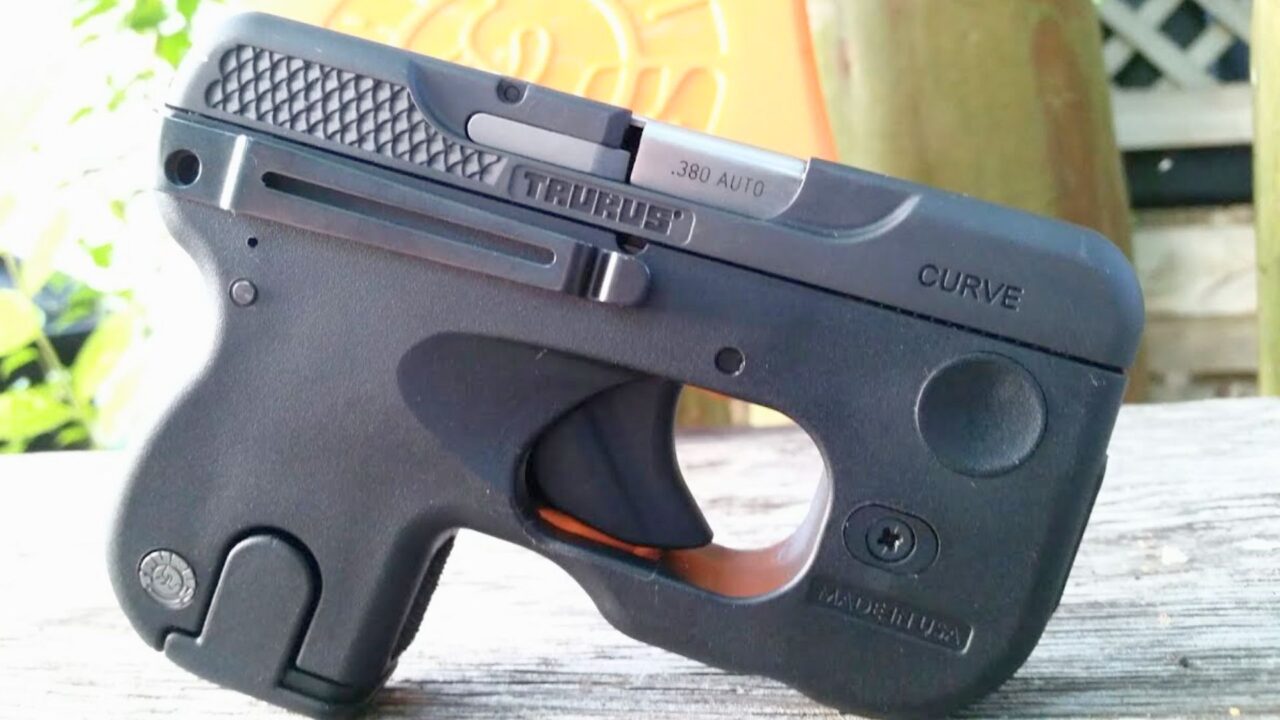
Taurus has produced several affordable revolvers and semi-automatic pistols that earned strong followings. The Curve, however, became an example of a manufacturer allowing novelty to drive the entire design. Its polymer frame was physically curved to follow the body, and some versions included an integrated light and laser.
The unusual shape made the pistol memorable, but it also created practical problems. It lacked conventional sights, felt strange in the hand, and was difficult for many shooters to fire accurately. The curved design also favored one side of the body, reducing flexibility in how it could be carried. Taurus attempted to solve printing and concealment issues in a completely different way, but the solution introduced more compromises than it removed. The Curve attracted attention immediately and then gave shooters few reasons to keep talking about it.
Heckler & Koch VP70

The HK VP70 deserves historical credit as one of the first production pistols to use a polymer frame. It was introduced years before the Glock 17 and showed that a major manufacturer was willing to rethink traditional handgun construction. Its futuristic appearance and unusual design make it fascinating to collectors today.
As a shooter, however, the VP70 had severe weaknesses. The trigger was famously heavy and difficult to use well, the sights were unconventional, and the overall handling felt crude beside later polymer pistols. Military versions could use a stock that also enabled burst fire, but civilian models lost the feature that made the design most interesting. HK has built some of the most respected handguns ever made, yet the VP70 was more important as an experiment than as a satisfying pistol. It helped point toward the future without becoming a great gun itself.
Winchester Model 100
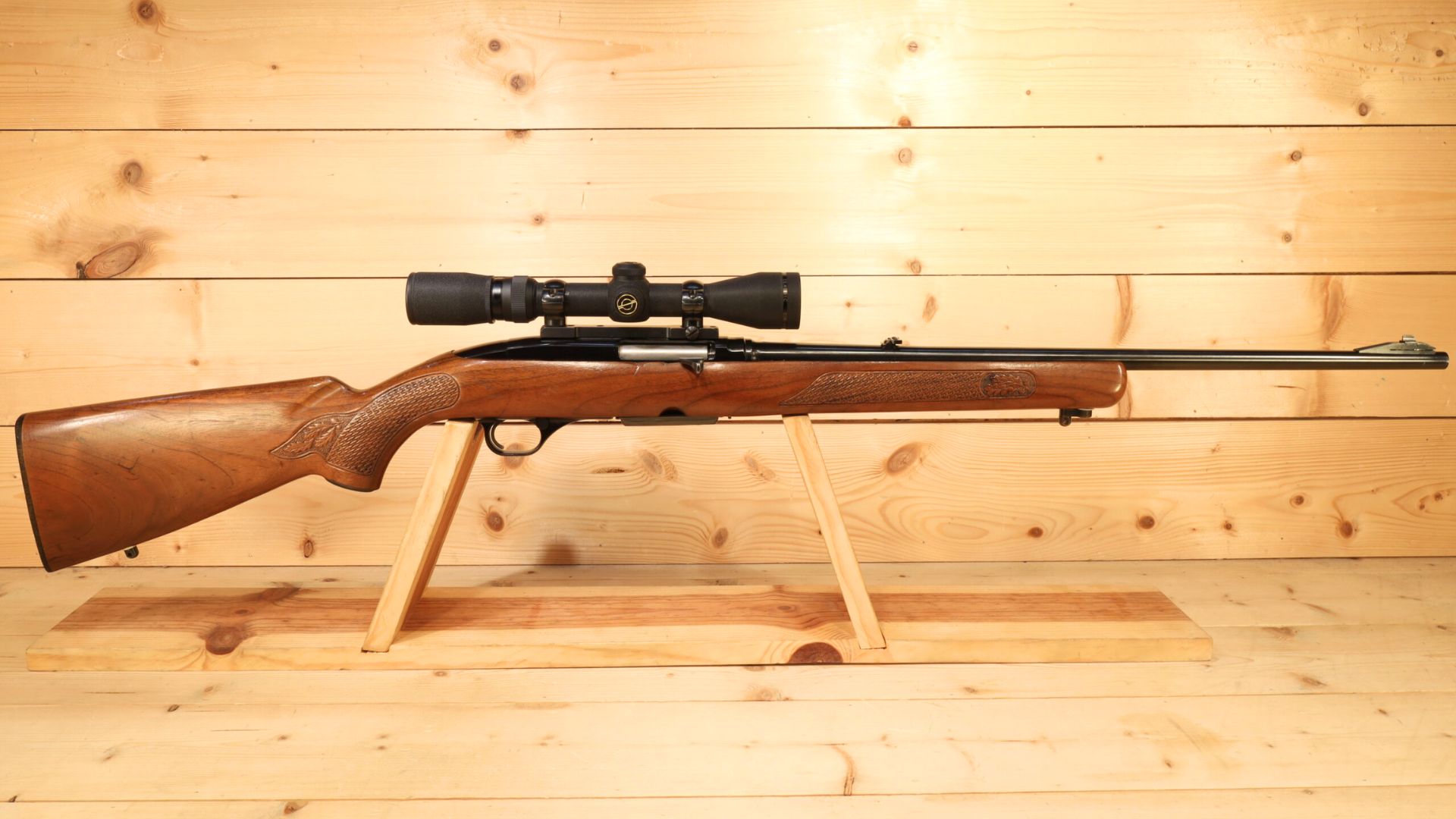
The Winchester Model 100 gave hunters a semi-automatic rifle with traditional styling and familiar chamberings. It looked like an ideal woods rifle and carried one of the strongest names in American firearms. Many hunters appreciated the quick follow-up shots and easier handling compared with heavier military-style semi-automatics.
The rifle later became associated with a firing-pin recall after concerns that a damaged part could cause unintended firing. Even beyond that issue, the Model 100 could be difficult to maintain and was not known for the kind of accuracy modern hunters now expect. Replacement parts and qualified service have also become harder to find with age. Winchester produced legendary lever actions and bolt rifles, but the Model 100 never earned the same lasting trust. It remains collectible, though more for nostalgia than for being one of the company’s best hunting designs.
Remington Model 710
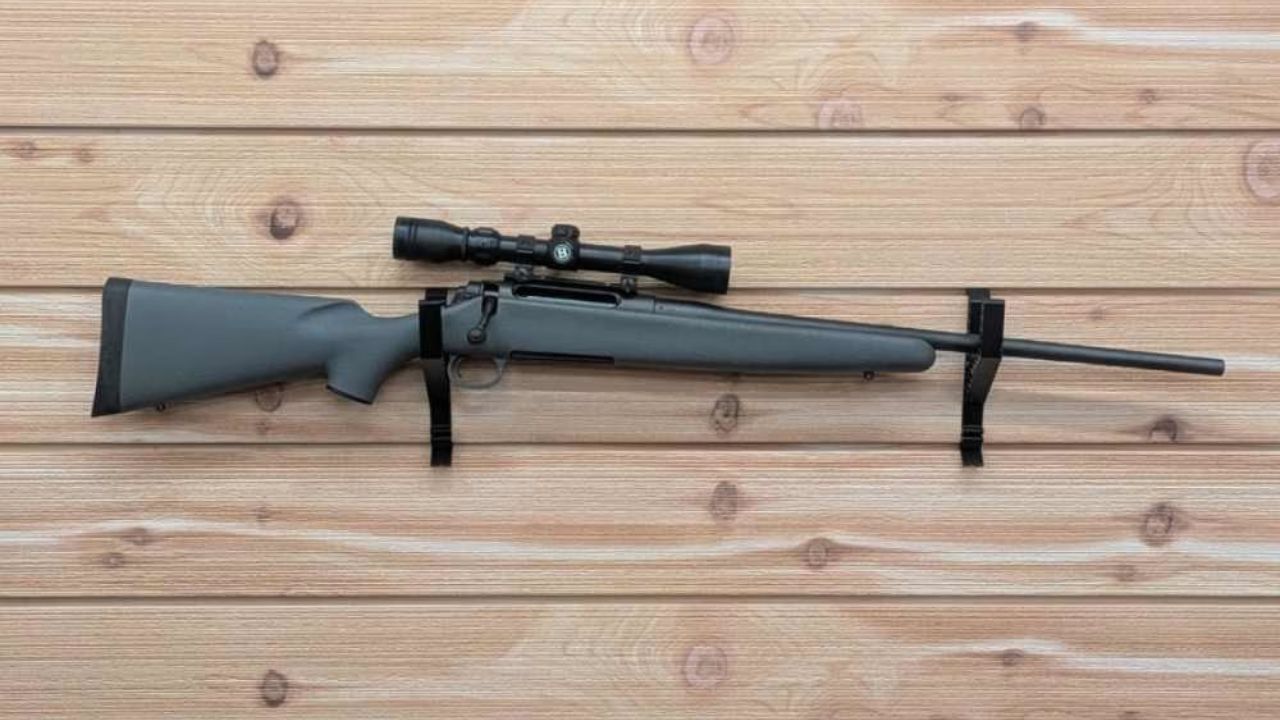
Remington designed the Model 710 as an affordable bolt-action hunting rifle package. It commonly came with a mounted scope and gave new hunters a way to buy a complete setup without spending heavily. The rifle used the Remington name at a time when the Model 700 still defined what many Americans expected from a hunting rifle.
The cost cutting was impossible to miss. The action felt rough, the stock felt cheap, and several components lacked the durability and refinement associated with better Remington rifles. The pressed-in barrel arrangement also limited normal gunsmithing and customization. The 710 could kill deer and often delivered usable accuracy, but it felt disposable beside the classic Model 700. It damaged the idea that an inexpensive rifle still needed to feel like a long-term tool. Remington later replaced it, but the 710’s reputation never recovered.
Ruger 22/45 Lite Early Models
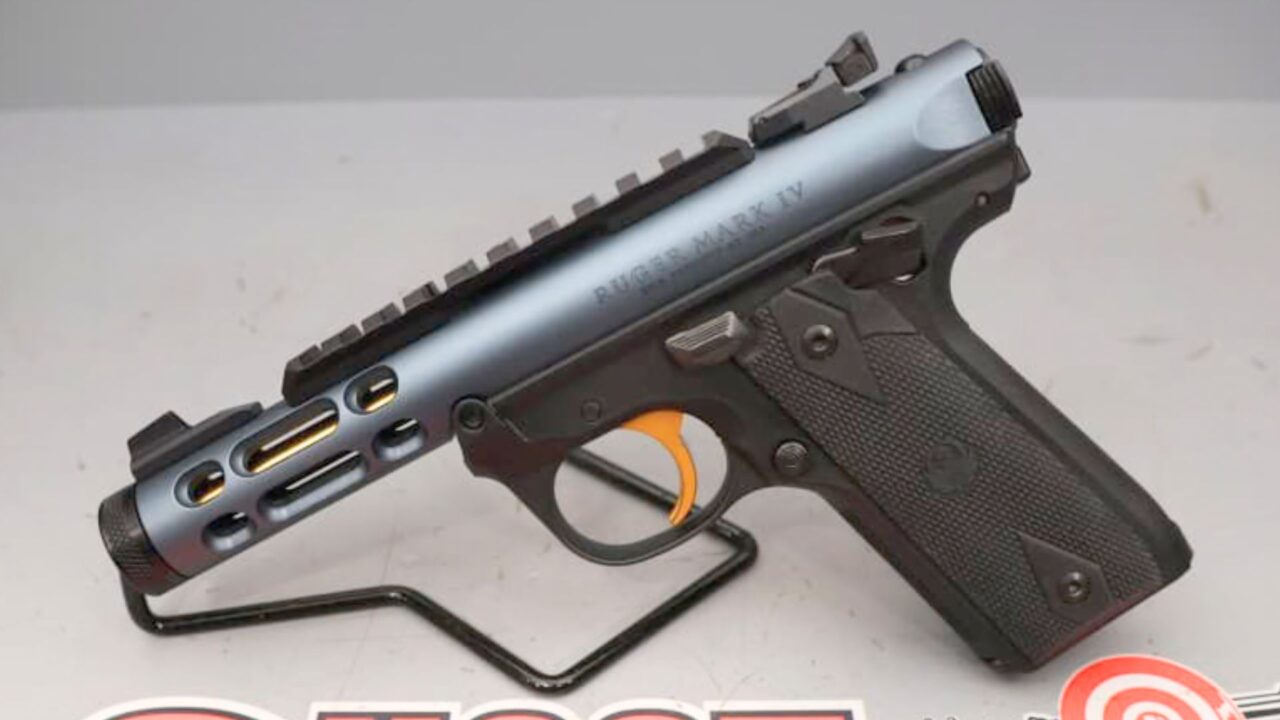
The Ruger 22/45 Lite combined the reliable Mark-series action with a lightweight upper and a grip angle intended to resemble a 1911. It looked like an ideal suppressor host and an affordable rimfire pistol for target shooting, training, and recreational use.
Earlier versions carried the same major frustration as other pre-Mark IV Ruger rimfire pistols: disassembly and reassembly could be unnecessarily difficult. The problem was not that the pistol shot poorly. Most were accurate and dependable. The issue was that routine cleaning could become irritating enough to discourage owners from maintaining the gun. Later Mark IV models corrected this with a far easier takedown system, immediately making the older design feel outdated. Ruger’s rimfire pistols are legendary, but the earlier 22/45 Lite models show how one stubborn design flaw can overshadow an otherwise excellent firearm.
Benelli MR1
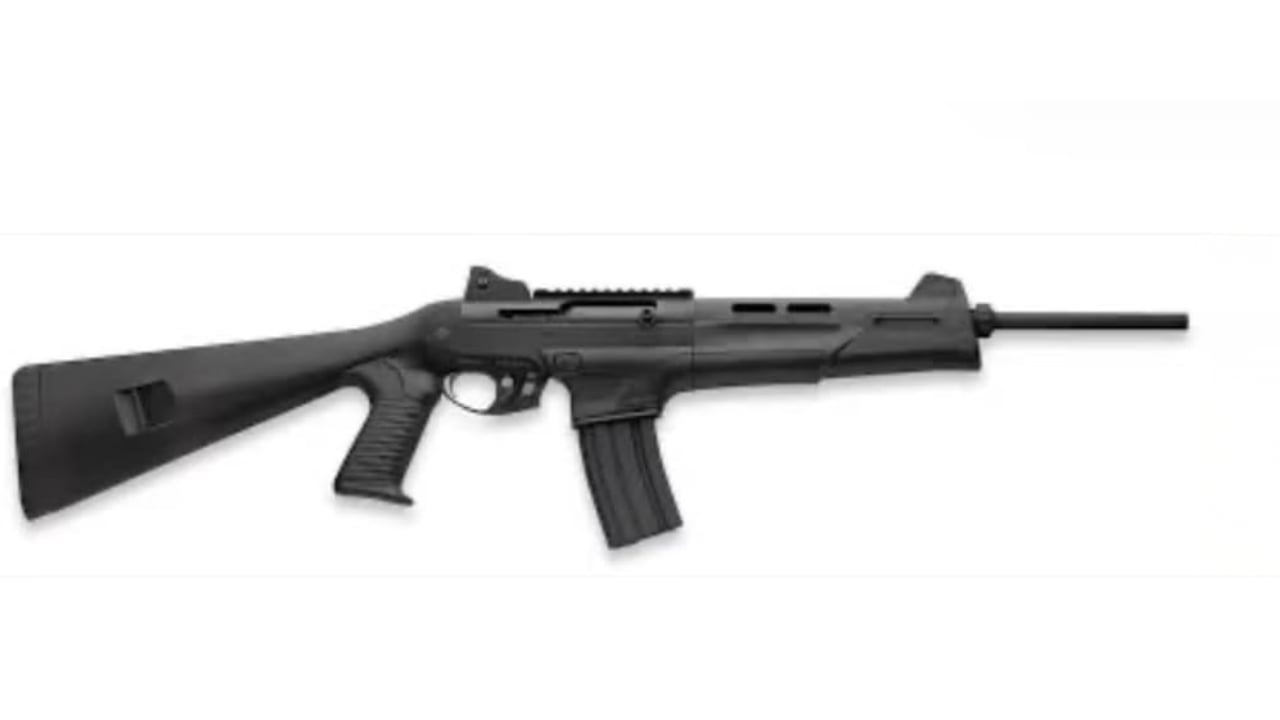
The Benelli MR1 brought the company’s gas-operated shotgun experience into a semi-automatic rifle chambered in 5.56 NATO. It used the same general operating concept associated with the Benelli R1 hunting rifle and offered buyers a non-AR carbine from a manufacturer known for dependable semi-automatics.
The rifle was expensive, heavy for its role, and saddled with ergonomics that did not match the efficiency of the AR-15. Magazines were compatible, but the controls, balance, and aftermarket support could not compete with America’s dominant rifle platform. The MR1 also lacked the visual appeal of Benelli’s famous shotguns and the practical familiarity of established carbines. It was not a poorly built rifle. It was simply a costly answer to a question most shooters had already solved with something lighter, cheaper, and easier to customize.
Like The Avid Outdoorsman’s content? Subscribe to our newsletter so you never miss an article.
Here’s more from us: