Photo credit: Hegshot87/YouTube
Every so often, a gun drops that catches even the diehards off guard. The Walther PDP was one of those moments. Walther’s always been known for smooth triggers and comfortable grips, but few expected them to throw down a striker-fired pistol that could hang with — and in many cases outperform — the heavyweights. Yet here it is, earning quiet respect from serious shooters while most folks are still overlooking it on store shelves.
The PDP isn’t chasing trends or gimmicks. It’s a purpose-built, shootable pistol designed by people who understand what shooters actually want: control, confidence, and repeatable accuracy. Whether you’re running drills or carrying daily, the PDP feels like the gun that finally got everything right — without anyone realizing it was coming.
Ergonomics That Just Work
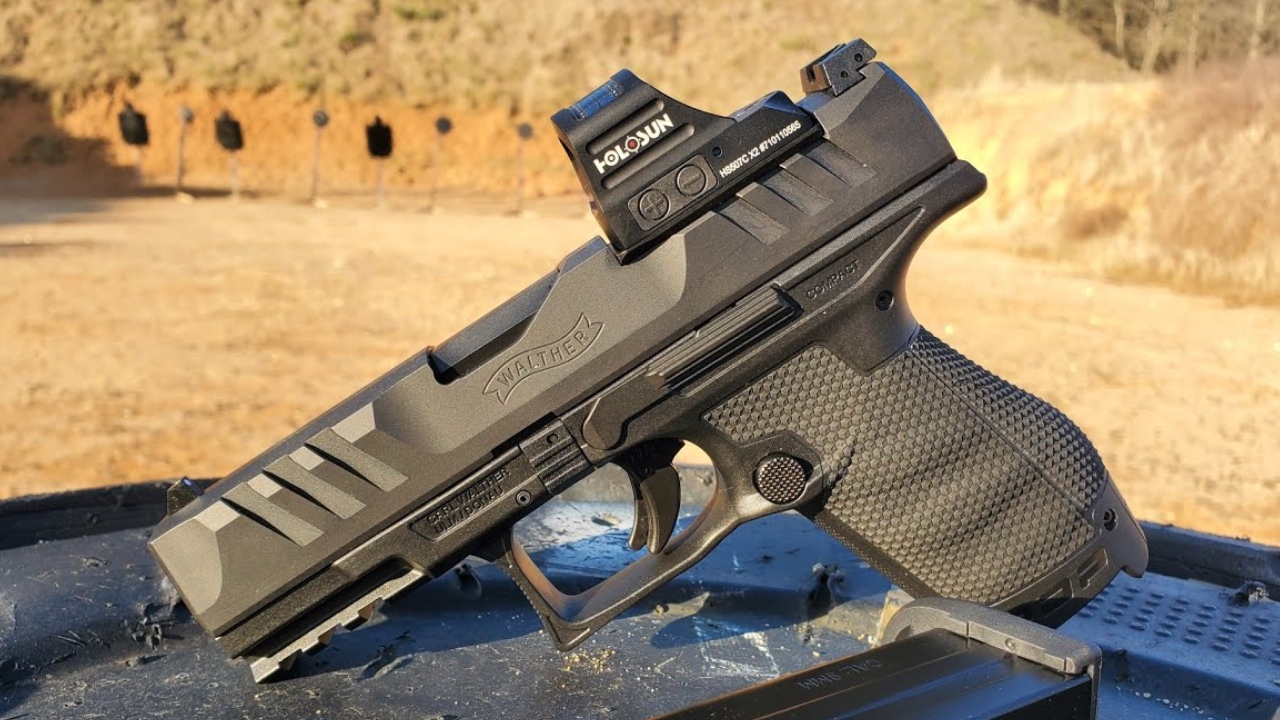
Walther has always understood that how a gun feels in your hand changes everything. The PDP’s grip texture, angle, and palm swell are tuned for control. You get traction without abrasion and a natural point of aim that makes sight alignment second nature. Even under recoil, the pistol stays put — no shifting, no readjusting between shots.
That ergonomic design isn’t a marketing phrase. It shows up in every string of fire. The gun settles faster, tracks flatter, and rewards a proper grip instead of punishing small mistakes. Whether you’ve got smaller hands or wear gloves, the PDP manages to feel custom-fit. That’s rare in a polymer pistol, and it’s a big reason shooters who try one usually keep it.
A Trigger That Makes You Better

The PDP’s trigger is what gets people talking. It’s crisp, clean, and consistent — everything a striker-fired trigger should be but rarely is. The wall is defined, the break is clean, and the reset is short enough to feel surgical. Walther didn’t try to make it “light.” They made it controllable, and that’s what serious shooters notice most.
That control translates directly into tighter groups and faster follow-ups. You’re not guessing where the trigger will break, so your sights stay steady through the shot. It’s one of those rare factory triggers that doesn’t need tuning or aftermarket parts to feel right. For anyone used to mushy striker guns, the PDP is a wake-up call.
Optics-Ready Before It Was Cool
The PDP came out of the box ready for red dots before most companies even started taking optics seriously. Every model ships with an optics-ready slide, and Walther designed the sights and slide geometry to co-witness naturally with modern red dots. It’s not an afterthought — the entire system was built around that concept.
Mounting a dot doesn’t mean sacrificing reliability or aesthetics. The PDP’s mounting plates fit cleanly, sit low, and keep everything solid under recoil. If you’ve ever wrestled with adapter plates or sight heights on other pistols, the difference is obvious. Walther didn’t retrofit optics — they built a pistol that expects you to use one.
Recoil That Feels Like Cheating
For a lightweight polymer pistol, the PDP shoots incredibly flat. The bore axis feels low, and the slide mass and recoil spring balance out to give you smooth cycling without snap. Every shot settles quickly back into alignment. You don’t fight the gun — it works with you.
That control gives you confidence to push faster. You can stay on target through controlled pairs, track your sights easily, and feel every reset without losing focus. It’s one of those guns that seems to shoot “slower” in a good way — meaning you’re in control from shot to shot. For anyone who’s used to chasing muzzle rise, the PDP feels like a relief.
Capacity and Carry Done Right

The PDP balances size and capacity the way few pistols do. The compact versions carry easily while still packing 15+1 or 18+1 rounds, depending on the model. The grip profile doesn’t print much, and the rounded edges make concealment practical even for all-day wear.
Despite being easy to carry, the gun doesn’t sacrifice control. You’ve still got enough real estate for a full grip, and the weight sits right above the holster instead of pulling awkwardly. Whether you’re running it in a duty setup or as an EDC rig, the PDP stays comfortable and consistent — two things you don’t fully appreciate until you carry every day.
Built to Withstand Real Use
The PDP’s construction isn’t flashy, but it’s tough where it counts. The polymer frame doesn’t flex, the slide machining is clean, and the internal parts look and feel like they were meant to last. Everything about it feels deliberate — no shortcuts, no fragile pieces waiting to fail.
The slide serrations deserve mention too. Walther calls them “SuperTerrain,” but gimmicky name aside, they work. They’re deep, angled perfectly, and make press checks or manipulations effortless even when your hands are slick or gloved. When you run the gun hard, it responds like something built for real-world conditions, not a range toy.
Why It Still Deserves More Attention
The Walther PDP doesn’t scream for attention, and maybe that’s why it’s overlooked. It doesn’t have a cult following or endless marketing campaigns — it’s simply a pistol that works, and works exceptionally well. Once you’ve spent real time with one, it’s hard not to respect what Walther pulled off here.
It combines all the right features — excellent ergonomics, a top-tier trigger, modern optics integration, and reliability you can trust — into a package that feels refined without being fragile. The PDP might not have arrived with fanfare, but it’s quietly become one of the best-shooting polymer pistols on the market. And if you’ve ignored it so far, it’s time to give it a fair shake.
Like The Avid Outdoorsman’s content? Be sure to follow us.
Here’s more from us:
The worst deer rifles money can buy
Sidearms That Belong in the Safe — Not Your Belt
*This article was developed with AI-powered tools and has been carefully reviewed by our editors.