Photo credit: Robert Przybysz/Shutterstock.com
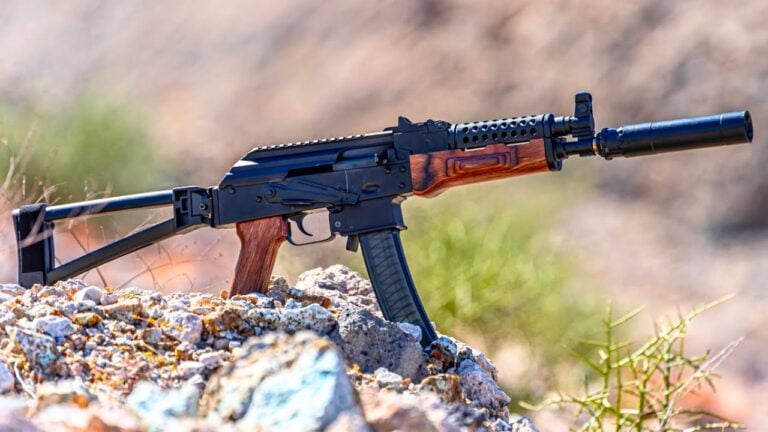
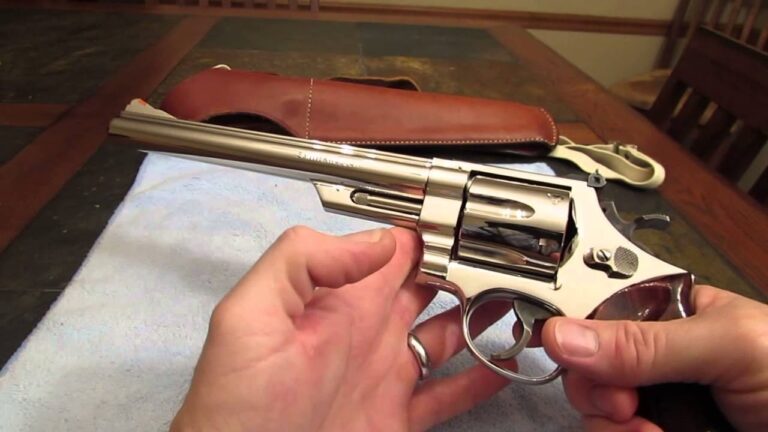
I gave that gun way too many chances because I wanted the answer to be simple. Every time it stumbled, I told myself it just needed more rounds. It needed to smooth out. It needed time. That’s what I kept saying, and for a little while it felt like a reasonable explanation. A lot of guns do loosen up some after use, and nobody wants to overreact too early. The problem was, I kept using that idea long after it stopped being honest. The malfunctions were still there. The inconsistency was still there. And instead of admitting the gun wasn’t running the way it should, I kept hiding behind the phrase “break-in issue” like it was a permission slip to ignore what I was seeing. Looking back, I wasn’t being patient. I was being stubborn.
Some problems improve with rounds, but not all of them
That’s the line I should’ve drawn sooner. There’s a difference between a gun settling in and a gun showing you a pattern of unreliability. Early stiffness, a little roughness, or certain minor quirks can sometimes improve with use, lubrication, and time. But repeated failures that keep showing up after you’ve done the basics are not something you explain away forever. I didn’t want to admit that because I had already bought into the gun. I wanted it to be a good choice, and that made me more forgiving than I should’ve been. The trouble with that mindset is that every extra range trip turns into another excuse to avoid the obvious instead of a real evaluation. At some point, continued malfunction is not “still breaking in.” It is just malfunctioning.
I kept moving the goalposts
That was probably the clearest sign I was fooling myself. First it was “it probably just needs a box or two.” Then it was “maybe it needs a couple hundred rounds.” Then it became “some guns need more time than people think.” The target kept moving because I didn’t want the real conclusion. Every time the gun had another issue, I found a new version of the same excuse. That’s an easy trap when you’ve spent money on something and want badly for it to work out. The mind starts trying to protect the purchase instead of judging the performance. I’ve done it with other gear too, but it stings more with a gun because reliability is not some side category. It is the category. If the gun does not run, the rest of the conversation gets small in a hurry.
Ammo and maintenance matter, but only up to a point
To be fair, I did try to work through the obvious variables. I changed ammo. I made sure the gun was cleaned and lubricated properly. I used good magazines. I paid closer attention to my grip and pace to make sure I wasn’t introducing the problem myself. Those are all worthwhile steps, and I’m glad I took them because they helped narrow things down. Good ammo and dependable mags matter a lot, and Bass Pro carries plenty of practical options in both categories that are worth trusting. But once you’ve handled the basics and the gun still refuses to behave consistently, that matters too. Maintenance and ammo are not magic words that erase a weak design, a bad sample, or a mechanical issue. I had done enough to be fair to the gun. What I hadn’t done was be fair to the evidence.
Reliability problems create doubt that spreads everywhere
What really made the whole thing drag was how the unreliability started infecting everything else. Once a gun starts acting up and you keep excusing it, you stop trusting your own read on the situation. Is it the ammo? The mag? The gun? Your grip? The pace? That uncertainty gets expensive fast because now every range session becomes half troubleshooting and half hoping. It pulls attention away from actual shooting and turns the whole experience into a negotiation with something that should be simple. I realized after a while that I wasn’t even enjoying the process anymore. I was just trying to reach the magical round count where I could feel justified in finally saying, “No, this thing really isn’t right.” That’s a long way to go just to admit what the gun had already been telling me.
“Break-in” can become a way of avoiding disappointment
That’s what the phrase had turned into for me. It started as a reasonable possibility and slowly became emotional padding. I didn’t want to feel like I’d made a bad call, so “break-in” gave me a softer story to tell. It let me stay optimistic without having to confront the more annoying possibility that the gun just wasn’t up to standard. I think a lot of shooters do this at least once. They’ve heard enough stories about things smoothing out with use that they give every problem more grace than it deserves. Sometimes that works out. Sometimes it just delays the obvious. The hard part is knowing when patience has stopped being wisdom and started becoming denial. I crossed that line and stayed there longer than I should have.
I trust patterns more than hopeful language now
That experience changed the way I judge new guns. I still believe in being fair early on, but I pay a lot less attention now to comforting phrases and a lot more attention to actual patterns. Is the gun getting better in a clear, repeatable way, or am I just lowering the bar on what I’m willing to excuse? That question matters. If the trend is solid and the issues disappear, great. If they linger, repeat, or shift around without really improving, I’m not going to keep selling myself on future perfection that may never show up. A gun that runs right earns confidence. A gun that doesn’t keeps spending it.
I’d rather call it early than waste more time proving I hoped right
These days, I’m quicker to be honest when something isn’t behaving the way it should. That doesn’t mean I panic over every hiccup, but it does mean I don’t keep stretching the same excuse over a problem that has already made itself clear. I learned that a bad gun doesn’t become a good one just because I’m patient with it. Sometimes all patience does is waste more ammo and postpone a decision I was eventually going to have to make anyway. I’d rather evaluate hard, fix what’s fixable, and move on if needed than keep repeating the same hopeful script. “Break-in issue” might have sounded reasonable for a while, but in my case it was just a nicer way of saying I didn’t want to admit the gun wasn’t right.
Like The Avid Outdoorsman’s content? Subscribe to our newsletter so you never miss an article.
Here’s more from us: