Photo credit: WHO_TEE_WHO/YouTube
Hunting camp is full of half-truths, and rifles tend to bring out the worst of them. A guy will brag all weekend about how his rifle groups tight, drops deer at 400 yards, and never needs to be re-zeroed. But when the morning chill sets in and the scope fogs up—or when he’s fumbling with a sticky bolt in front of a buck—his tune changes. These are the guns folks love to name-drop but complain about when no one else is listening. Some of them look great on a rack or shoot lights-out on paper, but in the woods? They’re a pain. Whether it’s weight, clunky triggers, feeding issues, or “why won’t this bolt close on my reload” headaches, there’s always something. You’ve probably owned one, or still do. Nothing wrong with that—just don’t expect it to live up to the legend at camp when it’s crunch time.
Browning BAR Mark II Safari
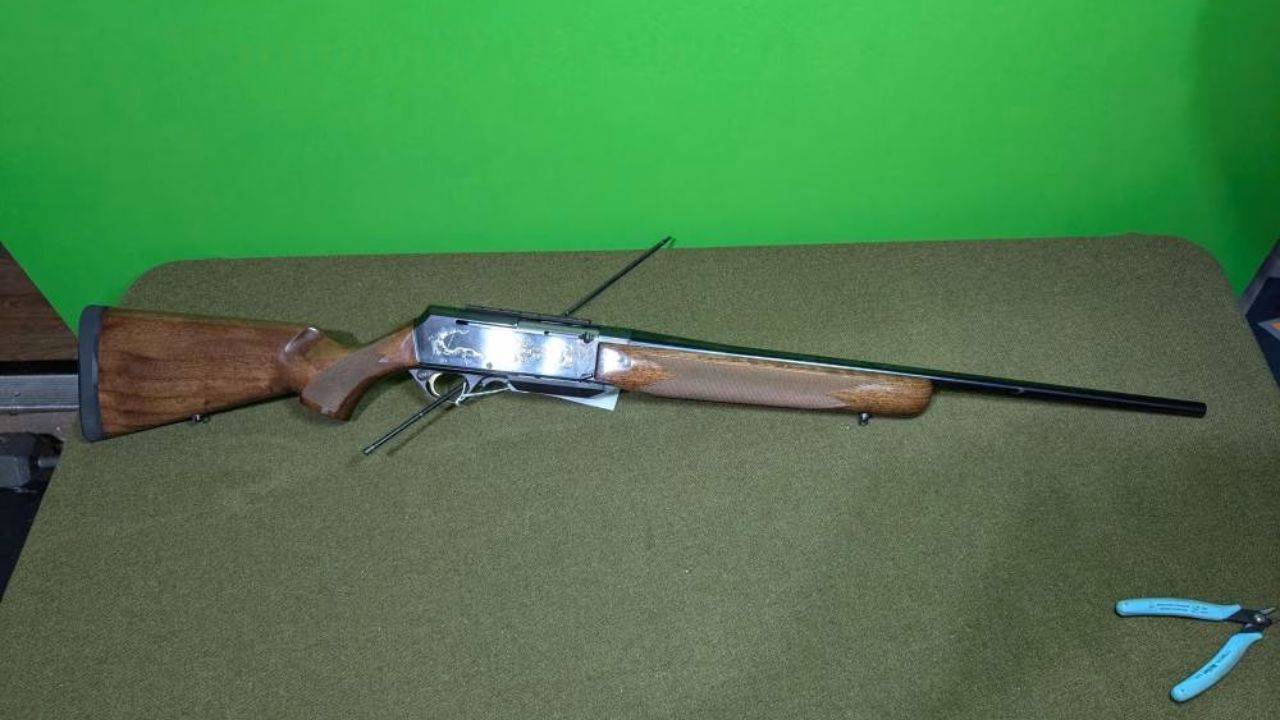
The BAR gets passed around like some holy relic, and everyone’s uncle has a story about one dropping deer like lightning. But behind all that nostalgia is a rifle that feels more like a boat anchor once you’re hiking up a ridge. It’s heavy, bulky, and the trigger is nothing to write home about. And let’s not even start on field-stripping it when something goes wrong. Most folks won’t admit how much trouble they’ve had keeping it clean after a wet hunt.
It’s a rifle that looks like class and shoots okay off a bench, but when you’re fumbling with its safety or dealing with finicky ammo cycling, that shine starts to wear off. Guys still brag about their BARs, but if you’re honest, you’ll hear the same whispers—too heavy, too touchy, and too easy to jam when things get cold and muddy.
Tikka T3x Lite

Yeah, it’s accurate. Nobody’s denying that. But the minute you get out of ideal range conditions and into real hunting terrain, the T3x Lite starts showing its cracks. It’s so featherlight that recoil gets sharp fast—especially in magnum calibers. Follow-up shots are a mess, and the polymer stock flexes more than most will admit.
You’ll hear guys sing its praises at the range, bragging on sub-MOA groups. But in the field, they’re quietly wrestling with a rifle that doesn’t balance well offhand, bucks hard off a rest, and rattles like a toy when bumped against brush. It’s a brag-worthy shooter, sure—but only if you’re standing still and shooting paper. Not when a buck’s quartering away on a windy slope.
Remington 7400

Plenty of older hunters still have one tucked in the safe, and they’ll swear up and down it’s the rifle they took their first deer with. But the 7400’s reputation doesn’t come from reliability—it comes from memory. These semiautos are notorious for jamming, especially when dirty or fed cheap ammo.
Pull that trigger once too often without a deep clean, and the bolt might hang halfway home. Accuracy? Acceptable if you’re inside 150 yards and using good ammo. But past that, it’s anyone’s guess. Still, folks like to talk them up like they’re deer-killing machines. In reality, they’re finicky, maintenance-heavy rifles that frustrate more than they impress when the pressure’s on.
Savage Axis II XP
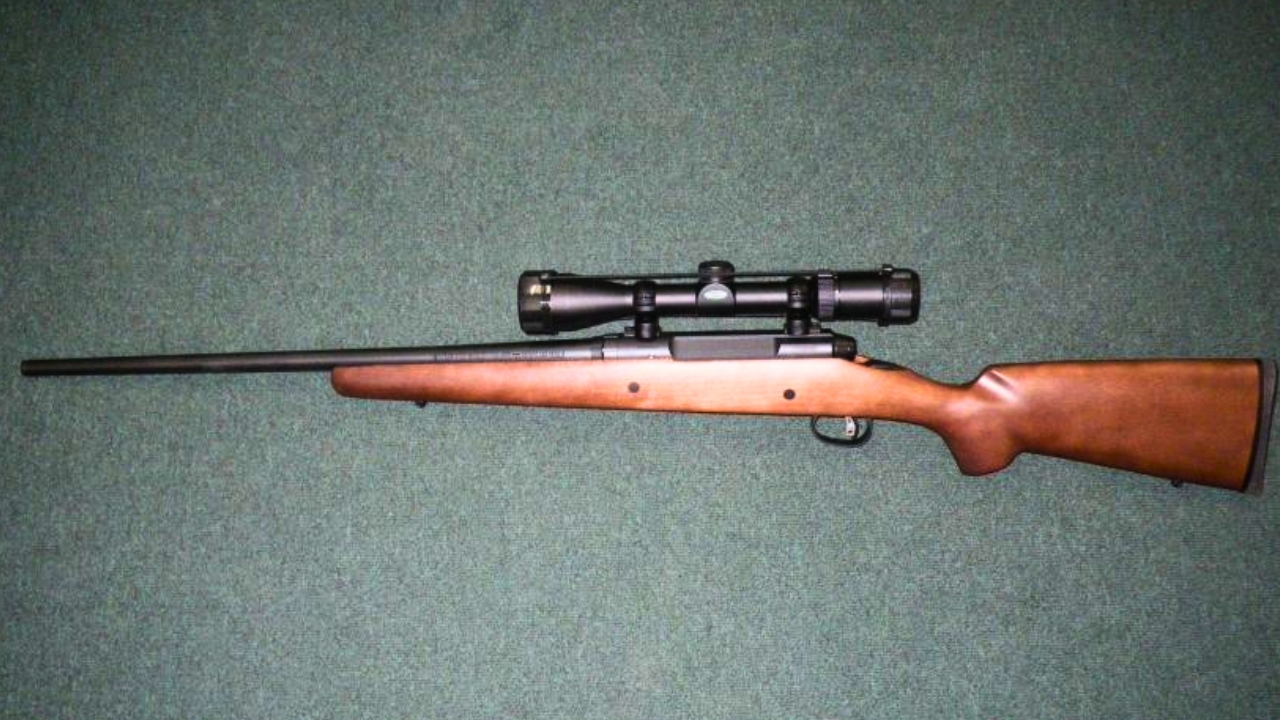
This one sells like crazy because it checks all the right boxes on paper: it’s affordable, comes with a scope, and shoots well enough at 100 yards. But when hunters start logging real time in the woods with it, the complaints pile up. Cheap-feeling stock. Clunky bolt throw. Mushy trigger despite the AccuTrigger branding.
You’ll hear guys say, “For the money, it’s hard to beat.” But what they’re not saying is how often they’ve missed shots because of a stiff action or fumbled reload. The optics are usually bottom-shelf, and the rifle’s balance is off for offhand shots. It’s a brag-worthy budget gun—until it’s not. Most folks trade them off quietly after a season or two.
Weatherby Mark V Deluxe
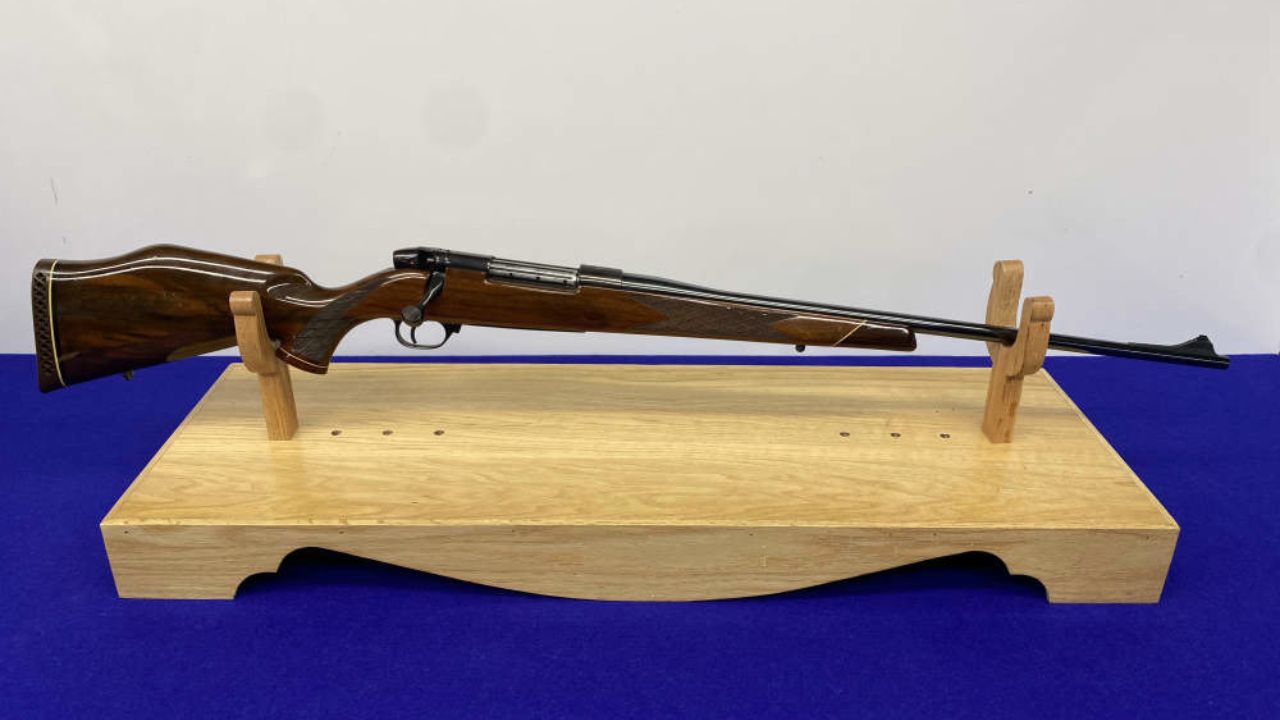
Weatherby rifles are beautiful—no doubt. Glossy wood, high-polish metal, and the name alone carries weight at camp. But lug one through a timbered ridge for half a day and you’ll start rethinking that decision. They’re heavy, long, and often chambered in cartridges that thump you hard from both ends.
Guys love to talk about the .300 Weatherby Magnum like it’s a magic wand, but many secretly dread the recoil. And the slick action that feels great at the gun counter isn’t so fun when your gloves are soaked and a bull elk’s staring you down. It’s the rifle you pose with—but not always the one you want in your hands when the real work begins.
Ruger American Predator

It’s the darling of the budget hunting crowd. Lightweight, threaded barrel, and shoots surprisingly well—on paper. But that bolt? It’s gritty. The mag? Feels like it was built by a toy company. And after a few seasons, the action can start sticking at the worst moments.
Hunters brag about how accurate theirs is, but you’ll notice many quietly bring a backup gun to camp. The factory stock has more flex than a rubber boot, and that makes prone shots feel spongy. It’s not a bad rifle—it’s just not quite as field-ready as the praise makes it sound. Most of the hype lives on forums, not in the treestand.
Remington 700 CDL
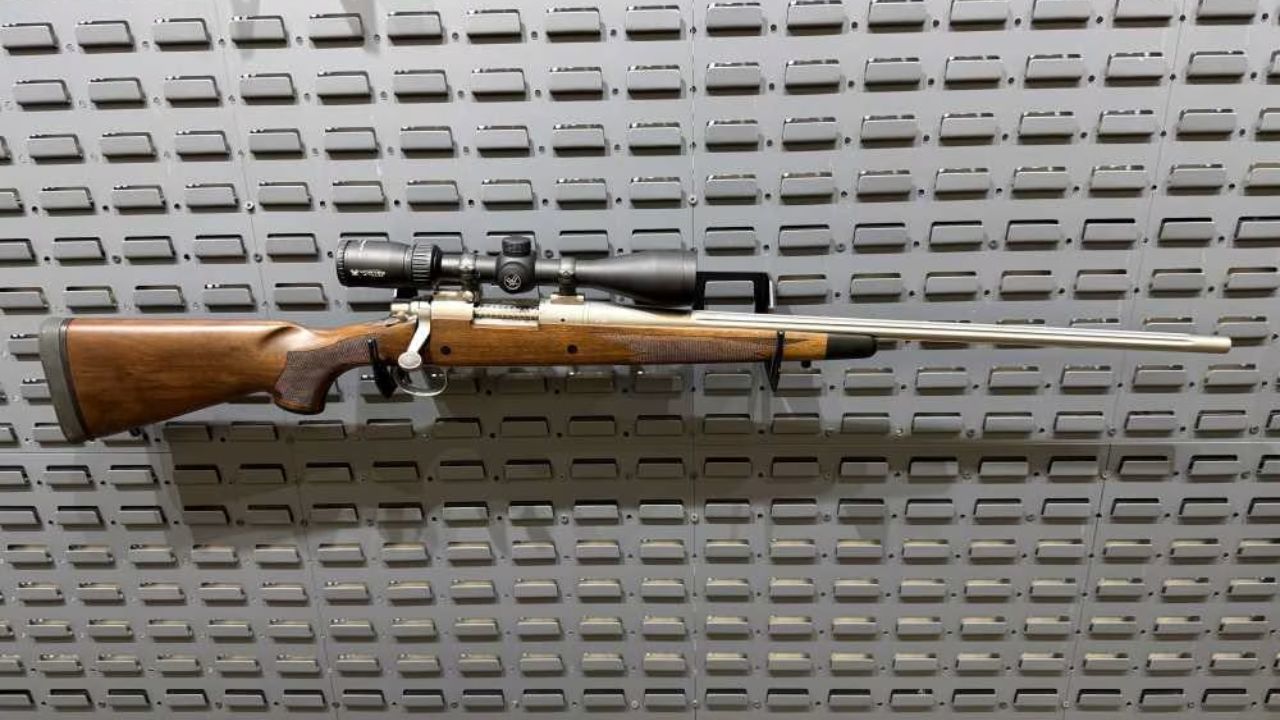
The CDL looks like everything a classic bolt gun should be—clean lines, walnut stock, satin finish. And hunters love to show them off. But many find themselves frustrated by the old X-Mark Pro trigger, which was hit-or-miss even before the recalls. Accuracy varies wildly between barrels, and some early models had bolt lift issues.
You’ll hear guys say, “Mine’s a tack driver,” but it’s often after they’ve spent time bedding the action or replacing the trigger. Straight from the factory, it was a gamble. Still, the 700 name carries bragging rights, and few want to admit their shiny CDL is more of a safe queen than a field performer.
Mossberg Patriot

On paper, it offers a lot for the price—fluted barrel, box mag, decent trigger. But it doesn’t take many hunts before you start noticing the flaws. The action can feel loose, the magazine sometimes misfeeds, and the synthetic stock can warp with enough heat or moisture.
Hunters who own one will talk about how affordable and accurate it is, but they rarely mention how many rounds they’ve had fail to chamber or how the rifle balances awkwardly with a scope on it. It’s a “good enough” rifle that people talk up—but when it’s game time, they’re wishing they’d spent a bit more.
Winchester Model 100
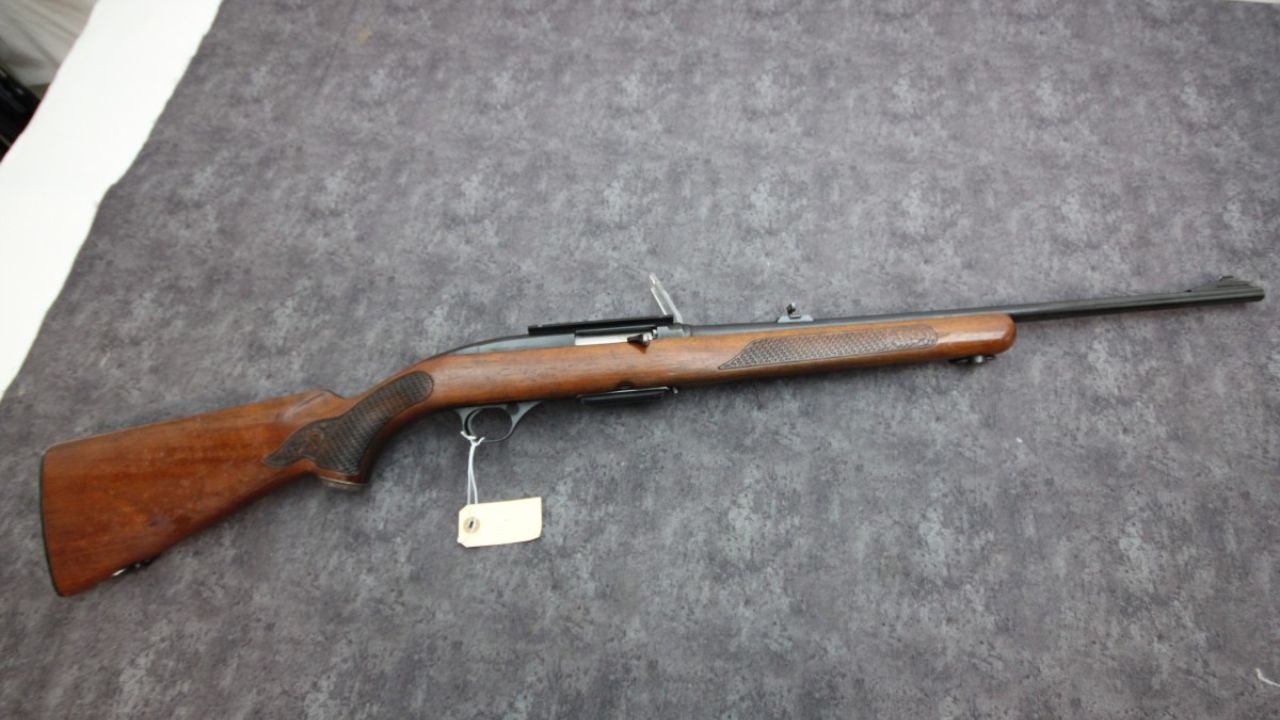
Another throwback that still gets name-dropped in deer camp, the Model 100 had that cool 1960s vibe and was Winchester’s answer to the semiauto craze. But once you look past the nostalgia, the design shows its age. Feeding issues were common, and there was a major recall due to a firing pin defect.
Hunters who still carry one will sing its praises until it hiccups mid-season. The trigger is heavy, the accuracy so-so, and spare parts are nearly impossible to find. It’s a rifle people love to talk about, but few want to depend on when a buck steps out at last light.
Marlin Model 336 (Micro-Groove Era)

This one’s going to ruffle feathers. The 336 is iconic, and plenty of hunters still swear by it. But the Micro-Groove barrels introduced in later years made it picky about ammo, especially with cast bullets. Accuracy suffered unless you found the right handload, and the sights often needed replacement to be truly usable.
Guys brag about their lever guns, but many secretly stash a bolt gun in the truck for longer shots. The lever throw can feel sluggish, and the balance gets thrown off once you add a scope. It’s a classic, sure—but when the range stretches or the conditions get rough, some start wishing for a more modern option.
CVA Cascade

This newer bolt-action gets a lot of talk for being a “sleeper hit” among budget hunters. And yes, it looks good on the spec sheet. But once you put it through a full season, you start to see the corners that were cut. The bolt can hang up during quick cycling, especially in cold weather, and feeding isn’t always reliable from the mag.
Hunters who brag about it are usually still in the honeymoon phase. Talk to them a year later, and they’ll mention swapping the scope, tweaking the bedding, or having issues with consistency. The Cascade isn’t a disaster—but it’s not quite the breakthrough rifle its fans make it out to be, either. It’s more of a stepping stone than a destination.
Like The Avid Outdoorsman’s content? Be sure to follow us.
Here’s more from us:
The worst deer rifles money can buy
Sidearms That Belong in the Safe — Not Your Belt
*This article was developed with AI-powered tools and has been carefully reviewed by our editors.