Photo credit: MrBigKid/Youtube
Home defense is one of the few places I don’t have patience for “mostly works,” novelty designs, or guns that only run when the moon is right. You want something you can grab half-awake, under stress, and trust to feed, fire, and not do anything weird in your hands. That’s it.
So here are 20 guns I wouldn’t choose to stake my family’s safety on. Some are popular. Some are clever. A few are actually fun. But if we’re talking about the gun that has to work right now, every time, these aren’t getting the nod from me.
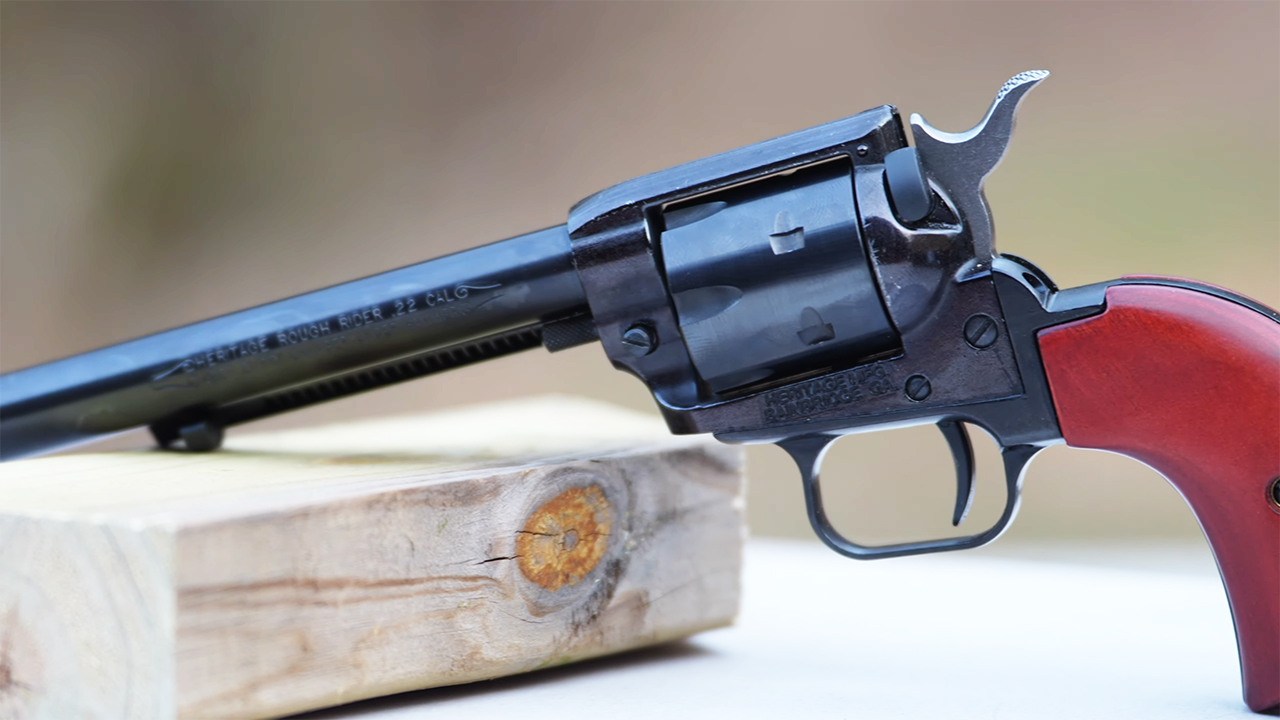
1. Heritage Rough Rider
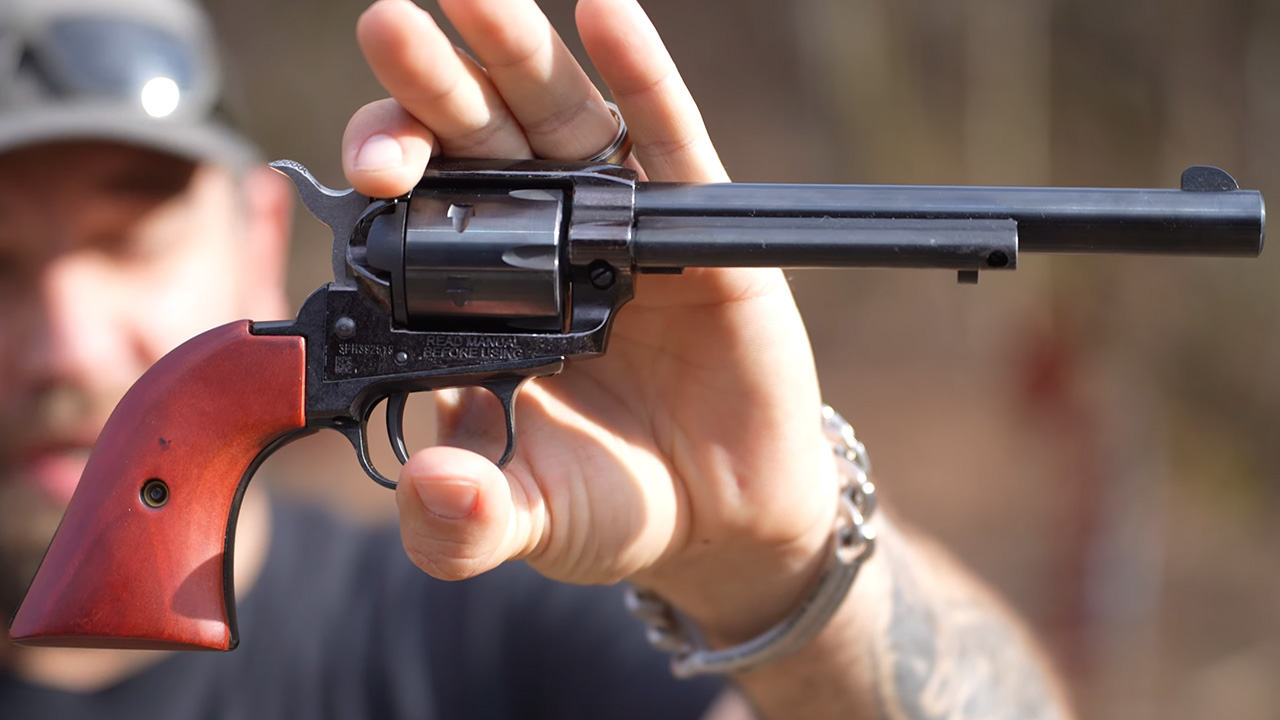
I get it. They’re cheap, they’re fun, and a .22 revolver feels simple. The problem is the fit-and-finish lottery, plus the tiny sights and rough controls that show up on a lot of them.
In a calm range lane, you can make it work. In a dark hallway with your heart hammering? A single-action rimfire with a manual cocking step and rimfire reliability quirks is not what I’d hang my life on.
2. Phoenix Arms HP22A

This is one of those pistols that exists because “inexpensive” sells, not because it’s a great tool. They can be picky about ammo, and the little pot-metal vibe doesn’t inspire confidence.
Also, tiny blowback .22s tend to be snappy and awkward. When you combine that with a gun that already has a reputation for being finicky, you’re stacking the deck against yourself.
3. Walther P22

Some P22s run. Plenty don’t, at least not across a reasonable spread of ammo. I’ve seen enough stovepipes and nose-dives out of them that I quit expecting much.
The ergonomics are nice and the trigger is usable, but if I’m picking a defensive handgun, I’m not betting on a rimfire semi-auto that has a long track record of being temperamental.
4. Taurus Judge (2.5-inch models)
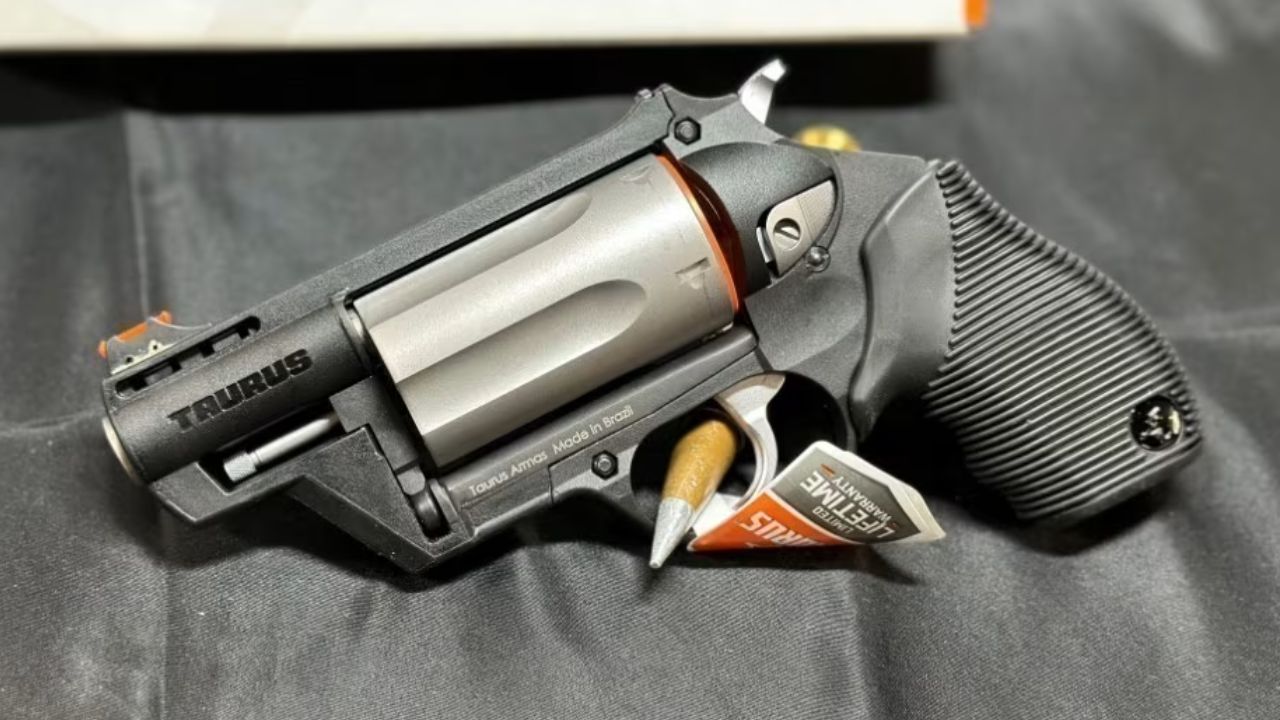
The idea sounds good at the gun counter: a revolver that shoots .410 and .45 Colt. In real life, the short-barrel versions tend to give you loud blast, limited performance, and patterns that can surprise you in a bad way.
Revolvers can be great, but this one is trying to be two things at once. For home defense, I want predictable recoil, predictable point of impact, and ammunition that behaves consistently.
5. Bond Arms Derringer
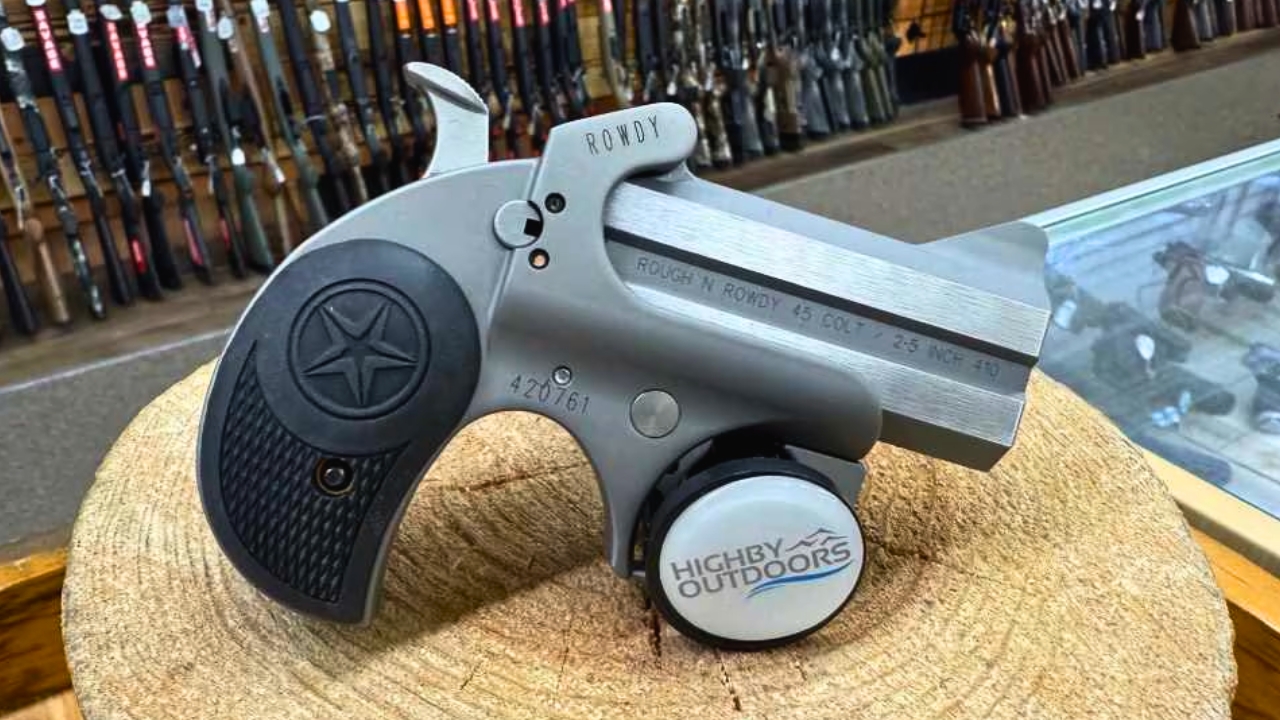
These are well-made for what they are, but what they are is a two-shot handgun with a stiff trigger and a lot of recoil in a little package. They’re a niche tool.
Two shots and a slow reload is not a plan. I’ve watched good shooters fumble them when they’re just trying to be fast on steel. Now add adrenaline and low light. No thanks.
6. Taurus Curve
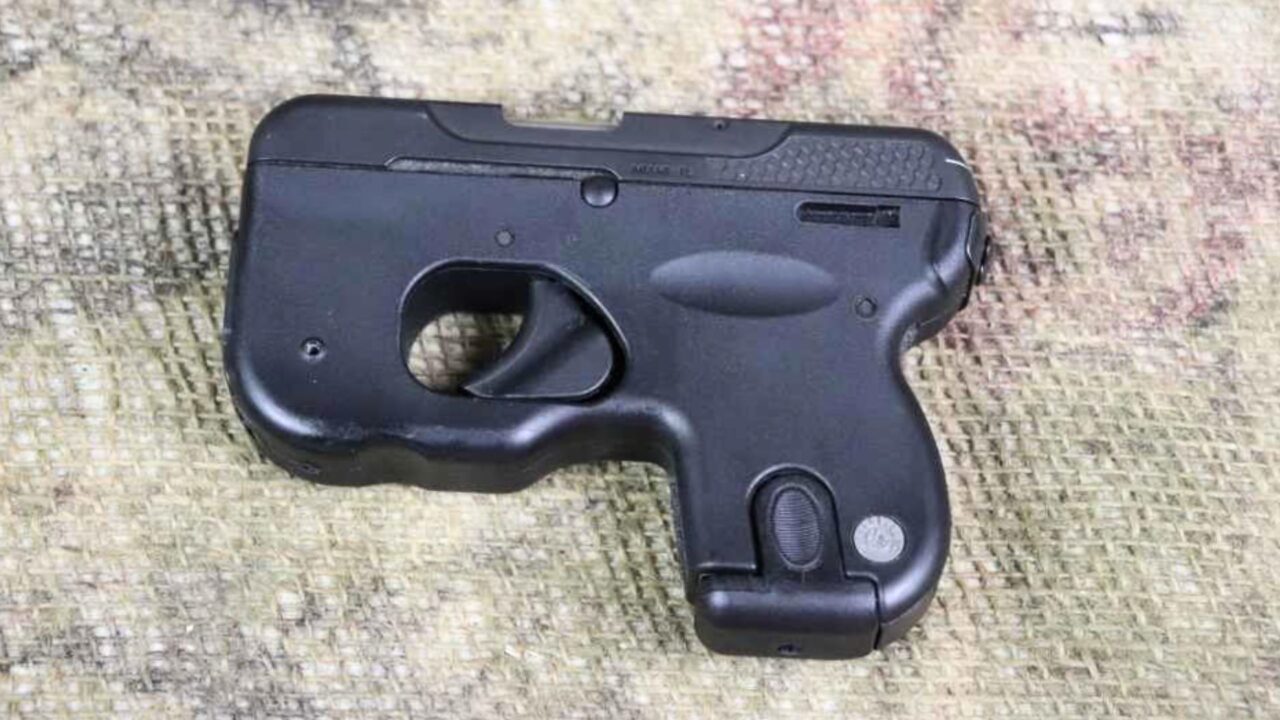
Any time a gun is designed around a gimmick, I get suspicious. The Curve’s whole deal was “it fits your body,” and everything else felt like it came second.
Odd sights, odd draw, odd handling. Home defense isn’t the place for odd. It’s the place for boring, proven, and easy to run.
7. Kel-Tec P-32
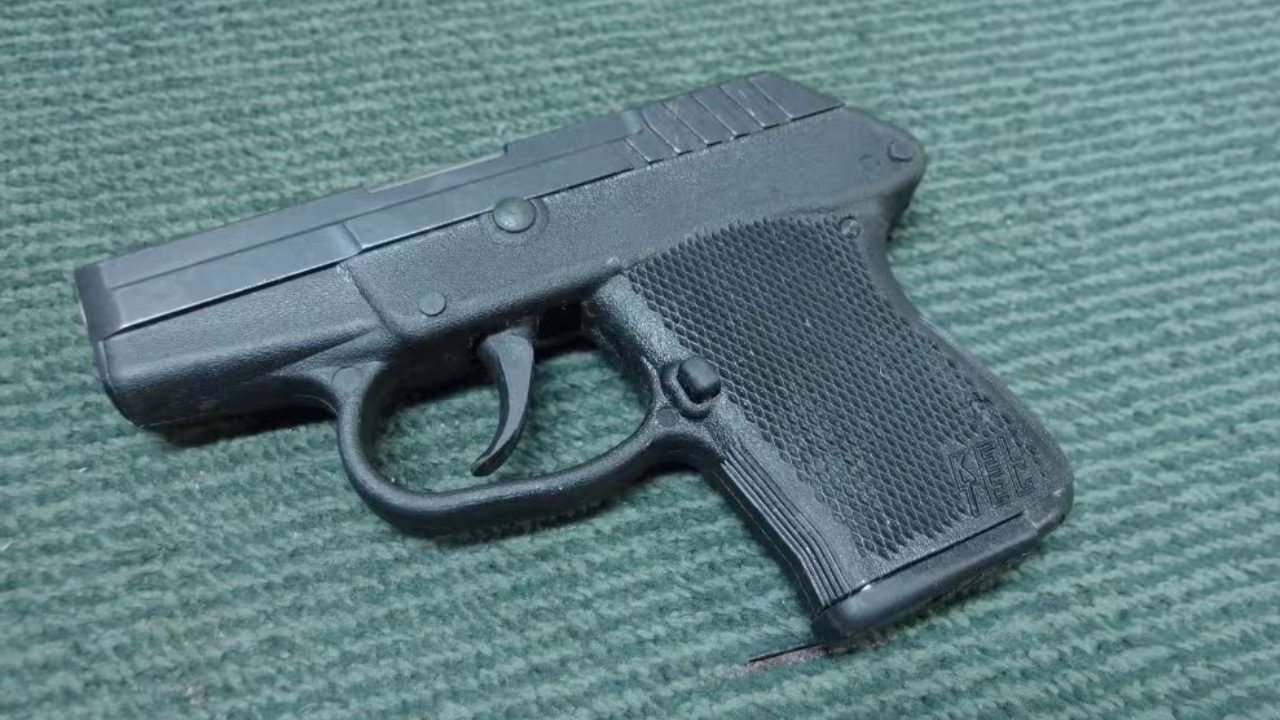
I actually like that Kel-Tec built tiny guns before tiny guns were cool. But the P-32 is a featherweight pocket pistol, and that category always comes with compromises.
Small grip, small controls, small sights, and a caliber many folks don’t practice with seriously. If you already own one and it runs, fine. But it’s not what I’d choose as my primary at home.
8. Kel-Tec PF-9

The PF-9 is another “ultralight at all costs” pistol. They can be sharp in the hand, and the snappy recoil makes fast, accurate follow-up shots harder than it needs to be.
I’ve also seen enough magazine and extraction weirdness over the years that I’d rather put my trust in a more proven compact 9mm with better support and a calmer shooting impulse.
9. Hi-Point C9

Here’s the deal: some Hi-Points chug along like tractors. Some don’t. And even the ones that do are bulky, top-heavy, and awkward to manipulate compared to modern handguns.
If money is tight and it’s what you’ve got, you can make it work with testing and practice. But given a choice, I’m not grabbing a gun that feels like a compromise in every direction.
10. Cobra and other bargain .38 snub revolvers

There are good snub-nose revolvers, and then there are snubs that feel like a bag of bolts. The bargain end of the market can come with heavy, gritty triggers and questionable timing.
A snub revolver already demands more skill to shoot well. If the trigger is rough and the sights are nearly decorative, you’re making a hard job harder.
11. Rossi Circuit Judge
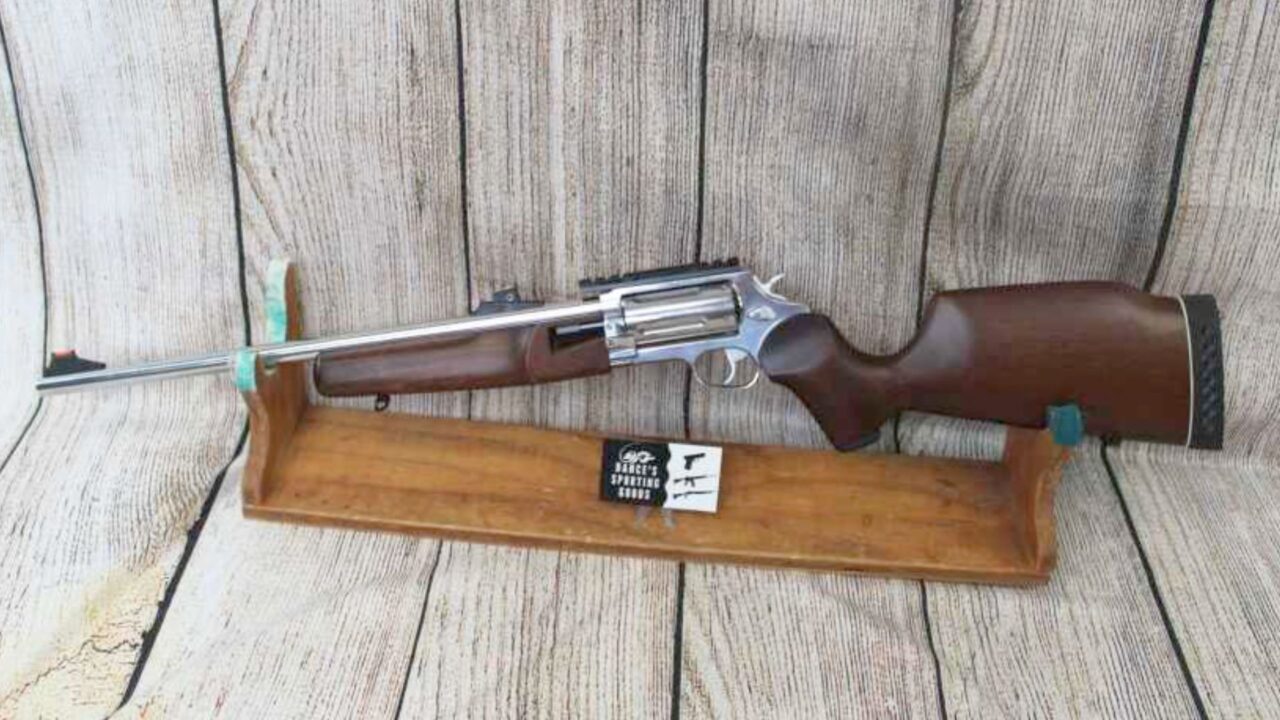
It’s a fun ranch gun concept, and it looks like something you’d lean in the corner of a cabin. But the revolving long gun format brings its own quirks, including blast and handling oddities.
For defense, I want a straightforward manual of arms. Lever guns and pump shotguns have that. A revolving rifle/shotgun hybrid just adds complexity without giving me enough back.
12. Remington 870 (new production, neglected)

This one hurts because the 870 is an American classic. But there’s a difference between an older, well-fitted Wingmaster and some of the rougher years of newer production, especially if it’s been sitting in a closet getting surface rust.
A pump shotgun has to cycle slick. If the action bars feel gritty, the chamber is rough, or the gun has a habit of sticking hulls, you don’t want to discover that under stress. An 870 can be great, but a questionable one is a hard pass.
13. Mossberg 500 (with a worn-out safety or loose forend)

I’ve run Mossbergs hard and I respect them. But the ones that have been “truck guns” for a decade sometimes develop mushy safeties, rattly forends, and little issues that make them feel tired.
In a duck blind, you can live with a little rattle. In a home defense role, I want everything tight and positive. If the safety feels vague or the forend has too much slop, fix it or retire it from the nightstand.
14. Turkish budget semi-auto shotguns (grab-bag brands)

Some are fine. Some are absolute heartbreak. The bigger problem is support: parts availability, mags (if it’s mag-fed), springs, and someone local who can actually get it running right.
A defensive shotgun needs to run on the ammo you can find, not just one particular load. When a semi-auto gets picky, the “cheap” purchase gets expensive fast in time and frustration.
15. Winchester SXP (if you don’t practice with the speed-pump feel)
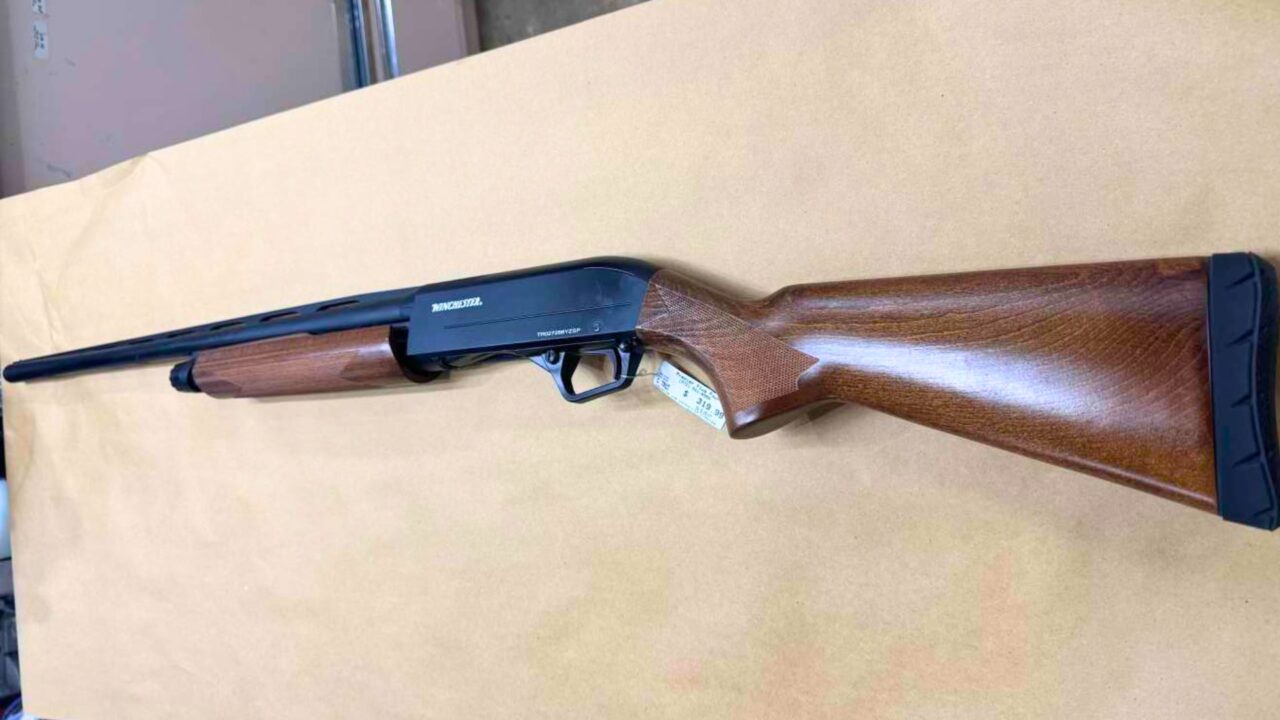
The SXP can be fast. Too fast, honestly. If you short-stroke it because you’re not used to how it wants to be run, you’ll tie yourself in knots.
This isn’t me calling it junk. It’s me saying the gun’s feel matters. Home defense is not the moment to realize your pump shotgun cycles differently than the one you grew up on.
16. Ruger LC9 (original hammer-fired model)

The original LC9 carried great. It was thin and light and disappeared on your belt. But that long, revolver-like trigger pull is not everyone’s friend when speed and precision matter.
If you shoot it well, good on you. I’ve watched plenty of folks yank shots low and left with it, especially when trying to go fast. For home defense, I’d rather have a cleaner trigger and more controllable handling.
17. SCCY CPX-2

These are another “price point first” pistol. Some run, some don’t, and the heavy trigger can make accuracy tougher than it should be at typical in-the-house distances.
Also, the aftermarket and parts ecosystem isn’t in the same universe as the big names. When you need magazines, holsters, and small replacement parts, it’s nice when they’re everywhere.
18. Kimber Ultra Carry (3-inch 1911s in general)
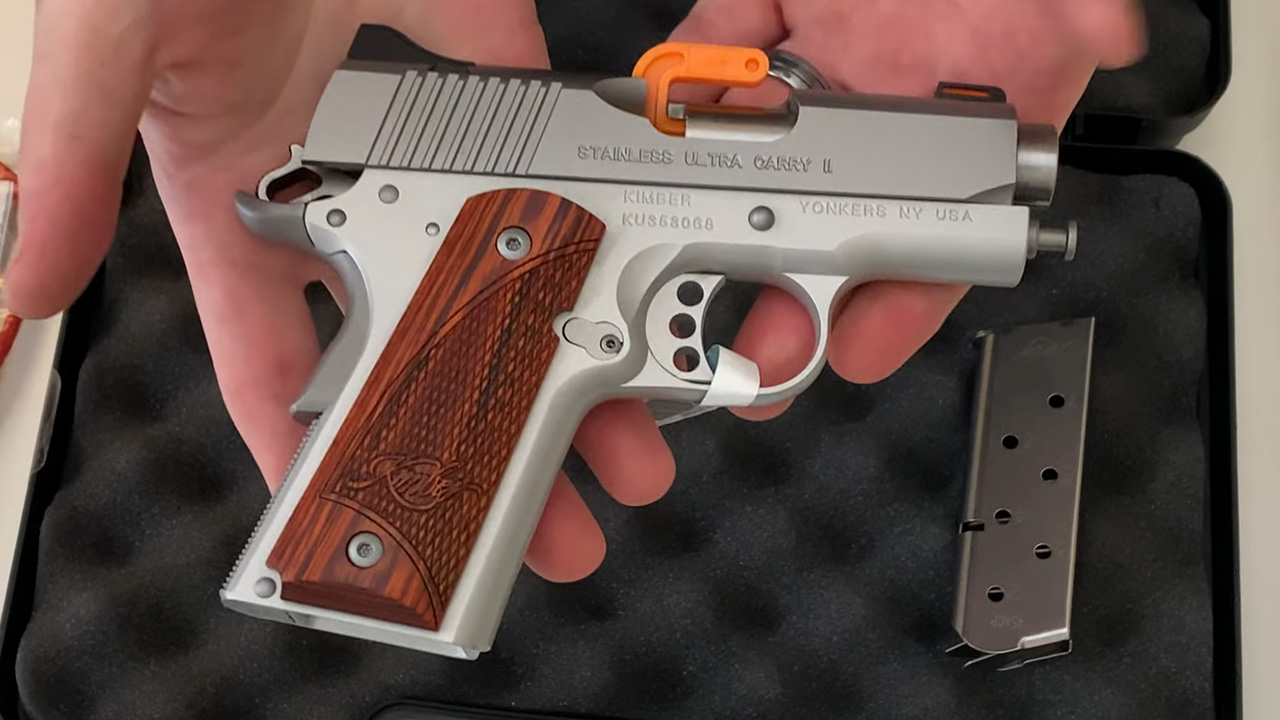
I like 1911s. I also like them in sizes that behave. The short 3-inch versions can be picky, especially when they’re dirty, under-sprung, or running magazines they don’t like.
When a compact 1911 runs, it’s sweet. When it doesn’t, it’s frustrating and sometimes expensive to troubleshoot. A home defense gun should be less dramatic than that.
19. Springfield XD-S (early models, unvetted)
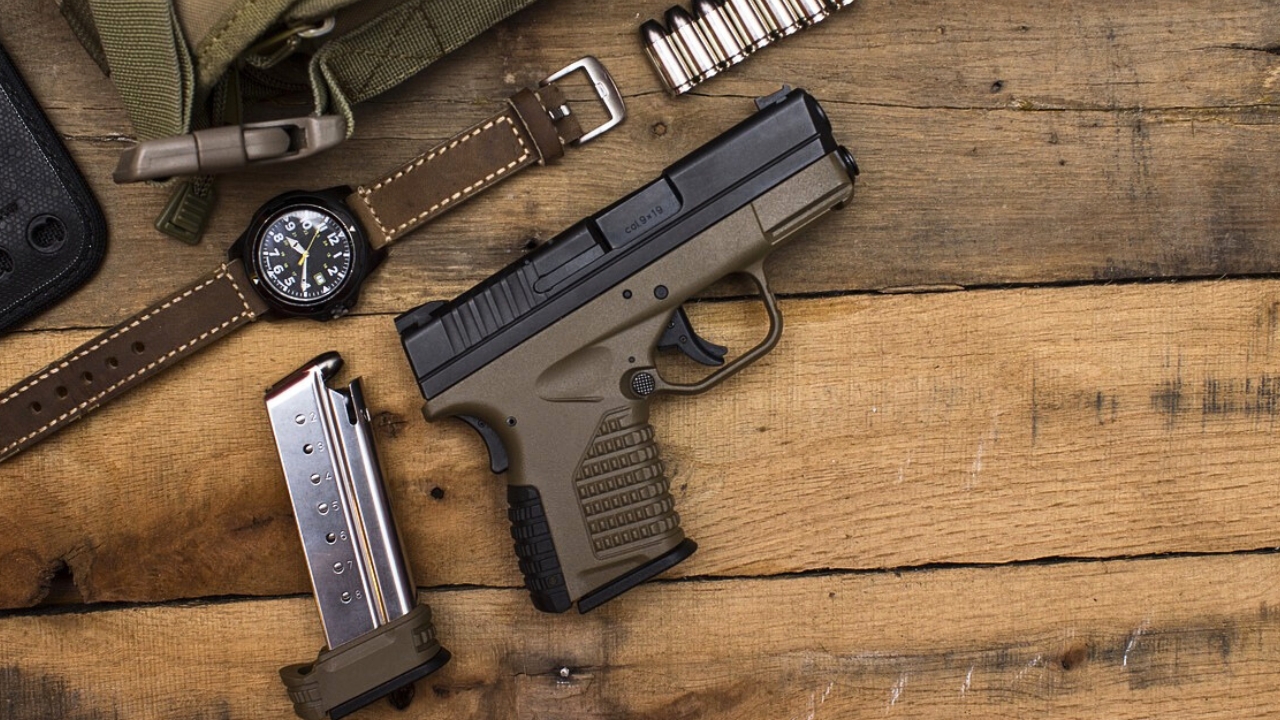
The XD-S is easy to carry and points well for a lot of hands. But any used micro pistol you haven’t personally tested can hide problems: worn springs, magazine issues, or previous-owner “kitchen table gunsmithing.”
Micro pistols also magnify shooter error. If the grip safety and your grip don’t play nice under stress, that’s one more variable I don’t want at 2 a.m.
20. Any old .25 ACP Saturday-night special

If it’s a tiny, worn-out .25 with mystery magazines and who-knows-what springs, it belongs in the “interesting” pile, not the “depend my life on it” pile. I’ve seen too many of them choke on perfectly normal ammo.
They’re often hard to shoot well, hard to find good mags for, and hard to service. Sentiment or nostalgia is fine. Defense is different.
None of this means you’re doomed if one of these is all you’ve got right now. It means you should test it like your safety depends on it, because it does. The best home defense gun is the one that runs every time, that you can shoot accurately, and that you actually practice with. Boring and reliable beats clever and questionable, every single time.
Like The Avid Outdoorsman’s content? Subscribe to our newsletter so you never miss an article.
Here’s more from us: