Photo credit: AI-generated image created using ChatGPT. Illustrative only
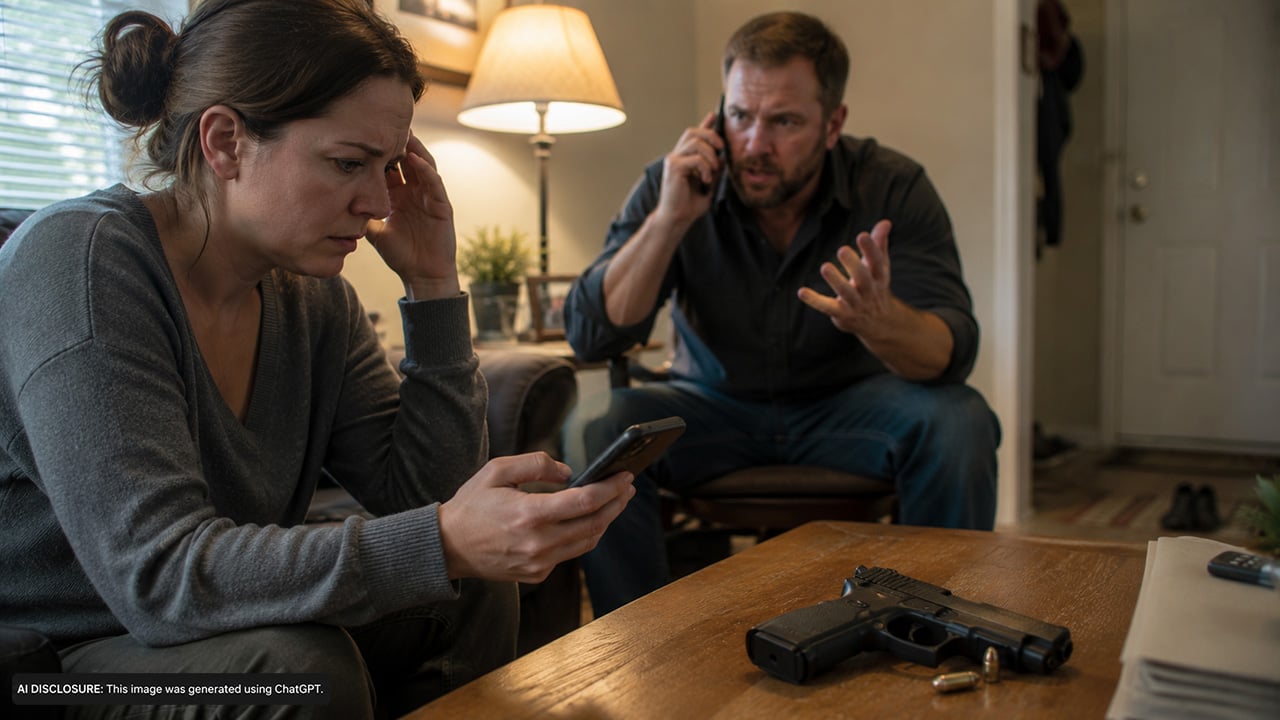
Breakups are messy, but they get a whole lot more serious when somebody’s gun is left behind and used as leverage. That’s the spot one Maryland woman found herself in, laid out in the original post: her ex boyfriend moved on, but his firearm stayed in her apartment.
According to her account, the gun is registered in his name in North Carolina, where he lives. After they split, she told him she wanted the firearm gone and refused to let him back inside. He kept changing plans, then flat-out told her he wouldn’t pick it up unless she let him come in and stay with her—turning a basic property pickup into a control play.
When the “pickup” turned into a bargaining chip
The situation didn’t start out complicated. She said the only “important item” he left was his gun, and she tried to coordinate a handoff. He told her he’d come get it one night, then backed out after she said she didn’t want to talk in person and would leave his things outside her door.
The next day, it shifted from flaky to manipulative. She asked again when he was coming, and he responded that he wanted his stuff, but also wanted to leave the firearm at her place because “that’s where it should be.” When she refused, he made it plain: “if I’m not staying then I don’t need to come.” That’s not a property dispute anymore—it’s pressure.
Why a left-behind firearm is a real safety problem
Most outdoorsmen understand this instinctively: a firearm isn’t like a sweatshirt or a coffee maker. It’s a controlled item, it carries risk, and it can create liability even when it’s not “yours.” She made it clear she did not want to keep it in her possession, and that’s a reasonable reaction.
Even if the gun is legally owned by the ex, leaving it unsecured—or leaving it with someone who doesn’t want it—creates obvious hazards. There’s also the personal safety angle: forcing contact through a firearm pickup is a bad sign, and it puts her in the position of having to choose between her boundaries and getting the gun out of her home.
The fear that police involvement could backfire
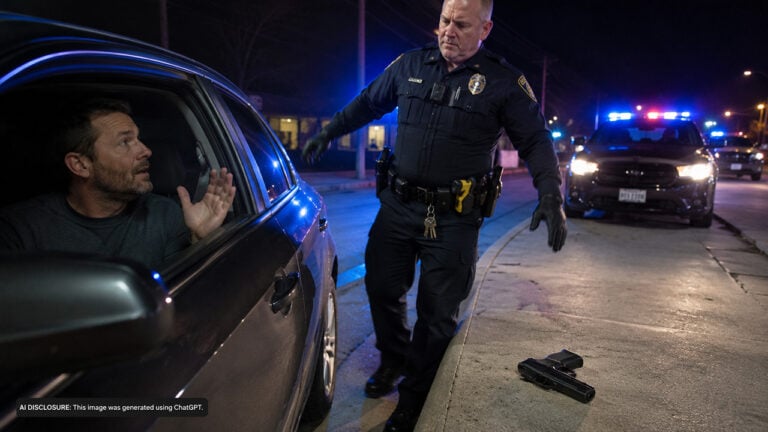
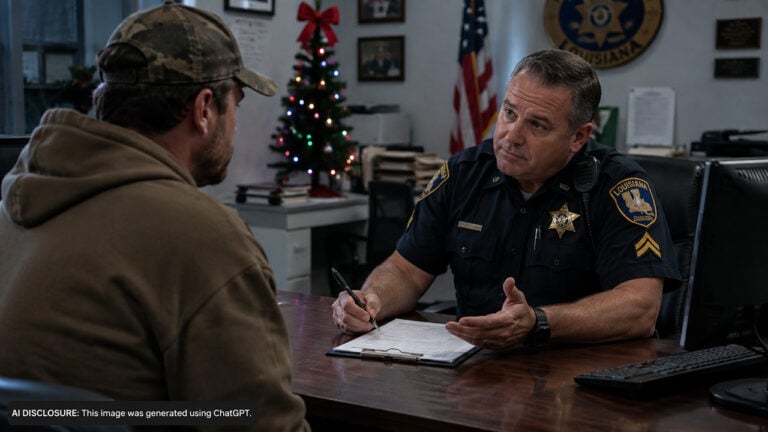
She also said she was scared he would call police and claim she had his legal firearm, and she was equally worried that involving police herself could get her in trouble for having a gun “not registered” in her name or state. That’s a common worry, especially for folks who don’t live and breathe firearm law.
Maryland and North Carolina don’t treat every firearm the same, and state lines can complicate things fast. Add in the fact that she’s talking about an apartment setting, and it’s easy to see why she’s nervous about a doorstep handoff, about storing it, and about being accused of doing something wrong even though she’s trying to do the right thing.
What practical options people tend to focus on in situations like this
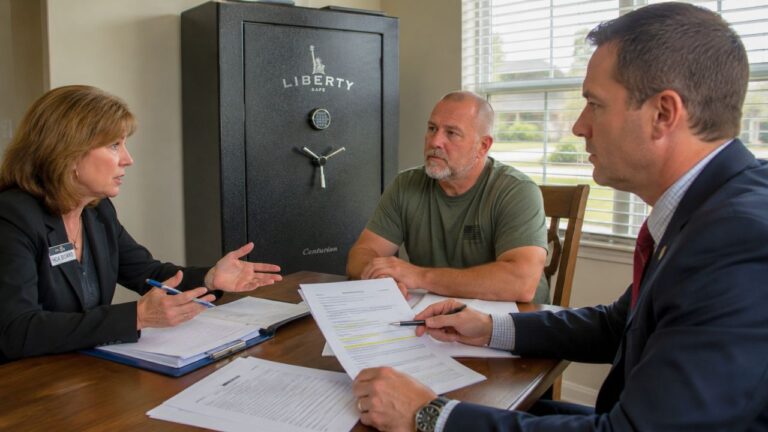
In the real world, when someone refuses to retrieve a firearm and is using it to force contact, the “best” option is usually the one that keeps everybody safe and creates a paper trail. That typically means separating two issues: (1) your personal safety and boundaries, and (2) returning property the right way.
Common-sense steps many gun owners recognize here include: don’t let the other person inside; don’t meet alone; don’t get talked into “just one conversation” because a firearm is involved; and don’t leave a gun sitting around where it could be accessed by visitors, kids, or anyone else. If you’re in possession of a firearm you don’t want, safe storage—locked, inaccessible, and untouched—is the bare minimum until it’s transferred properly.
From a nuts-and-bolts standpoint, folks also tend to recommend using a neutral third party or an official channel rather than a private handoff with a volatile ex. Not because it’s dramatic—because it keeps emotions out of it. When tempers flare, parking-lot exchanges and apartment-door pickups can go sideways fast.
The part that feels unfair: being forced to “hold” someone else’s responsibility
The ex’s stance—refusing to pick it up unless he’s allowed inside—puts the entire burden on her. And it’s not just inconvenience. It’s the anxiety of having a gun in the home that she didn’t ask to keep, plus the concern that he could twist the story later.
Anybody who keeps firearms around hunting camp, on a farm, or in a truck knows the rule: you don’t leave guns where you don’t control access, and you don’t leave guns behind like they’re an afterthought. If this firearm really mattered to him as property, he’d be treating the pickup like a serious errand, not a relationship negotiation.
For outdoorsmen reading this, there’s a lesson that applies even if you never plan on getting divorced or breaking up: if you’re the gun owner, don’t put someone else in this position. If you’re the one left holding it, don’t let yourself be pressured into unsafe contact just to get it off your hands.
A grounded way to think about next moves
She asked, plainly, what her options are to get it out of her possession while refusing to let him into her apartment. The safest mindset is to treat it like any other high-stakes property return: keep it secure, avoid confrontation, and use a method that doesn’t require private face-to-face contact.
That can look like arranging a transfer through a lawful, documented channel, or coordinating a pickup that keeps distance—daylight, a neutral location, another adult present, and no entry into the home. And if there’s any whiff of threats, coercion, or harassment, it’s worth prioritizing personal safety over convenience and documenting communications.
At the end of the day, this isn’t about being “nice” or “difficult.” It’s about getting a firearm out of an unwanted situation without opening the door—literally or figuratively—to more manipulation. Responsible gun ownership doesn’t stop at safe muzzle direction and trigger discipline. It also means handling transfers, storage, and breakups like an adult, not like a hostage negotiation.
Like The Avid Outdoorsman’s content? Subscribe to our newsletter so you never miss an article.
Here’s more from us: