Photo credit: AI-generated image created using ChatGPT. Illustrative only
Anybody who’s kept backyard birds knows the routine: lock them up, keep feed secure, and try to stay on decent terms with the folks next door. But all it takes is one roaming dog to turn a quiet little coop into a crime scene of feathers and missing animals.
That’s where one Virginia landowner says they’re at right now, after losing multiple birds in what they believe are repeated attacks by a neighbor’s dog. In the original post, the owner laid out a string of losses—two ducks and two chickens—then asked the plain question a lot of rural folks end up asking: what can you actually do when somebody else’s dog keeps coming onto your property and killing livestock?
A backyard flock got hit, then hit again
The first loss was clear and ugly. The owner said their first duck died “by the mouth” of the neighbor’s dog. After that, they went over and talked to the neighbors, and were told the dog would be kept on a leash.
That should’ve been the end of it. But instead of a one-time incident, the owner described more losses that followed: the second duck “disappeared without a trace,” their rooster was found dead in the backyard with no visible blood but feathers scattered everywhere, and their hen went missing. The detail that stood out was the feather trail—feathers were even found in the neighbor’s yard, which only reinforced the suspicion that the same dog was still getting through or around that “small fence” between the properties.
When the fence doesn’t stop a roaming dog
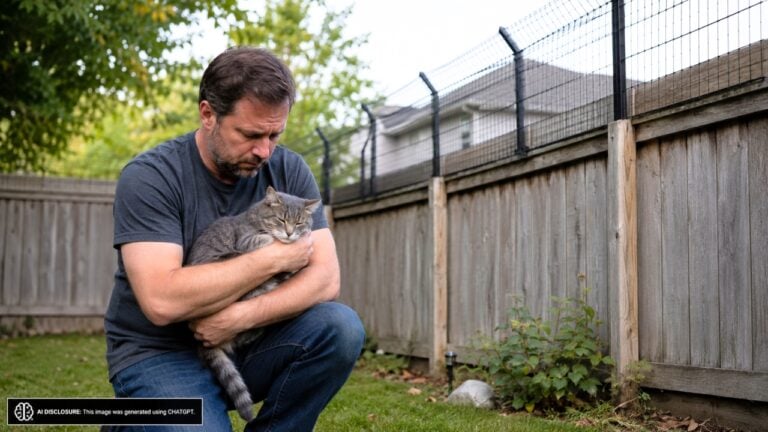
Small backyard fences look fine until you’re dealing with an animal that’s motivated. A dog that’s figured out how to jump, push under, or slip through a weak spot will keep doing it. Once it’s tasted success, it becomes a habit, not an accident.
From a practical standpoint, the owner’s description is the kind of pattern rural folks recognize: one confirmed kill, then missing birds, then another kill with feathers everywhere. Predators leave signatures. A dog will often leave chaos—feathers scattered, bodies moved, multiple birds chased—because the drive is as much about the chase as it is about eating. That doesn’t prove it in court by itself, but it’s a big clue when you’re standing in the yard trying to figure out what happened.
Talking to the neighbor was the first step—but it didn’t solve it
A lot of people try to handle this the neighborly way first, and it sounds like that’s exactly what happened here. After the first duck was killed, the owner went over to talk and got a promise: the dog would be leashed.
The problem is that a promise doesn’t change behavior unless the owner actually follows through every day. If the dog is still getting out—especially after a direct conversation—then you’ve got more than a misunderstanding. You’ve got an ongoing property and livestock problem, and it’s not just about money. It’s about safety, too. If a dog will run birds down, it’s already comfortable coming onto your property uninvited, and that’s not a small thing if you’ve got kids, other pets, or larger livestock.
Why “call animal control” isn’t always the clean fix people expect
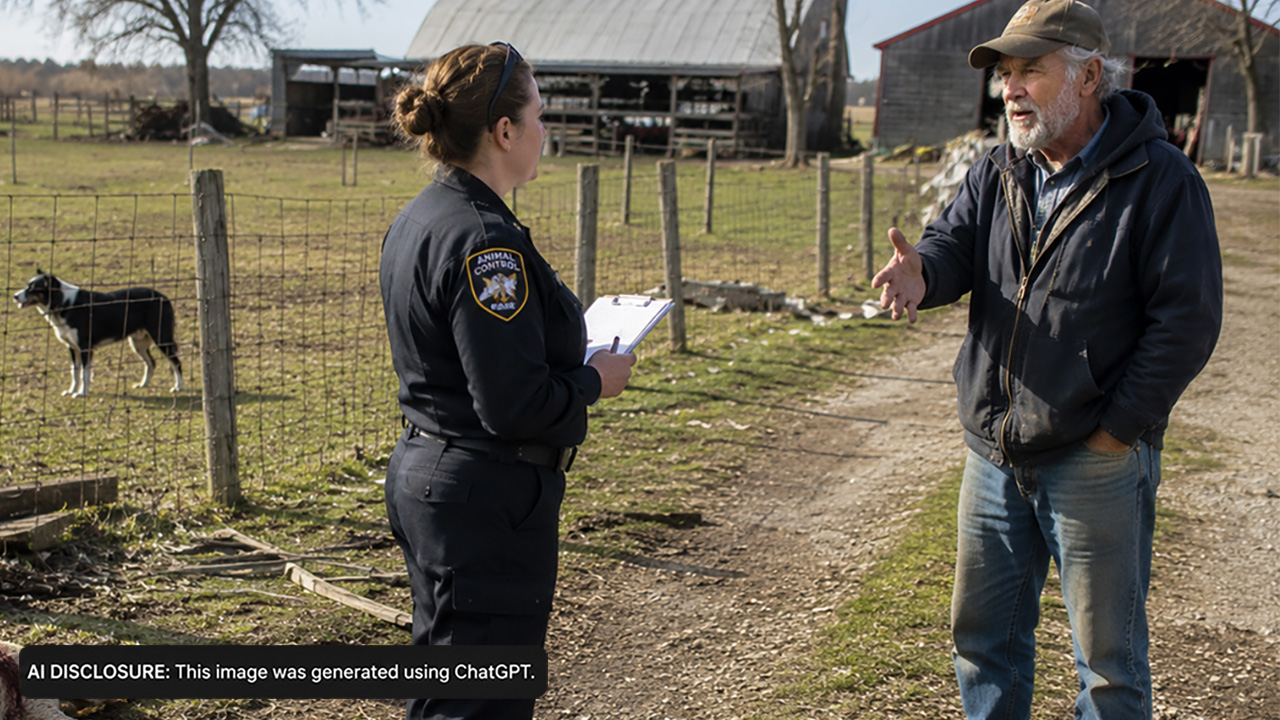
When animals are being killed and you know what’s doing it, most folks assume animal control is going to roll in, write a ticket, and fix the problem. Sometimes that happens. Other times, you get told some version of “this is a civil matter,” meaning the agency may treat it like a dispute between neighbors rather than an enforceable violation they’re going to take ownership of.
Even when animal control won’t take the lead, making a report can still matter. A paper trail is a paper trail. If this keeps happening, documented complaints can help show it’s not a one-off. And if there are local leash laws, roaming-at-large rules, or dangerous-dog procedures that apply, the right report can be the thing that gets the situation taken seriously later.
The hard truth is that rural enforcement can be uneven. Some counties are aggressive about dogs running at large, and some basically treat it like “y’all work it out.” That’s frustrating when you’re the one scooping up feathers and counting missing animals.
What practical options a livestock owner starts looking at
The owner asked what they should do next. In situations like this, the options usually fall into a few buckets: documentation, physical prevention, and legal pressure. None of them feel great in the moment, but they’re the moves that tend to hold up over time.
First is documentation. Pictures of the dead bird, the feathers, any wounds, and the fence line matter. So does a written timeline: dates, what was found, where it was found, and what was said to the neighbor after the first incident. If there are feathers in the neighbor’s yard, that’s worth photographing too—especially if it supports the claim that the attack crossed the property line.
Second is prevention. “Small fence” and free-ranging birds can be a rough combo if there’s a known dog getting loose. Tightening up the run, burying wire, reinforcing low spots, and locking birds up earlier in the evening are the unglamorous fixes, but they can stop the bleeding while the human side gets sorted out. It isn’t fair that the livestock owner has to spend more money because someone else won’t control their dog, but dead birds don’t come back.
Third is legal pressure. Many states and localities treat poultry as livestock or property, which means there may be a path to recover the value of the animals and any related costs. That often starts with a formal demand to the dog owner to pay for losses, and if that goes nowhere, small claims court is where these neighbor disputes sometimes land. It’s not about getting rich—it’s about forcing accountability and creating consequences.
The outdoor reality: this isn’t just about birds
To a lot of folks, a duck is “just a duck” and a chicken is “just a chicken.” To someone who raises them, they’re livestock. They’re also routine: eggs, pest control, meat, and the simple satisfaction of feeding yourself off your own ground.
When a neighbor’s dog starts killing them, it’s more than an argument about pets. It’s trespass. It’s destruction of property. And it can escalate fast—because once a dog learns it can cross over and chase things, the target list can expand. Today it’s a rooster. Tomorrow it’s a lamb, a kid goat, or a fawn bedded down in the wrong place.
The cleanest end to these situations is when the dog owner takes it seriously, contains the animal, and makes the livestock owner whole. When that doesn’t happen, the person losing animals is left with the same unpleasant job every rural property owner understands: protect what’s yours, document everything, and use the tools that actually work—whether that’s better fencing, official reports, or the civil court process.
For this Virginia owner, the immediate goal is simple: stop the next attack. Because once you’ve had feathers scattered across the yard and birds vanishing one by one, “we’ll keep him on a leash” isn’t a solution anymore—it’s just words.
Like The Avid Outdoorsman’s content? Subscribe to our newsletter so you never miss an article.
Here’s more from us: